
Cars with Anti Lock Braking System in India
Anti Lock Braking System in Cars: Segment Overview
The Anti Lock Braking System plays a crucial role in improving the safety of the vehicle, especially on wet roads, loose gravel, or during emergency braking situations. When a driver applies hard braking on the brake pedal, the system quickly adjusts brake pressure to keep the wheels from locking up. This helps the driver to maintain steering control and reduce the risk of skidding.
In India, the Anti Lock Braking System was made mandatory for all new passenger vehicles under government safety regulations that were implemented in April 2019. As a result, almost all new vehicles are ABS cars as standard.
The use of ABS has also helped to improve braking performance in modern vehicles as a whole. Studies suggest the system is able to improve the control when braking during panic situations by 20-30% compared with traditional braking systems. In most vehicles, ABS is also used together with the Electronic Brakeforce Distribution (EBD), which equalises braking force between the front and rear wheel for improved stability.
Here are some of the popular ABS cars available across different price segments currently in India.
| Model Name | Powertrain & Output | Mileage (ARAI) | Ex-Showroom Price |
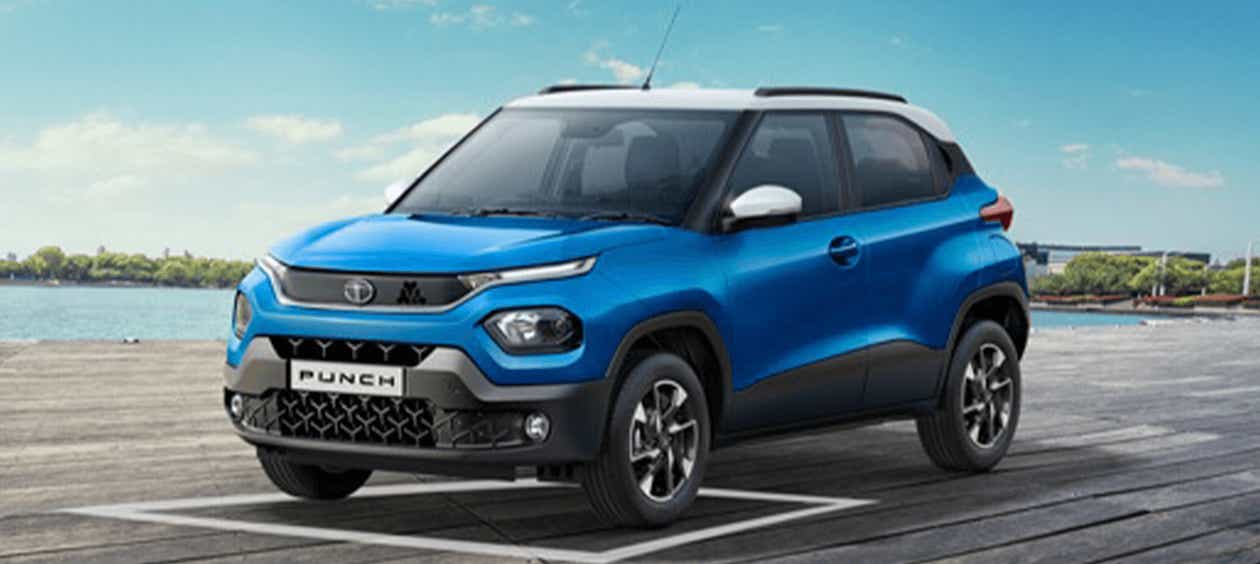
| Tata Punch | 1.2L Petrol / CNG, Manual/AMT, 87 bhp, 115 Nm | 18.8–27.0 kmpl | ₹5.60–10.55 Lakh |
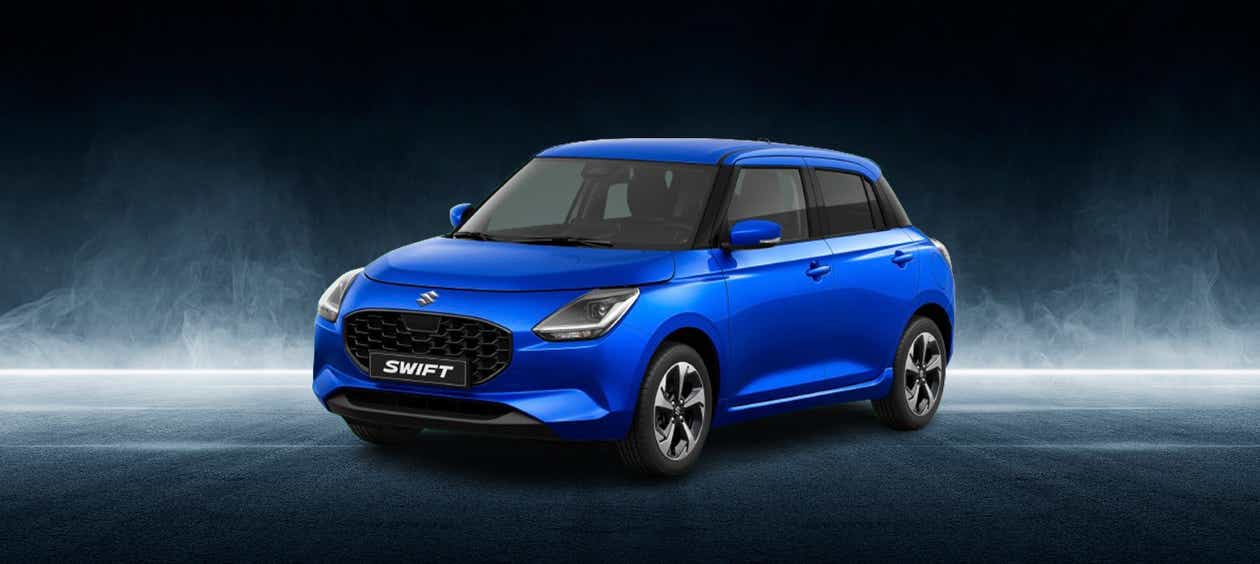
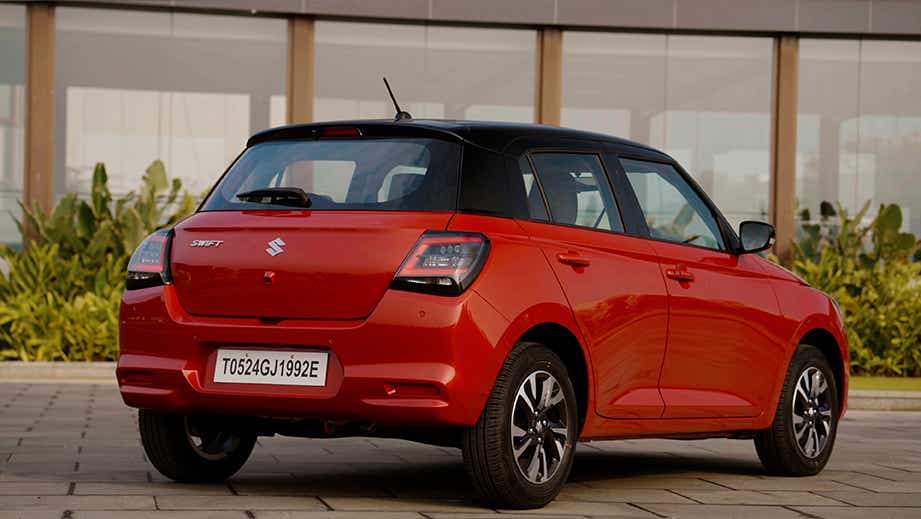
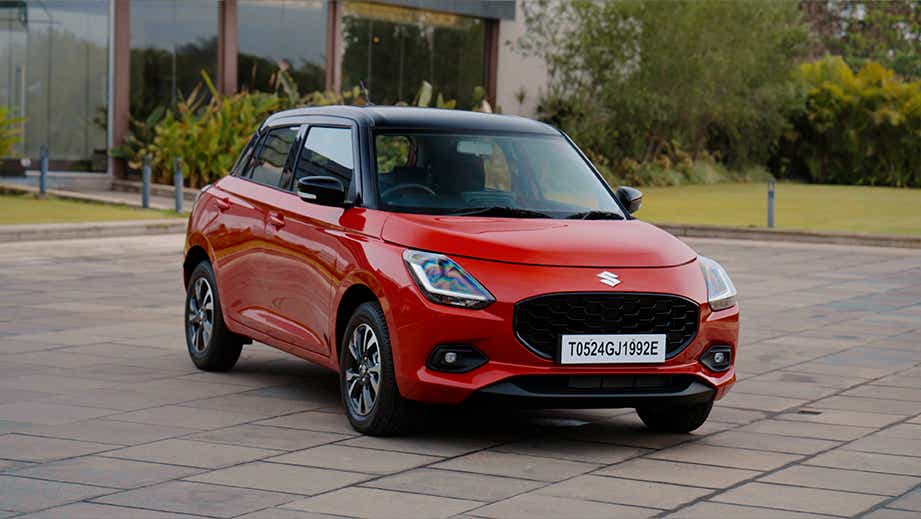
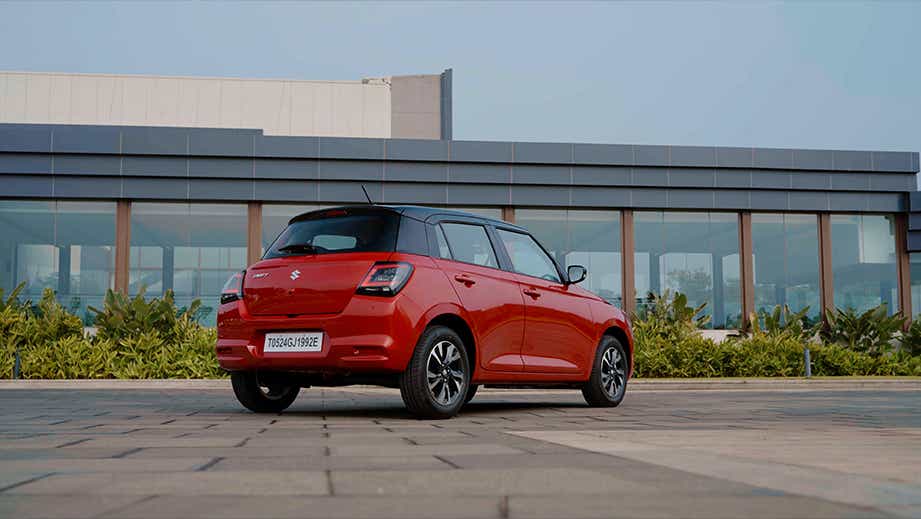
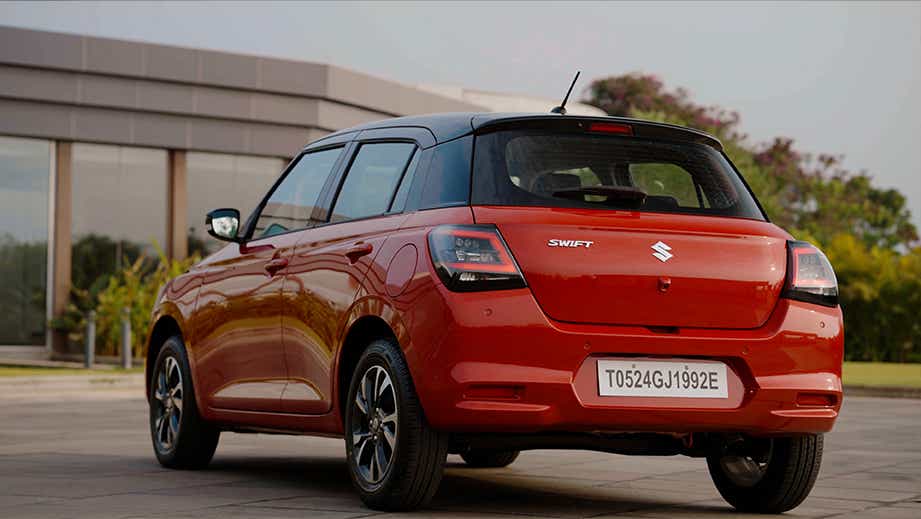
| Maruti Suzuki Swift | 1.2L Petrol, Manual/AMT, 80 bhp, 112 Nm | 24.8–25.7 kmpl | ₹5.79–8.80 Lakh |
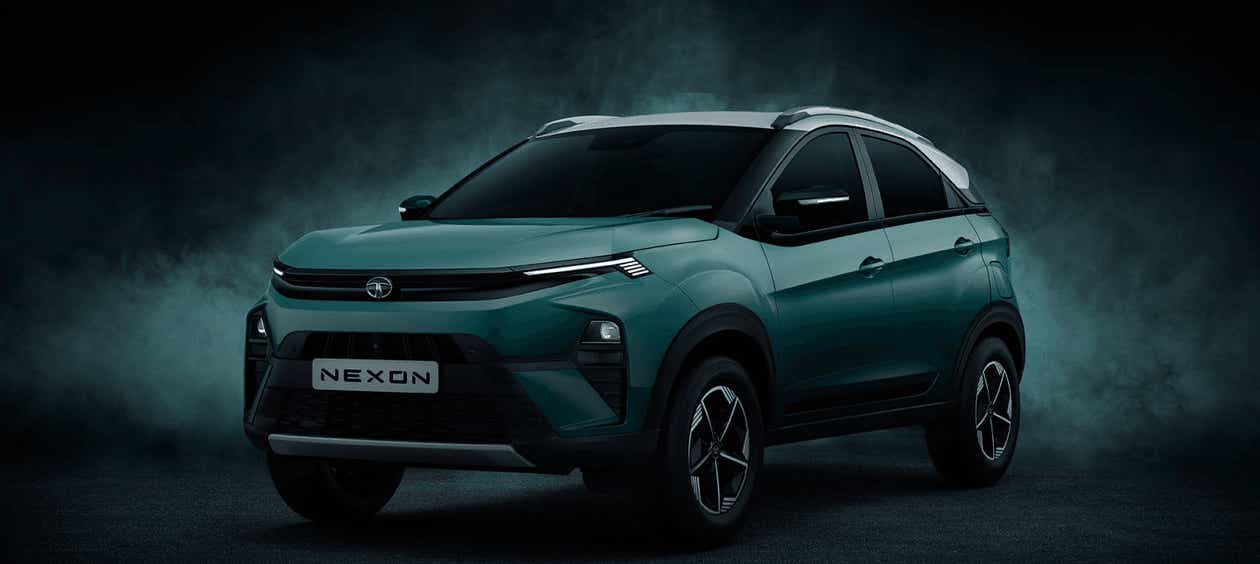
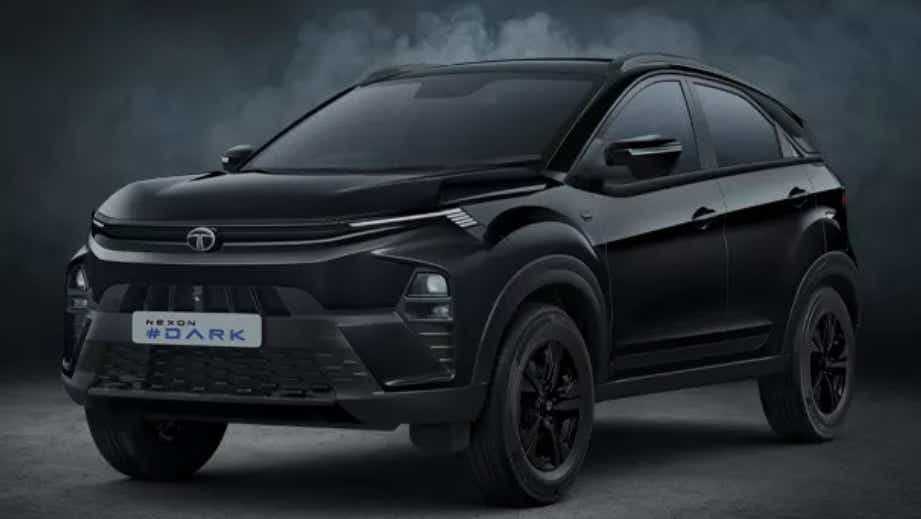
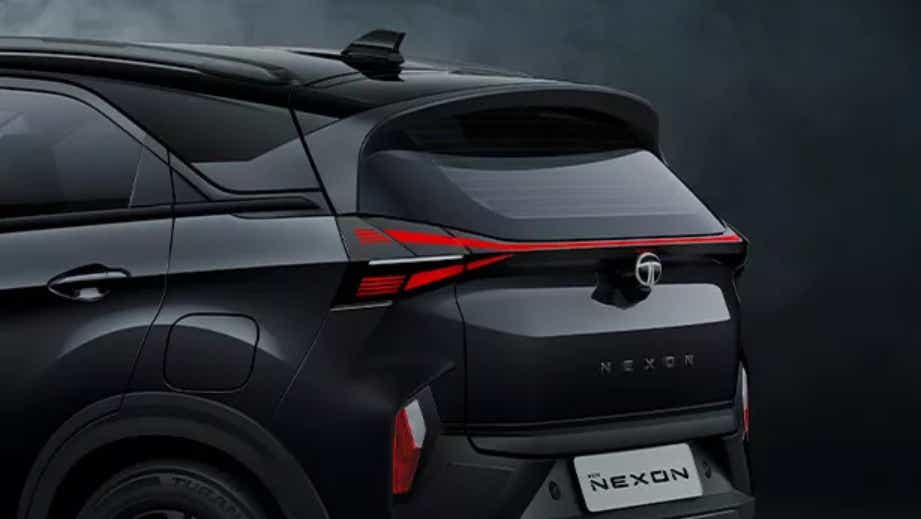
| Tata Nexon | 1.2L Turbo Petrol / 1.5L Diesel, Manual/Automatic, 118 bhp, 170 Nm (P) / 113 bhp, 260 Nm (D) | 17.0–24.1 kmpl | ₹7.32–14.15 Lakh |
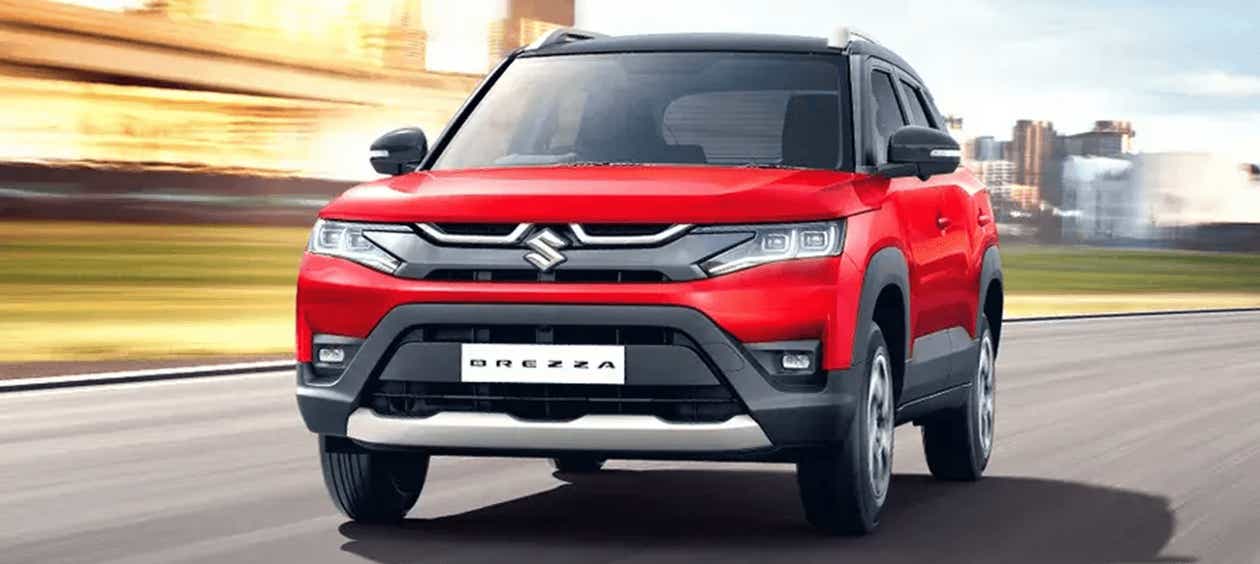
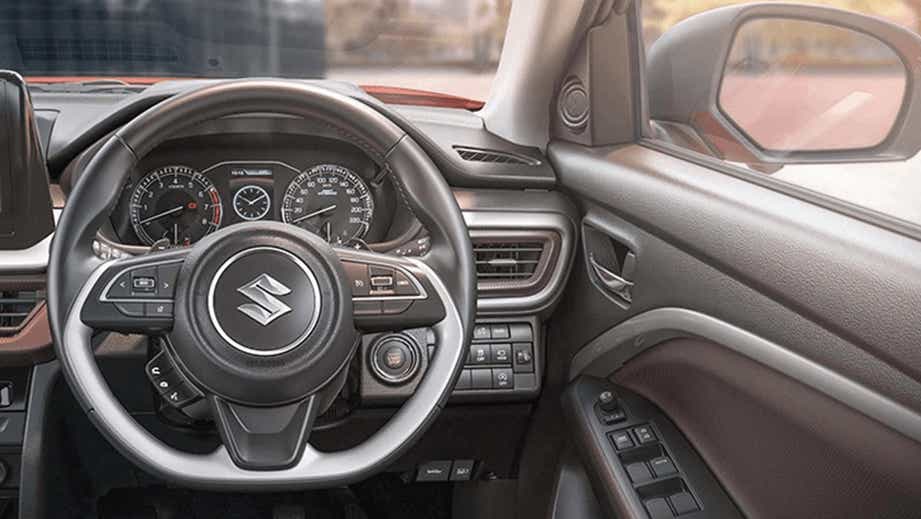
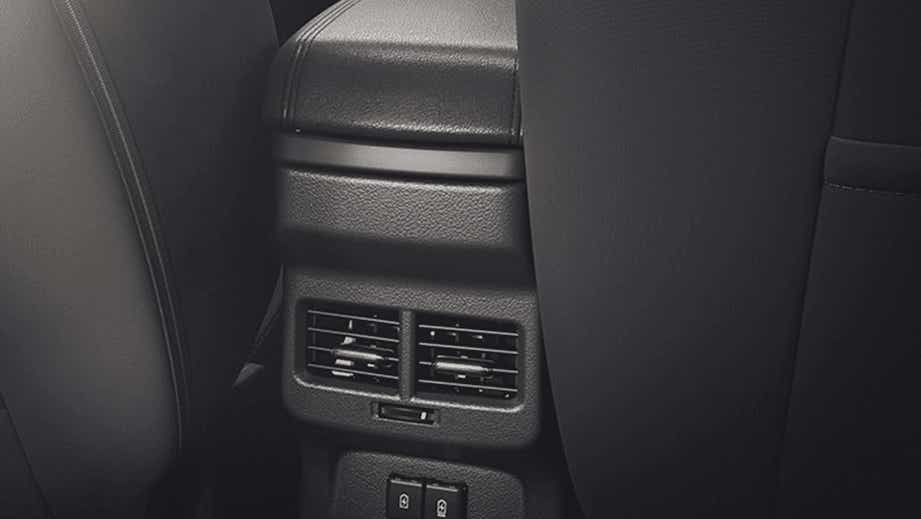
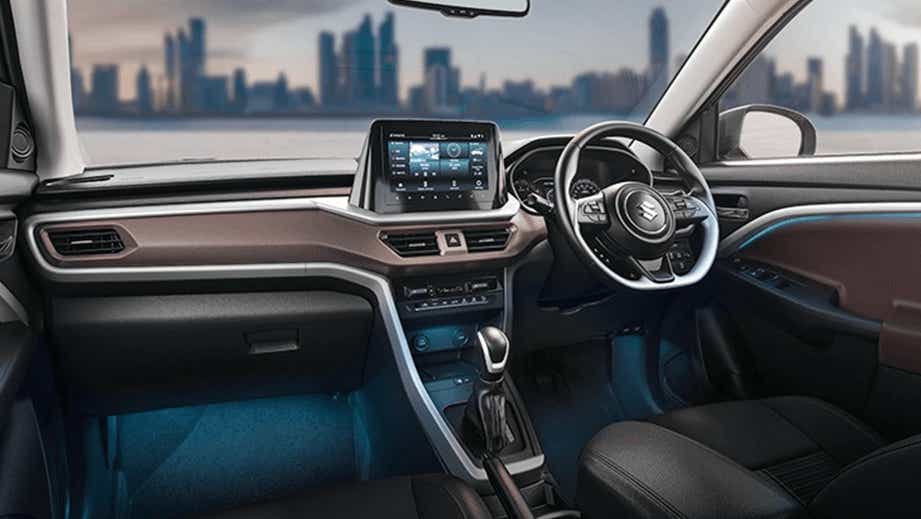
| Maruti Suzuki Brezza | 1.5L Petrol / CNG, Manual/Automatic, 101 bhp, 136.8 Nm | 17.3–19.8 kmpl | ₹8.26–13.01 Lakh |
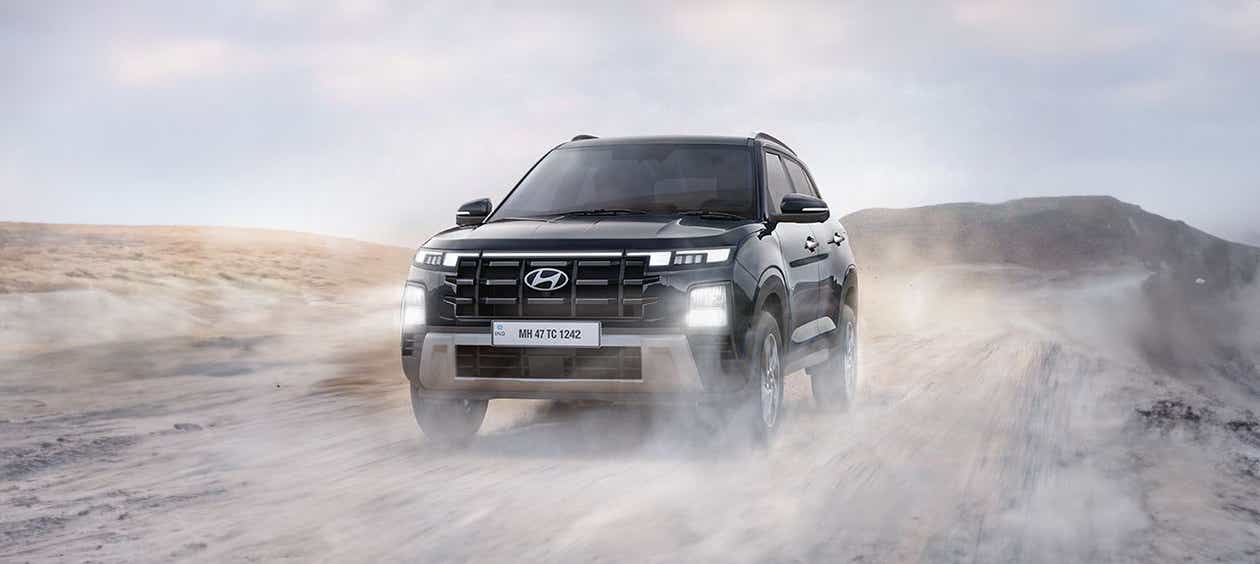
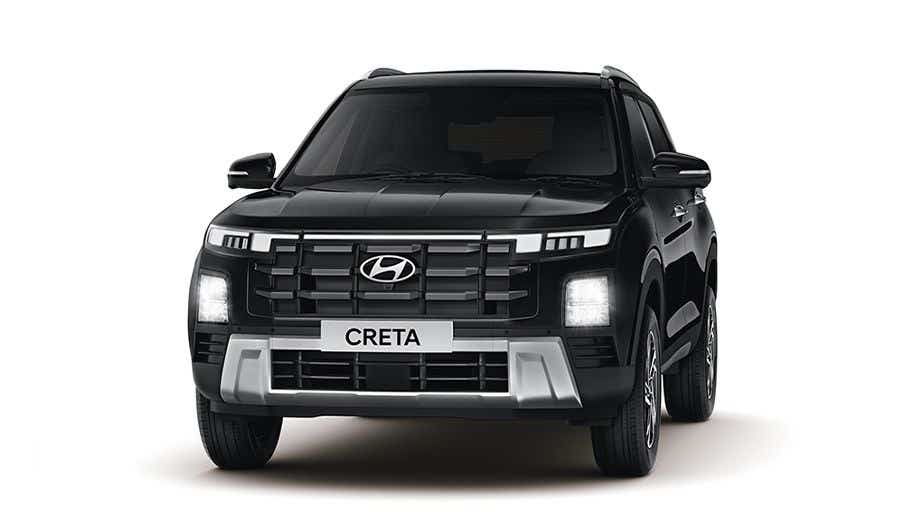
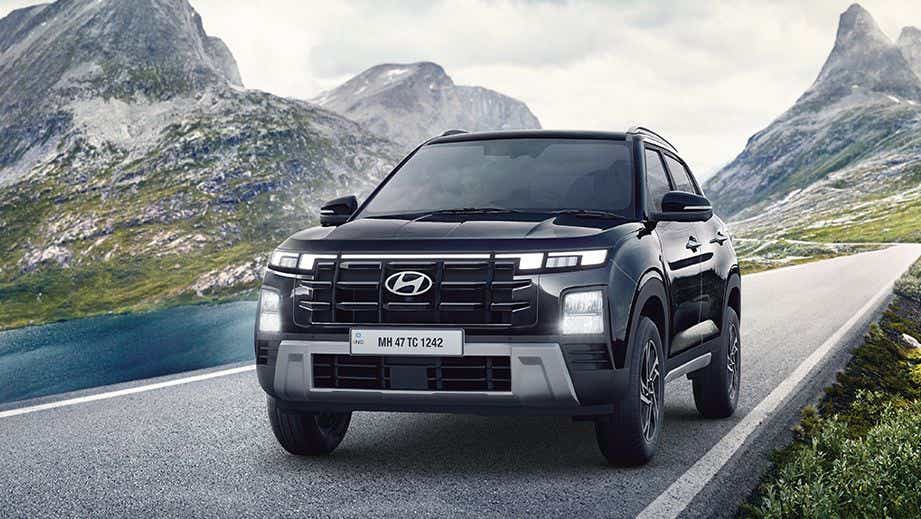
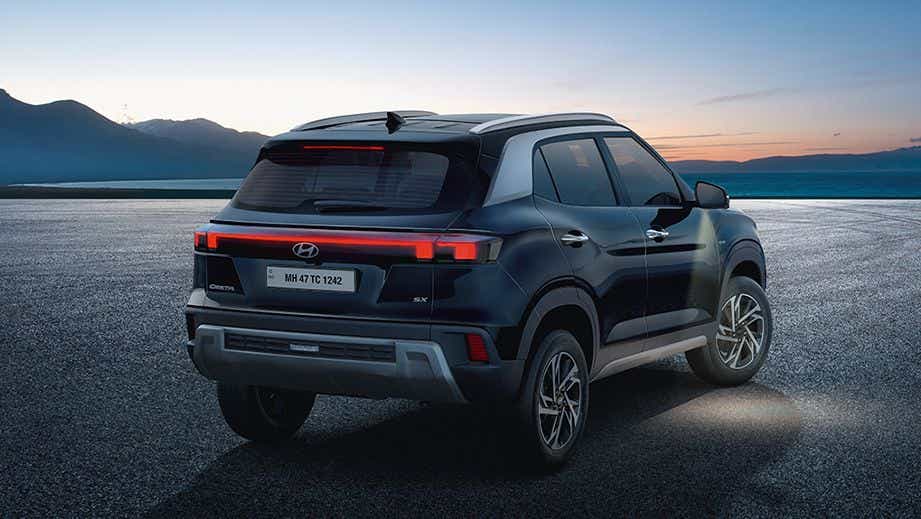
| Hyundai Creta | 1.5L Petrol / Diesel / Turbo Petrol, Manual/Automatic, 113 bhp, 144 Nm (NA) / 158 bhp, 253 Nm (Turbo) | 17.4–21.8 kmpl | ₹10.79–20.20 Lakh |
| Kia Seltos | 1.5L Petrol / Diesel / Turbo Petrol, Manual/Automatic, 113 bhp, 144 Nm (NA) / 158 bhp, 253 Nm (Turbo) | 17.0–20.7 kmpl | ₹10.99–19.99 Lakh |
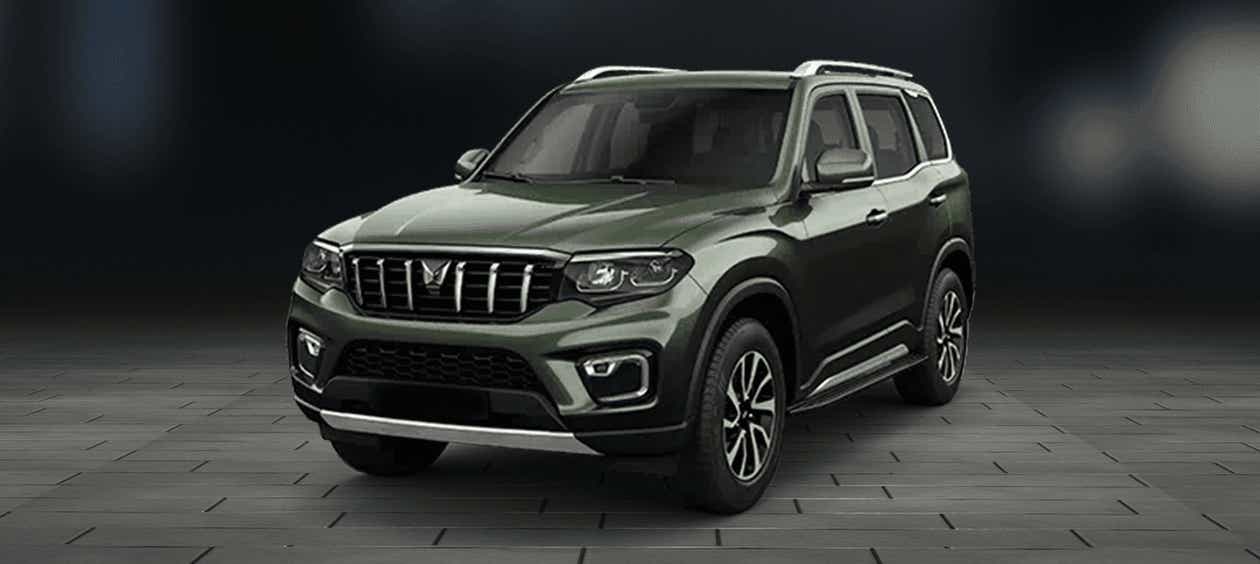
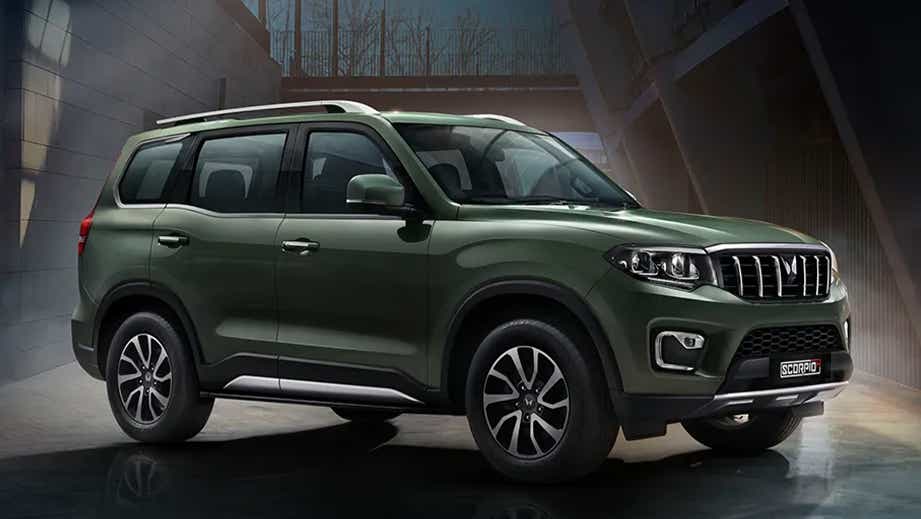
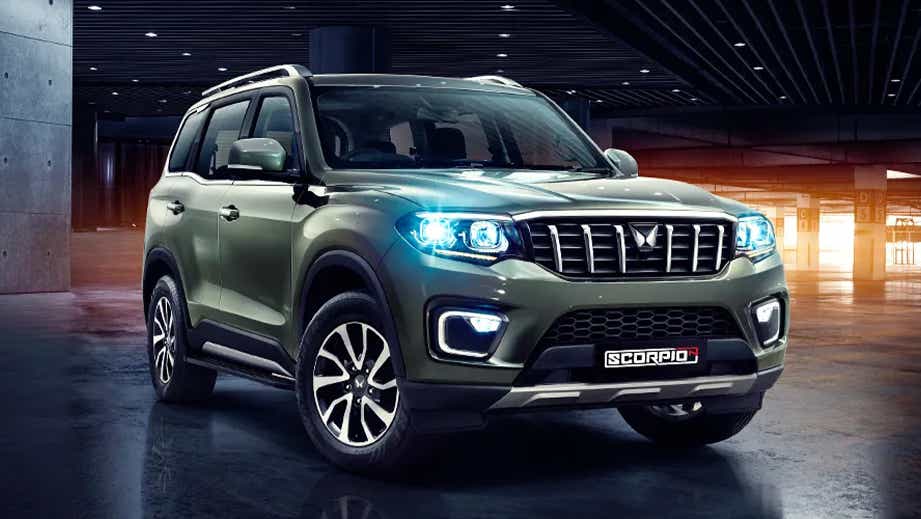
| Mahindra Scorpio-N | 2.0L Turbo Petrol / 2.2L Diesel, Manual/Automatic, 200 bhp, 380 Nm (P) / 172 bhp, 400 Nm (D) | 14–16 kmpl | ₹13.49–24.54 Lakh |
| Mahindra XUV 7XO | 2.0L Turbo Petrol / 2.2L Diesel, Manual/Automatic, 197 bhp, 380 Nm (P) / 182 bhp, 450 Nm (D) | 13–17 kmpl | ₹13.66–24.92 Lakh |
The Anti Lock Braking System is a safety technology that prevents the wheels from locking during heavy braking. It uses sensors in each of the wheels to track the rotation speed. When a wheel begins to lock, the system automatically decreases and reapplies brake pressure several times a second.
This quick braking modulation enables the driver to keep steering control of the vehicle while slowing down. In the absence of ABS, the locked wheels may cause the vehicle to skid out of control, particularly on wet or slippery roads.
An ABS car is essential for every type of driver, including:
- City commuters who have to deal with sudden braking in traffic
- Highway drivers who need superior control when making emergency stops
- Families prioritising modern safety features
- New drivers who can benefit from improved braking stability
Due to its advantages in safety, the Anti Lock Braking System is now regarded as a basic feature in modern cars.
Understanding how the Anti-Lock Braking System differs from the older braking setups helps to highlight its advantages in safety.
| Comparison Aspect | Anti-Lock Braking System | Conventional Braking |
| Wheel Lock Prevention | Prevents wheels from locking | Wheels can lock during hard braking |
| Steering Control | The driver can steer while braking | Steering control is reduced |
| Skid Risk | Lower risk of skidding | Higher chance of skidding |
| Road Conditions | Works better on wet or slippery surfaces | Less stable on low-grip roads |
| Safety | Significantly improves emergency braking control | Less effective in panic braking |
This is why the Anti-Lock Braking System is now considered a core safety technology in today’s cars.
Different ABS car models are suitable for different buyers according to driving requirements and vehicle type.
Affordable City Cars
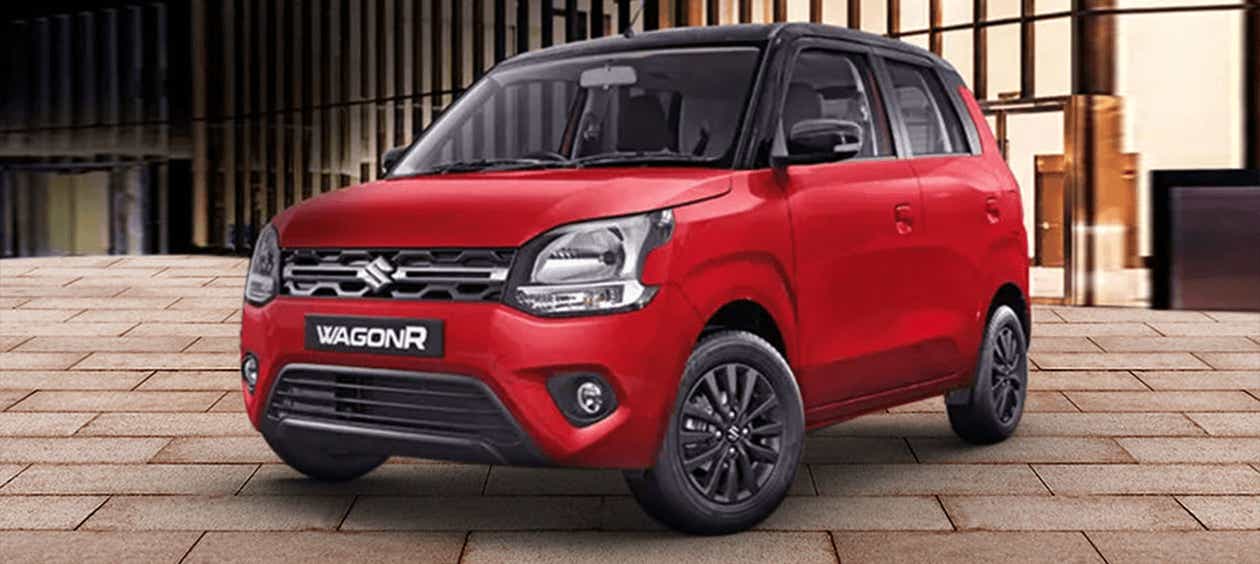
Vehicles such as Tata Punch, i20, Wagon R and Maruti Swift offer accessible Anti Lock Braking System protection in the affordable hatchback and micro SUV segment. These cars are ideal for everyday driving in the city, where sudden braking situations are common.
Compact SUVs for Families
SUVs like Tata Nexon, Maruti Brezza, Kia Sonet and Hyundai Creta are equipped with the Anti Lock Braking System along with other safety features and more powerful engines, making them popular family cars.
Large SUVs with Higher Power
Vehicles such as the Mahindra Scorpio-N, MG Gloster, and Mahindra XUV 7XO have powerful engines and advanced safety systems, in addition to the Anti-Lock Braking System, which provides better control while driving on highways.
Like any technology, ABS-equipped cars offer many advantages but also some minor limitations.
| Pros | Cons |
| The Anti-Lock braking system prevents wheel lock during sudden braking, allowing drivers to maintain steering control | Vehicles with ABS systems may have slightly higher repair costs if sensors or control modules fail |
| It significantly reduces the risk of skidding on wet roads, loose gravel, or slippery surfaces | Some drivers may initially feel vibration or pulsing in the brake pedal during emergency braking |
| ABS works together with Electronic Brakeforce Distribution to improve overall braking balance | In certain loose surfaces, such as deep gravel or sand, braking distances can sometimes increase slightly |
| Modern ABS systems improve driver confidence during panic braking situations | Older drivers unfamiliar with the system may require time to adjust to how the braking behaviour feels |
It is no longer an option to choose an ABS-equipped car; it is now a basic safety requirement available in almost every new car sold. The Anti Lock Braking System greatly improves vehicle control in the case of emergency braking and helps to reduce the chances of skidding or losing steering control. Moreover, the government has now mandated all new cars to have ABS as standard.
While the system does not necessarily reduce stopping distance in all cases, it greatly enhances the stability of the vehicle and steering control when braking suddenly. For drivers who are dealing with unpredictable traffic, monsoon roads, or highway travel, the Anti-Lock Braking system provides an important layer of safety that helps prevent accidents. This is the reason why almost all new cars that are being sold in India today have ABS as a standard safety feature.