All Car Models Available in India - A Complete Overview
Buyers today can select from a wide range of vehicles across all car price brackets, fuel types, and body styles. Entry-level hatchbacks are still some of the most affordable means of everyday travel, while high-end SUVs, luxury sedans and electric vehicles now bring advanced technology, safety features and additional comfort to the market.
Â
For most buyers, Indian cars name list usually boils down to three major body styles: hatchbacks, sedans and SUVs. Hatchbacks are appreciated for their small size and efficiency in the congested city setting. Sedans are frequently favoured for long-distance comfort and stable highway performance. SUVs, on the other hand, have a higher ground clearance, a commanding driving position and more versatility in various road conditions. As a result, the number of new cars in India only seems to grow every passing year, which offers buyers more flexibility and the option to choose from various vehicles, depending on their needs and budget, as well as their driving patterns.
To help you quickly explore some of the most widely chosen vehicles in the Indian market, the table below highlights popular car models across different brands along with their body type, starting price, and available fuel options:
Â
| Brand | Popular Model | Body Type | Starting Price (Ex-Showroom, India) | Fuel Options |
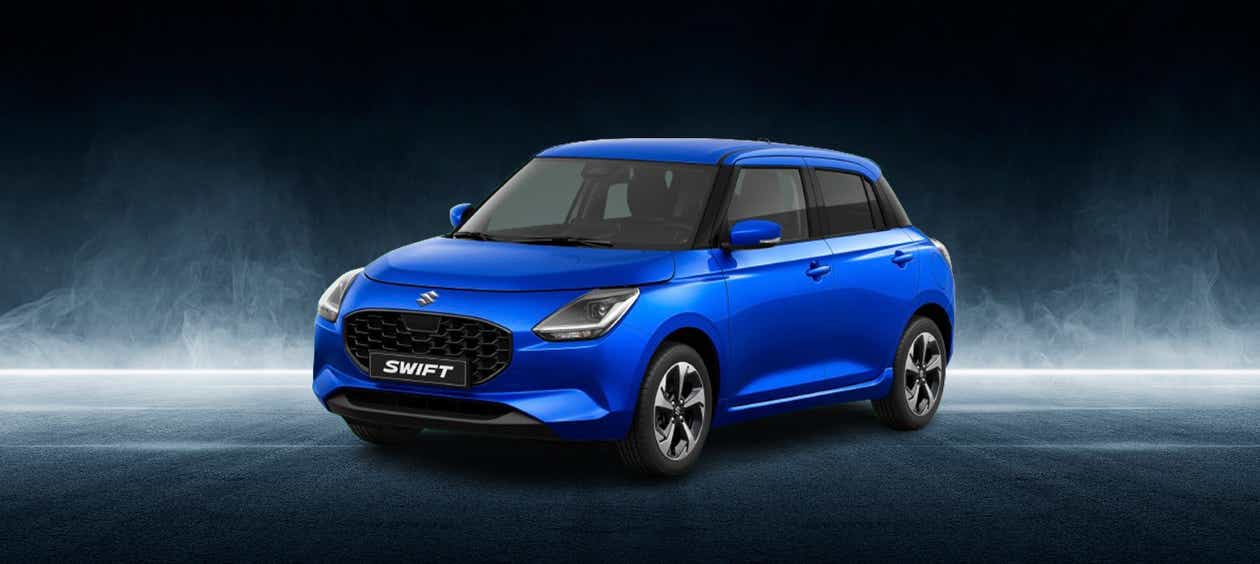
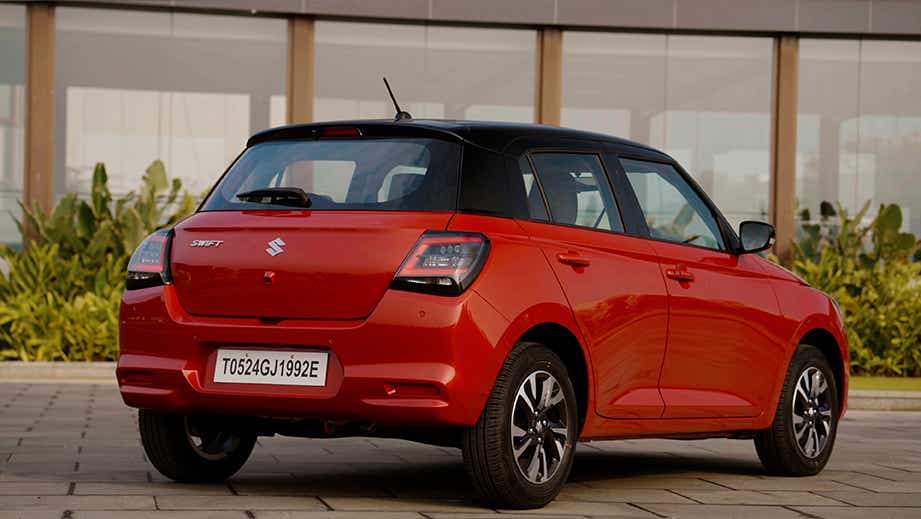
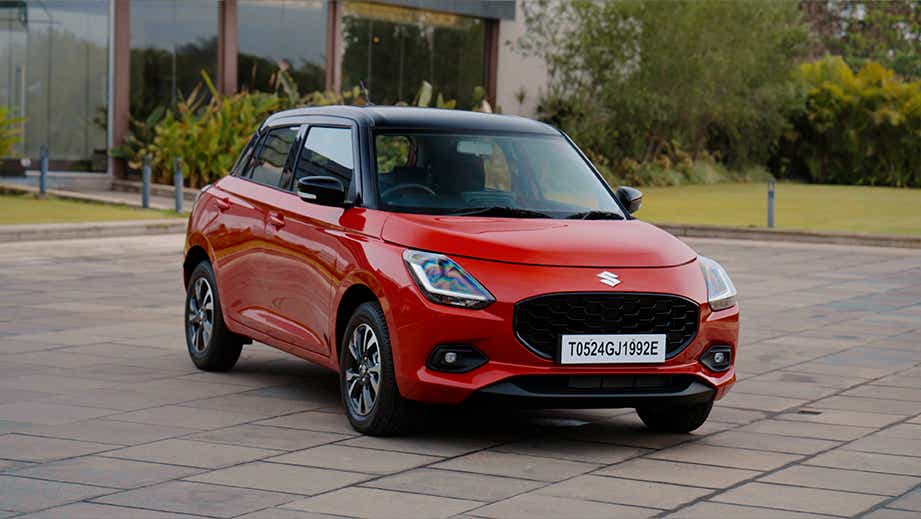
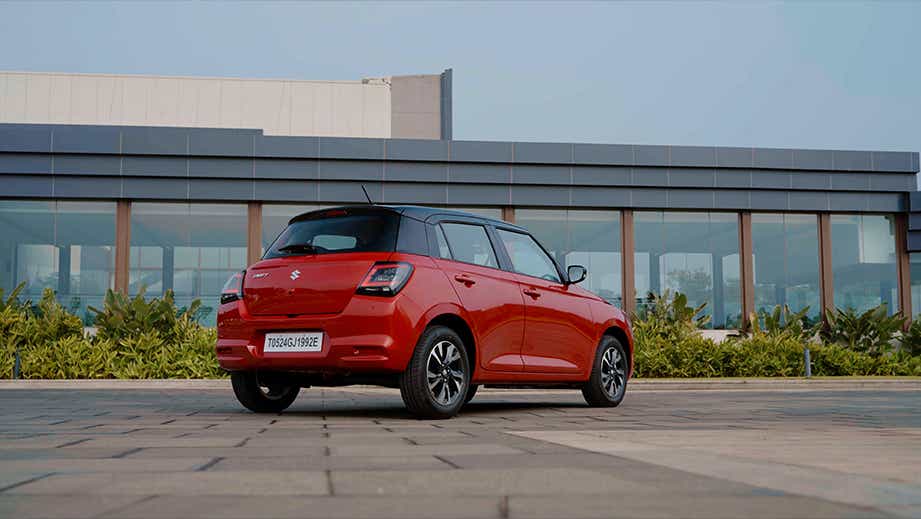
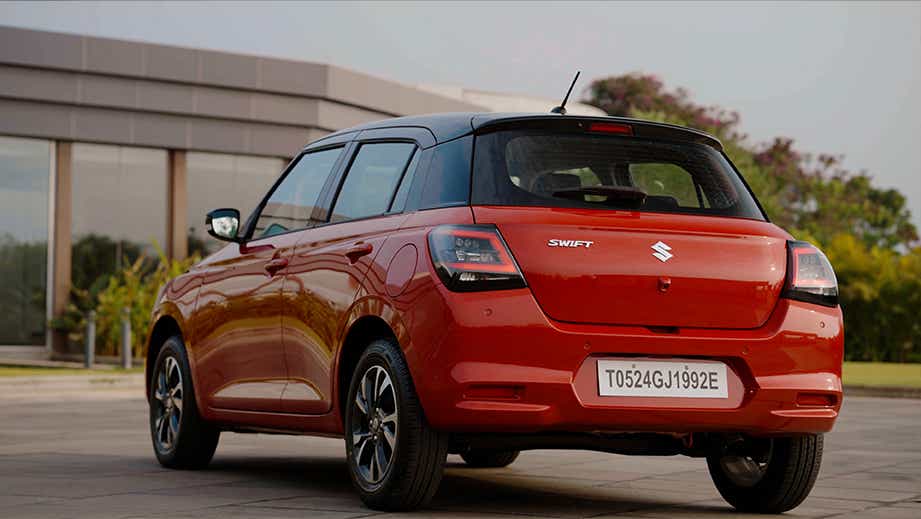
| Maruti Suzuki | Swift | Hatchback | ₹5.79 Lakh | Petrol, CNG |
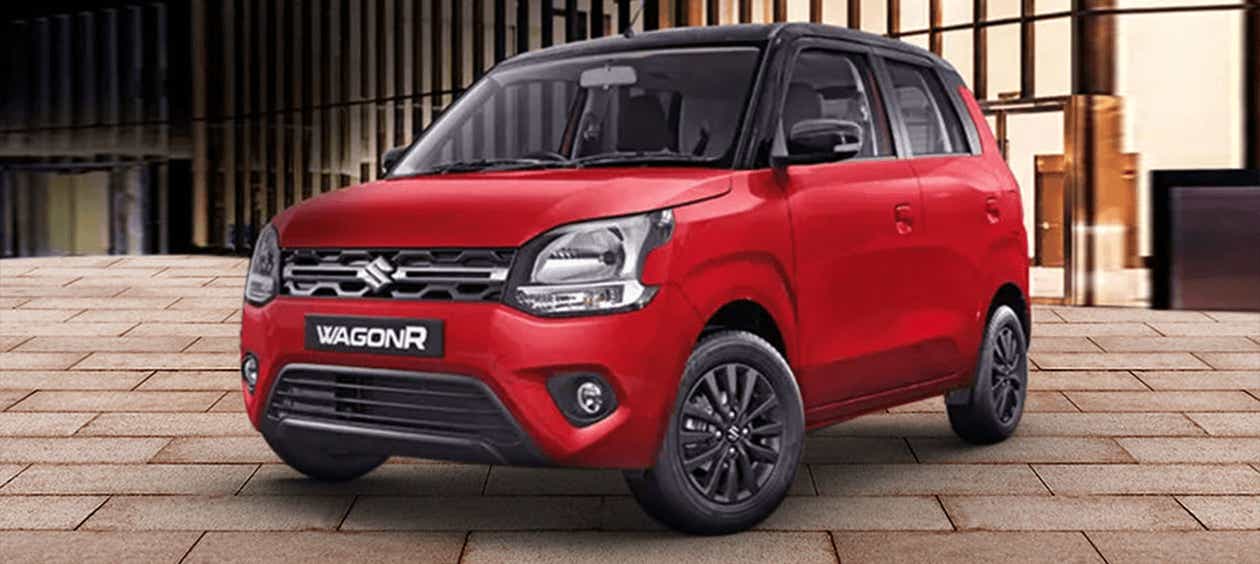
| Maruti Suzuki | Wagon R | Hatchback | ₹5.54 Lakh | Petrol, CNG |
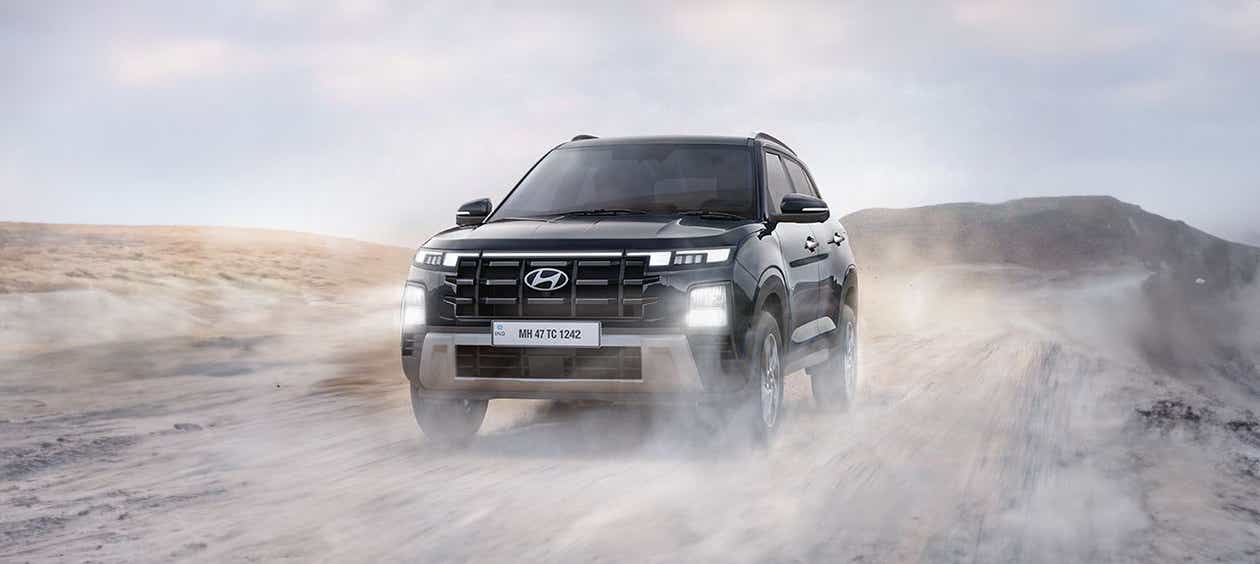
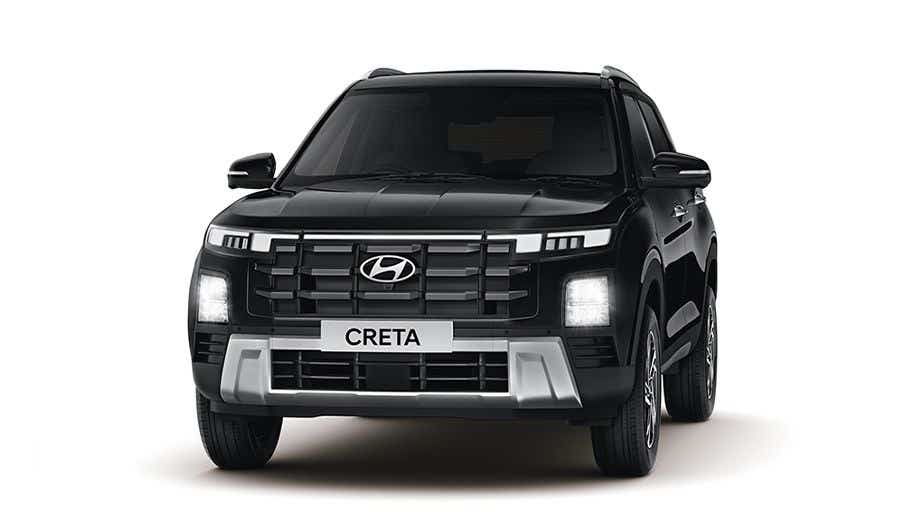
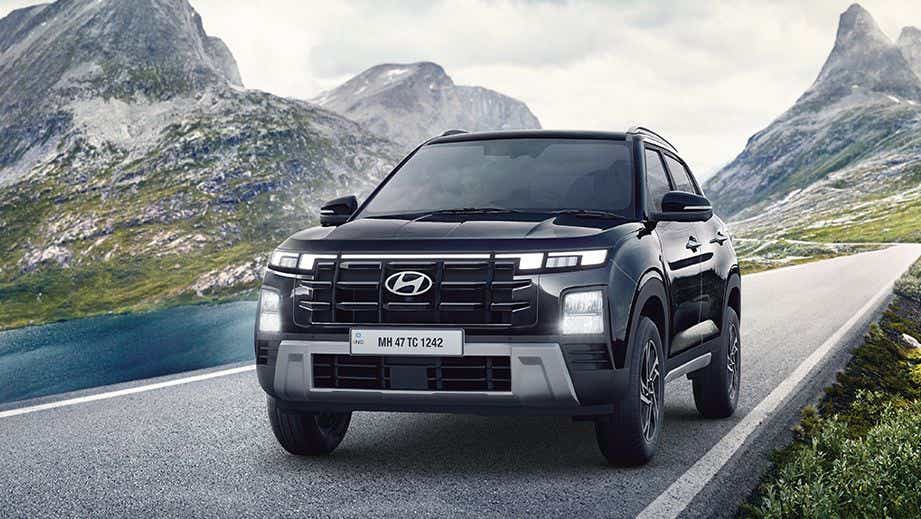
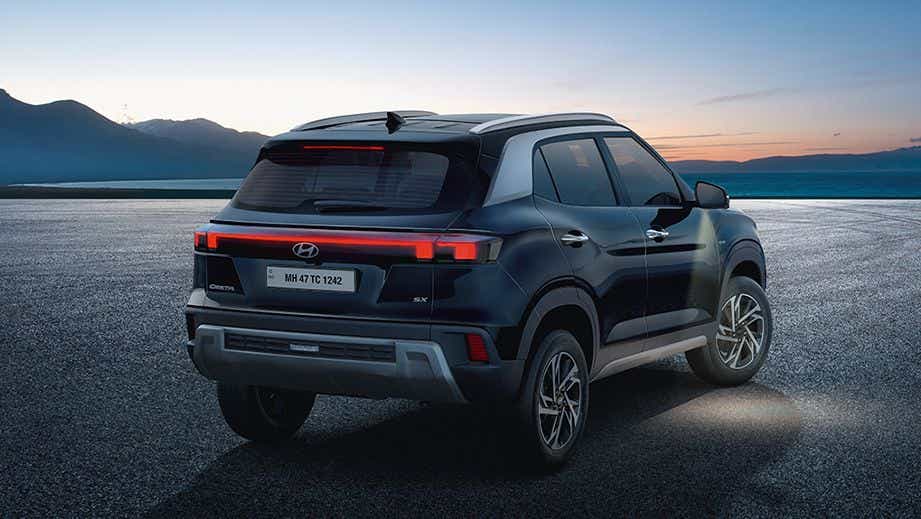
| Hyundai | Creta | SUV | ₹10.79 Lakh | Petrol, Diesel |
| Hyundai | i20 | Hatchback | ₹7.04 Lakh | Petrol |
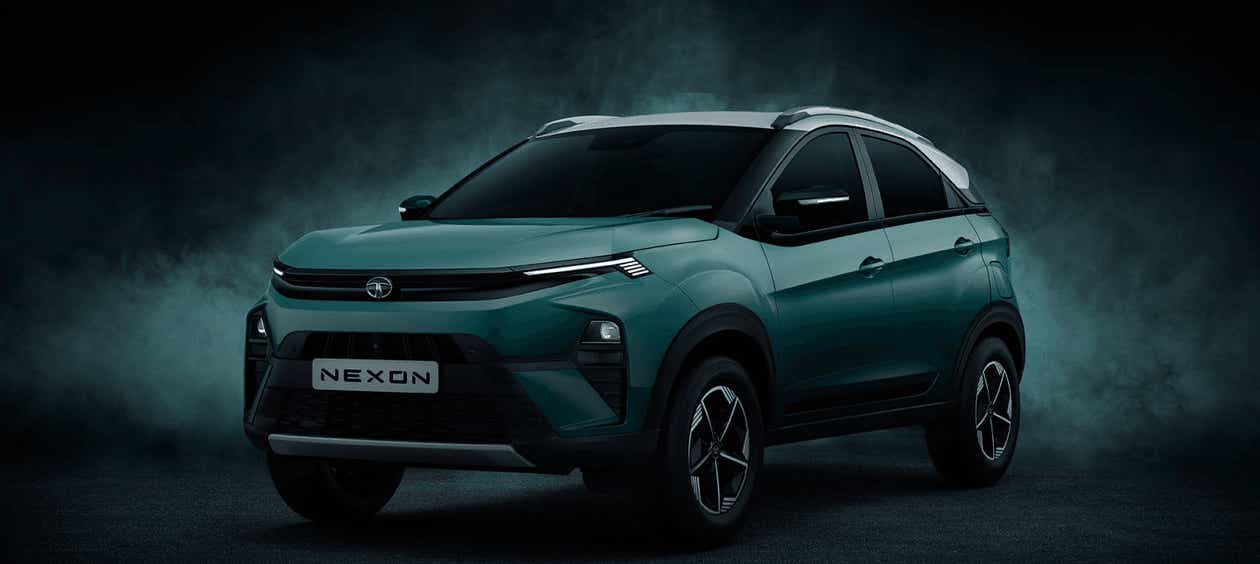
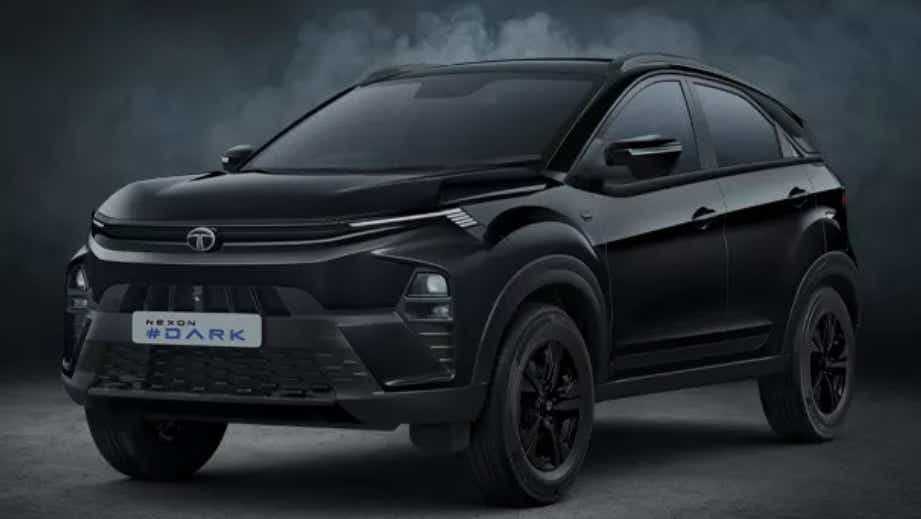
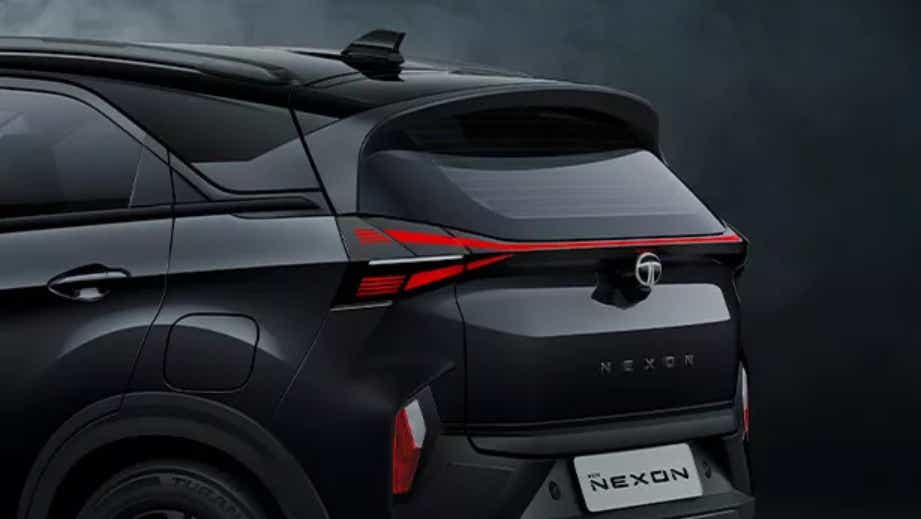
| Tata Motors | Nexon | Compact SUV | ₹7.32 Lakh | Petrol, Diesel, CNG, Electric |
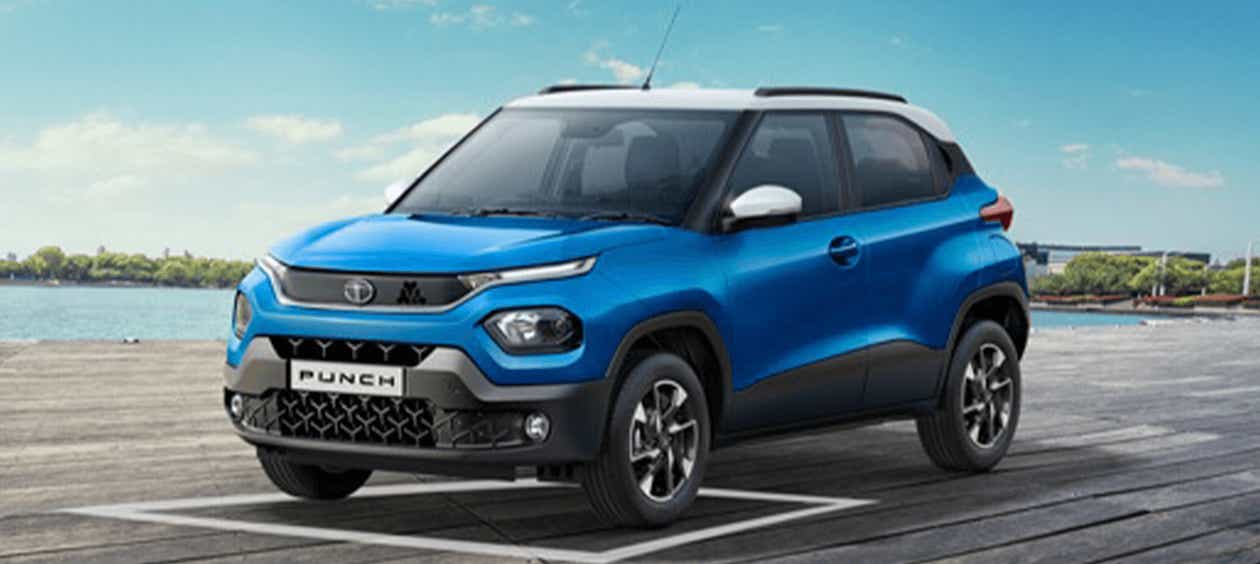
| Tata Motors | Punch | Micro SUV | ₹6.13 Lakh | Petrol, CNG, Electric |
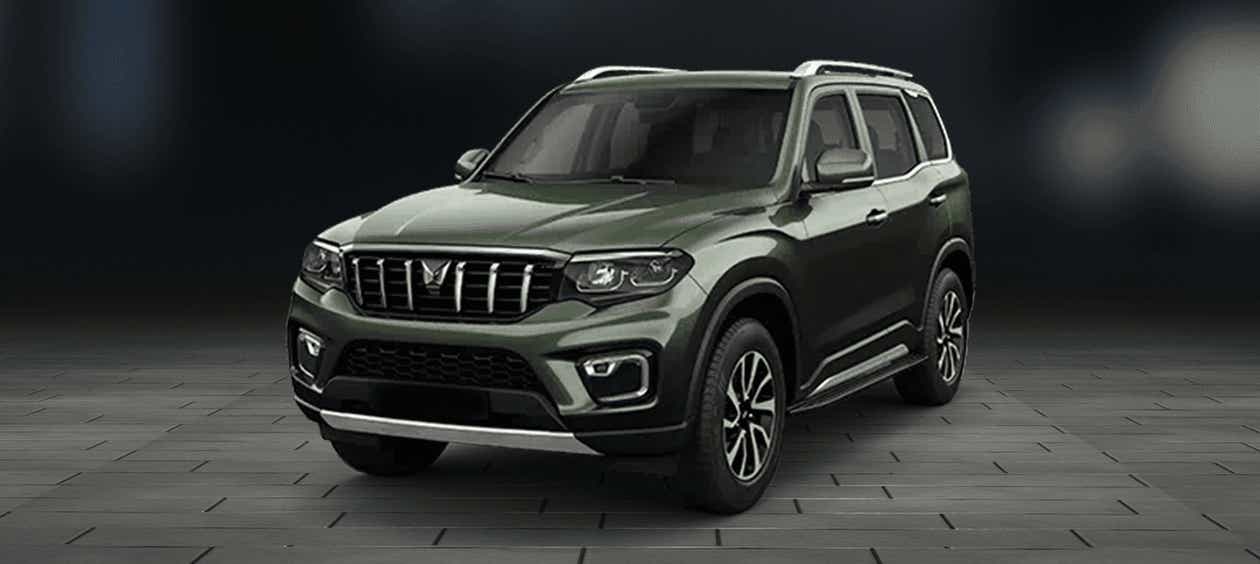
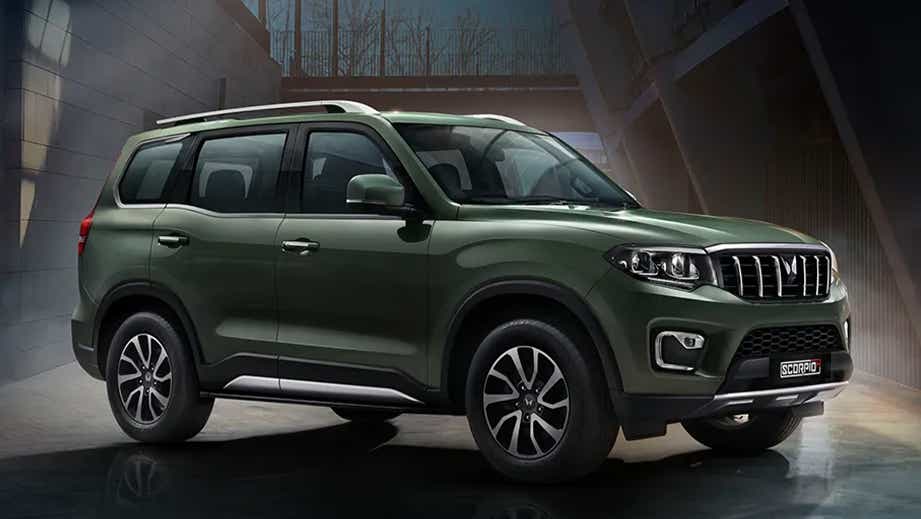
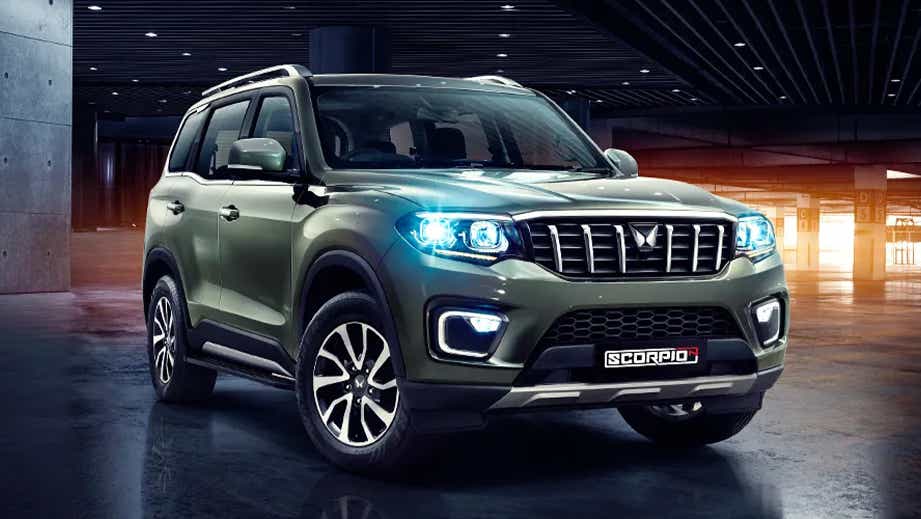
| Mahindra | Scorpio-N | SUV | ₹13.85 Lakh | Petrol, Diesel |
| Mahindra | Thar | SUV | ₹10.98 Lakh | Petrol, Diesel |
| Kia | Seltos | SUV | ₹10.90 Lakh | Petrol, Diesel |
| Toyota | Innova Hycross | MPV | ₹18.92 Lakh | Petrol, Hybrid |
| Honda | City | Sedan | ₹11.95 Lakh | Petrol, Hybrid |
| Skoda | Slavia | Sedan | ₹10.00 Lakh | Petrol |
| Volkswagen | Virtus | Sedan | ₹11.56 Lakh | Petrol |
| Renault | Kwid | Hatchback | ₹4.70 Lakh | Petrol |
| Nissan | Magnite | Compact SUV | ₹6.00 Lakh | Petrol |
Over the past few years, several clear trends have influenced the types of vehicles manufacturers offer and the kinds of features that buyers prioritise:
Â
The Rise of SUVs
SUVs have become the most popular vehicle category in India. Manufacturers continue to introduce compact, mid-size and full-size SUVs, as buyers appreciate:
- Higher ground clearanceÂ
- Stronger road presence and seatingÂ
Better practicality for family use
Â
Growing Electric Vehicle Adoption
Electric vehicles are slowly making their way to the Indian car market. EV sales have been rising steadily with the improvement of the charging infrastructure and the evolution of battery technology.
- Electric vehicle sales in India surpassed 23 lakh units across all segments in 2025.
Passenger EV sales grew significantly, reaching 176,538 units in 2025, with Tata Motors leading the segment.
Â
At the same time, buying a car is a major financial decision, and choosing the right model depends on more than just the purchase price. Buyers typically consider their budget, how they will use the car and the long-term costs of ownership. These factors can help narrow down the options and make it easier to choose a vehicle that fits both lifestyle needs and financial plans.
One of the most common mistakes first-time buyers make in regards to all cars name is focusing only on the ex-showroom for all car prices.
- Ex-showroom price is the base price of the vehicle before taxes and registration.
On-road car price list includes: Road tax, Insurance, Registration charges, Handling fees, Fastag charge and Accessories (if any).Â
Â
In many states, all car prices on-road can be 10–20% higher than the ex-showroom price.
Â
Other ownership costs to consider include: Fuel expenses, Insurance renewals, Servicing and maintenance and Depreciation. Planning your budget around the car you want from all car price in India to calculate the total cost of ownership helps prevent financial stress later.
Choosing the right car also depends heavily on how you plan to use it.
Â
City Driving
If most driving is inside cities, buyers typically prefer:
- Compact hatchbacks such as the Maruti Suzuki Swift or Hyundai Grand i10 Nios
- Small automatic cars like the Tata Tiago AMT or Maruti Suzuki Wagon R AMT
Vehicles with good fuel efficiency, such as the Maruti Suzuki Celerio
Â
These cars are easier to park, easier to drive in traffic, and generally cost less to maintain
Â
Highway Driving
For frequent highway travel, better choices include:
- Mid-size sedans such as the Honda City or Skoda Slavia
- Compact or mid-size SUVs like the Hyundai Creta or Kia Seltos
Cars with larger engines and stable ride quality, such as the Toyota Innova Crysta
Â
These vehicles provide more comfort, better stability at high speeds, and improved safety during long journeys.
Â
Mixed Usage
If you're going to be driving in a mix of cities and highways, then compact SUVs and crossovers can often offer the best options in terms of practicality, space, and performance.
Â
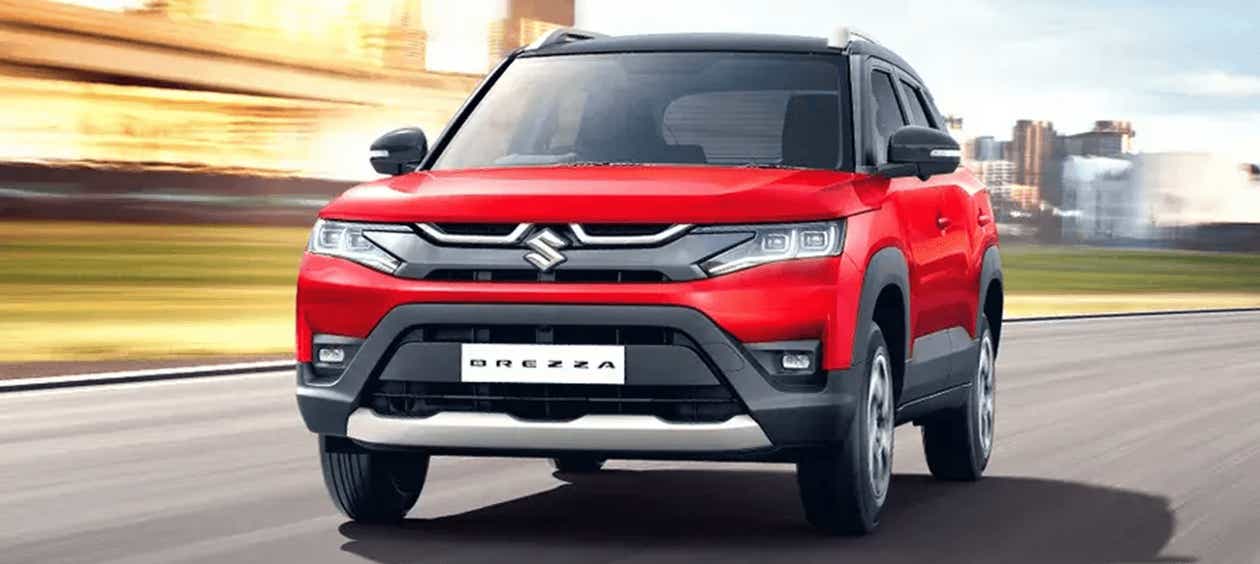
Popular examples are: Tata Nexon, Maruti Suzuki Brezza and Hyundai Venue, which are a combination of manageable size for city travel and sufficient power and comfort for highway travel.
Another important factor when browsing all car models in India is understanding who will primarily use the car.
Â
Family Cars
Families usually prioritise: Spacious interiors, Rear-seat comfort, Large boot space and Safety features like airbags and stability control. MPVs and SUVs such as the Toyota Innova Hycross, Mahindra XUV700, and Kia Carens are often popular family choices because they provide generous cabin space and strong safety features.
Â
Personal Cars
For individual drivers, priorities may include: Driving performance, Design & Styling, Technology features and Compact size for city driving. Cars like Volkswagen Virtus, Hyundai i20, and Mahindra Thar are usually preferred by buyers looking for a combination of style, performance, and modern features.
India’s diverse car market offers multiple fuel options, each with different advantages.
Â
Petrol Cars
Best suited for:
- City driving
- Lower annual mileage
Smooth engine refinement
Â
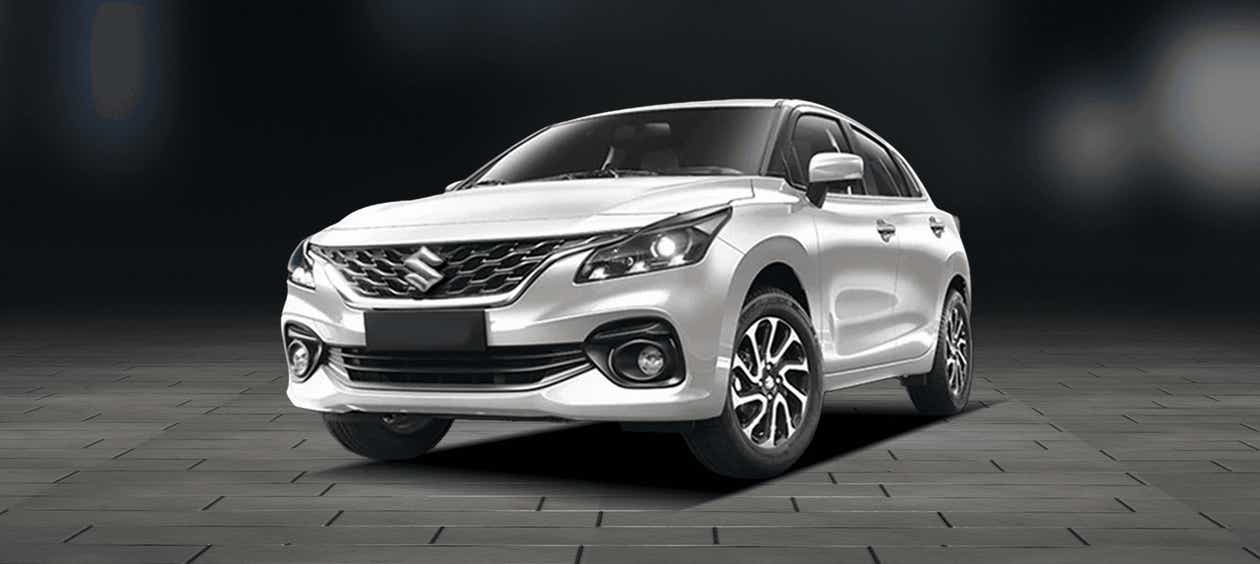
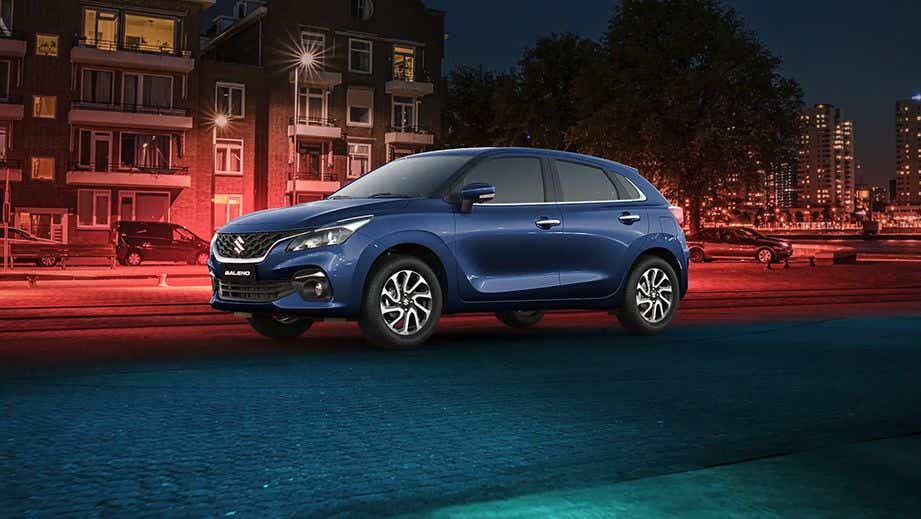
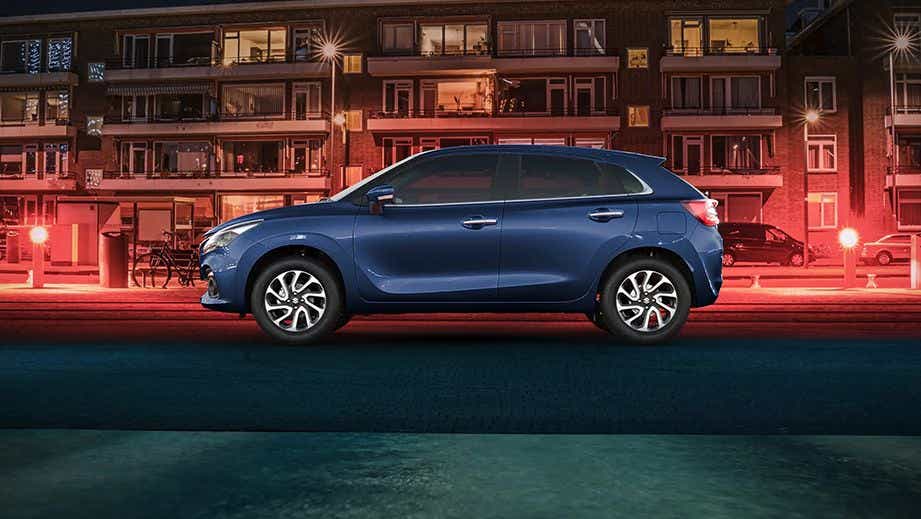
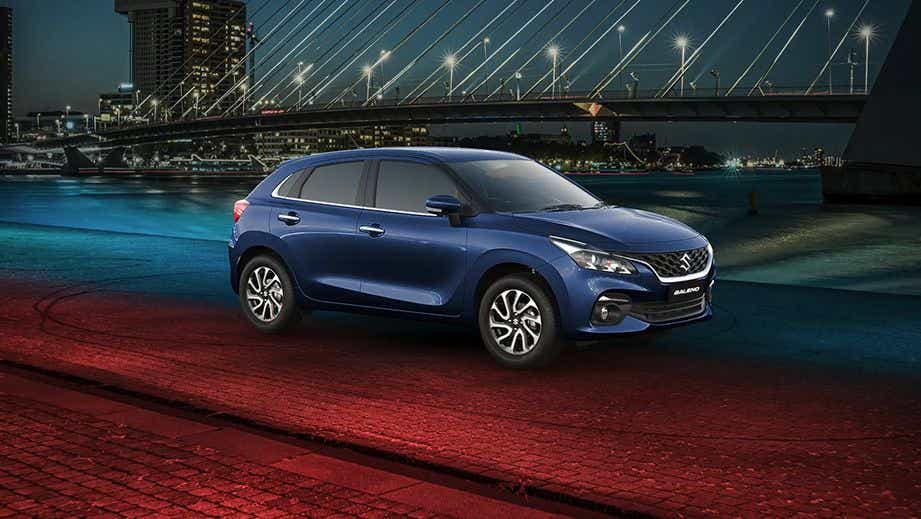
Popular petrol options include cars like the Maruti Suzuki Baleno and Hyundai i20, which offer smooth engines and good fuel efficiency.
Â
Diesel Cars
Preferred by buyers who:
- Drive long distances frequently
- Want higher torque for highways
Need better fuel economy at high mileage
Â
Diesel SUVs like the Mahindra Scorpio-N and Tata Harrier continue to be very popular for highway-heavy use.
Â
CNG Cars
CNG vehicles are becoming more common due to their low running costs. Advantages include:
- Lower fuel costs compared to petrol and diesel
Lower emissions
Â
Popular factory-fitted CNG options include the Maruti Suzuki Wagon R CNG and Tata Tiago CNG. However, they may have reduced boot space because of the CNG cylinder.
Â
Electric Cars
Electric vehicles are gaining popularity because they offer:
- Lower running costs
- Quiet driving experience
Zero tailpipe emissions
Â
Examples include the Tata Nexon EV and MG ZS EV. However, buyers must consider:
- Charging infrastructure availability
- Driving range
- Charging time
Even experienced buyers sometimes make avoidable mistakes when selecting a new car. Some of the most common mistakes include:
Â
1. Ignoring Ownership Costs
Fuel, maintenance, insurance, and depreciation can significantly affect the long-term cost of a vehicle.
Â
2. Buying Only Based on Price
Choosing the cheapest option may lead to compromises in comfort, safety, or reliability.
Â
3. Skipping the Test Drive
A test drive helps evaluate: Driving comfort, Visibility, Handling and Cabin ergonomics
Â
4. Overlooking Safety Features
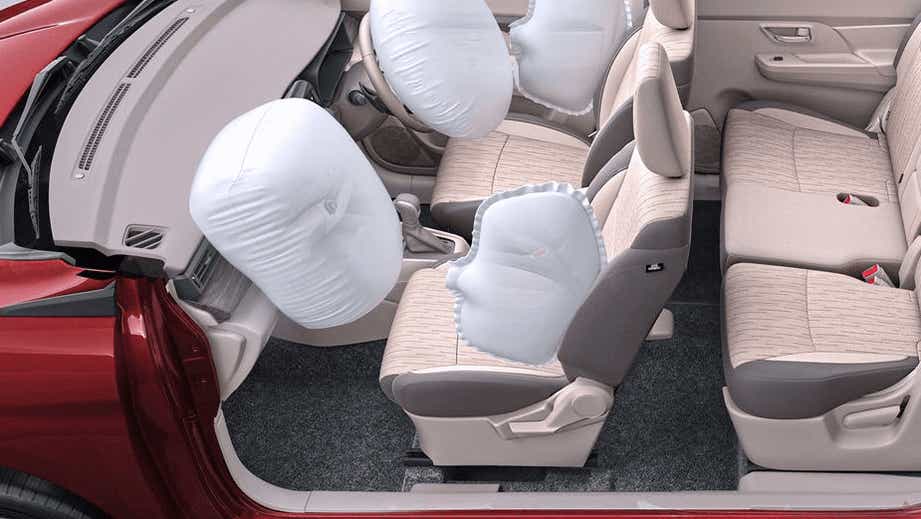
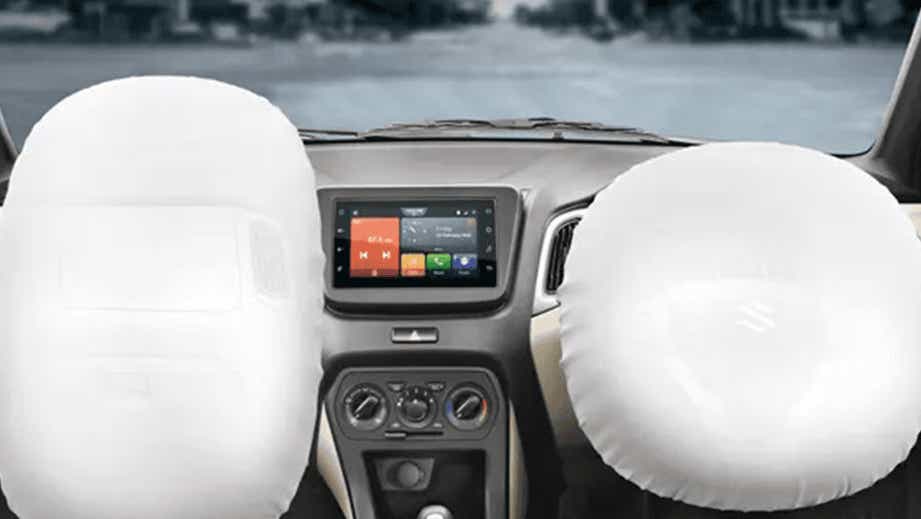
Modern safety features such as airbags, ABS, and electronic stability control are essential, especially for highway driving.
Â
5. Not Considering Resale Value
In most cases, all car brands and models maintain stronger resale value, which can reduce the overall cost of ownership.
Choosing the right car depends a lot on how you decide to use it and what you expect to get out of owning a car over the years. Some buyers are more interested in fuel efficiency and city driving, while others look for space, comfort or long-distance. Looking at all car models within the same price range, taking test drives, and knowing the cost of ownership, such as fuel, servicing, insurance and resale value, can make it a clear choice.
Â
The Indian market offers a variety of cars in different segments and fuel types. Hatchbacks, sedans, SUVs, CNG vehicles, and electric cars can all serve different kinds of buyers. Exploring the full car name list in India will help you understand what each segment has to offer and how it can match your needs based on your budget, driving conditions, and daily needs.