
Hatchback cars under 6 lakh in India
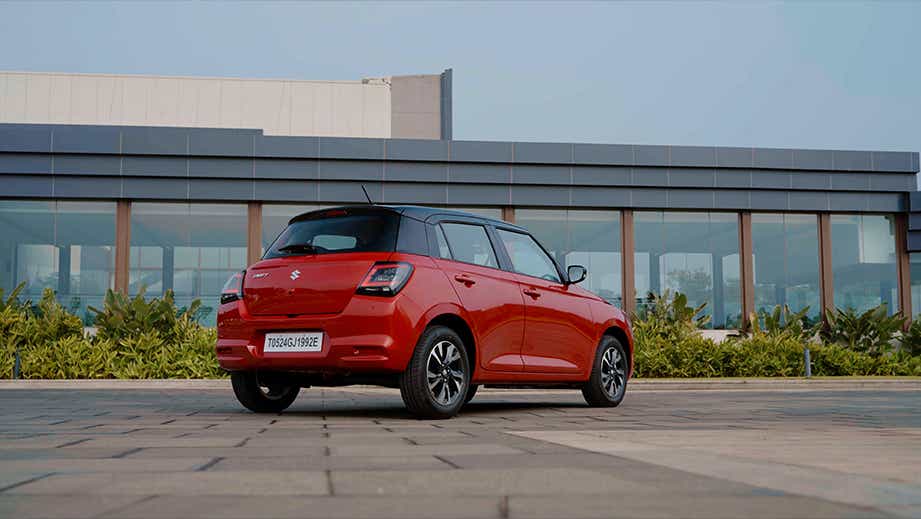
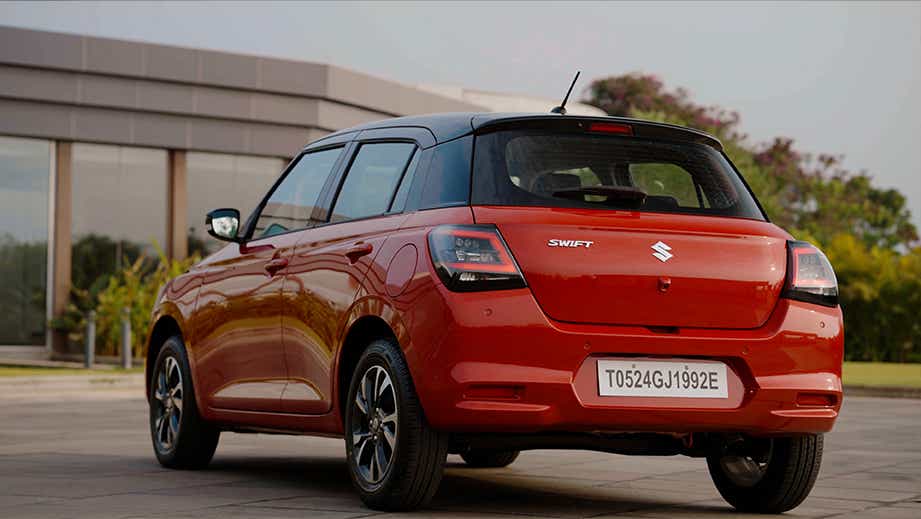
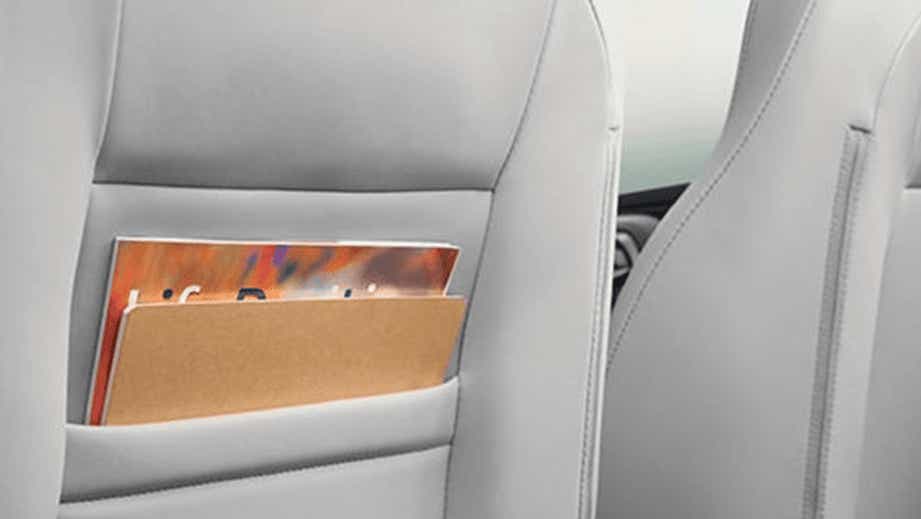
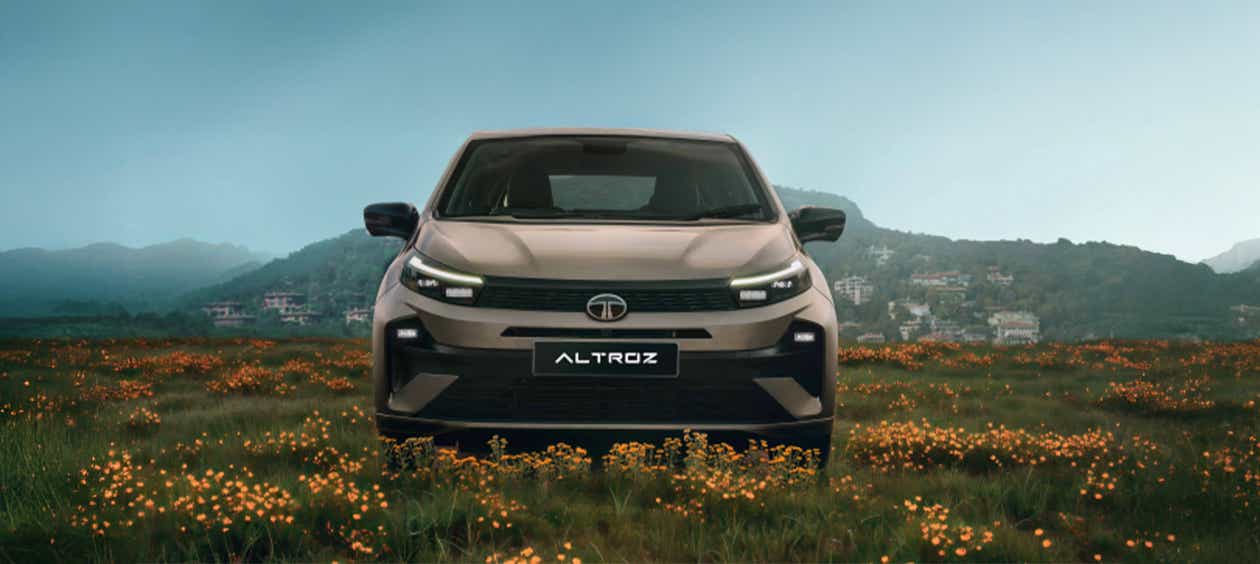
Hatchback Cars in India - Compact, Efficient, and Friendly on the Wallet
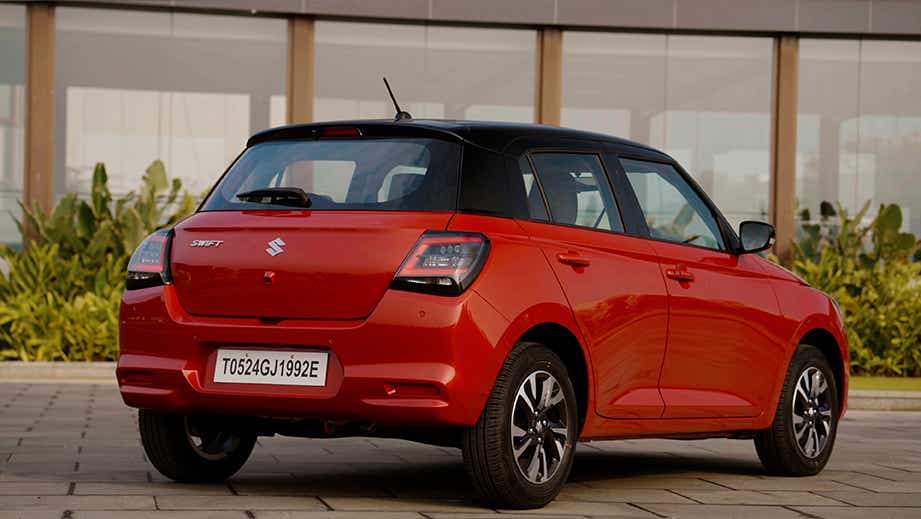
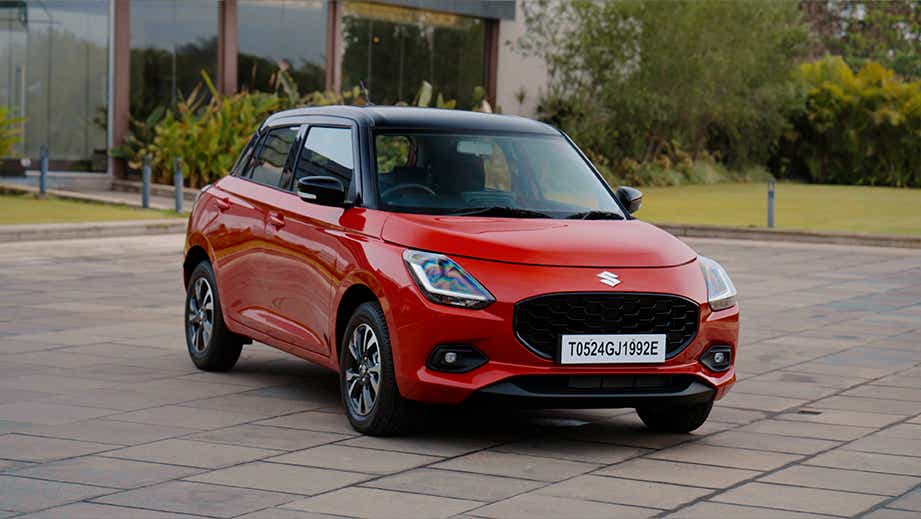
All standard hatchback cars in India depend on the two-box design, where both the passenger cabin and the boot exist in the same compartment. Because there is no extended trunk sticking out at the rear, reversing these cars into cramped basement parking spots is very, very easy. Cars in this segment are also built with a clear purpose: to provide daily utility through traffic-heavy commutes, usually with the help of a 5-speed manual transmission and a light clutch.
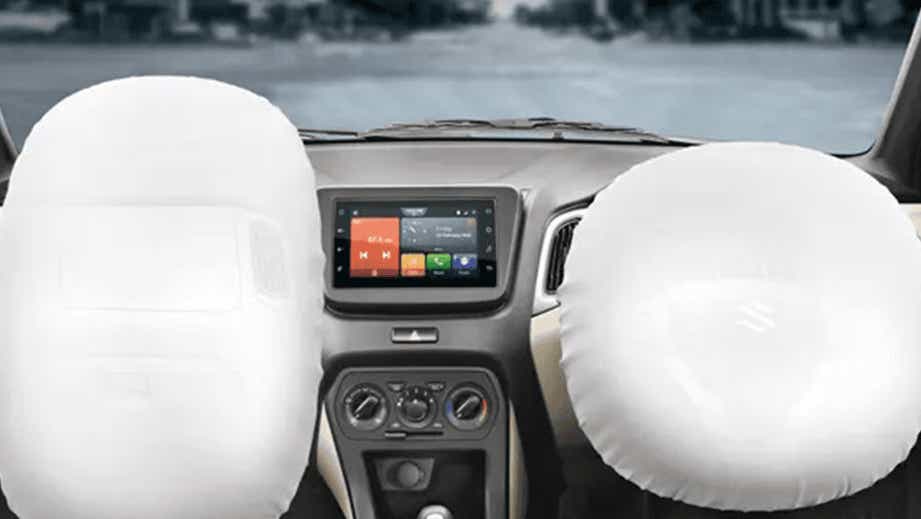
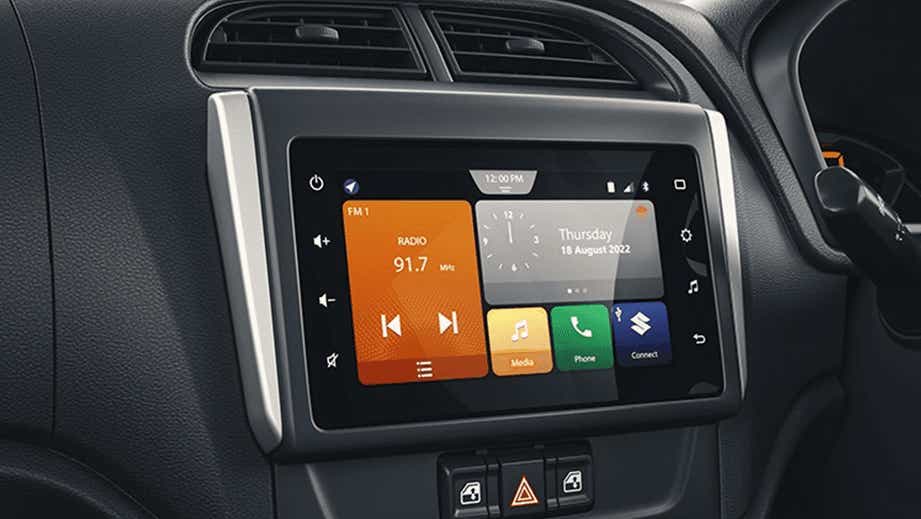
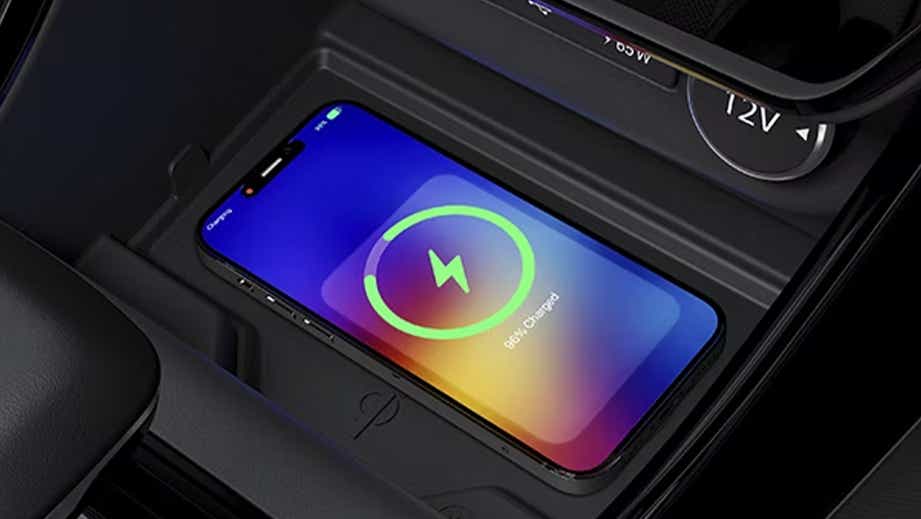
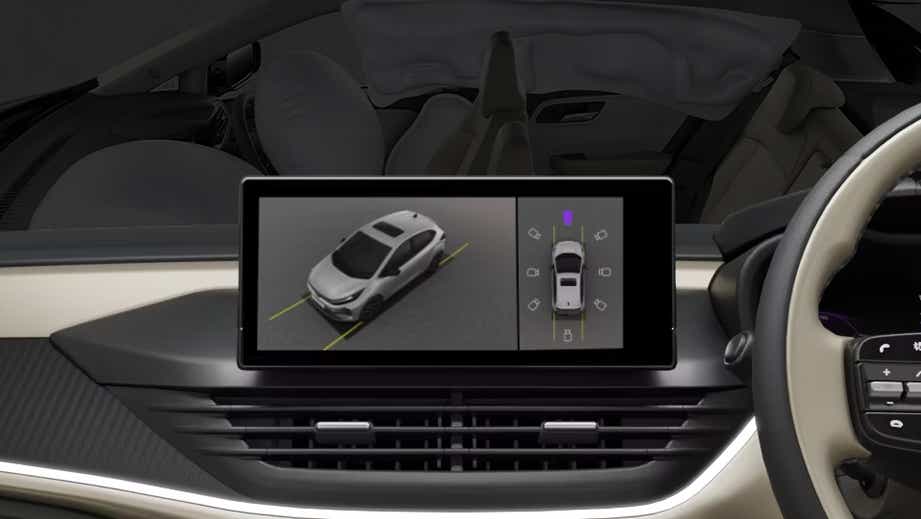
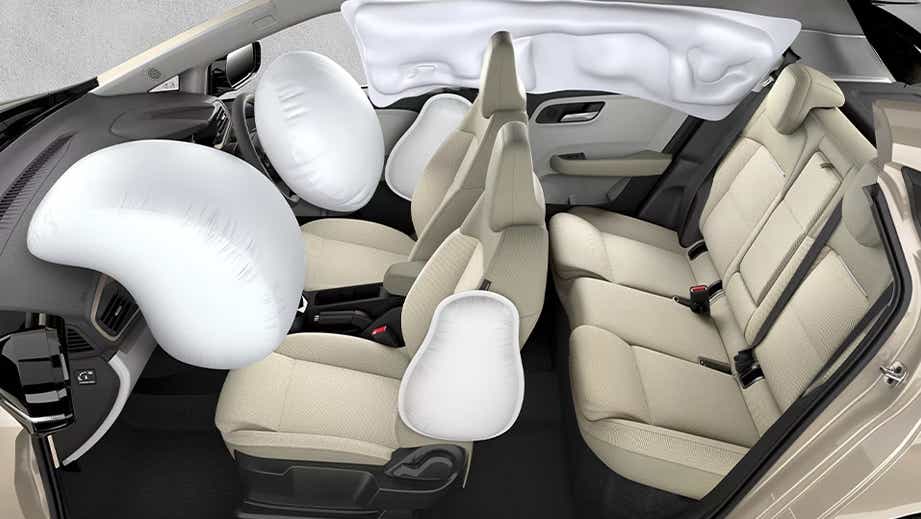
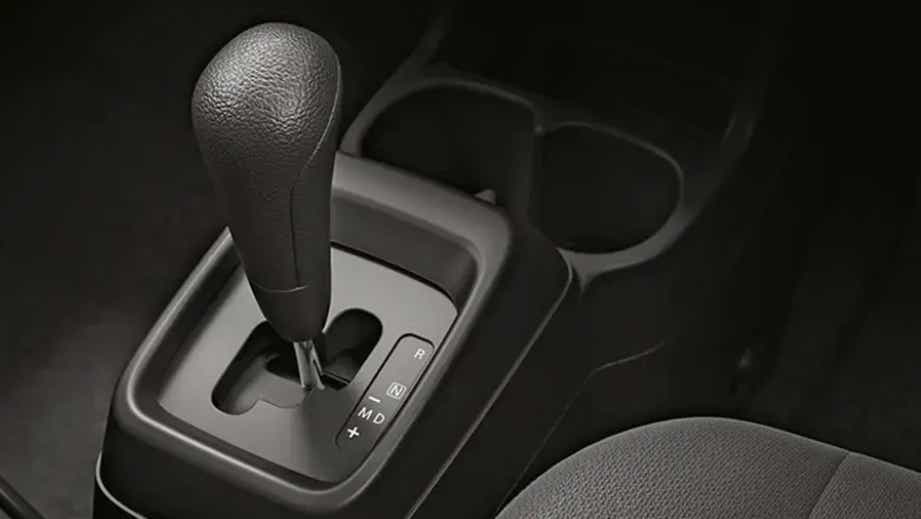
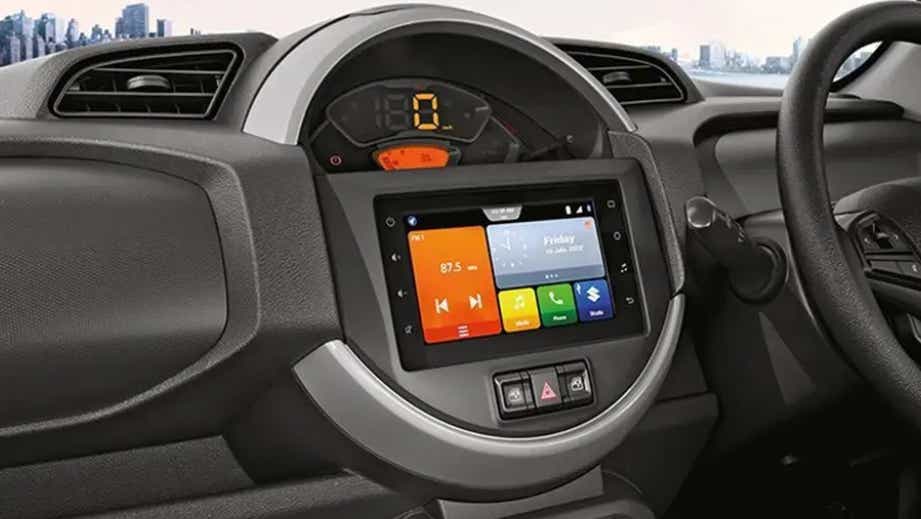
Notably, hatchback cars have strong low-end response, too. Drivers can release the clutch and move the car forward in first gear without even touching the accelerator. While these vehicles admittedly don’t have much to offer in terms of luxury features (like ventilated seats or panoramic glass roofs), some mid-variants of hatchback cars in India do come with much better tech onboard now, such as high-size touchscreen displays, reverse parking sensors, and dual front airbags.
Hatchback cars in India, sitting under the ₹6.00 lakh budget, restrict you to entry-level trims of most premium cars. But you can definitely pick the higher-mid trims of smaller models.
| Model | Engine Specs (Displacement + Power/Torque) | Mileage (ARAI Claimed) | Ex-showroom Price (Approx.) |
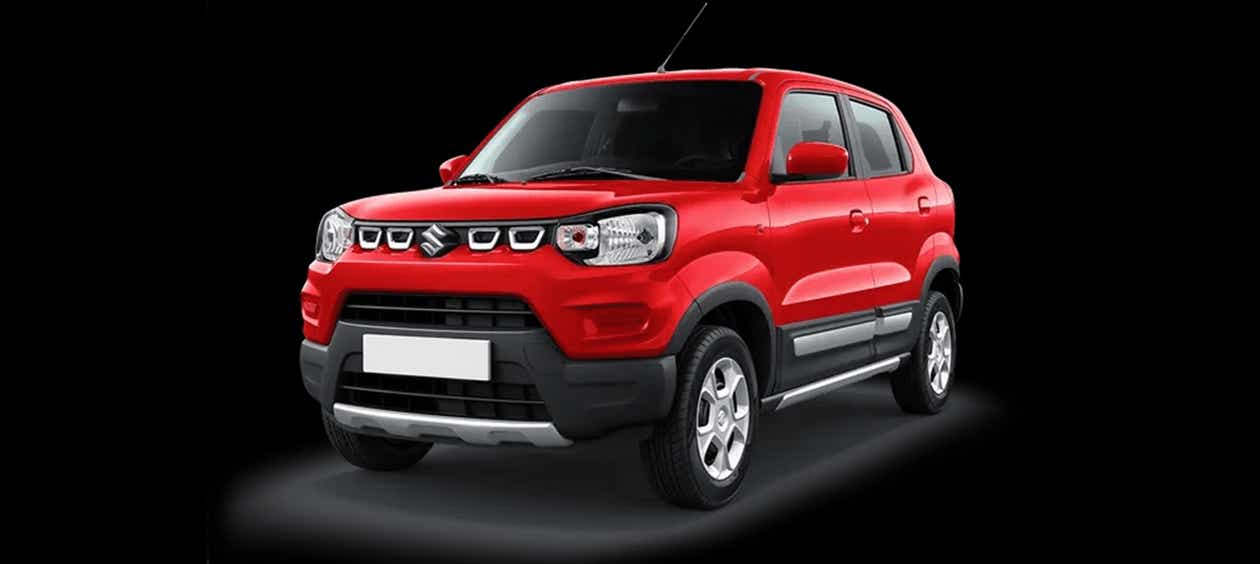
| Maruti Suzuki S-Presso | 1.0L Petrol, 5-Speed MT/AT (66 bhp / 89 Nm) | 24.12 – 25.30 kmpl | ₹3.50 Lakh – ₹5.25 Lakh |
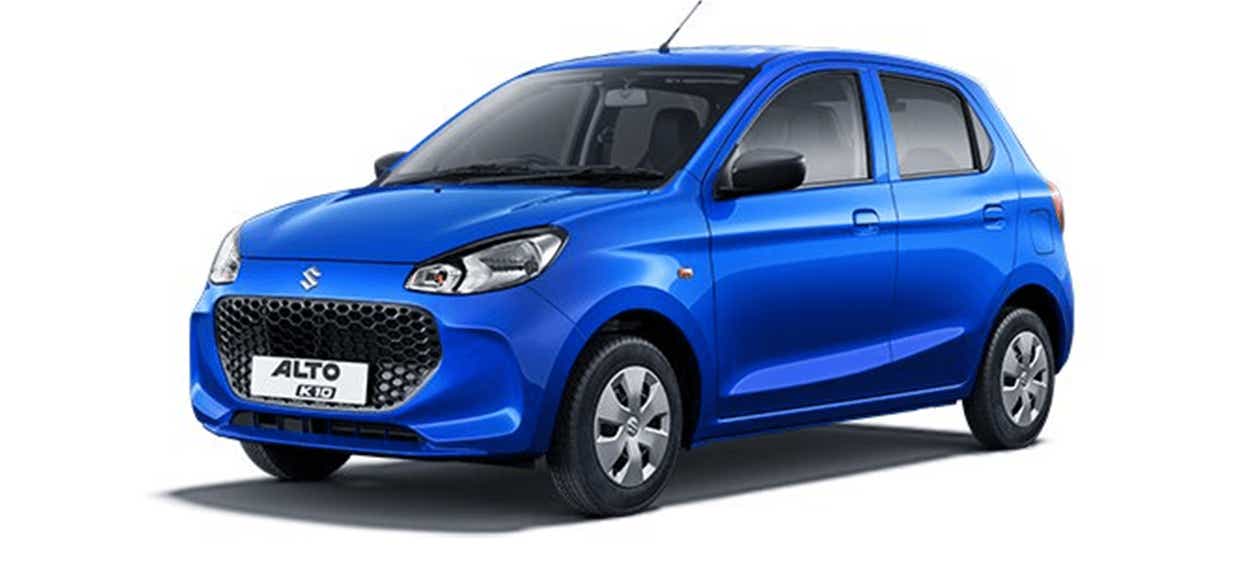
| Maruti Suzuki Alto K10 | 1.0L Petrol, 5-Speed MT/AT (68 bhp / 89 Nm) | 24.39 – 24.90 kmpl | ₹3.70 Lakh – ₹5.45 Lakh |
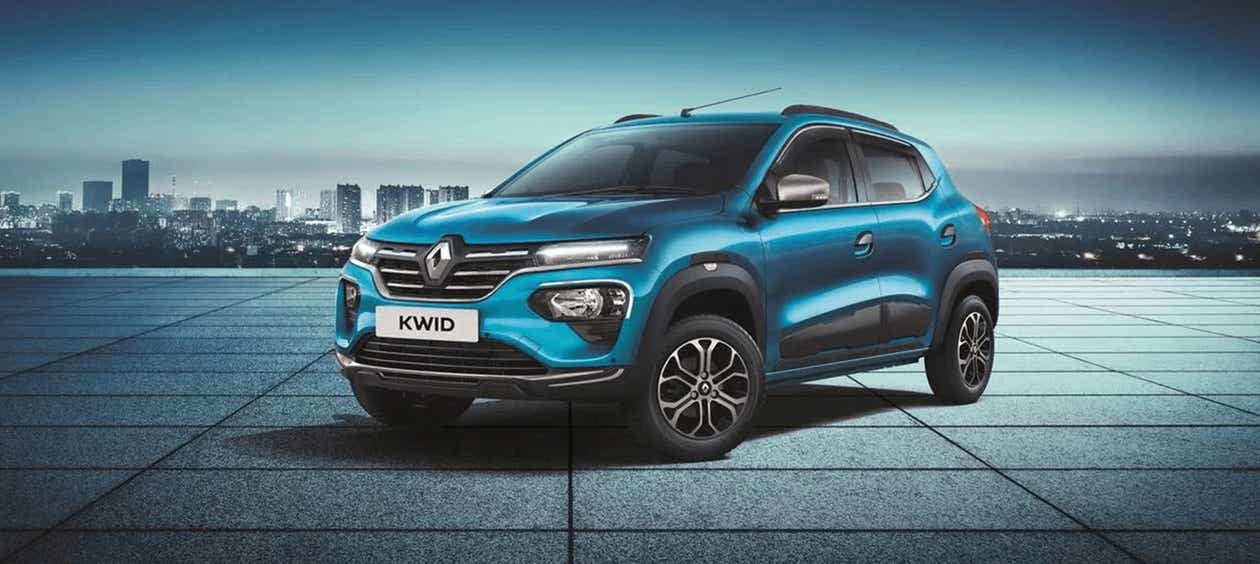
| Renault Kwid | 1.0L Petrol, 5-Speed MT/AT (67 bhp / 91 Nm) | 21.46 – 22.30 kmpl | ₹4.30 Lakh – ₹5.99 Lakh |
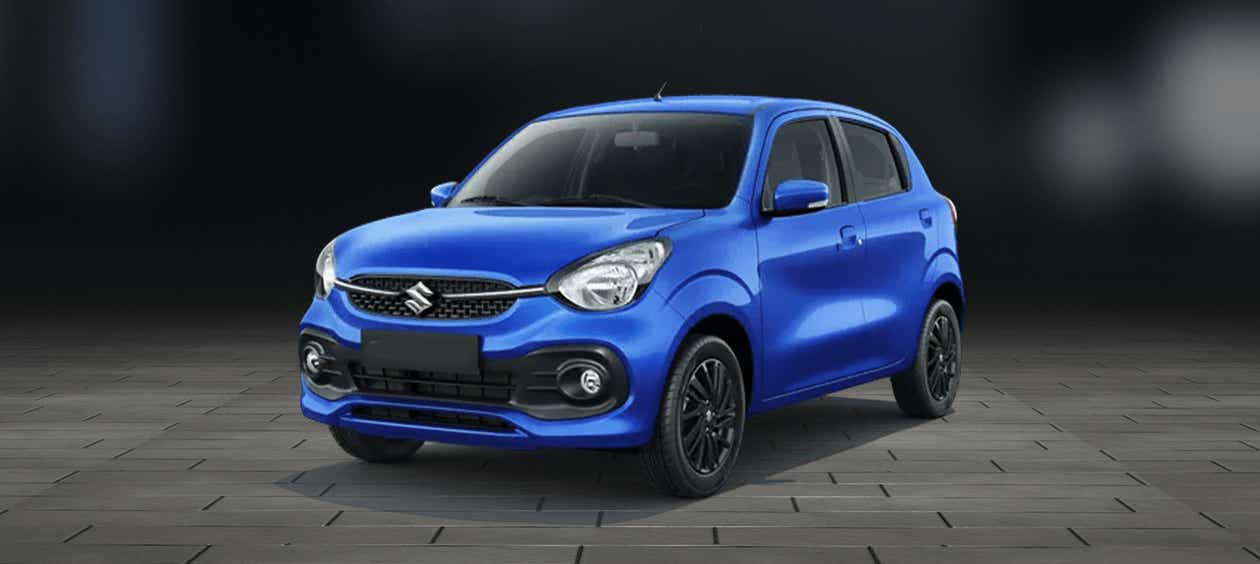
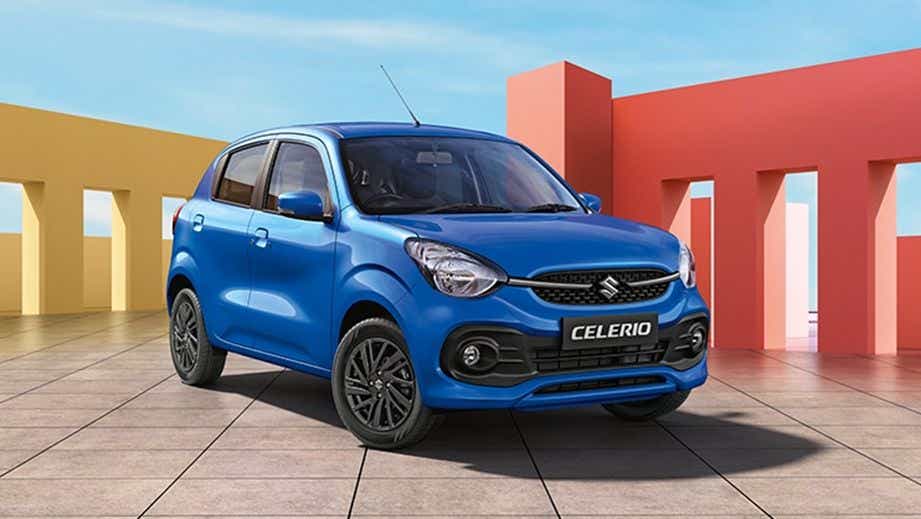
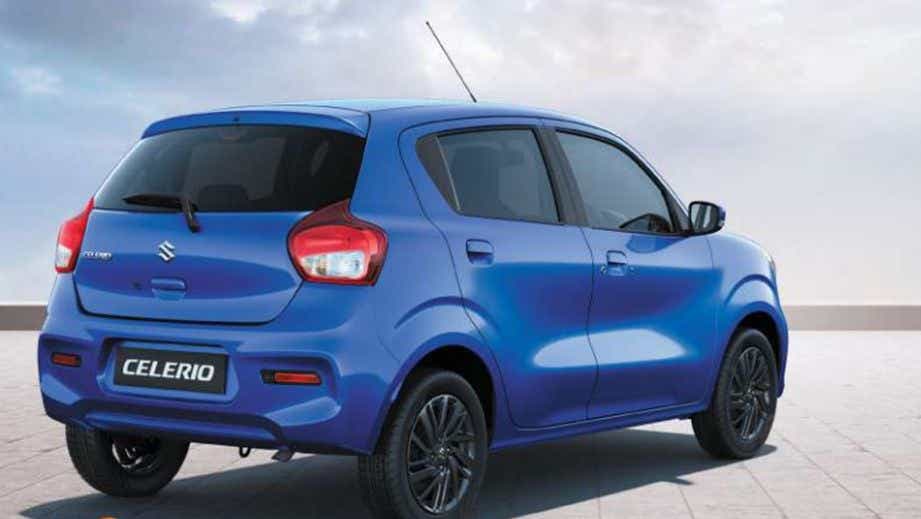
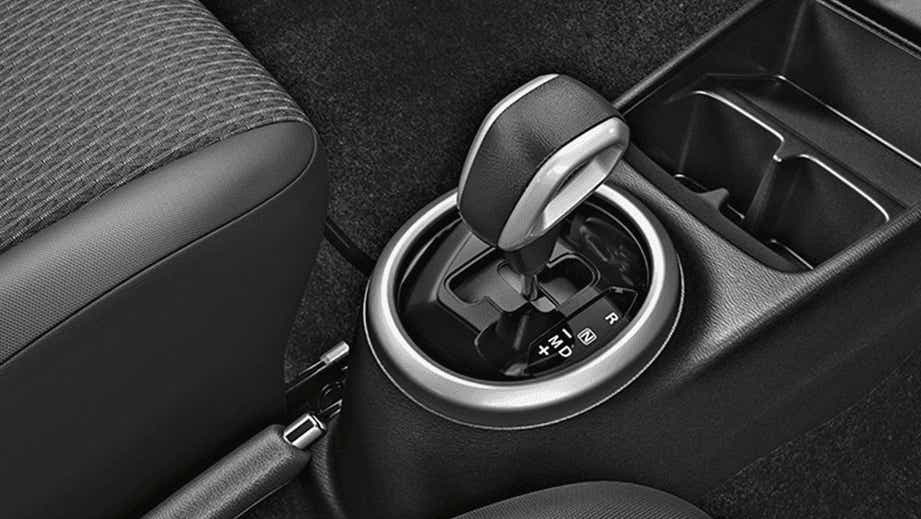
| Maruti Suzuki Celerio | 1.0L Petrol, 5-Speed MT/AT (66 bhp / 89 Nm) | 24.97 – 26.68 kmpl | ₹4.70 Lakh – ₹6.73 Lakh |
| Tata Tiago | 1.2L Petrol, 5-Speed MT/AT (85 bhp / 113 Nm) | 19.00 – 20.01 kmpl | ₹4.70 Lakh – ₹8.55 Lakh |
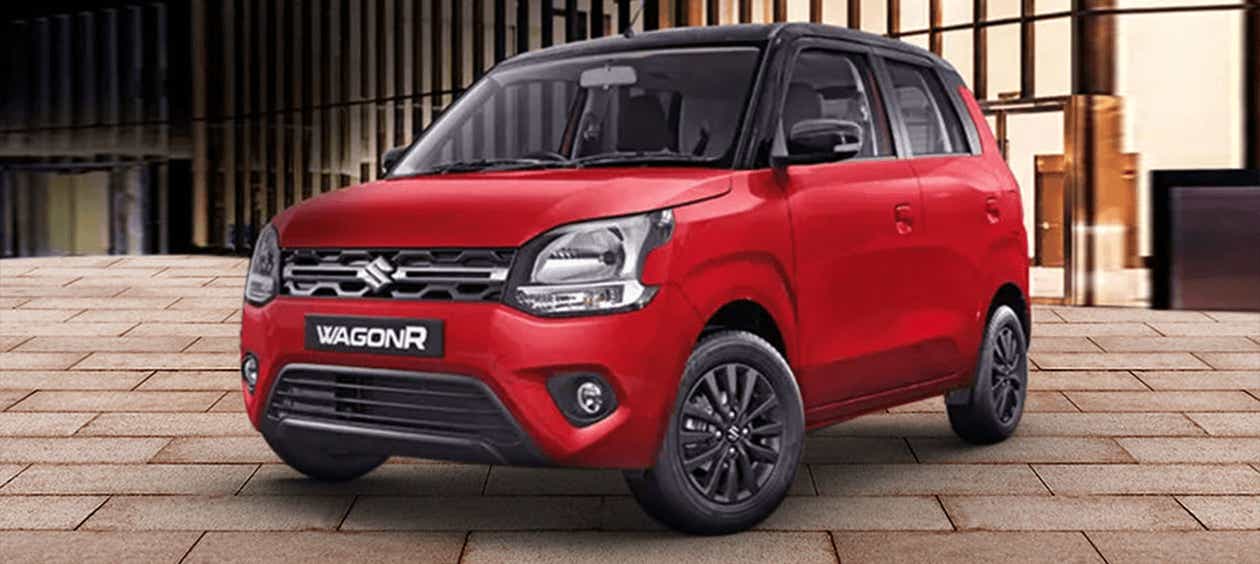
| Maruti Suzuki Wagon R | 1.0L Petrol, 5-Speed MT/AT (66 bhp / 89 Nm) / 1.2L Petrol, 5-Speed MT/AT (88 bhp / 113 Nm) | 23.56 – 25.19 kmpl | ₹4.99 Lakh – ₹6.95 Lakh |
| Maruti Suzuki Ignis | 1.2L Petrol, 5-Speed MT/AT (82 bhp / 113 Nm) | 20.89 kmpl | ₹5.35 Lakh – ₹7.55 Lakh |
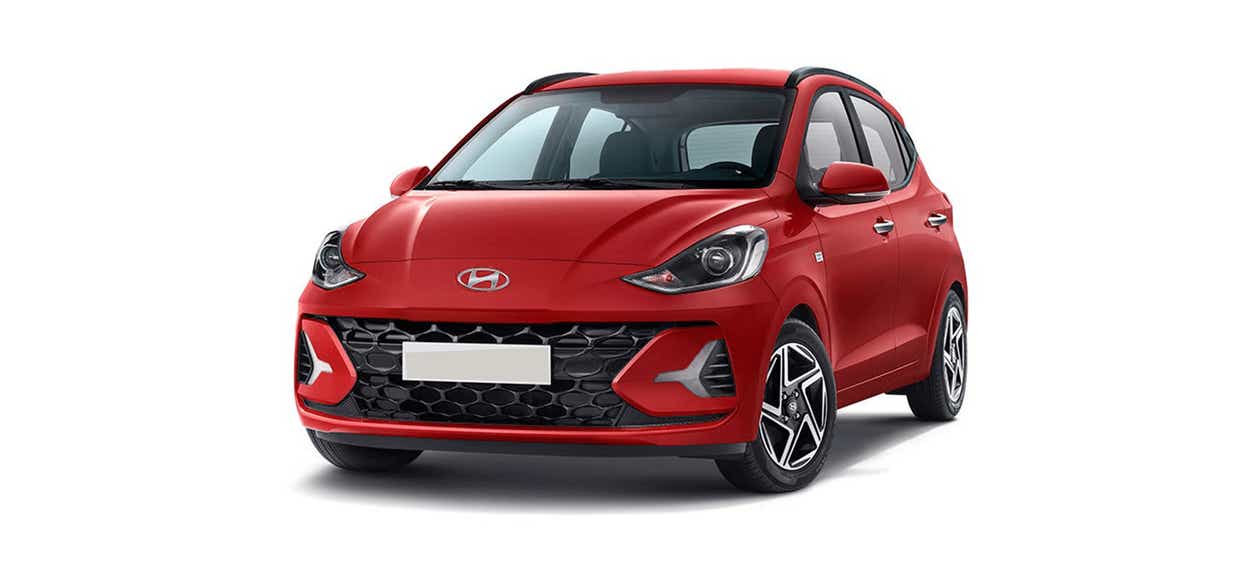
| Hyundai Grand i10 Nios | 1.2L Petrol, 5-Speed MT/AT (82 bhp / 114 Nm) | 16 – 18 kmpl | ₹5.60 Lakh – ₹8.04 Lakh |
Hatchback cars in India comprise models starting from the bare-basic Maruti Suzuki S-Presso to the highly performance-focused Volkswagen GTI. However, some of the most popular models are available under 6 lakh rupees. Even in this case, the range is quite wide, with every model excelling in certain aspects. Hence, we urge prospective buyers to be clear about their requirements and then choose a hatchback car based on their exact budget and needs.
A hatchback car is essentially a compact passenger vehicle featuring a rear door that swings upward to give you direct access to the cargo area. Since the early days of personal motoring in this country, this body style has been the default, go-to choice. If you are a young professional starting a new job, a student travelling to college, or a family of four needing a second vehicle for only grocery runs, these cars suit such requirements very well.
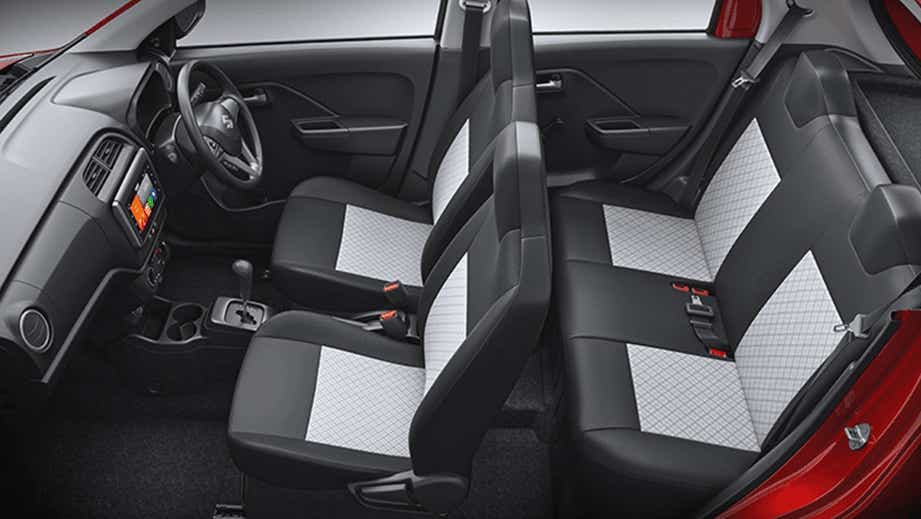
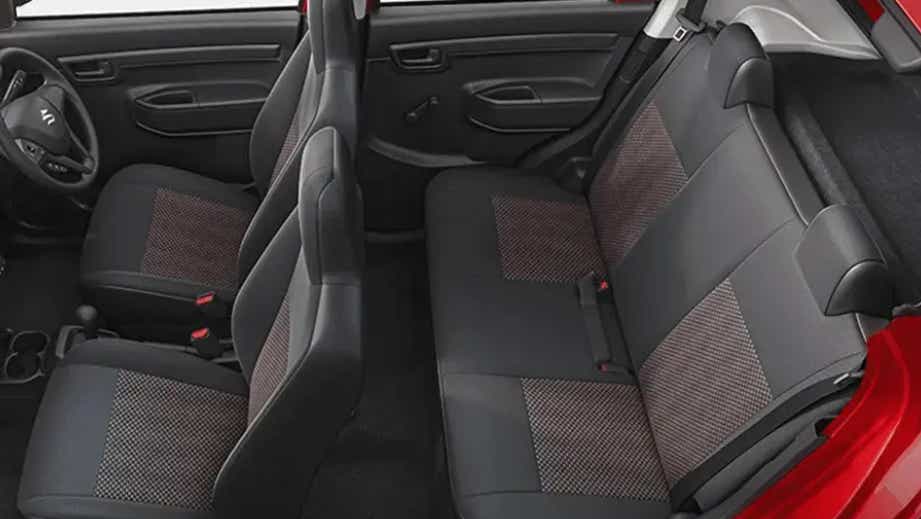
And even if you need to travel a bit with your family, modern engineering has made certain that the cabin space of most hatchback cars under 6 lakhs is surprisingly accommodating. Also, servicing a basic hatchback rarely costs much, and the insurance premiums are highly affordable. If you do not travel with five heavy adults and weeks of luggage often, buying a large, expensive 4-cylinder SUV is an unnecessary drain on your finances, since a compact hatchback car would serve you ideally better.
Hatchback cars in India are practical, but not universally applicable. They have some undeniable benefits, but also a host of disadvantages compared to other body styles.
| Comparison Point | Hatchback | Compact Sedan | Micro SUV |
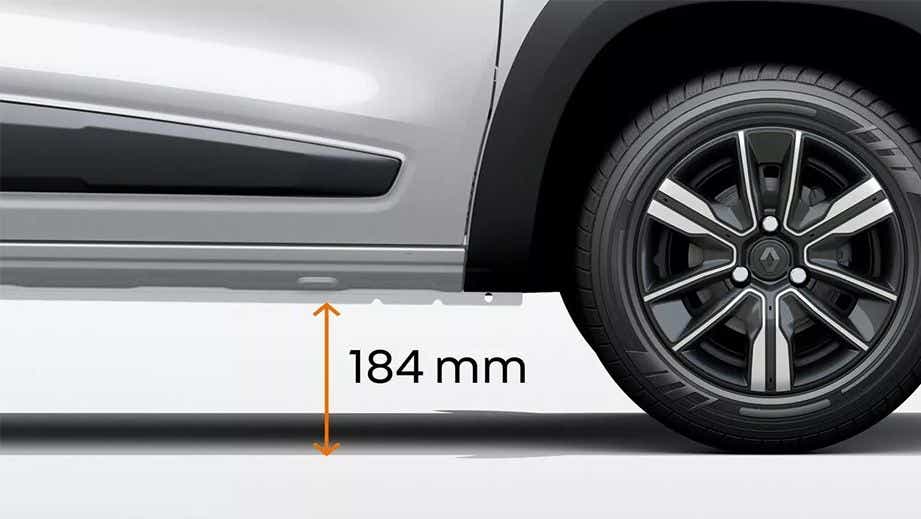
| Primary Focus | Agility in heavy city traffic | Added boot space for family trips | Better ground clearance for bad roads |
| Cabin Space | Comfortably seats four adults | Similar passenger space | Slightly better headroom |
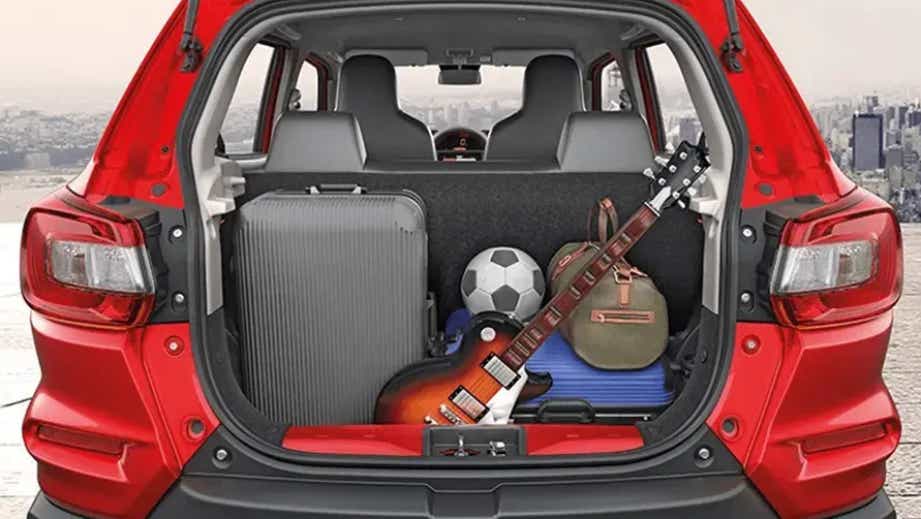
| Boot Capacity | Usually between 214 and 313 litres | Usually between 350 and 420 litres | Usually between 200 and 360 litres |
| Ride Comfort | Softer tuning for city speeds | Tuned for highway stability | Firmer ride due to a taller stance |
| Price Bracket | The most affordable entry point | Demands a slight premium | Demands a noticeable premium |
Because the ₹6.00 lakh budget forces you to choose between the top variants of entry-level cars or the bare-bones base variants of slightly larger cars, there are many options regarding these hatchback cars.
The Efficient Daily Commuters
The Maruti Suzuki Alto K10 and the Maruti Suzuki S-Presso both house a responsive 1.0L petrol engine. At low speeds, you can close gaps in traffic quickly. But if you want a roomier cabin, the Maruti Suzuki Wagon R makes more sense. Its tall-boy stance means you get clear, uncompromised visibility in city traffic.
Safe and Sturdy City Cars
If sheet metal thickness and structural safety matter most, the Tata Tiago stands out. Its doors close with a reassuring thud, and it holds a 4-star safety rating. The 1.2L engine can feel slightly unrefined at idle with minor vibrations creeping into the cabin, but once you cross 40 kmph, it smooths out wonderfully. The Nissan Magnite is another option among the most structurally sound hatchback cars, with its base variant starting from ₹5.65 lakh. It packs a five-star Global NCAP rating, too.
Feature-Rich Packages
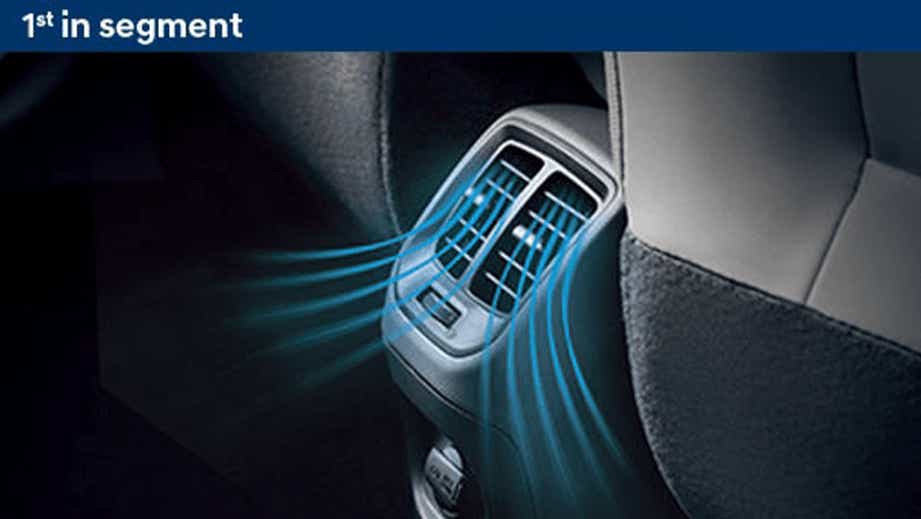
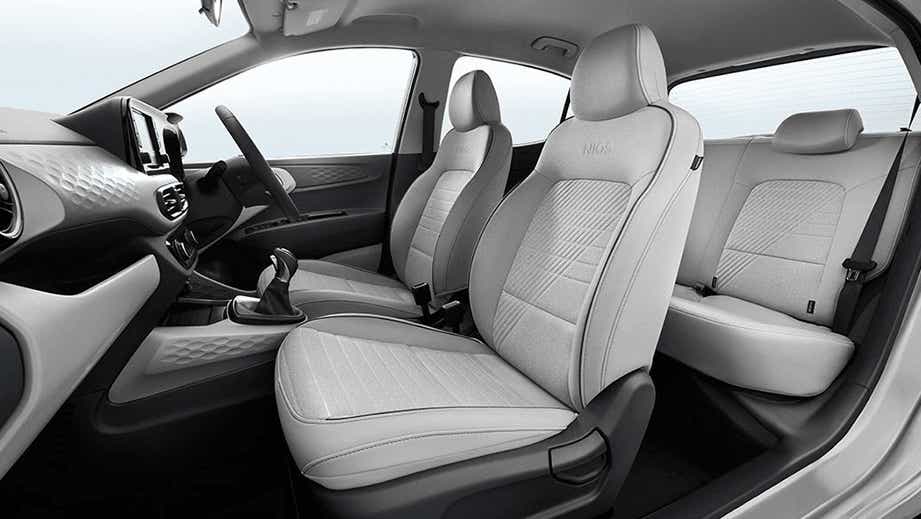
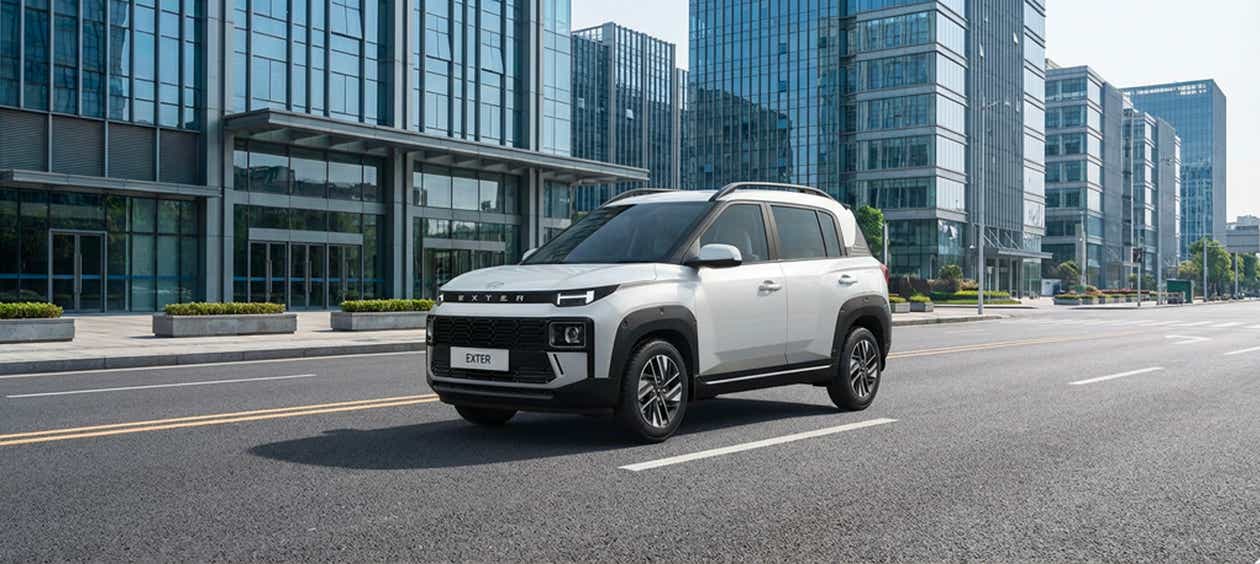
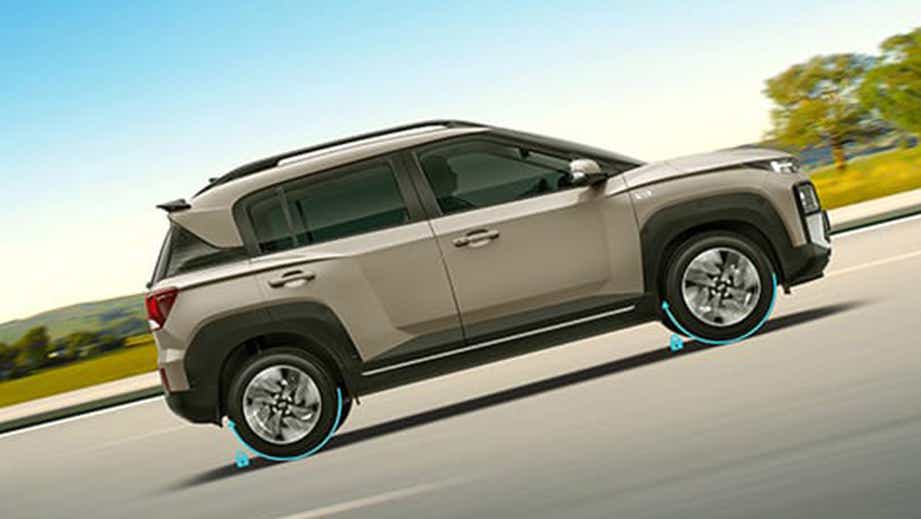
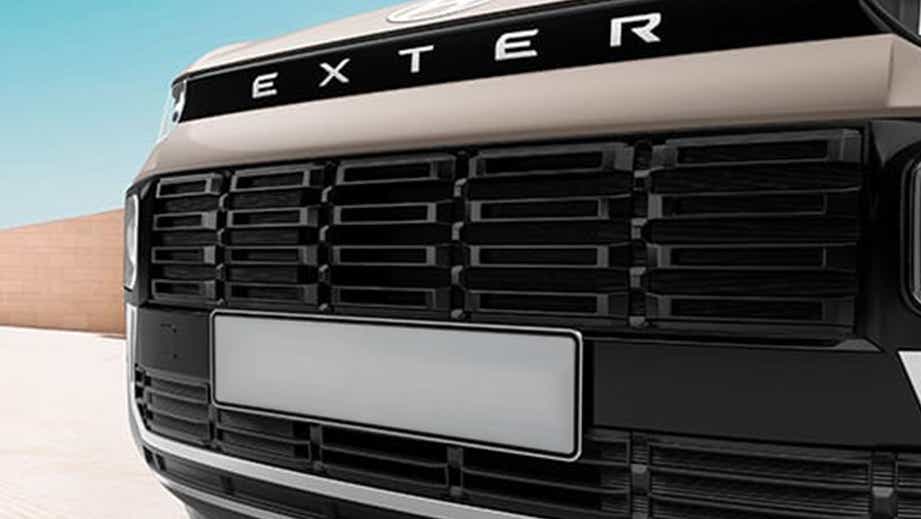
Hyundai is known for offering segment-leading interior quality. Even in the base or mid variants of the Hyundai Grand i10 Nios, you get a cabin that feels quite premium compared to its competitors. The plastic textures are smooth, the panel gaps are consistent, and the seats offer fantastic lower back support. There’s another noteworthy nameplate from the South Korean manufacturer, i.e., the Hyundai Exter, which comes with six airbags as standard.
Quirky and Practical Urban Choices
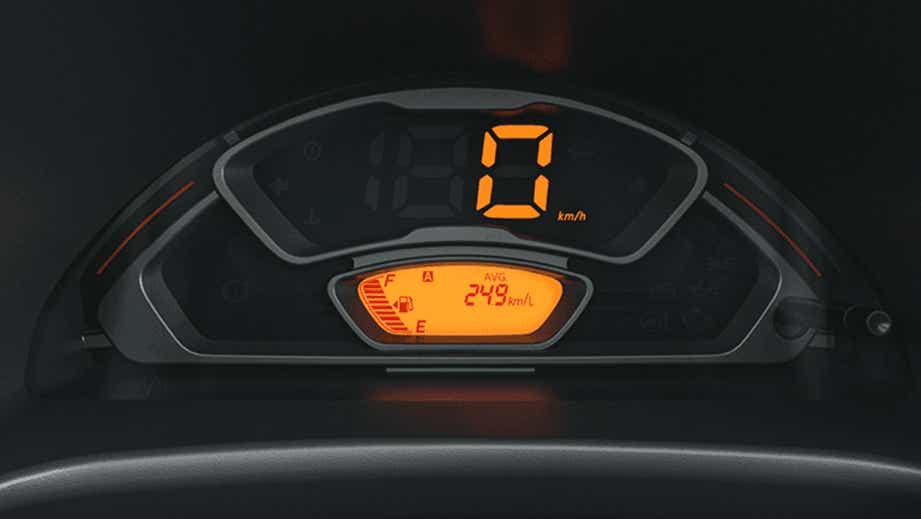
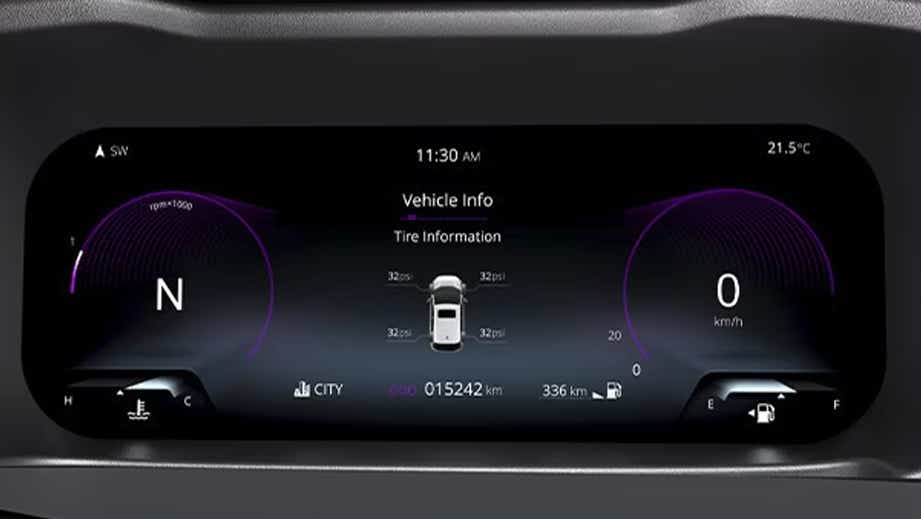
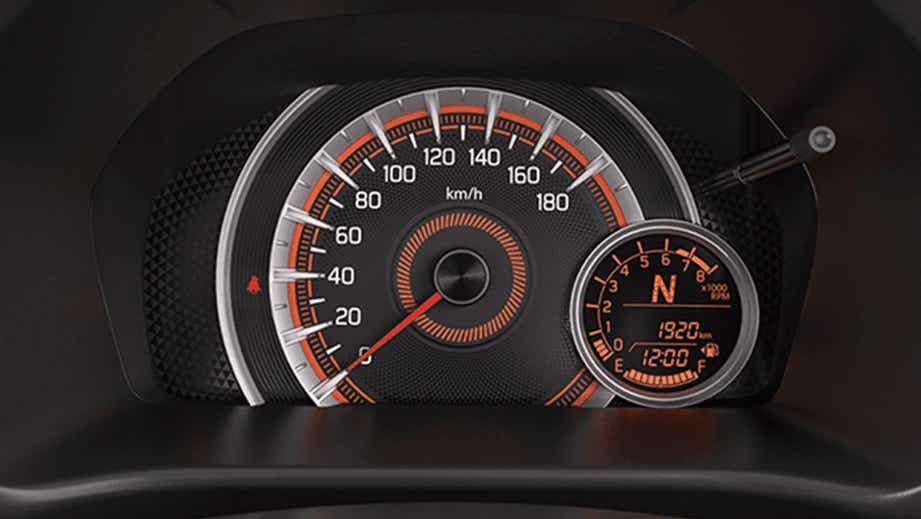
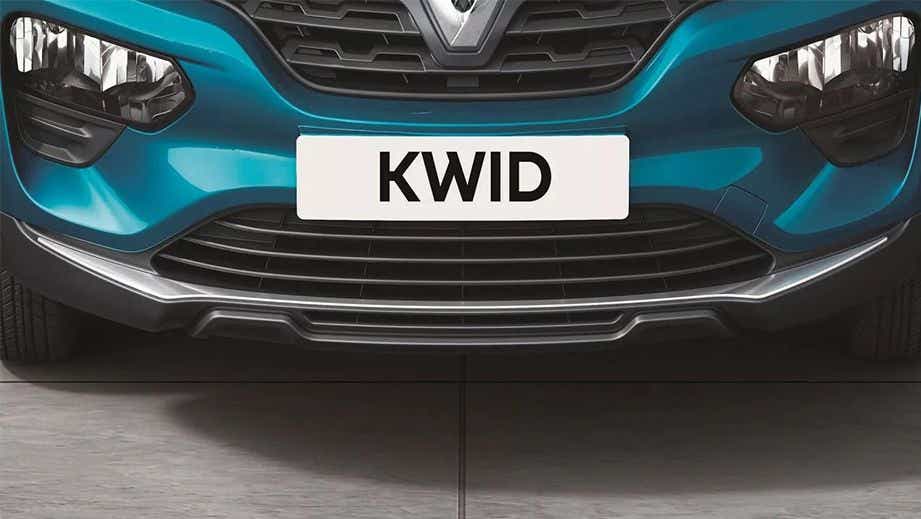
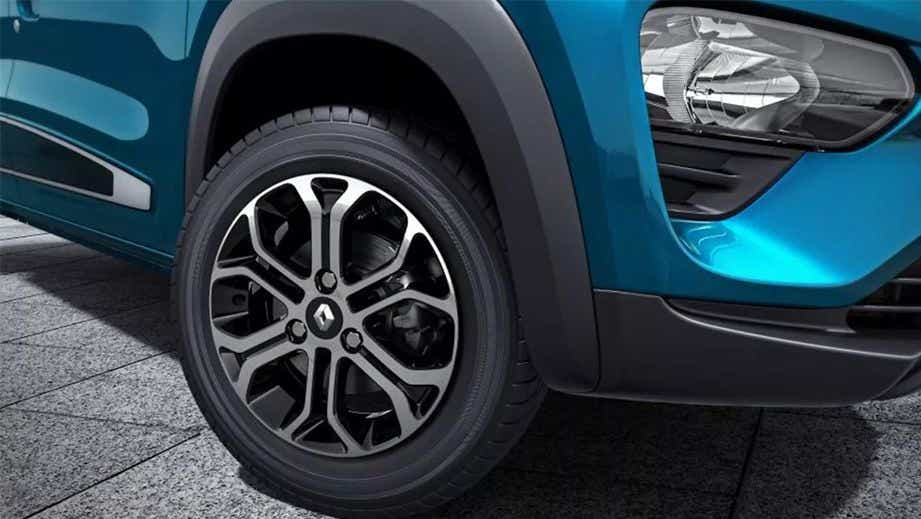
The Renault Kwid brings an aggressive, SUV-like styling to the lowest price bracket. With its digital instrument cluster and a highly usable 279-litre boot, it handles airport runs surprisingly well. Alternatively, the base variant of the Maruti Suzuki Ignis is another urban underdog. It uses a very eager 1.2L 4-cylinder engine that loves to be revved. The car also stays flat and predictable when you take sharp turns at higher speeds.
Every vehicle built to an aggressive budget has to make compromises, so hatchback cars in India run with some unavoidable limitations.
| Pros | Cons |
| Their sub-4-metre length and narrow width make navigating through heavily congested streets extremely easy. | High-speed stability is poor; crossing 100 kmph on the highway feels nervous, as most hatchback cars in India cannot perform here. |
| Because they weigh so little, the small-capacity engines of hatchback cars deliver brilliant fuel efficiency figures. | Sound insulation is strictly average; road noise and tyre roar easily enter the cabin at high speeds. |
| Consumables like brake pads, basic tyres, and routine service charges are the cheapest in the industry. | Interior cost-cutting is visible, with lots of exposed metal in the boot area and hard, scratchy plastics. |
| The incredibly light steering setups make reverse parking a single-handed job, while you can conduct traffic crawls without even working the throttle. | The rear bench is strictly meant for two adults; a third passenger will definitely complain about shoulder room. |
Even though the hatchback cars under 6 lakhs are highly affordable options, most of these vehicles offer a good mix of frugality, practicality and ease-of-use. That said, their bare-basic nature often makes the incapable of meeting certain requirements. Hence, one should weigh in the strengths and weaknesses of these vehicles and make an informed purchase decision.
As long as the buyer understands the actual practicality of a hatchback, there’s no reason to avoid buying one. However, if you expect the total silence of a luxury sedan or the heavy-duty suspension of a 4x4 off-roader, these cars will disappoint you. But if your goal is strictly affordable, reliable, and functional point-to-point mobility, most hatchback cars in India deliver exceptional value.
For buyers looking to move up from a two-wheeler to a safer mode of transport, cars like the Maruti Suzuki Alto K10 or the Renault Kwid present themselves as sensible, low-risk investments. If you plan to retain your purchase for a decade, the mechanical simplicity of a Celerio or Wagon R remains unmatched. Overall, keep in mind that hatchback cars in India do not pretend to be premium lounge spaces. They are honest, hard-working machines that offer independence, weather protection, and seating for your family without draining your bank account.