
Cars with Traction Control in India - Page 15
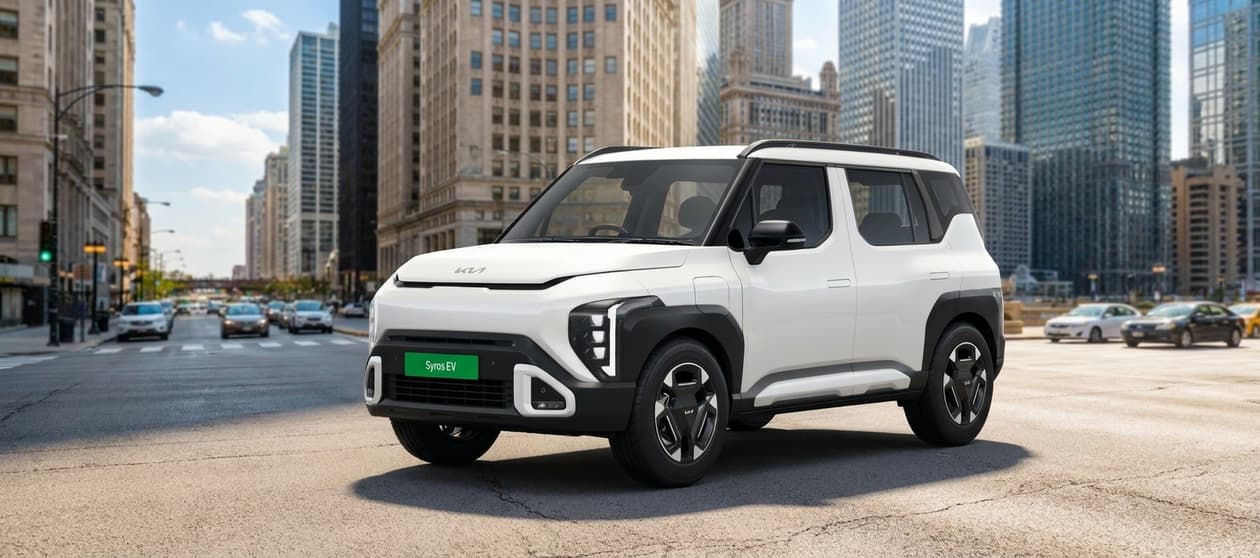


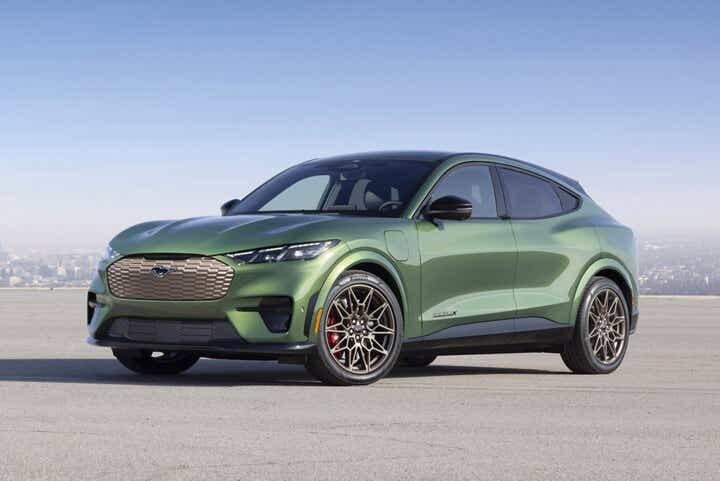








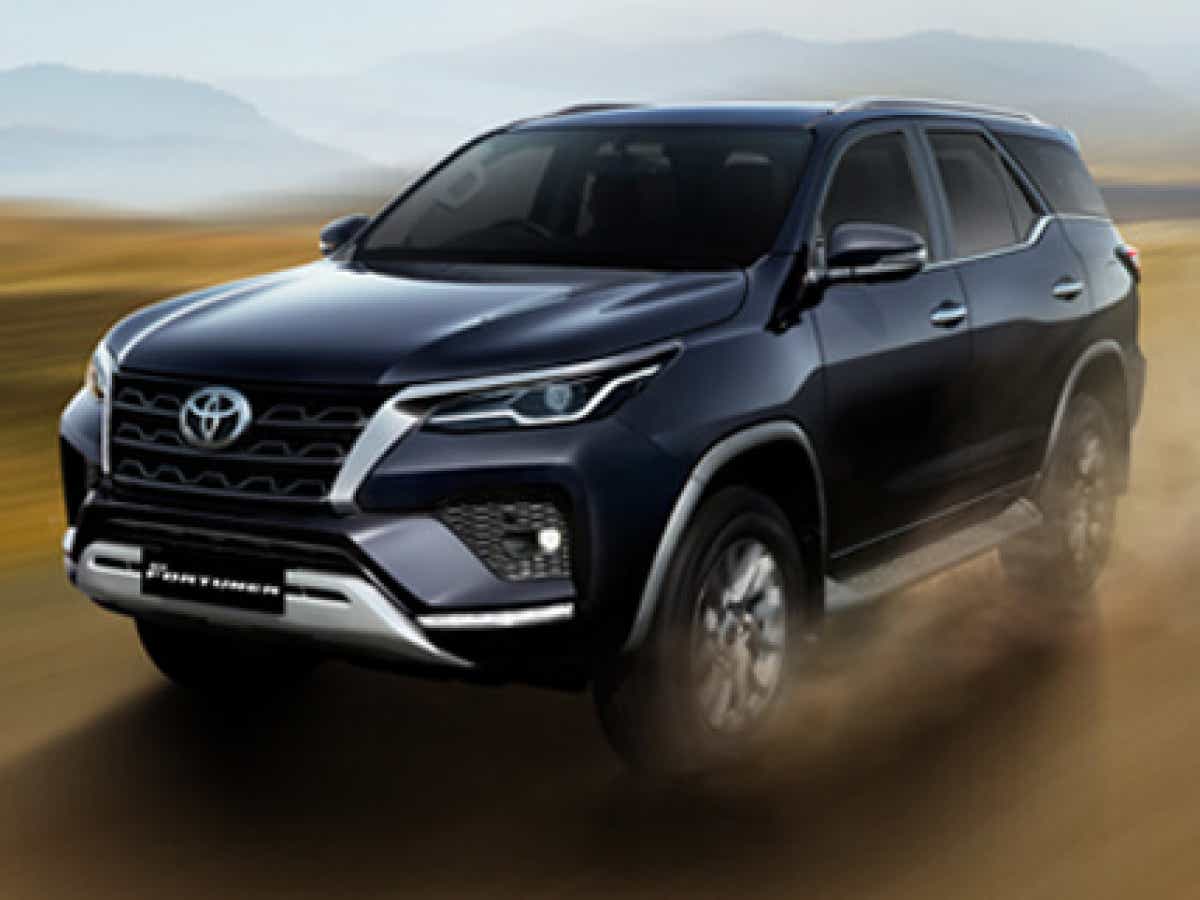

What Is Traction Control in Car: Segment Overview
Understanding what is Traction Control in car safety systems is important because it directly improves the vehicle's stability. A Traction Control System is a system that makes use of wheel-speed sensors to detect when one or more wheels start spinning faster than the others. When this occurs, the engine power is automatically reduced, or braking is applied to the slipping wheel, which assists the tyres to regain traction.
This technology is especially helpful in Indian driving conditions. During monsoon seasons, wet roads can reduce the grip of the tyres significantly, while loose gravel or sand is common on rural roads. In such situations, car Traction Control helps drivers to keep the car stable while accelerating.
Most modern vehicles have now combined the use of Traction Control with ABS and Electronic Stability Control (ESC). This forms a wider safety net that controls braking, cornering stability and wheel traction at the same time. Due to the higher safety expectations and Bharat NCAP ratings, many manufacturers are now providing Traction Control even in mid-level variants of popular cars.
Below are some of the commonly available vehicles that come with car Traction Control in various segments in the Indian market.
| Model Name | Powertrain & Output | Mileage (ARAI) | Ex-Showroom Price |
| Tata Altroz | 1.2L Petrol / 1.2L Turbo Petrol / 1.5L Diesel, Manual/DCT, 87 bhp, 115 Nm (P) / 118 bhp, 170 Nm (Turbo) | 18.5–26.2 kmpl | ₹6.30–10.51 Lakh |
| Maruti Baleno | 1.2L Petrol / CNG, Manual/AMT, 89 bhp, 113 Nm | 22.3–22.9 kmpl | ₹5.99–9.10 Lakh |
| Hyundai i20 | 1.2L Petrol, Manual/CVT, 82 bhp, 114.7 Nm | 19.6–20.3 kmpl | ₹5.99–10.44 Lakh |
| MG Astor | 1.5L Petrol / 1.3L Turbo Petrol, Manual/CVT/AT, 108 bhp, 144 Nm (P) / 138 bhp, 220 Nm (Turbo) | 14.0–15.4 kmpl | ₹9.79–15.50 Lakh |
| Mahindra Scorpio-N | 2.0L Turbo Petrol / 2.2L Diesel, Manual/Automatic, 200 bhp, 380 Nm (P) / 172 bhp, 400 Nm (D) | 14.0–16.2 kmpl | ₹13.49–24.34 Lakh |
| Jeep Compass | 2.0L Diesel, Manual/Automatic, 168 bhp, 350 Nm | 14.5–17.1 kmpl | ₹17.99–30.70 Lakh |
| Isuzu V-Cross | 1.9L Diesel, Manual/Automatic, 161 bhp, 360 Nm | 12.5 kmpl | ₹25.50–30.00 Lakh |
To get a good idea of what is Traction Control in car technology, it is helpful to understand how it works in conjunction with other safety systems. Traction control mainly aims at maintaining grip when a vehicle is accelerating. When the system detects that one tyre is spinning faster than expected, it will automatically reduce the engine torque or apply braking force to restore traction. This helps to keep the tyres in contact with the road surface as opposed to spinning freely.
Cars that have car Traction Control are helpful for:
- Drivers in areas of heavy monsoons
- Owners who drive a lot on gravel or rough roads.
- Buyers choosing turbocharged engines
- SUV users who drive on loose roads or on mild off-road trails.
In many modern vehicles, the Traction Control works in conjunction with driving modes, such as Snow, Mud or Sand modes, especially in SUVs.
Although Traction Control is commonly grouped with other safety systems, each system has a different function.
| Comparison Aspect | Traction Control System | ABS | Electronic Stability Control |
| Main Function | Prevents wheel spin during acceleration | Prevents wheel lock during braking | Maintains stability during cornering |
| When It Activates | During acceleration on slippery surfaces | During hard braking | During skidding or sudden steering |
| Driver Benefit | Helps maintain traction and grip | Maintains steering control while braking | Prevents loss of control during turns |
| Common Integration | Often paired with ESC | Mandatory in all new cars | Works alongside ABS and Traction Control |
Together, these systems define an all-encompassing electronic security network for improved vehicle stability.
Different vehicles come with car Traction Control to meet different driving needs.
Budget Hatchbacks and City Cars
Models such as Maruti Baleno, Hyundai i20 and Tata Altroz have Traction Control in affordable price brackets. These cars are made primarily for city commuting and offer extra safety during wet weather or sudden acceleration.
Feature-Rich Compact SUVs
Vehicles like the MG Astor and Mahindra Scorpio-N are provided with a combination of Traction Control and modern driver assistance technologies. This makes them suitable for buyers who are looking for safety-focused family vehicles.
Off-Road and Adventure Vehicles
SUVs like the Jeep Compass and Isuzu V-Cross greatly benefit from Traction Control. When driving on loose gravel, mud or sand, the system helps the tyres to maintain grip and prevents unnecessary wheel spin.
Vehicles with car Traction Control have a number of advantages, but there are also a few limitations.
| Pros | Cons |
| Traction Control helps prevent wheel spin when accelerating on slippery roads such as wet asphalt, loose gravel or mud. | Drivers who enjoy aggressive driving may sometimes feel the system limits wheel spin and reduces throttle response. |
| When combined with ABS and ESC, Traction Control improves overall vehicle stability and helps maintain better control during sudden acceleration. | If sensors or electronic modules malfunction, diagnosing and repairing the Traction Control system can be more complex. |
| The system helps tyres maintain grip in low-traction conditions, which improves safety during heavy rain or poor road surfaces. | Some drivers may become overly dependent on electronic systems instead of adapting their driving technique to road conditions. |
| By preventing excessive wheel spin, Traction Control can also reduce tyre wear and improve overall tyre longevity during everyday driving. | In certain situations, such as deep sand or snow, experienced drivers may prefer temporarily disabling Traction Control for better wheel momentum. |
Vehicles that have car Traction Control provide an added layer of confidence when driving in unpredictable conditions. The system helps to maintain tyre grip in the event of sudden acceleration on slippery roads and is therefore particularly useful during heavy rain or on loose surfaces. People who go off-roading also benefit from this feature, using the different driving modes available in such cars.
Although skilled drivers may be able to manage throttle input carefully, traction control reduces the risk of losing traction unexpectedly. In combination with ABS and electronic stability control, it is an important part of modern vehicle safety systems. For buyers looking for a new hatchback, sedan or SUV today, picking out a car with Traction Control is a sensible step towards safer and more stable everyday driving.
Browse all New Cars By Active Safety
- Traction Control Cars Under 5 Lakhs
- Traction Control Cars Under 6 Lakhs
- Traction Control Cars Under 7 Lakhs
- Traction Control Cars Under 10 Lakhs
- Traction Control Cars Under 15 Lakhs
- Traction Control Cars Under 20 Lakhs
- Traction Control Cars Under 25 Lakhs
- Traction Control Cars Under 30 Lakhs
- Traction Control Cars Under 35 Lakhs
- Traction Control Cars Under 50 Lakhs
- Traction Control Cars Under 1 Crore
- Traction Control Cars Under 2 Crore
- Traction Control Cars Under 5 Crore
- Traction Control Cars Above 5 Crore
- Maruti Suzuki Traction Control Cars
- Tata Traction Control Cars
- Hyundai Traction Control Cars
- Mahindra Traction Control Cars
- Toyota Traction Control Cars
- Kia Traction Control Cars
- Honda Traction Control Cars
- Renault Traction Control Cars
- Skoda Traction Control Cars
- Mg Traction Control Cars
- Nissan Traction Control Cars
- Volkswagen Traction Control Cars
- Citroen Traction Control Cars
- Bmw Traction Control Cars
- Mercedes Benz Traction Control Cars
- Ford Traction Control Cars
- Jeep Traction Control Cars
- Audi Traction Control Cars
- Jaguar Traction Control Cars
- Land Rover Traction Control Cars
- Rolls Royce Traction Control Cars
- Byd Traction Control Cars
- Vinfast Traction Control Cars
- Bentley Traction Control Cars
- Lamborghini Traction Control Cars
- Maserati Traction Control Cars
- Volvo Traction Control Cars
- Aston Martin Traction Control Cars
- Ferrari Traction Control Cars
- Isuzu Traction Control Cars
- Mclaren Traction Control Cars
- Mini Traction Control Cars
- Lotus Traction Control Cars
- Porsche Traction Control Cars
- Lexus Traction Control Cars