



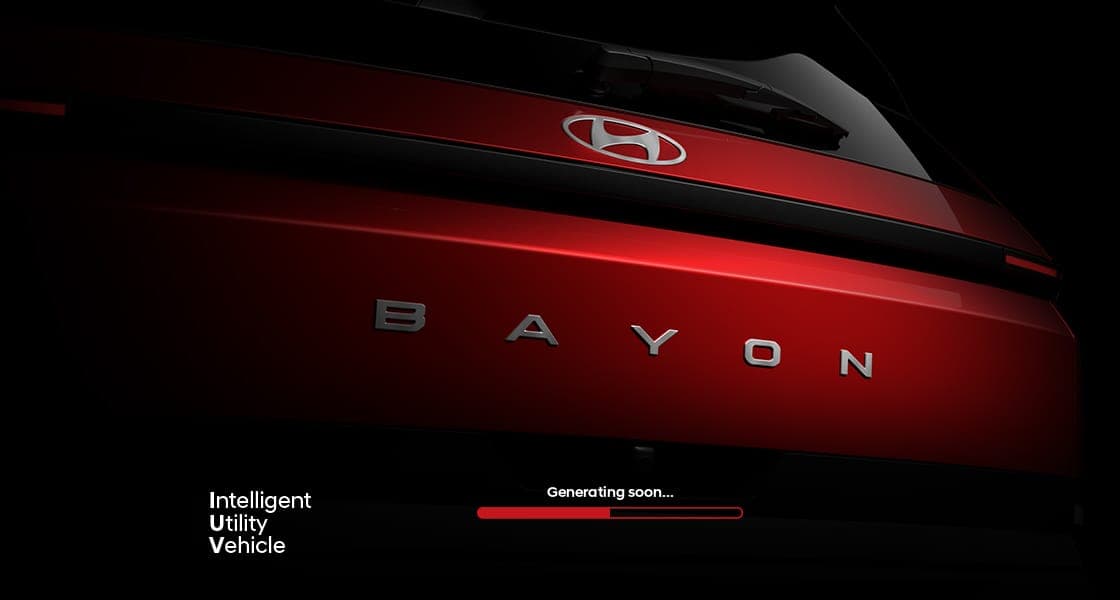
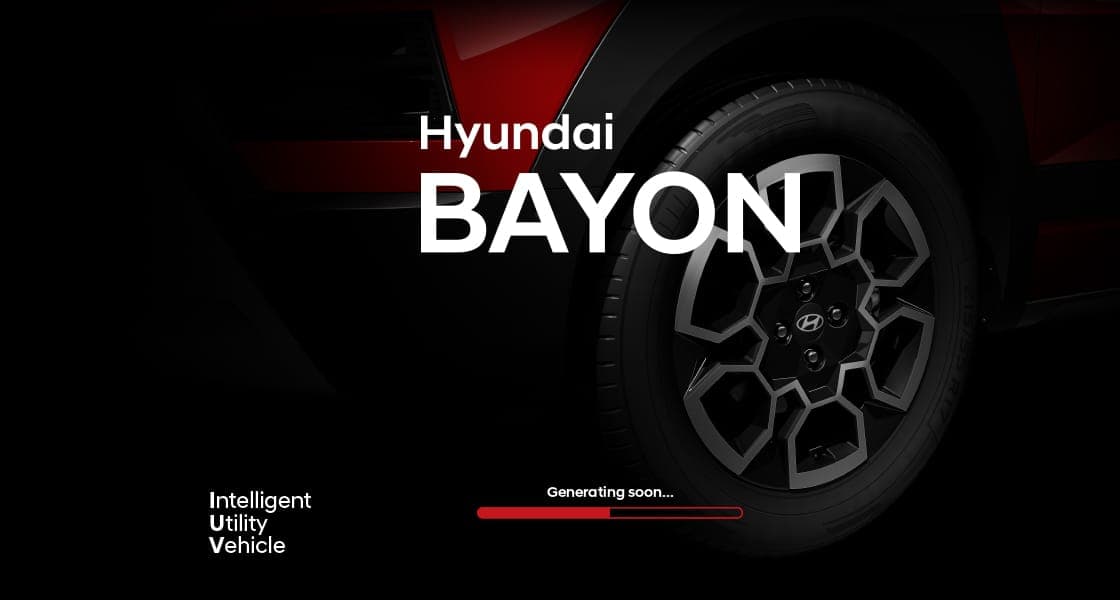
Hyundai Bayon Specifications
 Transmission type
 Body type
 Fuel type
 Max torque
 Max power
 Seating capacity

Hyundai Bayon Variants: Price & Spec Cards
Images of Hyundai Bayon
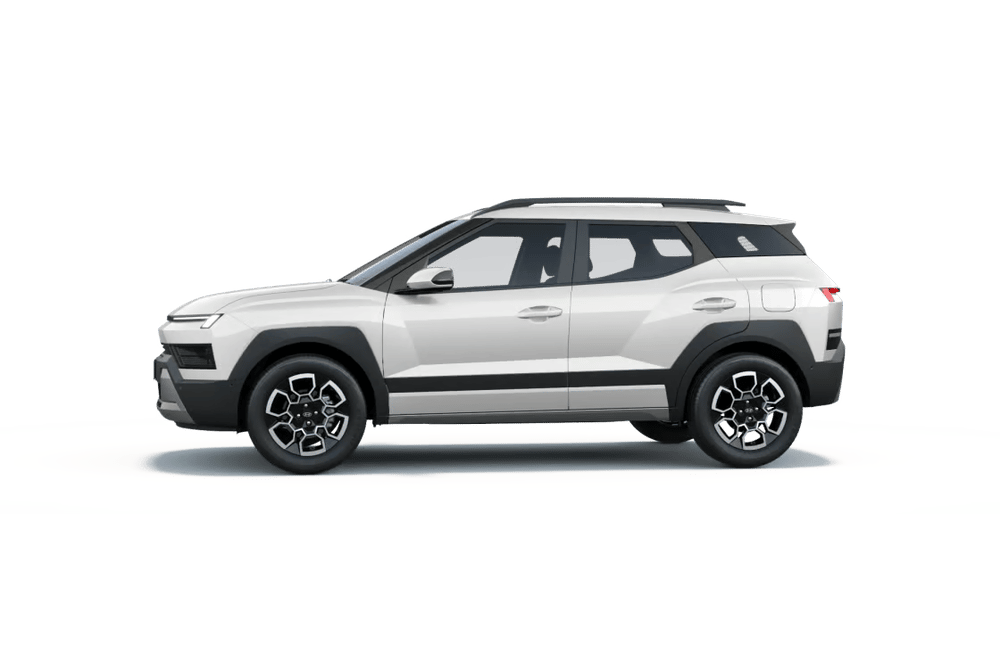
Hyundai Bayon Overview: A New SUV Between the Venue and Creta
The dimensions of the Hyundai Bayon put it in the compact end of the SUV market, but its equipment list suggests Hyundai is aiming to offer more than just a larger-looking alternative to compact crossovers. The highlights of the dimensions include a 505-litre boot along with a 2,600 mm wheelbase.
Powering the Bayon is a 1.5-litre, four-cylinder naturally aspirated petrol engine developing 115 PS and 143.8 Nm. The motor comes mated to a 6-speed manual gearbox as standard, while an iVT is on offer HX5 variant onwards. The automatic versions get paddle shifters, selectable drive modes and Dash Boost Mode.
Equipment appears to be a key part of the Bayon's appeal. Depending on the variant, the features list includes a 10.25-inch or dual 12.3-inch display setup, connected-car functions, a sunroof, ventilated front seats, a Bose audio system, a 360-degree camera and Level 2 Pro ADAS. Note- Not all of these features are available across the entire range.
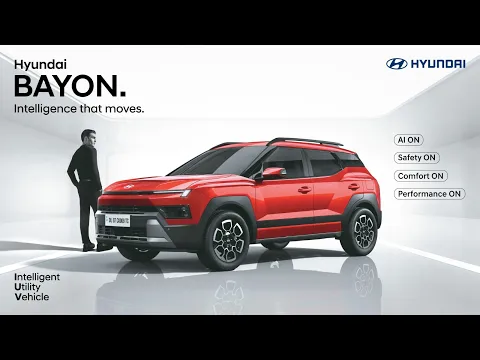
The company describes the Bayon as an Intelligent Utility Vehicle, built around the philosophy of “Intelligence That Moves”. It is manufactured in India and is also slated for export to more than 50 markets globally.
Priced attractively from ₹9.99 lakh, ex-showroom, the Hyundai Bayon is available in seven trims. The table below lists the variants and their transmission availability; along with their prices.
| Variant | Engine / Power / Torque / Transmission | Claimed Mileage | Ex-showroom Price |
| HX2 Petrol MT (Base) | 1.5L petrol, 115 PS, 143.8 Nm, 6-speed MT | 18.2 kmpl | ₹9.99 lakh |
| HX3 Petrol MT | 1.5L petrol, 115 PS, 143.8 Nm, 6-speed MT | 18.2 kmpl | ₹10.90 lakh |
| HX3 Plus Petrol MT | 1.5L petrol, 115 PS, 143.8 Nm, 6-speed MT | 18.2 kmpl | ₹11.80 lakh |
| HX5 Petrol MT/IVT | 1.5L petrol, 115 PS, 143.8 Nm, 6-speed MT/CVT | 18.2/18.6 kmpl | ₹12.45/₹13.85 lakh |
| HX6 Petrol MT/IVT | 1.5L petrol, 115 PS, 143.8 Nm, 6-speed MT/CVT | 18.2/18.6 kmpl | ₹13.57 lakh/₹14.97 lakh |
| HX8 Petrol MT/CVT | 1.5L petrol, 115 PS, 143.8 Nm, 6-speed MT/CVT | 18.2/18.6 kmpl | ₹15.10 lakh/₹16.54 lakh |
| HX10 Petrol MT/IVT | 1.5L petrol, 115 PS, 143.8 Nm, 6-speed MT/CVT | 18.2/18.6 kmpl | ₹16.65 lakh/₹18 lakh |
Key specifications
Essentially speaking, the Hyundai Bayon features the same 1.5-litre naturally-aspirated petrol variant that’s available on the Creta. The gasoline-sipping mill outputs a maximum power of 115 along with a peak torque of 143.8 Nm. Even the transmission options have been carried over from the Creta, and include a 6-speed manual and an IVT (CVT).
| Specification | Hyundai Bayon |
| Engine | 1.5-litre, four-cylinder naturally aspirated petrol |
| Maximum power | 115 PS |
| Maximum torque | 143.8 Nm |
| Transmission | 6-speed manual, iVT automatic |
| Length × Width × Height | 4,245 × 1,810 × 1,605 mm (height with roof rails) |
| Wheelbase | 2,600 mm |
| Ground clearance | 205 mm |
| Boot space | 505 litres |
| Fuel tank capacity | 43 litres |
| Seating capacity | 5 |
The India-spec Bayon is available with a single 1.5-litre naturally aspirated petrol engine option, with a choice of manual and iVT automatic transmissions. The engine produces 115 PS and 143.8 Nm. Unlike a turbo-petrol powertrain available on some vehicles in this segment, this setup does not prioritise strong performance.
The manual gearbox should appeal to buyers who prefer direct control over gear changes, while the iVT automatic should be the more convenient option for regular city use. However, features like the Dash Mode and paddle shifters intend to improve responsiveness during acceleration and overtaking.
1.5-Litre Petrol Engine
The 1.5-litre engine is a four-cylinder, naturally aspirated petrol unit. Its output of 115 PS and 143.8 Nm is at par with most rivals featuring similar powertrain setup. Also, with a 6-speed manual gearbox or an iVT automatic transmission on offer, the entire setup is very similar to what you get on the base engine variant of the Creta. The HX2, HX3 and HX3+ are manual-only, while the HX5, HX6, HX8 and HX10 offer both transmission options.
One clear advantage over the Creta, though, is the availability of the Dash Boost Mode and Sporty Drive Tech for the iVT version. These are available alongside paddle shifters and selectable driving modes. These features are intended to make acceleration more responsive when required.
City Performance
The iVT automatic will be the more convenient choice for buyers who spend much of their time in stop-start traffic. It removes the need for frequent clutch operation, while the manual may suit drivers who prefer greater control over gear selection.
Highway Performance
The 115 PS output should be considered alongside the Bayon's weight and the way its engine and transmission deliver power. The naturally aspirated setup is different from a turbo-petrol engine, and its overtaking response is generally more linear than a noticeable burst of punch from the turbo.
The iVT version offers paddle shifters, selectable drive modes and Dash Boost Mode. These give the driver more control over the response.
The front suspension of the Hyundai Bayon uses a McPherson strut with coil spring, while the rear uses a coupled torsion beam axle with coil spring. Hyundai India’s focus on offering a plush ride should reflect even on the way Bayon drives, while the electronic power steering should ensure easy handling in urban traffic. All in all, the Bayon should offer a comfortable ride and easy handling.
For typical car buyers, the key questions will be how well the suspension manages sharp potholes and speed breakers, whether the car remains settled on uneven highways, and how much road and tyre noise enters the cabin. These are particularly important because a feature-rich cabin alone does not guarantee everyday comfort.
Buyers should also look for differences between the manual and iVT versions, including throttle response and how the transmission behaves when accelerating out of a corner or making a quick overtake.
There are as many as seven Hyundai Bayon variants: HX2, HX3, HX3+, HX5, HX6, HX8 and HX10. The equipment list depicts how the range builds from essential convenience features to a more technology-focused top variant.
Hyundai Bayon HX2
The HX2 is the entry-level variant. Its exterior equipment includes 16-inch steel wheels with full wheel covers, LED projector headlamps, H-shaped LED daytime running lights and LED tail lamps.
Inside, the equipment on offer includes a 4.2-inch TFT instrument display, manual air-conditioning, rear AC vents, electrically adjustable outside rear-view mirrors, a height-adjustable driver’s seat and all-four power windows.
Hyundai Bayon HX3 and HX3+
The HX3 adds a 10.25-inch touchscreen infotainment system, a six-speaker audio setup, a rear-view camera, a Driver Rear View Monitor, a smart key and push-button start. The HX3+ comes with an electric sunroof, bridge-style roof rails and 17-inch styled wheels. Both variants come with the 6-speed manual gearbox only.
Hyundai Bayon HX5, HX6 and HX8
The HX5 is the entry point for the iVT automatic. Its equipment includes over-the-air updates, Bluelink connected-car functions, a wireless charger, cruise control, automatic climate control, auto headlamps, a rear defogger and electrically folding ORVMs. The iVT version is also reported to get paddle shifters, Dash Boost Mode and Eco, Normal and Sport drive modes.
The HX6 adds a panoramic sunroof, a sliding front armrest, a rear wiper and washer, a luggage lamp, dual LED projector headlamps, puddle lamps, 17-inch diamond-cut alloy wheels, ambient lighting and leatherette-wrapped steering and gear-lever finishes.
The HX8 gets front and side parking sensors, rear disc brakes, a dashcam and an eight-way powered driver’s seat. It even gets leatherette seat upholstery, ventilated front seats, height-adjustable rear headrests, a rear armrest, 60:40 split rear seats and two-step rear-seat recline. The HX8 iVT even offers an electronic parking brake.
The HX10 is the range-topping variant, with the most advanced technology and comfort features. Its equipment list includes a dual curved-screen layout with 12.3-inch displays for the infotainment system and instrument cluster, an eight-speaker Bose audio system, a 360-degree camera, a blind-view monitor and an electrochromic mirror.
The dual-display system is part of Hyundai's Connected Car Navigation Cockpit (ccNC). Also, the vehicle comes with more than 70 Bluelink connected features, over-the-air updates for up to 19 controllers, more than 500 embedded voice commands and support for 10 regional and two international languages. Wireless Android Auto and Apple CarPlay are also included. Hyundai provides a three-year complimentary Bluelink subscription.
The generative AI voice assistant can provide information and assistance on subjects such as travel itineraries, weather, hotels, restaurants, news and sports. Hyundai notes that the assistant can be interacted with in English only and that its responses are for information and convenience, not a substitute for human judgement.
Which Hyundai Bayon Variant Should You Choose?
- Hyundai Bayon HX2: Consider it if you want the entry-level version and can do without a touchscreen infotainment system.
- Hyundai Bayon HX3: Worth checking if you want the touchscreen, rear camera and push-button start while retaining a manual gearbox.
- Hyundai Bayon HX3+: Consider it if an electric sunroof and the additional exterior styling features matter to you.
- Hyundai Bayon HX5: The starting point for buyers who want an iVT automatic and connected-car features.
- Hyundai Bayon HX6: Worth considering if you want the panoramic sunroof and added cabin and lighting equipment.
- Hyundai Bayon HX8: May suit buyers who prioritise ventilated front seats, a powered driver’s seat and added rear-seat convenience.
- Hyundai Bayon HX10: The variant to examine if you want the full reported technology package, including dual 12.3-inch displays, Bose audio, a 360-degree camera and ADAS.
Hyundai Bayon Mileage Expectations
The IVT version of the Hyundai Bayon has an ARAI-certified fuel economy of 18.6 kmpl. However, the manual version offers marginally lesser mileage of 18.2 kmpl.
| Powertrain | ARAI Mileage | Expected City Mileage | Expected Highway Mileage |
| 1.5-litre petrol, 6-speed MT | 18.2 kmpl | 11-12 kmpl | 15-16 kmpl |
| 1.5-litre petrol, iVT automatic | 18.6 kmpl | 11-12 kmpl | 15-16 kmpl |
With a fuel tank of 43-litres, the Bayon is likely to offer a real-world highway driving range of roughly 650 km on a full tank.
Hyundai Bayon Exterior
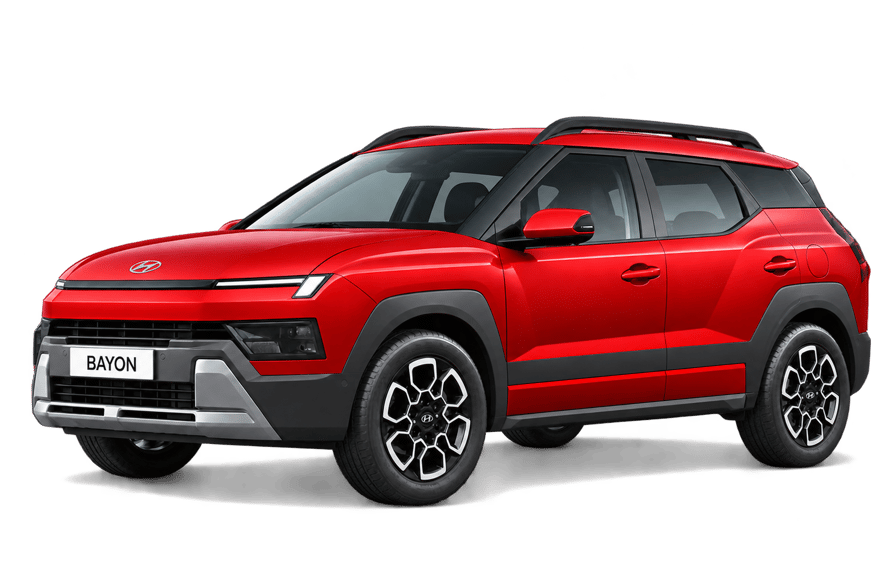
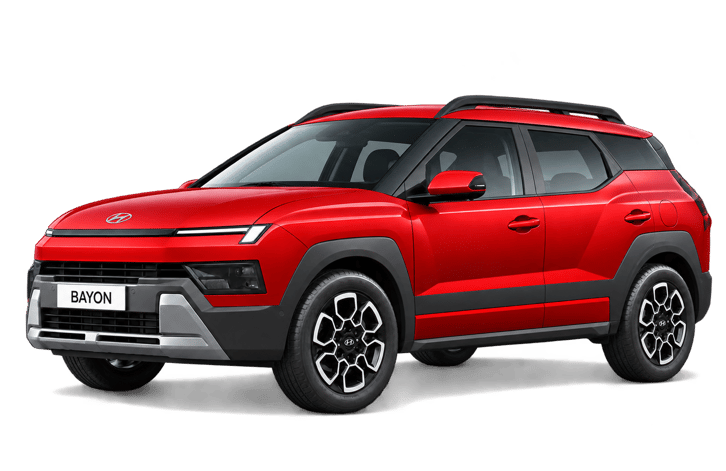
Some of the salient highlights of the exterior include a sculpted bonnet, pronounced fenders, a futuristic front fascia, geometric wheel arches and wrap-around door cladding. The R17 diamond-cut alloy looks trendy, while the rear has a sporty spoiler incorporating a vertical aerolight high-mounted stop lamp.
Other notable elements are the distinctive H-shaped LED lighting elements, a shark-fin antenna and different wheel designs across the variant range.
Front Profile
The front-end includes LED projector headlamps and H-shaped LED daytime running lights. The HX2 receives LED projector headlamps, while the HX6 adds dual LED projector headlamps. The top HX10 receives the most advanced technology package. The lighting arrangement is one of the Bayon's defining visual features.
Side Profile
The Bayon is 4,245 mm long, 1,810 mm wide and 1,605 mm tall with roof rails. Its wheelbase is 2,600 mm. These figures suggest a relatively substantial footprint. Wheel designs vary by trim. The HX2 gets16-inch steel wheels and covers, the HX3+ with 17-inch styled wheels, and the HX6 with 17-inch diamond-cut alloy wheels. The HX3+ and above also get bridge-type roof rails.
Rear Profile
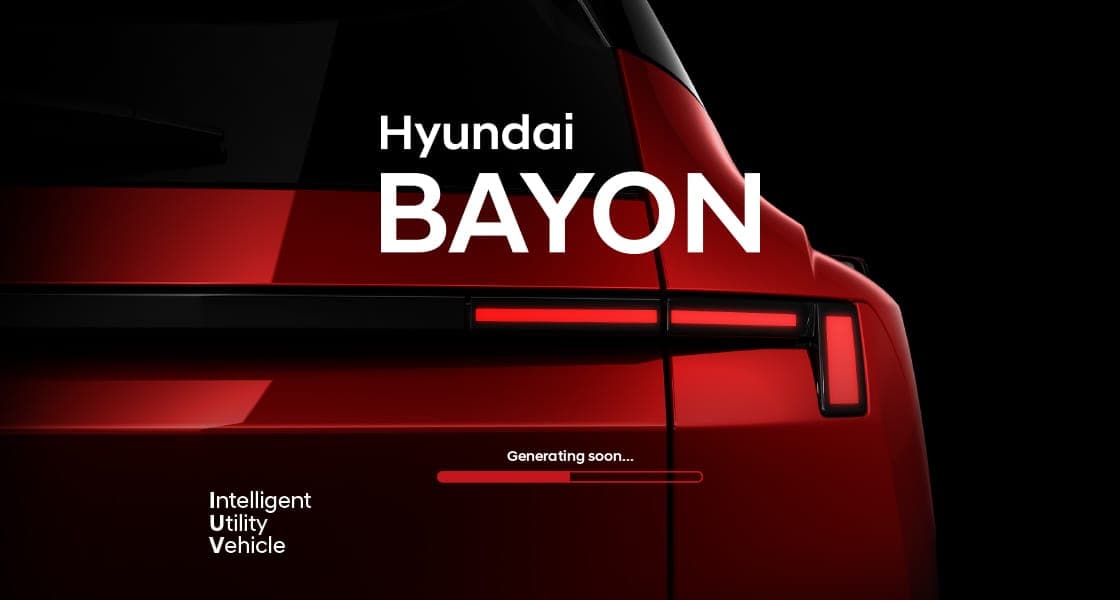
The rear features H-shaped LED tail lamps and a shark-fin antenna. The HX3 variant and above get a rear-view camera, while higher trims offer additional parking assistance.
Colours
The Hyundai Bayon is available in 10 exterior colour options, including monotone, dual-tone and matte finishes.
| Colour Type | Options |
| Monotone | Titanium Black, Classy Blue, Atlas White, Fiery Red, Golden Bronze, Ecotronic Grey |
| Dual-tone | Atlas White with Black Roof, Fiery Red with Black Roof |
| Matte | Titanium Black Matte, Classy Blue Matte |
Hyundai Bayon Interior, Comfort & Practicality
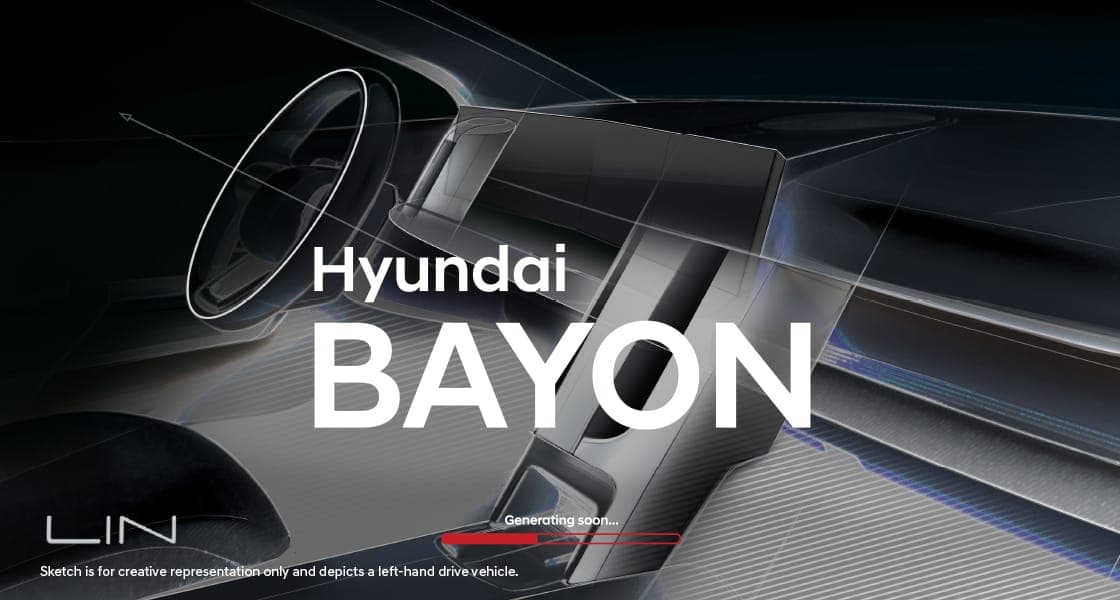
The entry-level HX2 has a basic instrument display and manual air-conditioning, while higher variants receive a touchscreen, connected-car technology, ambient lighting and larger displays. The HX10 features a pair of 12.3-inch screens.
Front Seats
The equipment varies from a height-adjustable driver's seat in the HX2 to an eight-way powered driver's seat and ventilated front seats in the HX8. These additions could be useful for buyers who regularly drive in hot weather or spend long periods behind the wheel.
Rear Seats
The HX8 gets height-adjustable rear headrests, a rear armrest, 60:40 split rear seats and two-step rear-seat recline. These features should provide more flexibility than a fixed rear bench.
Features & Technology
The features list includes several different infotainment and instrument-display configurations:
- HX2: 4.2-inch TFT instrument display; no touchscreen infotainment on offer.
- HX3 and above: A 10.25-inch touchscreen is available.
- HX5 and above: Connected-car functions, over-the-air updates and a wireless charger are available.
- HX10: A dual curved-screen layout with 12.3-inch infotainment and instrument displays are on offer, along with an eight-speaker Bose audio system and a generative AI assistant. Even offers Level 2 Pro ADAS and a 360-degree camera
The new SUV offers wireless Android Auto and Apple CarPlay, more than 70 Bluelink connected features and a three-year complimentary Bluelink subscription. Over-the-air updates can be delivered to up to 19 controllers, subject to Hyundai's conditions and network availability.
Storage & Practicality
The HX6 and above have a sliding front armrest, plus a luggage lamp and wireless charger. HX8 and above offer rear armrest and split-folding rear seats, which could improve everyday usability. Apart from this, there are many cubby holes strewn across the cabin with storage space in the door pockets, centre console and rear cabin.
Boot Space
The Bayon has a 505-litre boot with all seats in place. This should be a useful figure for buyers who carry luggage for family trips or need space for everyday shopping. The HX8 and above gets 60:40 split rear seats, which should make it easier to accommodate longer items when required.
Hyundai Bayon Safety
The Bayon SUV offers more than 35 safety features as standard across all variants, including six airbags, ESC, HAC, a rollover sensor and TPMS. The Bayon is built on the Global K Enhanced Platform and engineered for 5-Star Indian Safety Standards based on its internal assessment.
Passive & Structural Safety
The Bayon SUV gets six airbags and a broad set of standard safety features across the range. Hyundai says the Bayon's body structure uses 69% Advanced Multi-Grade High-Strength Steel, incorporating hot-stamped, ultra-high-strength, advanced high-strength and high-strength steel. The company says this structure is designed to improve rigidity, crash-energy management and occupant protection.
That said, airbag count alone does not establish crashworthiness. Buyers should look for a safety assessment that specifically applies to the relevant model and market, rather than relying on the rating of a different Hyundai model or an overseas version of the Bayon.
Active Safety & Driver Assistance
The standard safety equipment includes electronic stability control, vehicle stability management, hill-start assist, tyre-pressure monitoring and a rollover sensor. The HX10 gets Level 2 Pro ADAS with 23 functions, supported by three radars and 12 sensors. A blind-view monitor and 360-degree camera are available on the top variant.
Other highlights include Highway Driving Assist (HDA), Navigation-based Smart Cruise Control Zone (NSCC-Z), Navigation-based Smart Cruise Control Curve (NSCC-C), Surround View Monitor (SVM) and Blind-spot View Monitor (BVM). The SUV also features all-wheel disc brakes.
Safety Features by Variant
The table summarises the safety equipment on offer:
| Variant | Key Safety Features |
| Bayon HX2 | 6 airbags, ESC, hill-start assist, TPMS, ABS with EBD, rear parking sensors, ISOFIX mounts and three-point seatbelts for all seats |
| Bayon HX3 | Adds a rear-view camera with dynamic guidelines |
| Bayon HX5 | Core safety kit continues; automatic variants get paddle shifters |
| Bayon HX6 | Adds a rear wiper and washer for better rear visibility |
| Bayon HX8 | Adds a 360-degree camera, blind-spot view monitor, built-in dashcam and front parking sensors. iVT variants also get an electronic parking brake with Auto Hold |
| Bayon HX10 | Adds Level 2 Pro ADAS with 23 driver-assistance functions, including lane-keeping assistance, highway driving assistance and collision-avoidance systems |
Hyundai Bayon Rivals & Alternatives
The Bayon sits between the Venue and Creta in Hyundai's Indian SUV range. It is positioned in a price-sensitive part of the market where buyers often compare features, space, powertrain options and ownership costs. Taking into account the starting price of roughly INR 10 lakhs, the following models are major rivals of the new SUV:
| Model | Key Difference |
| Hyundai Venue | Smaller Hyundai SUV alternative for those prioritising features over space due to price overlap between mid-spec and entry-spec models of Venue and Bayon, respectively. |
| Hyundai Creta | Larger Hyundai SUV alternative for buyers who want to choose from a wider list of engine options without compromising on the features front. |
| Maruti Suzuki Victoris | Easily the most direct rival fo the Bayon, although, it’s slightly costlier. Also, Bayon’s CNG variant is still a few months away. |
Hyundai Bayon vs Rivals
Hyundai Bayon vs Hyundai Venue
The Venue is the closest in-house alternative to examine because it occupies the smaller-SUV end of Hyundai's range. Buyers should compare the two on actual variant prices, cabin space, standard safety equipment and the features included at each price point.
Hyundai Bayon vs Hyundai Creta
The Creta is worth considering if buyers are open to a slightly more premium SUV with multiple engine options. The decision should focus on the difference in cabin and boot practicality, the available features, engine and transmission options at a given price point, and how much extra the Creta costs in comparable trims.
Hyundai Bayon vs Maruti Suzuki Victoris
The Maruti Suzuki Victoris is easily the strongest rival of the Bayon. It offers CNG and Hybrid options, while the CNG version of the Bayon launches in January 2027. The Bayon is slightly more premium, offers more tech and even stronger performance.
Which SUV Should You Choose?
- Hyundai Bayon: Available at approx INR 10 lakhs onwards, the Bayon offers a strong combination of the refinement, smooth automatic option and modern technology features.
- Hyundai Venue: Consider it if you prefer a smaller Hyundai SUV that offers similar features and a slightly posher cabin.
- Hyundai Creta: Compare it powertrain choices and slightly larger dimensions matter more than AI-powered features
- Maruti Suzuki Victoris: Choose it over Bayon if you urgently require a CNG or hybrid SUV in this segment.
Pros & Cons of the Hyundai Bayon
The Bayon offers many advantages over similarly priced SUVs, but as an informed buyer, one must evaluate its strengths and weaknesses before taking a purchase decision.
| Pros | Cons |
| 1.5-litre, four-cylinder petrol engine with manual and iVT options is a tried-and-tested performer | CNG prices are not yet available |
| Multiple variants to choose from. | No N-Line version for India. |
| Higher variants offer many useful features, such as ventilated front seats and a powered driver's seat | No Hybrid powertrain on offer. |
| HX10 offers dual 12.3-inch displays, Bose audio and a 360-degree camera | |
| 505-litre boot could be useful for family luggage |
Should You Buy the Hyundai Bayon in India?
The Hyundai Bayon is worth considering if you are planning to buy an SUV around the Venue-to-Creta price band and want to compare a naturally aspirated petrol engine, a manual gearbox and an iVT automatic. Its seven-variant range allows buyers to choose between a simpler entry-level version and higher trims with more technology and comfort features.
The HX2 may appeal to buyers who want a straightforward manual variant, while the HX3 could appeal to several value-conscious buyers with its touchscreen, rear camera and push-button start. The HX8 comes with several goodies such as ventilated front seats and a powered driver's seat, while the HX10 becomes one of the most feature-laden cars in this price segment with equipment such as dual 12.3-inch displays, a Bose sound system, a 360-degree camera and Level 2 Pro ADAS.
Hyundai Bayon Mileage
View Mileagespotlight: Bayon cruises into top ranks
Discover this standout car, currently ranked on the Cars24 Leaderboard. With , continues to impress with its combination of style and performance.

Compare Hyundai Bayon with Similar Cars
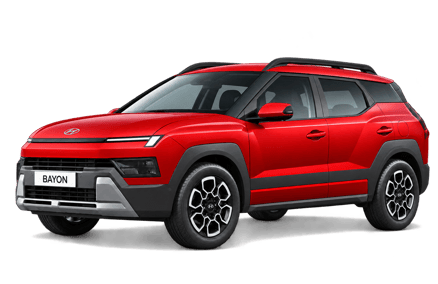 HyundaiBayon₹10.00L - 16.69L*
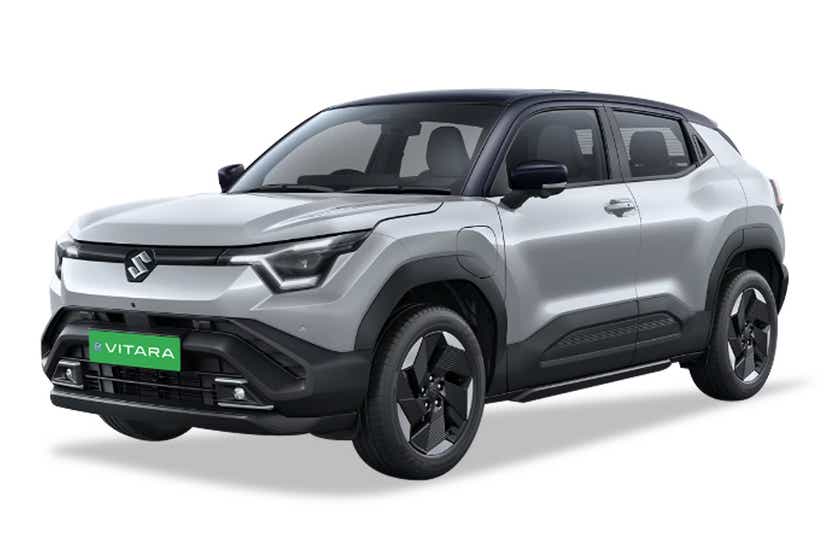
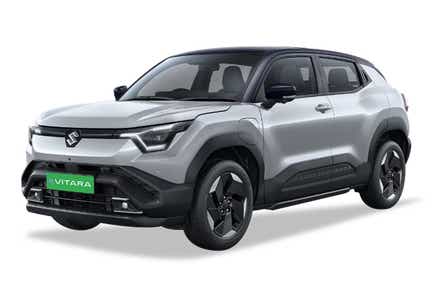 Maruti Suzukie Vitara₹10.99L - 17L*
- HyundaiBayon₹10.00L - 16.69L*
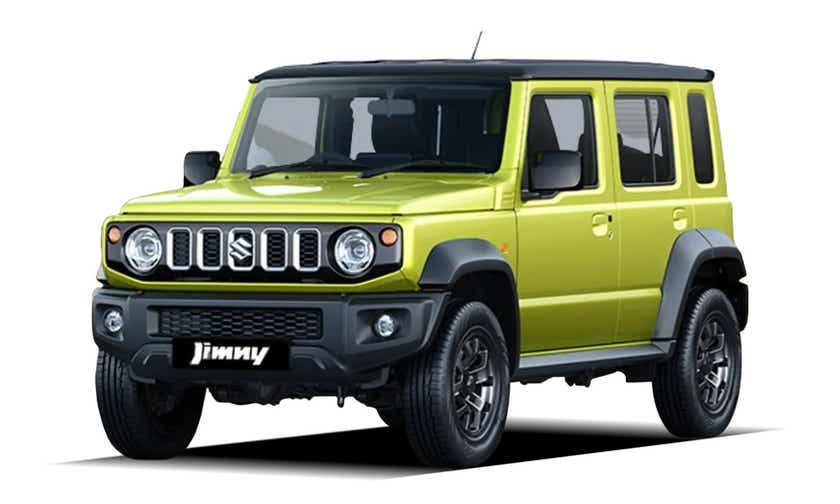
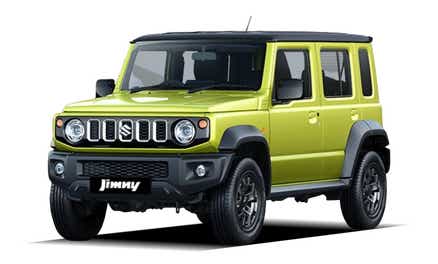 Maruti SuzukiJimny₹12.31L - 14.45L*
- HyundaiBayon₹10.00L - 16.69L*
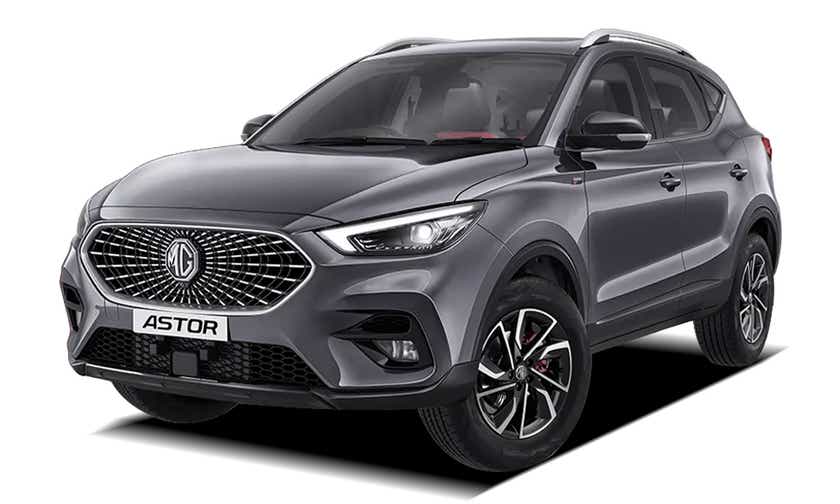
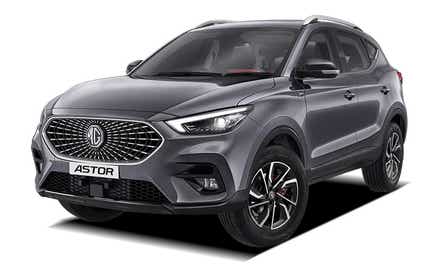 MGAstor₹9.79L - 15.16L*
- HyundaiBayon₹10.00L - 16.69L*
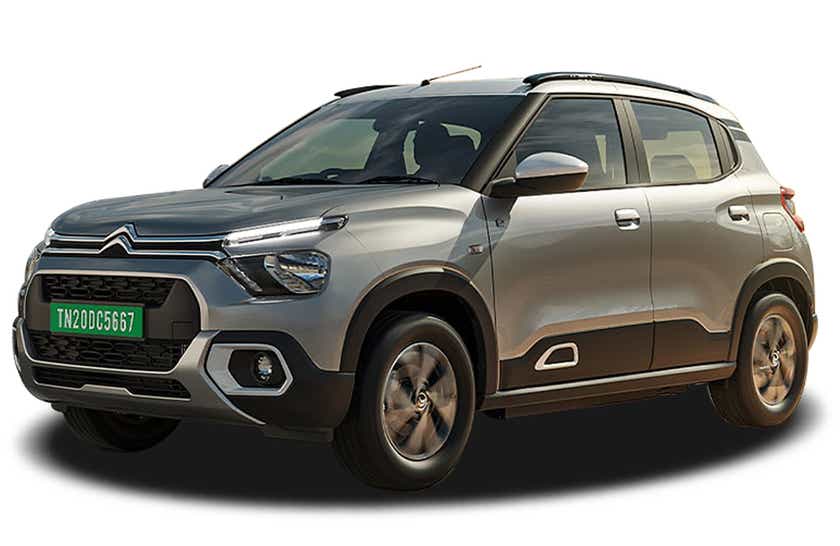
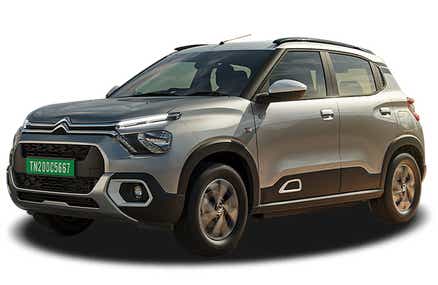 CitroeneC3₹11.50L - 13.41L*
- HyundaiBayon₹10.00L - 16.69L*
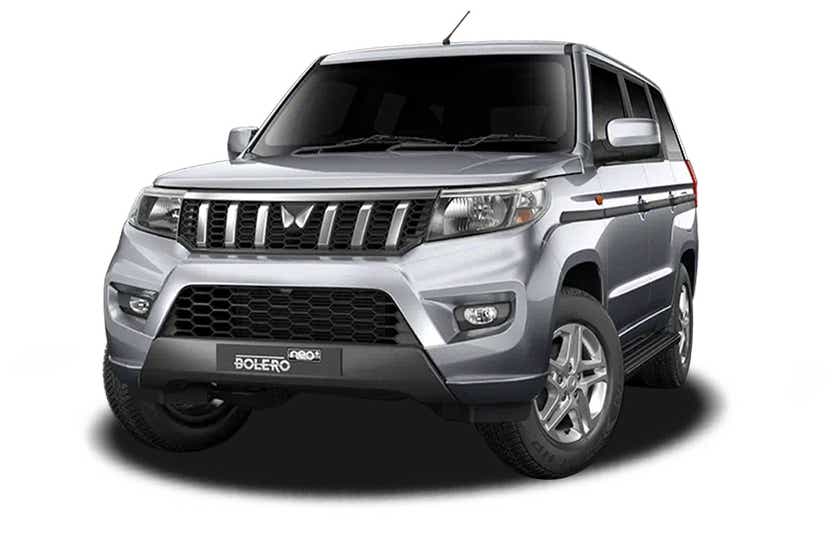
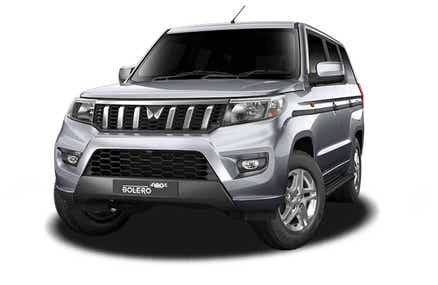 MahindraBolero Neo Plus₹10.77L - 12.90L*
- HyundaiBayon₹10.00L - 16.69L*Add cars
Parallel picks for you!
Frequently Asked Questions
The India-spec Bayon uses a 1.5-litre, four-cylinder naturally aspirated petrol engine producing 115 PS and 143.8 Nm of torque.
An iVT automatic transmission available on the HX5, HX6, HX8 and HX10 variants of Hyundai Bayon.
The Hyundai Bayon has an ARAI-rated mileage of 18.6 kmpl with IVT. Official fuel-efficiency figure of the manual transmission variant is yet to be revealed.
The Hyundai Bayon can seat 5 occupants, including three adults on the rear bench seat.
The available Hyundai Bayon variant range comprises HX2, HX3, HX3+, HX5, HX6, HX8 and HX10. The HX2 is the entry-level trim, the HX3 adds a touchscreen and convenience features, and the HX3+ adds a sunroof. The HX5 introduces the iVT automatic option, while the HX6 and HX8 add further comfort features. The HX10 offers dual 12.3-inch displays, Bose audio, a 360-degree camera and Level 2 Pro ADAS.




All Sibling Models of Hyundai
All Model Make Filter
- Recently Launched 5 Seater Cars
- Recently Launched Manual Cars
- Recently Launched Automatic Cars
- Recently Launched Suv Cars
- Recently Launched Petrol Cars
- Recently Launched 1000 to 1500cc Cars
- Recently Launched Upto 30kmpl Cars
- Recently Launched Fwd Cars
- Recently Launched 4 Cylinder Cars
- Recently Launched Abs Cars
- Recently Launched Esc Cars
- Recently Launched Hill Hold Assist Cars
- Recently Launched Tpms Cars
- Recently Launched Adaptive Cruise Control Cars
- Recently Launched Sunroof Cars
- Recently Launched Panoramic Cars
- Recently Launched Cars Under 10 Lakhs
- Recently Launched Cars Under 15 Lakhs
- Recently Launched Cars Under 20 Lakhs
- 5 Seater Manual Cars
- 5 Seater Automatic Cars
- 5 Seater Suv Cars
- 5 Seater Petrol Cars
- 5 Seater 1000 to 1500cc Cars
- 5 Seater Upto 30kmpl Cars
- 5 Seater Fwd Cars
- 5 Seater 4 Cylinder Cars
- 5 Seater Abs Cars
- 5 Seater Esc Cars
- 5 Seater Hill Hold Assist Cars
- 5 Seater Tpms Cars
- 5 Seater Adaptive Cruise Control Cars
- 5 Seater Sunroof Cars
- 5 Seater Panoramic Cars
- 5 Seater Cars Under 10 Lakhs
- 5 Seater Cars Under 15 Lakhs
- 5 Seater Cars Under 20 Lakhs
- Manual Suv Cars
- Manual Petrol Cars
- Manual 1000 to 1500cc Cars
- Manual Upto 30kmpl Cars
- Manual Fwd Cars
- Manual 4 Cylinder Cars
- Manual Abs Cars
- Manual Esc Cars
- Manual Hill Hold Assist Cars
- Manual Tpms Cars
- Manual Sunroof Cars
- Manual Panoramic Cars
- Manual Cars Under 10 Lakhs
- Manual Cars Under 15 Lakhs
- Manual Cars Under 20 Lakhs
- Automatic Suv Cars
- Automatic Petrol Cars
- Automatic 1000 to 1500cc Cars
- Automatic Upto 30kmpl Cars
- Automatic Fwd Cars
- Automatic 4 Cylinder Cars
- Automatic Abs Cars
- Automatic Esc Cars
- Automatic Hill Hold Assist Cars
- Automatic Tpms Cars
- Automatic Adaptive Cruise Control Cars
- Automatic Sunroof Cars
- Automatic Panoramic Cars
- Automatic Cars Under 15 Lakhs
- Automatic Cars Under 20 Lakhs
- Suv Petrol Cars
- Suv 1000 to 1500cc Cars
- Suv Upto 30kmpl Cars
- Suv Fwd Cars
- Suv 4 Cylinder Cars
- Suv Abs Cars
- Suv Esc Cars
- Suv Hill Hold Assist Cars
- Suv Tpms Cars
- Suv Adaptive Cruise Control Cars
- Suv Sunroof Cars
- Suv Panoramic Cars
- Suv Cars Under 10 Lakhs
- Suv Cars Under 15 Lakhs
- Suv Cars Under 20 Lakhs
- Petrol 1000 to 1500cc Cars
- Petrol Upto 30kmpl Cars
- Petrol Fwd Cars
- Petrol 4 Cylinder Cars
- Petrol Abs Cars
- Petrol Esc Cars
- Petrol Hill Hold Assist Cars
- Petrol Tpms Cars
- Petrol Adaptive Cruise Control Cars
- Petrol Sunroof Cars
- Petrol Panoramic Cars
- Petrol Cars Under 10 Lakhs
- Petrol Cars Under 15 Lakhs
- Petrol Cars Under 20 Lakhs
- 1000 to 1500cc Upto 30kmpl Cars
- 1000 to 1500cc Fwd Cars
- 1000 to 1500cc 4 Cylinder Cars
- 1000 to 1500cc Abs Cars
- 1000 to 1500cc Esc Cars
- 1000 to 1500cc Hill Hold Assist Cars
- 1000 to 1500cc Tpms Cars
- 1000 to 1500cc Adaptive Cruise Control Cars
- 1000 to 1500cc Sunroof Cars
- 1000 to 1500cc Panoramic Cars
- 1000 to 1500cc Cars Under 10 Lakhs
- 1000 to 1500cc Cars Under 15 Lakhs
- 1000 to 1500cc Cars Under 20 Lakhs
- Upto 30kmpl Fwd Cars
- Upto 30kmpl 4 Cylinder Cars
- Upto 30kmpl Abs Cars
- Upto 30kmpl Esc Cars
- Upto 30kmpl Hill Hold Assist Cars
- Upto 30kmpl Tpms Cars
- Upto 30kmpl Adaptive Cruise Control Cars
- Upto 30kmpl Sunroof Cars
- Upto 30kmpl Panoramic Cars
- Upto 30kmpl Cars Under 10 Lakhs
- Upto 30kmpl Cars Under 15 Lakhs
- Upto 30kmpl Cars Under 20 Lakhs
- Fwd 4 Cylinder Cars
- Fwd Abs Cars
- Fwd Esc Cars
- Fwd Hill Hold Assist Cars
- Fwd Tpms Cars
- Fwd Adaptive Cruise Control Cars
- Fwd Sunroof Cars
- Fwd Panoramic Cars
- Fwd Cars Under 10 Lakhs
- Fwd Cars Under 15 Lakhs
- Fwd Cars Under 20 Lakhs
- 4 Cylinder Abs Cars
- 4 Cylinder Esc Cars
- 4 Cylinder Hill Hold Assist Cars
- 4 Cylinder Tpms Cars
- 4 Cylinder Adaptive Cruise Control Cars
- 4 Cylinder Sunroof Cars
- 4 Cylinder Panoramic Cars
- 4 Cylinder Cars Under 10 Lakhs
- 4 Cylinder Cars Under 15 Lakhs
- 4 Cylinder Cars Under 20 Lakhs
- Abs Sunroof Cars
- Abs Panoramic Cars
- Abs Cars Under 10 Lakhs
- Abs Cars Under 15 Lakhs
- Abs Cars Under 20 Lakhs
- Esc Sunroof Cars
- Esc Panoramic Cars
- Esc Cars Under 10 Lakhs
- Esc Cars Under 15 Lakhs
- Esc Cars Under 20 Lakhs
- Hill Hold Assist Sunroof Cars
- Hill Hold Assist Panoramic Cars
- Hill Hold Assist Cars Under 10 Lakhs
- Hill Hold Assist Cars Under 15 Lakhs
- Hill Hold Assist Cars Under 20 Lakhs
- Tpms Sunroof Cars
- Tpms Panoramic Cars
- Tpms Cars Under 10 Lakhs
- Tpms Cars Under 15 Lakhs
- Tpms Cars Under 20 Lakhs
- Adaptive Cruise Control Panoramic Cars
- Adaptive Cruise Control Cars Under 20 Lakhs
- Sunroof Cars Under 15 Lakhs
- Panoramic Cars Under 15 Lakhs
- Panoramic Cars Under 20 Lakhs
- Hyundai Upcoming Cars
- Hyundai Recently Launched Cars
- Hyundai Discontinued Cars
- Hyundai 2 Star Cars
- Hyundai 3 Star Cars
- Hyundai 5 Star Cars
- Hyundai 5 Seater Cars
- Hyundai 6 Seater Cars
- Hyundai 7 Seater Cars
- Hyundai Manual Cars
- Hyundai Automatic Cars
- Hyundai Sedan Cars
- Hyundai Suv Cars
- Hyundai Hatchback Cars
- Hyundai Muv Cars
- Hyundai Petrol Cars
- Hyundai Cng Cars
- Hyundai Electric Cars
- Hyundai Diesel Cars
- Hyundai 0 to 1000cc Cars
- Hyundai 1000 to 1500cc Cars
- Hyundai 1500 to 2000cc Cars
- Hyundai 2000 to 3000cc Cars
- Hyundai Above 3000cc Cars
- Hyundai Upto 30kmpl Cars
- Hyundai Fwd Cars
- Hyundai Rwd Cars
- Hyundai 4wd Cars
- Hyundai 3 Cylinder Cars
- Hyundai 4 Cylinder Cars
- Hyundai Abs Cars
- Hyundai Esc Cars
- Hyundai Hill Hold Assist Cars
- Hyundai Traction Control Cars
- Hyundai Tpms Cars
- Hyundai Adaptive Cruise Control Cars
- Hyundai Sunroof Cars
- Hyundai Panoramic Cars
- Hyundai Moonroof Cars
- Hyundai Cars Under 6 Lakhs
- Hyundai Cars Under 7 Lakhs
- Hyundai Cars Under 10 Lakhs
- Hyundai Cars Under 15 Lakhs
- Hyundai Cars Under 20 Lakhs
- Hyundai Cars Under 25 Lakhs
- Hyundai Cars Under 30 Lakhs
- Hyundai Cars Under 35 Lakhs
- Hyundai Cars Under 50 Lakhs
- Hyundai Cars Under 1 Crore
- Hyundai Cars Under 2 Crore
- Maruti Suzuki
- Tata
- Mahindra
- Toyota
- Kia
- Honda
- Renault
- Skoda
- Mg
- Nissan
- Volkswagen
- Citroen
- Bmw
- Mercedes Benz
- Xiaomi
- Ford
- Jeep
- Audi
- Jaguar
- Land Rover
- Rolls Royce
- Byd
- Force
- Tesla
- Vinfast
- Bentley
- Lamborghini
- Ola Electric
- Maserati
- Volvo
- Aston Martin
- Ferrari
- Isuzu
- Mclaren
- Mini
- Lotus
- Porsche
- Lexus
- Jsw Cars
- Denza