
1000-1500cc cars under 7 lakh in India


1000-1500cc Cars Under 7 Lakhs: Segment Overview
The Indian car market is going through a rather interesting phase. Even though low-capacity 1.0-litre turbocharged petrol engines have been in the limelight, 1000-1500cc cars continue to dominate the sales charts, especially cars under 7 lakhs.
And honestly, it makes complete sense. For most buyers looking at cars under 7 lakhs, priorities remain fairly straightforward. The vehicle should feel easy inside traffic, reasonably comfortable on highways, affordable to maintain, and efficient enough not to destroy monthly fuel budgets. That’s exactly where these mid-sized petrol engines still work beautifully.
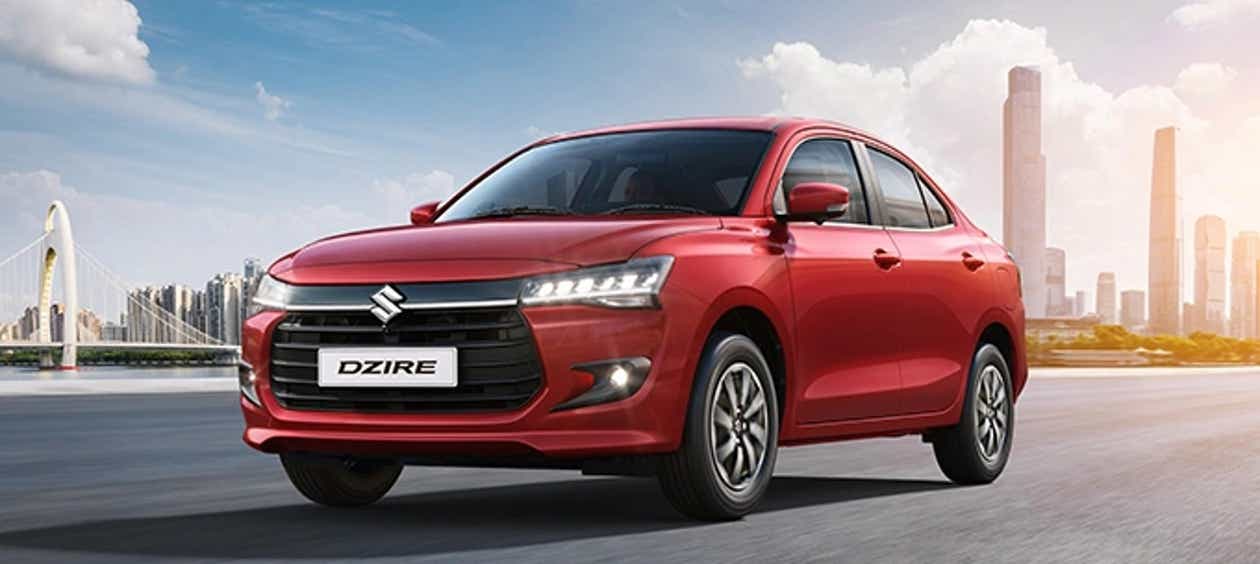
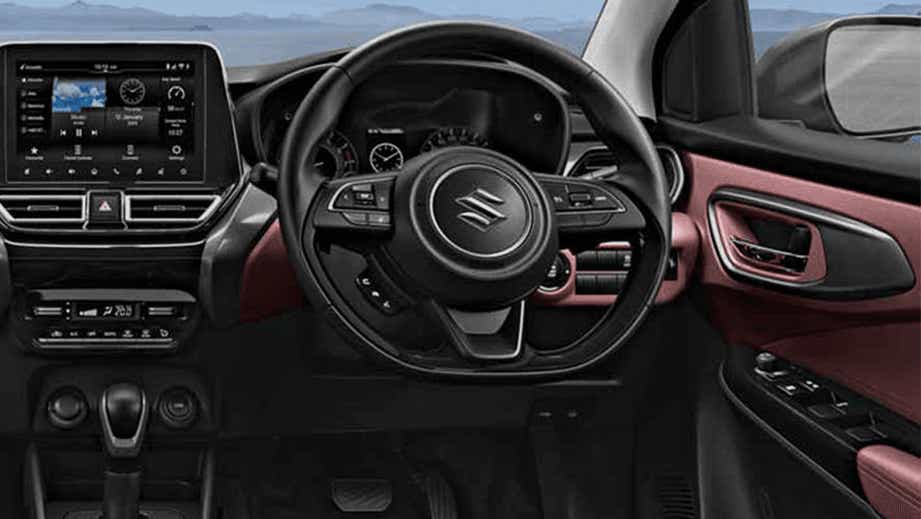
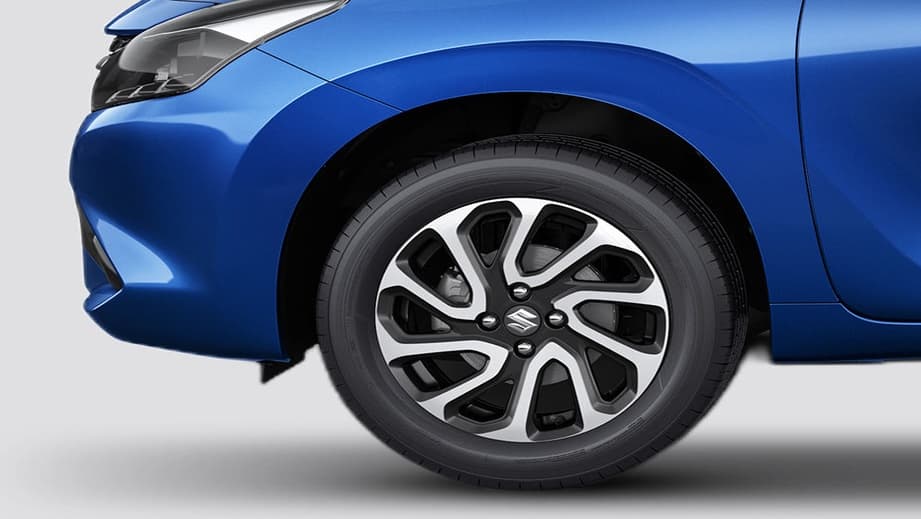
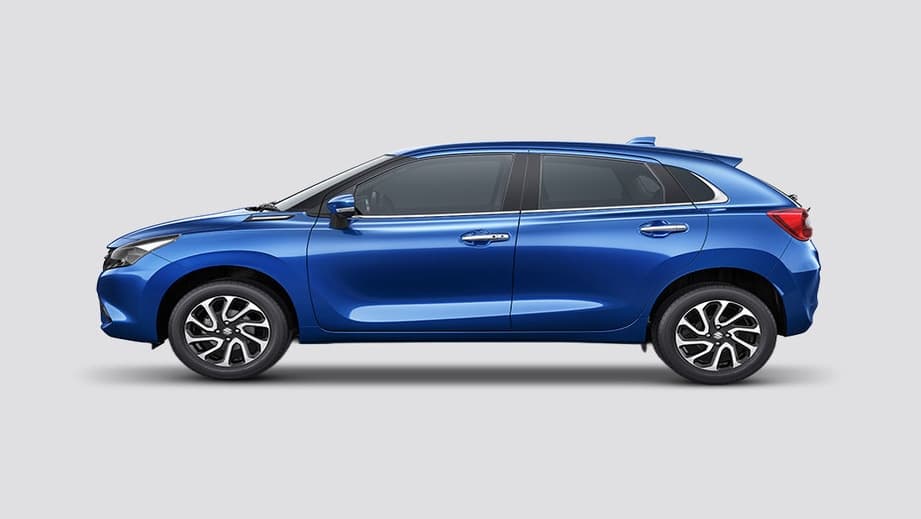
A small drive of a vehicle like the Maruti Suzuki Baleno or Dzire is all it takes to understand the reasons for the high appeal of these cars. These vehicles don’t feel stressed during quick overtakes, and even feel sufficiently potent on the highways. More importantly, the compact dimensions, light controls, good torque-spread and high fuel-efficiency make them a practical choice for the commutes.
Another major reason why 1000-1500cc cars continue to stay relevant is versatility. Smaller 800cc engines sometimes feel breathless once passengers and luggage pile in. Larger turbo-petrols offer stronger performance, but costs rise sharply. This engine category sits right in the sweet spot for Indian conditions.
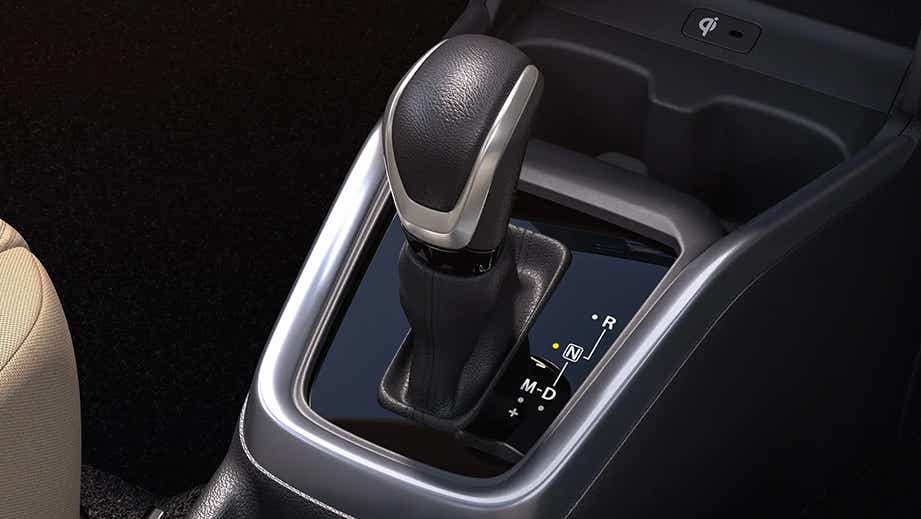
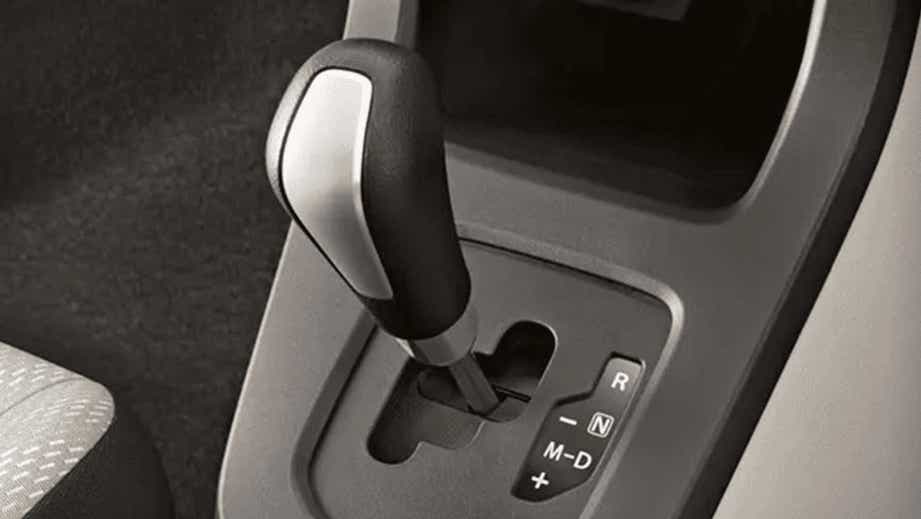
Also, the refinement of these vehicles has improved considerably over the last few years. Even budget hatchbacks of today feel as quiet and polished as some of the premium small cars of a decade ago. The gearshifts are more precise and the clutches have become lighter. The steering is light but more confidence-inspiring than the lifeless EPS units of the past.
Of course, buyers still need realistic expectations. Cars under 7 lakhs on road price usually involve compromises somewhere. Cabin plastics won’t feel luxurious. Safety packages remain basic on lower trims. Highway stability also differs significantly between models. Still, for buyers who seek a reliable daily personal mobility solution, this segment continues to offer great value - both for first-time buyers and those upgrading from bare-bones hatchbacks of the past.
Fortunately, buyers looking for the best cars under 7 lakhs continue to enjoy many practical options. In fact, these vehicles are no longer restricted to hatchback body style and now cater to varying usage patterns and requirements. While some of these prioritize fuel efficiency over everything else, others have an equal focus on ride comfort and well-built cabin. Some of these even offer SUV traits such as a high ground clearance
| Model | Engine & Output | Mileage (ARAI) | Ex-Showroom Price |
| Maruti Suzuki Baleno | 1.2L Petrol, 88 bhp, 113 Nm | 22.3 kmpl | ₹5.99 - 9.10 Lakh |
| Maruti Suzuki Dzire | 1.2L Petrol, 80 bhp, 111 Nm | 24.7 kmpl | ₹6.26 - 9.31 Lakh |
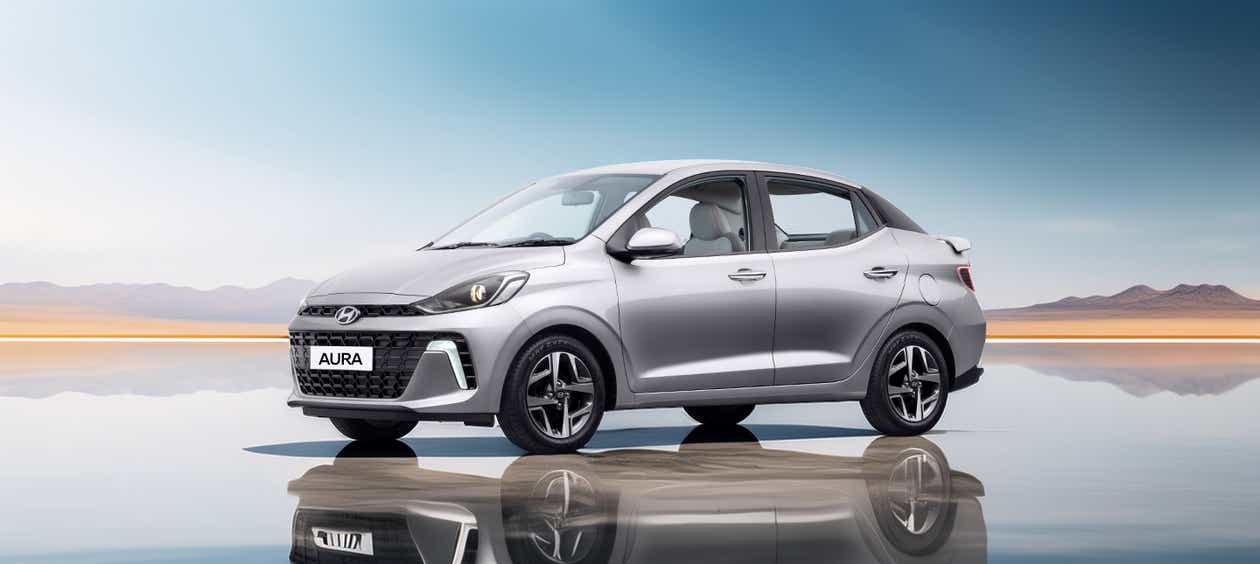
| Hyundai Aura | 1.2L Petrol, 82 bhp, 114 Nm | 20.5 kmpl | ₹6-8.54 lakh |
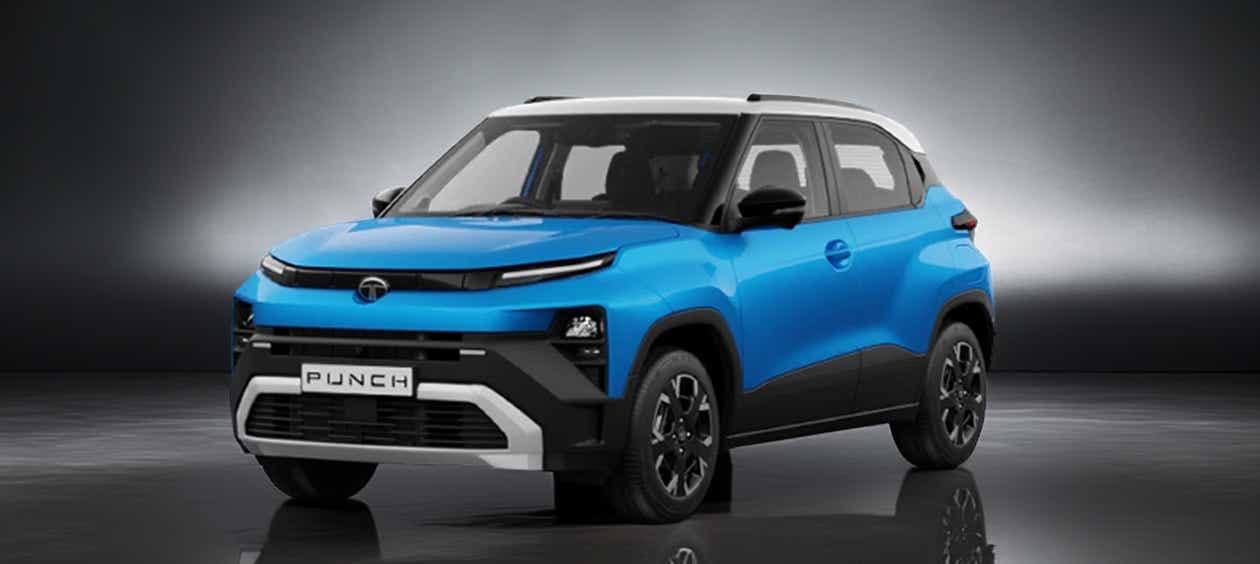
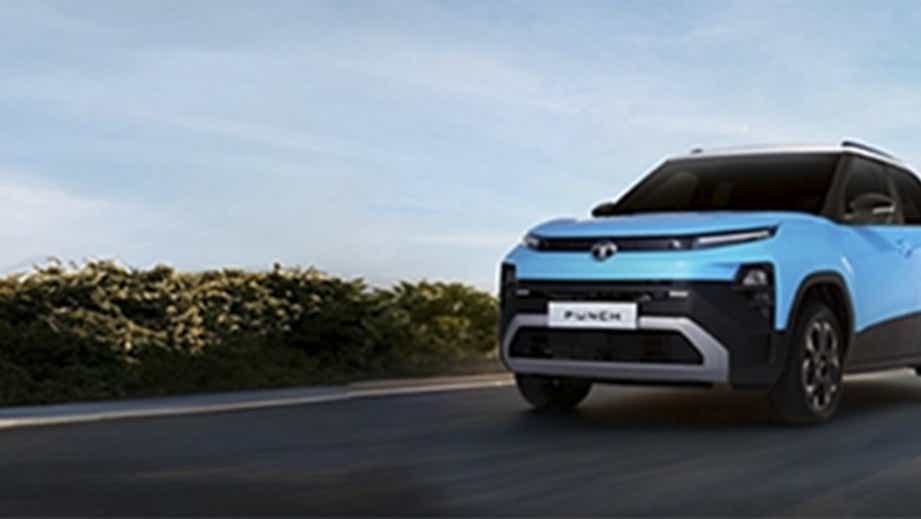
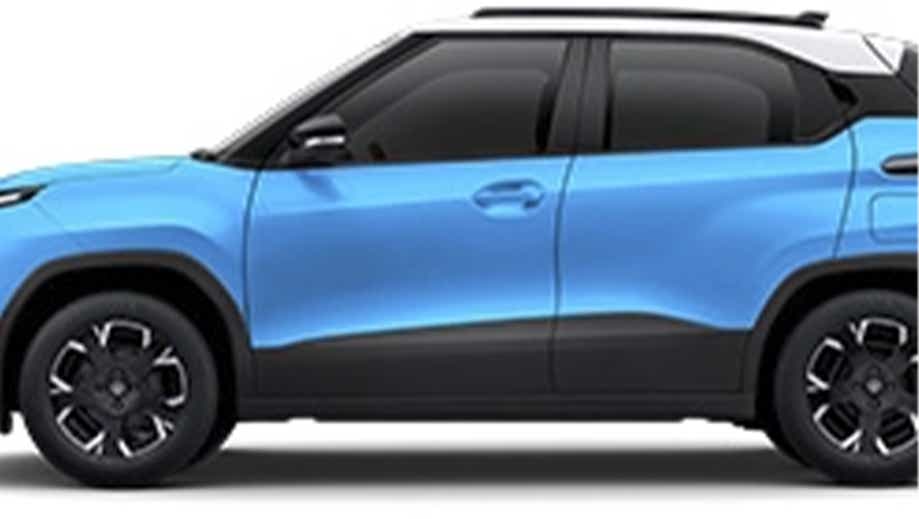
| Tata Punch | 1.2L Petrol, 87 bhp, 115 Nm | 20.1 kmpl | ₹5.65-10.60 lakh |
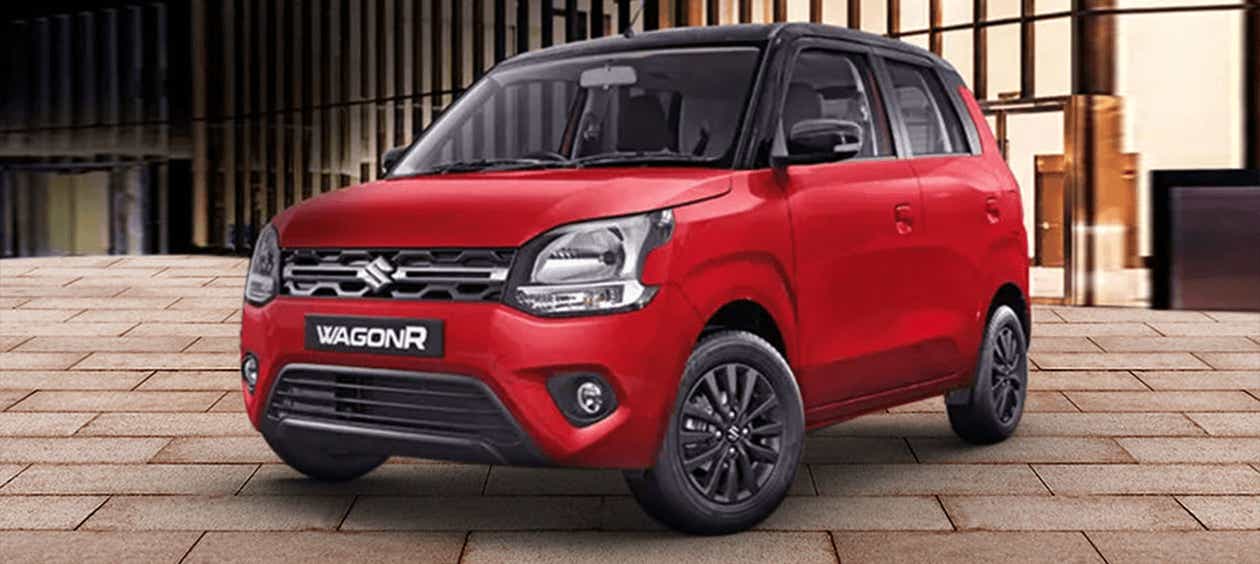
| Maruti Suzuki Wagon R | 1.2L Petrol, 88 bhp, 113 Nm | 24.4 kmpl | ₹4.99-6.95 lakh |
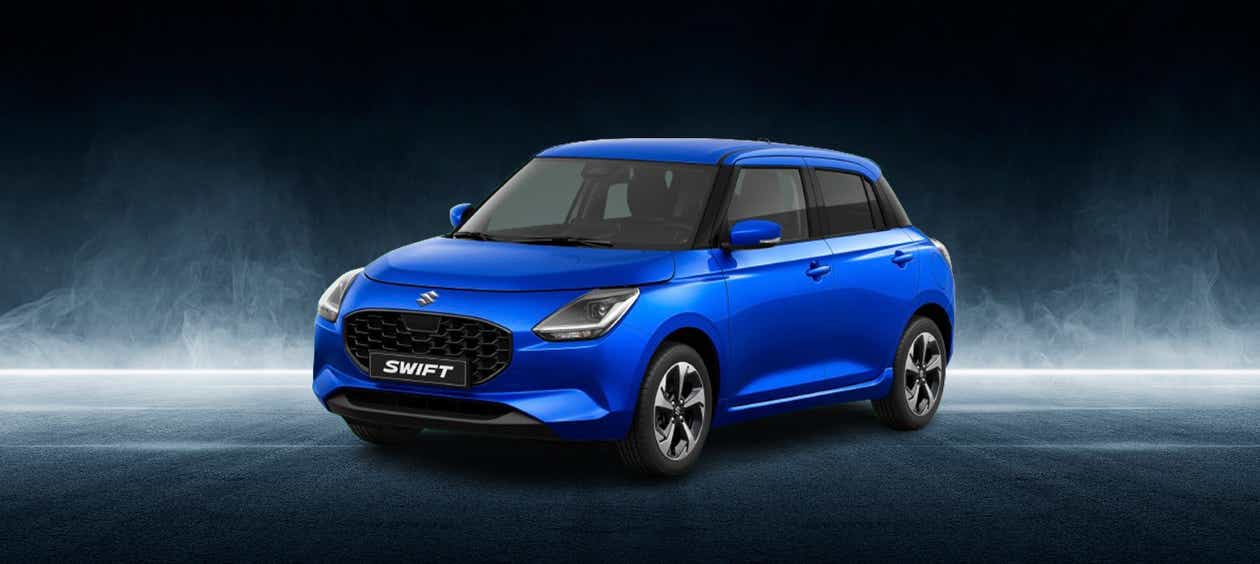
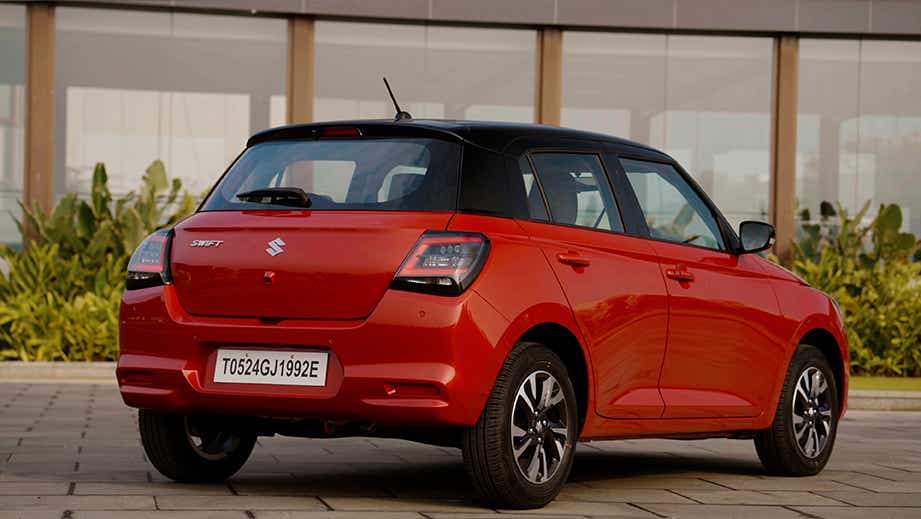
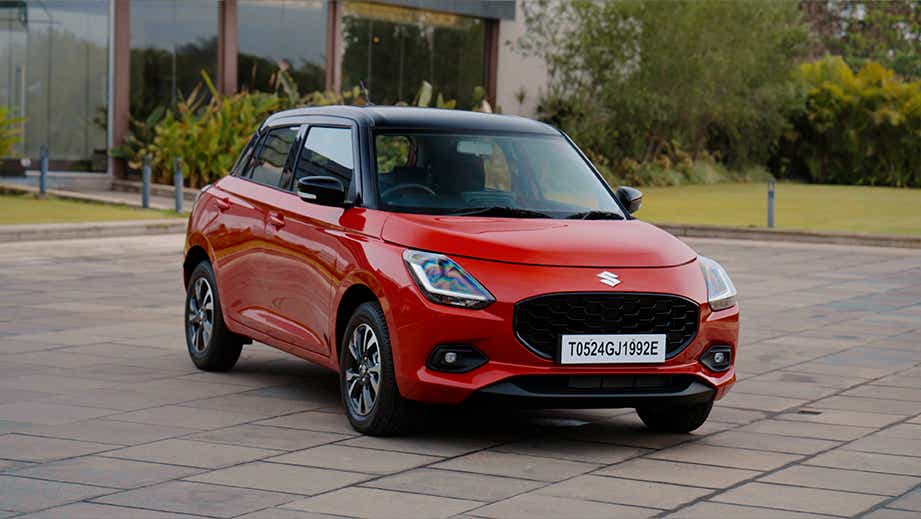
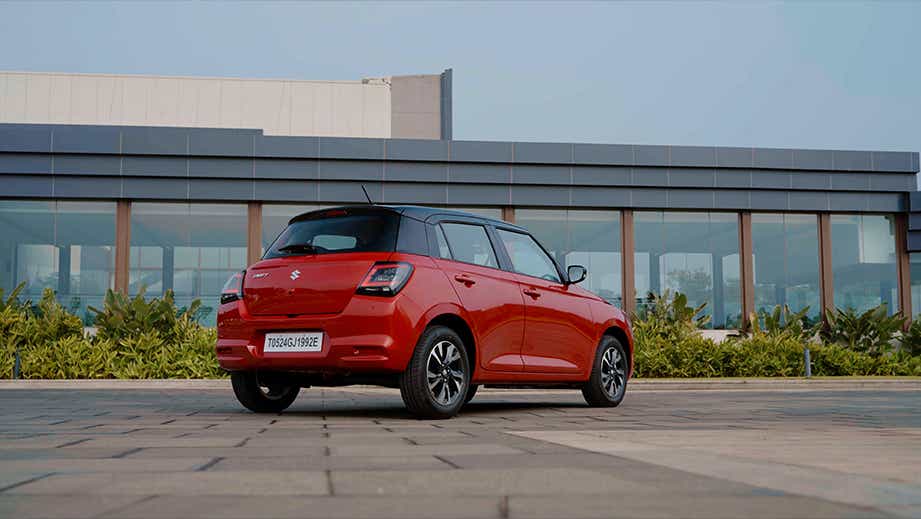
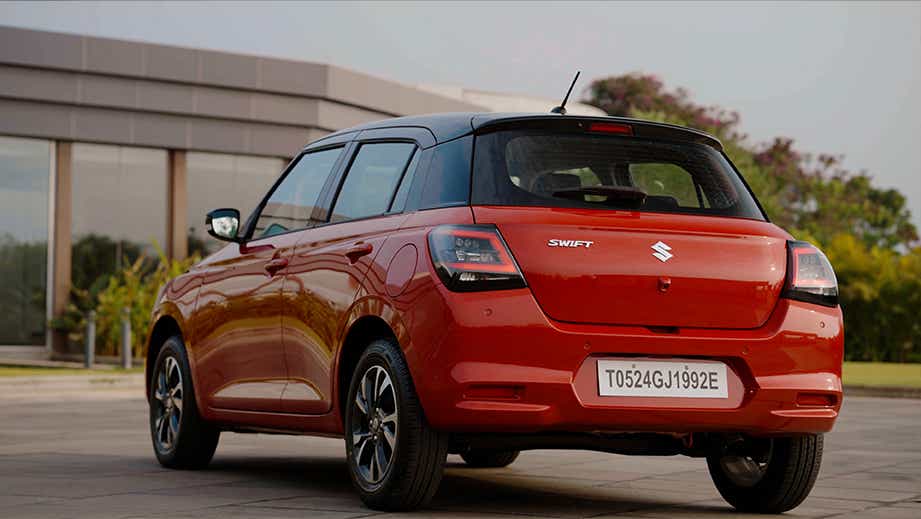
| Maruti Suzuki Swift | 1.2L Petrol, 80 bhp, 111 Nm | 24.8 kmpl | ₹5.79-8.80 lakh |
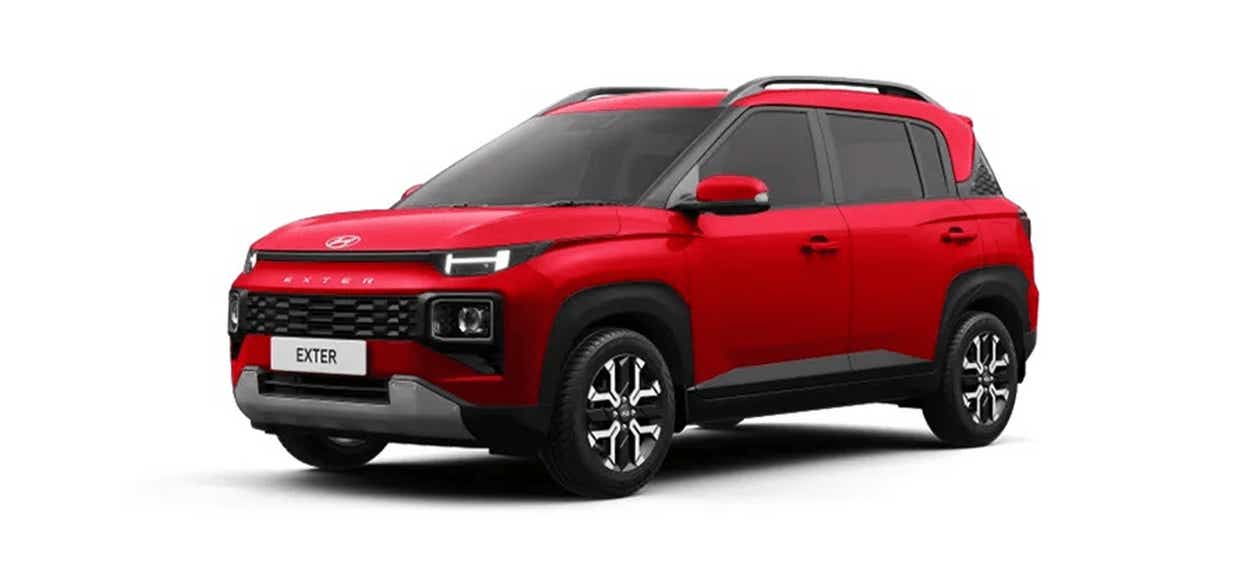
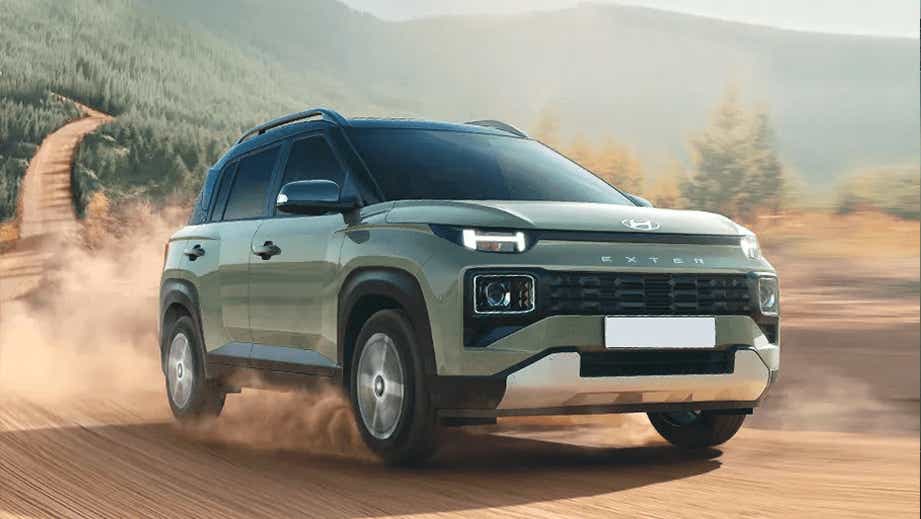
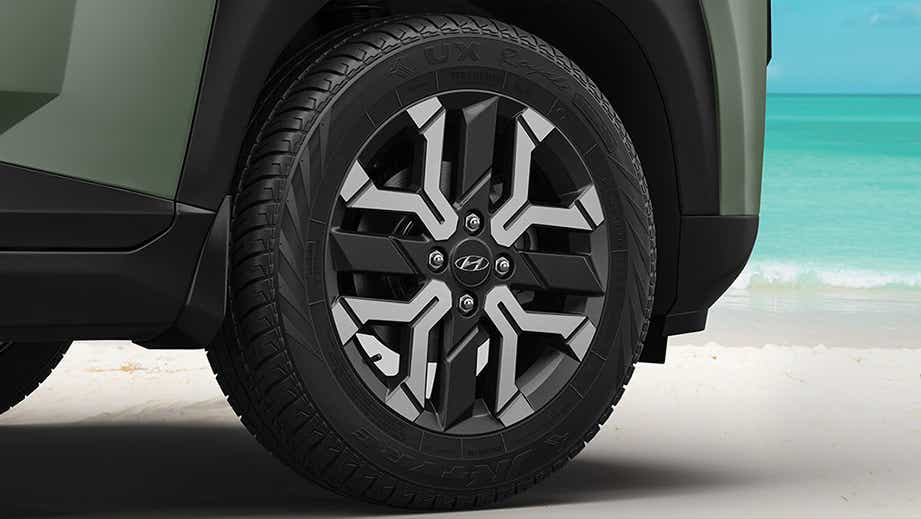
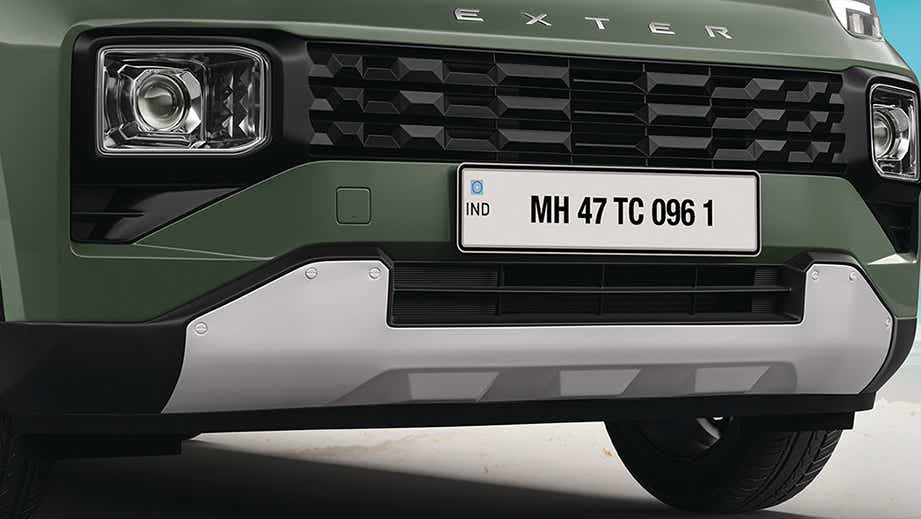
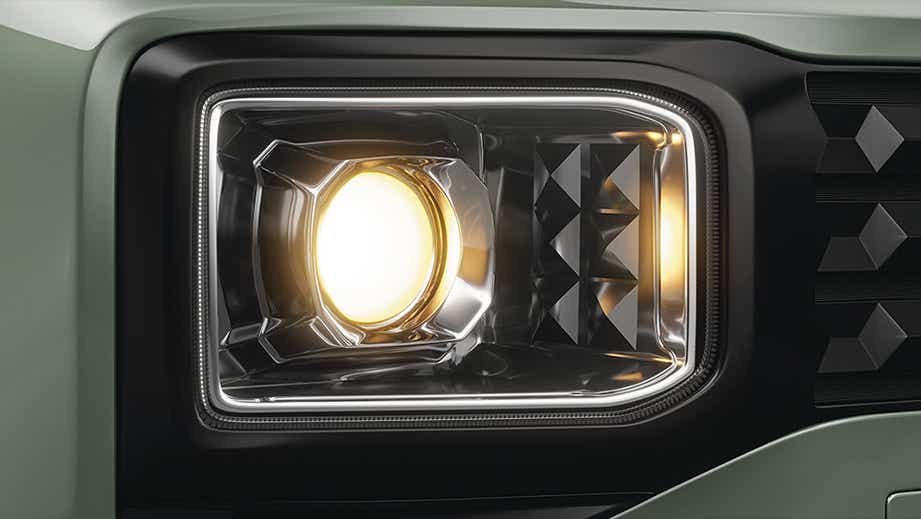
| Hyundai Exter | 1.2L Petrol, 82 bhp, 114 Nm | 19.4 kmpl | ₹5.80-9.57 lakh |
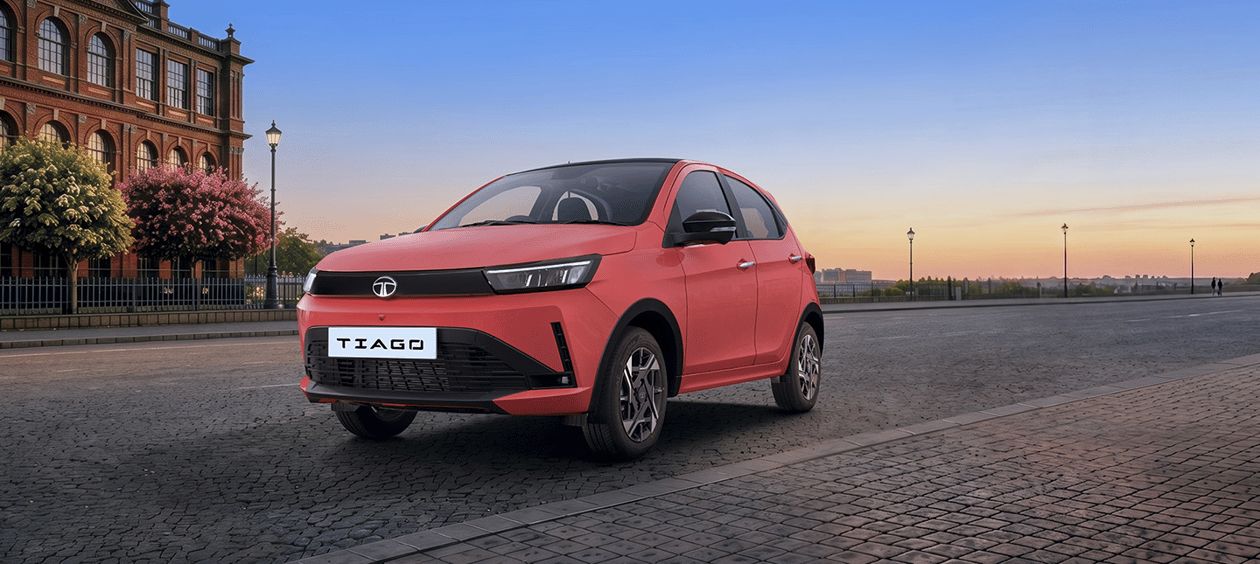
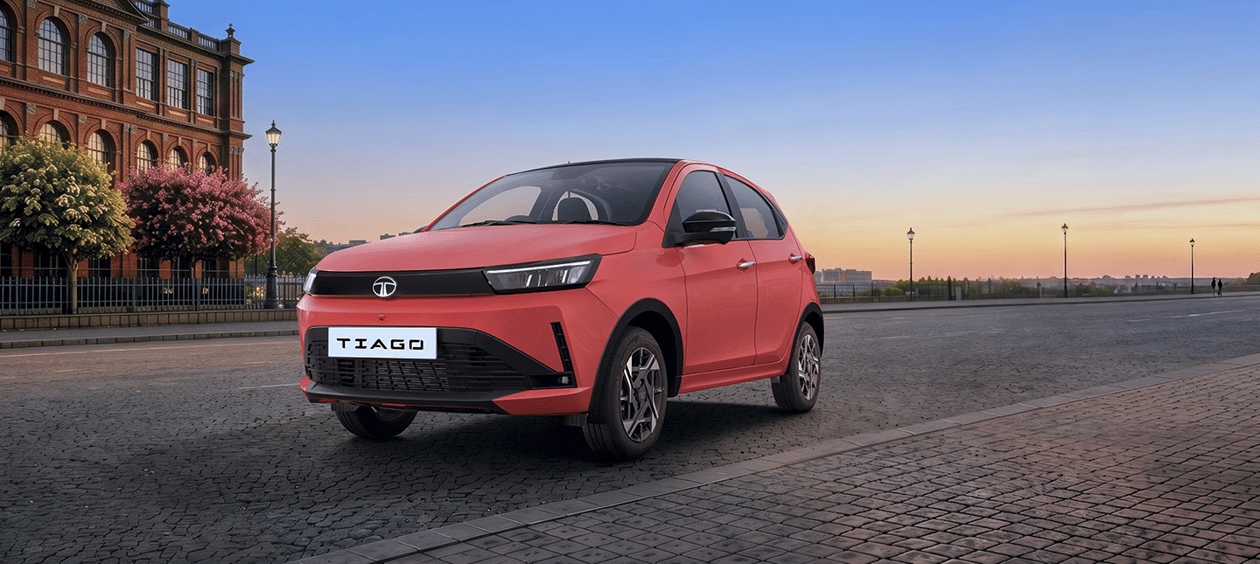
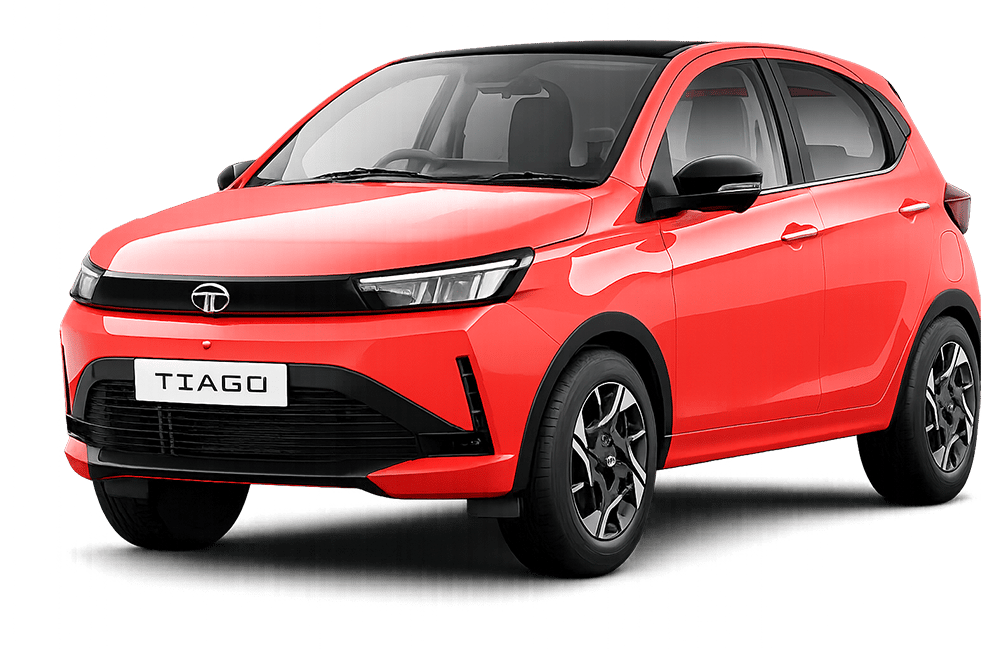
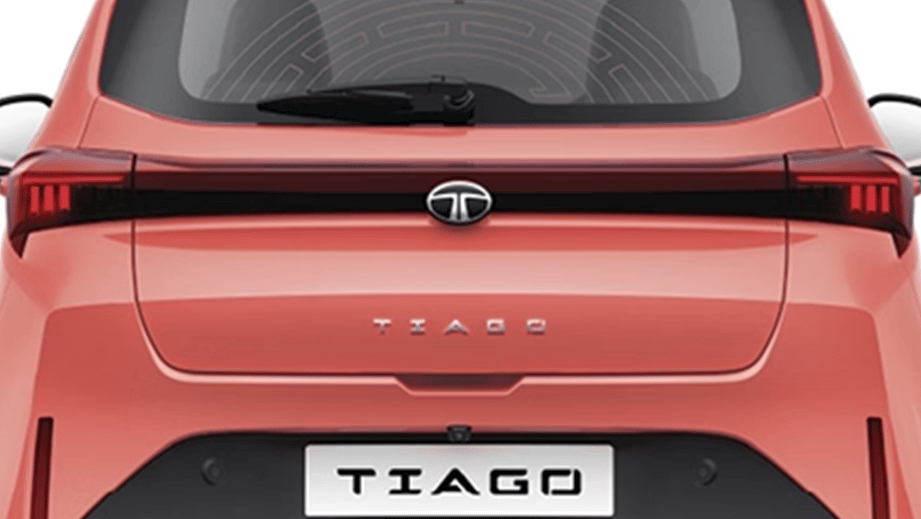
| Tata Tiago | 1.2L Petrol, 84 bhp, 113 Nm | 20 kmpl | ₹4.57-7.82 lakh |
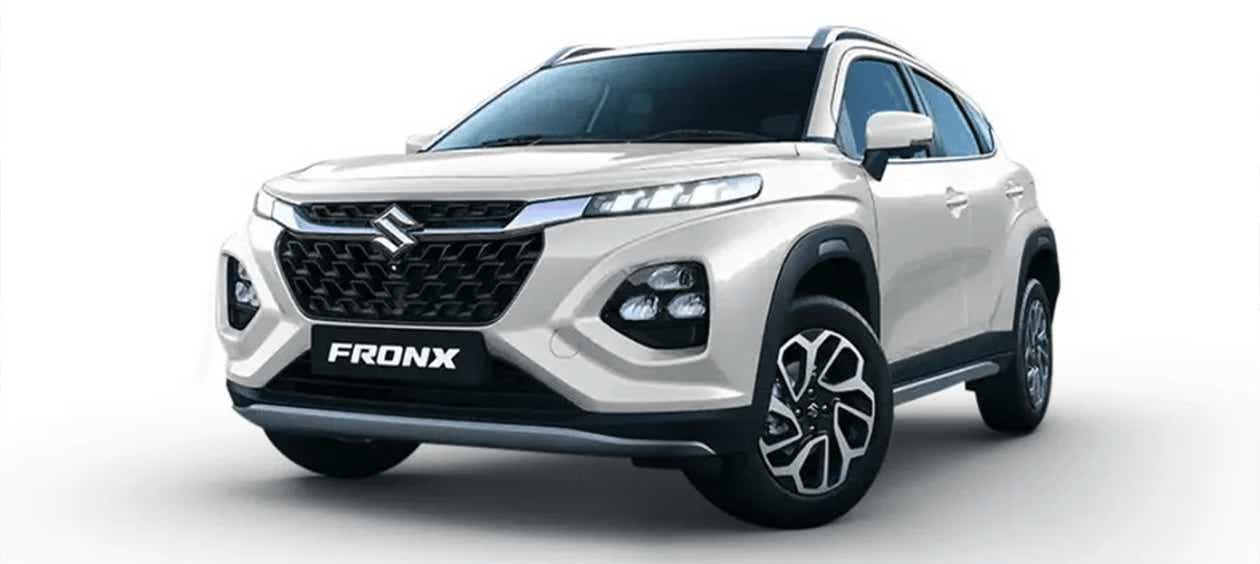
| Maruti Suzuki Fronx | 1.2L Petrol, 88 bhp, 113 Nm | 21.8 kmpl | ₹6.85 - 11.98 Lakh |
| Renault Triber | 1.0L Petrol, 71 bhp, 96 Nm | 20 kmpl | ₹5.81 - 8.69 Lakh |
The Baleno and Swift continue feeling like safe all-round choices because of their refinement and low ownership costs. The Punch and Exter bring SUV-like road presence into the budget space. Meanwhile, the Triber quietly remains one of the smartest family-focused cars under 7 lakhs currently available. Also, the Wagon R continues to be a choice of many Indian buyers owing to its affordability, practicality, fuel-efficiency and strong resale.
The most important highlight of this segment is the perfect balance it strikes. None of these cars tries to impress with bold designs or feature-filled interiors. Instead, they focus on meeting the key demands of an average buyer.
Take the Swift or Baleno, for example. Both feel light and easy inside crowded city traffic. Visibility is good. Steering inputs require little effort. Clutches remain soft enough for bumper-to-bumper commutes. Yet once you hit an open highway, they comfortably settle into cruising speeds without feeling strained. That versatility is difficult to ignore.
The low ownership cost is another huge factor behind the success of these vehicles, Buyers of cars under 7 lakhs on road price are pretty budget-conscious. Fuel-efficiency, service costs, insurance renewals, tyre costs and reliability are usually the factors they’re most worried about. This is where cars under 7 lakhs continue to work brilliantly.
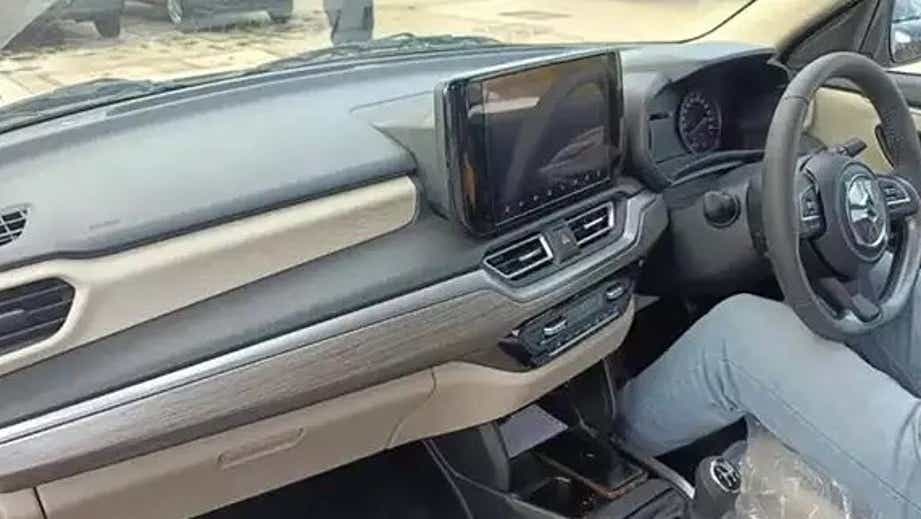
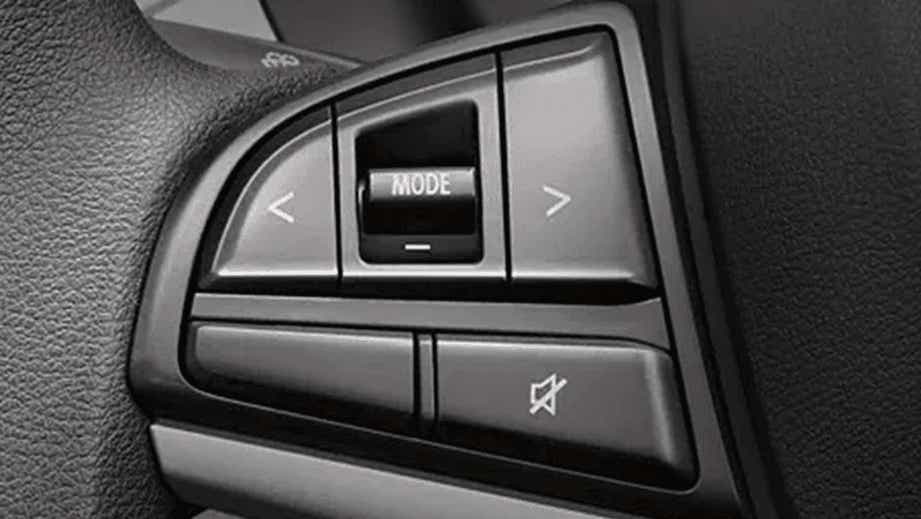
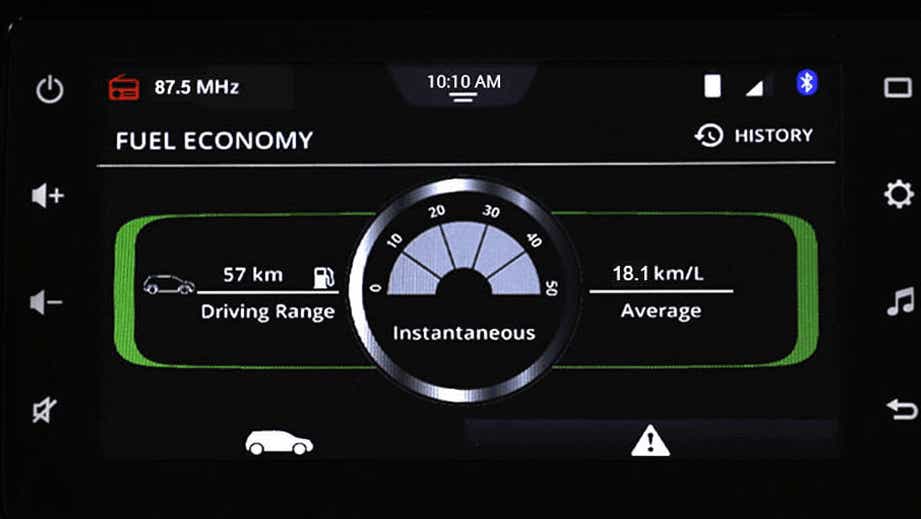
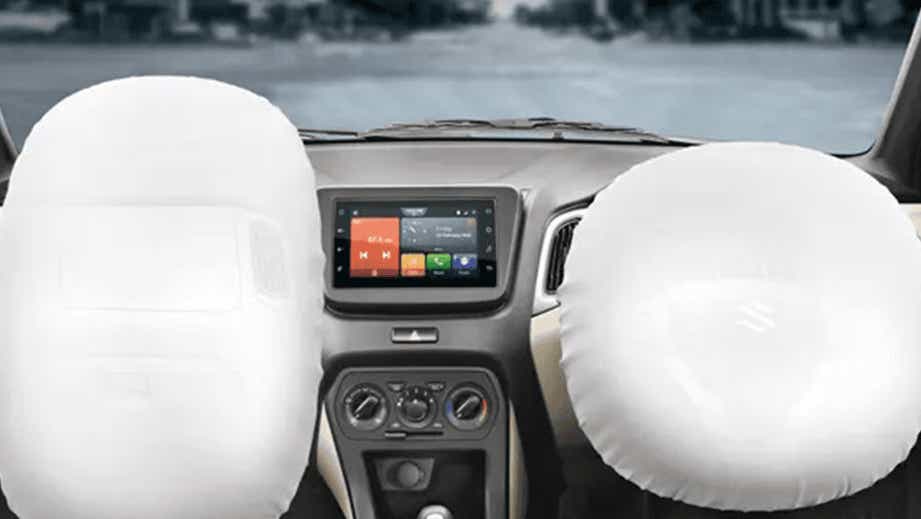
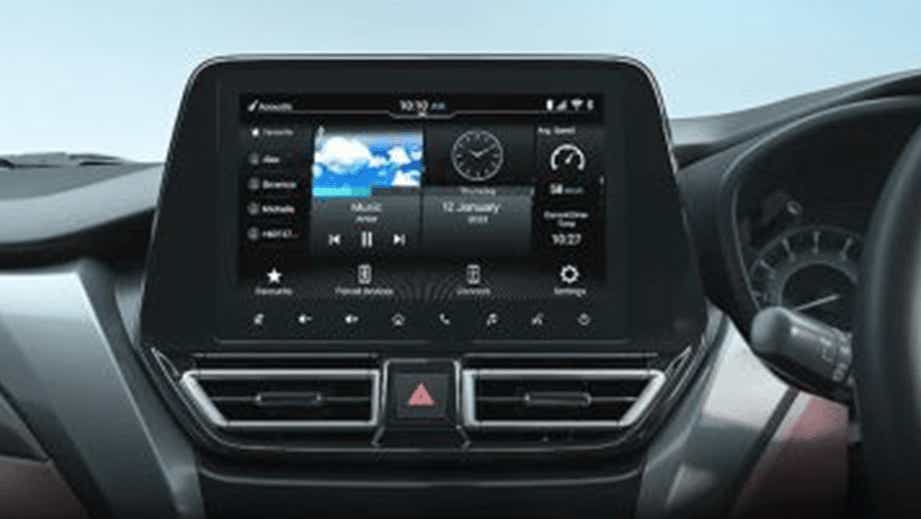
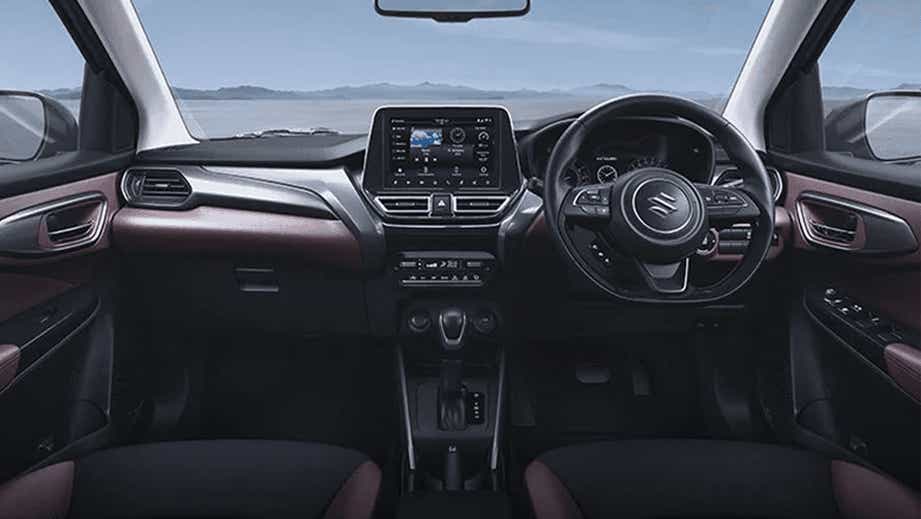
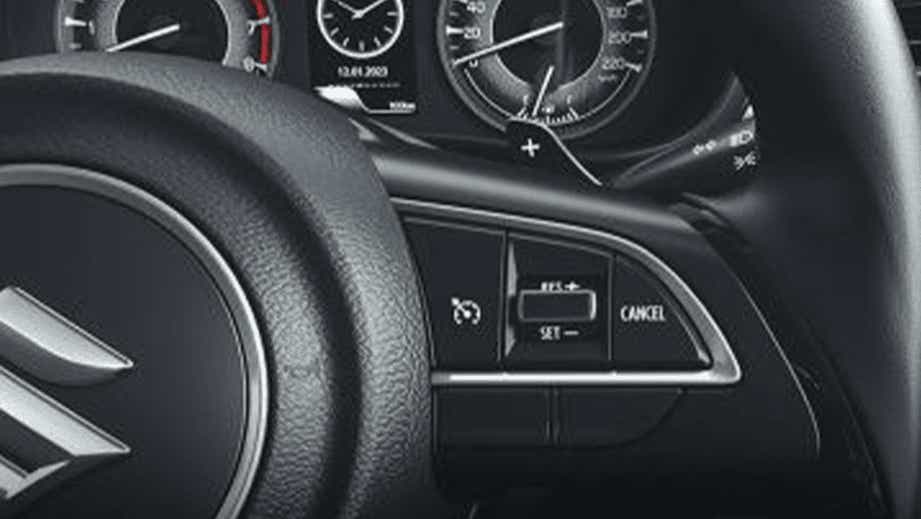
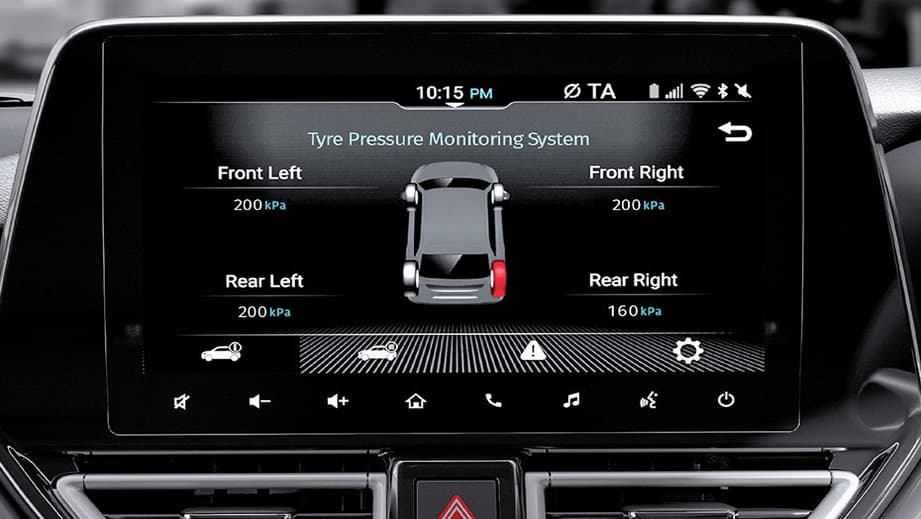
The segment has also improved dramatically in terms of features. Even relatively affordable cars now offer touchscreen systems, steering-mounted controls, rear AC vents and wireless connectivity in higher trims. A few even include six airbags and stronger safety structures now. Interestingly, buyer preferences have changed slightly, too. Earlier, hatchbacks dominated completely.
Now compact SUVs like the Punch and Exter attract buyers wanting slightly more ground clearance and road presence without stretching budgets massively.
Yet, each of these cars under 7 lakhs has a different personality. The Tiago, for instance, feels safer and sturdier than its rivals. The Fronx, on the other hand, feels premium and looks bold. The Triber focuses on practicality and simplicity. While examples are aplenty, this variety continues to make this segment highly relevant.
Many car buyers compare 1000-1500cc cars against vehicles with smaller displacement engines. While both categories have their pros and cons, the differences between the two are quite noticeable in real-world scenarios.
| Comparison Aspect | 1000-1500cc Cars | Smaller Engine Alternatives |
| Highway Performance | Feel more relaxed and stable during overtakes and long-distance family highway journeys | Smaller engines often feel strained once speeds and passenger loads increase significantly |
| Everyday Drivability | Better torque delivery improves flexibility during city driving and flyover climbs | Require more frequent gear shifts during changing traffic conditions |
| Fuel Efficiency | Deliver balanced efficiency while maintaining stronger highway usability overall | Excellent inside cities but efficiency drops sharply during highway driving |
| Passenger Comfort | Better suited for carrying luggage and multiple passengers comfortably during trips | Limited pulling power becomes noticeable once fully loaded |
| Long-Term Ownership | More versatile for mixed usage involving both urban and highway driving conditions | Better suited primarily for short-distance urban commuting duties |
To sum it up, it can be said that buyers looking for more versatile vehicles should find 1000-1500cc cars more practical.
Daily City Commuting
For buyers spending most of their time inside crowded cities, the Wagon R and Swift remain excellent choices. Both feel compact enough for tight parking situations while still offering enough engine performance for occasional highway usage. The Wagon R especially continues excelling because of its easy ingress and surprisingly spacious cabin.
Family-Focused Usage
The Renault Triber is one of the most practical choices in its price segment and deserves serious attention from those with larger families. It offers a flexible 7-seat configuration at a price point that’s hard to match. While the performance isn’t exciting, it’s easily the most sensible car for those looking for a large cabin. Meanwhile, the Dzire is an excellent option for small families who want all the traits of a Swift along with a large boot.
Buyers Wanting SUV Feel
Cars like the Tata Punch and Hyundai Exter are targeted at buyers looking for SUV-like styling at a lower price point. Both these cars offer higher ground clearance and a more commanding seating position than similarly priced hatchbacks. Meanwhile, they’re as affordable to buy and maintain as conventional hatchbacks.
Buyers Prioritising Refinement
Among all the cars in the segment, the Baleno continues to feel like the most sophisticated car available. Its engine is smooth, while the NVH is well-controlled. It’s also among the most comfortable choices in the B2-segment. Meanwhile, the Fronx builds on the strengths of the Baleno by offering a bolder, crossover body style.
Value-Oriented Buyers
Among these, the Maruti Suzuki Dzire, Swift and WagonR continue to be some of the most sensible choices. They’re well-priced, highly fuel-efficient and are easy to maintain. The Dzire even boasts 5-star NCAP ratings. The Tiago is another well-rounded car for those seeking a safe budget car.
Even though cars under 7 lakhs on road price continue to offer great value, one should have a fair idea of their strengths and limitations before making a purchase decision.
| Pros | Cons |
| Balanced engine performance makes these cars comfortable for both city driving and occasional highway travel | Cabin quality and premium materials still feel basic compared to higher-priced vehicle segments |
| Better highway usability compared to smaller engines improves long-distance family comfort significantly | Entry-level variants often miss important safety and convenience features buyers now expect |
| Strong fuel efficiency keeps monthly ownership costs manageable for middle-class Indian families | Highway stability differs noticeably between hatchbacks and heavier compact SUV alternatives |
| Proven petrol engines generally remain reliable and inexpensive to maintain over long ownership periods | Cars under 7 lakhs on road price can stretch budgets once insurance and accessories are added |
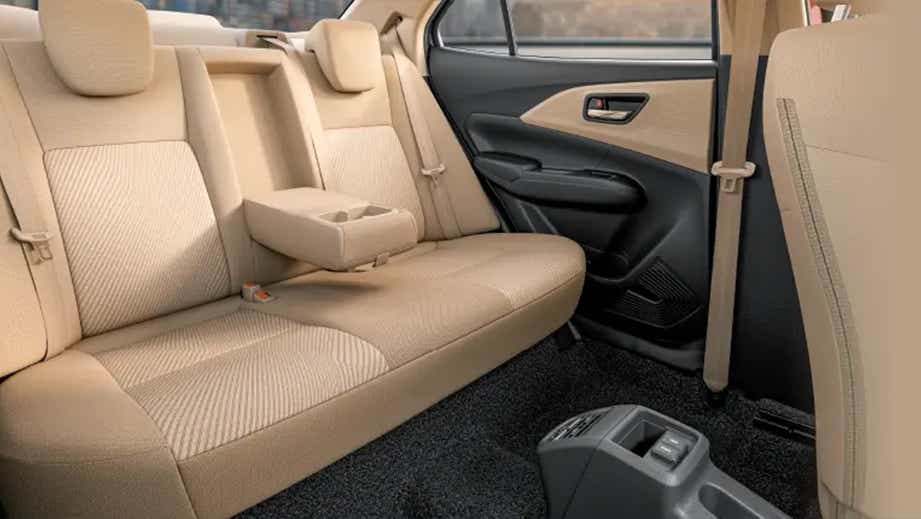
| Wide variety of body styles allows buyers to choose according to exact family requirements | Rear-seat space remains slightly tight in certain hatchback-focused models during longer journeys |
Well, for many first-time car buyers and even ones upgrading from bare-bones budget cars of the past, the answer would be a big yes. These cars come from one of the most sensible segments of the market and make great sense for an average middle-class Indian. They stay away from complexities and tech-overload, while delivering exact what a typical buyer requires, viz. practicality, sufficient performance, fuel-efficiency and low maintenance.
The key advantage is versatility. A Baleno can comfortably handle office commutes all week and still feel relaxed during weekend highway trips. The Punch deals with broken roads confidently. The Dzire remains wonderfully efficient for long-distance usage. Even something as simple as the Wagon R continues surviving because practicality still matters enormously in India.
That said, a buyer should be realistic with his expectations. These aren’t premium cars that pamper the occupants or offer impressive performance. They’re not even the most rugged options for frequent rough-road use. However, most buyers looking at cars under 7 lakhs are more concerned about reliability, fuel-efficiency, long-term maintenance costs and affordability.
And this is exactly where these 1000-1500 cars deliver. Right from a more affordable option like the Tiago or the WagonR to costlier models like the Baleno and the Dzire, this segment offers a diverse, well-rounded and practical range of vehicles without forcing big compromises on to the buyers.
Browse all New Cars By Budget
Browse all Rivals By Budget
Browse all New Cars By Engine
- Maruti Suzuki 1000 1500cc Cars
- Tata 1000 1500cc Cars
- Hyundai 1000 1500cc Cars
- Mahindra 1000 1500cc Cars
- Toyota 1000 1500cc Cars
- Kia 1000 1500cc Cars
- Honda 1000 1500cc Cars
- Renault 1000 1500cc Cars
- Skoda 1000 1500cc Cars
- Mg 1000 1500cc Cars
- Nissan 1000 1500cc Cars
- Volkswagen 1000 1500cc Cars
- Citroen 1000 1500cc Cars
- Bmw 1000 1500cc Cars
- Mercedes Benz 1000 1500cc Cars
- Jeep 1000 1500cc Cars
- Jsw Cars 1000 1500cc Cars