Engine, Battery and Sensors: What Actually Fails in New Cars?
- 1Five per cent of new vehicles possess batteries damaged by long storage periods
- 2Electronic sensor malfunctions affect five per cent of factory fresh vehicles
- 3Manufacturing variations lead to engine defects in two per cent of new cars

When you buy a brand-new car, you expect it to work flawlessly. But will it work as per your expectations if there are hidden issues in the car? Absolutely no. You might have to make multiple trips to the service centre within a few days after the delivery, which can become a harrowing experience if authorised service centres are unable to rectify the issue.
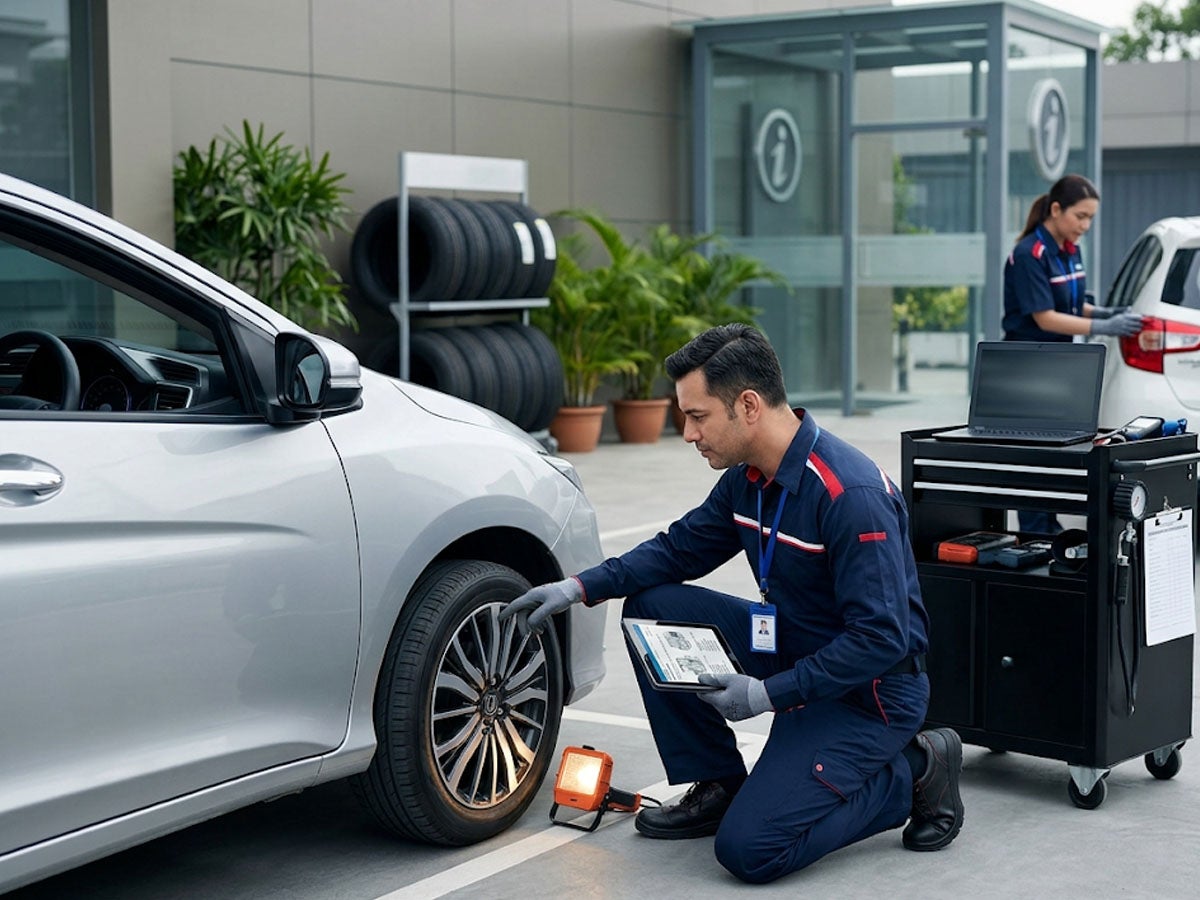
Our years of inspection data showcase interesting insights regarding the new car inspection. The problems in new cars usually occur in the paint fit and finish, battery, engine, and sensors. However, these issues are far less than what you can find in used cars.
Here, we aim to understand what are the common issues found in the brand new cars when Pre-Delivery Inspections are performed on them.
Understanding Engine and Mechanical Variations
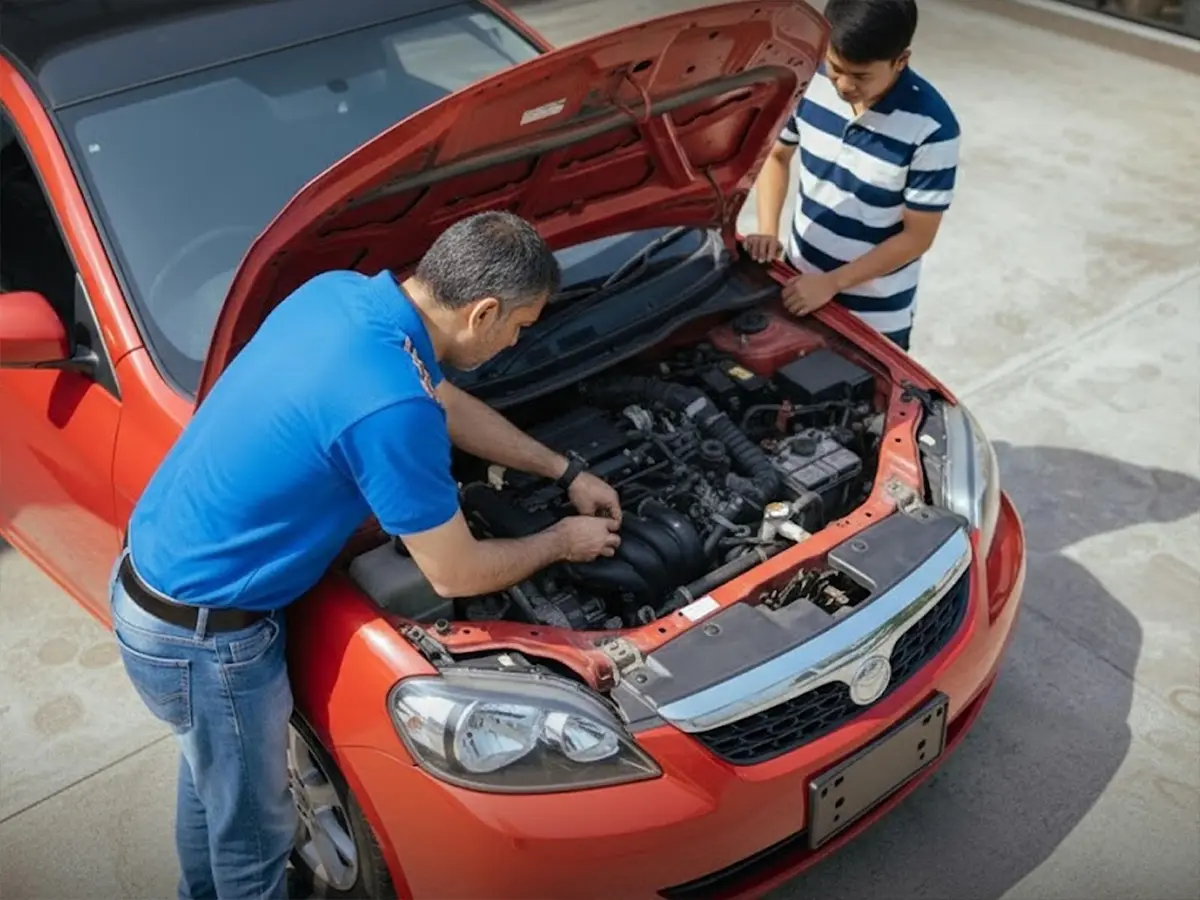
New engines are made with high tolerances, but still, some things are missed during manufacturing, and thus, it affects the driveability of the car. In our internal new car PDI database, about 2% new cars turned out to have engine-related issues right from the factory.
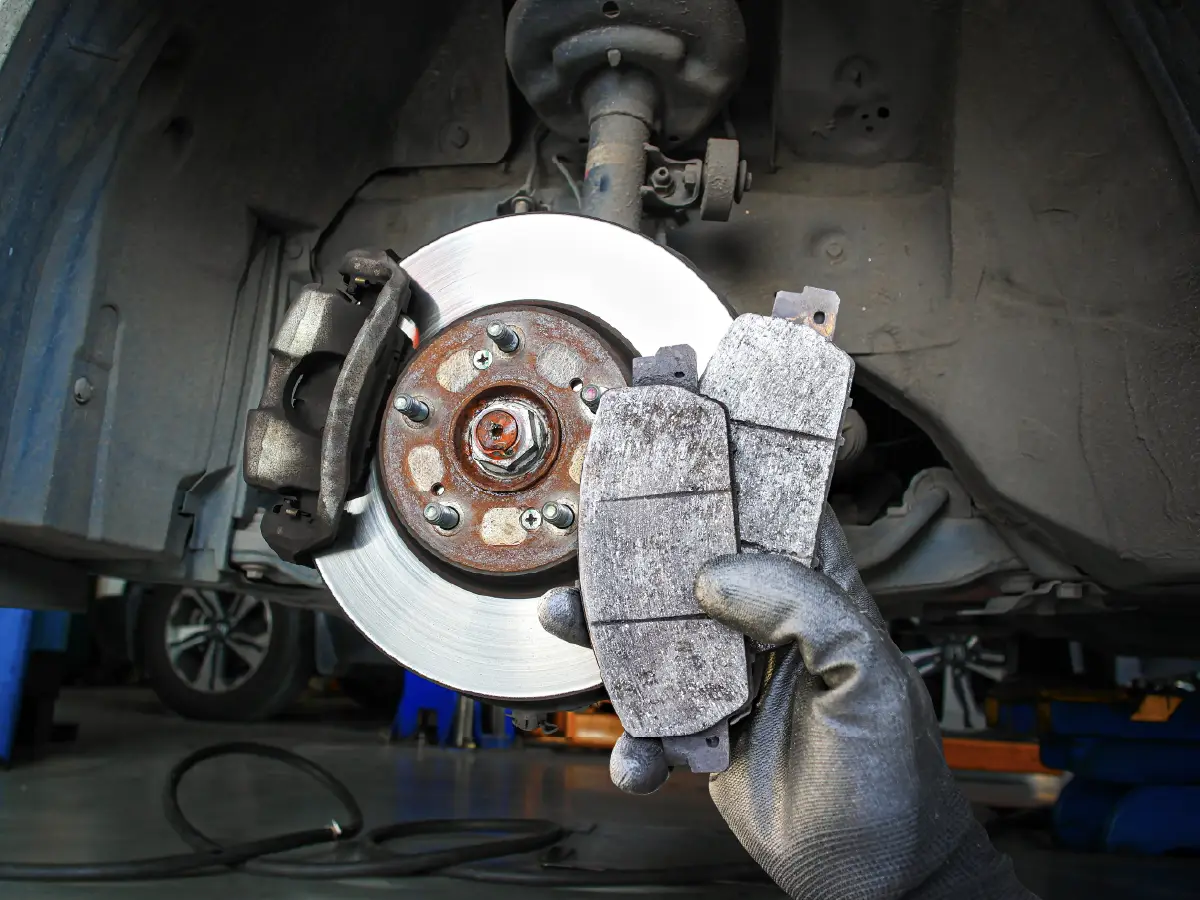
These issues are usually minor and aren’t catastrophic, but if these are left unaddressed can lead to long-term reliability problems. Our trained car inspectors can find minor oil seepages from gaskets that were improperly seated during assembly. In some instances, loose vacuum hoses or incorrectly torqued bolts can cause subtle vibrations or irregular idling.
These faults may seem negligible, but they represent a deviation from the manufacturer's intended specifications. Once these defects are identified before the final payment, buyers can ask the dealer to get them rectified or change the car.
Battery Health in New Car Inventory
As you know, cars are stored in dealer stockyards for months before they are sold and delivered to the buyer. During this time, dealers might check the cars, and perform things like ignition, locking and unlocking, checking the infotainment and audio system, headlight, and taillights, which can slowly discharge the battery over time.
It is found that around 5% new cars face issues with the battery. This leads to a loss of total capacity, meaning a buyer might take delivery of a new car with a battery that has already reached the middle of its life cycle. Thus, a thorough inspection also includes a voltage and cold-cranking amp test to ensure the battery meets the required health standards.
Sensor Accuracy and Electronic Glitches in New Cars
Modern cars are now becoming reliant on advanced sensors and electronics. The overall electronic architecture is growing rapidly, even in affordable cars. Due to this, new cars tend to fail in PDI due to faulty parking sensors, reverse camera, proximity modules, etc. These issues also align with our database, which showcases around 5% new cars facing these kinds of issues. These components are particularly vulnerable to environmental factors during transport.
Furthermore, software glitches in the infotainment system or the instrument cluster are not uncommon. Because these systems are interconnected, a single faulty sensor can disable critical safety features. Ensuring these digital components are fully functional is a vital part of the delivery process.
New Car Pre-Delivery Inspection Failure Data Summary
The following table categorises the most prevalent technical issues identified in new cars before they are handed over to the customer.
| Component | Failure Rate | Primary Cause |
| Engine and Drivetrain | 2% | Manufacturing or assembly variation |
| Battery Health | 5% | Extended storage and discharge |
| Parking Sensors and Electronics | 5% | Transit damage or software errors |
| Exterior Paint and Body | 10% | Handling and logistics damage |
Final Thought
In the end, it is worth understanding that new cars also require a thorough Pre-Delivery Inspection. While a used car inspection is focused on identifying neglect or hidden damage, a new car inspection is designed to ensure the manufacturer and dealer have fulfilled their promise of a perfect product.
Minor defects might not be apparent during a short test drive around the dealership block. However, these issues can lead to frustration and repeated service centre visits in the early months of ownership. Just opt for a professional PDI service to ensure your investment is protected from the moment the keys are handed over.