From Tier 1 to Tier 3: How Cars24 Connects Your Car to Buyers Across India
- 1Tier-2 cities now drive 62% of India’s used car sales (Cars24)
- 2Cars24 auctions link sellers to 20,000+ dealers in 1,500+ cities
- 3Your car’s location no longer limits buyers; demand is nationwide
- Where Demand in India’s Used Car Market Has Shifted
- Metro and Non-Metro Buyers Are Not the Same Buyer
- Why Local-Only Selling Leaves Money on the Table
- How Cars24 Creates a National Market for Every Seller
- What National Reach Means for Specific Seller Situations
- Why the Rise of Tier-2 Demand Is Good News for Every Seller
- Conclusion
For most of the past decade, the story of India’s used car market was a story about its largest cities. Delhi, Mumbai, Bengaluru, and Hyderabad drove volumes. If you were selling a car in one of these metros, you had a reasonable pool of local buyers. If you were selling in a smaller city, your options were limited to a handful of local dealers who knew you had nowhere else to go.
That picture has changed significantly, and Cars24’s national auction infrastructure is one of the reasons why. This article explains how Cars24 connects sellers in cities of every size to a national pool of buyers, why that matters for the price a seller receives, and what the data now tells us about where demand in India’s used car market is actually coming from.
Where Demand in India’s Used Car Market Has Shifted
According to the Cars24 Gears of Growth Report 2025, based on data from over 33 million users, tier-2 cities now account for 62% of all used car sales in India. Metro cities contribute the remaining 38%. This is not a gradual drift. It is a structural rebalancing that has happened within a single measurement period.
The state-level numbers make this concrete. Delhi’s share of national used car sales dropped from 13.8% in 2024 to 5.8% in 2025. Haryana fell from 10.7% to 5.6%. Meanwhile, states that were once considered secondary markets have posted some of the largest gains seen in the market:
| State | 2024 Share | 2025 Share |
| Maharashtra | 16.4% | 20.1% |
| Karnataka | 10.0% | 16.0% |
| Gujarat | 8.7% | 13.1% |
| Tamil Nadu | ~5% (approx.) | Roughly doubled |
| Telangana | ~4% (approx.) | Roughly doubled |
| Delhi | 13.8% | 5.8% |
| Haryana | 10.7% | 5.6% |
Source: Cars24 Gears of Growth Report 2025. Data as of December 2025, based on 33 million+ users.
A market that was once shaped by the consumption patterns of northern metros is now drawing from a far wider and more diverse base of buyers across western, southern, and central India. For sellers, this shift matters: the buyer for your car is increasingly likely to be in a state you would not have thought to reach through a local sale.
Metro and Non-Metro Buyers Are Not the Same Buyer
What makes this shift more than a simple geographic redistribution is that metro and non-metro buyers are not purchasing the same cars for the same reasons. They represent genuinely distinct demand profiles shaped by different income levels, road conditions, ownership expectations, and priorities.
| Dimension | Metro Cities (38%) | Tier-2 Cities (62%) |
| Primary buyer type | Upgraders | First-time buyers |
| Top body types | SUVs and premium hatchbacks | Hatchbacks and compact sedans |
| Ownership cycle | Shorter, faster replacement | Longer, value-oriented |
| Key purchase driver | Aspiration and lifestyle | Affordability and reliability |
| Financing adoption | ~50% | ~58% |
| Average selling price (2025) | Higher (Tamil Nadu leads at ₹5.49 lakh) | UP lowest at ₹4.90 lakh; varies widely |
Source: Cars24 Gears of Growth Report 2025.
Metro buyers tend to treat used cars as a stepping stone to a better vehicle. They upgrade more frequently, favour automatic transmissions, and lean toward SUVs and premium hatchbacks. The used car market functions for them as an aspirational ladder.
Non-metro buyers approach the market from a different position. For many, this is their first car purchase. The decision is driven by functional need: reliable daily transportation, low maintenance costs, fuel efficiency, and the availability of parts and service at local centres. Longer ownership cycles mean durability and resale value matter more than style or features.
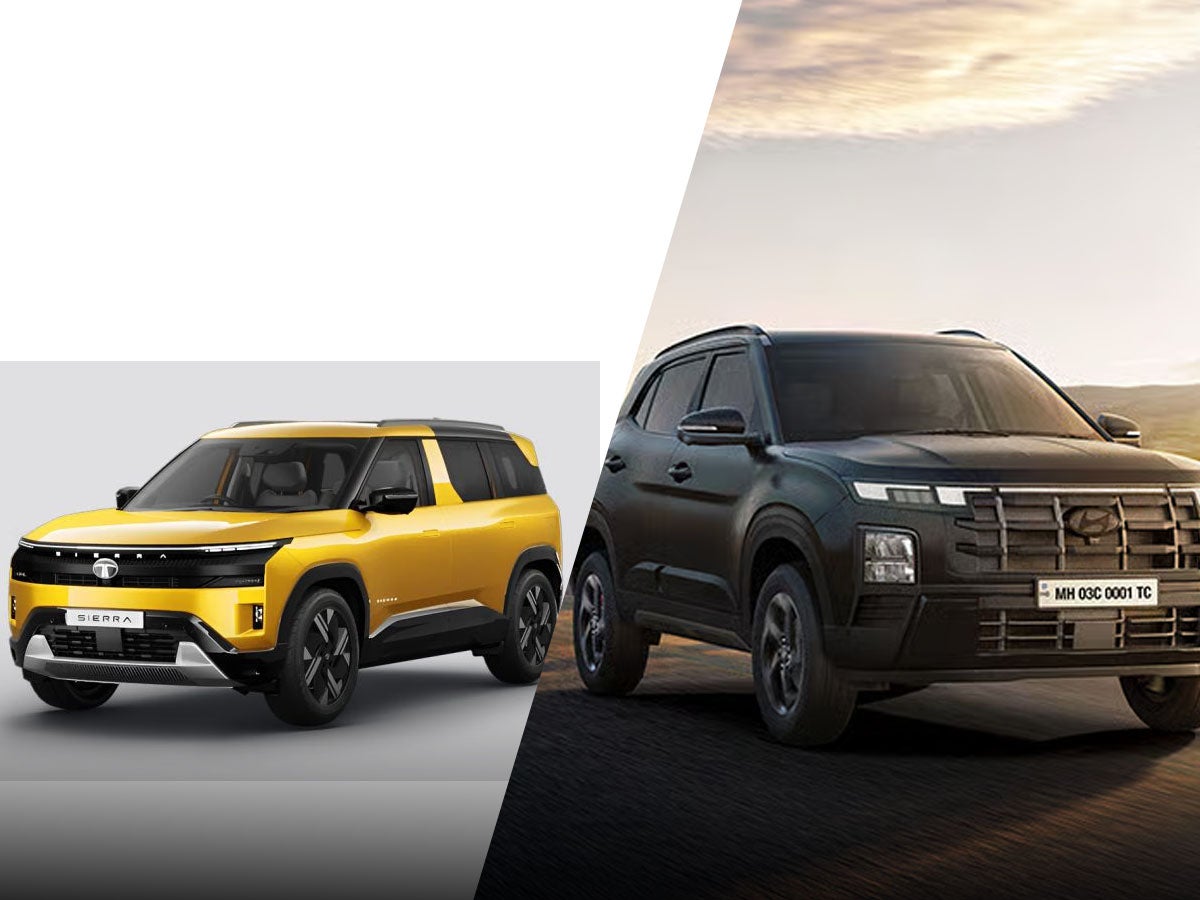
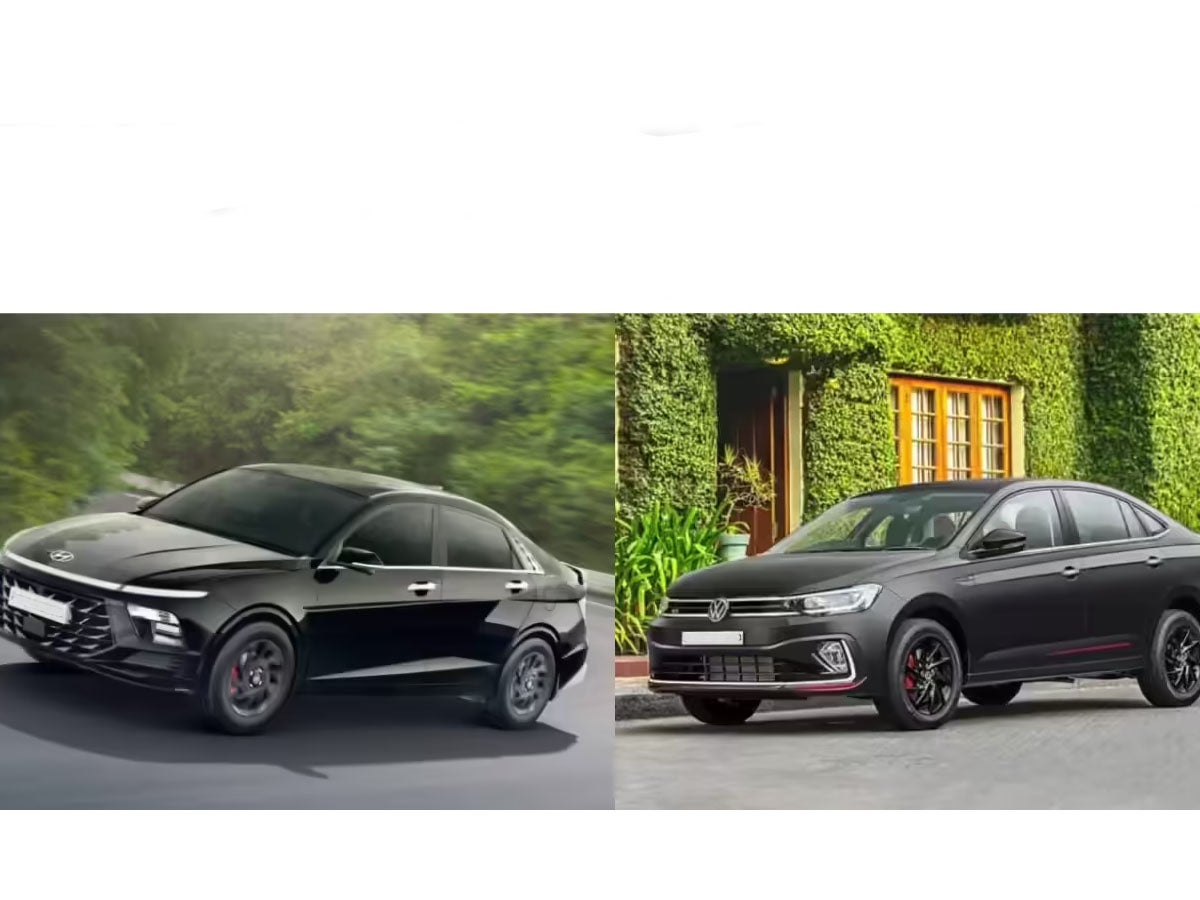
Model preferences reflect this difference clearly. The Tata Nexon is the top-selling used car in both metro and non-metro markets, which speaks to its broad appeal across price points. But divergence begins immediately after. Metros place the Baleno second, a premium hatchback with feature-rich trims and strong automatic penetration. Non-metro markets place the Grand i10 second, valued for simplicity, low running costs, and a widespread service network. The Honda City appears in the metro top 10, reflecting urban appetite for sedans. The Kwid ranks higher in non-metro lists, valued for entry-level affordability and minimal maintenance.
What this means for a seller is that the car that has limited demand in their local metro may have strong demand from a buyer in a tier-2 or tier-3 city, and vice versa. A car that feels undervalued locally may find its most competitive buyer somewhere else entirely.
Why Local-Only Selling Leaves Money on the Table
When a seller approaches a local dealer or lists on a classified platform, they are effectively restricted to their immediate geography. The price they receive is determined by how many buyers exist within reach and how much competition there is among those buyers for that specific car.
In a city with five dealers interested in a given model, those five dealers informally set the ceiling on what the seller can receive. If the city has only one or two buyers for that car profile, the ceiling is even lower. The seller has no way to access demand that exists in other cities, and no way to know that a dealer in a city three hundred kilometres away would have bid significantly higher for the same car.
This is the structural limitation that Cars24’s national auction resolves.
How Cars24 Creates a National Market for Every Seller
The Auction Network Spans 1,500+ Cities
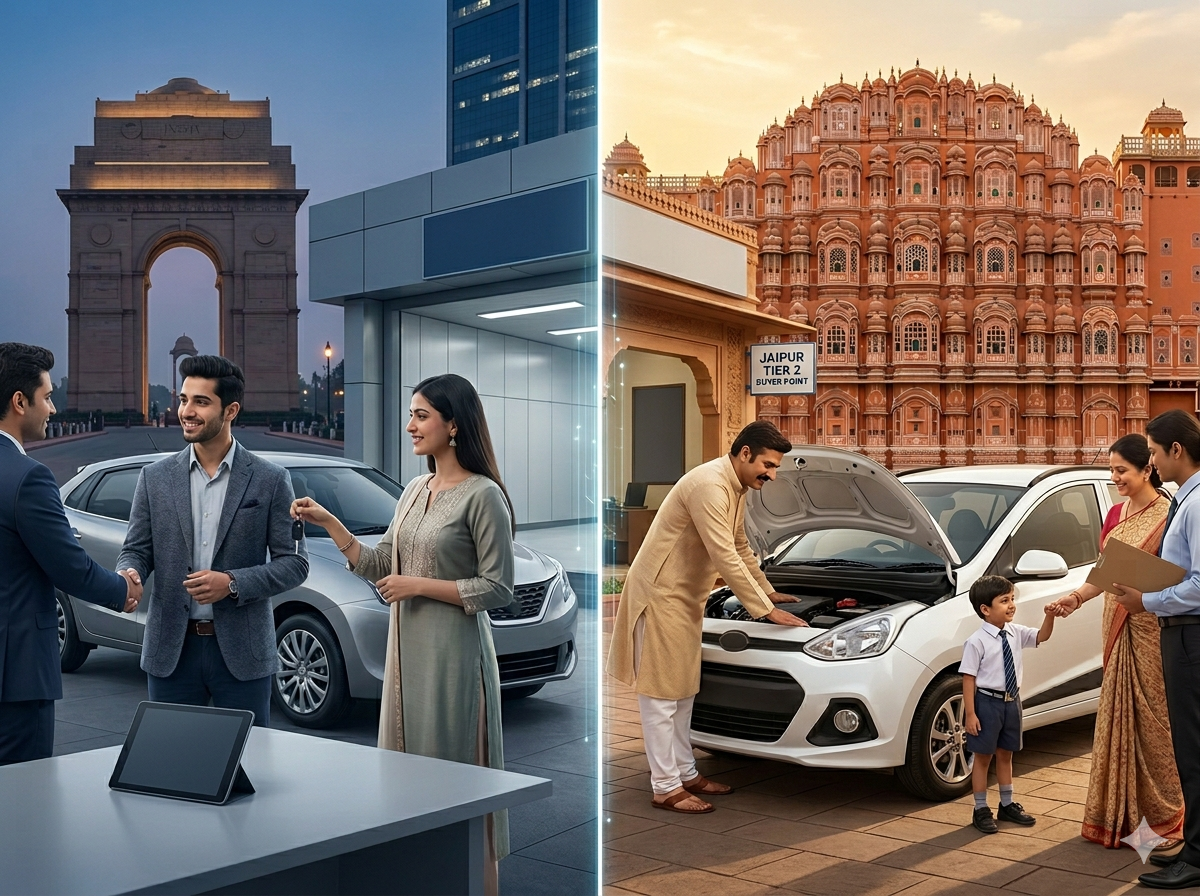
When a car is listed on Cars24 after inspection, it enters a live auction visible to over 20,000 verified dealers across 1,500+ cities. These dealers operate in tier-1 metros, tier-2 cities like Surat, Coimbatore, Nagpur, Lucknow, and Jaipur, and in smaller tier-3 markets where organised used car inventory is harder to source locally.
A dealer in Indore who needs a specific model in a specific colour for a waiting customer can bid for a car listed in Delhi. A dealer in Vizag who specialises in budget hatchbacks for first-time buyers can bid for a car listed in Mumbai. A dealer in Surat who has seen rising demand for petrol compact sedans in their market can compete with dealers in every other city for the same listing. The seller benefits from all of this competition without having to know any of it is happening.
Physical Presence Enables Doorstep Service Across India
The auction network is supported by Cars24’s operational footprint across the country. Cars24 has expanded its presence to over 180 cities through a combination of company-owned branches and franchise partners in tier-2 and tier-3 locations. This means the home inspection service, the Relationship Associate who explains the deal, and the physical car pickup after the sale are available to sellers well beyond the major metros.
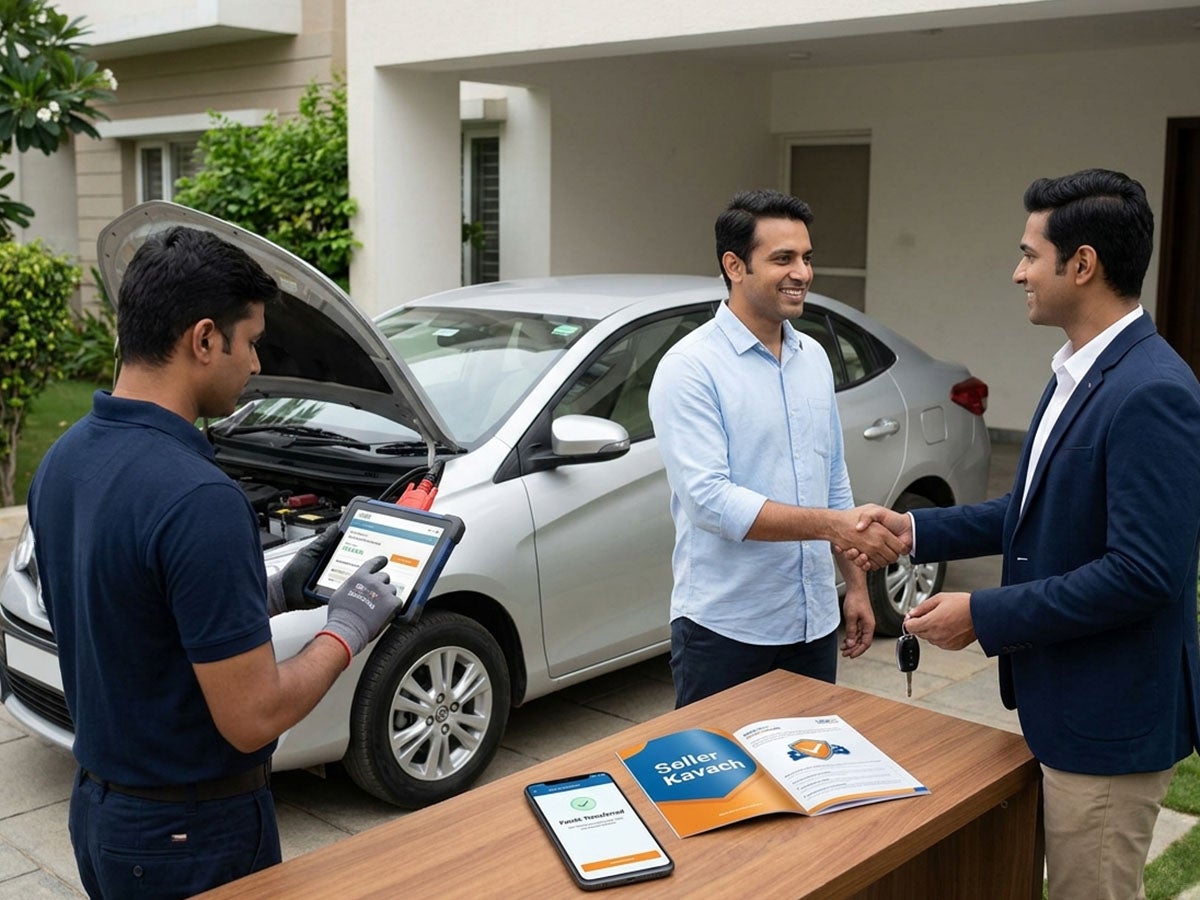
A seller in Nashik, Rajkot, Mysuru, or Guwahati can access the same selling experience as a seller in Delhi or Bengaluru: free home inspection, live national auction, instant bank payment, and Seller Kavach post-sale protection. The platform is not designed only for urban sellers with access to multiple dealers. It is built for every seller, regardless of where their car is parked.
AI Pricing Reflects National Market Demand, Not Just Local Rates
Cars24’s AI-powered valuation engine, trained on over 10 lakh verified transactions across a decade, prices each car based on national market signals, not just what local dealers in the seller’s city are currently willing to pay. It accounts for city-wise demand patterns, regional model preferences, seasonal buying trends, and live dealer behaviour across the entire bidding network.
This means the valuation a seller receives before the auction is grounded in what buyers across India have paid and are paying for that specific car profile, not what one dealer in one city is willing to offer on the day of the visit.
What National Reach Means for Specific Seller Situations
Selling in a Metro with a Restricted Car
A seller in Delhi with an older diesel car that cannot legally operate in Delhi-NCR has virtually no local buyer. No Delhi dealer will purchase a car they cannot resell or use in the city. Through the Cars24 national auction, that car is visible to dealers in cities across Uttar Pradesh, Rajasthan, Madhya Pradesh, and elsewhere, states where no age-based diesel restriction exists and where demand for affordable used cars is growing rapidly. The car that was illiquid locally becomes sellable nationally.
Selling in a Tier-2 or Tier-3 City
A seller in a smaller city may have access to only a handful of local dealers. Cars24’s presence in their city means they can access the same national auction as a seller in Mumbai. Dealers from across the country can bid for their car. If the car is in good condition and falls in a segment with broad national demand, the competition is driven not by local market depth but by the strength of the car’s profile itself.
Cars With Strong Demand in a Specific Region
Some models sell particularly well in certain regions. CNG cars sell faster in cities with strong CNG infrastructure. Diesel SUVs have strong demand in states where long-distance road use is common. Certain entry-level hatchbacks perform disproportionately well in non-metro markets where first-time buyers are the primary segment. Because Cars24’s dealer network spans the entire country, each car is automatically visible to the regions where its specific profile generates the most interest. The seller does not need to know or target these regions manually.
Why the Rise of Tier-2 Demand Is Good News for Every Seller
The Cars24 Gears of Growth Report 2025 data points to a market that is becoming structurally more resilient and more geographically distributed. No single state or city can now determine whether demand is strong nationally. For buyers in smaller cities, this means access to an organised, transparent, and well-stocked market. For sellers, it means the pool of potential buyers for any given car is larger and more diverse than it has ever been.
Non-metro buyers show close to 58% financing adoption compared to around 50% in metro cities, reflecting the growing reach of digital lending platforms in smaller cities. This means buyers in tier-2 and tier-3 markets are increasingly equipped to purchase cars in price ranges they could not have accessed without financing, expanding the effective demand pool for sellers of mid-range and premium used cars.
A seller whose car might have attracted three or four bids in a local auction five years ago now has access to a national pool of buyers who are better financed, more numerous, and more geographically spread than at any point in the history of India’s used car market. That shift is what Cars24’s national infrastructure is built to capture.
Conclusion
The geography of where a car is sold used to be one of the strongest determinants of what that car fetched. A car in a small city had few buyers, and few buyers meant limited price competition. A car in a large city had more buyers, but was still constrained by what local dealers were willing to pay.
Cars24’s national auction removes geography as a constraint on the seller’s side. By connecting over 20,000 verified dealers across 1,500+ cities into a single live bidding platform, it ensures that wherever a seller is located and whatever car they are selling, they are reaching the full national market simultaneously. The price is set by competition across that entire market, not by what happens to be available locally on the day of the inspection.
As the Cars24 Gears of Growth Report 2025 confirms, that national market is now more active, more geographically spread, and more financially diverse than it has ever been. For sellers, that is a structural advantage at a moment when the buyer base for used cars across India is growing faster than ever before.
Frequently Asked Questions
Expand all