How Does CARS24 Ensure You Get Accurate Challan Records?
- 1Real-time API integration with Parivahaan fetches live challan data instantly
- 2Pending challans become your responsibility, know before you buy the car
- 3Government data is always accurate, no outdated records or missed violations
A challan is a traffic fine issued for violating traffic rules. In India, e-challans are digitally issued traffic fines recorded against a vehicle's registration number and stored in official government databases. Under Indian law, challan responsibility is tied to the vehicle, not the driver. The vehicle owner receives fines via SMS or email using information from the VAHAN database.
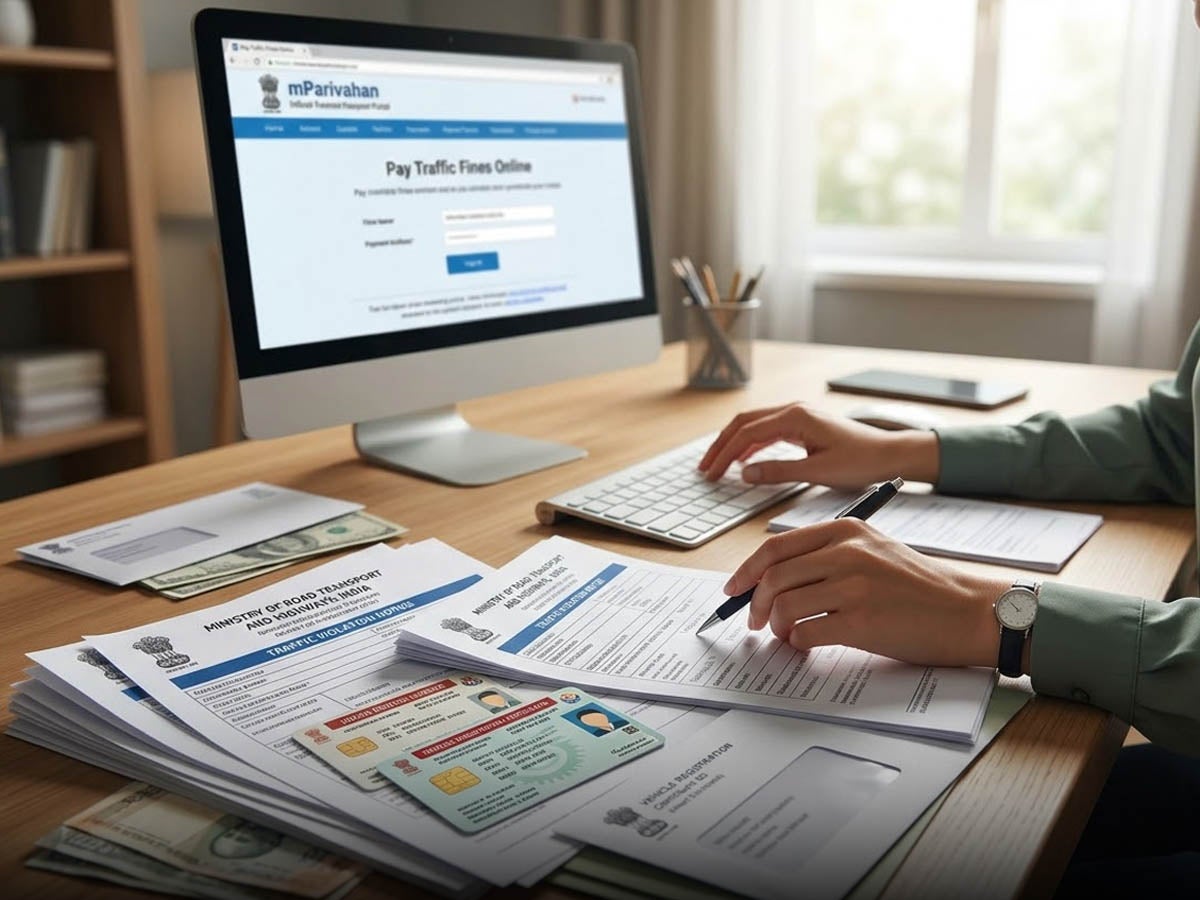
At Cars24, we ensure complete accuracy in challan information by connecting directly to India's official Parivahaan database through real-time API integration. Whether you need to verify a vehicle's traffic fine history, check for pending violations, or access complete challan records, our system retrieves accurate, current data instantly. Here's how we do it and why it matters.
The Parivahaan Database: India's Official Traffic Record System
The Parivahaan portal (parivahan.gov.in) is India's centralised, government-run traffic management system. It's the single source of truth for all traffic violations, fines, and e-challans across the country. Every traffic police department, CCTV camera system, and speed enforcement system feeds data into Parivahaan. It's maintained and updated by the Indian government, making it the most reliable source for challan information.
When a violation occurs, it's recorded in Parivahaan within hours. Whether someone paid the challan or it remains pending, Parivahaan has the complete record. This database is the foundation of India's traffic fine system and is what authorities rely on for enforcement and collection.
How Cars24 Accesses Real-Time Challan Data
Cars24 doesn't rely on manual searches, outdated records, or incomplete information. We have direct API integration with the Parivahaan database. This means our systems connect directly to India's official traffic portal in real-time, pulling live data about any vehicle's challan history.
When a customer wants to verify a car's challan records, we submit the vehicle's registration number to Parivahaan through our API. Within seconds, we receive complete, current information directly from the government database. This isn't a copy of data or a cached record, it's live data, updated continuously as new challans are issued and as existing ones are paid.
This real-time API integration ensures several critical advantages:
- Immediate Updates: The moment a challan is issued or paid, Parivahaan updates its records. Our API pulls this current data instantly, so you never see outdated information.
- Complete Accuracy: We're not interpreting data or relying on third-party sources. We get information directly from the official government source, ensuring 100 per cent accuracy.
- Comprehensive Records: Our Parivahaan API access retrieves all types of traffic violations, speeding, red light jumping, parking violations, lane indiscipline, document violations, and all other traffic offences. No categories are missed.
- Nationwide Coverage: Parivahaan operates nationwide across India. Whether the vehicle was registered in Delhi, Mumbai, Bangalore, or any other city, we can access its complete challan history.
What Information Does the Challan Record Show?
When we pull data from Parivahaan, here's exactly what you see:
- Violation Date: When the traffic violation occurred.
- Violation Type: The specific traffic rule that was violated (e.g., signal jumping, speeding, parking violation).
- Fine Amount: The penalty amount for that specific violation.
- Location: Where the violation was recorded (camera location, traffic police station jurisdiction, etc.).
- Violation Status: Whether the challan is pending (unpaid) or paid (resolved).
- Payment Date: If the challan was paid, when it was paid.
Pending Days: For unpaid challans, how many days the fine has been pending.
All this information comes directly from Parivahaan, the same official database that traffic police, courts, and RTO offices access. There's no interpretation, no estimation, no approximation. It's the exact data from the government source.
Pending Challans: What You Need to Know
When we retrieve challan records, pending challans are flagged clearly. These are traffic fines that haven't been paid yet and remain outstanding for the vehicle.
Under Indian law, unpaid challans are linked to the vehicle, not the driver. The RTO tracks pending challans in its system, and these must be resolved before any major registration changes. Traffic police can take enforcement action on unpaid challans. That's why having complete, accurate visibility into pending violations is crucial, so you know the exact status of all outstanding fines for any vehicle.
Our real-time Parivahaan API integration ensures you see every pending challan associated with a vehicle, no matter when it was issued or which state issued it. This complete visibility helps you:
- Understand all outstanding traffic violations
- Know the exact fine amounts and violation details
- See how long each violation has been pending
- Access the evidence images for each violation
- Get comprehensive records for reference or dispute purposes
Past Challan History: What It Tells You
Paid challan history provides valuable context about a vehicle's usage patterns and compliance history. Past challans that were paid show the types and frequency of violations that occurred and how they were resolved.
A vehicle with numerous high-speed violation challans indicates periods of speeding or aggressive driving. Frequent parking violation challans suggest extensive usage in congested city areas. A history of document-related violations might indicate registration or compliance issues that were eventually addressed.
Conversely, a clean past challan record, or only a few minor, old violations that were promptly paid, indicates consistent compliance with traffic rules. Historical challan records provide objective data about traffic enforcement patterns, violation types, and payment compliance.
Past challan data also helps verify ownership timelines and usage consistency. Challans associated with specific periods can help cross-reference with ownership records. Historical patterns of violations and resolutions create a detailed compliance record for the vehicle. This comprehensive historical data provides important context for understanding the vehicle's complete traffic enforcement history.
Complete Transparency Through Accurate Challan Data
Challan verification is a key component of comprehensive vehicle record checking. By connecting directly to Parivahaan, we ensure this verification is thorough, current, and accurate.
When you access challan records through Cars24, you're viewing exactly what India's government traffic database shows. No intermediary, no interpretation, no delay. Whether a vehicle has a clean challan record, pending fines, or significant violation history, you see the complete picture backed by official government data.
This transparency provides complete visibility into all traffic violations associated with any vehicle. You can access complete records, understand violation patterns, review historical compliance, and make informed decisions based on accurate, real-time government data. That's the value of accurate, real-time challan information powered by direct Parivahaan API integration.
Frequently Asked Questions
Expand all