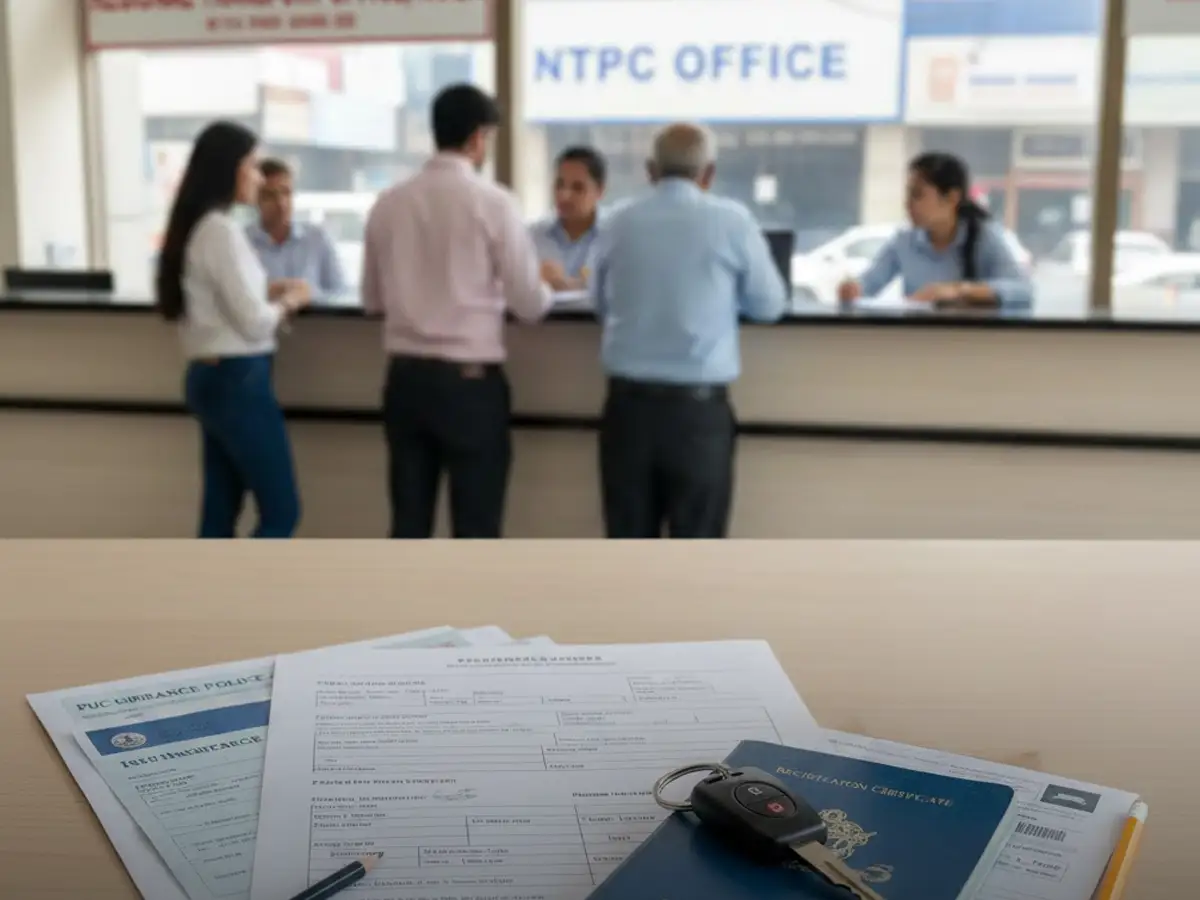
How Cars24 Ensures Documentation Accuracy to Protect Sellers
- 1Accurate documentation ensures sellers avoid liability after car handover
- 2Tech-led checks verify loans, insurance, ownership, and RC details
- 3Seller Kavach protects owners from fines or misuse post-sale
The most critical aspect when selling a used car is ensuring a timely ownership transfer to the new buyers. Failure or delay to do so may have dire consequences, as till this step is completed, the legal liability of the vehicle stays with the seller. During the sale of the vehicle, many documents come into play to ensure a smooth transition of ownership, such as Form 29, Form 30, the seller’s identity proof, proof of vehicle ownership, and the car’s registration certificate. Historically, used car sales happened either through local dealers or through online classified platforms. Through these methods, verifying the authenticity of the buyer was not entirely possible. Many buyers often drove away with the promise of getting the transfer done, only for the buyer to find out years later that the vehicle is still in their name and has accumulated fines in lieu of traffic violations.
Critical Misses with Inaccurate Documentation
Selling a car goes beyond a mere handshake. Each registered car has a paper trail, necessary for legal use, and also for legal transfer. Through a mix of smart technology and expert vetting, Cars24 ensures these five common hurdles are cleared before they become problems:
- Clearing Hypothecation (Loan) Hurdles: If there is an active loan on a car, it must be closed and the hypothecation removed from the Registration Certificate (RC) before a transfer. The process involves verifying the bank’s No Objection Certificate (NOC) to ensure the records reflect that the seller owns the vehicle outright.
- Managing Lapsed Insurance: Selling a car with expired insurance is a legal risk. The verification process flags gaps in coverage early on, ensuring the policy is active and valid. This protects the car's valuation and keeps the legal transfer on track.
- Spotting Undisclosed Insurance Claims: Minor repair claims from the past are often forgotten, but databases keep a permanent record. By cross-referencing the No Claim Bonus (NCB) and claim history, the system ensures the car’s history is transparent, preventing any last-minute surprises during the final inspection.
- Verifying the Number of Owners: The difference between a second owner and a third owner significantly impacts resale value. Rather than relying on memory, the ownership history is confirmed via the VAHAN database to ensure the listing is 100% accurate.
- Updating Outdated Registration Certificates: An old address or an unrecorded name change on an RC can stall a sale for weeks. The documentation audit matches registration details against current ID proofs to catch mismatches early, ensuring a smooth and fast title transfer.
Cars24’s stringent document verification is an essential step in ensuring a hassle-free transfer, safeguarding sellers from legal and financial liabilities, and also ensuring a smoother handover to the new buyer.
Beyond Document Accuracy: A Seller Protection Policy to Safeguard Buyers
One of the primary concerns in a used car transaction is the period between the physical handover and the official RTO transfer. To address this, a legal indemnity is provided to the seller in the form of Cars24’s seller protection policy, called ‘Seller Kavach’. This document serves as a protective shield, ensuring that the original owner is no longer held accountable for traffic violations, accidents, or any misuse of the vehicle once it leaves their possession. This effectively closes the liability gap that often plagues private deals.
Navigating Complex Ownership Scenarios
Not every car sale follows a straight path. Certain situations require specialised documentation that can be overwhelming for an individual to manage alone. The process is designed to handle these complexities seamlessly:
- Company-Owned Cars: Managing the specific tax invoices, board resolutions, and specialised NOCs required when a vehicle is registered under a business entity.
- Deceased Owner Cases: Guiding the legal heirs through the necessary paperwork to ensure a lawful and smooth transfer of the asset.
- Interstate Transfers: Handling the intricate requirements for a No Objection Certificate (NOC) when a vehicle is being sold across state lines, ensuring compliance with different RTO jurisdictions.
Real-Time Transfer Tracking
Transparency shouldn't end when the paperwork is signed. Instead of the black box experience of traditional RTO offices, sellers can monitor the status of their RC transfer through digital updates. This level of visibility provides peace of mind, confirming exactly when the car has been officially recorded in the new buyer’s name.
The Right Documentation Leads to a hassle-Free Process
Cars24’s stringent document processing isn’t a pain for sellers, but rather an important step in safeguarding their interests. While the traditional market often leaves sellers vulnerable to paperwork delays and post-sale liabilities, a structured, tech-driven approach to documentation changes the narrative. By diligently auditing every document, Cars24 ensures a streamlined experience for used car sellers.
Frequently Asked Questions
Expand all