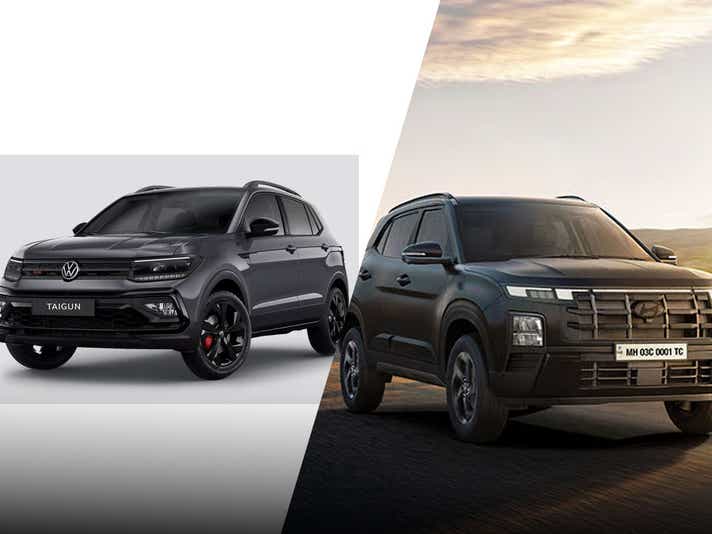
Hyundai Creta vs Volkswagen Taigun: Which Mid-Size SUV Should You Buy in 2026?
- 1The Creta offers a plush ride and an unparalleled cabin feature list.
- 2The Taigun shines with thrilling turbocharged engines and sharp handling.
- 3Choose the Hyundai for comfort or the Volkswagen for pure driving joy.a
- Hyundai Creta vs Volkswagen Taigun: Overview
- Hyundai Creta vs Volkswagen Taigun: Features Comparison
- Space and Practicality Comparison
- Hyundai Creta vs Volkswagen Taigun: Engine & Performance
- Hyundai Creta vs Volkswagen Taigun: Mileage in Real World
- Maintenance and Resale Value Comparison
- Hyundai Creta vs Volkswagen Taigun: Price & Value for Money
- Final Verdict: Who Should Buy What
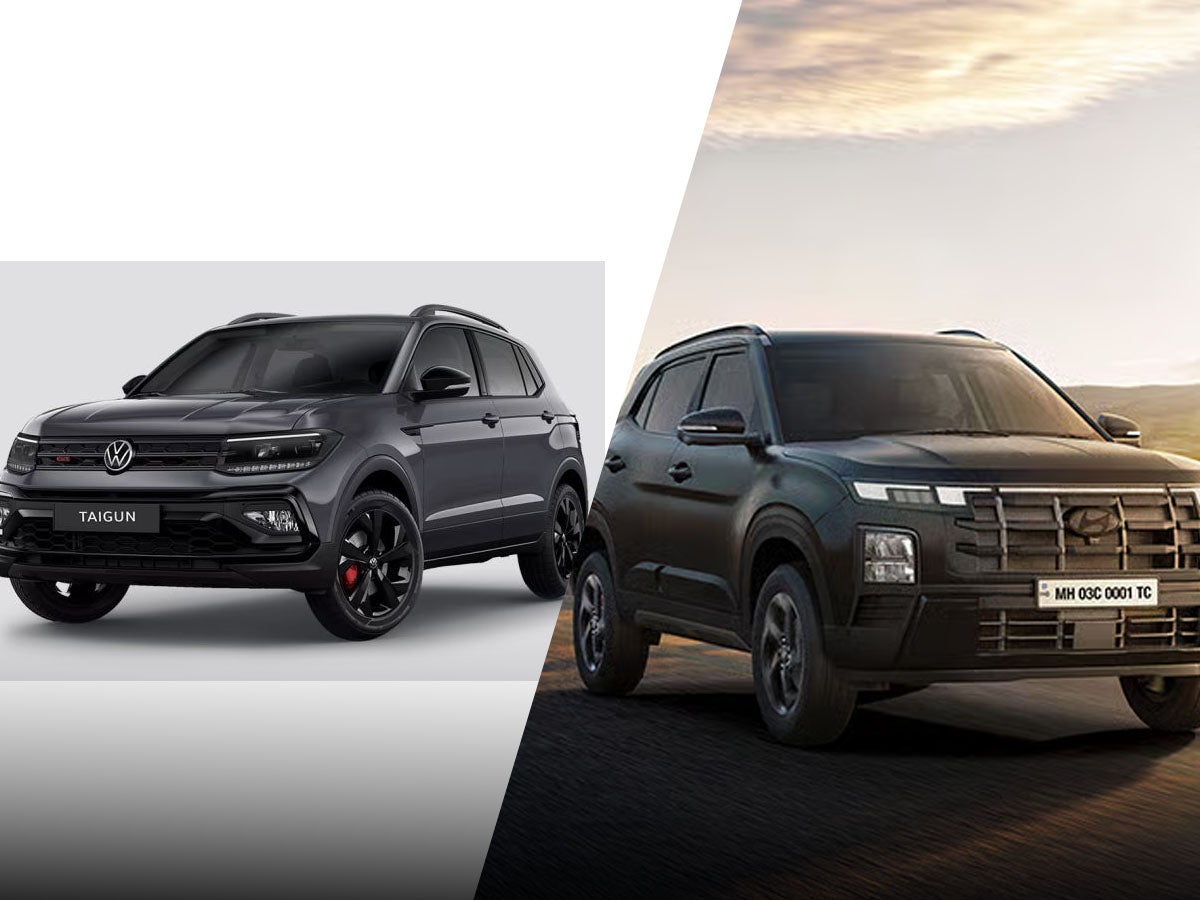
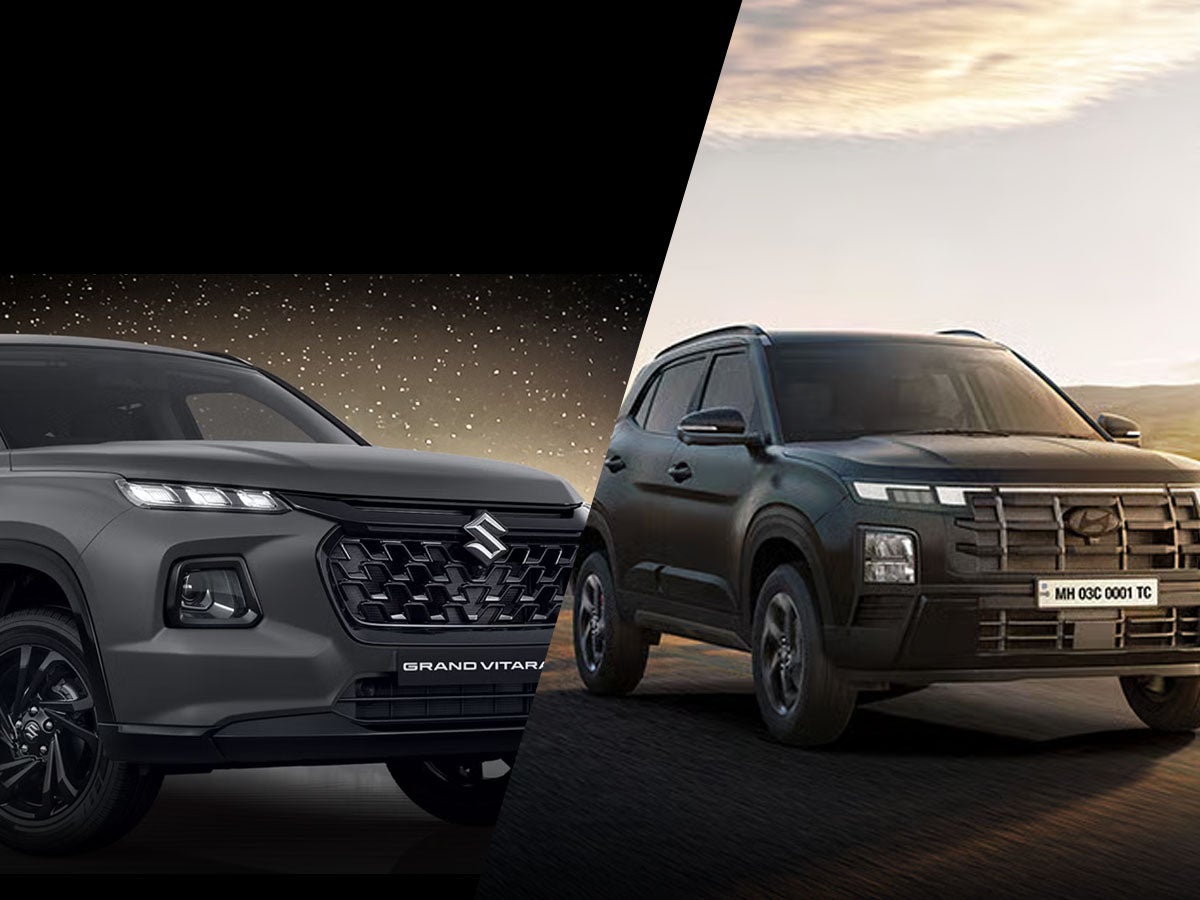
The mid-size SUV segment has become the default choice for the Indian family looking for an upgrade. It is a space that has evolved rapidly from offering basic high-riding vehicles to delivering sophisticated machines packed with technology, safety, and performance. Today, the segment is crowded with highly capable players like the Kia Seltos, Maruti Suzuki Grand Vitara, and Honda Elevate. However, two vehicles often find themselves at the top of an enthusiast's and a family buyer's shortlist, respectively. These are the models we are looking at today in this comprehensive Hyundai Creta vs Volkswagen Taigun comparison.
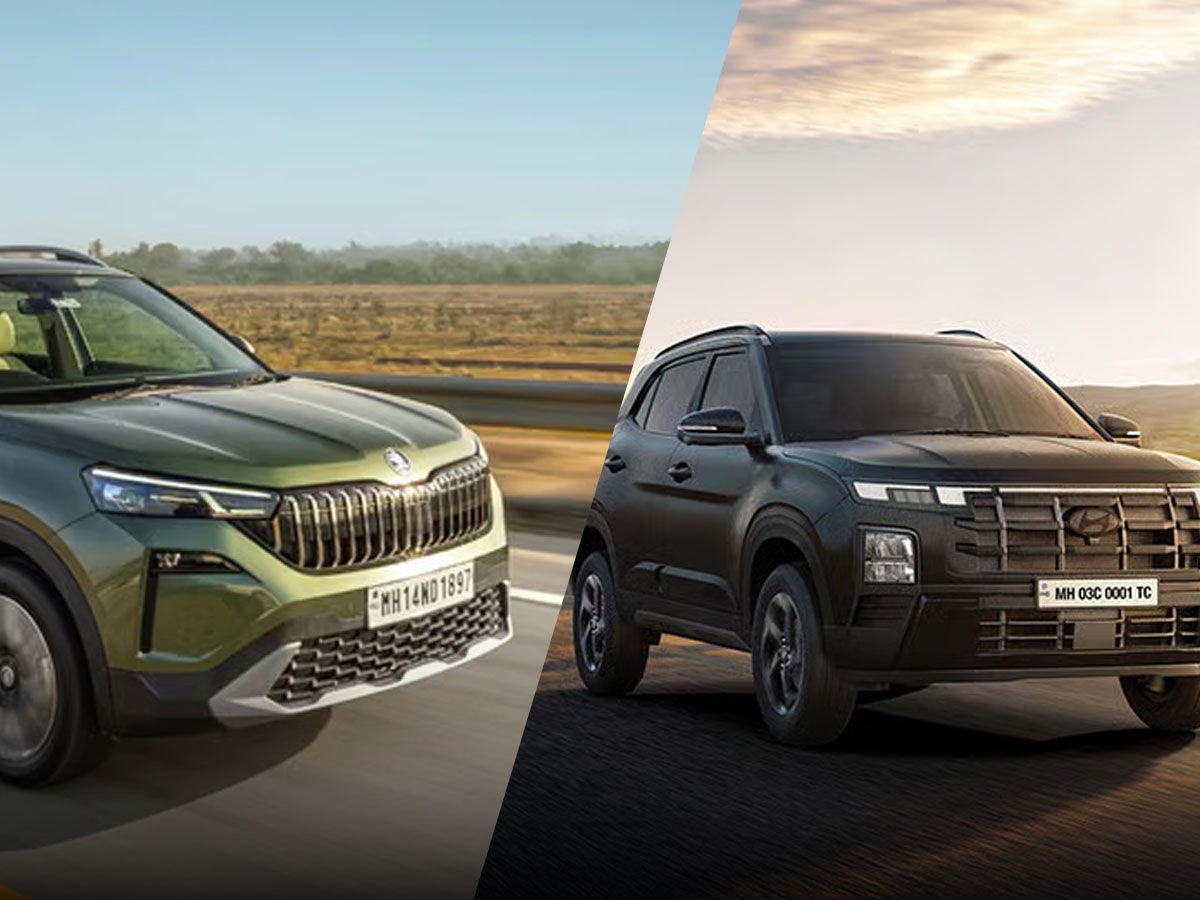
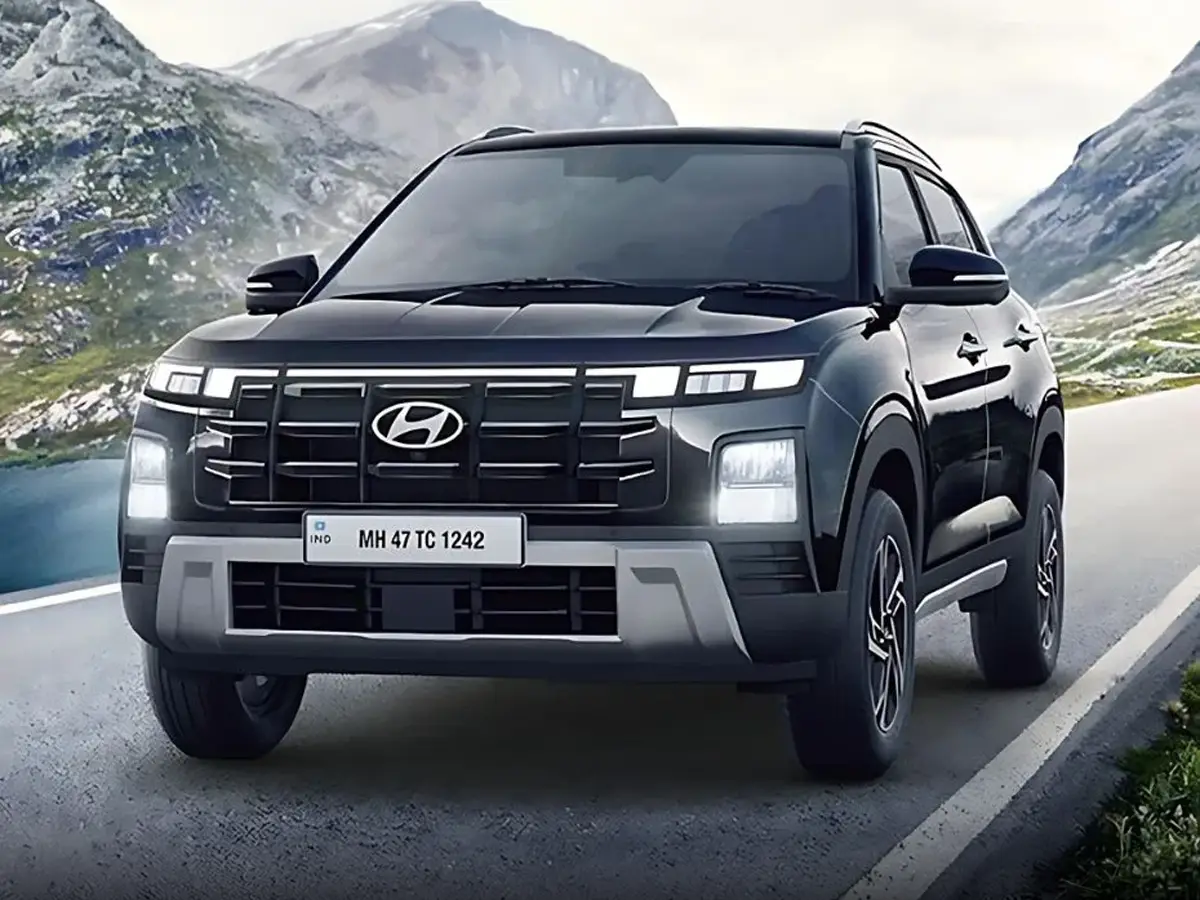
The Hyundai Creta is known for its extensive list of features, incredibly smooth powertrains, and a plush ride quality that keeps occupants comfortable over broken roads. It has been the undisputed king of the segment for years. On the other side, the Volkswagen Taigun brings German engineering precision to the table. It caters to those who love spending time behind the wheel, offering excellent driving dynamics and rock-solid build quality. By examining the Hyundai Creta vs Volkswagen Taigun debate across various parameters, we aim to provide a clear picture to help you make the right purchasing decision.
Hyundai Creta vs Volkswagen Taigun: Overview
Hyundai Creta: The Hyundai Creta is designed to be a crowd-pleaser. It casts a slightly larger shadow, features a polarising yet thoroughly modern exterior design, and offers a cabin that feels incredibly premium. It excels in providing a stress-free ownership experience with an engine for every type of buyer, including a very frugal diesel option, which its rival lacks. The primary weakness of the Creta lies perhaps in its handling, which prioritises comfort over sharp, sporty dynamics.
Volkswagen Taigun: The Taigun, conversely, appeals directly to the heart of an automotive enthusiast. It boasts a clean, understated, and timeless European design. The Taigun feels solidly put together, with doors that shut with a reassuring thud. Its strengths lie in its phenomenal TSI petrol engines and a chassis setup that begs to be pushed around corners. However, it does compromise on sheer size, cabin width, and a few novelty features that buyers in this price bracket have come to expect. Its buyer profile is strictly someone who prefers driving pleasure over rear-seat lounge comfort.
| Specification | Hyundai Creta | Volkswagen Taigun |
| Price Range (Ex-showroom) | Rs 11.00 Lakh to Rs 20.15 Lakh | Rs 11.70 Lakh to Rs 20.00 Lakh |
| Engine Options | 1.5L NA Petrol, 1.5L Turbo Petrol, 1.5L Diesel | 1.0L Turbo Petrol, 1.5L Turbo Petrol |
| Performance (Max Power) | 115 PS to 160 PS | 115 PS to 150 PS |
| Mileage (ARAI Claimed) | 17.4 kmpl to 21.8 kmpl | 18.15 kmpl to 19.87 kmpl |
| Boot Space | 433 Litres | 385 Litres |
| Standout Features | Panoramic Sunroof, Level 2 ADAS | Cylinder Deactivation Tech, Solid Build |
Pros and Cons of Both Cars
Hyundai Creta Pros:
- Unmatched feature list including Level 2 ADAS and dual screens.
- Available with a highly refined and efficient 1.5-litre diesel engine.
- Plush ride quality that absorbs city potholes brilliantly.
Exceptional resale value and a vast service network.
Hyundai Creta Cons:
- The exterior styling can be quite polarising for conservative buyers.
Driving dynamics are tuned for comfort rather than spirited cornering.
Volkswagen Taigun Pros:
- Exceptional handling and high-speed stability.
- Both 1.0L and 1.5L TSI engines offer brilliant performance.
- Clean, timeless exterior design that ages very well.
Top-notch safety ratings with a 5-star Global NCAP score.
Volkswagen Taigun Cons:
- Cabin feels narrower, making three adults in the back a tight squeeze.
Missing some segment-favourite features like a panoramic sunroof.
Hyundai Creta vs Volkswagen Taigun: Features Comparison
Summary: The Korean SUV dominates this section with its futuristic tech additions, larger screens, and comprehensive safety suite. Winner: Hyundai Creta.
| Highlight Features | Hyundai Creta | Volkswagen Taigun |
| Panoramic sunroof | Yes | No (Single-pane sunroof) |
| Ventilated seats | Yes (SX(O) variant onwards) | Yes (Topline/GT Plus variants) |
| 6 airbags (standard) | Yes | Yes |
| ADAS suite | Yes (Level 2 on top variants) | No |
| Digital Instrument Cluster | Yes (10.25-inch fully digital) | Yes (8-inch digital cockpit) |
Where Hyundai Creta edges out:
The Creta simply offers more toys to play with. The massive panoramic sunroof floods the cabin with light, making it feel airy. The seamless integration of the dual 10.25-inch screens for the infotainment and instrument cluster looks incredibly premium. Furthermore, the inclusion of Level 2 ADAS provides an extra layer of active safety that the German competitor completely misses out on.
Where Volkswagen Taigun edges out:
The Taigun focuses on functional features rather than absolute novelty. Its infotainment system is incredibly crisp and fluid to use. It also gets touch-based climate controls, which look sleek, though they require taking your eyes off the road. The inclusion of wireless Apple CarPlay and Android Auto across more variants is a strong positive.
Takeaway: If you want your car to feel like a high-tech lounge on wheels, the Creta is the undisputed champion here.
Space and Practicality Comparison
Summary: Offering superior boot capacity, a wider cabin, and better rear-seat comfort, the Hyundai is the better family haulier. Winner: Hyundai Creta.
| Practicality Specs | Hyundai Creta | Volkswagen Taigun |
| Wheelbase | 2610 mm | 2651 mm |
| Boot Space | 433 Litres | 385 Litres |
| Rear Seat Recline | Yes (2-step) | No |
| Cabin Width Feel | Wide (Comfortable for 3 adults) | Narrow (Best for 2 adults and a child) |
The Taigun surprisingly has a longer wheelbase on paper, which translates to excellent legroom for rear passengers. However, the cabin is noticeably narrower. Seating three adults in the back of the Taigun is a squeeze, whereas the Creta accommodates them with far less shoulder rubbing. The Creta also offers a highly practical two-step recline function for the rear seats, enhancing comfort on long journeys. Additionally, the Creta provides a larger and more usable 433-litre boot, swallowing large suitcases much easier than the Taigun's 385-litre cargo area.
Hyundai Creta vs Volkswagen Taigun: Engine & Performance
Summary: The German contender delivers unmatched driving dynamics, brilliant steering feedback, and punchy turbocharged petrol engines. Winner: Volkswagen Taigun.
This is where the Volkswagen Taigun vs Hyundai Creta battle gets incredibly interesting.
The Creta offers a 1.5-litre naturally aspirated petrol, a 1.5-litre turbo-petrol, and a 1.5-litre diesel engine. The Taigun relies purely on turbo-petrol power, offering a 1.0-litre TSI and a more potent 1.5-litre TSI.
City driving:
In bumper-to-bumper traffic, the Creta with its naturally aspirated petrol and IVT automatic is a breeze to drive. The power delivery is linear, and the steering is light. The Taigun's 1.0L TSI with the torque converter automatic is also excellent for the city, offering a strong mid-range punch to exploit gaps in traffic. However, the Taigun's suspension feels a bit firm at low speeds compared to the plush setup of the Creta, which glides over potholes effortlessly.
Highway driving:
Out on the open road, the Taigun is in its element. The 1.5L TSI engine paired with the quick-shifting DSG gearbox is a joy to push. The steering weighs up beautifully, and the car feels planted even at triple-digit speeds. Taking corners in the Taigun inspires massive confidence. The Creta turbo-petrol is undeniably fast in a straight line, but the steering lacks the precise feedback of the Volkswagen, and the softer suspension results in noticeable body roll when pushed hard into corners.
Hyundai Creta vs Volkswagen Taigun: Mileage in Real World
Summary: Thanks to its frugal diesel engine option and efficient naturally aspirated petrol, the Hyundai provides significantly lower running costs. Winner: Hyundai Creta.
Claimed ARAI figures rarely match real-world conditions. Based on extensive ownership data from long-term users, here is what you can actually expect regarding the Hyundai Creta vs Volkswagen Taigun mileage.
| Engine & Gearbox | City Mileage | Highway Mileage |
| Creta 1.5 NA Petrol (Manual/IVT) | 10 to 12 kmpl | 15 to 17 kmpl |
| Creta 1.5 Diesel (Manual/AT) | 13 to 15 kmpl | 18 to 21 kmpl |
| Taigun 1.0 TSI (Manual/AT) | 9 to 11 kmpl | 14 to 16 kmpl |
| Taigun 1.5 TSI (DSG) | 8 to 10 kmpl | 15 to 17 kmpl (with cylinder deactivation) |
Real-world insights indicate that turbo-petrol engines are highly sensitive to driving style. If you have a heavy right foot, the Taigun's city mileage can drop into the single digits quite easily. The Creta's naturally aspirated petrol is slightly more consistent in heavy traffic.
However, the true champion of fuel efficiency here is the Creta diesel. For buyers who cover more than fifty kilometres a day, the diesel Creta is an absolute boon, consistently delivering phenomenal highway figures that keep fuel bills tightly in check.
Maintenance and Resale Value Comparison
Summary: An extensive service network, cheaper spare parts, and massive market demand ensure better long-term ownership peace of mind for the Hyundai. Winner: Hyundai Creta.
When analysing long-term ownership through the lens of dedicated enthusiast forums, clear patterns emerge. Hyundai has established a reputation for offering a hassle-free after-sales experience. Spare parts are generally more affordable, and the sheer number of service centres across the country means help is never far away. The Creta holds its value incredibly well in the used car market. Finding a buyer for a second-hand Creta takes mere days, and the depreciation hit is minimal.
Volkswagen has made significant strides in reducing maintenance costs with its heavily localised MQB A0 IN platform. Routine service costs for the Taigun are surprisingly competitive now. However, major replacement parts remain slightly on the expensive side.
Furthermore, there is always a lingering discussion regarding the long-term reliability of the complex DSG gearboxes in start-stop Indian traffic, which makes some buyers cautious. In the used market, the Taigun depreciates faster than the Creta, making the Korean SUV the safer financial bet.
Hyundai Creta vs Volkswagen Taigun: Price & Value for Money
Summary: Both cars justify their price tags, but the Hyundai provides a wider range of variants and engine options to suit varying budgets perfectly. Winner: Hyundai Creta.
Pricing is incredibly competitive, but the value proposition differs based on what you prioritise in the Hyundai Creta vs Volkswagen Taigun pricing structure. The Creta's lower variants are well-priced for budget-conscious buyers who want the sheer size of the SUV, while the top-spec variants justify their premium with Level 2 ADAS and ventilated seats. The Taigun asks for a premium primarily for its mechanical sophistication and robust safety shell.
Best variants:
Taigun 1.0 Topline AT offers the best balance: It provides all the necessary features, a reliable torque converter automatic, and enough punch for daily use without the premium of the 1.5 engine.
Creta SX Tech offers the best value: It brings in the much-desired ADAS features, the panoramic sunroof, and the larger screens without stretching the budget to the absolute top-end SX(O).
Final Verdict: Who Should Buy What
Choosing between these two excellent SUVs comes down to what you fundamentally expect from your daily driver.
| Parameters | Which Model Triumphs | Slight Reasoning | Best for.. |
| Features & Tech | Hyundai Creta | Offers ADAS, panoramic sunroof, and larger screens | Tech-savvy buyers |
| Driving Dynamics | Volkswagen Taigun | Superior chassis balance, precise steering, and punchy TSI engines | Driving enthusiasts |
| Rear Seat Space | Hyundai Creta | Wider cabin allows three adults to sit comfortably | Family buyers |
| Fuel Economy | Hyundai Creta | The availability of a highly frugal diesel engine | High-mileage users |
Buy the Volkswagen Taigun if you:
Prioritise driving pleasure and solid build quality above all else.
Want a car that handles high speeds with absolute European maturity.
Prefer a minimalist, understated interior design.
Best for self-driven enthusiasts: Volkswagen Taigun.
Buy the Hyundai Creta if you:
Want the most feature-rich and tech-laden cabin in the segment.
Need a practical family SUV with a large boot and comfortable rear seats.
Desire the fuel efficiency and torque of a diesel engine.
Best for the chauffeur-driven or typical Indian family: Hyundai Creta.
Frequently Asked Questions
Expand all