Hyundai i20 Tyre Size, Price & Recommended Pressure: Detailed Guide
- 1Standard sizes are 185/70 R14, 185/65 R15 or 195/55 R16 depending on variant
- 2Recommended pressure is 33 PSI for all four tyres for best mileage and comfort
- 3Prices start from ₹3,000 for budget brands to ₹8,000+ for premium options
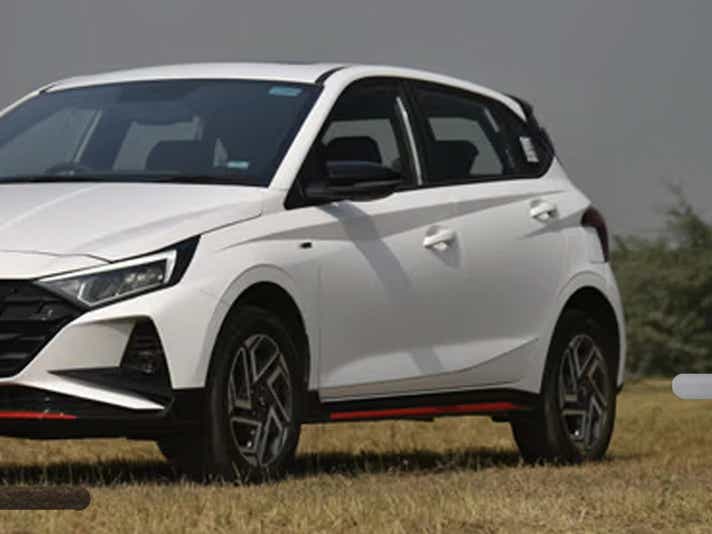
The Hyundai i20 is known for its feature-rich experience, and its tyre setup plays a huge role in its big car feel. Depending on whether you own the older Elite i20 or the new i20 N Line, your car could be running on anything from modest 14-inch steel wheels to sporty 16-inch alloys.
Most owners do not realise that the Hyundai i20 tyre size upgrade in higher variants (195/55 R16) is not just for looks; the wider 195mm patch significantly reduces braking distance compared to the narrower 185mm tyres on lower trims. However, this performance comes at a cost; the Hyundai i20 tyre price for these 16-inchers is nearly 40% higher than the 14-inch counterparts. Keeping them inflated to the correct Hyundai i20 tyre pressure of 33 PSI is the single best way to protect this investment and ensure your hatchback handles Indian potholes without sidewall damage.
Hyundai i20 Tyre Size by Variant & Generation
The tyre strategy for the i20 has remained fairly consistent, but wheel materials have changed. The top-end models now feature Diamond Cut alloys that are stunning but expensive to replace if damaged.
3rd Generation: All-New i20 (2020 – Present)
The latest generation has distinct sizes for the higher variants compared to the standard models.
| Variant | Tyre Size (Front/Rear) | Wheel Type |
| Magna | 185/65 R15 | Steel Wheels |
| Sportz | 195/55 R16 | Styled Steel Wheels (Looks like Alloy) |
| Asta / Asta (O) | 195/55 R16 | Diamond Cut Alloy Wheels |
| N Line (N6 / N8) | 195/55 R16 | Alloy Wheels with Red Callipers |
Uneven tyre wear often points to alignment neglect, and the latest generation’s stiffer suspension setup can especially amplify alignment issues, so be sure to inspect the treads for uneven wear before sealing the deal on a used Hyundai i20.
Tyre Size Comparison: Hyundai i20 vs Rivals
| Car Model | Tyre Size Range |
|---|---|
| Hyundai i20 | 185/65 R15 – 195/55 R16 |
| Maruti Dzire | 165/80 R14 – 185/65 R15 |
| Maruti Swift | 165/80 R14 – 185/65 R15 |
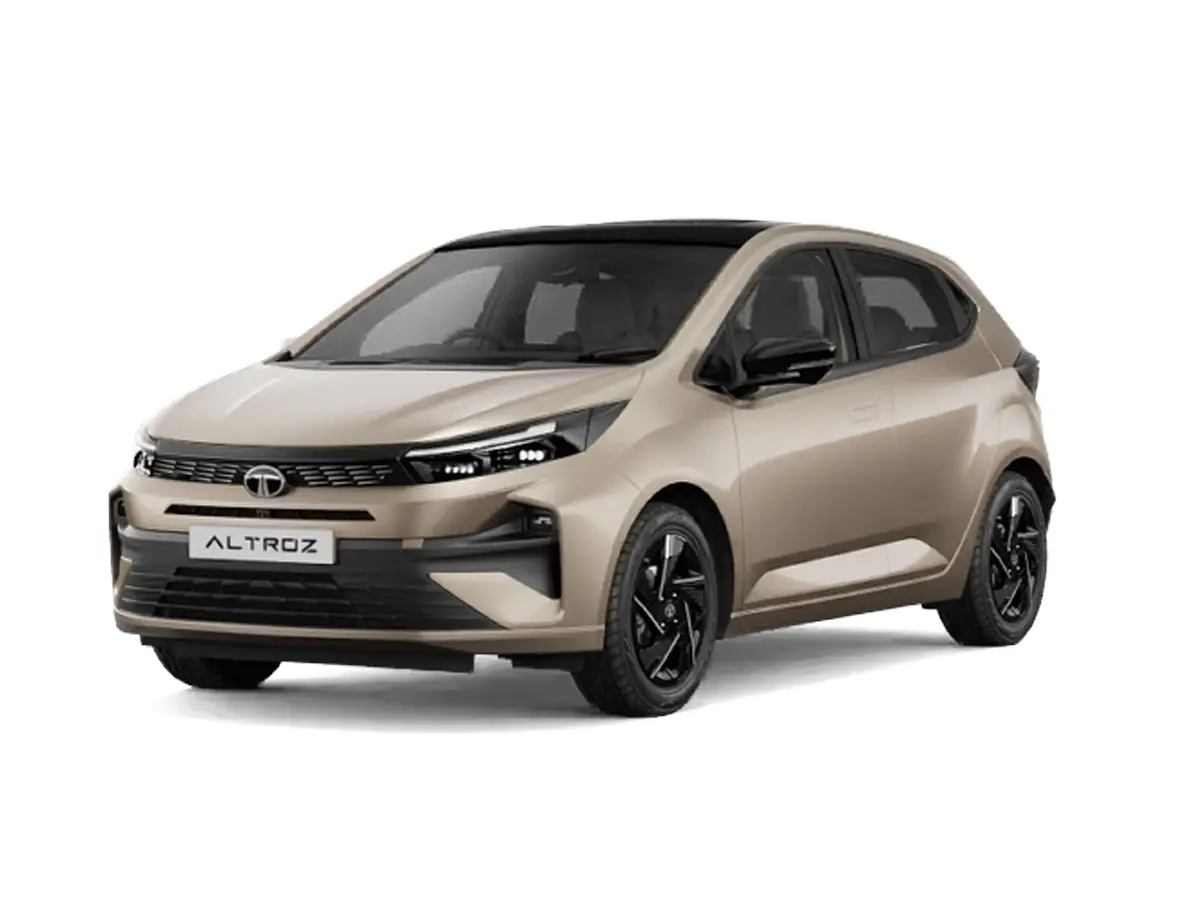
| Tata Altroz | 165/80 R14 – 195/55 R16 |
The i20 sits at the top of the hatchback food chain, but if you need a boot for family luggage, you might want to transition to a sedan like the Maruti Dzire tyre size. Alternatively, if you want to revisit the segment favorite that started this list, check out the Maruti Swift tyre size guide. As always, refer to our master guide on car tyre air pressure by tyre size for optimal safety.
2nd Generation: Elite i20 (2014 – 2020)
The Elite i20 was one of the first hatchbacks to normalise 16-inch wheels in this segment.
| Variant | Tyre Size (Front/Rear) | Wheel Type |
| Era / Magna | 185/70 R14 | Steel Wheels |
| Sportz / Sportz+ | 185/65 R15 | Steel / Alloy Wheels |
| Asta / Asta (O) | 195/55 R16 | Alloy Wheels |
Understanding Tyre Size Format
If your tyre sidewall says 195/55 R16, here is the breakdown:
- 195: The width of the tyre in mm. Wider tyres = better grip.
- 55: The aspect ratio. The sidewall height is 55% of the width (sporty and low profile).
- R16: Fits a 16-inch rim.
Hyundai i20 Recommended Tyre Pressure (PSI)
Unlike some cars that have different pressures for front and rear, the Hyundai i20 tyre pressure is refreshingly simple for most daily driving conditions.
| Driving Condition | Front Pressure | Rear Pressure | Insight |
| Normal Load (City) | 33 PSI | 31 PSI | Standard setting for comfort and mileage |
| Full Load (Highway) | 33 PSI | 33 PSI | Keeps stability high with 5 passengers |
Pro Tip: For the 16-inch low-profile tyres (Asta variants), strictly maintain 33 PSI. Lower pressure increases the risk of the alloy wheel bending if you hit a sharp pothole.
Hyundai i20 Tyre Price in India & Best Brands
The Hyundai i20 tyre price varies sharply based on rim size. A 14-inch tyre is budget-friendly, while the 16-inch one commands a premium.
| Category | Price Range (Per Tyre) | Brand Examples |
| Budget (14-inch) | ₹3,000 – ₹4,000 | MRF ZVTV, CEAT Milaze X3 |
| Mid-Range (15-inch) | ₹4,500 – ₹6,000 | Apollo Alnac 4G, Goodyear Assurance |
| Premium (16-inch) | ₹6,500 – ₹8,500+ | Michelin Primacy 4 ST, Bridgestone Sturdo |
Best Tyre Brands for Hyundai i20
Since the i20 is often driven by enthusiasts and families alike, here are the top picks for different needs:
| Driving Style | Recommended Brand | Key Benefit |
| City Commute | CEAT SecuraDrive | Excellent braking in city traffic and a durable life. |
| Silent Highway Ride | Michelin Primacy 4 ST | The gold standard for silence and plush ride quality. |
| Sporty Driving (N Line) | Yokohama Earth-1 | Unique tread pattern that grips corners aggressively. |
| Long Life | MRF ZLX / ZVTV | Hard compound that lasts for years, ideal for rough use. |
Ultimately, whether you prioritise grip, silence or durability, sticking to one of the best tyre brands in India ensures you are investing in proven safety standards and technology.
Upsizing Guide: Can You Upgrade i20 Tyres?
Owners of the lower variants (Era/Magna) often want to upgrade to the top-model look.
- Safe Upsize (for 14" users): Upgrade to 185/65 R15. You will need new 15-inch rims.
- Warning: Do not exceed 205mm width. It will rub against the wheel wells during U-turns and make the steering feel very heavy.
Hyundai i20 Spare Tyre Details
Hyundai's approach to spare tyres varies by trim, and it is important to know what you have before an emergency strikes.
- Magna/Sportz: Usually comes with a full-size spare that matches the other four steel wheels.
- Asta / Asta (O): This is the catch. While you ride on 16-inch alloys, the spare is often a 15-inch steel wheel (Space Saver).
- Restriction: If you are using the smaller spare on an Asta model, do not exceed 80 km/h. It provides different grip levels than your other three tyres, which can be dangerous at high speeds.
How to Know When to Replace Your Tyres?
- Coin Test: Insert a ₹10 coin into the tread. If the gold rim is fully visible, your tyres are bald.
- Road Noise: A humming sound that gets louder with speed often means the tyre rubber has hardened or worn unevenly.
- Steering Wobble: If the steering shakes at 80-100 km/h, check for tyre balance or bent rims immediately.
Conclusion
The Hyundai i20 performs best when you stick to the manufacturer's logic: 185/65 R15 for comfort and 195/55 R16 for style and grip. Do not ignore the Hyundai i20 tyre pressure, keeping it at 33 PSI is the easiest way to save money on fuel and avoid expensive suspension repairs.
Frequently Asked Questions
Expand all