
Inside CARS24’s AI Pricing System: How Fair Car Values Are Determined
- 1AI pricing uses 10 lakh real transactions to set fair market values
- 2Fixed, data-backed prices remove negotiation and human bias
- 3300-point inspections directly shape accurate, transparent pricing
In the traditional used car trade, pricing has always been a significant grey area. For the past many years, there was never a defined method to get to a used car’s actual price. Purchasing a used car in India was often considered an unwise move, one filled with faulty cars and malicious pricing practices. One would walk into a dealership or meet a stranger from a classified ad and prepare for a long, exhausting session of haggling. You wanted the lowest price, they wanted the highest, and most buyers left feeling they could have secured a better deal if they were simply better at arguing.
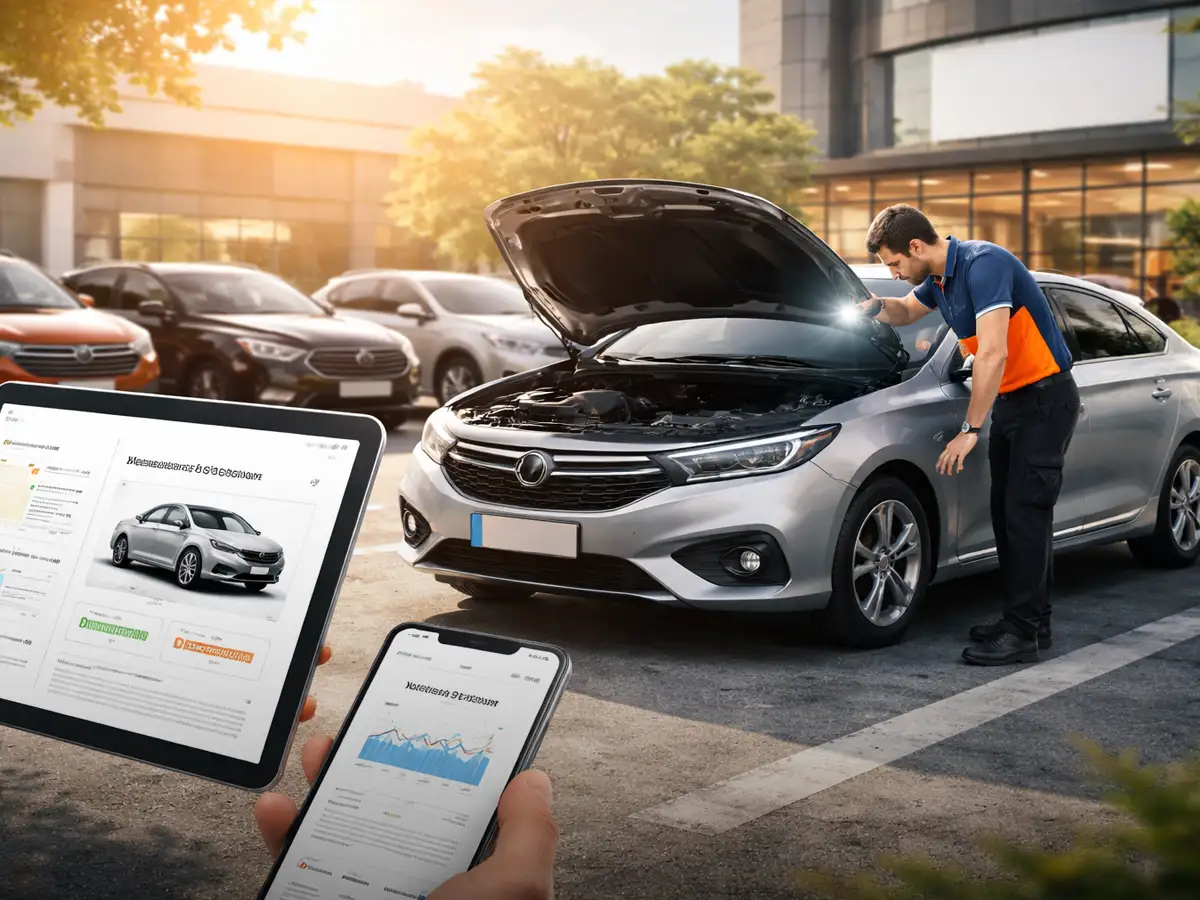
At CARS24, we have replaced this outdated friction with scientific precision. Our AI pricing system is designed to provide the most accurate market value for every vehicle. By leveraging the largest dataset in the country, we have eliminated the need for negotiation entirely.
The Foundation of 10 Lakh Real-World Transactions
The effectiveness of an Artificial Intelligence system depends entirely on the quality of the data it processes. While standard valuation tools often rely on basic depreciation charts or guesswork, the CARS24 pricing engine is built on a massive foundation of over 10 lakh (1 million) actual transactions recorded over the last decade.
This is the largest and most comprehensive dataset in the Indian used car market. Every transaction provides our system with critical insights into what buyers are actually willing to pay for specific models in specific conditions. Because we have tracked a million real-world sales, our AI does not need to estimate; it calculates values based on a decade of proven market behaviour.
How the AI Engine Calculates Fair Market Value
Our pricing system does not just look at the age of a car. It processes thousands of data points every second to arrive at a bottom-line price that is fair for the buyer. The engine focuses on four primary pillars to determine value:
- Real-Time Market Demand: The system keeps track of the vehicles that are in great demand nationwide right now. In the used automobile market, particularly within the same city, models or variations that are in high demand in a local geographical area usually fetch a higher price.
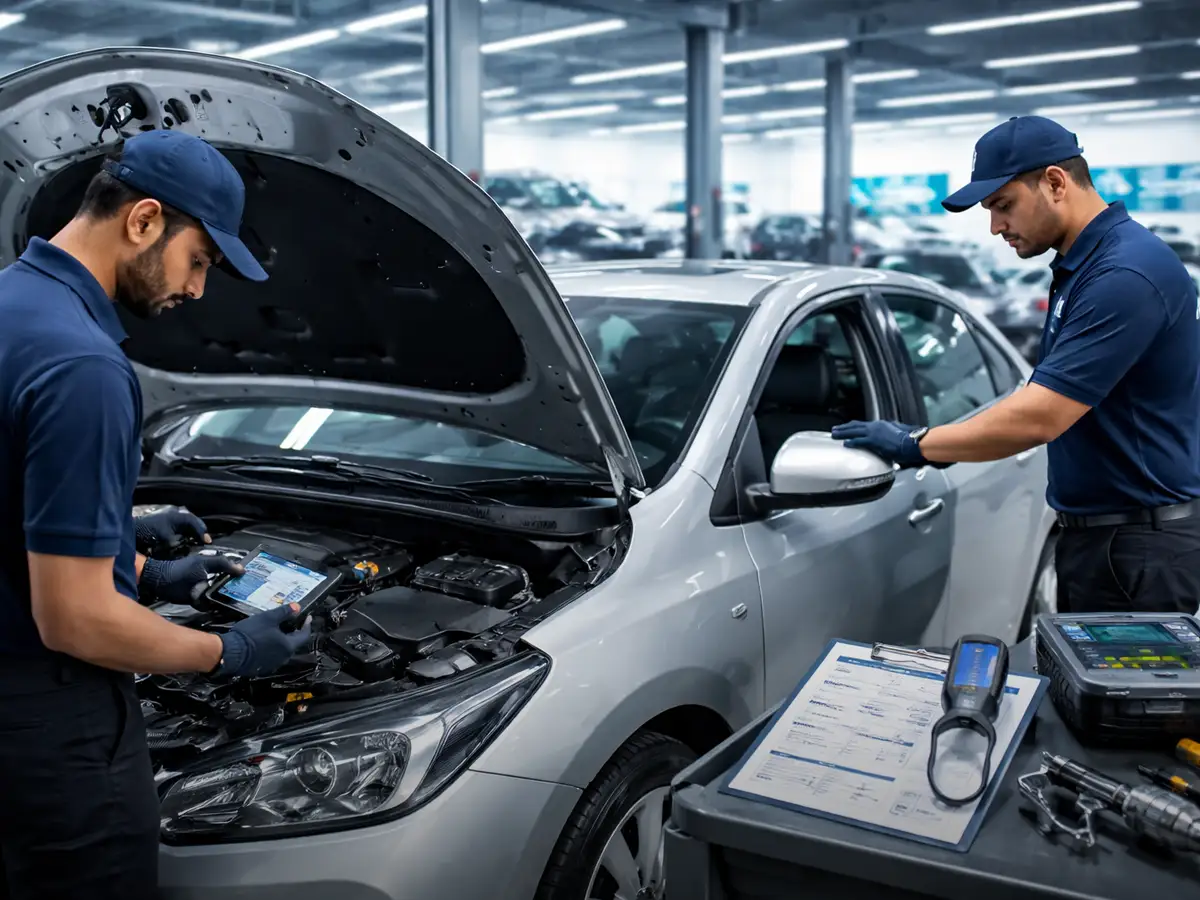
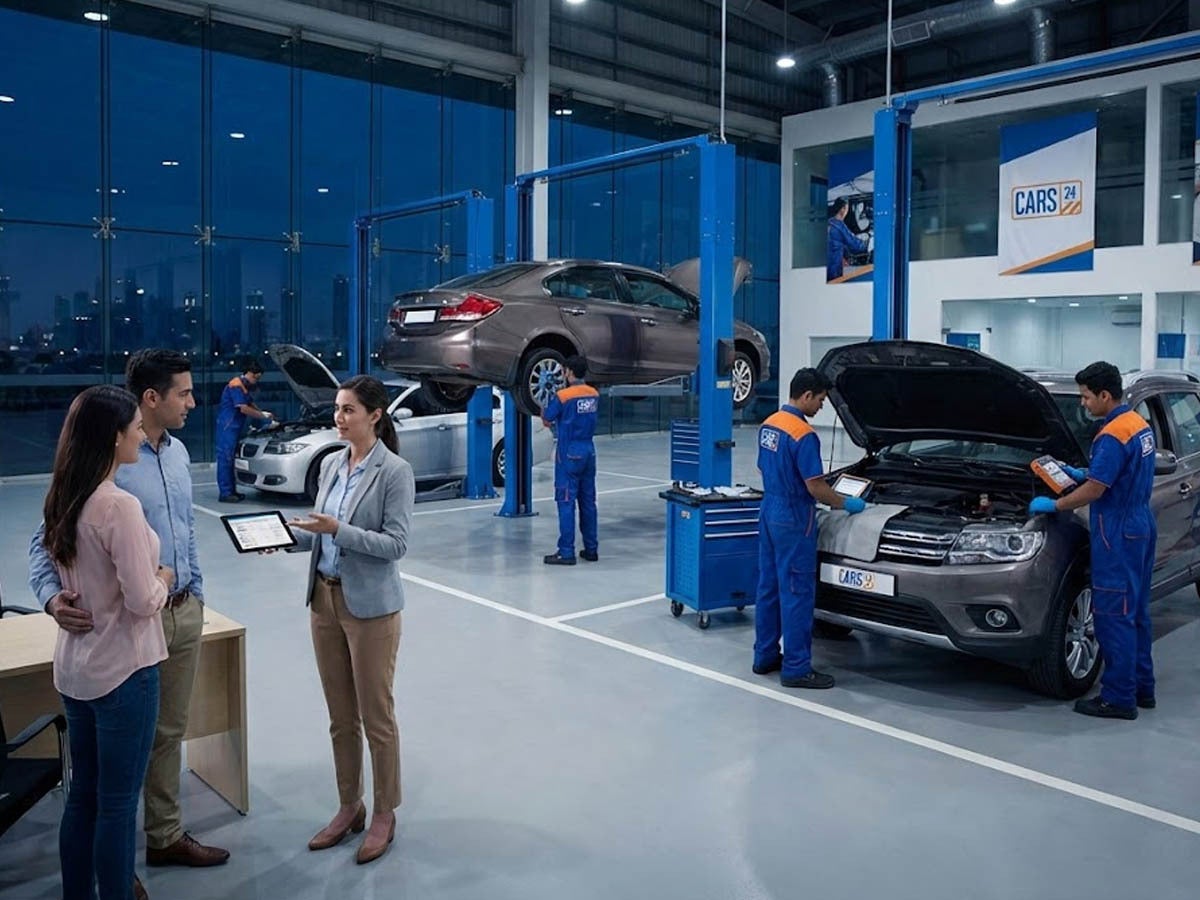
- The 300 Point check Data: A thorough 300 point check is performed on each vehicle at CARS24. The AI is immediately fed the results, which range from paint quality to engine health. This guarantees that the cost accurately represents the car's mechanical state.
- Regional Price Variance: The location of an automobile might affect its worth. In locations like Delhi, Bangalore, or Mumbai, our AI recognises local demand and regional factors, modifying the price to suit the local economy.
- Historical Trends: By analysing ten years of history, the system identifies how different brands and variants hold their value over time.
Because our AI has seen more car sales than any human could possibly process, it provides a price that is already optimised for the current market.
Shifting Focus from Price to Vehicle Quality
When the price is fixed and backed by data, the entire buying experience changes for the better. Eighty per cent of a buyer's effort in a traditional setup is devoted to trying to reduce the price. This results in buyers overlooking other crucial elements, such as assessing safety and checking the vehicle's mechanical components.
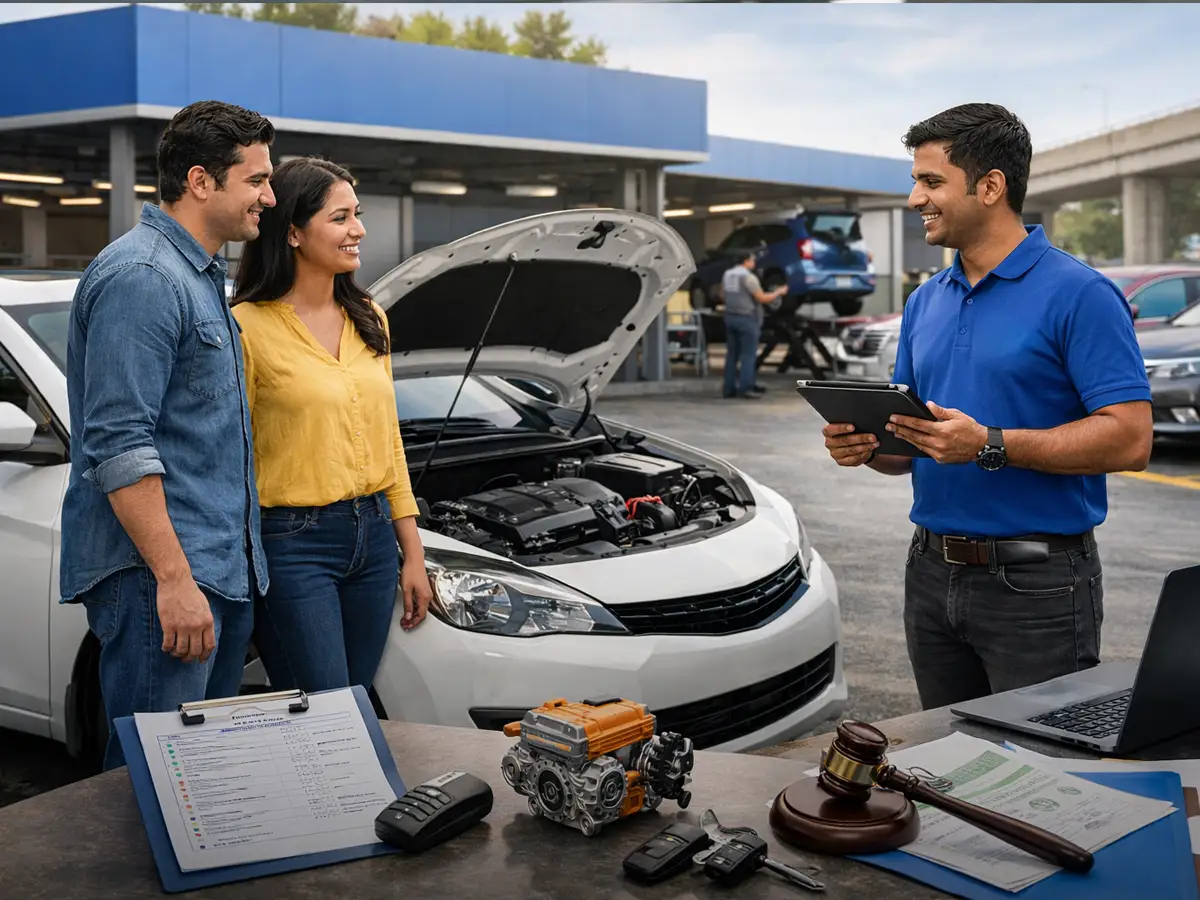
By using an AI-driven, non-negotiable pricing model, we shift the conversation from how cheap to how good. Since we cannot hide a car’s defects behind a negotiation discount, we are incentivised to invest heavily in the quality of the vehicle. You are not just paying for a car; you are paying for a vehicle that has been vetted by experts, refurbished to high standards, and priced with total transparency.
Removing Human Bias from the Equation
The traditional used car salesman model is often built on a lack of trust. Sellers might quote a high price just to see how much a buyer is willing to pay. This creates an environment where the price is determined by human bias and individual bargaining power rather than the actual worth of the asset.
CARS24 has removed this human bias. Our AI does not have emotions, and it does not try to maximise a margin based on a buyer's lack of knowledge. It uses science and millions of historical examples to set a price that is fair for everyone. This creates a foundation of trust where you know the price you see online is the result of rigorous data analysis.
The New Standard for Used Car Valuation
Purchasing a car should be a simple and transparent process. We have made car buying as straightforward as purchasing a smartphone or electronics online. By utilising a decade of transaction data, we have done the hard work of haggling with the market on your behalf.
The result is a streamlined experience where you find the car you need and pay a price that is scientifically verified. There is no need for back-and-forth negotiations because the AI has already ensured you are getting the best value for your investment from the very first click.
The Future of Transparent Car Buying is Here
At CARS24, we believe that the only way to guarantee fairness in the used car market is through data-driven pricing. To better serve you, our AI system is continuously learning, changing, and improving its computations. You are selecting a price supported by a million success stories when you select an automobile from our marketplace.
Frequently Asked Questions
Expand all