Maruti Suzuki Baleno vs Hyundai i20: Which Premium Hatchback Should You Buy in 2026?
- 1The Baleno delivers unbeatable fuel economy and low running costs for city use.
- 2Hyundai i20 shines with a premium cabin, a smooth CVT, and tech-loaded features.
- 3Compare the Baleno Zeta and i20 Sportz to find the ultimate value proposition.
The premium hatchback segment in India has evolved from being just an alternative to compact sedans into a definitive choice for buyers seeking style, comfort, and advanced technology without the footprint of an SUV. Currently, the market is dominated by a few key players that consistently push the boundaries of what a hatchback can offer. Among them, two names stand out as fierce rivals, constantly battling for the top spot in sales and customer preference.
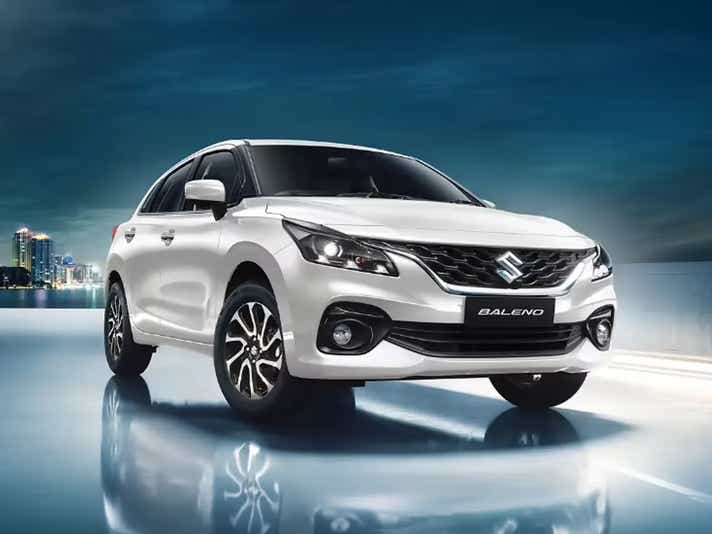
The Maruti Suzuki Baleno is known for its extensive list of practical features, unparalleled fuel economy, and peace of mind ownership. On the other side of the ring, the Hyundai i20 brings European flair, a tech-heavy cabin, and a highly refined driving experience. Choosing between these two is no easy task. This comprehensive Maruti Suzuki Baleno vs Hyundai i20 comparison aims to break down every aspect, from real-world performance to maintenance costs, ensuring you make the right choice for your garage. By comparing the Maruti Suzuki Baleno vs Hyundai i20 across multiple parameters, we set the right context to help you understand which hatchback truly deserves your hard-earned money.
Maruti Suzuki Baleno vs Hyundai i20: Overview
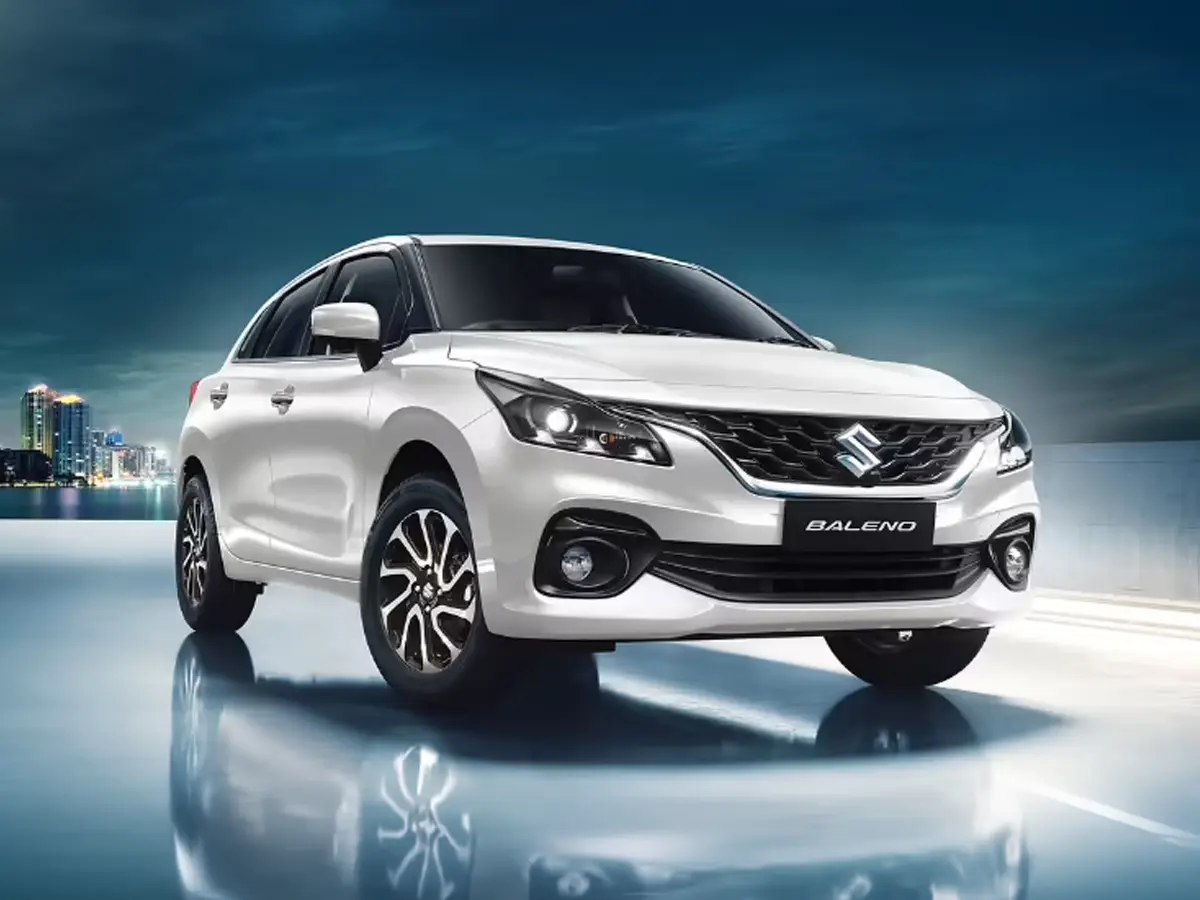
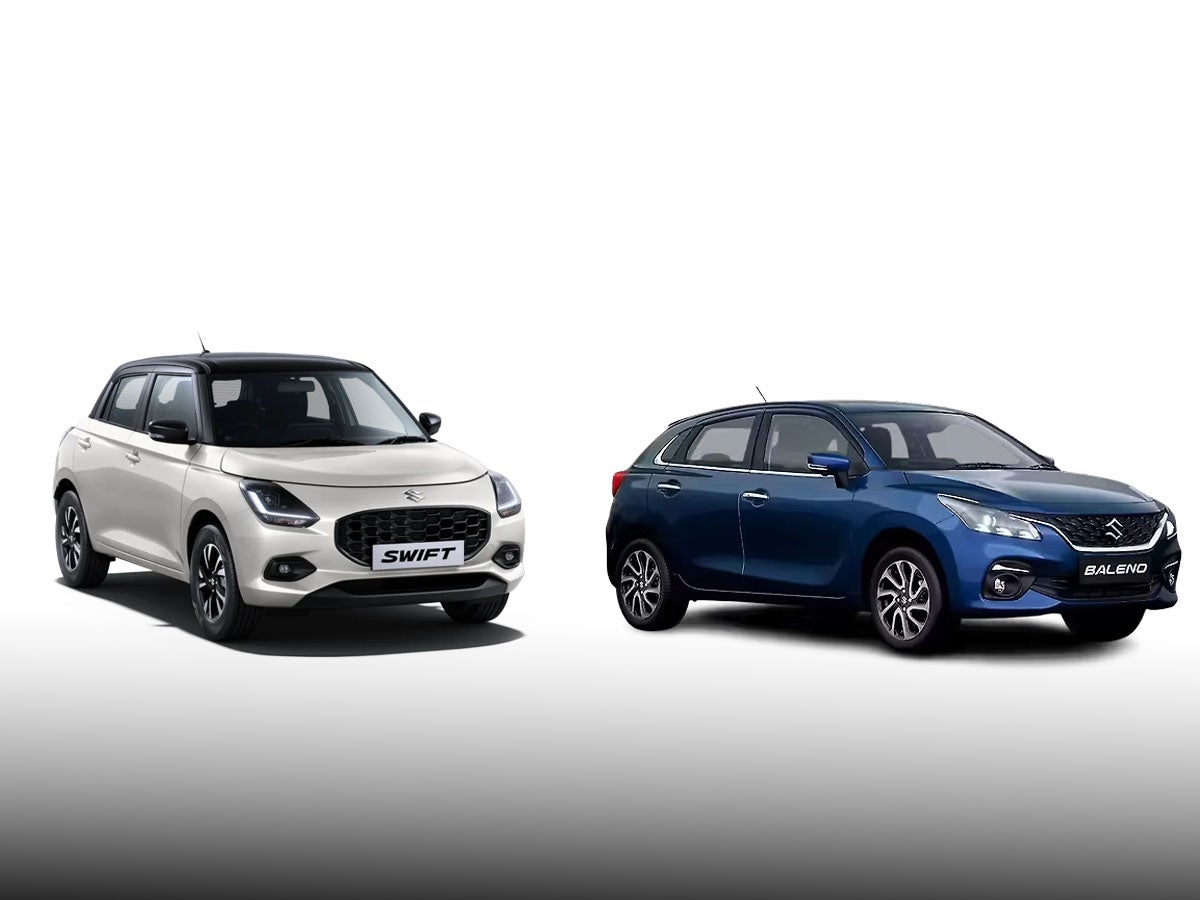
The Baleno was built to master the Indian urban landscape. It focuses on delivering maximum efficiency, a spacious interior, and low ownership costs. It does not scream for attention but rather relies on a sensible, well-rounded package that appeals to the pragmatic buyer.
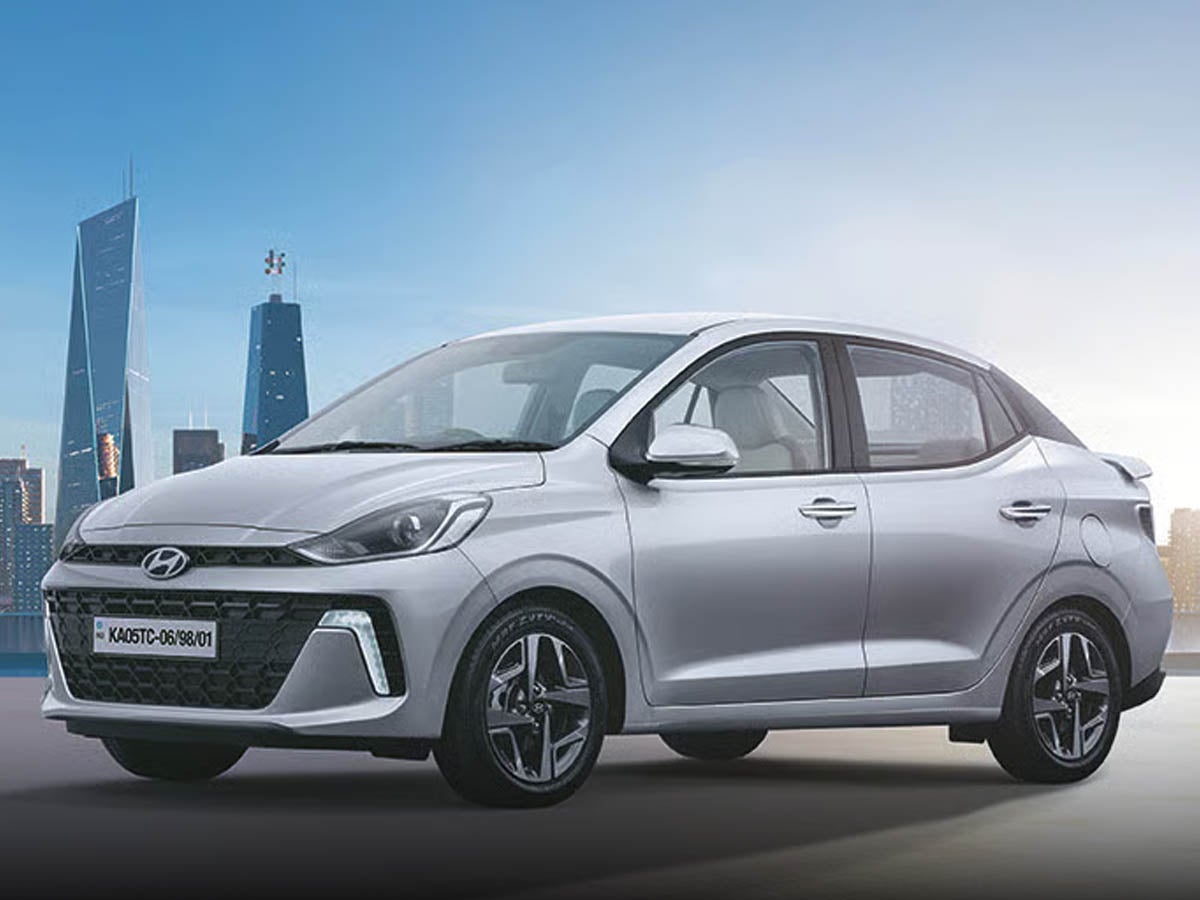
Conversely, the Hyundai i20 is designed to impress from the moment you step inside. It offers a low-slung, sporty stance paired with an interior that feels a segment above. The i20 is tailored for the buyer who prioritises cabin aesthetics, premium audio, and a smooth, relaxed drive over outright fuel frugality. Understanding the right buyer profile for the Maruti Suzuki Baleno vs Hyundai i20 is the first step in making an informed decision.
| Parameters | Maruti Suzuki Baleno | Hyundai i20 |
| Price (Ex-Showroom) | Rs 5.99 Lakh to Rs 9.10 Lakh | Rs 5.99 Lakh to Rs 10.57 Lakh |
| Engine Options | 1.2-litre Petrol, 1.2-litre CNG | 1.2-litre Petrol |
| Performance | 88.5 bhp and 113 Nm | 82 bhp (MT) / 87 bhp (CVT) and 114.7 Nm |
| Mileage (ARAI) | 22.35 kmpl (MT), 22.94 kmpl (AMT) | 20 kmpl (MT), 19.65 kmpl (CVT) |
| Boot Space | 318 Litres | 311 Litres |
| Standout Features | 360-degree camera, Head-Up Display | Electric sunroof, Bose sound system |
Pros and Cons of Both Cars
Maruti Suzuki Baleno
Pros:
- Exceptional fuel economy in both city and highway conditions.
- Spacious cabin with ample legroom for rear passengers.
Low maintenance costs and an expansive service network.
Cons:
- Build quality and cabin plastics feel lighter compared to rivals.
The AMT gearbox can feel jerky during spirited driving.
Hyundai i20
Pros:
- Upmarket cabin quality with top-tier fit and finish.
- Incredibly smooth CVT automatic transmission.
Feature-rich top variants with an excellent audio system.
Cons:
- Lacks low-end punch, making city overtakes require downshifts.
Significantly lower real-world fuel economy.
Maruti Suzuki Baleno vs Hyundai i20: Features Comparison
Summary: The Korean hatchback takes the lead with a more sophisticated cabin and exclusive features like a sunroof, while the Maruti focuses on practical tech. Winner: Hyundai i20.
When you pitch the Maruti Suzuki Baleno vs Hyundai i20 in terms of features, both cars pull out all the stops to impress the modern buyer.
| Features | Maruti Suzuki Baleno | Hyundai i20 |
| Electric sunroof | No | Yes (Asta variant onwards) |
| Infotainment system | 9-inch SmartPlay Pro+ | 10.25-inch HD display |
| Premium Audio | No (Arkamys tuning) | Yes (Bose 7-speaker system) |
| 360-degree camera | Yes (Alpha variant) | No (Rear camera only) |
| Head-Up Display | Yes (Alpha variant) | No |
| 6 Airbags (Standard) | Yes | Yes |
Both hatchbacks offer standard safety features like six airbags, electronic stability control, and ABS with EBD. However, their tech approaches differ entirely. This Maruti Suzuki Baleno vs Hyundai i20 features comparison highlights how distinct their target audiences are.
Where Maruti Suzuki Baleno edges out:
The Baleno shines with segment-first practical technology. The 360-degree camera makes parking in tight city spots a breeze, and the Head-Up Display allows the driver to keep their eyes on the road.
Where Hyundai i20 edges out:
The i20 focuses on the wow factor. The larger 10.25-inch touchscreen is crisper, and the Bose sound system delivers unmatched audio quality in this segment. The addition of a single-pane sunroof gives it an undeniable premium edge.
Takeaway: If you love a premium ambience and sunroofs, the i20 is the clear choice. If you prefer practical urban aids like a 360-camera, the Baleno makes more sense.
Space and Practicality Comparison
Summary: Maruti's offering provides superior boot space and a wider cabin, making it much better suited for accommodating three adults at the back. Winner: Maruti Suzuki Baleno.
Stepping inside, the space comparison between the two reveals practical differences. While both cars have grown in dimensions over the years, their interior packaging dictates their everyday usability.
| Parameters | Maruti Suzuki Baleno | Hyundai i20 |
| Wheelbase | 2520 mm | 2580 mm |
| Boot Space | 318 Litres | 311 Litres |
| Rear Seat Comfort | Excellent width, good legroom | Excellent legroom, slightly narrow |
| Ground Clearance | 170 mm | 170 mm |
The i20 theoretically has a longer wheelbase, which translates to fantastic knee room for rear passengers. However, the Maruti Suzuki Baleno utilises its width much better. The rear bench on the Baleno is flatter and wider, making it far more comfortable for a middle passenger on longer journeys.
In terms of cargo, the Baleno offers a slightly larger boot at 318 litres, and the loading lip is manageable. The i20 is certainly comfortable for four adults, but the dark interior theme can make it feel slightly less airy than it actually is.
If your family requires the practicality of a dedicated boot without stepping up to a massive vehicle, bridging into the compact sedan segment via our Dzire vs Aura comparison proves to be the perfect next step
Maruti Suzuki Baleno vs Hyundai i20: Engine & Performance
Summary: Suzuki's peppy K-Series engine feels far more responsive and eager in city traffic compared to the sluggish low-end delivery of the Kappa motor. Winner: Maruti Suzuki Baleno.
Under the bonnet, the Maruti Suzuki Baleno vs Hyundai i20 battle is fought between two very refined 1.2-litre, four-cylinder naturally aspirated petrol engines.
City driving:
The Baleno's 1.2-litre DualJet engine is a masterpiece of urban tuning. It produces 88.5 bhp, but more importantly, it delivers its power effortlessly at lower RPMs. You rarely need to work the gearbox hard to keep up with traffic. In contrast, the 1.2-litre Kappa engine in the i20 feels noticeably lethargic off the line. There is a distinct lack of low-end torque, meaning you will often find yourself downshifting to second or first gear just to clear a speed breaker smoothly.
Highway driving:
Out on the open road, the Baleno remains sprightly, though cabin noise becomes apparent at triple-digit speeds. The i20, while incredibly refined and silent at cruising speeds, struggles during quick overtakes. The flat powerband means you have to plan your highway manoeuvres carefully. However, if you opt for the automatic variants, the CVT in the Hyundai i20 is vastly superior, smoother, and more sophisticated than the somewhat jerky AMT found in the Baleno.
Maruti Suzuki Baleno vs Hyundai i20: Mileage in Real World
Summary: If fuel economy is your primary concern, the Suzuki badge consistently delivers significantly higher real-world figures without requiring careful driving. Winner: Maruti Suzuki Baleno.
| Environment | Maruti Suzuki Baleno | Hyundai i20 |
| City Mileage | 13 to 15 kmpl | 10 to 12 kmpl |
| Highway Mileage | 19 to 22 kmpl | 15 to 17 kmpl |
Drawing upon ownership data and insights from various reputable automotive forums, the difference in fuel consumption is a major talking point. Owners frequently praise the Baleno for effortlessly returning upwards of 14 kmpl in dense, stop-and-go traffic. On highway runs, the Baleno easily crosses the 20 kmpl mark if driven sedately.
Conversely, i20 owners often report single-digit or low double-digit figures in heavy city traffic. The engine's lack of low-end grunt forces drivers to press the accelerator harder, which negatively impacts fuel economy. While highway cruising improves the i20's figures to a respectable 16 kmpl, it simply cannot match the frugal nature of its rival.
Maintenance and Resale Value Comparison
Summary: Backed by a massive service network, the Suzuki enjoys lower routine upkeep costs and exceptional resale value in the used car market. Winner: Maruti Suzuki Baleno.
The premium hatchback segment is incredibly competitive, and whether you opt for a new Hyundai i20 or a reliable older used Maruti Suzuki Baleno, understanding their respective maintenance networks helps you plan your long-term ownership accurately.
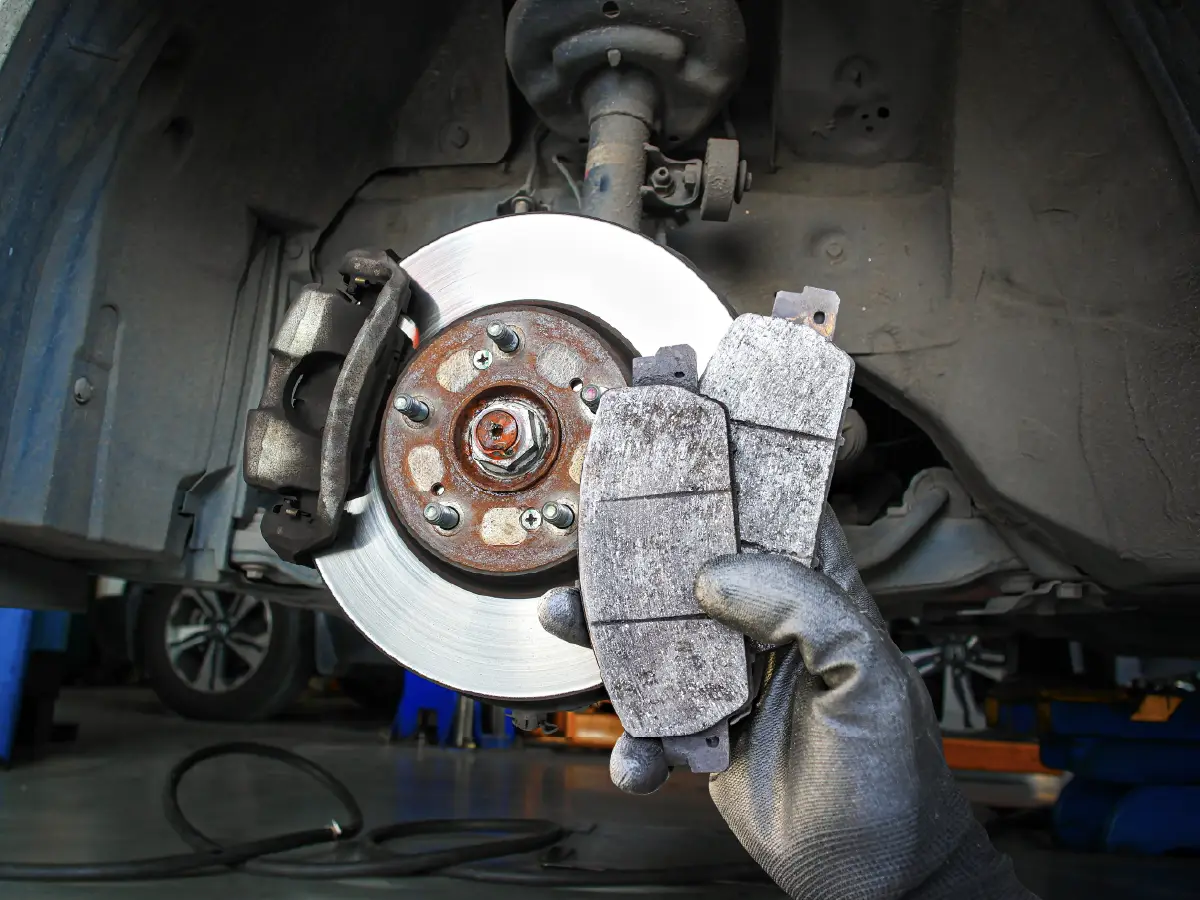
According to long-term ownership anecdotes, the Maruti Suzuki Baleno remains incredibly light on the pocket. Routine servicing is affordable, and spare parts are readily available and aggressively priced. The sheer density of Maruti service centres across India means you are never too far from help. Hyundai's service network is also vast and highly premium, but the routine maintenance costs for the i20 tend to be slightly higher over a five-year period.
When it comes to resale value, both cars perform admirably. However, the Baleno holds its value slightly better. The brand's reputation for reliability and the car's inherent fuel efficiency make it a highly sought-after model in the second-hand market, ensuring minimal depreciation for the first owner.
To ensure you know exactly what to inspect in case you opt for a second-hand model, reading about the common issues with Maruti Suzuki Baleno will help you make a highly informed buying decision.
Frequently Asked Questions
Expand all