What Are Panel Gaps, and How PDI Helps to Detect Them Before You Make a Purchase
- 1Panel gaps show body alignment and accident history
- 2Uneven gaps may indicate past repairs or frame damage
- 3PDI detects panel gap issues before you pay for the car
When buying a used car, many buyers focus on the engine, mileage, and price. However, panel gaps are a key factor that can reveal the real condition of a vehicle. Panel gaps are the spaces between the body panels of a car, such as the doors, bonnet, boot, and fenders. Uneven or incorrect panel gaps can indicate that the car has been repaired after an accident or that it has structural issues.
A used car inspection is the best way to detect panel gap problems before you make a purchase. This article explains what panel gaps are, why they matter, and how PDI helps you identify them.
What Are Panel Gaps and Why Do They Matter?
What is a Panel Gap?
Panel gaps are the spaces between two adjoining body panels of a car. Common panel gaps include:
- Door to body gap
- Bonnet to fender gap
- Boot lid to rear panel gap
- Front bumper to fender gap
These gaps should be even and consistent on both sides of the car. Manufacturers design these gaps with specific measurements to ensure proper fit, safety, and aerodynamics.
Why Panel Gaps Matter in Used Cars
Panel gaps matter because they can reveal:
- Past accidents or repairs
- Poor bodywork or paint jobs
- Misalignment of panels
- Structural damage or frame issues
Even if a car looks clean and shiny, uneven panel gaps can show that it has been repaired or modified. This is a key reason why pre-delivery inspection of used car is essential.
How PDI Helps Detect Panel Gaps Before Purchase
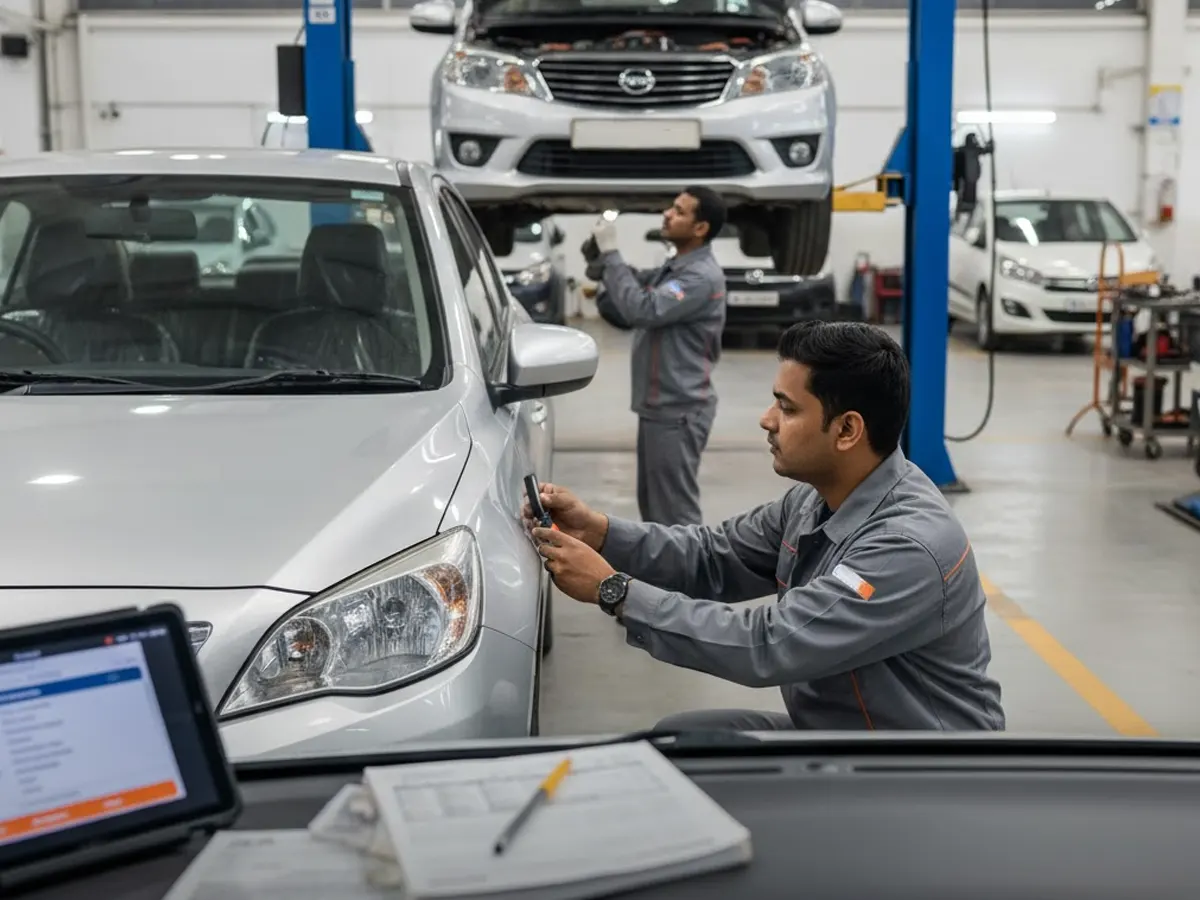
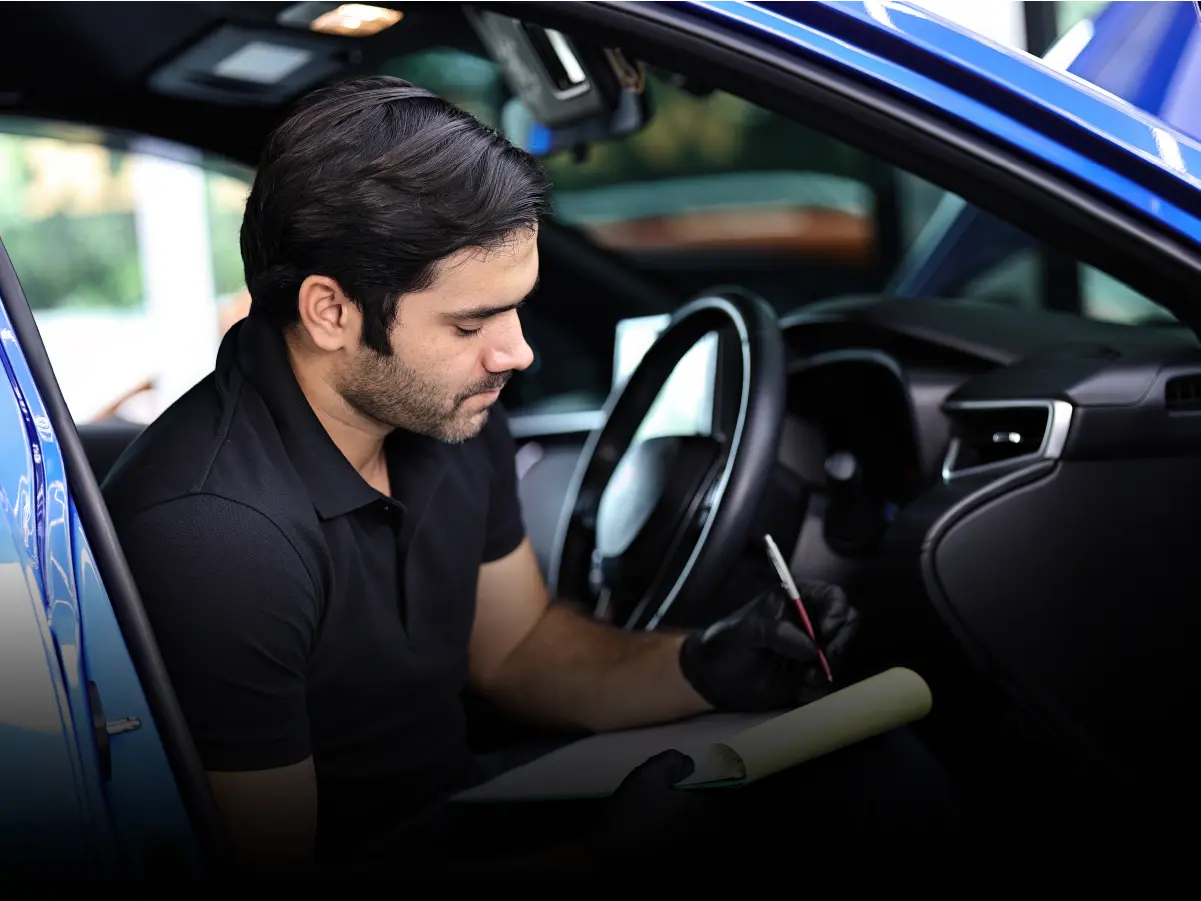
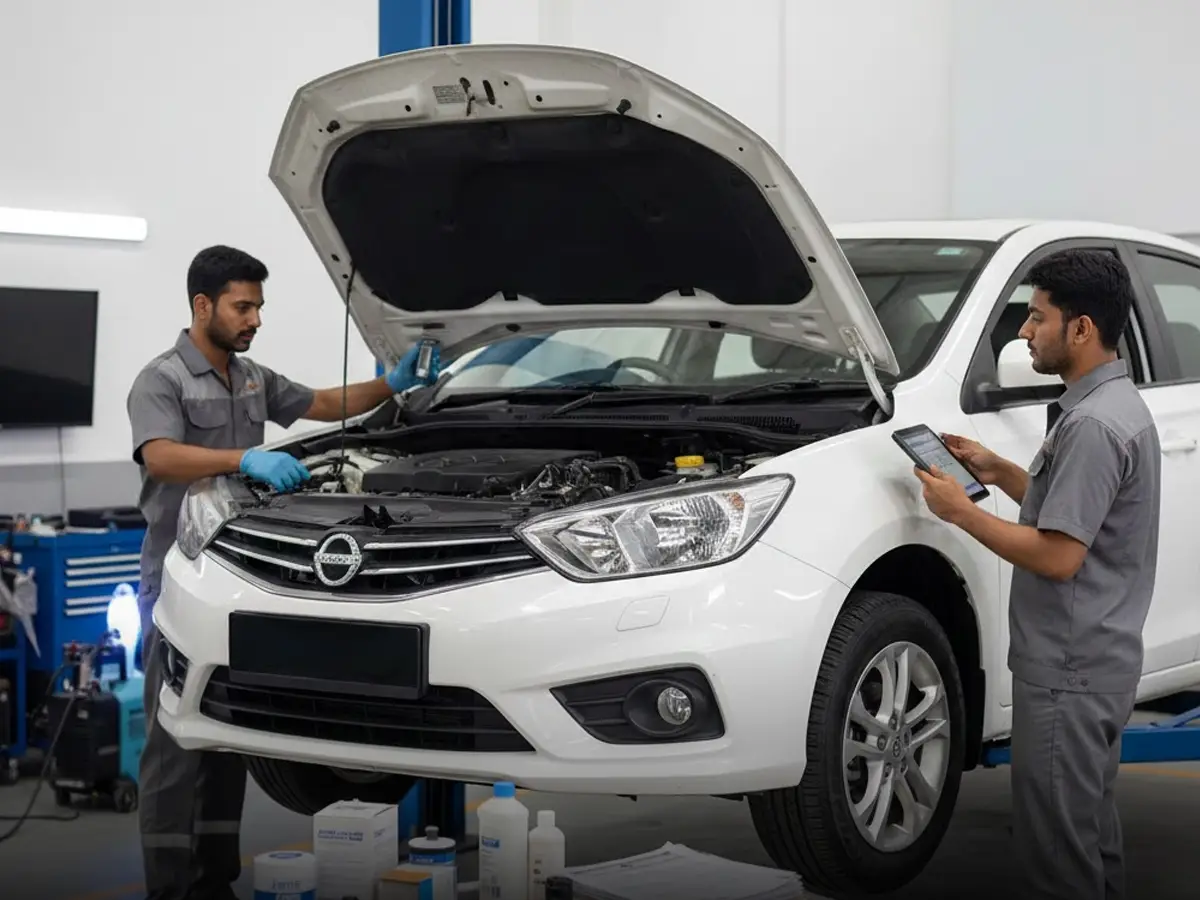
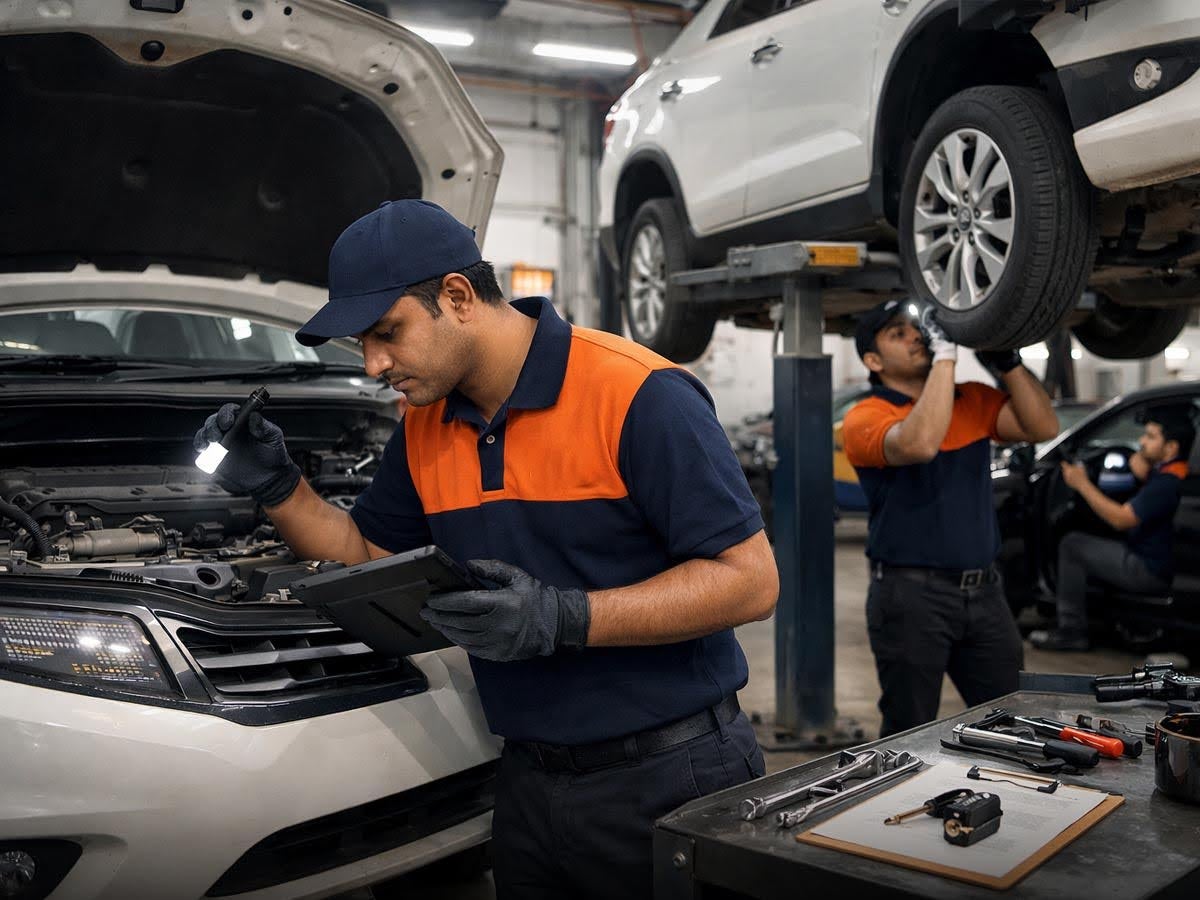
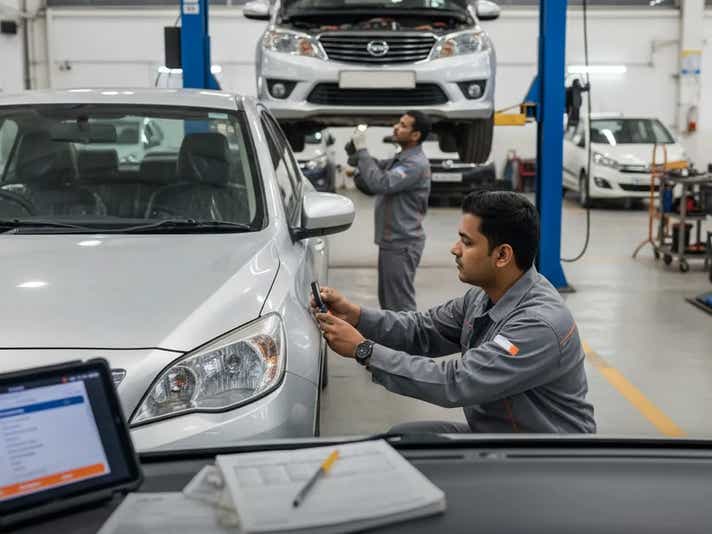
A pre-delivery inspection of used car includes a detailed visual check of panel gaps. Professional inspectors use trained eyes and measuring tools to identify issues that are not visible to an average buyer.
How Panel Gaps are Checked in PDI
During PDI, the inspector checks:
- Gap size and uniformity across all panels
- Symmetry on left and right sides
- Door alignment and closing feel
- Bonnet and boot closing pattern
- Paint and surface finish near panel edges
Tools Used for Panel Gap Inspection
Some tools used during PDI include:
- Panel gap gauge
- Straight edge ruler
- Flashlight for shadow checking
- Paint thickness gauge
These tools help detect small differences that may indicate hidden repairs.
Signs of Poor Panel Gaps in Used Cars
Uneven Gaps Between Doors and Body
If the gap between the door and the body is wider on one side, it may indicate:
- Door replacement
- Frame misalignment
- Poor repair after accident
Misaligned Bonnet or Boot
A bonnet or boot that sits unevenly or has difficulty closing properly can show:
- Damaged hinges
- Warped frame
- Previous impact
Different Panel Heights
If one side of the car sits higher than the other or the panels do not line up, it can indicate:
- Suspension issues
- Frame damage
- Incorrect panel replacement
Paint Differences Around Gaps
Uneven paint near panel edges is a sign of repaint or body repair. This often happens after an accident.
Why Panel Gaps are Important for Safety and Resale Value
Panel gaps are not only about looks. They also affect:
- Car safety in case of another accident
- Water leakage and wind noise
- Aerodynamics and fuel efficiency
- Resale value and trustworthiness
Cars with poor panel alignment may have hidden structural damage, which can be dangerous in a major accident.
Quick Panel Gap Check Table
| Area | What to Check | What It May Indicate |
| Doors | Gap size and symmetry | Accident or door replacement |
| Bonnet | Even closure and height | Frame damage or hinge issue |
| Boot | Alignment and closing feel | Rear impact or repair |
| Bumpers | Gap uniformity | Poor bodywork or panel replacement |
Importance of pre-delivery inspection for Panel Gaps
The importance of pre-delivery inspection becomes clear when you consider how difficult it is for a normal buyer to identify panel gap issues. Many sellers may hide these problems by polishing the car or using temporary fixes.
A professional PDI helps detect:
- Hidden accident history
- Structural issues
- Poor body repairs
- Incorrect panel replacements
This protects you from buying a car with hidden problems and avoids future expenses.
Final Thoughts
Panel gaps are a key indicator of a car’s true condition. Uneven gaps can reveal past accidents, poor repairs, or frame damage. A pre-delivery inspection of used car helps you detect these issues before you make a purchase. Understanding the importance of pre-delivery inspection can save you money, time, and risk.
Frequently Asked Questions
Expand all