Selling a Car Online vs Offline: Where the Real Risks Are for Sellers
- 1Ownership transfer delay creates legal risk for sellers
- 2Local dealers offer ease, but limited liability protection
- 3Online platforms reduce risk with legal safeguards
Selling a used car, something which was filled with hassles and uncertainty in the past, has become easier than ever today. With a plethora of options to choose from, such as local dealers, specialised user car platforms, or online classifieds, finding a buyer for your used car has become far simpler. While each method offers its own set of advantages, such as faster transactions, best price, etc, a critical point of consideration still remains, i.e. which is the safest way to sell your car.
Why Safety Matters When Selling a Used Car
Handing over the keys to the new owner and receiving payment for the vehicle are a sigh of relief, but unfortunately, it is not the end of the transaction. A plethora of documents are involved with the sale, documents that are essential in transferring the ownership of the vehicle legally, such as Form 29, Form 30, identity proofs of the buyer, etc. While these documents provide a layer of security in case of a delayed transfer, or in cases when the buyer decides not to transfer the ownership at all, they are not a robust enough solution to protect the seller.
In case the vehicle is involved with mild infractions, such as challans or traffic fines, or major ones, such as an accident or involvement in illegal activities, the registered owner is still held accountable legally or financially. The interim period between the sale and the transfer of ownership is a security vulnerability window for the seller. Let’s explore how online vs offline sales methods handle seller safety, and which is the best way forward for car sellers in India.
Selling to Local Dealers: How Safe is The Seller Truly?
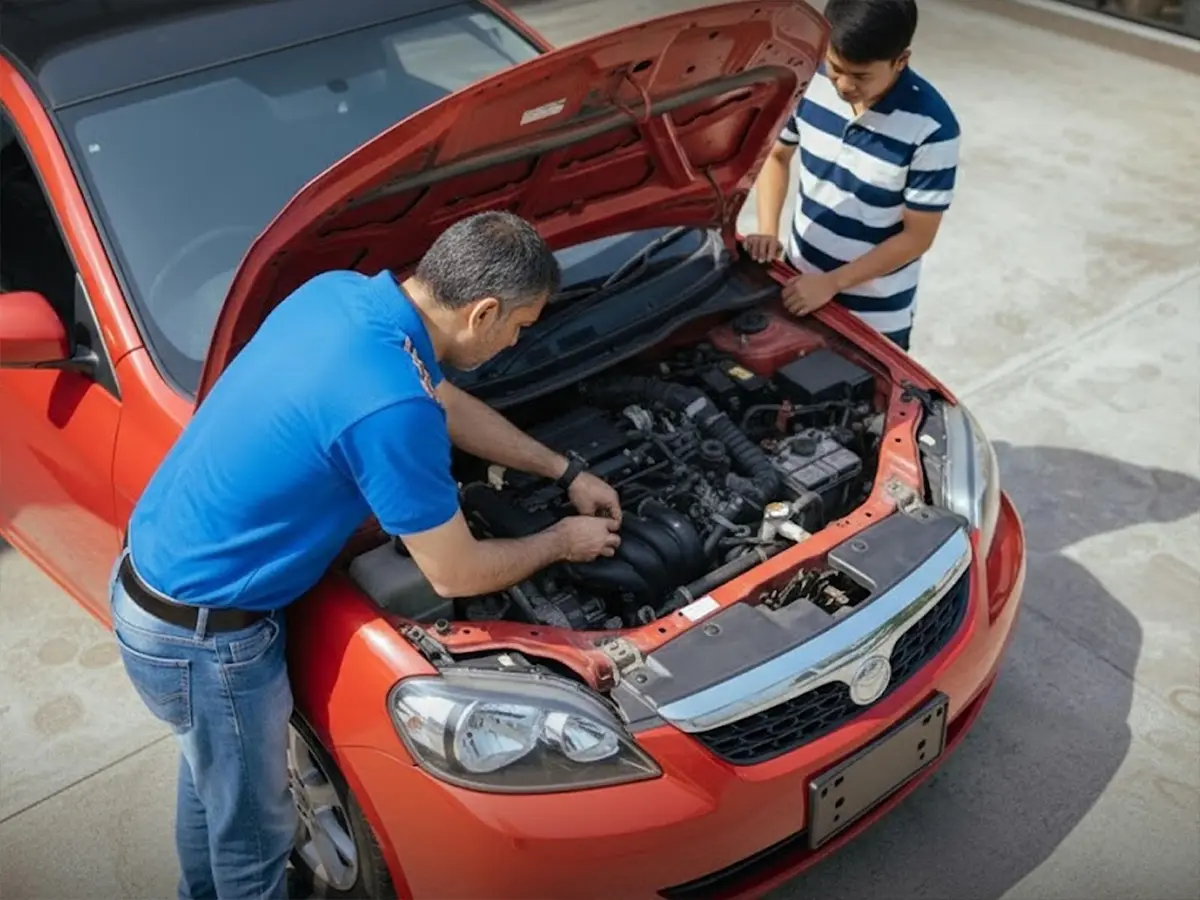
The process of selling a used car to a local dealership is simple. The dealers will either procure the car from you for a negotiated price on the spot or, in some cases, the dealer will ask you to leave your car with them to showcase to prospective buyers. In case the dealer opts to buy the vehicle from you on the spot, you will have to sign all sale-related documents, procure the funds, and part with the vehicle. However, until the dealer is able to find a seller for your car, it may lie in the lot, or go through multiple test drives with prospective buyers. In either case, the transfer of ownership will only occur once the dealer is able to sell the vehicle. For the entirety of this process, you (the seller) are still the legal owner of the vehicle and are accountable for any infractions.
In rare cases, where the buyer decides to do away with the transfer of ownership for any reason, it becomes a huge liability, since your vehicle is still being operated in your name legally. On the other hand, leaving your vehicle with the dealer also has similar downsides, but again, if the buyer decides to delay or not go forward with the transfer of ownership at all, any trouble lands at your doorstep. In either case, there isn’t much you can do except for contacting the dealer, and since they are not really liable, assistance may or may not be provided. As mentioned earlier, the sale documents do act as a layer of protection, but proving that the vehicle is not in your possession is a hassle, and may cause discomfort in lieu of police negotiations, or a court summons for serious cases.
Selling to Online Platforms: Security and Professional Accountability
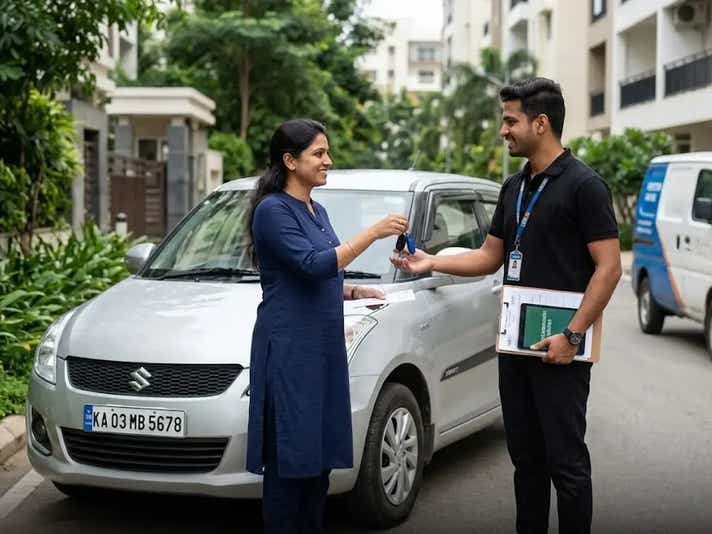
In contrast to the informal and often opaque world of local dealers, selling your car to a specialised online platform introduces a layer of corporate accountability that significantly mitigates seller risk. These platforms are built on standardised processes where every step, from the initial inspection to the final RC transfer, is digitally tracked and legally documented.
When you sell to a reputable platform, the security vulnerability window mentioned earlier is effectively closed. These companies don’t just act as middlemen; they take professional responsibility for the vehicle the moment it is picked up. They employ dedicated legal and documentation teams whose sole job is to ensure that Form 29, Form 30, and other transfer documents are processed through the RTO (Regional Transport Office) correctly and efficiently.
A Safety Shield for Used Car Sellers: Cars24 and Seller Kavach
While the digital process itself is a massive upgrade in safety, platforms like Cars24 have gone a step further to provide a bulletproof guarantee. Recognising that the period between the sale of the car and the actual reflection of the new owner’s name in RTO records is the most high-risk time for a seller, Car24’s Seller Kavach acts as a comprehensive shield. Here is how it protects you:
Legal & Financial Indemnity: From the moment your car is picked up, the platform provides you with an indemnity bond. This legally shifts the liability for any future mishaps, be it an accident or a traffic violation, away from you and onto the platform.
Protection Against Misuse: If the vehicle is involved in any illegal activity or minor infractions like speeding while it is in the platform’s possession or with a new prospective buyer, Seller Kavach ensures that the original seller is not held accountable.
Traffic Challan Coverage: One of the most common headaches for sellers is receiving e-challans months after the sale. With this protection, any fines generated after the handover are managed and cleared by the platform, keeping your record clean.
End-to-End Tracking: You aren't left wondering if the buyer has initiated the transfer. You receive real-time updates until the RC is successfully transferred, providing total peace of mind.
Conclusion: Choosing Peace of Mind Over Uncertainty
The used car market in India has evolved. While the local dealer around the corner might offer the familiarity of a face-to-face deal, they rarely offer the legal safety net required in today’s complex regulatory environment.
By choosing an online platform that prioritises seller protection through initiatives like Seller Kavach, you ensure that the sale of your car is a clean break. You get the best price, a fast transaction, and most importantly, the assurance that once those keys are handed over, your liabilities are gone for good.
Frequently Asked Questions
Expand all