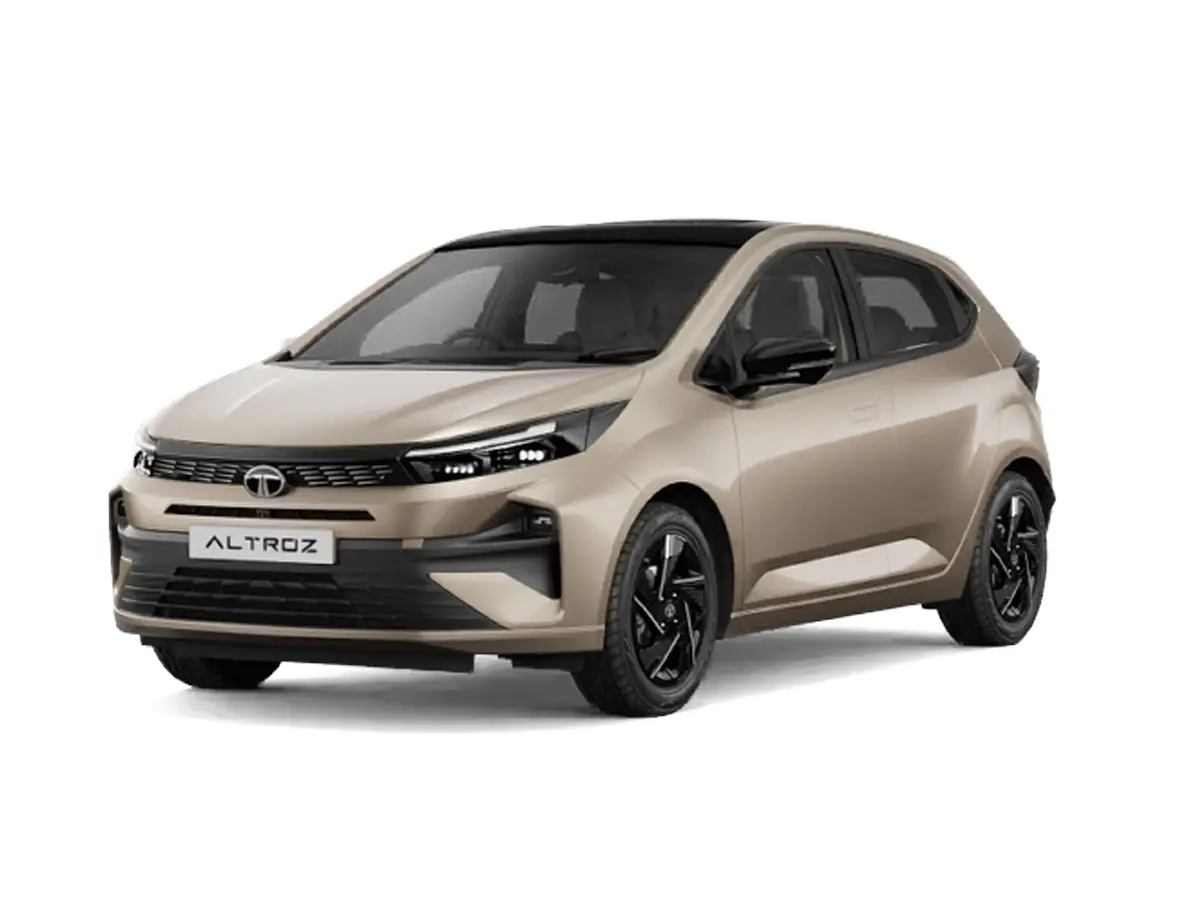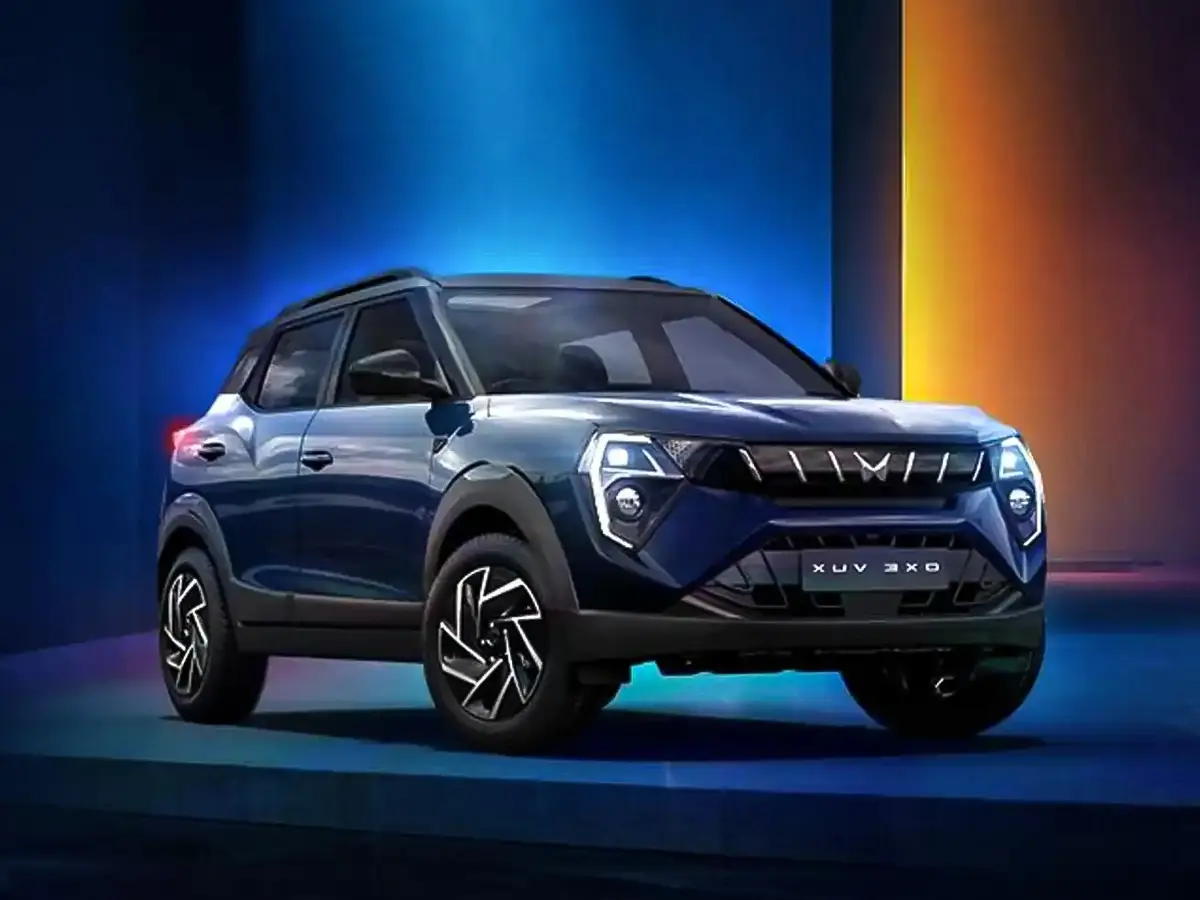
Tata Punch vs Hyundai Exter: Which Micro SUV Should You Buy in 2026
- 1The Tata Punch boasts a five-star safety rating and a rugged, commanding stance.
- 2Hyundai Exter offers a refined four-cylinder engine and a tech-loaded interior.
- 3Compare the Exter SX and Punch Accomplished to find your perfect city companion.
- Tata Punch vs Hyundai Exter: Overview
- Tata Punch vs Hyundai Exter: Features Comparison
- Space and Practicality Comparison
- Tata Punch vs Hyundai Exter: Engine & Performance
- Tata Punch vs Hyundai Exter: Mileage in Real World
- Maintenance and Resale Value Comparison
- Tata Punch vs Hyundai Exter: Price & Value for Money
- Final Verdict: Who Should Buy What
The micro SUV segment has completely transformed the Indian automotive landscape over the last few years. Buyers are no longer satisfied with conventional hatchbacks; they want the commanding driving position, high ground clearance, and rugged appeal of a larger vehicle, all neatly packaged into a footprint that is easy to park in crowded cities. The Tata Punch essentially pioneered and popularised this space, breaking sales records and creating a massive cult following with its tough build and baby Harrier aesthetics. However, the market rarely lets a monopoly thrive for long. Hyundai entered the fray with a highly calculated and feature-dense challenger, aiming directly at the reigning champion.
These two vehicles are currently the most popular choices for first-time buyers and small families alike, competing fiercely for driveway space across the country. The Tata Punch is renowned for its undeniable road presence, robust suspension setup, and class-leading safety credentials. In stark contrast, the Hyundai Exter attempts to win buyers over with its uniquely quirky styling, a highly refined engine, and an equipment list that rivals cars sitting a segment above. Setting the right context requires looking beyond the brochure. This detailed Tata Punch vs Hyundai Exter comparison will dissect every crucial parameter, helping you navigate through the marketing jargon to discover which micro SUV is truly worth your investment.
Tata Punch vs Hyundai Exter: Overview
The Tata Punch is built on the versatile ALFA architecture, which it shares with the Altroz. It does not look like a cross-hatch; it genuinely looks like a shrunken SUV. The upright pillars, flared wheel arches, and heavy plastic cladding give it a rugged appeal that Indian buyers absolutely adore. It feels solid, sits tall, and gives the driver a commanding view of the road ahead.
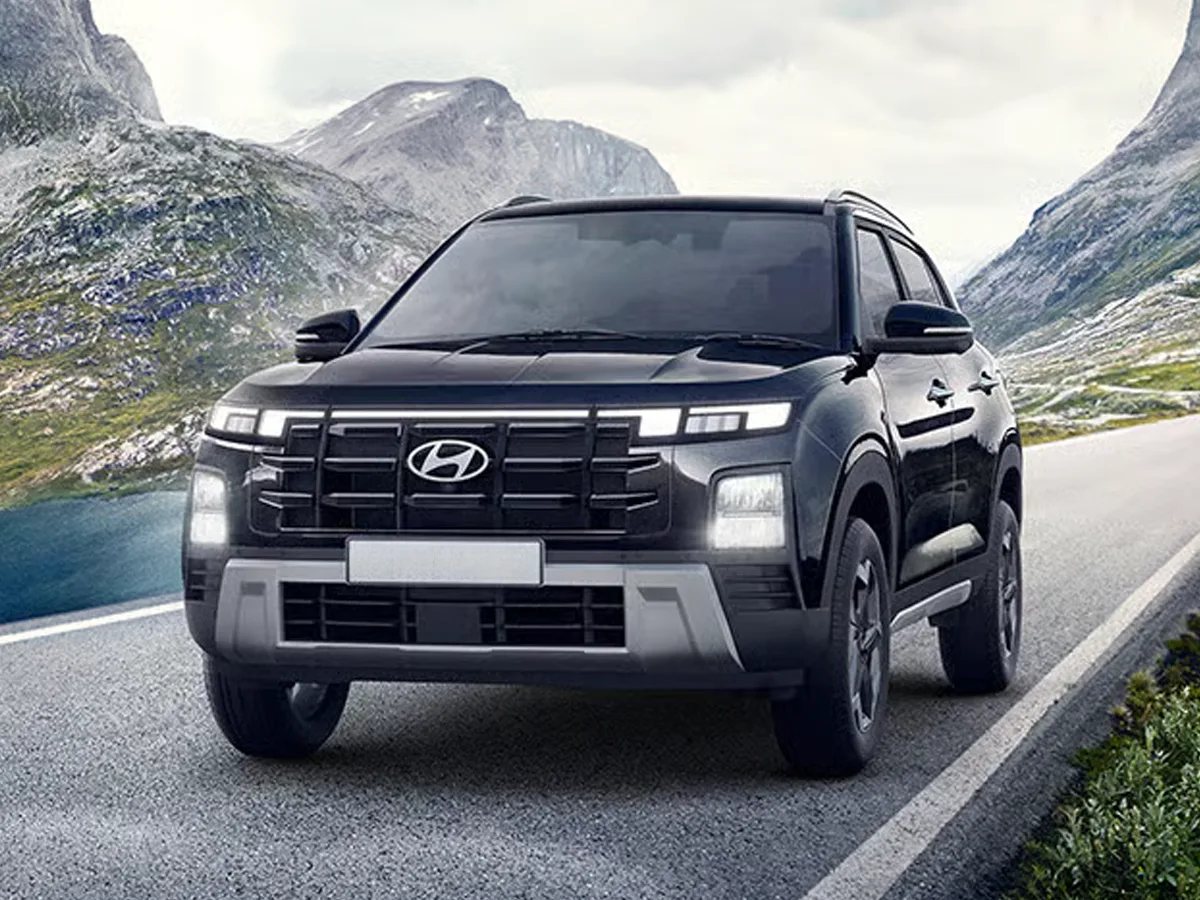
The Hyundai Exter, on the other hand, shares its underpinnings with the Grand i10 Nios. It embraces a more polarising, boxy, and futuristic design language with its H-shaped LED daytime running lights and upright glasshouse. The Exter focuses heavily on urban sophistication rather than outright ruggedness. It is designed for the buyer who wants a quiet cabin, effortless controls, and a smooth daily commute rather than off-road posturing.
| Parameters | Tata Punch | Hyundai Exter |
| Price (Ex-Showroom) | Rs 6.13 Lakh to Rs 10.20 Lakh | Rs 6.13 Lakh to Rs 10.28 Lakh |
| Engine Options | 1.2-litre Petrol, 1.2-litre CNG | 1.2-litre Petrol, 1.2-litre CNG |
| Performance | 86.6 bhp and 115 Nm | 81.8 bhp and 113.8 Nm |
| Mileage (ARAI) | 20.09 kmpl (MT) | 19.4 kmpl (MT) |
| Boot Space | 366 Litres | 391 Litres |
| Standout Features | 90-degree opening doors, 5-star safety | Dual dashcam, 6 standard airbags |
Pros and Cons of Both Cars
Tata Punch
Pros:
- Exceptional five-star Global NCAP safety rating ensures peace of mind.
- Superb ride quality that absorbs broken patches and potholes effortlessly.
- Wide cabin with doors that open up to 90 degrees for incredibly easy ingress.
Cons:
- The three-cylinder engine lacks refinement and feels noisy at high revs.
- The AMT gearbox is slow to respond and exhibits a noticeable head-nod effect.
Hyundai Exter
Pros:
- The four-cylinder engine is buttery smooth and virtually silent at idle.
- Best-in-class interior fit and finish with highly intuitive cabin ergonomics.
- Unmatched feature list including standard safety tech across all variants.
Cons:
- The exterior styling is polarising and may not appeal to everyone.
- The suspension is tuned slightly soft, leading to body roll around corners.
Tata Punch vs Hyundai Exter: Features Comparison
Summary: The Korean contender dominates this section by offering premium technology like a dashcam and standard safety equipment, while the Indian rival relies on basic functional tech. Winner: Hyundai Exter.
| Features | Tata Punch | Hyundai Exter |
| Electric sunroof | Yes (Accomplished Dazzle onwards) | Yes (SX variant onwards) |
| Dashcam with dual cameras | No | Yes (SX Opt Connect onwards) |
| Digital instrument cluster | No (Semi-digital) | Yes (Fully digital) |
| 6 Airbags (Standard) | No (Dual airbags standard) | Yes |
| Automatic Climate Control | Yes | Yes |
Both vehicles offer touchscreen infotainment systems with Apple CarPlay and Android Auto, but the user experience differs. This Tata Punch vs Hyundai Exter features showdown highlights the shifting expectations of modern buyers.
Where Tata Punch edges out:
The Tata Punch keeps things functional. It features auto headlamps, rain-sensing wipers, and a brilliant Harman sound system that genuinely outperforms the audio setup found in the Hyundai. The cooled glovebox and puddle lamps are thoughtful additions that add to everyday practicality.
Where Hyundai Exter edges out:
Hyundai has thrown the kitchen sink at the Exter. The inclusion of six airbags as standard across the entire range is a massive selling point. Furthermore, features like a factory-fitted dual-camera dashcam, a fully digital instrument cluster, and wireless phone charging make the cabin feel a generation ahead in terms of technology.
Takeaway: If you want a cabin that feels loaded with the latest gadgets and prioritises standard safety equipment, the Exter is the runaway winner.
Space and Practicality Comparison
Summary: Hyundai offers a larger boot and excellent headroom, but Tata provides a wider rear seat and a more commanding, SUV-like seating position. Winner: Tata Punch.
| Parameters | Tata Punch | Hyundai Exter |
| Wheelbase | 2445 mm | 2450 mm |
| Boot Space | 366 Litres | 391 Litres |
| Rear Seat Comfort | Excellent width, flat floor | Excellent headroom, slight hump |
| Ground Clearance | 187 mm | 185 mm |
The Hyundai Exter technically offers a larger boot on paper at 391 litres compared to the 366 litres of the Punch. The Exter also features a slightly longer wheelbase, which translates to ample headroom thanks to its boxy design.
However, the Tata Punch takes the lead when it comes to actual passenger comfort. The cabin of the Punch is noticeably wider, making it much easier to squeeze three average-sized adults into the rear bench. The flat floor in the rear of the Tata also helps the middle passenger immensely. Furthermore, the 90-degree opening doors on the Punch are a godsend for elderly family members getting in and out of the vehicle.
Tata Punch vs Hyundai Exter: Engine & Performance
Summary: Hyundai delivers a highly refined four-cylinder experience with a brilliantly calibrated automated manual transmission, completely outshining the raspy three-cylinder unit from Tata. Winner: Hyundai Exter.
The heart of the matter in the Tata Punch vs Hyundai Exter battle lies under the bonnet. Both utilise 1.2-litre naturally aspirated petrol engines, but the driving experiences are worlds apart.
City driving:
The Hyundai Exter uses a 1.2-litre, four-cylinder Kappa engine. It is incredibly refined, silent at idle, and offers an extremely linear power delivery. Navigating through dense traffic is a breeze, especially because the clutch is light and the gear shifts are slick. If you opt for the automatic, Hyundai's AMT (Smart Auto) uses electric actuators, making it arguably the smoothest AMT in the segment. The Tata Punch uses a 1.2-litre, three-cylinder Revotron engine. It feels punchy at lower speeds, but it is audibly clattery and sends vibrations into the cabin. The AMT in the Punch is notoriously jerky, making stop-and-go city traffic a slightly frustrating affair compared to the seamless Exter.
Highway driving:
Out on the highway, neither of these micro SUVs are track monster. The Tata Punch feels incredibly stable and planted at triple-digit speeds, inspiring confidence thanks to its stiff chassis and well-tuned suspension. However, overtaking requires careful planning as the engine runs out of breath quickly. The Hyundai Exter gathers speed smoothly but feels nervous during sudden lane changes due to its softer suspension setup and higher centre of gravity.
Tata Punch vs Hyundai Exter: Mileage in Real World
Summary: Both cars offer remarkably similar fuel economy figures, but the Tata slightly edges ahead in dense traffic conditions owing to its aggressive low-end tuning. Winner: Tata Punch.
Spec sheets often claim numbers around the 20 kmpl mark, but evaluating the Tata Punch vs Hyundai Exter mileage in the real world reveals a more grounded reality.
| Environment | Tata Punch | Hyundai Exter |
| City Mileage | 12 to 14 kmpl | 11 to 13 kmpl |
| Highway Mileage | 16 to 18 kmpl | 16 to 18 kmpl |
Based on extensive ownership data and anecdotes shared on reputable automotive forums, both these vehicles are sensitive to driving styles. The Tata Punch, despite its heavier build, often returns slightly better figures in bumper-to-bumper traffic. Owners frequently note that the strong low-end torque allows them to trundle along in second gear without needing to press the accelerator hard. The Hyundai Exter requires a bit more revving to get going, which slightly dents its urban fuel economy. On open highways, both vehicles deliver nearly identical figures, hovering around the 17 kmpl mark when driven sedately at 80 to 90 kmph.
Maintenance and Resale Value Comparison
Summary: Tata enjoys robust resale value owing to its massive market popularity, but Hyundai provides a significantly more premium and consistent service centre experience. Winner: Tie.
Leveraging insights from various owner forums, the narrative around maintenance is quite distinct. Hyundai is widely praised for its hassle-free service experience. Owners report transparent billing, courteous staff, and very few recurring mechanical gremlins with the proven Kappa engine. The routine maintenance costs remain highly predictable over a five-year horizon. Tata's service network has grown tremendously, but forum anecdotes suggest that the service quality can be a bit of a lottery depending on the dealership. However, spare parts for the Punch are very affordable.
Regarding resale value, the Tata Punch is an absolute star. Its massive demand in the new car market translates to excellent value retention in the used car market. The Exter is relatively newer, but given the Hyundai badge, it is expected to hold its value exceptionally well, making this category a dead heat.
Tata Punch vs Hyundai Exter: Price & Value for Money
Summary: The Exter packs in more standard safety and convenience features across its lineup, making its mid-spec trims an incredible bargain. Winner: Hyundai Exter.
Best variants:
Hyundai Exter SX offers the best value, bringing in a sunroof, automatic climate control, alloy wheels, and a touchscreen without breaking the bank.
Tata Punch Accomplished provides the best balance of features, offering the brilliant Harman audio system, push-button start, and cruise control.
When you compare the Hyundai Exter SX vs Tata Punch Accomplished, the Hyundai pulls ahead purely based on the inclusion of six standard airbags and a significantly smoother engine for a very similar asking price. The Tata Punch makes you pay a premium for the top-end variants just to access certain lifestyle features, whereas Hyundai has democratised features like the digital cluster across the lower variants as well.
Final Verdict: Who Should Buy What
Whether you are adding a new Hyundai Exter to your garage or picking up a used Tata Punch, the actual value you extract depends upon your usage parameters. Here's the final report card on both the cars, to help you decide:
| Parameters | Which Model Triumphs | Slight Reasoning | Best for.. |
| Engine Refinement | Hyundai Exter | The 4-cylinder Kappa engine is virtually silent | Daily city commuters |
| Ride and Handling | Tata Punch | Superior suspension tackles bad roads with ease | Rough terrain usage |
| Automatic Experience | Hyundai Exter | The electric-actuated AMT is incredibly smooth | Chauffeur-driven or relaxed drivers |
| Cabin Space | Tata Punch | Wider rear bench and flat floorboard | Small families |
Buy the Tata Punch if you:
- Prioritise safety and want a proven five-star Global NCAP-rated car.
- Have to tackle broken roads and need a robust, tough suspension.
- Want a vehicle that looks and feels like a proper, wide SUV.
Best for semi-urban and rural buyers: Tata Punch.
Buy the Hyundai Exter if you:
- Want a silent, refined engine and an effortless city driving experience.
- Prefer a tech-loaded cabin with features like a dashcam and digital dials.
- Value standard safety features like six airbags across all variants.
- Best for young urban professionals: Hyundai Exter.
If you decide that a traditional hatchback shape is more to your liking, our detailed Maruti Baleno vs Maruti Swift comparison will help you navigate the two best-selling cars in the country.
Frequently Asked Questions
Expand all