What Happens to Your Licence and Vehicle Papers When a Traffic Challan Goes Unpaid for Too Long?
- 1Unpaid challans can suspend driving license under Indian Motor Vehicles Act
- 2Vehicle registration certificate may be invalidated or de-registered without payment
- 3Heavy penalties, interest charges accumulate over time, increasing financial burden
When you drive on Indian roads, you agree to follow traffic regulations set by the Ministry of Road Transport and Highways. A traffic challan is a formal notice issued for violating these rules. Most drivers pay these fines promptly, but what happens when they ignore them? The consequences extend far beyond a simple fine.
The Legal Framework
Under the Motor Vehicles Act, 1988, traffic challans are categorised into different offence types. Minor offences carry lower fines, while serious violations like rash or negligent driving attract substantial penalties. However, the real trouble begins when a driver ignores multiple challans or refuses to pay them altogether. The law provides traffic police with specific enforcement powers in such cases.
Impact on Your Driving Licence
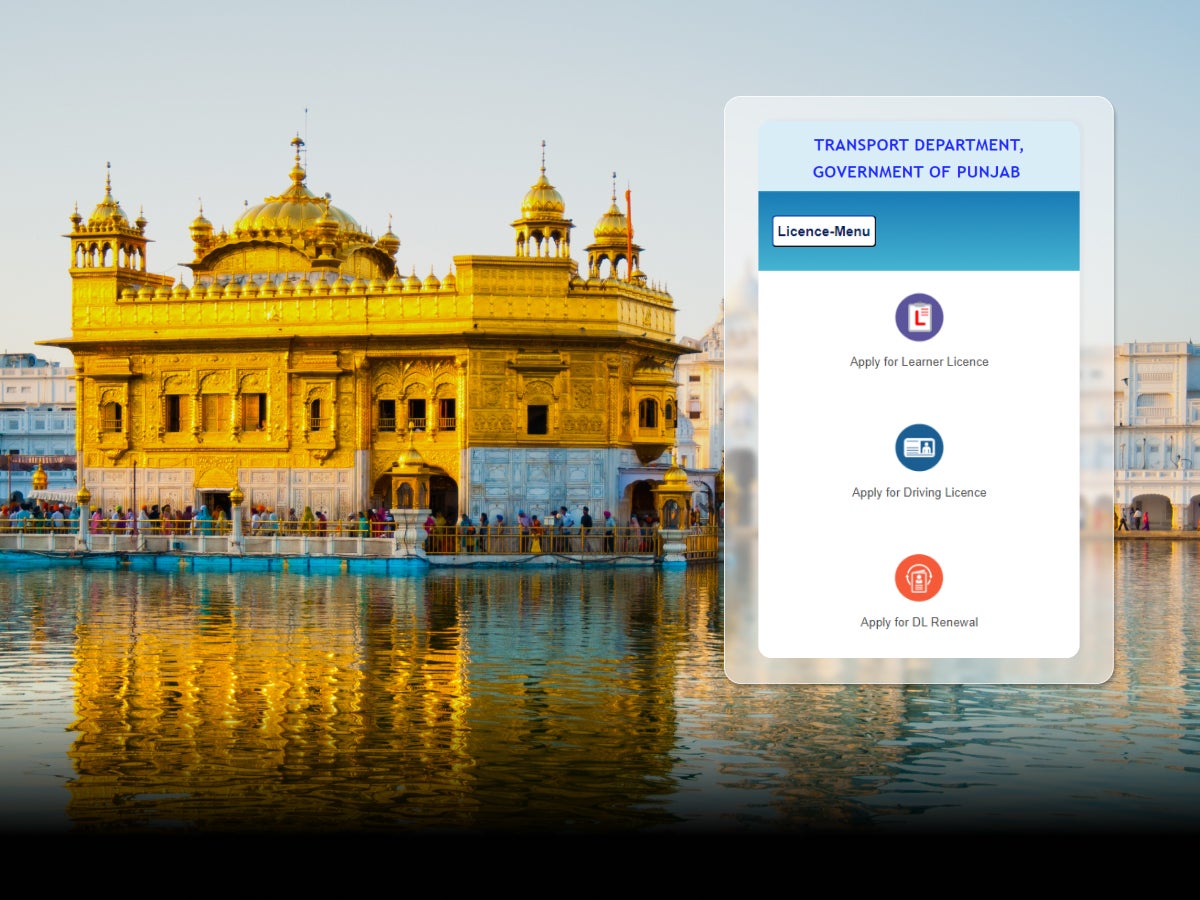
One of the most serious consequences of unpaid challans is suspension or cancellation of your driving licence. According to Section 206 of the Motor Vehicles Act, the Regional Transport Office can initiate action against repeated offenders. If you have pending challans, the RTO may suspend your licence temporarily or permanently, depending on the severity and number of violations. This means you cannot legally drive any vehicle until you settle your dues and complete the reinstatement process.
The suspension process typically begins after a notice period. The traffic authority will send you official communication demanding payment within a stipulated timeframe. If you fail to respond, your licence status changes to suspended in the national SARTHI database, making it invalid across India. Even if you attempt to drive, you face additional penalties for driving with a suspended licence, which can include immediate vehicle impounding.
Vehicle Registration and De-registration
Your vehicle registration certificate, commonly called the RC, is directly linked to unpaid challans. If you have numerous pending fines, the RTO can invalidate your registration. This process is called de-registration. Once this happens, your vehicle cannot be legally driven on public roads. You cannot renew your vehicle's insurance, obtain a pollution certificate, or transfer ownership without first clearing all outstanding dues.
De-registration has another significant implication: if you want to sell your vehicle, the buyer cannot complete the legal transfer of ownership until all your unpaid challans are resolved. This puts both seller and buyer in a difficult situation. Many people discover this issue only when they attempt to sell their vehicle, making it impossible to complete the transaction. Platforms like Cars24, which facilitate pre-owned vehicle sales, require clear RC documentation and no pending legal notices before finalising any purchase.
Financial Consequences
Unpaid challans accumulate interest and penalties. Initially, a simple traffic fine might be 500 rupees or 1,000 rupees. However, if left unpaid for extended periods, the amount grows significantly. Late fees are added, and the interest compounds over time. Some states charge additional charges for late payment. What started as a manageable fine becomes a substantial debt that can affect your financial record.
More importantly, if the fine remains unpaid for an extended period, the traffic authority can initiate recovery proceedings. This might involve attaching your bank accounts, property, or salary. Your credit score can also be negatively affected if the case escalates to the point where legal action is initiated.
Court Appearance and Legal Troubles
If you continue to ignore unpaid challans, the case may escalate beyond the traffic authority's jurisdiction. The authorities can file a case against you in traffic court. You would then be required to appear before the court. Ignoring court notices can result in contempt of court charges, which carry severe penalties, including imprisonment. A non-bailable offence related to traffic violations can add significant legal complications to your life.
The Vehicle Impoundment Issue
Police have the authority to impound vehicles involved in serious traffic violations or when drivers have multiple pending challans. If you are caught driving with unresolved traffic violations, your vehicle can be seized on the spot. Retrieving an impounded vehicle involves paying towing charges, storage fees, and clearing all associated fines. This can cost significantly more than the original challan amount.
Resolution Steps
To avoid these serious consequences, here is what you should do if you have pending challans:
First, obtain a copy of all pending challans against your name. You can do this through the traffic police department's website or by visiting your local police station. Keep records of all fines issued.
Second, settle all outstanding dues immediately. Payment options include online portals maintained by state transport authorities, bank transfer, or direct payment at traffic police stations.
Third, once payment is complete, obtain a receipt and ensure it is recorded in the RTO database. This typically takes a few days. You can verify the status through the online portal or by checking with the RTO.
Finally, if your licence was suspended, initiate the reinstatement process once all dues are cleared. This involves applying to the RTO with the necessary documents and paying the reinstatement fee.
Protecting Your Vehicle's Future
Keeping your vehicle documents in order is not just a legal requirement, it is essential for maintaining your vehicle's value and your driving privileges. Whether you are planning to keep your vehicle long-term or consider selling it in the future, unpaid challans create unnecessary complications. Anyone planning to purchase a pre-owned vehicle should always verify that the seller has no pending challans, as these liabilities can transfer to the buyer if not properly cleared.
The takeaway is simple: do not ignore traffic challans. Pay them promptly, drive responsibly, and keep your licence and registration documents in good standing. The few minutes spent settling a challan today save you months of legal headaches, financial burden, and potential loss of driving privileges tomorrow.
Frequently Asked Questions
Expand all