Volkswagen Virtus Real World Mileage: The Complete Guide
- 1Uncover the true Volkswagen Virtus real world mileage for daily city commutes.
- 2See how Volkswagen Virtus fuel economy performs on long, relaxed highway drives.
- 3Discover running costs to know if this premium German sedan fits your budget.
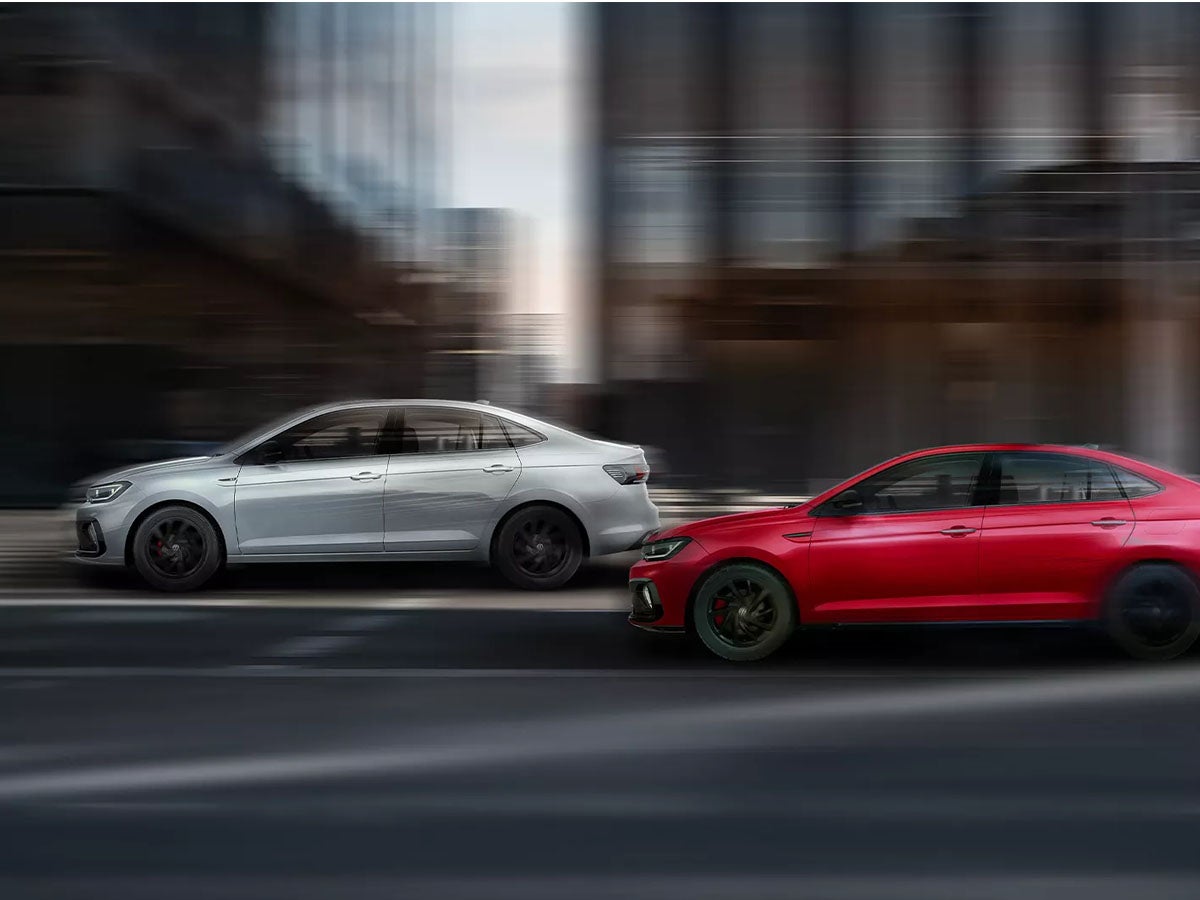
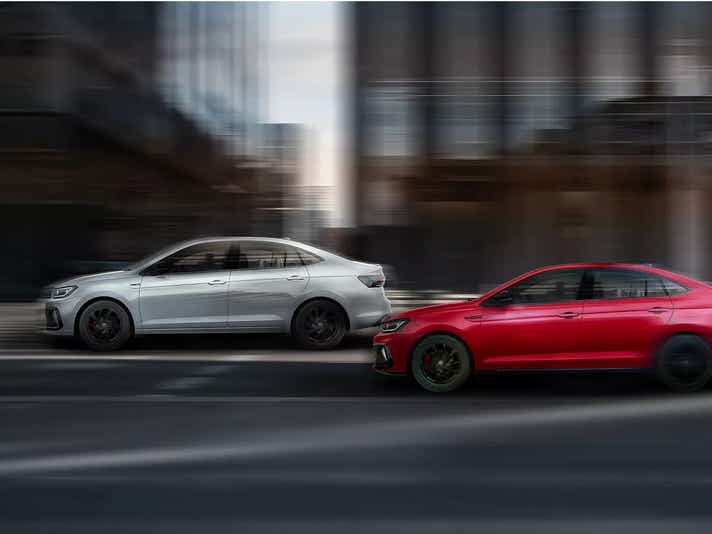
The Volkswagen Virtus has successfully revitalised the premium mid-size sedan segment in the country with its striking design and phenomenal driving dynamics. Building upon the prestigious global legacy of its renowned manufacturer, this elegant sedan seamlessly offers an engaging driving experience that appeals to driving enthusiasts while delivering remarkable everyday comfort for standard families.
When it comes to important parameters shaping the buying decision, mileage is still one of the prominent ones. However, real world mileage is often vastly different from the claimed ARAI mileage, which is consistently recorded in a highly controlled testing environment, making expecting ARAI figures in real life completely impractical. Therefore, it is critically important to set realistic mileage expectations before bringing the Volkswagen Virtus home.
Number To Consider When Buying Volkswagen Virtus
Before analysing the precise fuel efficiency figures, it remains essential to understand the underlying mechanical specifications that ultimately dictate how much fuel this dynamic vehicle consumes on a daily basis. The total engine displacement, peak power output, maximum torque, and the specific transmission technology chosen all play a highly vital role in determining the final average you will observe on your digital instrument cluster. Analysing these precise numbers is the fundamental first step in decoding the true running capabilities of the car.
| Model Name | Engine Specs | Available Transmission Options | Fuel Options | ARAI Mileage | Fuel Tank Capacity |
| Volkswagen Virtus | 1.0L TSI (115 PS, 178 Nm) | 6-Speed Manual, 6-Speed AT | Petrol | 18.12 kmpl to 20.08 kmpl | 45 Litres |
| Volkswagen Virtus | 1.5L TSI (150 PS, 250 Nm) | 6-Speed Manual, 7-Speed DSG | Petrol | 18.98 kmpl to 19.62 kmpl | 45 Litres |
Volkswagen Virtus Real World Mileage
This exceptionally engineered sedan features a moderately sized fuel tank capacity of 45 litres, which provides a highly reliable touring range when carefully paired with its technologically advanced and efficient powertrains.
Depending on the exact engine and gearbox combination you select from the dealership, the overall Volkswagen Virtus real world mileage range sits comfortably between 10 kmpl and 18 kmpl under normal driving circumstances. Consequently, the expected aggregate range on a complete refuel can span anywhere from 450 kilometres in heavy city traffic to a highly impressive 750 kilometres during uninterrupted highway cruising.
This practical range depends heavily on various dynamic factors, including daily traffic congestion, ambient temperature, payload weight, and your personal driving behaviour, all of which are things that must be kept in mind to achieve this practical range in the user's individual, specific lifestyle.
Volkswagen Virtus 1.0-litre Petrol Manual Mileage
| Driving Conditions | Real World Mileage Range |
| City | 11 to 13 kmpl |
| Highway | 16 to 18 kmpl |
| Mixed | 13 to 15 kmpl |
From a dedicated driver's perspective, the sophisticated turbocharged petrol engine paired with a remarkably slick six-speed manual gearbox offers a deeply engaging and highly spirited motoring experience. While the linear power delivery is genuinely phenomenal for quick highway overtakes, navigating through heavy stop-and-go city traffic requires frequent gear shifts, which naturally causes the fuel efficiency to drop significantly.
To maintain a highly respectable Volkswagen Virtus petrol manual real world mileage, cautious drivers must ensure they shift gears early within the optimal rev range and actively avoid pushing the engine towards its absolute redline. On the open highway, securely slotted into the highest gear at steady cruising speeds, the turbocharged engine operates with minimal mechanical strain, thereby returning a much more favourable average that easily satisfies long-distance touring requirements without frequent fuel stops.
Volkswagen Virtus 1.0-litre Petrol Automatic Mileage
| Driving Conditions | Real World Mileage Range |
| City | 10 to 12 kmpl |
| Highway | 15 to 17 kmpl |
| Mixed | 12 to 14 kmpl |
The smooth torque converter brings immense operational convenience to stressful urban commutes, but this sophisticated comfort marginally affects the overall fuel economy. In dense, crawling traffic conditions, the intelligent gearbox holds onto lower gears for immediate throttle response, which can occasionally result in slightly lower economy figures.
However, out on the sweeping highway, the Volkswagen Virtus petrol automatic real world mileage improves drastically as the intelligent transmission shifts securely into the highest overdrive gear, keeping the engine revolutions incredibly low.
Volkswagen Virtus 1.5-litre Petrol Automatic Mileage
| Driving Conditions | Real World Mileage Range |
| City | 9 to 11 kmpl |
| Highway | 16 to 17 kmpl |
| Mixed | 12 to 14 kmpl |
The DSG transmission mated to the turbo engine is tuned for sharp, immediate performance. While it offers thrilling acceleration, a heavy right foot will severely impact the Virtus 1.5-litre petrol real world mileage.
Claimed vs Real World Mileage
| Engine and Transmission | ARAI Claimed Mileage | Real World Mileage (Mixed) | Difference |
| 1.0L TSI MT | 20.08 kmpl | 14.5 kmpl | 5.58 kmpl |
| 1.0L TSI AT | 18.12 kmpl | 13.0 kmpl | 5.12 kmpl |
| 1.5L TSI MT | 18.98 kmpl | 13.5 kmpl | 5.48 kmpl |
| 1.5L TSI DSG | 19.62 kmpl | 13.5 kmpl | 6.12 kmpl |
A highly noticeable and thoroughly documented difference between real world and ARAI mileage exists because laboratory tests are systematically conducted under ideal, entirely unsimulated conditions without the stark unpredictability of actual road traffic, varying atmospheric weather, or steep geographical gradients. In reality, numerous uncontrollable factors, such as continuous air conditioning usage, heavy passenger weight, sudden panic braking, and prolonged idling at congested traffic lights, significantly reduce the final average achieved by the consumer. Therefore, the true Volkswagen Virtus real world mileage will always accurately reflect the harsh demands of practical, everyday driving environments rather than the perfectly controlled confines of test tracks.
Volkswagen Virtus Real World Mileage By Owners
Analysing multiple user reports from reputable automotive forums reveals a highly consistent and verifiable pattern regarding precisely how this premium sedan performs under wildly varying circumstances. The overall community consensus clearly highlights that the Volkswagen Virtus real world mileage is distinctly sensitive to external environmental conditions, traffic density, and individual driving habits.
Owners frequently report that heavy air conditioning usage during the notoriously hot summer months can cause the average to drop noticeably, especially when crawling endlessly in dense urban traffic scenarios.
When the sedan is fully loaded with five adult passengers and their heavy vacation luggage packed perfectly into the massive boot, the highway fuel economy tends to decrease slightly compared to travelling lightly with just two occupants.
Enthusiastic and highly aggressive driving styles, typically characterised by hard and sudden acceleration alongside very late braking, drastically reduce the fuel efficiency, particularly when the turbocharger is continuously spooled up.
Forum members astutely note that the active cylinder technology in the larger engine variant intelligently shuts down two cylinders during relaxed cruising, which miraculously boosts the overall average on long drives.
Many drivers consistently share that maintaining a highly uniform cruising speed significantly improves the final numbers displayed on the multi-information display.
Comparison of Volkswagen Virtus with Key Rivals
To truly evaluate the ultimate value proposition of this elegant sedan, it is absolutely essential to observe precisely how its practical fuel efficiency stacks up against other highly popular choices. Reviewing the Volkswagen Virtus real world mileage against its direct competitors provides a perfectly clear picture of its definitive market standing within the highly competitive mid-size sedan segment.
| Car Model | Powertrain | Real World Mileage (Mixed) |
| Volkswagen Virtus | 1.0L Petrol AT | 12 to 14 kmpl |
| Skoda Slavia | 1.0L Petrol AT | 12 to 14 kmpl |
| Honda City | 1.5L Petrol CVT | 13 to 15 kmpl |
| Hyundai Verna | 1.5L Turbo DCT | 11 to 13 kmpl |
Tips to improve mileage of the Volkswagen Virtus
Achieving the absolute best possible Volkswagen Virtus real world mileage requires the strict adoption of highly mindful and uniquely efficient driving habits. Here are five highly practical and thoroughly field-tested tips to significantly maximise your daily fuel economy.
Maintain optimal and factory-recommended tyre pressure at all times. Severely under-inflated tyres inevitably create an immense amount of unnecessary rolling resistance, which directly forces the sedan's engine to burn significantly more fuel just to maintain normal forward momentum.
Actively anticipate the natural flow of surrounding traffic to easily avoid sudden and harsh braking alongside unnecessarily aggressive acceleration. Utilising exceptionally smooth and remarkably gentle throttle inputs safely prevents the turbocharger from spooling unnecessarily and needlessly wasting precious fuel during the internal combustion cycle.
Consistently utilise the electronic cruise control feature during exceptionally long and uninterrupted highway journeys. Setting a highly constant and relaxed speed strictly between 80 and 90 kmph allows the intelligent transmission to stay comfortably in its highest overdrive gear, thereby significantly boosting the overall average.
Strictly avoid all completely unnecessary and prolonged engine idling. If you unfortunately find yourself stuck at a notoriously long traffic signal or patiently waiting outside a building, simply turning off the vehicle's ignition can successfully save a substantial amount of fuel over time.
- Diligently shed all completely unnecessary weight from the vehicle's spacious cabin and massive boot. Continuously carrying heavy, completely unneeded items negatively impacts the crucial power-to-weight ratio, directly and consistently lowering the efficiency during routine daily operations.
Frequently Asked Questions
Expand all