Why Cars24 Cannot Always Match Your Expected Price
- 1Emotional attachment often inflates seller price beyond true market value
- 2Familiarity with your car can hide issues found in inspections
- 3Cars24 reflects real market value, not the seller’s expected price
- Reason 1: Sentimental and Emotional Value Is Real, but It Has No Market Price
- Reason 2: Living with a Car Every Day Makes Its Problems Invisible
- Reason 3: Money Spent on the Car Does Not Always Come Back in the Sale
- Reason 4: Classified Listing Prices Are Asking Prices, Not Selling Prices
- Reason 5: Depreciation Does Not Wait for a Convenient Time to Sell
- What Cars24 Does Deliver: The Best Price the Market Will Pay
- Conclusion
One of the most common situations Cars24 encounters is a seller who arrives with a specific number in mind and leaves feeling the offer was too low. This is not a pricing error. It is not a sign that the platform undervalues your car. It reflects a gap that exists in almost every used car transaction in India: the difference between what a seller believes their car is worth and what the market is actually willing to pay for it.
This gap has identifiable causes. Understanding them does not make the final price higher, but it does make it easier to understand why the number is what it is. This article explains the reasons honestly and without softening them.
Reason 1: Sentimental and Emotional Value Is Real, but It Has No Market Price
For most car owners, a vehicle is not just a machine. It is connected to specific memories and moments. It may have been the car in which you drove your family on long trips. It may have been your first big purchase. It may carry years of association with daily life in a way that few objects do.
This emotional connection naturally affects how a seller values the car. When you have lived with a vehicle for years, it feels more valuable than its physical condition or age would suggest. That feeling is understandable and entirely human. But the used car market does not price emotion. A buyer evaluating your car has no connection to it. They are looking at the age, the kilometres, the condition, and what similar cars are currently selling for in the same city. They are not paying for your memories.
This is not a flaw in how Cars24 prices cars. It is simply the nature of secondary market transactions. The valuation reflects what the car is worth to a buyer who has never seen it before, not what it is worth to the person who has owned it for years.
Reason 2: Living with a Car Every Day Makes Its Problems Invisible
Most sellers genuinely believe their car is in good condition. This is not dishonesty. It is the result of familiarity. When you use something every day, you stop noticing its gradual deterioration. Issues that developed slowly over months or years have become background noise.
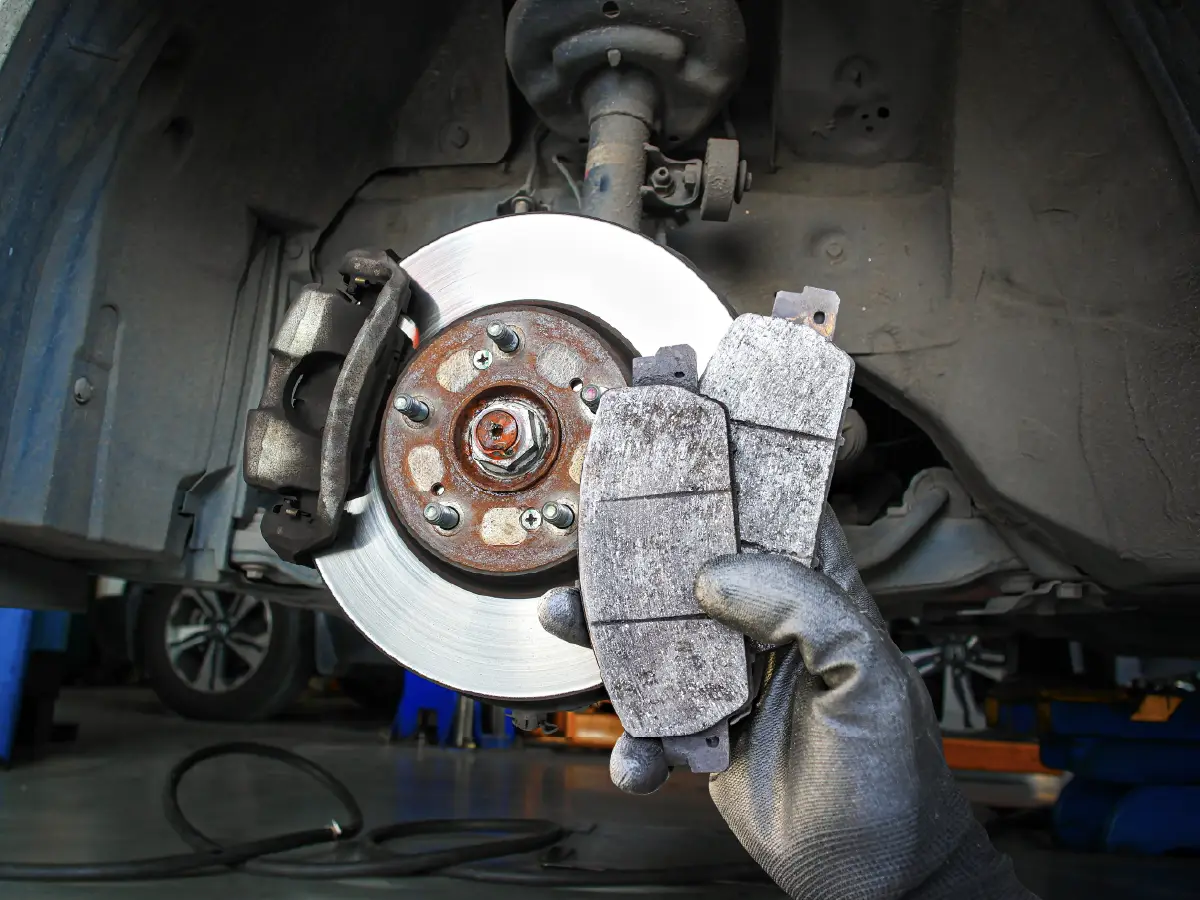
The small pull in the steering that you adjusted to without realising it. The dashboard light you stopped looking at. The subtle vibration at high speed that does not feel like anything serious anymore. The worn-out seat fabric that you cover with a seat cover and forget about. The slight lag in acceleration that the engine has had for so long that it now feels normal. You are accustomed to these things. A professional inspector seeing the car for the first time is not.
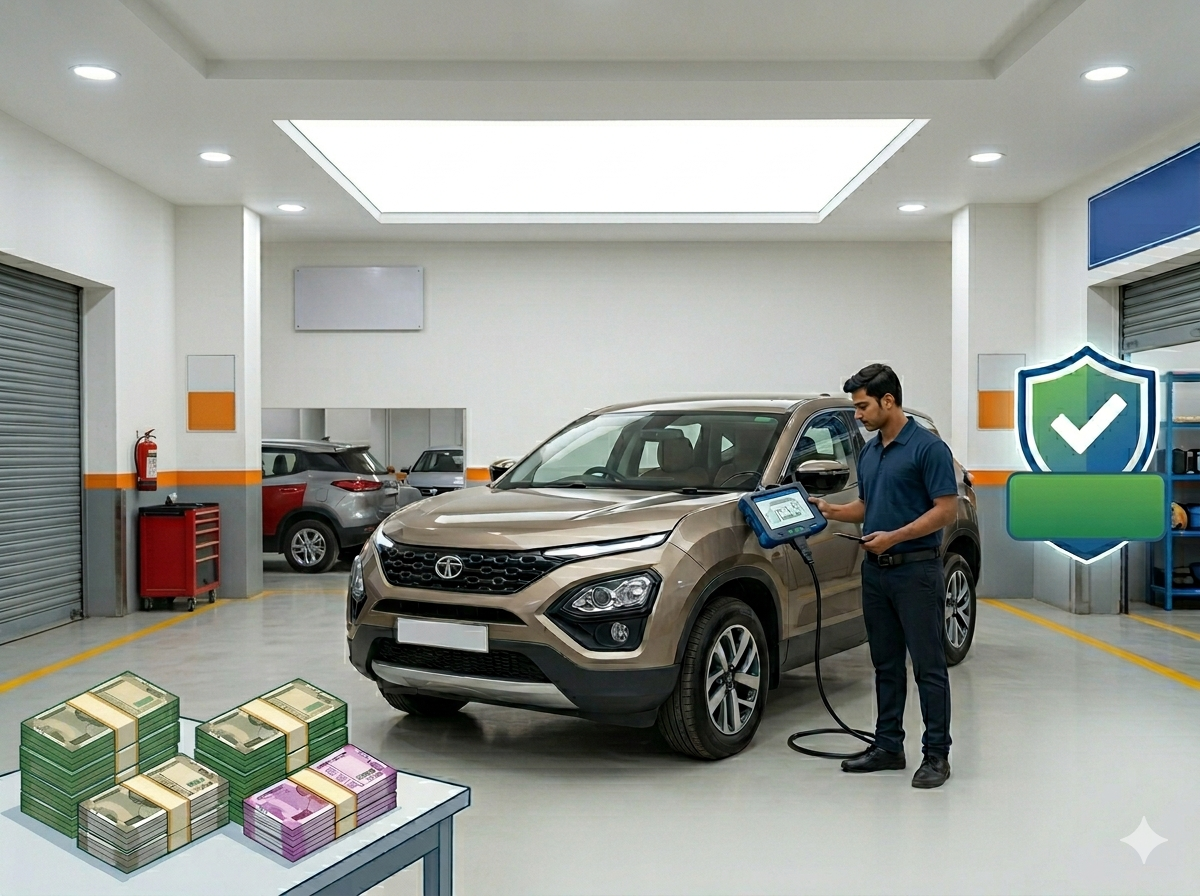
The Cars24 inspection is carried out by trained professionals who assess vehicles against objective benchmarks, not against what the owner considers normal. Their job is to identify every condition issue that affects the car’s market value, regardless of whether the seller noticed it or not. What comes back from that inspection is often a more detailed picture of the car’s condition than the seller expected.
This is not done to justify a lower price. It is done because the buyers bidding on the car through the Cars24 auction platform are experienced dealers who know what they are looking at. If the inspection report does not reflect the actual condition of the car, the bids will. The market corrects for hidden issues regardless of whether they are formally documented.
Reason 3: Money Spent on the Car Does Not Always Come Back in the Sale
Many sellers factor in recent spending when forming a price expectation. A new set of tyres. A new battery. A full service done last month. An upgraded music system. New seat covers. A fresh coat of paint. These feel like investments that should be reflected in the selling price.
In most cases, they are not. Routine maintenance is what the car needs to function correctly, not an enhancement that raises its value above the market rate. A buyer expects the car to have functional tyres and a working battery. These are not features that command a premium; they are baseline requirements. Spending money to bring the car up to standard does not necessarily translate into a higher sale price.
Aftermarket additions like modified audio systems or custom accessories can actually work against the sale price in some cases. Buyers may not want them, may not want to pay for them, or may plan to remove them. What feels like an upgrade to the owner can feel like an unwanted modification to a buyer.
The Cars24 valuation is based on the market value of the car as it stands, not on the cost of ownership. This is how every used car transaction works, regardless of the platform.
Reason 4: Classified Listing Prices Are Asking Prices, Not Selling Prices
A common source of inflated price expectations is car classified websites. Sellers look up similar models online, see listings at a certain price, and set that as their benchmark. This creates a specific problem: classified listings show what sellers are asking, not what buyers are paying.
There is no requirement to list a car at a realistic price on a classifieds platform. Sellers routinely list above market value, hoping to negotiate down. Many of those listings do not sell, or they sell after months of negotiation at a price significantly below the listed amount. The price you see on a classified site is a starting point in a conversation, not a confirmed transaction.
Cars24’s AI-powered valuation tool is trained on over 10 lakh verified, completed transactions recorded over 10 years. These are real sales that closed at a confirmed price, not listings that may or may not have gone anywhere. The data reflects what buyers in your city actually paid for cars like yours, not what sellers hoped to receive.
Reason 5: Depreciation Does Not Wait for a Convenient Time to Sell
Cars depreciate continuously. The rate is steepest in the first few years and continues throughout the vehicle’s life. This is not specific to any brand or model. It is a structural feature of how used car markets work worldwide.
Sellers who bought their car four or five years ago at a certain price often expect that the car has held a large portion of that value. In most cases, it has not. A car that cost Rs. 10 lakh new may be worth Rs. 4 to 5 lakh at the five-year mark, depending on brand, model, kilometres driven, and condition. If the seller’s expectation is anchored to the original purchase price rather than current market data, the gap between expectation and offer will be significant.
Additionally, market conditions change. The launch of newer models in the same segment can reduce demand for older versions. Changes in fuel prices affect demand for certain fuel types. An increase in used car supply in a particular city can push prices down. The Cars24 valuation reflects these conditions at the time of sale, not at the time the seller decided they wanted to sell.
What Cars24 Does Deliver: The Best Price the Market Will Pay
There is an important distinction between Cars24 not being able to match a seller’s expected price and Cars24 not getting the best market price. The two are different things.
Cars24’s live auction model puts your car in front of over 20,000 verified dealers across 1,500+ cities simultaneously. These dealers compete against each other in real time. Because multiple buyers are bidding for the same car at the same moment, the price is driven upward by competition rather than settled by a single dealer’s judgment. No individual dealer can lowball you when another dealer in a different city is willing to pay more.
This is the highest price the current market will genuinely pay for your car. If that price is lower than what you expected, the gap is between your expectation and the market, not between Cars24’s offer and what the car could actually fetch.
The valuation tool, trained on over a decade of real transaction data, gives you a realistic view of this market price before the auction even begins. If the estimate does not match your expectation, it is worth understanding why before deciding whether to proceed.
Conclusion
The price Cars24 offers for your car is the result of real market data, a professional condition assessment, and competition among thousands of active buyers. It is not a number arrived at arbitrarily, and it is not designed to be low.
If the offer is lower than what you hoped for, the reasons are almost always one or more of the following: sentimental value that the market does not price, condition issues that familiarity made invisible, maintenance spending that does not translate to resale value, price expectations based on classified listings rather than completed sales, or depreciation that has progressed further than expected.
None of these are reasons to distrust the process. They are the standard realities of selling a used car anywhere in the world. Cars24 makes those realities transparent rather than obscuring them with a higher initial quote that falls apart during negotiation.
Frequently Asked Questions
Expand all