Why Inspections Can Flag Issues that Sellers Don’t Notice
- 1Inspections reveal hidden mechanical and electronic issues sellers often miss
- 2No warning lights doesn’t mean the car is problem-free under the surface
- 3Professional checks help sellers fix issues early and protect resale value
Cars are complex machines, and they require timely attention to ensure top-notch running condition. Many vehicle owners tend to take proper care of their vehicles, ensuring timely servicing and maintenance, more often than not through authorised OEM service centres. However, not every vehicle is able to receive the same level of quality upkeep, for various reasons such as a minor oversight, or parts working correctly during the routine maintenance, but malfunctioning afterwards. Many of these errors may go unnoticed, simply because they do not cause major issues in the short run, but may turn into expensive repairs in the long run if undiscovered.
Why an Inspection can Uncover what Sellers Seldom Can
Many vehicle owners opt for the sale of their vehicle, often to upgrade to a better ride, or at other times simply to free up parking space by disposing of a vehicle that is not in use. The advent of technological tools has now made car inspection much more accurate, and able to detect hidden errors that often evade the naked eye of sellers, simply because they are unequipped. When buyers opt for such inspections during the negotiation phase, undetected issues are often disclosed, leaving the seller shocked. But, negligence is not often the case here, nor is an attempt to hide any flaws; it is simply because of the complexity of these machines. Let’s dive deeper into the kind of surprises that can occur during an inspection:
No Dashboard Warning Lights Doesn’t Mean No Issues
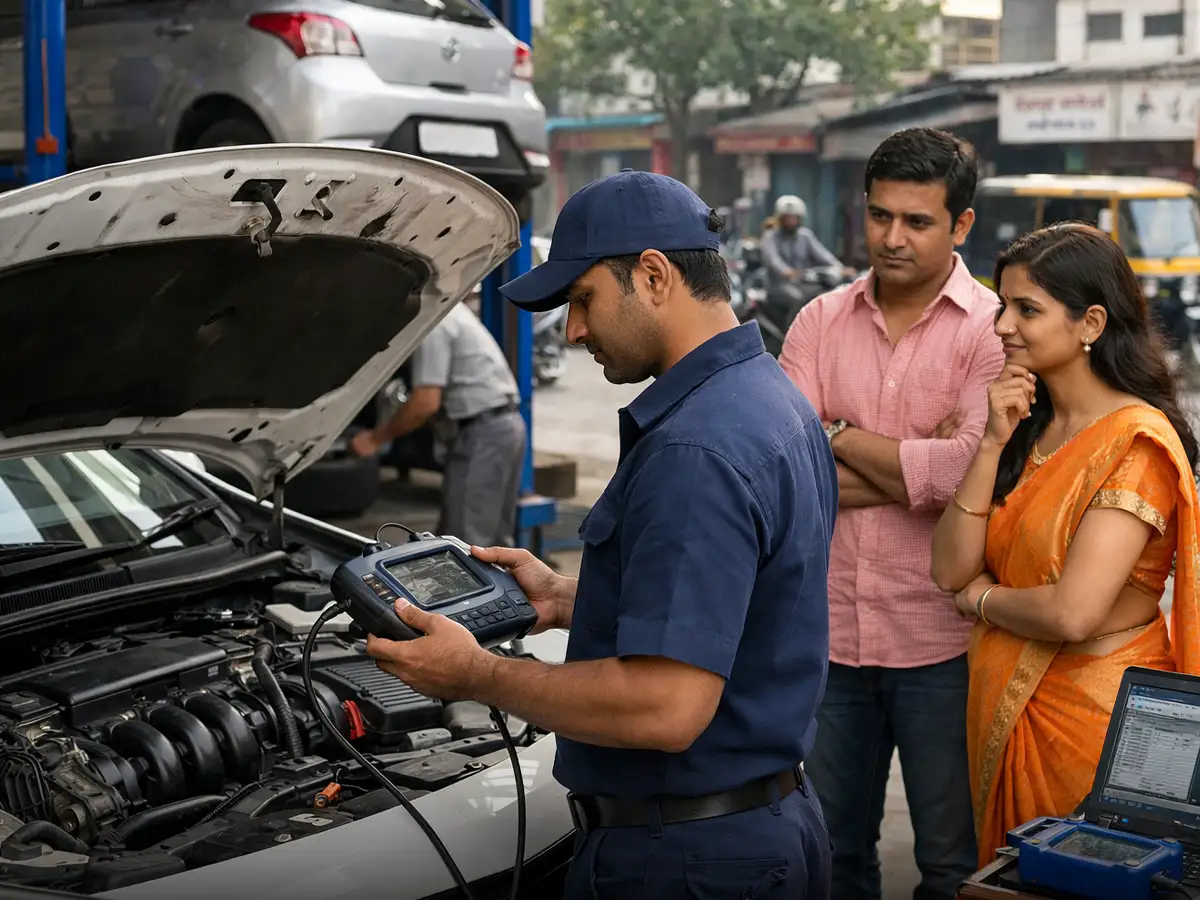
While many sellers believe that having no warning lights flickering, such as the check engine, or oil level indicator light, is not always the case. The ECU (electronic control unit, which is the brain of the car) can have recorded issues that do not have any warning lights to indicate issues, and this can only be brought forward by a professional inspection. Tools such as OBD scanners can quickly connect to the car’s ECU and uncover error codes which the seller may be unaware of.
Driver Adaptation vs Actual Wear and Tear
If you’ve been driving the same vehicle for a long period, you slowly get accustomed to the way it drives, even getting used to how the car feels after wear and tear over regular usage. This can create a false sense of ‘great condition’, which may or may not always be the case. When the same car is inspected by a professional, an unbiased truth may appear, surprising sellers about the actual condition of the vehicle.
The ‘Looks Good’ vs ‘Is Good’ Dilemma
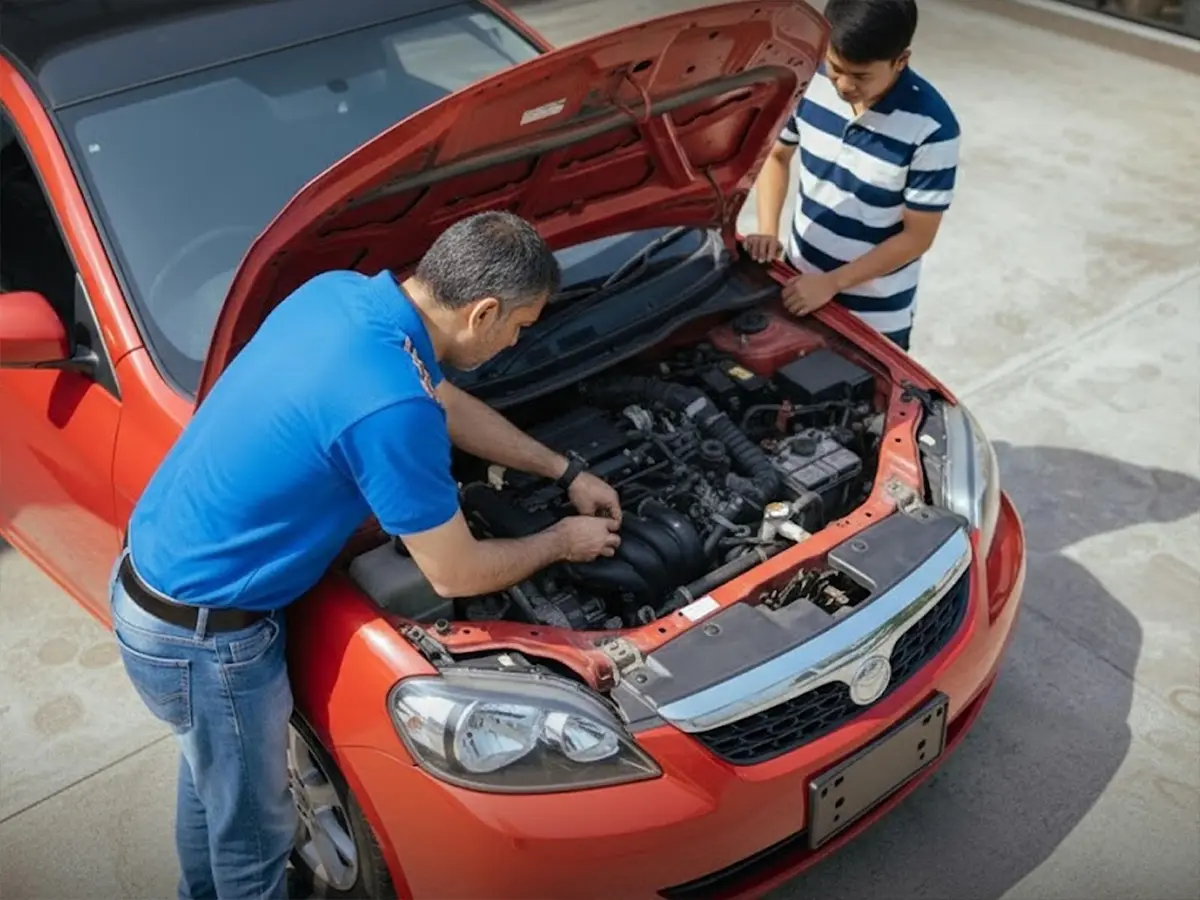
A car’s exterior can be in pristine condition, and sellers often believe that if the vehicle ‘looks good’, it ‘is good’. However, a deeper dive into the vehicle’s mechanicals, electronics, or features may often reveal issues. A vehicle that is in great shape aesthetically can still have underlying issues, such as rusted underbody, rust in the boot (spare tyre section), etc, especially in areas with high humidity. Cars can often also have corrosion under the vehicle, which is not directly visible to the naked eye, but can be unearthed with a professional inspection.
Failing Parts Aren’t Always Obvious
Another critical area where sellers may face shock is parts that are still operational, but are nearing the end of life. For e.g., a vehicle alternator (the part that charges the car battery), comprises 2 parts, the charging motor, and the cut-off. The charging motor is the part that keeps the battery charged when the vehicle is operated, and the cut-off ensures that once the battery has reached full capacity, the charging is stopped. In day-to-day operations, a bad cut-off will begin to spoil the battery, due to a phenomenon called ‘overcharging’, wherein the battery starts degrading faster than it should. This critical condition can also cause other electrical components of the vehicle to degrade; however, this cannot be identified by sellers and requires a professional inspection to uncover.
How an Inspection is a Seller’s Ally, and not Adversary
While it may be assumed that inspections can cause the value of a vehicle to go down, this is not always the case. Instead of waiting for the buyer to opt in for an inspection, a seller can do so themselves to uncover hidden problems, and also proceed to rectification. An inspection report, followed by a documented history of repairs, can often lead to enhanced buyer confidence and lead to a quicker sale while fetching a better price.
Frequently Asked Questions
Expand all