Why Some Cars Sell in Minutes While Others Take Longer: Inside Cars24 Demand Trends
- 1Popular models and clean condition attract more dealer bids faster
- 2Fuel type, age, and city all shape how quickly your car sells
- 3Cars24’s national dealer network ensures even slow movers find buyers
If you have ever sold a car on Cars24 and noticed the auction wrapping up quickly, or watched the clock a little longer than expected, that difference is not random. It is the result of real-time dealer demand, a live signal shaped by the make, model, age, fuel type, condition, and location of your specific car, measured against what thousands of dealers across the country are actively looking for at that exact moment.
Understanding what drives speed in the used car market helps sellers set realistic expectations and, in some cases, take steps to improve their car’s position before listing. This article breaks down the key factors that determine how quickly a car sells on Cars24, which segments consistently see the fastest activity, and what happens when a car sits at the lower end of demand.
How the Cars24 Auction Creates a Live Demand Signal
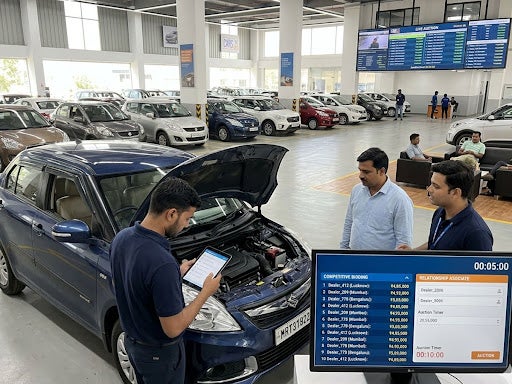
When a car is listed on the Cars24 platform after inspection, it enters a live auction visible to over 20,000 verified dealers across 1,500+ cities. Each dealer operates their own resale business and bids only on cars they believe they can sell profitably in their market. The number of dealers who bid, how quickly they bid, and how aggressively they compete all reflect genuine demand for that specific car in that moment.
A car that attracts many bids from many dealers in a short window is a car the market actively wants. A car that draws fewer bids, or draws bids only from dealers in select cities, reflects lower or narrower demand. Cars24’s AI-powered pricing engine, trained on over 10 lakh verified transactions since 2015, reads these live demand signals and adjusts the auction dynamics accordingly. The result is a price that reflects the market as it actually stands, not as it stood six months ago.
What Makes a Car Sell Quickly
Brand and Model Popularity
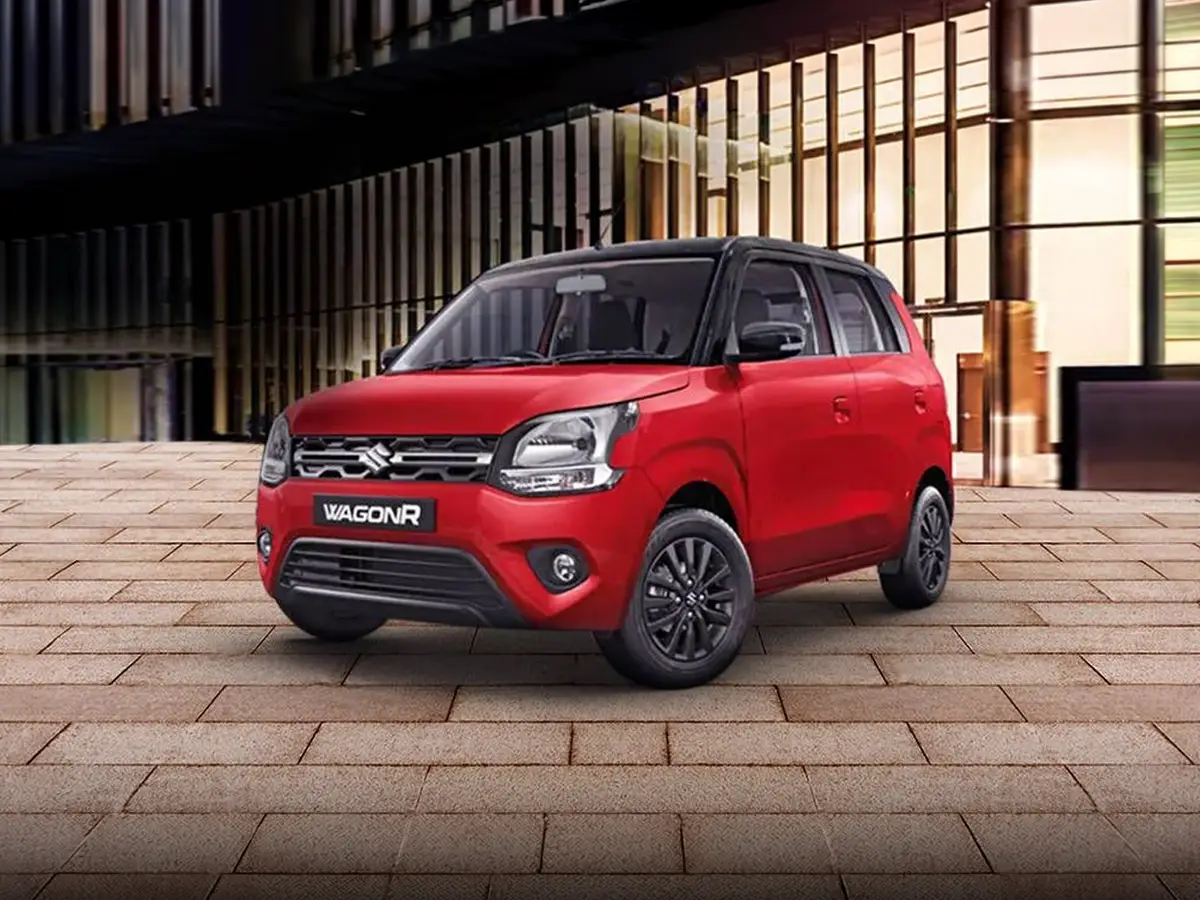
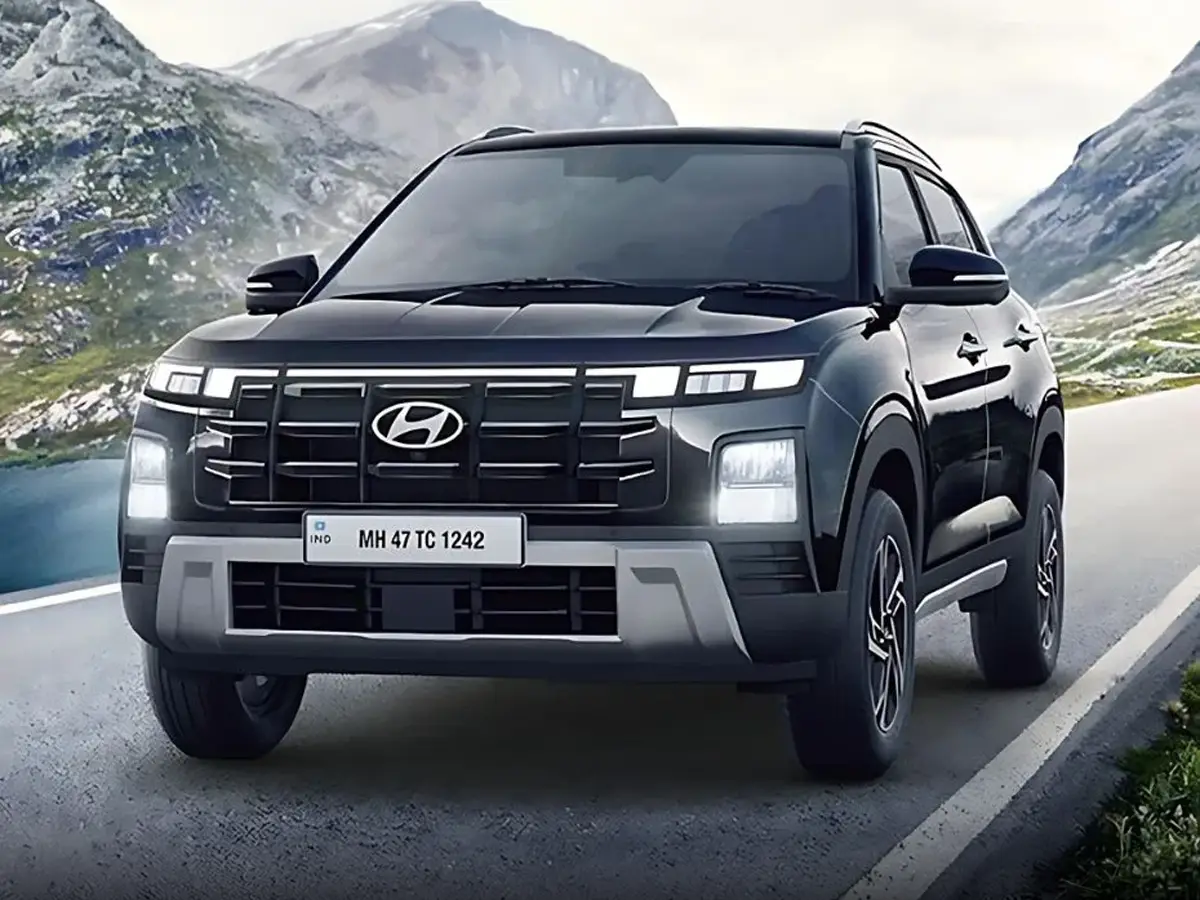
The single biggest predictor of speed in the used car market is how widely available and desirable the model is. Cars like the Maruti Swift, Hyundai i20, Hyundai Creta, Maruti Wagon R, and Honda City have deep, consistent dealer demand across virtually every city Cars24 operates in. Dealers know these cars sell quickly in their own showrooms because retail buyers ask for them by name. When one of these cars enters the auction, multiple dealers bid without hesitation because the resale risk is low.
Less common models, niche variants, or cars from brands with limited service networks may attract fewer dealers. This is not a reflection of the car’s quality; it is a function of how confident dealers are that they can find a retail buyer in their specific market.
Age and Kilometres Driven
Cars between three and seven years old, with kilometres driven in the range of 30,000 to 70,000, sit in the sweet spot of used car demand in India. They are recent enough to have modern features and low enough wear to be appealing to retail buyers who aren’t interested in new cars and want something reliable. Dealers compete aggressively for these cars because they are easy to price, easy to certify, and easy to sell on.
Cars older than ten years, or with very high odometer readings, attract a narrower pool of dealers. They are not unsellable, there is a buyer segment for budget used cars, but the pool is smaller, the margin available to dealers is tighter, and the auction tends to be less competitive as a result.
Fuel Type and Regulatory Context
Petrol cars in the three-to-seven-year range are among the fastest-moving segments on the platform. CNG cars, particularly Maruti and Hyundai models, sell quickly in cities where CNG infrastructure is strong, such as Delhi, Mumbai, Pune, and Ahmedabad. Dealers in these cities actively seek CNG vehicles because retail demand for low running-cost cars is high.
Diesel cars face a more complex picture. While diesel SUVs and MPVs from brands like Mahindra, Toyota, and Tata continue to see reasonable demand, older diesel cars, particularly those approaching the ten-year mark, face restrictions in cities like Delhi-NCR, which limits the dealer pool willing to bid for them. A diesel car that cannot be legally operated in Delhi will not attract Delhi dealers, narrowing the auction to out-of-Delhi buyers. Cars24’s national network means these cars still find buyers in cities without such restrictions, but the auction is typically less competitive than for equivalent petrol cars.
Condition and Inspection Report
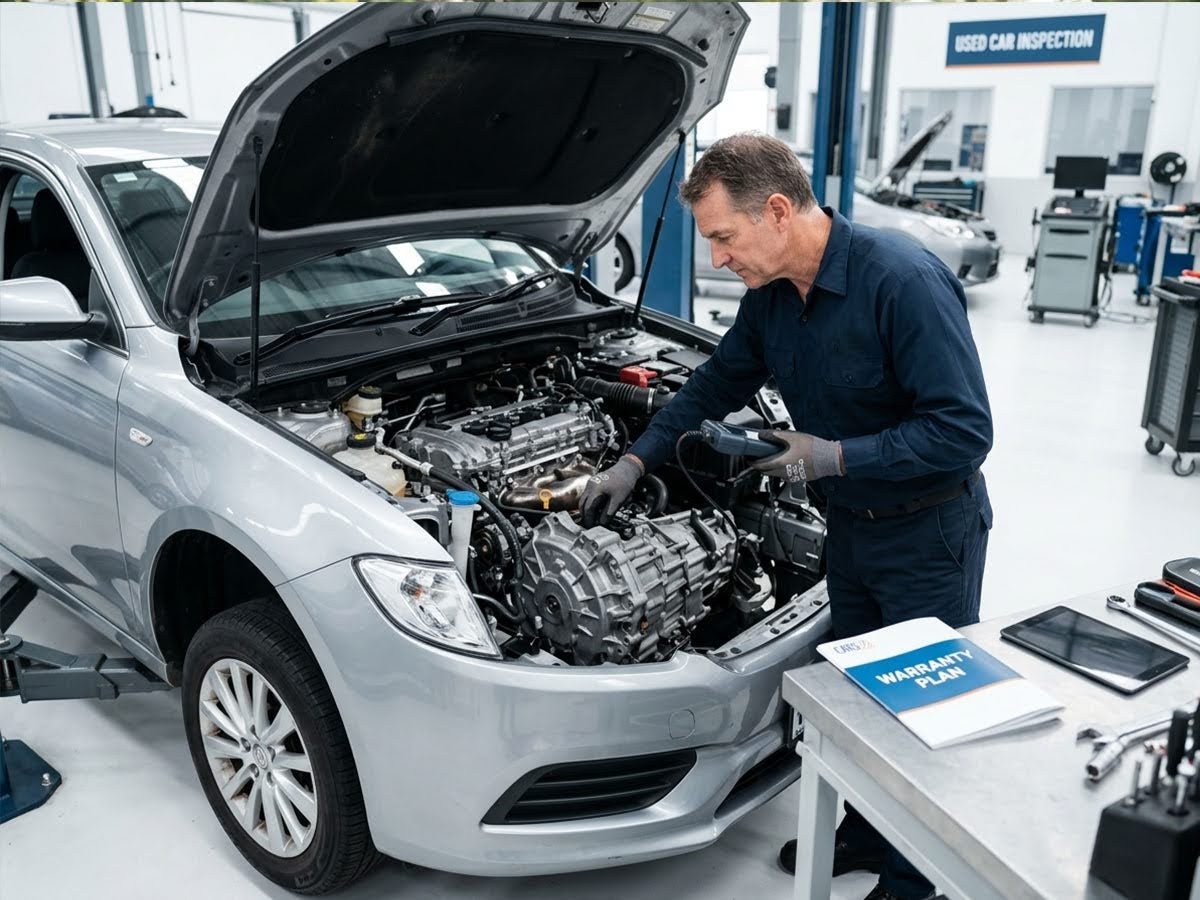
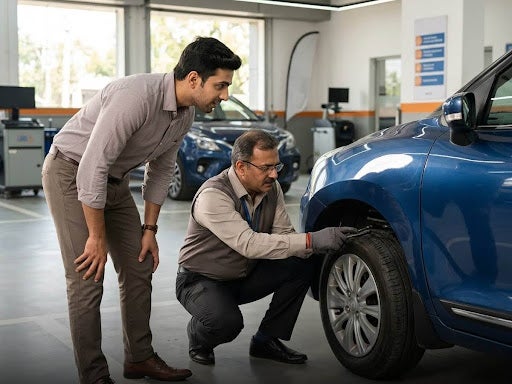
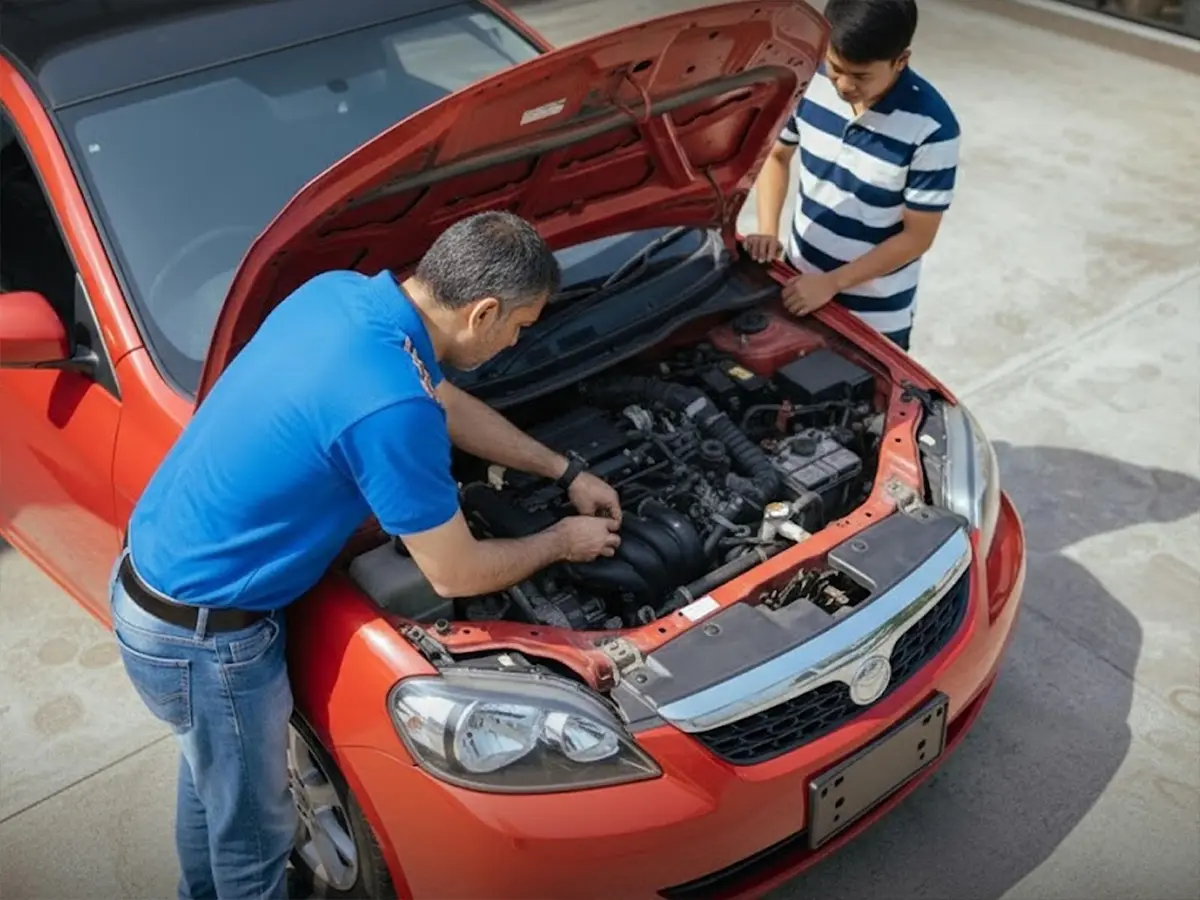
Dealers bidding on the Cars24 platform make decisions based on the inspection report. A car with a clean report, no major body damage, good mechanical condition, functional electrics, and well-maintained interior, gives dealers confidence that they can resell it with minimal rectification cost. These cars attract more bids and more competitive bidding.
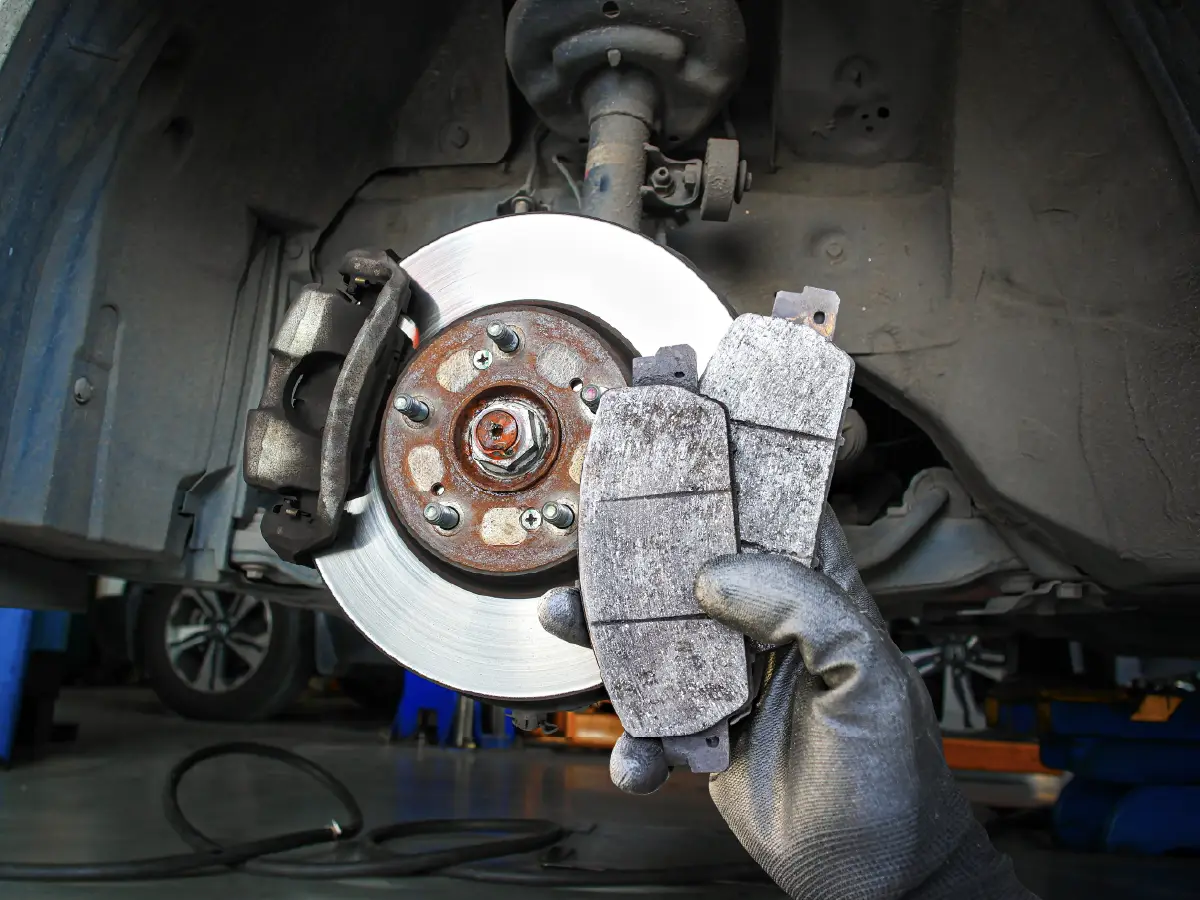
A car with multiple inspection flags, panel damage, paint overspray indicating accident repairs, worn tyres, or mechanical issues, is still auctioned, but dealers factor in repair costs when bidding. The result is either fewer bidders or more conservative bids. The inspection report is one of the most direct levers sellers have: a better-maintained car that presents well on inspection will almost always draw a faster, more competitive auction.
Colour
Colour is a secondary factor, but it is a real one. White, silver, and grey cars are consistently easier to sell across India because retail buyers prefer neutral colours that hide minor scratches, maintain resale value, and suit a wider range of tastes. Dealers know this and factor it into their bids. Bright or unusual colours, or colours associated with poor resale like dark brown or beige on certain body types, can narrow dealer interest modestly, particularly in smaller cities where buyer preferences tend to be more conservative.
City and Local Market Conditions
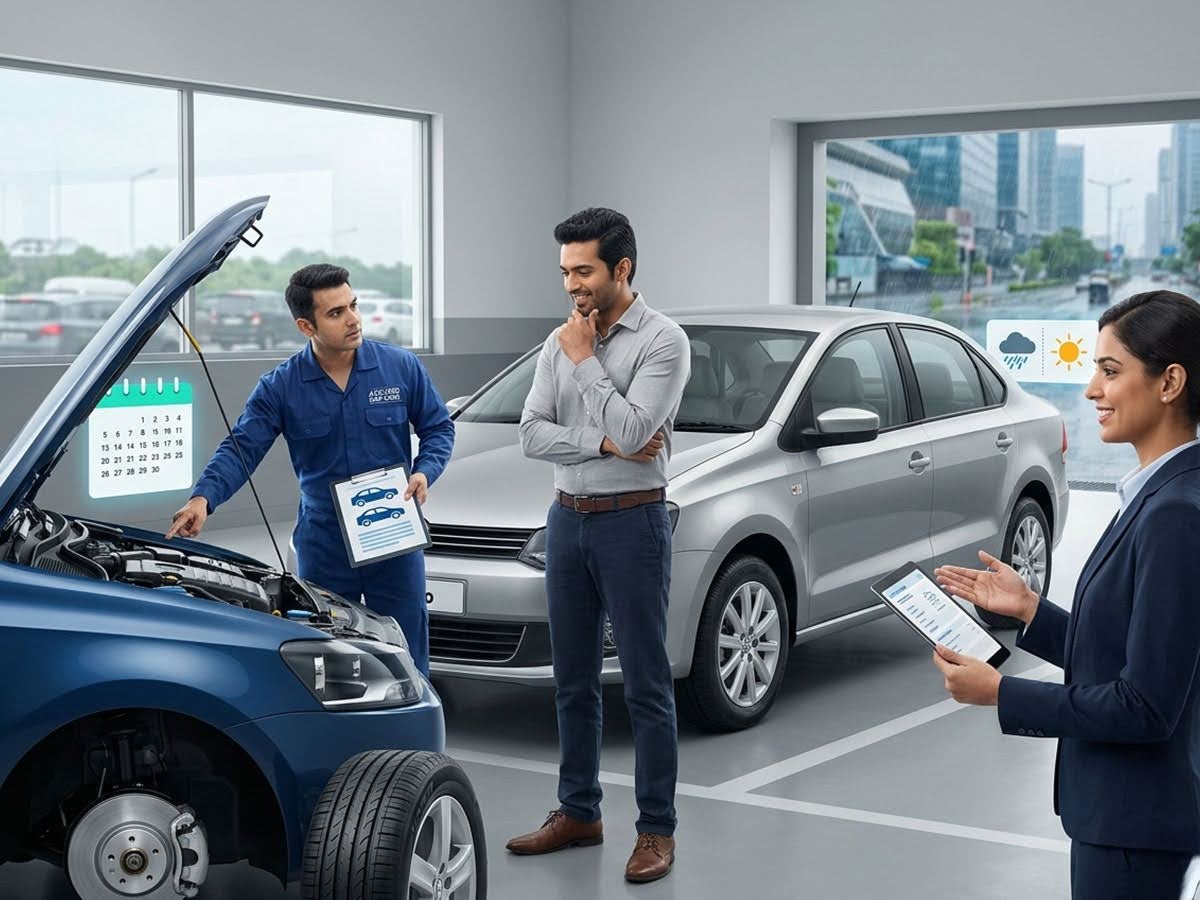
A car listed in a metro city with a large dealer network, Delhi-NCR, Mumbai, Bengaluru, Hyderabad, or Chennai, is visible to more local dealers who can physically inspect and collect the car efficiently. These cities also tend to have deeper retail demand, giving dealers confidence in quick resale. Cars listed in tier 2 cities may attract fewer local bidders, but Cars24’s national auction means dealers from other cities can and do bid for cars they find attractive even in less familiar locations, particularly for popular models in good condition.
Demand Speed Snapshot: Where Different Cars Tend to Fall
| Car Profile | Typical Auction Speed | Key Reason |
| Maruti Swift / WagonR, petrol, 3–6 yrs, good condition | Very fast | High retail demand, easy to resell in any city |
| Hyundai Creta / i20, petrol, 3–6 yrs, clean report | Very fast | Brand trust, strong dealer demand nationwide |
| CNG hatchback, 3–5 yrs, cities with CNG infra | Fast in target cities | Low running costs drive retail buyer demand |
| Honda City / Hyundai Verna, petrol, 4–8 yrs | Moderate to fast | Popular segment, good resale brand value |
| Diesel SUV (Mahindra, Toyota), 5–8 yrs, good condition | Moderate | Demand exists but narrower buyer pool in some cities |
| Older diesel car, near 10-yr age, Delhi-NCR | Slower, city-restricted | Delhi-NCR dealers cannot bid; interstate buyers needed |
| Niche or rare model, any age | Slower | Fewer dealers confident in retail resale potential |
| High mileage car (1 lakh+ km), any model | Slower | Higher rectification cost concern, tighter margins |
Note: Indicative based on general market demand patterns. Actual auction speed depends on multiple real-time factors.
What Happens When a Car Takes Longer to Sell
A slower auction does not mean the car will not sell. It means the market for that specific car is narrower, and the auction needs to reach the right dealers in the right locations. Cars24’s network spanning 1,500+ cities means that even a car with limited local demand, an older diesel in Delhi, a less common model, a high-mileage vehicle, is still visible to dealers in cities where the demand does exist. The national reach of the platform converts locally illiquid cars into assets that can still find a fair-price buyer.
The AI-powered pricing engine also plays a role here. It does not simply list a price and wait. It reads live bidding activity and understands when a listing needs broader visibility to attract the right buyer profile. This active management of auction dynamics is part of what separates Cars24 from a static listing platform. Your car is not simply posted and left to sit, the system works to find the best available buyer for it.
What Sellers Can Do to Improve Their Position
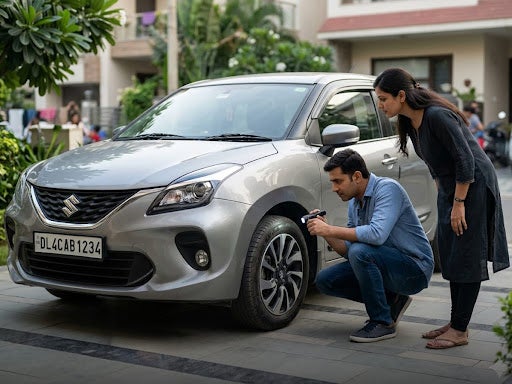
Most of what determines demand speed, brand, model, age, fuel type, is fixed by the time a seller lists their car. But condition is within the seller’s control. A car presented in good condition for inspection will almost always fare better than the same car presented poorly.
A few things that directly affect the inspection report and dealer bids:
- Tyre condition: Worn tyres are flagged immediately and depress dealer bids. If the tyres are genuinely due for replacement, the cost to replace them is often less than the bid reduction they cause.
- Pending challans: Outstanding challans visible in the system are factored into dealer bids as a liability. Clearing them before the inspection removes this from the equation.
- Interior cleanliness: A clean, well-presented interior signals that the car has been looked after. Inspectors note visible neglect, and dealers read those notes.
- Service records: A documented service history, even partial, gives dealers confidence in the car’s maintenance and reduces uncertainty about what they are buying.
- Both keys available: Having both keys ready at handover avoids a holdback and signals a complete, professionally managed sale.
Conclusion
The speed at which a car sells on Cars24 is a direct function of how many dealers want it and how confident they are in reselling it. Popular models in good condition, in the right age bracket, in the right fuel type, will almost always sell quickly because the demand is broad and the competition among buyers is real.
Cars at the other end of the demand curve take longer, but they do sell. Cars24’s national auction network, live AI-driven pricing, and 20,000+ active dealer base mean that even cars with limited local demand can reach the right buyer in the right market. For sellers, the clearest action is to present the car as accurately and as well as possible for inspection, because condition is the one variable that sellers can influence before the auction begins.
Frequently Asked Questions
Expand all