Why Two Identical Cars Can Get Different Prices
- 1Identical cars can differ by ₹50,000 due to hidden usage and wear patterns
- 2AI pricing looks beyond model and mileage to assess true vehicle health
- 3Service history, owners, RTO, and condition quietly drive resale gaps
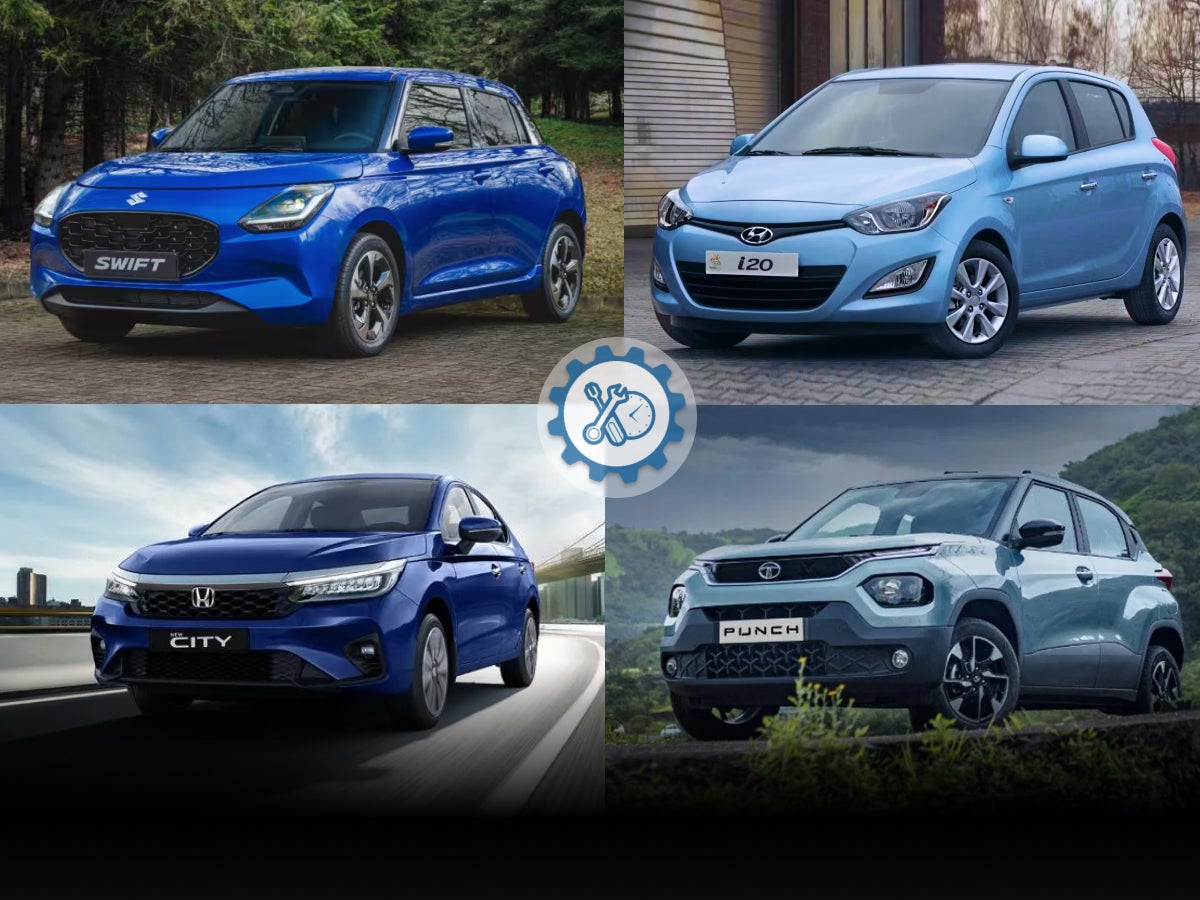
When selling a car in India, the Market Price is rarely a fixed number. You might see two Maruti Swifts or Hyundai Cretas that look identical on the outside, yet their valuation differs by ₹50,000 or more, despite not only being the same model, but manufacturing year or variant as well.
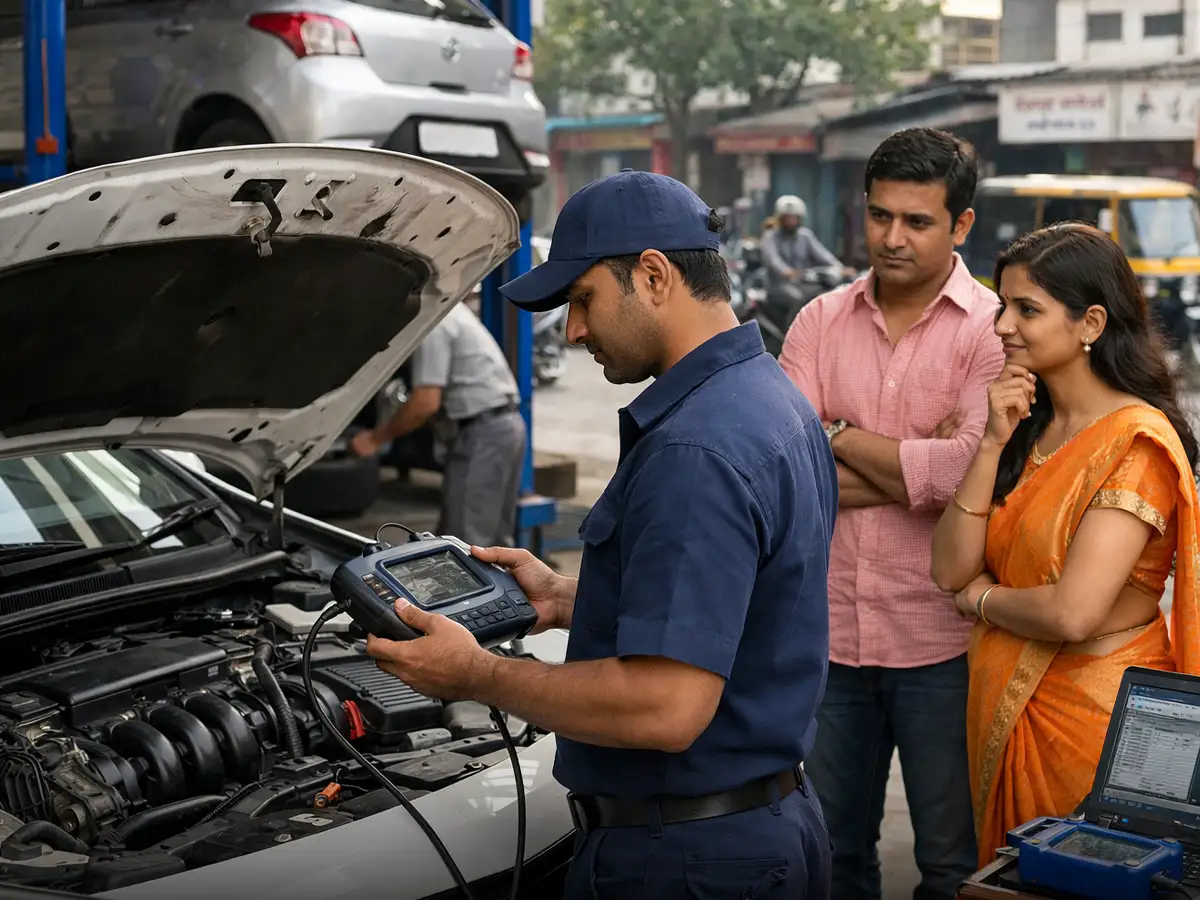
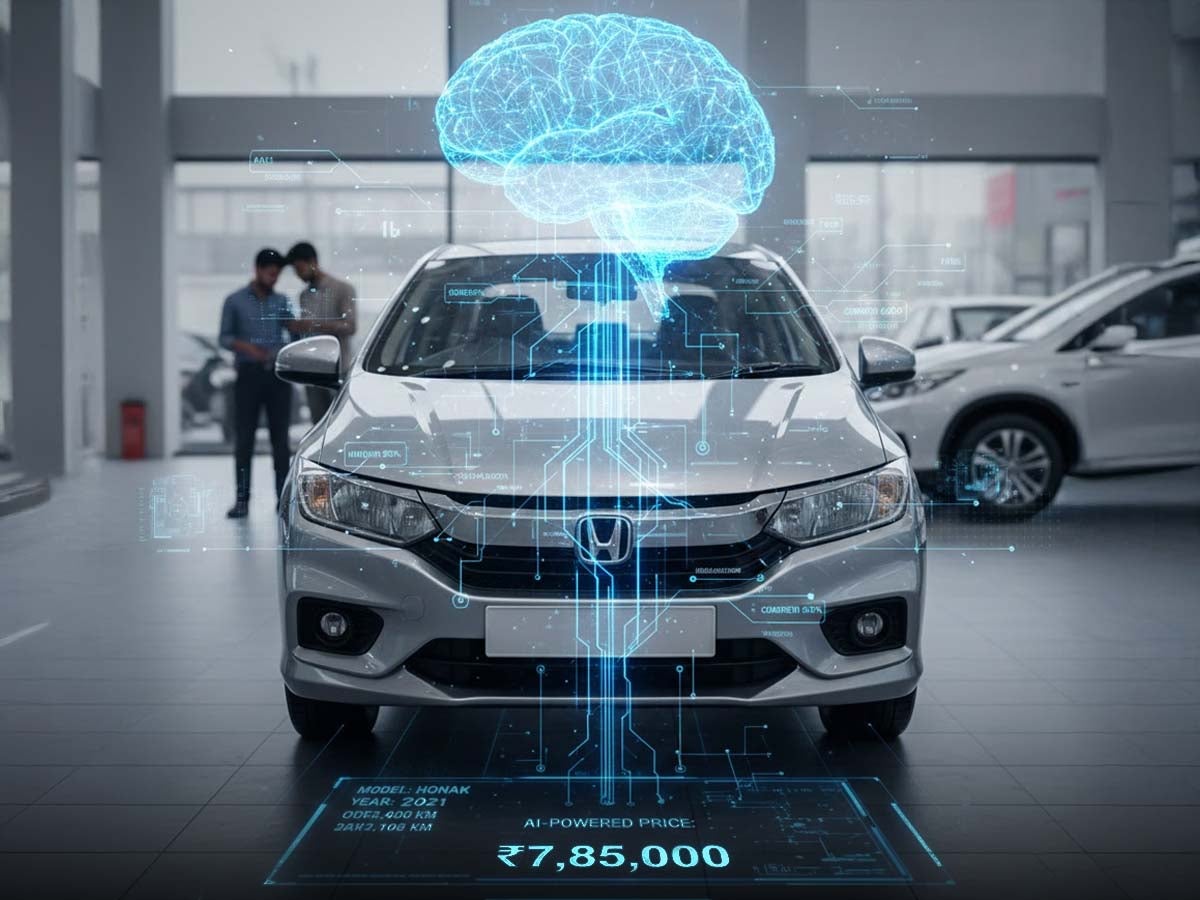
The Cars24 AI-powered pricing engine goes beyond evaluating a car based on its model year and scans thousands of data points to find the true health of a vehicle. To help you understand why someone else with the exact same car might get a different offer than you, we’ve broken down the most common comparisons we see in the Indian market and the data points that we evaluate to arrive at your car’s true value.
Comprehensive Evaluations & Not Surface Level Checks
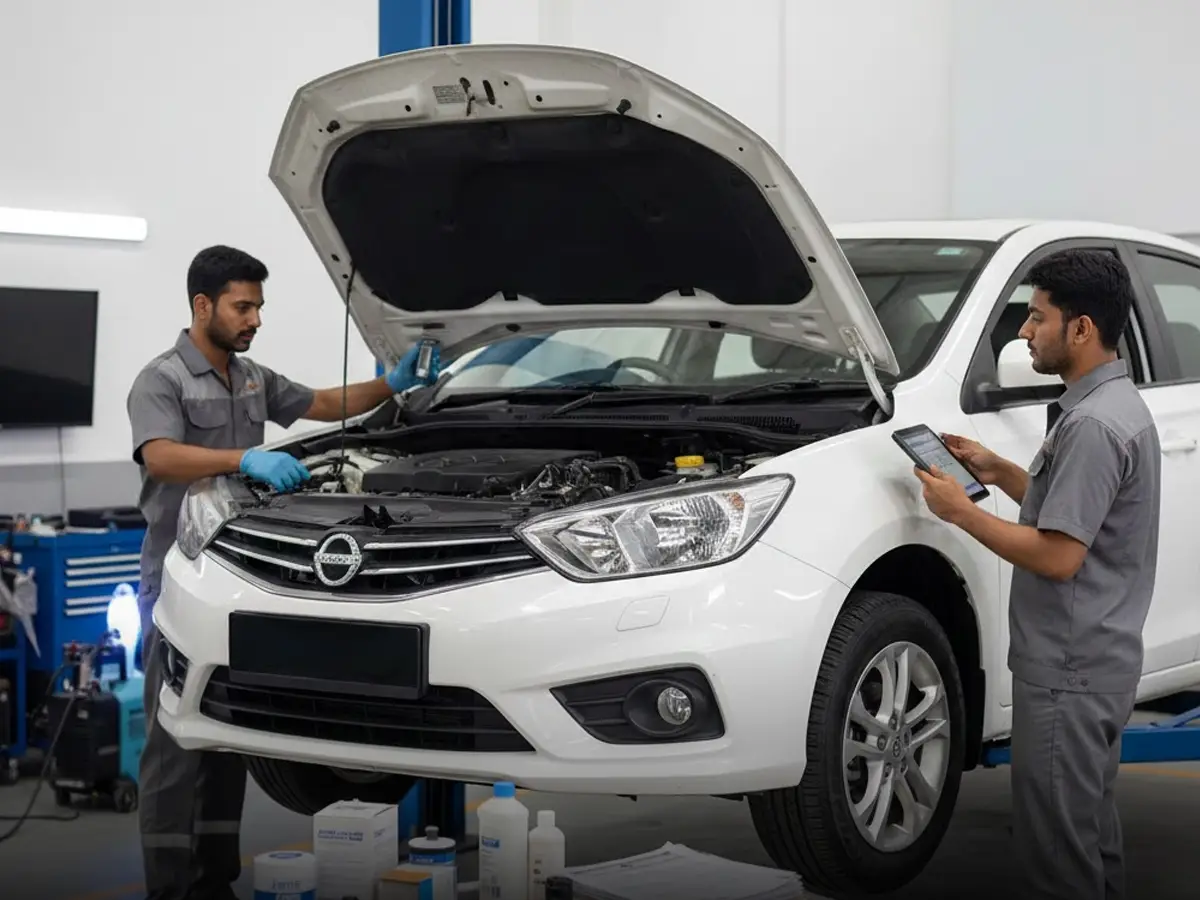
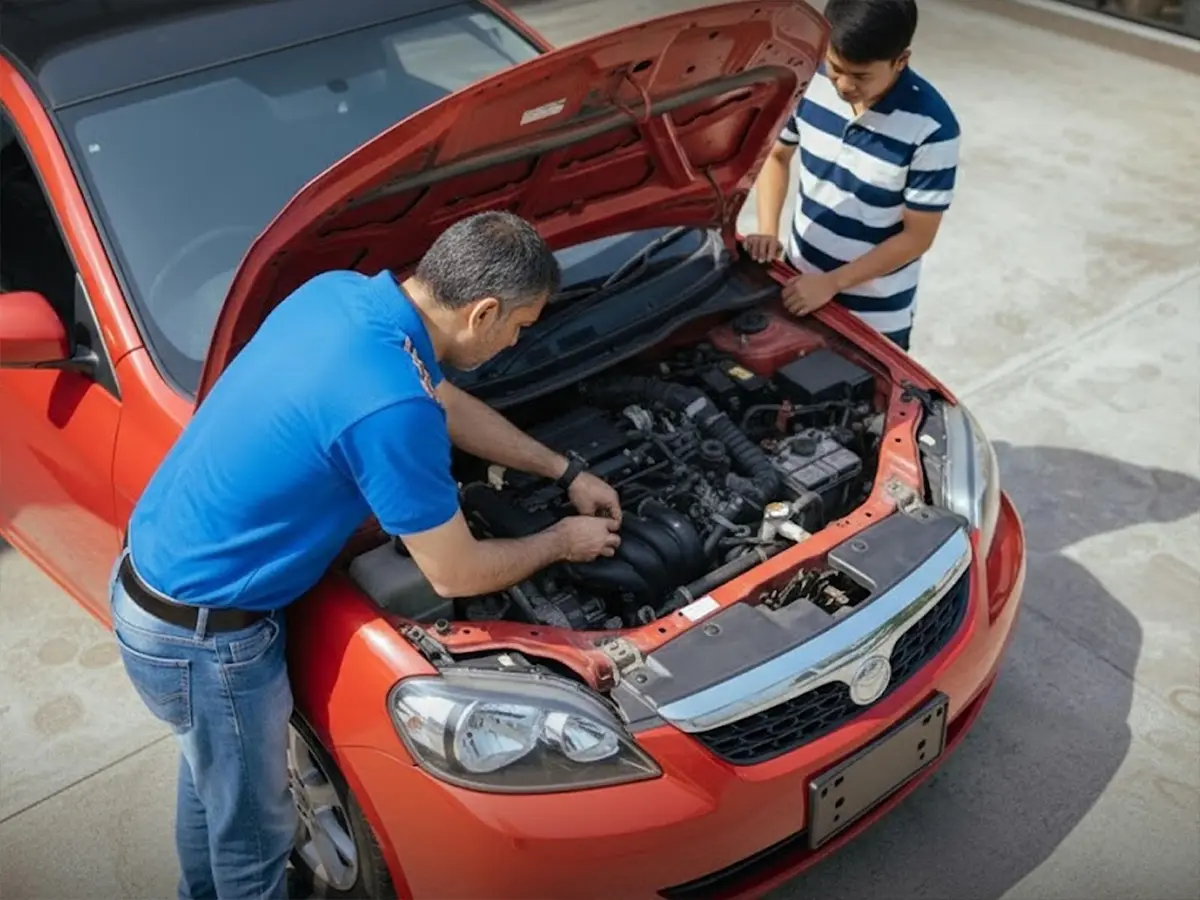
While two cars can look to have the exact same parameters, what lies under the hood, or inside the car, can vary vastly. The same two cars, being the exact same variant, bought at exactly the same time by two different owners, can have two totally different uses. For e.g., someone who drives a Swift in the heart of Delhi, their vehicle will face a lot of time in stop-and-go traffic conditions.
This can have high wear on the clutch since it needs to be engaged constantly. On the other hand, someone who has a daily commute to Greater Noida via the Greater Noida Expressway, their vehicle will mostly sit in top gear and travel at a constant speed. Here, instead of the clutch, the tyres and suspension will face a higher load, along with the engine being at a higher constant RPM.
Even with the same number of kilometres driven every day, both these cars will face very different wear and tear scenarios, and that’s exactly where the price difference will set in when selling both these vehicles.
How Seemingly Small Differences Translate into Real-World Price Gaps.
The Daily Commute vs. Weekend Drive
Two cars can both show 40,000 km on the odometer, but their engine health depends on where those kilometres happened.
Car A: Driven daily in bumper-to-bumper Mumbai traffic. This means high engine idling time, frequent gear shifts, and heavy clutch wear.
Car B: Driven primarily on the Mumbai-Pune Expressway. The engine ran at a steady temperature with minimal braking.
The Price Gap: Car B will fetch a higher price because the engine and transmission have faced significantly less stress.
The Service Record Secret
Maintenance is the identity card of a used car.
Car A: Serviced every 10,000 km at an authorised brand service centre with a stamped book.
Car B: Serviced at a local neighbourhood garage with no formal paperwork or digital history.
The Price Gap: Even if Car B runs perfectly, our AI views it as a higher risk. Car A can command a premium of ₹20,000 to ₹40,000 simply because its history is verified.
The Ownership Ladder
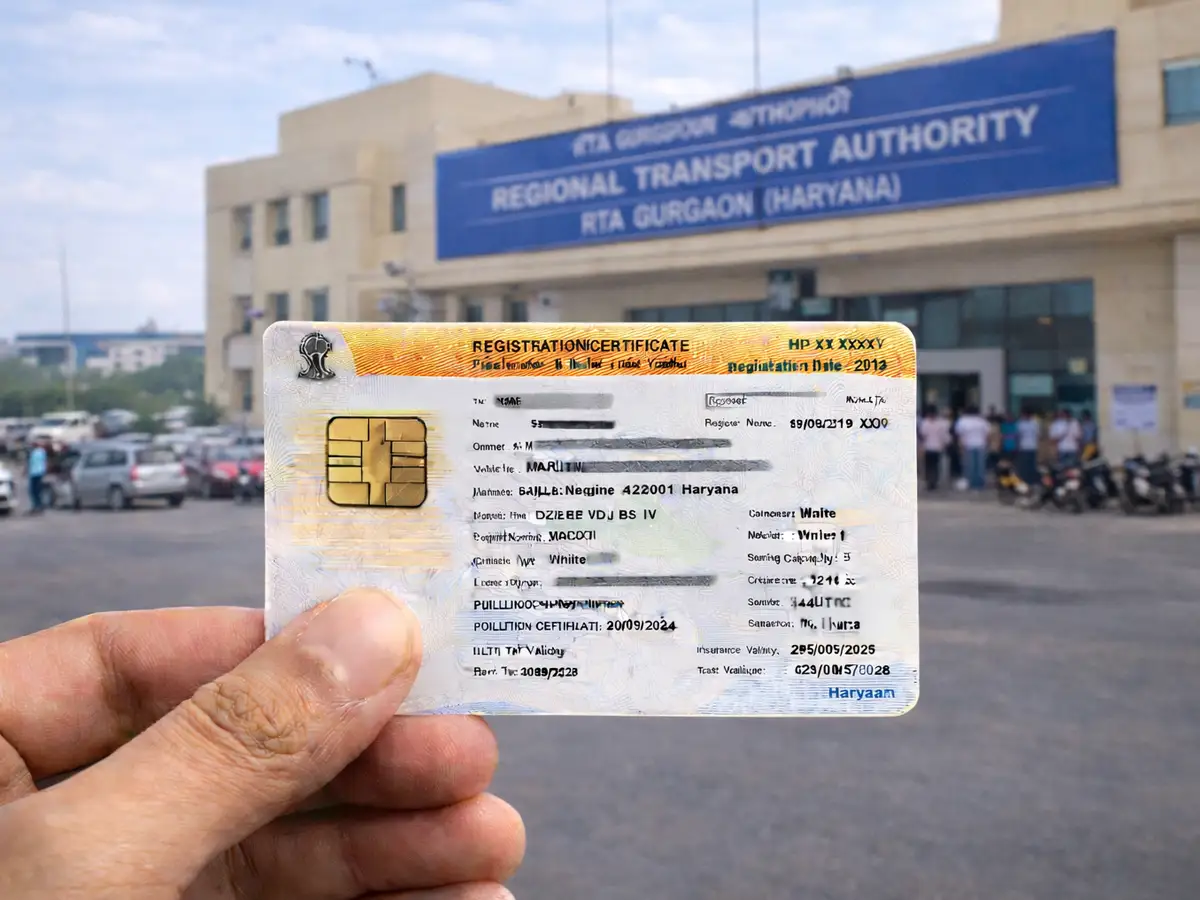
In India, the number of previous owners on the RC (Registration Certificate) is a major price driver.
Car A: First-owner vehicle.
Car B: Second or third-owner vehicle.
The Price Gap: Every time a car changes hands, the resale value drops by 5–10%. Buyers usually prefer first-owner cars because they usually imply better long-term care and less mixed driving styles, and hence our AI-powered pricing engine takes into account this factor while arriving at a price.
Regional Demand & Registration (RTO)
Where your car is registered plays a massive role in its liquidity (how fast it can be resold).
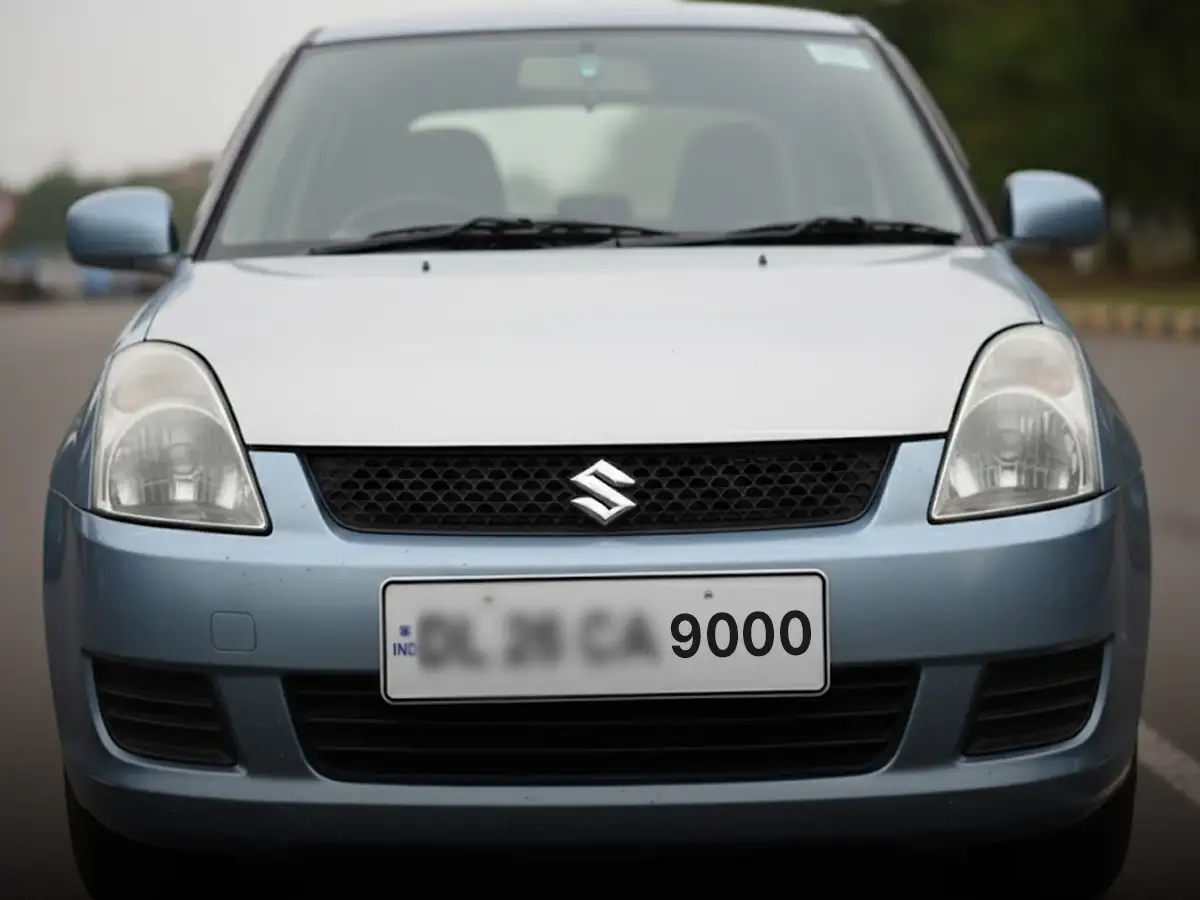
Car A: Registered in a Tier-1 city like Delhi or Bengaluru (DL/KA plates).
Car B: Registered in a smaller town or a state with different tax structures.
The Price Gap: High-demand RTOs often see higher prices. Furthermore, a 10-year-old Diesel car in Delhi (NCR) will have a much lower value than the same car in Chandigarh, due to specific NGT scrapage rules that don't apply everywhere.
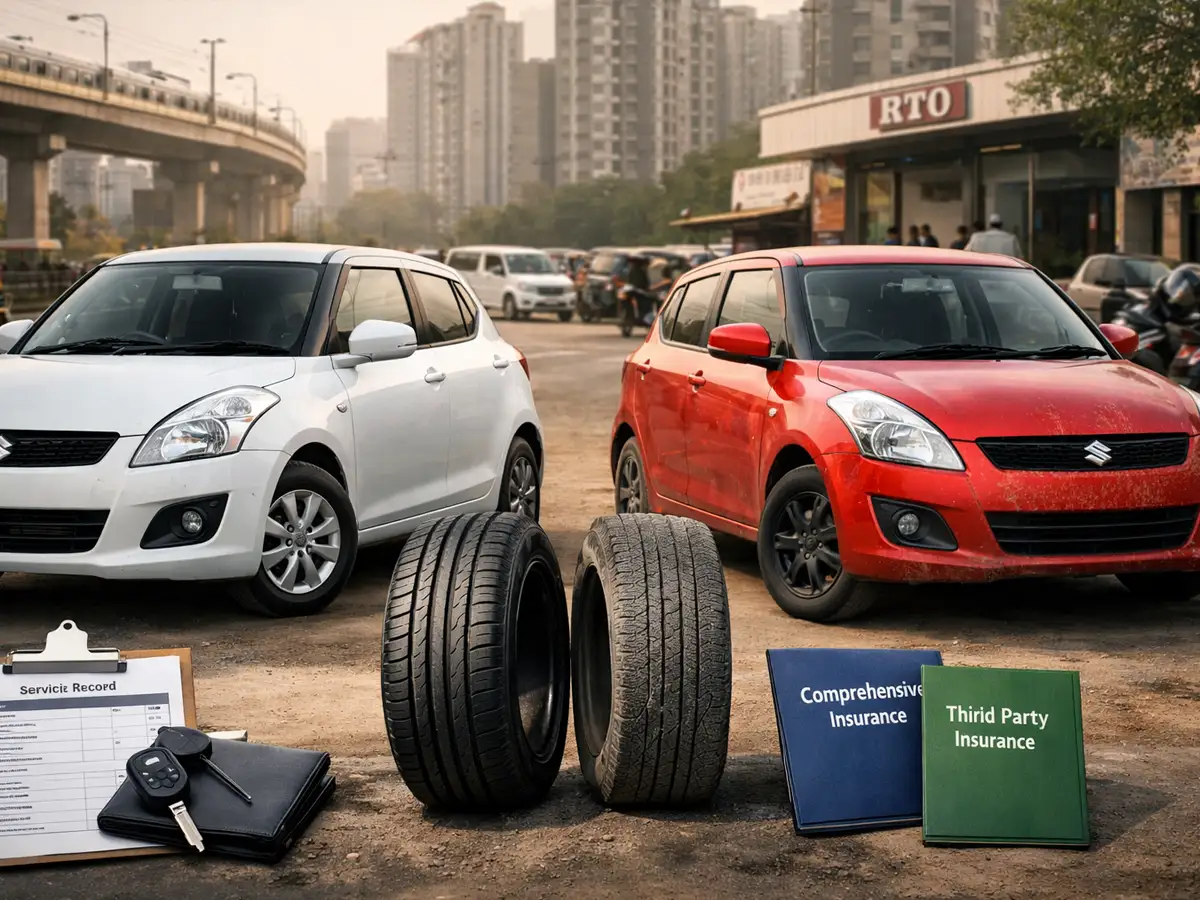
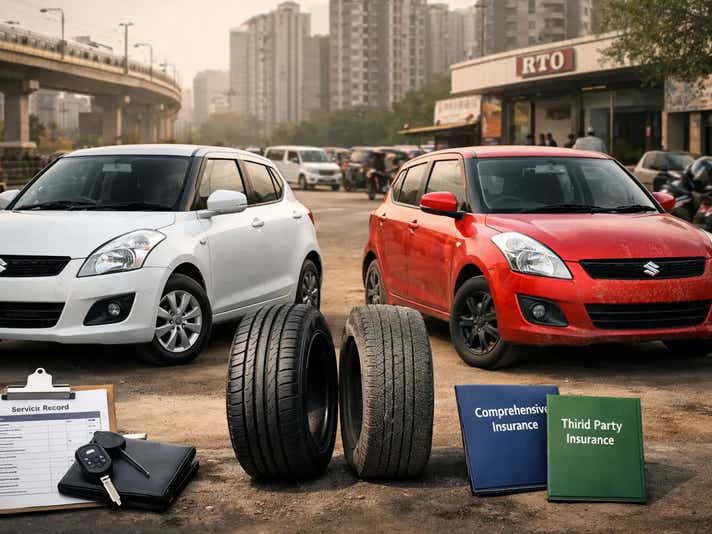
| Comparison Factor | Car A (Higher Value) | Car B (Lower Value) | Price Impact |
|---|---|---|---|
| Tyre Condition | New set (80% tread) | Original set (Balding) | ₹15,000 - ₹25,000 |
| Insurance Type | Zero-Depreciation | Third-Party Only | ₹5,000 - ₹12,000 |
| Spare Key | Both keys available | Single key only | ₹3,000 - ₹8,000 |
| Color | White/Silver/Grey | Bright Purple/Yellow | ₹10,000 - ₹20,000 |
Why the Cars24 AI is Fairer Than a Human
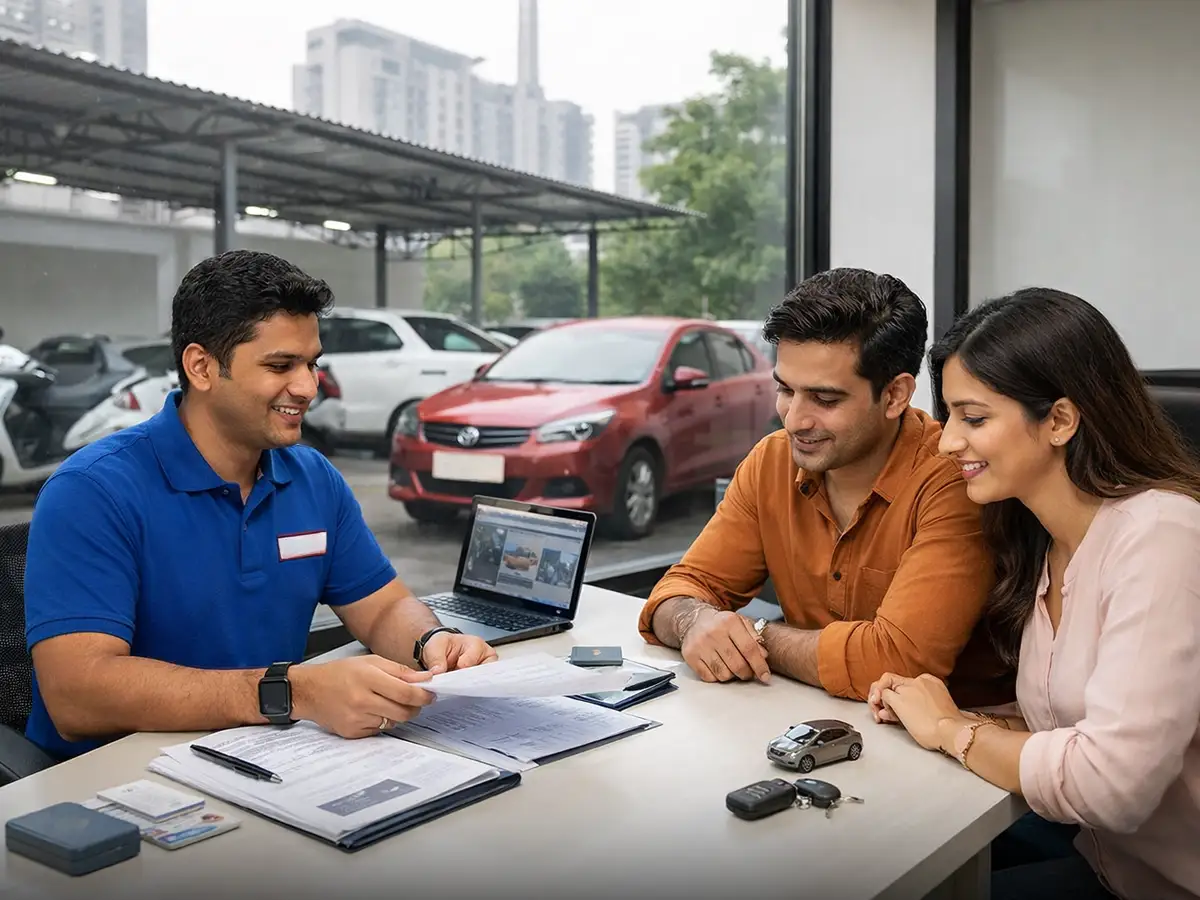
A local dealer might give you a low price because they have too many white cars this month. Our AI doesn't account for human-led scenarios; instead, it evaluates with an unbiased lens using only data. It takes into account factors like local demand, cost of ownership and repairs, and leverages predictive analysis to evaluate the repairs the vehicle might need in the near future, and arrives at a price point that truly depicts the market value of the vehicle. In numerous scenarios, this price will still be better than what others offer, since the AI-Engine is absolutely unbiased.
Frequently Asked Questions
Expand all