



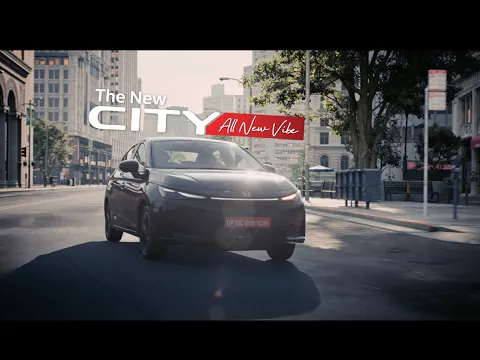


Honda City Specifications
 Arai mileage
 Transmission type
 Body type
 Fuel type
 Engine displacement
 Seating capacity
Honda City Variants: Price & Spec Cards
Thoughts about City
Images of Honda City

Honda City Overview: A Comfortable, Refined Family Sedan
The Honda City has been a mainstay of India's midsize sedan market for more than two decades. The current fifth-generation model received a substantial update for 2026, bringing sharper exterior styling, a larger 10.1-inch touchscreen, updated interiors, new convenience features and the return of a strong-hybrid powertrain in the City e:HEV.
The 2026 Honda City is available with two powertrain choices. The standard City uses a 1.5-litre naturally aspirated i-VTEC petrol engine producing 121 PS and 145 Nm, paired with either a 6-speed manual or CVT automatic. The City e:HEV combines a 1.5-litre petrol engine with Honda's two-motor hybrid system and e-CVT, producing a combined 126 PS and 253 Nm.
The City's appeal continues to centre on everyday usability rather than outright performance. The cabin is spacious, the rear seat is well suited to family use and the suspension is comfortable over typical Indian roads. At the same time, turbo-petrol rivals such as the Hyundai Verna, Volkswagen Virtus and Skoda Slavia offer stronger acceleration for buyers who prioritise performance. The original write-up also correctly identified the City's basic character as one of refinement and predictability rather than outright excitement.
The Honda City price in India starts at ₹12 lakh for the SV manual and extends to ₹17.36 lakh for the ZX+ CVT. The City e:HEV is offered in a single ZX+ grade at ₹21.36 lakh, making it the most expensive version in the current City range. These are ex-showroom Delhi prices announced by Honda in May 2026.
There are multiple Honda City variants on offer, with the petrol version being available in four grades: SV, V, ZX and ZX+, with the CVT offered from V upward. The e:HEV is available only in ZX+ grade. This gives buyers eight petrol/hybrid powertrain and transmission combinations across the range.
| Variant | Powertrain / Transmission | ARAI mileage | Ex-showroom Delhi |
| SV MT | 1.5L petrol / 6-speed MT | 17.77 km/l | ₹12 lakh |
| V MT | 1.5L petrol / 6-speed MT | 17.77 km/l | ₹13.51 lakh |
| V CVT | 1.5L petrol / CVT | 17.97 km/l | ₹14.51 lakh |
| ZX MT | 1.5L petrol / 6-speed MT | 17.77 km/l | ₹15.47 lakh |
| ZX Plus MT | 1.5L petrol / 6-speed MT | 17.77 km/l | ₹16.36 lakh |
| ZX CVT | 1.5L petrol / CVT | 17.97 km/l | ₹16.47 lakh |
| ZX Plus CVT | 1.5L petrol / CVT | 17.97 km/l | ₹17.36 lakh |
| ZX+ e:HEV | 1.5L strong hybrid / e-CVT | 27.26 km/l | ₹21.36 lakh |
Prices are ex-showroom Delhi as announced by Honda in May 2026. On-road prices vary by city because of registration, road tax, insurance and other applicable charges.
The Honda City engine lineup is straightforward: buyers can choose between the 1.5-litre naturally aspirated petrol and the 1.5-litre strong-hybrid e:HEV. The petrol engine is available with a 6-speed manual or CVT, while the e:HEV uses an e-CVT.
1.5L Naturally Aspirated Petrol
The 1.5-litre i-VTEC DOHC petrol engine develops 121 PS at 6,600 rpm and 145 Nm at 4,300 rpm. It is not the most powerful engine in the midsize-sedan class, but its smooth delivery suits relaxed city driving and steady highway cruising.
The 6-speed manual works well for drivers who prefer direct control, while the CVT is better suited to traffic-heavy commutes. Under hard acceleration, the engine becomes noticeably louder and does not provide the low-rpm shove of turbo-petrol rivals. The earlier copy's observation that overtakes can require planning remains relevant to the City's naturally aspirated character.
City e:HEV
The Honda City e:HEV uses Honda's self-charging two-motor strong-hybrid system with an e-CVT. It produces a combined 126 PS and 253 Nm and has an ARAI-certified fuel-efficiency figure of 27.26 km/l. The system can switch between EV, hybrid and engine drive depending on the driving conditions.
For buyers who spend a lot of time in urban traffic and want the lowest claimed fuel consumption in the City range, the e:HEV is the most relevant option. Its ₹20.99 lakh ex-showroom Delhi price, however, puts it well above the petrol variants, so the higher purchase price needs to be weighed against expected fuel savings.
City Driving Experience
In the city, the Honda City feels easy to drive. The petrol engine is smooth at normal speeds and the manual gearbox has a light, manageable character. The CVT is particularly suited to stop-start traffic because it eliminates the need for repeated gear changes.
The long body is easy enough to place on the road, although buyers moving from a smaller hatchback or compact SUV will need some time to judge its 4.59-metre length.
Highway Driving Experience
The Honda City is more convincing as a highway cruiser than as a performance sedan. It remains stable at cruising speeds and the naturally aspirated petrol engine is smooth when driven progressively. However, overtaking from higher gears requires more planning than in a turbo-petrol Verna, Virtus or Slavia.
The engine is willing to rev, but becomes vocal near the upper end of the rev range. The CVT also allows the engine to hold higher revs during hard acceleration, which can make the cabin noisier than it is during relaxed cruising.
Real-World Character
The Honda City's strongest quality is its predictability. It does not deliver the immediate performance of a turbocharged sedan, but the steering, ride, powertrain and cabin all work towards an easy-going driving experience. That makes it particularly well suited to buyers who spend most of their time commuting or travelling with family.
The Honda City variants are divided into SV, V, ZX and ZX+ for the petrol model, while the City e:HEV is available only in ZX+ guise. The CVT automatic starts with the V variant.
SV
The SV is the entry point into the City range. It is primarily aimed at buyers who want the core City package without paying for the higher-grade convenience and cosmetic features. Its ₹11.99 lakh ex-showroom Delhi price makes it the most affordable way into the current-generation sedan.
V
The V adds more convenience and technology and is the first variant available with the CVT automatic. For buyers who use the City primarily in urban traffic, the V CVT is worth considering because the automatic gearbox adds convenience without moving into the higher price band of the ZX range.
ZX
The ZX adds more premium equipment and is positioned as the higher-spec petrol variant. Buyers choosing between the V and ZX should focus on the value of the additional comfort, styling and technology features rather than simply moving up the range for the sake of it.
ZX+
The ZX+ is the flagship petrol grade and is also the grade used for the City e:HEV. The petrol ZX+ adds the more comprehensive equipment package, while the e:HEV combines the top-grade equipment with Honda's strong-hybrid powertrain.
The 2026 update also brings features such as a 10.1-inch touchscreen, ventilated front seats, 360-degree camera and USB-C charging to the City range, depending on variant.
Which Honda City variant should you buy?
The V CVT makes the most sense for buyers prioritising automatic convenience at a relatively sensible price. The ZX adds more premium equipment, while the ZX+ is the choice for buyers who want the fullest petrol specification. The e:HEV makes sense primarily for buyers who can justify its higher purchase price through high urban running and want the City's most efficient powertrain.
The Honda City mileage depends on the powertrain and transmission. Honda quotes 17.77 km/l for the petrol manual, 17.97 km/l for the petrol CVT and 27.26 km/l for the e:HEV. These are certified figures under standard test conditions and should not be treated as guaranteed real-world fuel economy.
| Powertrain | Transmission | ARAI mileage | Best suited to |
| 1.5L petrol | 6-speed MT | 17.77 km/l | Mixed city/highway use |
| 1.5L petrol | CVT | 17.97 km/l | Traffic-heavy urban use |
| 1.5L e:HEV | e-CVT | 27.26 km/l | High urban running |
The earlier copy quoted owner-style city and highway mileage figures without identifying a dataset or methodology. It is better to keep the ARAI figures clearly labelled and add Cars24-observed or owner-reported numbers only when the underlying sample and method are available.
The Honda City new model follows a sharper interpretation of the fifth-generation design for 2026. The update adds a new front fascia, Blade-Eye LED lighting, a connected centre light bar, a redesigned bumper and a new alloy-wheel design. Honda also describes the 2026 City as the longest sedan in its segment, with an overall length of 4,594 mm.
Front Profile
The front end is the most noticeable change for 2026. It gets new Bi-LED projector headlamps, integrated split LED DRLs with turn indicators, a wider grille and a more pronounced bumper. The changes make the City look sportier without abandoning its sedan proportions.
Side Profile
The side retains the familiar three-box silhouette, with relatively clean surfaces rather than excessive creasing. The 2026 model gets new R16 dual-tone Aero Blade diamond-cut alloy wheels, while the long 4,594-mm body gives it a substantial stance.
Rear Profile
The rear receives new Z-Edge wraparound LED tail lamps with clear lenses, a redesigned lower bumper and a sportier boot-lid spoiler. The changes are evolutionary rather than a complete redesign, but they give the updated City a fresher appearance.
The Honda City interior continues to prioritise passenger comfort and usability. The cabin's biggest strength remains its spacious rear compartment, while the 2026 update addresses one of the older model's weaker areas by introducing a larger 10.1-inch floating touchscreen.
Front Row
The front cabin uses a two-tone ivory-and-black theme and gets updated trim details. The 2026 model's 10.1-inch touchscreen supports wireless smartphone connectivity, while higher variants add features such as ventilated front seats, a 360-degree camera and USB-C charging.
Second Row
Rear-seat space remains one of the City's strongest arguments. The long wheelbase and sedan body provide generous legroom, while rear AC vents and charging ports improve long-distance usability. The cabin is particularly well suited to families who regularly carry two adults in the rear.
The sloping roof is less restrictive than in many coupe-style SUVs, although taller passengers may find the rear headroom less generous than the legroom.
Boot Space & Practicality
The Honda City has a 506-litre boot, which is sufficient for family luggage and weekend travel. Honda's cabin packaging also includes door pockets, a centre-console storage area, seat-back pockets and rear armrest storage.
The boot is a useful advantage for buyers who choose a sedan specifically for luggage-carrying ability, although it is not dramatically larger than the cargo areas of some competing midsize sedans.
The Honda City safety package includes Honda Sensing ADAS, electronic stability control, ABS with EBD, hill-start assist, ISOFIX mounts and tyre-pressure monitoring. Honda's 2026 City also gets a 360-degree camera on higher variants.
Honda Sensing ADAS
Honda Sensing uses a front-facing camera-based system to provide driver-assistance functions. Depending on the powertrain and specification, features include Collision Mitigation Braking System, Lane Keep Assist System, Road Departure Mitigation, Lead Car Departure Notification and Auto High-Beam. Adaptive Cruise Control with Low-Speed Follow is specifically available on the e:HEV.
The City should not, however, be described simply as a "5-star safety car" without specifying the testing agency and applicable test. The earlier copy referred to a 5-star ASEAN NCAP rating for the fifth generation, but this is different from a current Bharat NCAP result and should not be presented as though the City has a current Bharat NCAP score.
Passive & Active Safety
The City uses an ACE body structure and offers airbags, three-point seatbelts, ISOFIX mounts, ABS with EBD, vehicle stability assistance and tyre-pressure monitoring. Higher variants add equipment such as a multi-view camera and additional driver-assistance functions.
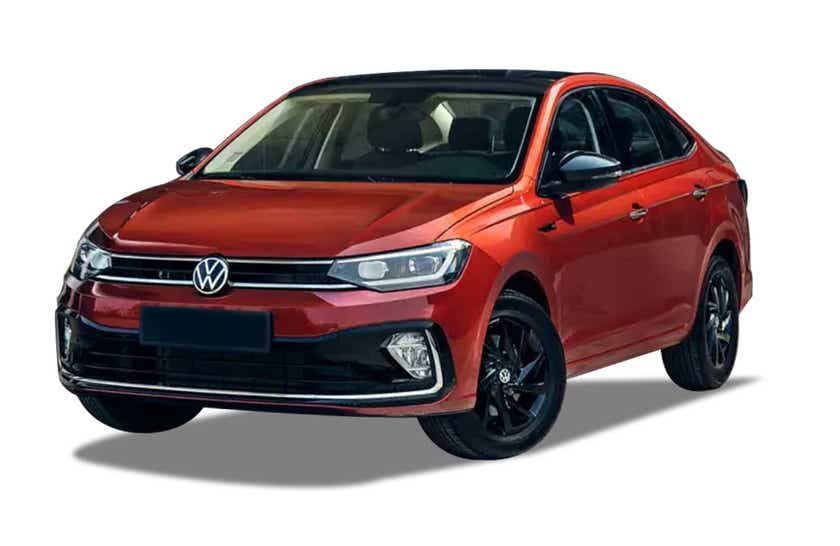
The Honda City competes primarily with the Hyundai Verna, Volkswagen Virtus and Skoda Slavia. The Maruti Suzuki Ciaz is no longer a current new-car rival.
| Model | Core strength | Where City differs |
| Honda City | Refinement, rear-seat space, hybrid option | Less powerful than turbo-petrol rivals |
| Hyundai Verna | Turbo performance, features | City has a more linear NA petrol character |
| Volkswagen Virtus | Driving dynamics, turbo engines | City prioritises ride and cabin comfort |
| Skoda Slavia | Handling, turbo performance | City feels more relaxed and family-focused |
Hyundai Verna
One of the biggest advantages that the Hyundai Verna enjoys over the City is the higher power it offers. The turbo-petrol, in particular, holds a performance edge over the City. While the strong-hybrid version does counter it to an extent, the Verna turns out to be a sportier vehicle.
Volkswagen Virtus
The VW Virtus is a better option for buyers who need sharper handling and a stronger, turbocharged performance. Between the two, the City is definitely a more relaxed vehicle which prioritises comfort over driving pleasure.
Skoda Slavia
Akin to the Virtus, the Slavia is a more performance-focused option, much of which is owing to its turbocharged motors. Again, the City is a more comfort-focused sedan that prioritizes refinement over outright performance.
Maruti Suzuki Ciaz
The Ciaz is no longer part of the current new-car market, so it should not be treated as a direct new-car competitor. It remains relevant only when discussing the history of the Indian midsize-sedan segment.
The Honda City is a well-sorted all-rounder, but as is the case with every car, it’s not perfect. While it has many strengths, there are a few trade-offs to consider.
| Pros | Cons |
| The cabin offers excellent space and comfort, especially in the rear seat, making it one of the most comfortable sedans in its segment for family use and long journeys. | The absence of a diesel engine limits options for buyers who prioritise torque-heavy performance and long-distance fuel efficiency. |
| The 1.5-litre petrol engine delivers a smooth and refined driving experience, which makes daily commuting and highway cruising feel effortless and stress-free. | The feature list, while sufficient, misses out on some newer additions like ventilated seats and larger infotainment screens offered by rivals. |
| The ride quality is well-tuned for Indian roads, absorbing potholes and undulations effectively while maintaining stability at higher speeds. | Rear seat headroom can feel slightly tight for taller passengers, especially on longer journeys. |
| The addition of Honda Sensing ADAS improves overall safety and brings advanced driver assistance features into a more accessible price range. | Performance feels less engaging compared to turbocharged competitors, especially for buyers who prefer a more spirited driving experience. |
The City's strengths are concentrated around comfort, refinement and ease of ownership rather than outright performance. Its biggest limitation is the naturally aspirated petrol engine's lack of low-end punch compared with turbocharged alternatives. The e:HEV addresses the efficiency side of the equation, but its substantially higher purchase price means it needs a higher annual running to make financial sense.
The Honda City remains a strong choice for buyers who want a spacious midsize sedan with a refined petrol engine, comfortable ride and easy highway manners. The 2026 update makes the package more competitive by adding a larger touchscreen, sharper styling, additional convenience features and a strong-hybrid option.
Choose the petrol City if your priorities are a smooth engine, comfortable cabin and relatively straightforward ownership. The V CVT is particularly well suited to buyers who spend significant time in urban traffic. The ZX or ZX+ makes more sense if you want more of the available technology and comfort equipment.
The Honda City e:HEV is a different proposition. Its 27.26 km/l ARAI figure is significantly higher than the petrol City's 17.77-17.97 km/l, but the ₹20.99 lakh ex-showroom Delhi price means the hybrid should be considered by buyers with substantial running and a preference for efficient, electrified driving rather than simply as an automatic alternative.
The City is less convincing for buyers who prioritise outright acceleration, sporty handling or a long list of segment-first features. The Hyundai Verna, Volkswagen Virtus and Skoda Slavia offer stronger turbo-petrol performance. But for someone looking for a comfortable, spacious and mature family sedan, the Honda City remains a well-rounded proposition.
Match the Honda City to your use case
| Buyer profile | Recommended choice |
| Mostly city driving, wants an automatic | City V CVT |
| Mixed city and highway use | City V/ZX MT or CVT |
| Wants more premium petrol equipment | City ZX/ZX+ |
| High urban running, efficiency is priority | City e:HEV ZX+ |
| Wants strong turbo-petrol performance | Consider Verna, Virtus or Slavia |
| Wants an SUV body style | Consider an SUV instead of the City |
All in all, the 2026 Honda City is a great option for those seeking a comfortable and refinement-focused sedan instead of a vehicle that prioritises performance. Its refined engines, especially the e:HEV strong-hybrid, let a buyer choose a variant that’s not only more powerful but even a lot more fuel-efficient. All this while, the City has successfully retained the characteristics of quality and refinement that has kept it relevant throughout generations of buyers.
Honda City Mileage
View MileageMileage spotlight: City cruises into top ranks
Discover this standout car, currently ranked 1 on the Cars24 mileage Leaderboard. With 17.77 kmpl mileage, City continues to impress with its combination of style and performance.


City last 6 months Sales
Compare Honda City with Similar Cars
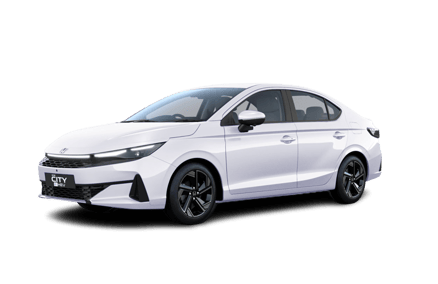
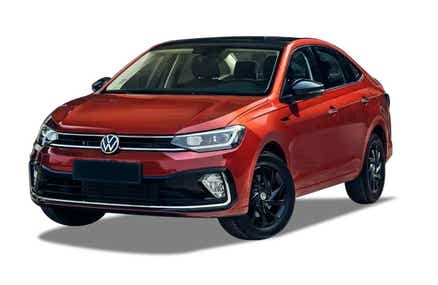

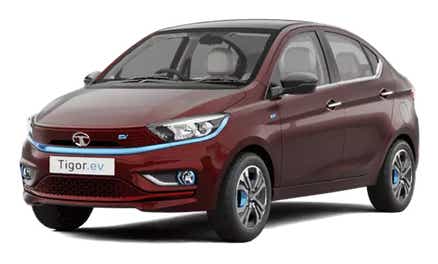
Parallel picks for you!

Pros and Cons
Frequently Asked Questions
The Honda City is easily among the most successful sedans to have ever sold in the C-segment of the Indian car market. While it has been overtaken by some of its rivals in recent years, it continues to be the volume-churner for its manufacturer.
No, the Honda City is a mid-size sedan that belongs to the C2-segment of the Indian car market. It’s sufficiently premium for a car of its price, but it’s nowhere as posh as actual luxury cars from BMW, Mercedes-Benz and the likes.
As of August 2026, prices of the Honda City start at ₹12 lakh for the entry-level petrol-manual variant and goes up to ₹21.36 lakh (ex-showroom Delhi) for the e:HEV strong-hybrid version. It may be noted that the on-road prices can vary based on local taxes, insurance, accessories and dealer-level discounts, if any.
No, the Honda City is not sold in the US. The City is primarily available in South East Asian markets such as India and Thailand. Meanwhile, Accord and Civic are popular Honda sedans in the US.
Currently, the biggest disadvantage of the Honda City is its sedan body-style in a market that’s increasingly favouring SUVs over every other type of vehicle. Also, other issues include ground clearance concerns and lack of diesel engine.
Can Honda City last 15 years?
Known for its legendary reliability, Honda petrol engines are built to last. Hence, a well-maintained Honda City can easily last over 15 years. In fact, many well-maintained examples of Gen-1 City VTEC easily command high prices in the used car market owing to their iconic value.




All Sibling Models of Honda
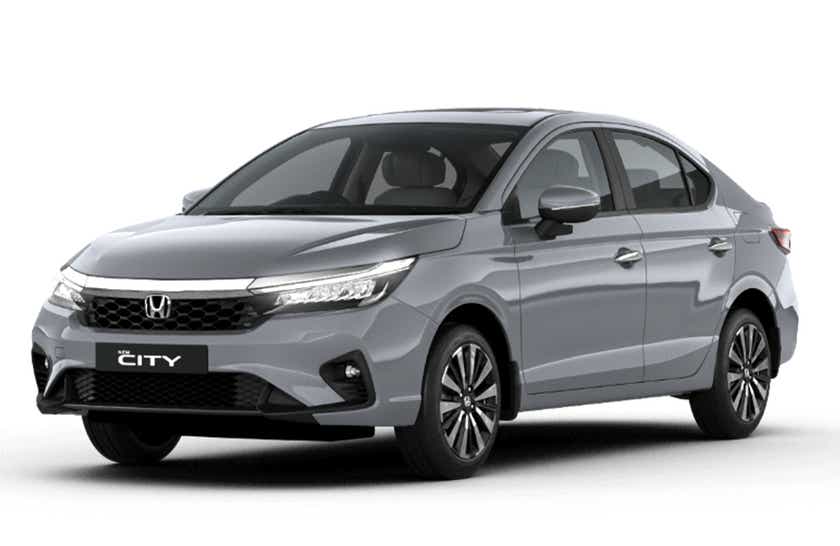
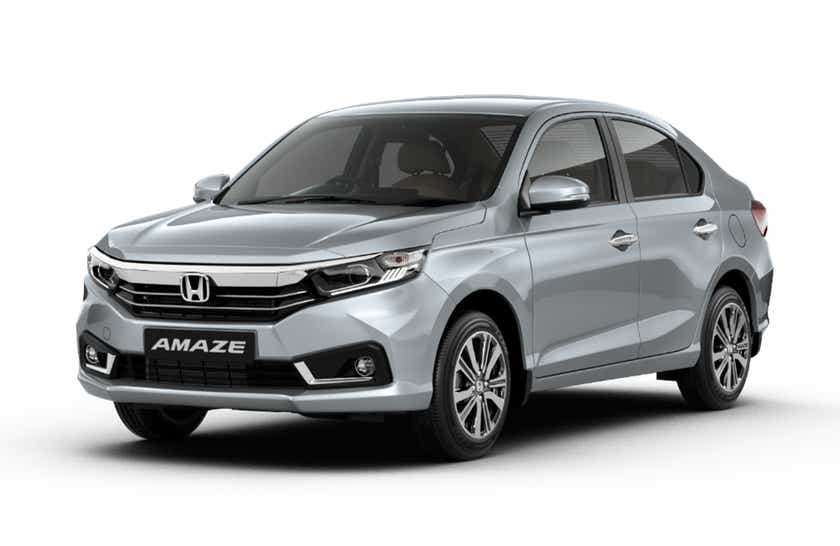
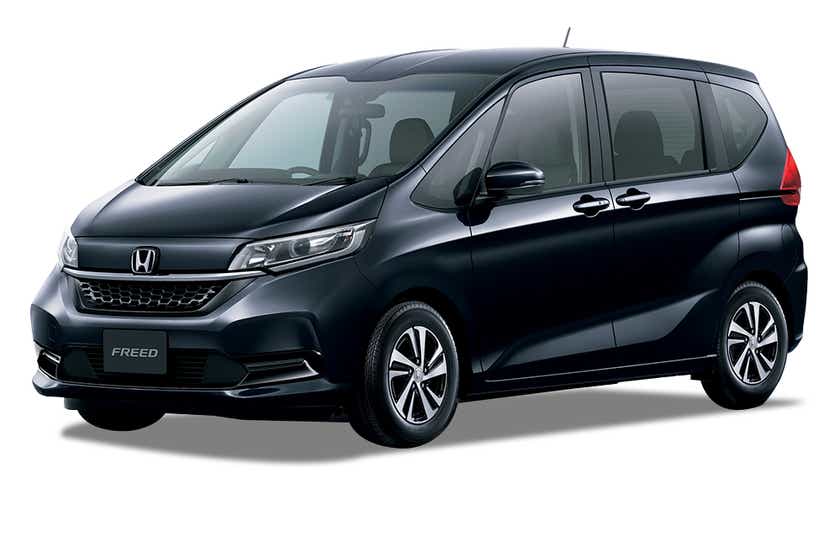

All Model Make Filter
- Recently Launched 5 Seater Cars
- Recently Launched Manual Cars
- Recently Launched Automatic Cars
- Recently Launched Sedan Cars
- Recently Launched Petrol Cars
- Recently Launched 1000 to 1500cc Cars
- Recently Launched Upto 30kmpl Cars
- Recently Launched Fwd Cars
- Recently Launched 4 Cylinder Cars
- Recently Launched Abs Cars
- Recently Launched Esc Cars
- Recently Launched Hill Hold Assist Cars
- Recently Launched Traction Control Cars
- Recently Launched Tpms Cars
- Recently Launched Adaptive Cruise Control Cars
- Recently Launched Sunroof Cars
- Recently Launched Cars Under 15 Lakhs
- Recently Launched Cars Under 20 Lakhs
- Recently Launched Cars Under 25 Lakhs
- 5 Seater Manual Cars
- 5 Seater Automatic Cars
- 5 Seater Sedan Cars
- 5 Seater Petrol Cars
- 5 Seater 1000 to 1500cc Cars
- 5 Seater Upto 30kmpl Cars
- 5 Seater Fwd Cars
- 5 Seater 4 Cylinder Cars
- 5 Seater Abs Cars
- 5 Seater Esc Cars
- 5 Seater Hill Hold Assist Cars
- 5 Seater Traction Control Cars
- 5 Seater Tpms Cars
- 5 Seater Adaptive Cruise Control Cars
- 5 Seater Sunroof Cars
- 5 Seater Cars Under 15 Lakhs
- 5 Seater Cars Under 20 Lakhs
- 5 Seater Cars Under 25 Lakhs
- Manual Sedan Cars
- Manual Petrol Cars
- Manual 1000 to 1500cc Cars
- Manual Upto 30kmpl Cars
- Manual Fwd Cars
- Manual 4 Cylinder Cars
- Manual Abs Cars
- Manual Esc Cars
- Manual Hill Hold Assist Cars
- Manual Traction Control Cars
- Manual Tpms Cars
- Manual Adaptive Cruise Control Cars
- Manual Sunroof Cars
- Manual Cars Under 15 Lakhs
- Manual Cars Under 20 Lakhs
- Automatic Sedan Cars
- Automatic Petrol Cars
- Automatic 1000 to 1500cc Cars
- Automatic Upto 30kmpl Cars
- Automatic Fwd Cars
- Automatic 4 Cylinder Cars
- Automatic Abs Cars
- Automatic Esc Cars
- Automatic Hill Hold Assist Cars
- Automatic Traction Control Cars
- Automatic Tpms Cars
- Automatic Adaptive Cruise Control Cars
- Automatic Sunroof Cars
- Automatic Cars Under 15 Lakhs
- Automatic Cars Under 20 Lakhs
- Automatic Cars Under 25 Lakhs
- Sedan Petrol Cars
- Sedan 1000 to 1500cc Cars
- Sedan Upto 30kmpl Cars
- Sedan Fwd Cars
- Sedan 4 Cylinder Cars
- Sedan Abs Cars
- Sedan Esc Cars
- Sedan Hill Hold Assist Cars
- Sedan Traction Control Cars
- Sedan Tpms Cars
- Sedan Adaptive Cruise Control Cars
- Sedan Sunroof Cars
- Sedan Cars Under 15 Lakhs
- Sedan Cars Under 20 Lakhs
- Sedan Cars Under 25 Lakhs
- Petrol 1000 to 1500cc Cars
- Petrol Upto 30kmpl Cars
- Petrol Fwd Cars
- Petrol 4 Cylinder Cars
- Petrol Abs Cars
- Petrol Esc Cars
- Petrol Hill Hold Assist Cars
- Petrol Traction Control Cars
- Petrol Tpms Cars
- Petrol Adaptive Cruise Control Cars
- Petrol Sunroof Cars
- Petrol Cars Under 15 Lakhs
- Petrol Cars Under 20 Lakhs
- Petrol Cars Under 25 Lakhs
- 1000 to 1500cc Upto 30kmpl Cars
- 1000 to 1500cc Fwd Cars
- 1000 to 1500cc 4 Cylinder Cars
- 1000 to 1500cc Abs Cars
- 1000 to 1500cc Esc Cars
- 1000 to 1500cc Hill Hold Assist Cars
- 1000 to 1500cc Traction Control Cars
- 1000 to 1500cc Tpms Cars
- 1000 to 1500cc Adaptive Cruise Control Cars
- 1000 to 1500cc Sunroof Cars
- 1000 to 1500cc Cars Under 15 Lakhs
- 1000 to 1500cc Cars Under 20 Lakhs
- 1000 to 1500cc Cars Under 25 Lakhs
- Upto 30kmpl Fwd Cars
- Upto 30kmpl 4 Cylinder Cars
- Upto 30kmpl Abs Cars
- Upto 30kmpl Esc Cars
- Upto 30kmpl Hill Hold Assist Cars
- Upto 30kmpl Traction Control Cars
- Upto 30kmpl Tpms Cars
- Upto 30kmpl Adaptive Cruise Control Cars
- Upto 30kmpl Sunroof Cars
- Upto 30kmpl Cars Under 15 Lakhs
- Upto 30kmpl Cars Under 20 Lakhs
- Upto 30kmpl Cars Under 25 Lakhs
- Fwd 4 Cylinder Cars
- Fwd Abs Cars
- Fwd Esc Cars
- Fwd Hill Hold Assist Cars
- Fwd Traction Control Cars
- Fwd Tpms Cars
- Fwd Adaptive Cruise Control Cars
- Fwd Sunroof Cars
- Fwd Cars Under 15 Lakhs
- Fwd Cars Under 20 Lakhs
- Fwd Cars Under 25 Lakhs
- 4 Cylinder Abs Cars
- 4 Cylinder Esc Cars
- 4 Cylinder Hill Hold Assist Cars
- 4 Cylinder Traction Control Cars
- 4 Cylinder Tpms Cars
- 4 Cylinder Adaptive Cruise Control Cars
- 4 Cylinder Sunroof Cars
- 4 Cylinder Cars Under 15 Lakhs
- 4 Cylinder Cars Under 20 Lakhs
- 4 Cylinder Cars Under 25 Lakhs
- Abs Sunroof Cars
- Abs Cars Under 15 Lakhs
- Abs Cars Under 20 Lakhs
- Abs Cars Under 25 Lakhs
- Esc Sunroof Cars
- Esc Cars Under 15 Lakhs
- Esc Cars Under 20 Lakhs
- Esc Cars Under 25 Lakhs
- Hill Hold Assist Sunroof Cars
- Hill Hold Assist Cars Under 15 Lakhs
- Hill Hold Assist Cars Under 20 Lakhs
- Hill Hold Assist Cars Under 25 Lakhs
- Traction Control Sunroof Cars
- Traction Control Cars Under 15 Lakhs
- Traction Control Cars Under 20 Lakhs
- Traction Control Cars Under 25 Lakhs
- Tpms Sunroof Cars
- Tpms Cars Under 15 Lakhs
- Tpms Cars Under 20 Lakhs
- Tpms Cars Under 25 Lakhs
- Adaptive Cruise Control Sunroof Cars
- Adaptive Cruise Control Cars Under 15 Lakhs
- Adaptive Cruise Control Cars Under 20 Lakhs
- Adaptive Cruise Control Cars Under 25 Lakhs
- Sunroof Cars Under 20 Lakhs
- Sunroof Cars Under 25 Lakhs
- Honda Upcoming Cars
- Honda Recently Launched Cars
- Honda Discontinued Cars
- Honda 2 Star Cars
- Honda 5 Star Cars
- Honda 5 Seater Cars
- Honda 7 Seater Cars
- Honda Manual Cars
- Honda Automatic Cars
- Honda Sedan Cars
- Honda Suv Cars
- Honda Minivan Cars
- Honda Petrol Cars
- Honda 1000 to 1500cc Cars
- Honda 1500 to 2000cc Cars
- Honda Above 3000cc Cars
- Honda Upto 30kmpl Cars
- Honda Fwd Cars
- Honda 4 Cylinder Cars
- Honda Abs Cars
- Honda Esc Cars
- Honda Hill Hold Assist Cars
- Honda Traction Control Cars
- Honda Tpms Cars
- Honda Adaptive Cruise Control Cars
- Honda Sunroof Cars
- Honda Moonroof Cars
- Honda Cars Under 10 Lakhs
- Honda Cars Under 15 Lakhs
- Honda Cars Under 20 Lakhs
- Honda Cars Under 25 Lakhs
- Honda Cars Under 50 Lakhs
- Maruti Suzuki
- Tata
- Hyundai
- Mahindra
- Toyota
- Kia
- Renault
- Skoda
- Mg
- Nissan
- Volkswagen
- Citroen
- Bmw
- Mercedes Benz
- Xiaomi
- Ford
- Jeep
- Audi
- Jaguar
- Land Rover
- Rolls Royce
- Byd
- Force
- Tesla
- Vinfast
- Bentley
- Lamborghini
- Ola Electric
- Maserati
- Volvo
- Aston Martin
- Ferrari
- Isuzu
- Mclaren
- Mini
- Lotus
- Porsche
- Lexus
- Jsw Cars