
FWD Cars in India
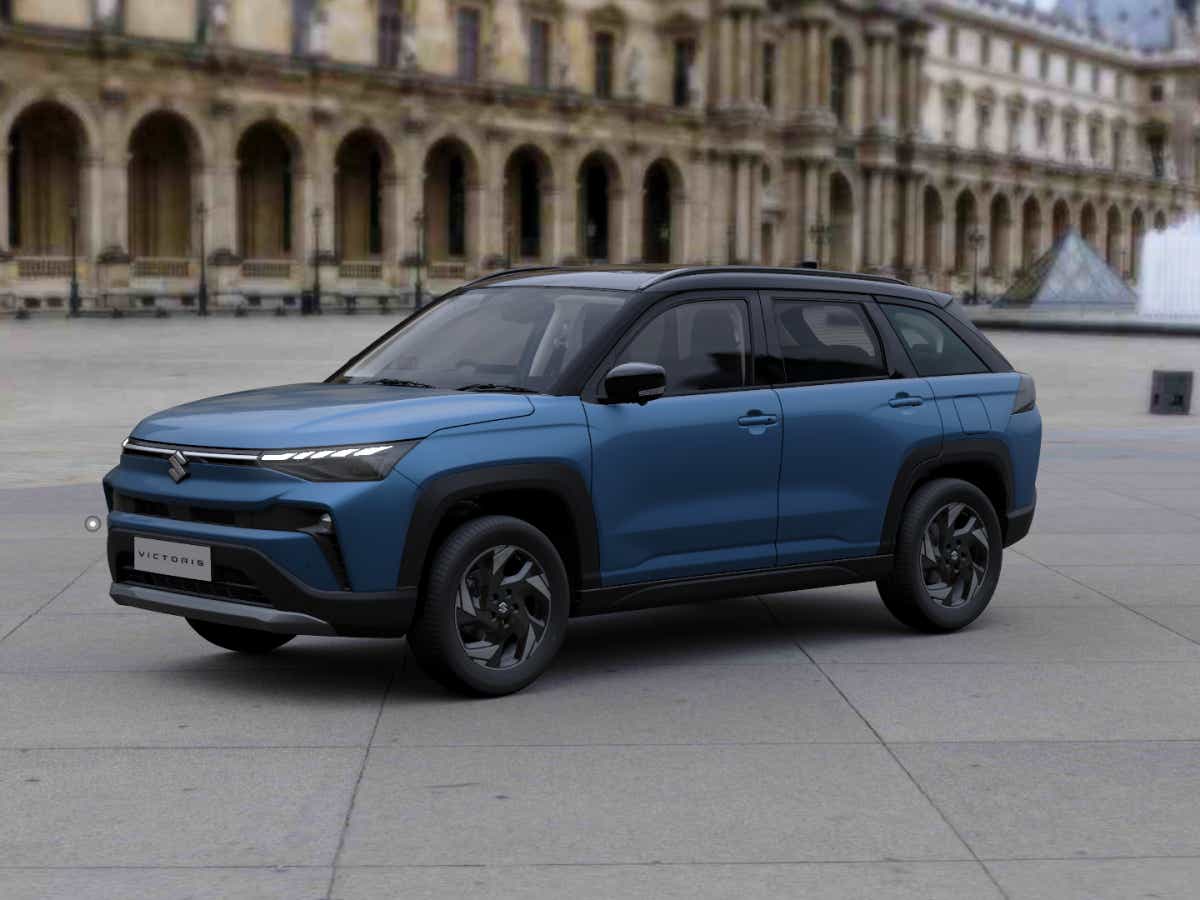
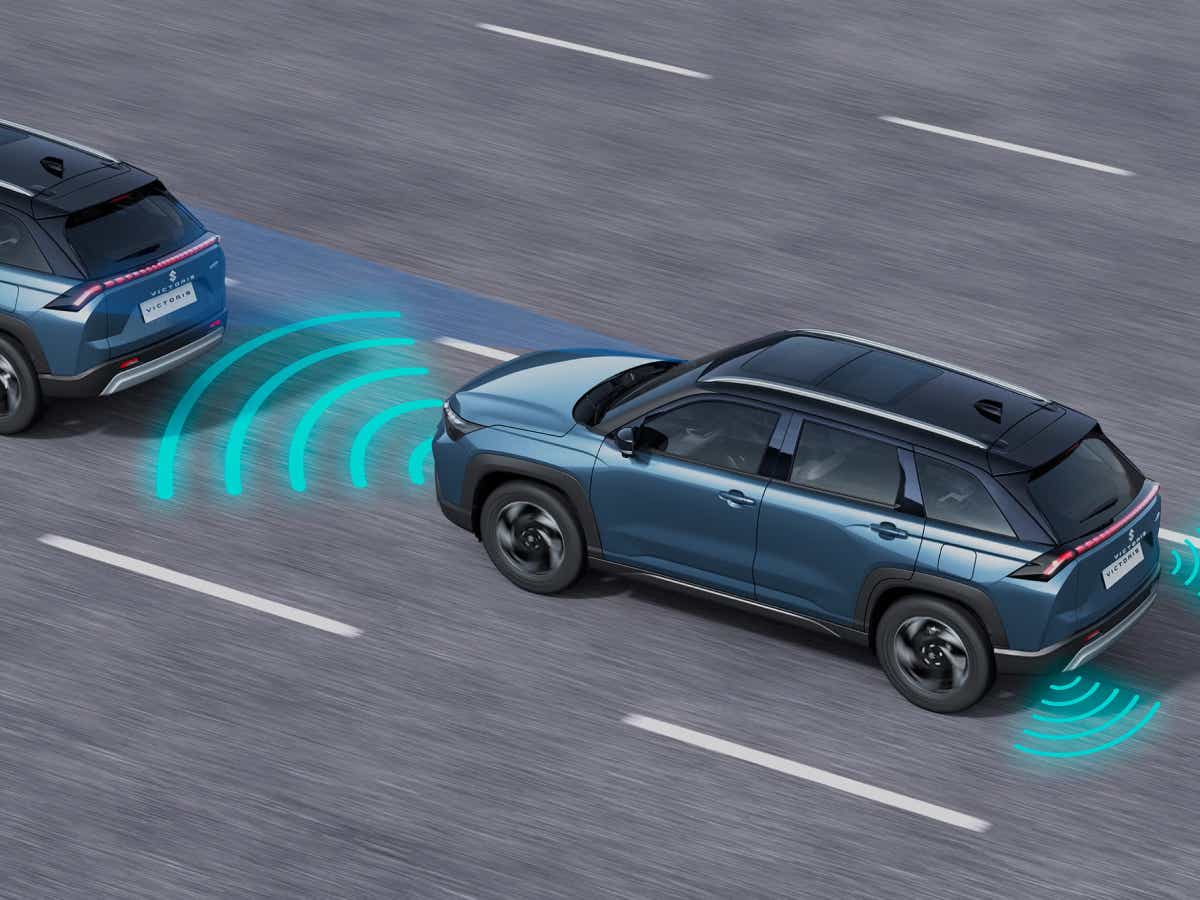
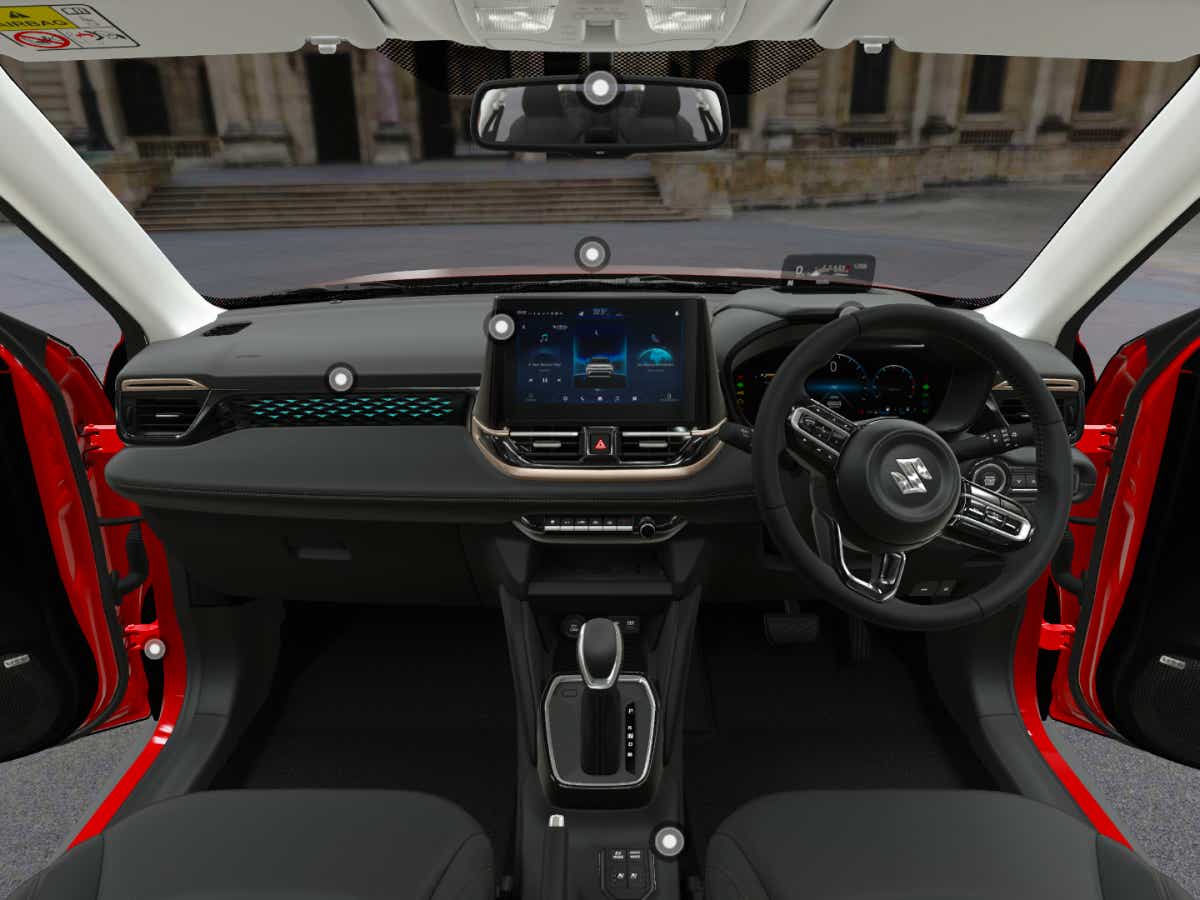
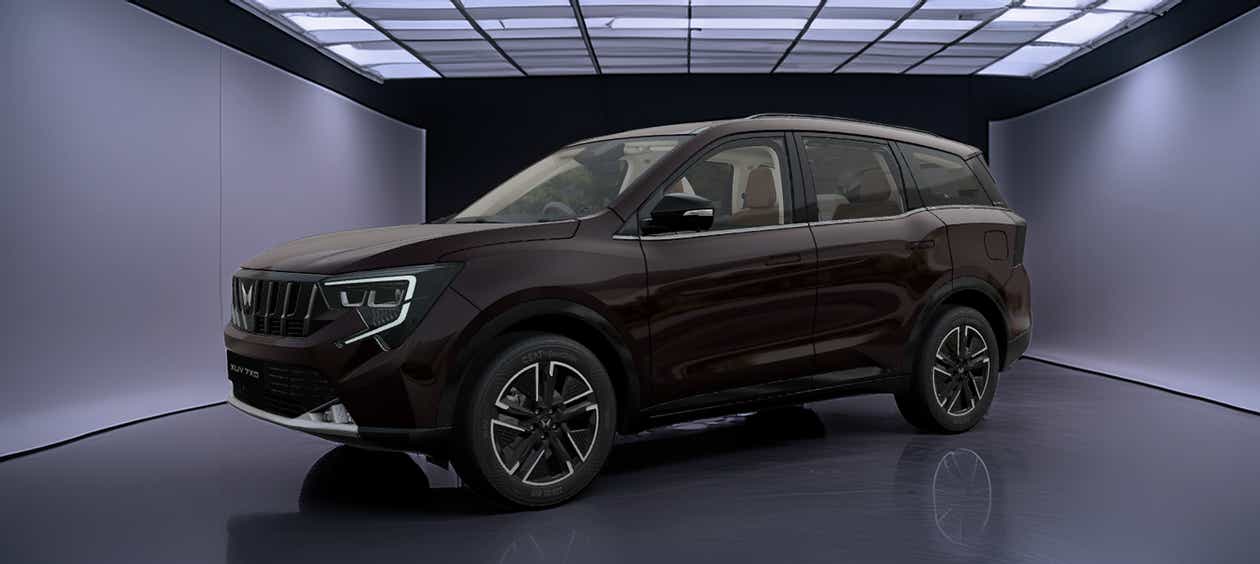
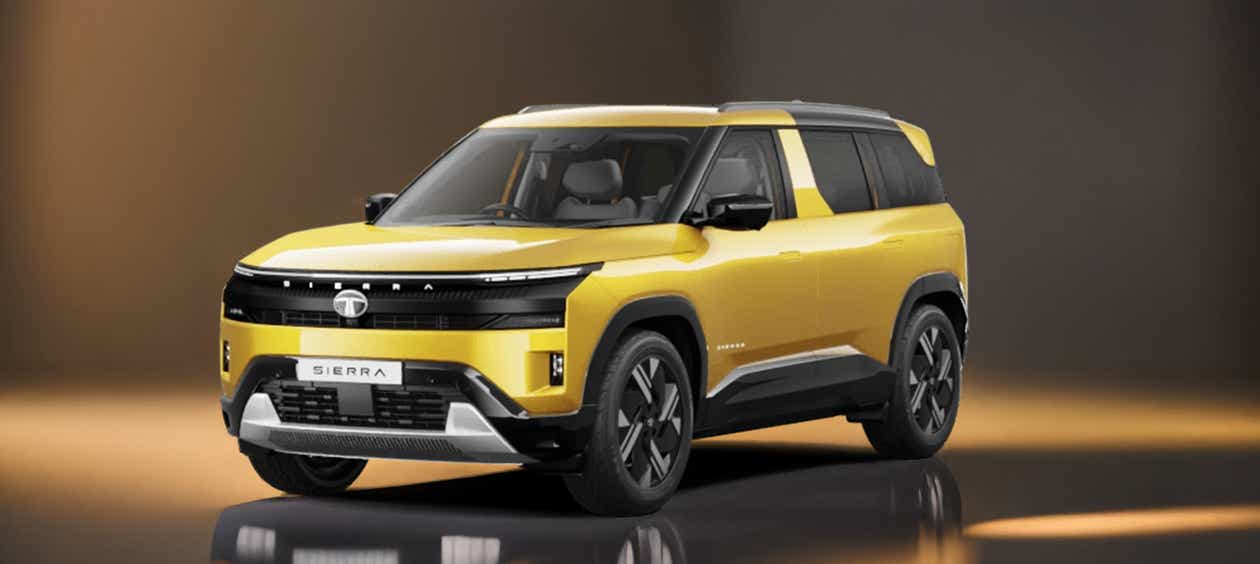
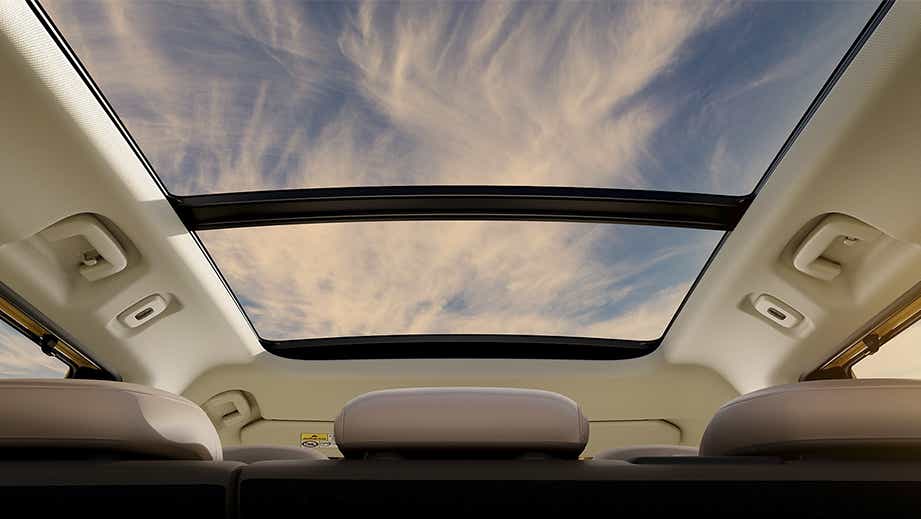
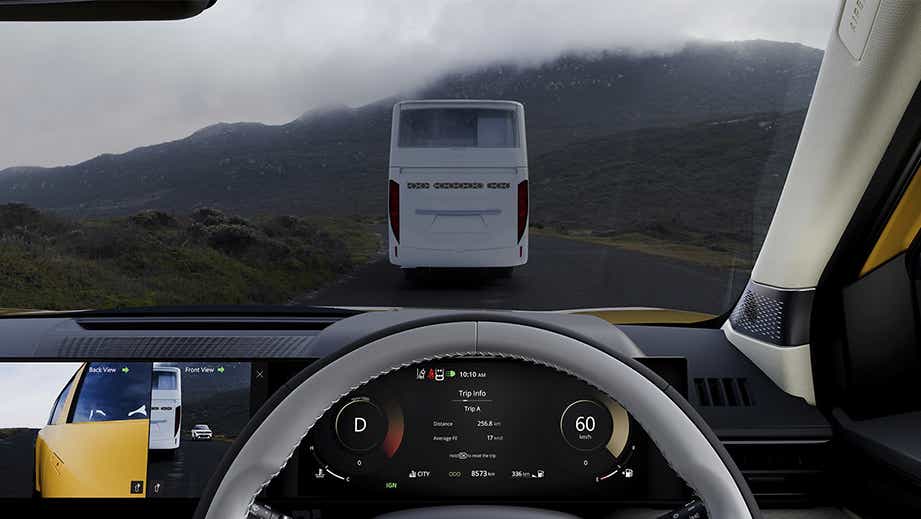
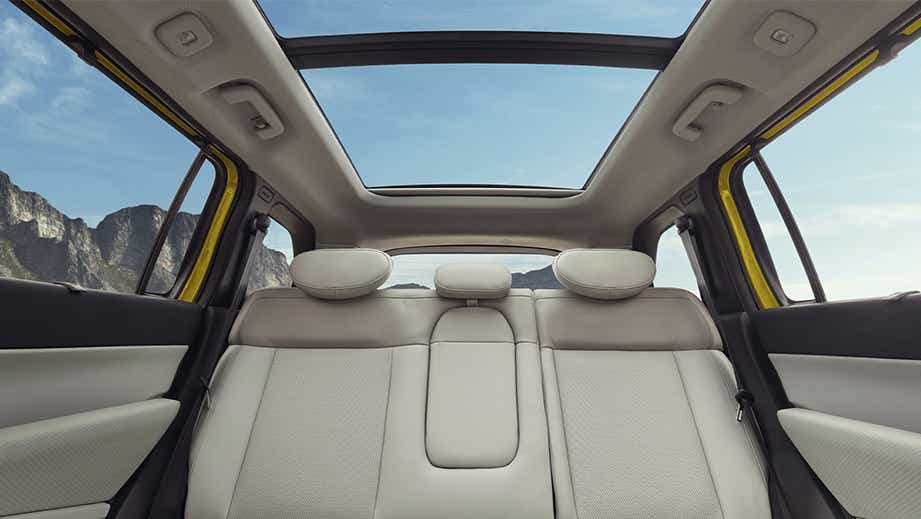
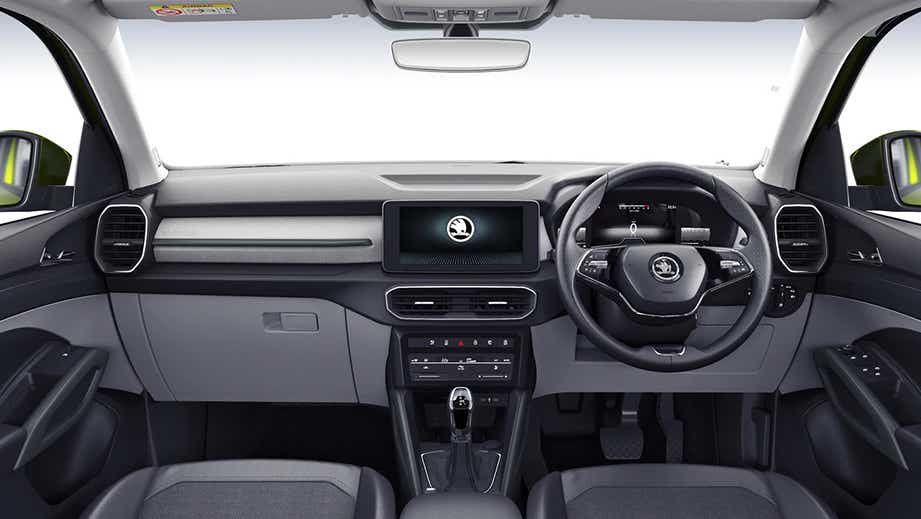
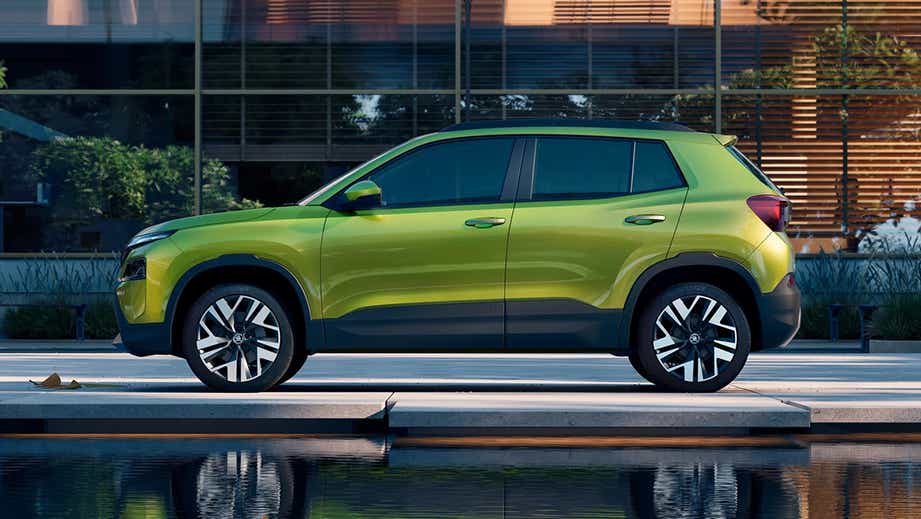
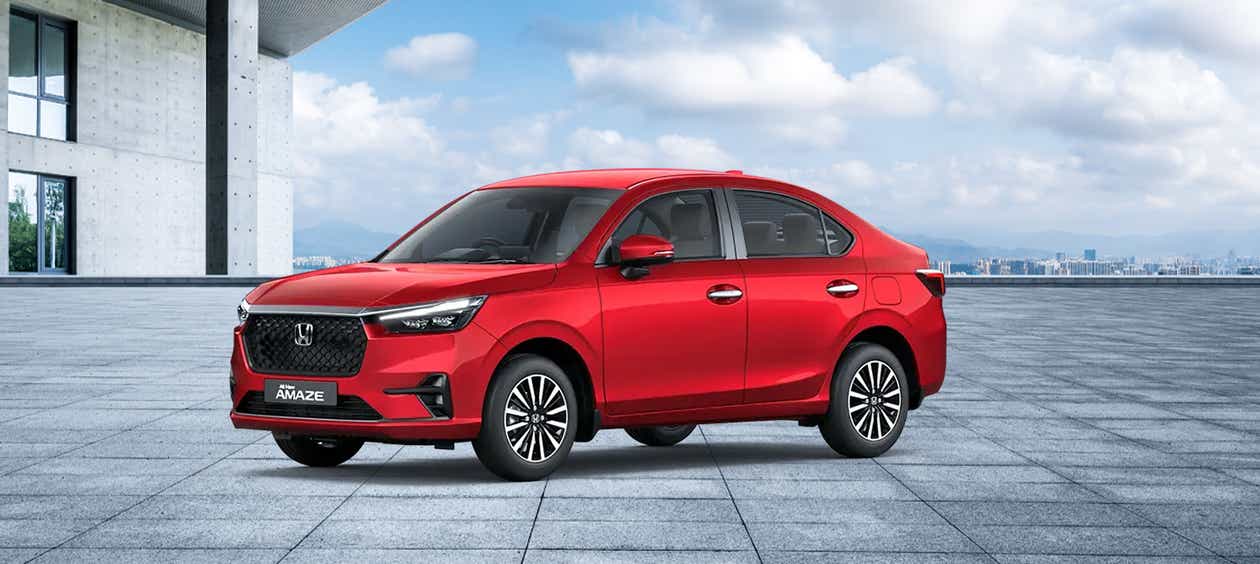
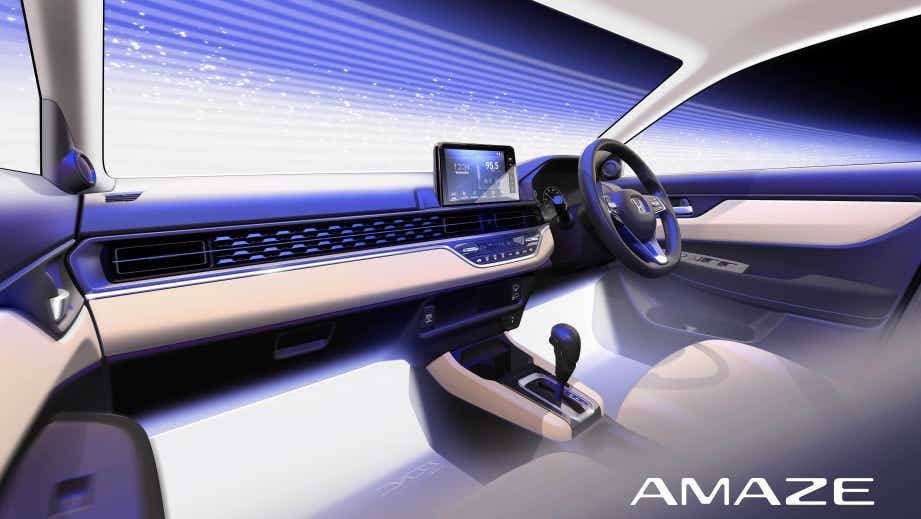
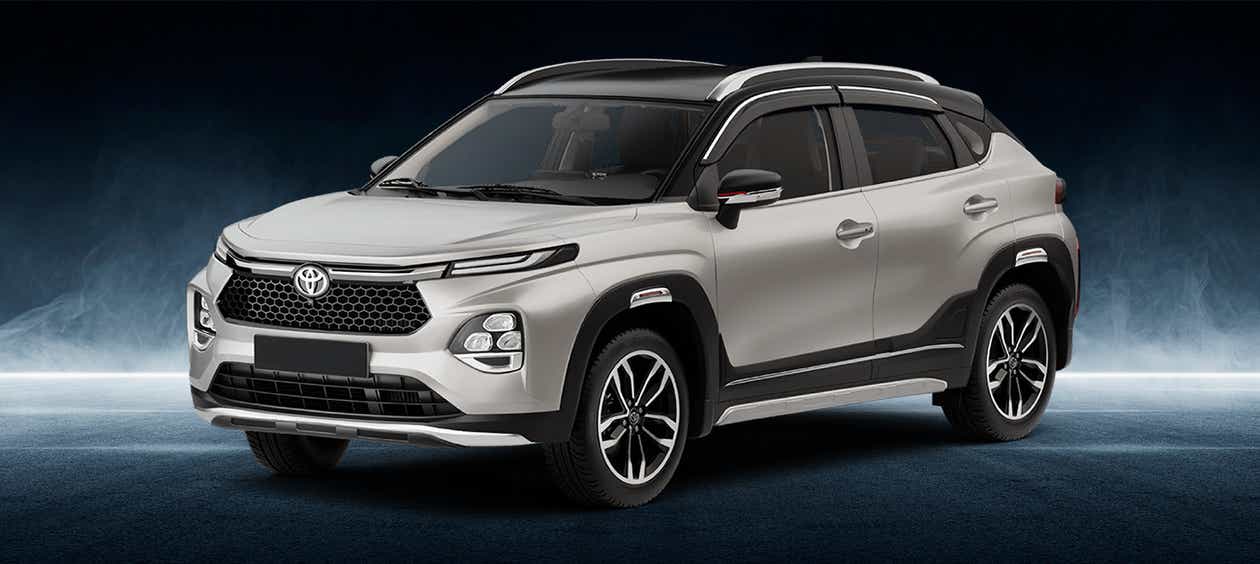
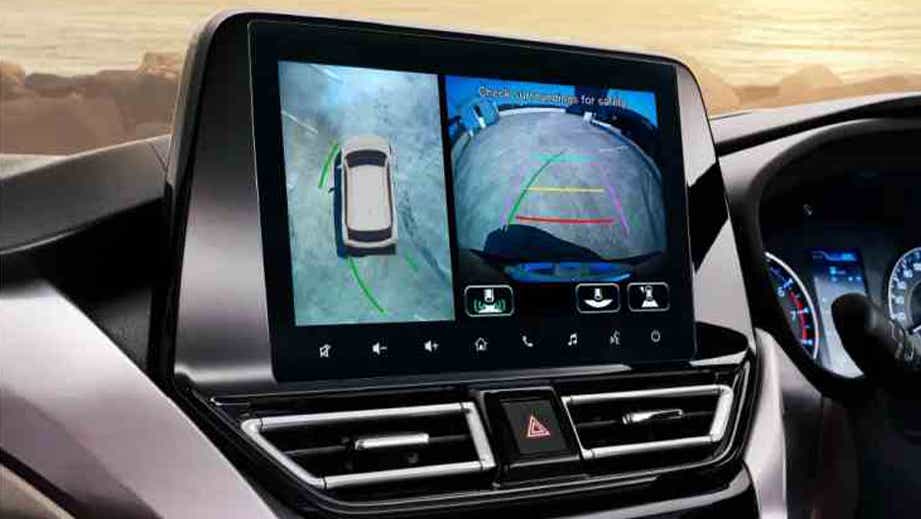
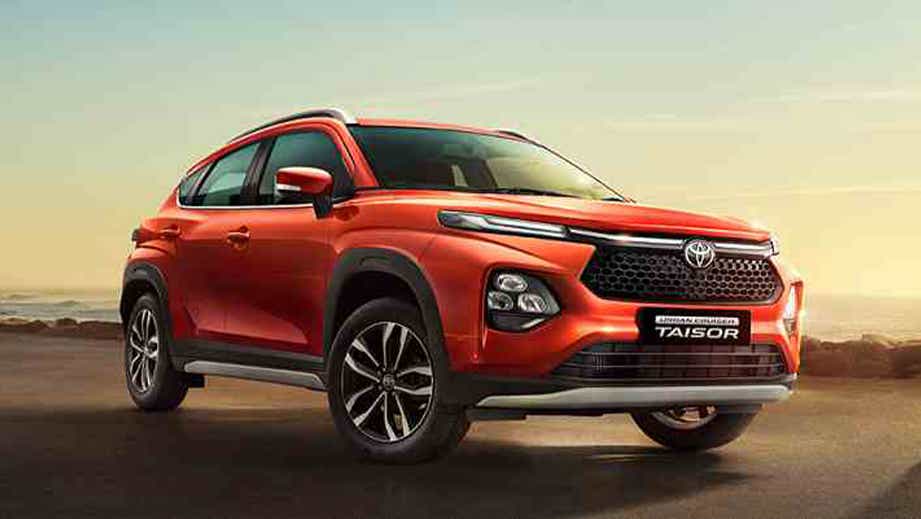
Front Wheel Drive Cars in India: Segment Overview
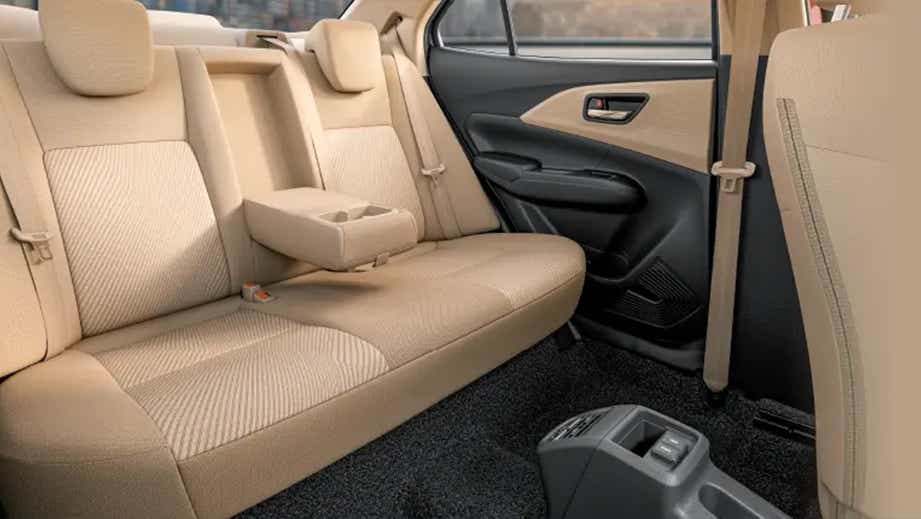
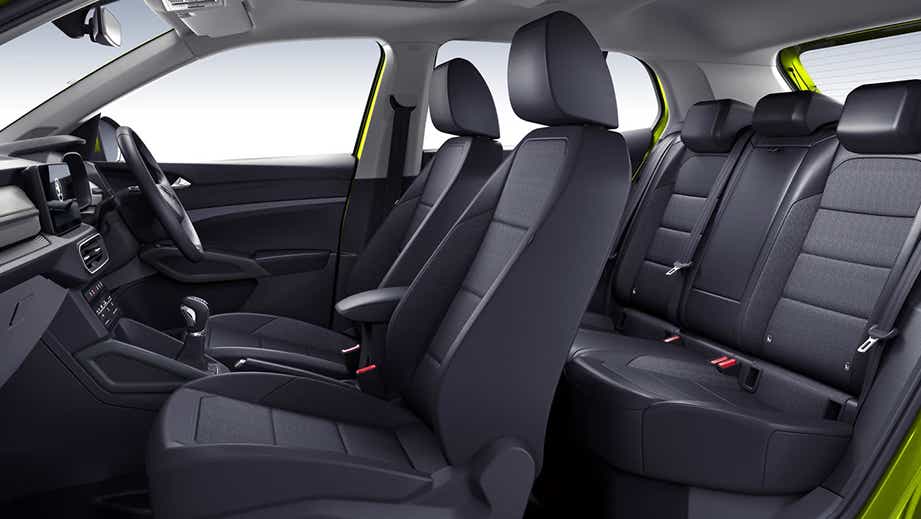
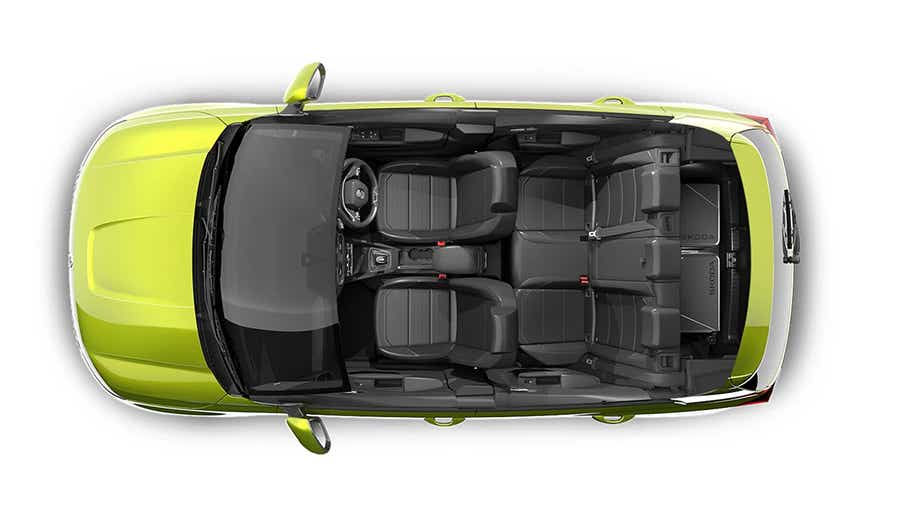
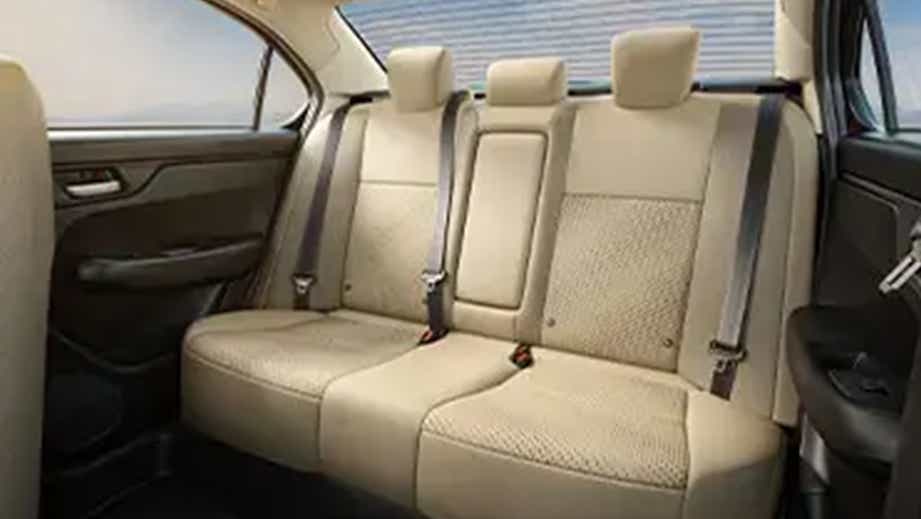
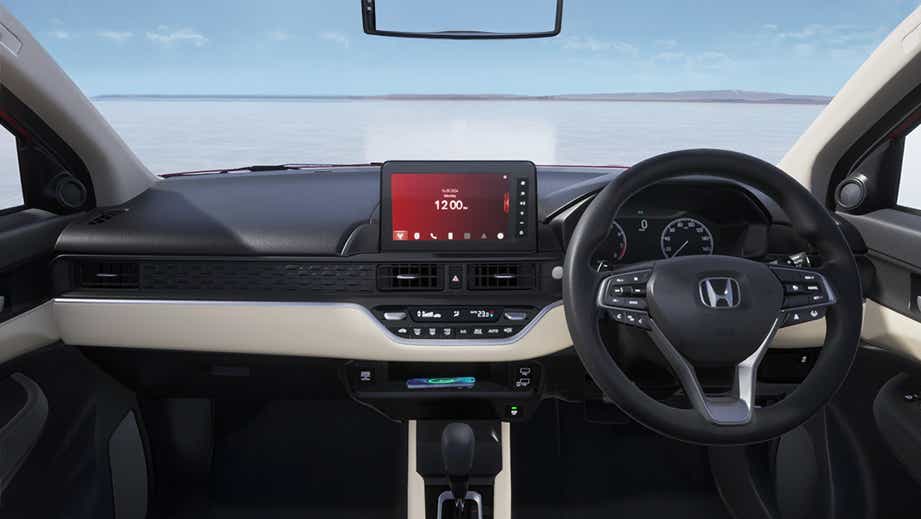
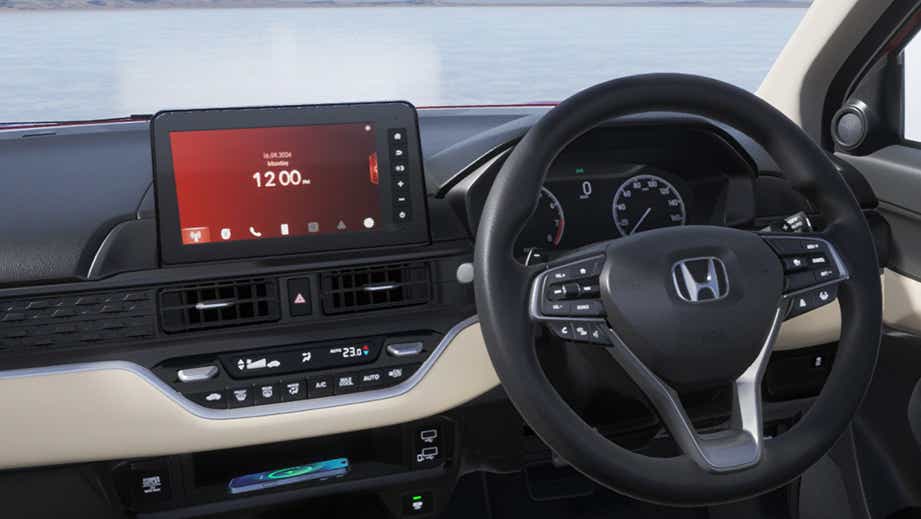
The Front Wheel Drive layout has been the standard drivetrain layout for the Indian market for decades. By having the engine and transmission at the front, and sending power directly to the front wheels, manufacturers are able to simplify the drivetrain, as well as maximise the amount of space inside the car. This design does not require a long driveshaft to the rear axle and the result is a flatter floor and a more realistic cabin design.
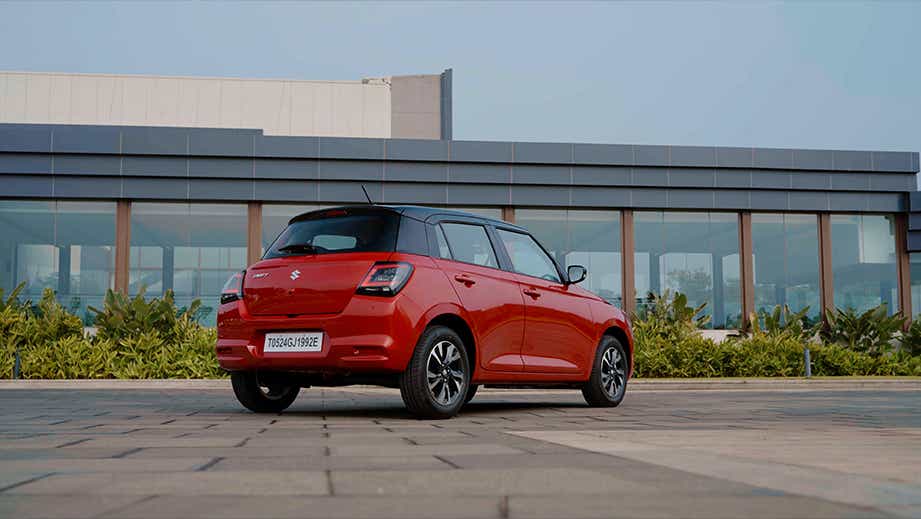
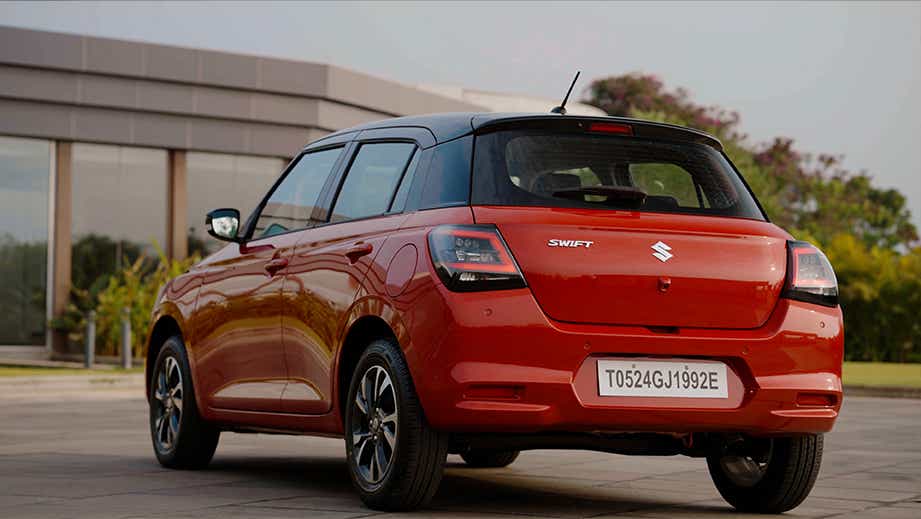
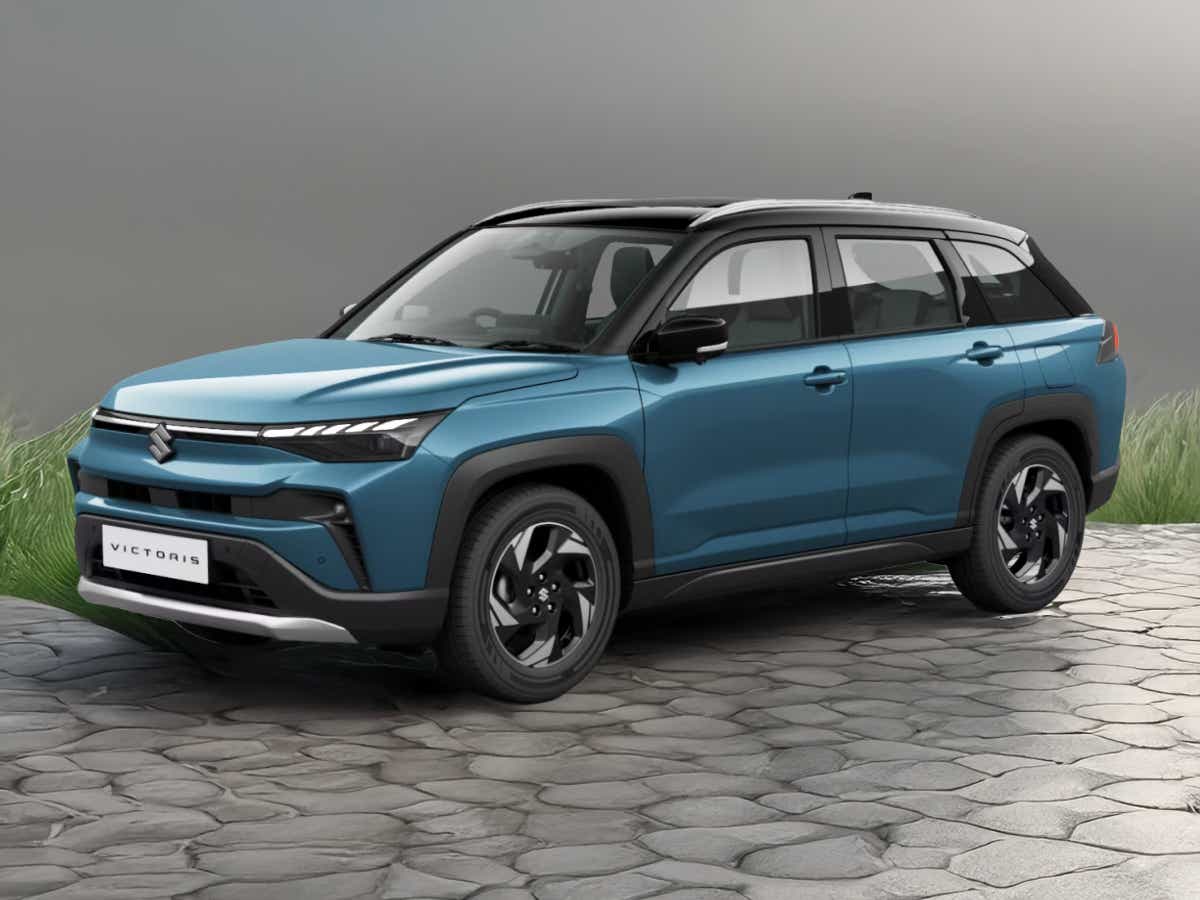
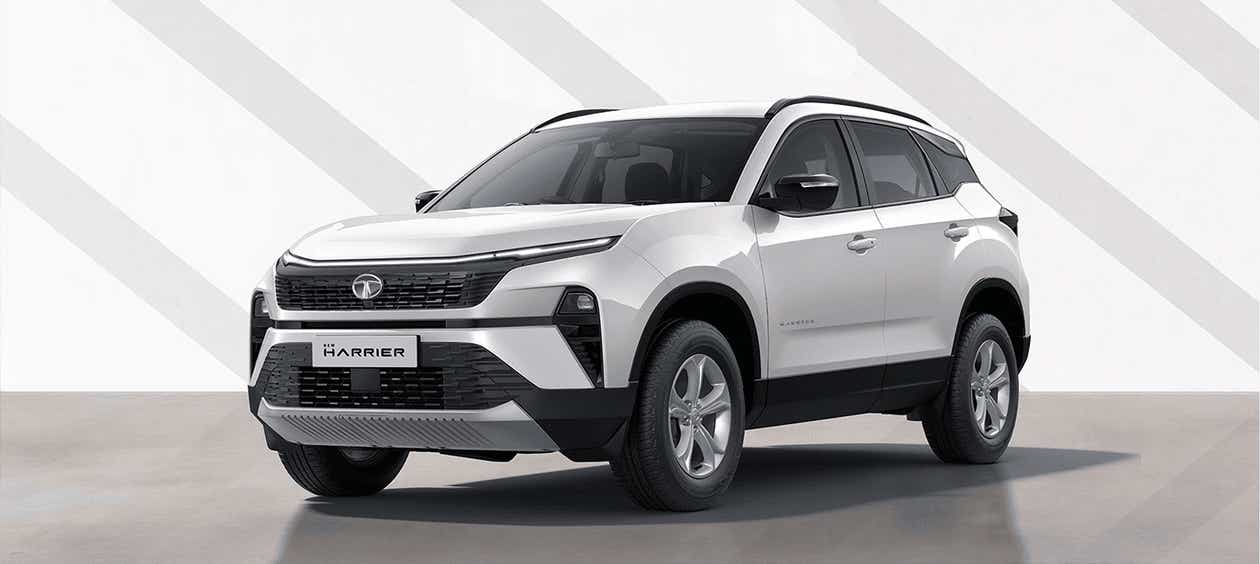
Today, Front Wheel Drive cars in India are taking over almost every segment. Hatchbacks such as Swift and Tiago tend to depend on FWD to incorporate lightweight efficiency and easy manoeuvrability in the city. The layout has predictable handling and stability on the highway, which is advantageous to sedans like the Honda City and Hyundai Verna. Even compact SUVs such as the Nexon, Brezza and Creta are based primarily on Front Wheel Drive to offer a combination of higher ground clearance with good fuel efficiency.
Another reason that FWD cars in India are famous is cost efficiency. These cars are cheaper to manufacture and service with less engineering and fewer parts of the drivetrain. As a result, a typical FWD car delivers on affordability, practicality and reliability, which explains why this layout is still dominating the Indian car market.
Below are some of the most popular FWD cars in India, ranging from hatchbacks, sedans and SUVs under different price ranges.
| Model Name | Powertrain & Output | Range / Mileage (ARAI) | Ex-Showroom Price |
| Tata Nexon | 1.2L Petrol / 1.5L Diesel, Manual/Automatic, FWD, up to 120 bhp, 260 Nm | 17.5–24.8 kmpl | ₹7.32–14.15 Lakh |
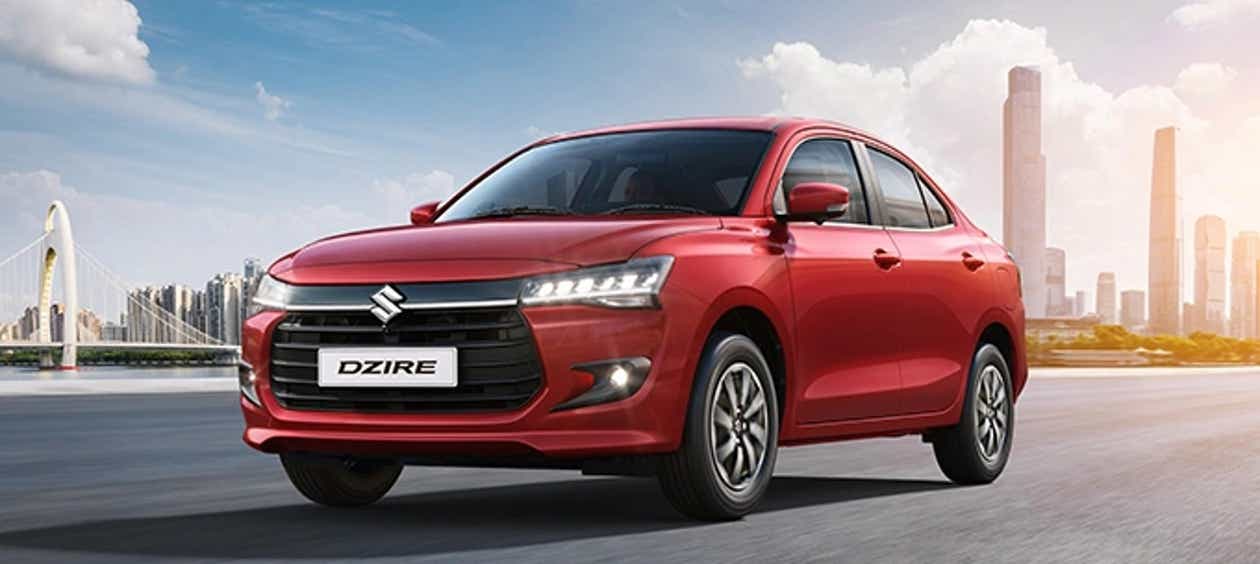
| Maruti Dzire | 1.2L Petrol, Manual/AMT, FWD, ~89 bhp, 113 Nm | 24.8–25.7 kmpl | ₹6.25–9.31 Lakh |
| Tata Punch | 1.2L Petrol, Manual/AMT, FWD, 88 bhp, 115 Nm | 18.0–20.1 kmpl | ₹5.60–10.55 Lakh |
| Hyundai Creta | 1.5L Petrol / 1.5L Diesel, Manual/Automatic, FWD, up to 160 bhp, 253 Nm | 17.4–21.8 kmpl | ₹10.79–20.20 Lakh |
| Maruti Brezza | 1.5L Petrol Mild Hybrid, Manual/Automatic, FWD, 103 bhp, 137 Nm | 19.8–25.5 kmpl | ₹8.26–14.14 Lakh |
| Maruti Ertiga | 1.5L Petrol Mild Hybrid, Manual/Automatic, FWD, 102 bhp, 137 Nm | 20.5–26.1 kmpl | ₹8.80–12.94 Lakh |
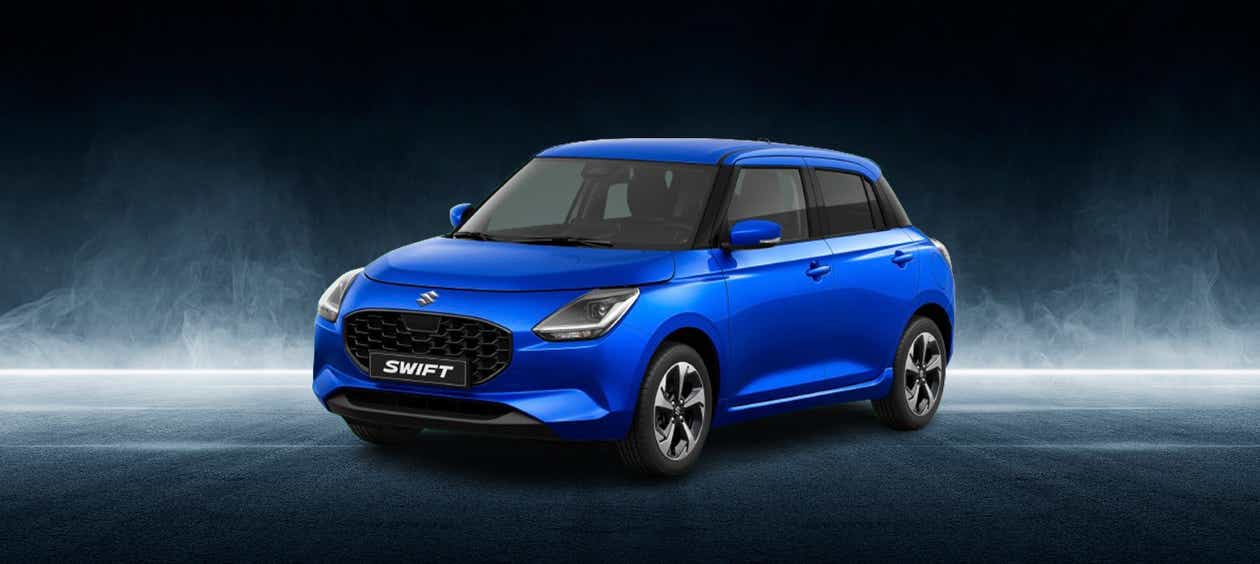
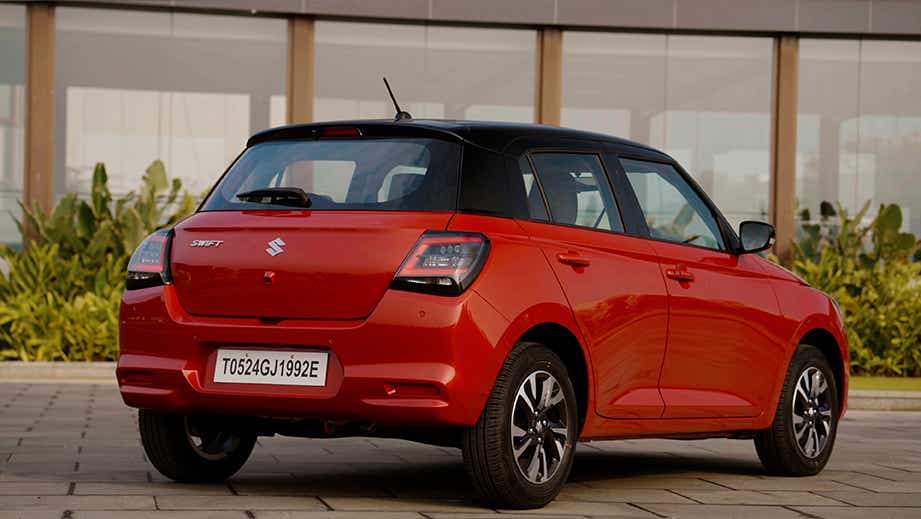
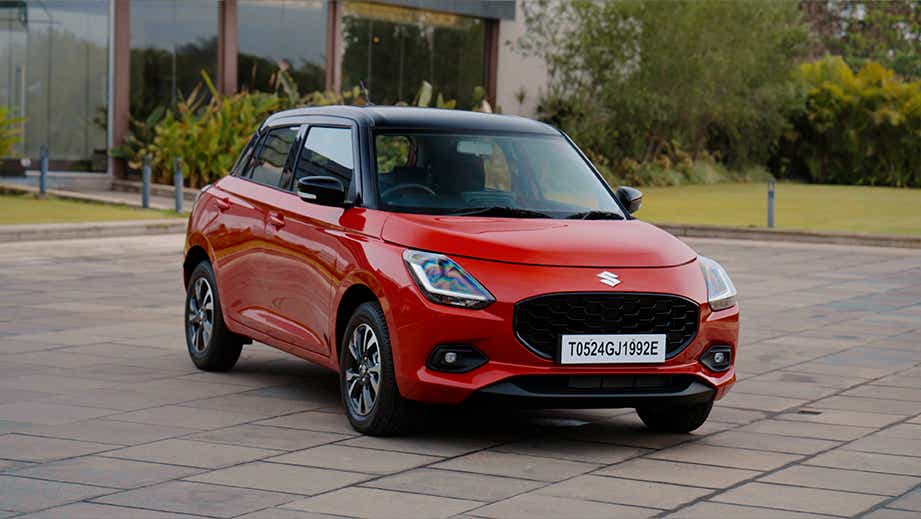
| Maruti Swift | 1.2L Petrol, Manual/AMT, FWD, ~82 bhp, 112 Nm | 24.8–32.8 kmpl | ₹5.79–8.80 Lakh |
| Maruti Wagon R | 1.0L / 1.2L Petrol, Manual/AMT, FWD, up to 90 bhp, 113 Nm | 24.3–34.0 kmpl | ₹4.99–6.95 Lakh |
A Front Wheel Drive (FWD) system sends the engine power directly to the front pair of wheels, which also perform steering functions. Because both the engine and drivetrain are in the front, the vehicle does not need a rear driveshaft, and so is simpler and more space efficient.
Most of the FWD cars in India use this solution since it provides predictable handling and efficient power delivery in normal driving conditions that most people use. The extra weight of the engine over the driven wheels also provides better traction on wet or dusty roads, which is useful in the varying climate of India.
Front Wheel Drive cars in India are suitable for:
- City commuters who would like easy-to-drive vehicles for traffic and cramped parking spaces.
- Small families looking for efficient and affordable daily transportation
- High-mileage users who are more interested in fuel efficiency and lower running costs
- First-time buyers looking for simple and reliable cars with predictable driving behaviour
Understanding the difference between Front Wheel Drive cars in India and AWD vehicles helps to understand why FWD is the market leader.
| Comparison Aspect | Front Wheel Drive | AWD |
| Power Delivery | Power is sent to the front wheels only | Power is distributed to all four wheels |
| Fuel Efficiency | Are generally more fuel efficient | Slightly lower due to extra drivetrain components |
| Purchase Cost | More affordable to buy and maintain | Higher purchase and maintenance cost |
| Handling Behaviour | Predictable handling suited for daily driving | Better traction on slippery or rough surfaces |
| Ideal Use Case | City driving and highway commuting | Off-road driving and challenging terrain |
In short, the FWD cars in India are designed for daily practical use, whereas AWD vehicles can be used in tough road conditions and for adventure travel.
Different Front Wheel Drive cars in India are better in different driving situations based on their design and purpose.
City Commuting and Efficiency
Hatchbacks like Maruti Swift, Maruti Wagon R and Tata Tiago are good options for city driving. Their lightweight construction and efficient engines make them capable of providing strong mileage and they are also easy to manoeuvre in congested traffic.
Family Comfort and Everyday SUVs
Compact SUVs such as Tata Nexon, Hyundai Creta and Maruti Brezza are some of the best-selling FWD cars in India as they offer SUV styling with efficient powertrains and spacious cabins.
Long-Distance Highway Driving
Sedans like the Hyundai Verna, Honda City and Skoda Slavia take advantage of the stable handling qualities of Front Wheel Drive and are comfortable choices for long highway trips.
Like every drivetrain layout, Front Wheel Drive cars in India have a number of advantages, but they also have a few trade-offs.
| Pros | Cons |
| The front wheel drive layout maximises cabin space since there is no driveshaft running to the rear, allowing a flatter floor and better interior practicality | During aggressive cornering at higher speeds, FWD cars may experience understeer, where the front wheels will lose grip and the car will push wide |
| The weight of the engine over the driven wheels helps to increase traction on wet or dusty roads to help maintain control in slippery conditions | Powerful turbo-petrol FWD cars can sometimes be affected by torque steer, which causes the steering wheel to pull slightly during hard acceleration |
| The simpler drivetrain design means that it is made more easily, which leads to lower purchase prices and more affordable maintenance | Since the front tyres are responsible for steering as well as power delivery, they tend to wear out faster than the rear tyres |
| Most FWD cars offer more fuel economy than AWD or RWD vehicles because they have fewer drivetrain components | The handling might not be as involving as it is with rear-wheel-drive or AWD systems to enthusiast drivers. |
For the huge majority of buyers, Front Wheel Drive cars in India are still the most practical choice. The design offers high fuel economy, stability in handling and reduced ownership expenses, hence suitable for daily commuting and family use. Most hatchbacks, sedans and compact SUVs sold in India are based on this drivetrain because of the countless perks it offers.
While enthusiasts and adventure travellers may want AWD or rear-wheel-drive vehicles for their performance and traction advantages, the typical FWD car will provide exactly what most buyers need: reliability, efficiency and ease of driving. It could be a city hatchback, such as the Swift or a mainstream SUV, such as the Nexon or Creta. FWD cars in India still reign supreme in the market as they are practical for everyday usage.
Browse all New Cars By Drivetrain
- Maruti Suzuki Fwd Cars
- Tata Fwd Cars
- Hyundai Fwd Cars
- Mahindra Fwd Cars
- Toyota Fwd Cars
- Kia Fwd Cars
- Honda Fwd Cars
- Renault Fwd Cars
- Skoda Fwd Cars
- Mg Fwd Cars
- Nissan Fwd Cars
- Volkswagen Fwd Cars
- Citroen Fwd Cars
- Bmw Fwd Cars
- Mercedes Benz Fwd Cars
- Jeep Fwd Cars
- Audi Fwd Cars
- Byd Fwd Cars
- Vinfast Fwd Cars
- Volvo Fwd Cars
- Mini Fwd Cars
- Lexus Fwd Cars