Kia Sorento vs Toyota Fortuner dimensions — Which SUV is bigger
- 1Kia Sorento is longer than the Toyota Fortuner by close to 20 mm
- 2Sorento has a wider body at 1,900 mm, compared with the Fortuner's 1,855 mm
- 3Fortuner sits taller at 1,835 mm against the Sorento's 1,700 mm
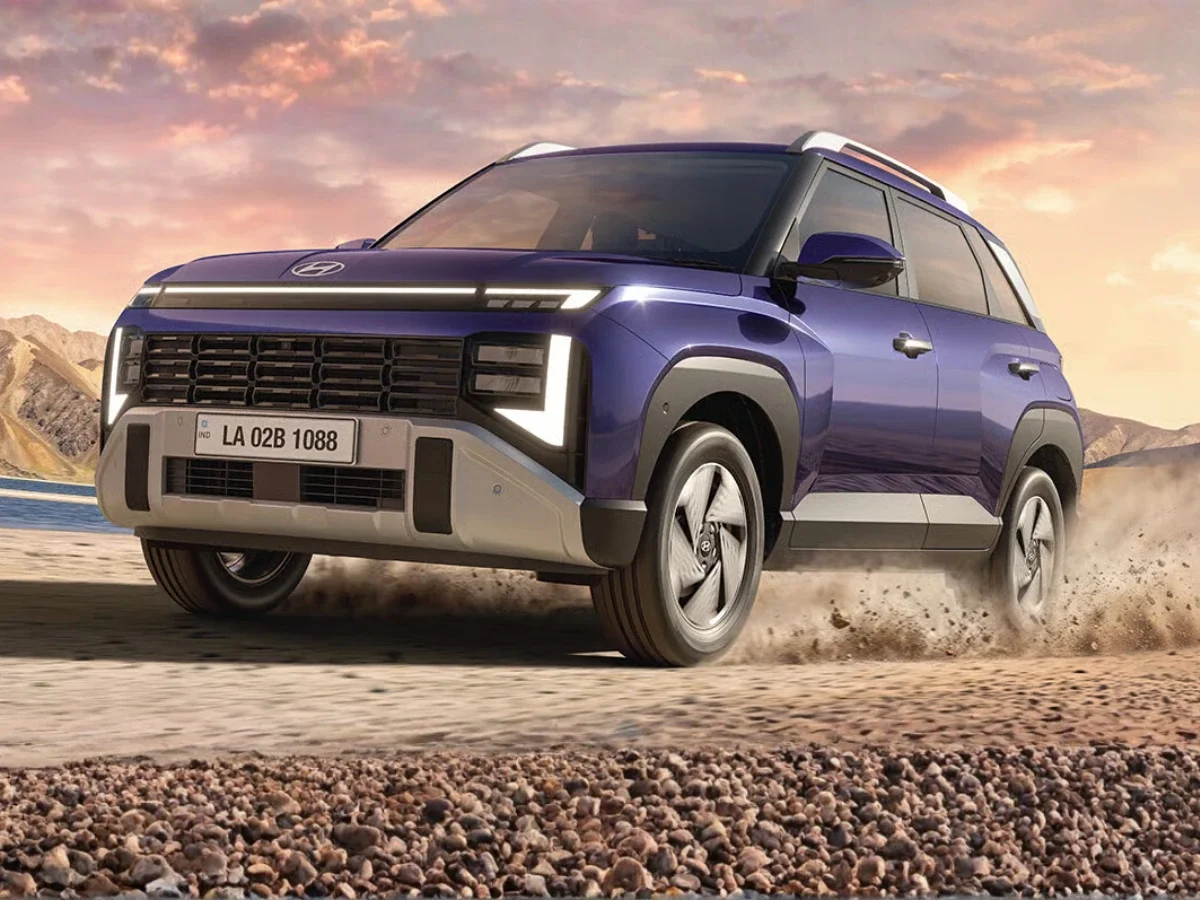
The Kia Sorento's India launch places it in direct competition with the Toyota Fortuner, a nameplate that has dominated the large SUV space for years. Both are three-row SUVs with plenty of space and a strong road presence. However, their dimensions are quite different, with each SUV being bigger in some areas.
Kia Sorento length, width and height compared with Toyota Fortuner
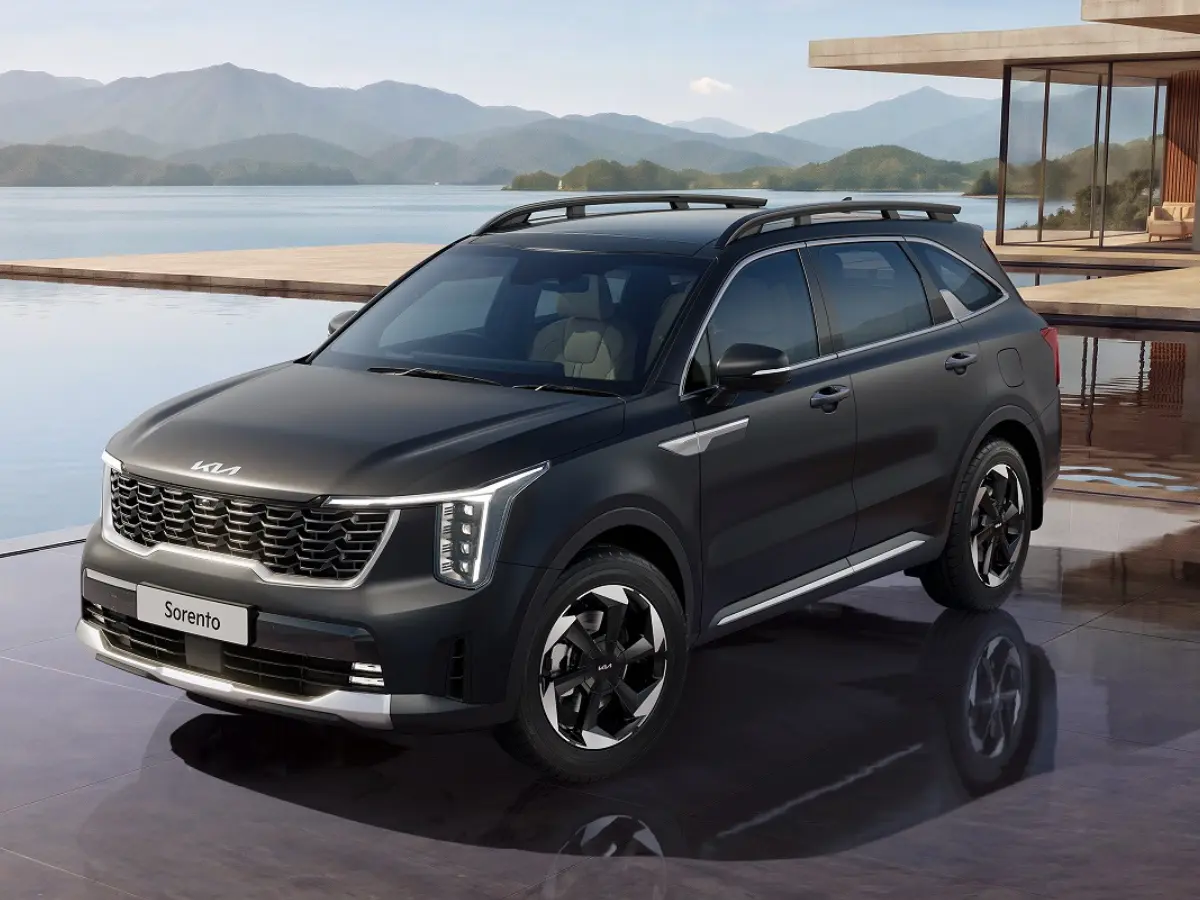
The Kia Sorento measures 4,815 mm in length, 1,900 mm in width and 1,700 mm in height. The Toyota Fortuner, by comparison, measures 4,795 mm in length, 1,855 mm in width and 1,835 mm in height. This puts the Sorento marginally ahead on both length and width, giving it a slightly wider stance on the road and, likely, a touch more shoulder room inside for passengers sitting side by side.
The Fortuner, on the other hand, is noticeably taller by 135 mm. This height difference usually comes down to how each SUV is engineered. Fortuner uses a ladder-frame chassis, which also gives it a higher stance. The Sorento has a more car-like design and sits lower to the ground, which can make it easier to get in and out of.
Kia Sorento vs Toyota Fortuner wheelbase and ground clearance
Wheelbase is where the Sorento holds a clearer advantage. At 2,815 mm, it is 70 mm longer than the Fortuner's 2,745 mm wheelbase. A longer wheelbase generally translates into more usable cabin space between the front and rear axles, which can benefit legroom, particularly for second-row passengers.
On ground clearance, the Toyota Fortuner is rated at 225 mm, a figure that has long been one of its selling points among buyers who deal with poor roads, flooded stretches or light off-roading. On the other hand, the Kia Sorento's ground clearance stands at 176mm, which is clearly a con for this model selling in countries with most moddy road conditions.
Although this gap of 49mm could not be focused on as a deterrent for buyers, lower clearance means it is more likely to scrape its underbody on deep potholes, tall speed breakers and rough roads, especially when fully loaded.
Also Read: Kia Syros flex-fuel concept unveiled — Top things to know!
Tyre size comparison — Kia Sorento vs Toyota Fortuner
Tyre sizing differs across variants for both SUVs. The Kia Sorento is offered with 235/60 R18 tyres on its HTE and HTE(O) variants, and 235/55 R19 tyres on the HTK to HTX(A) range, with an 18-inch steel spare wheel as backup.
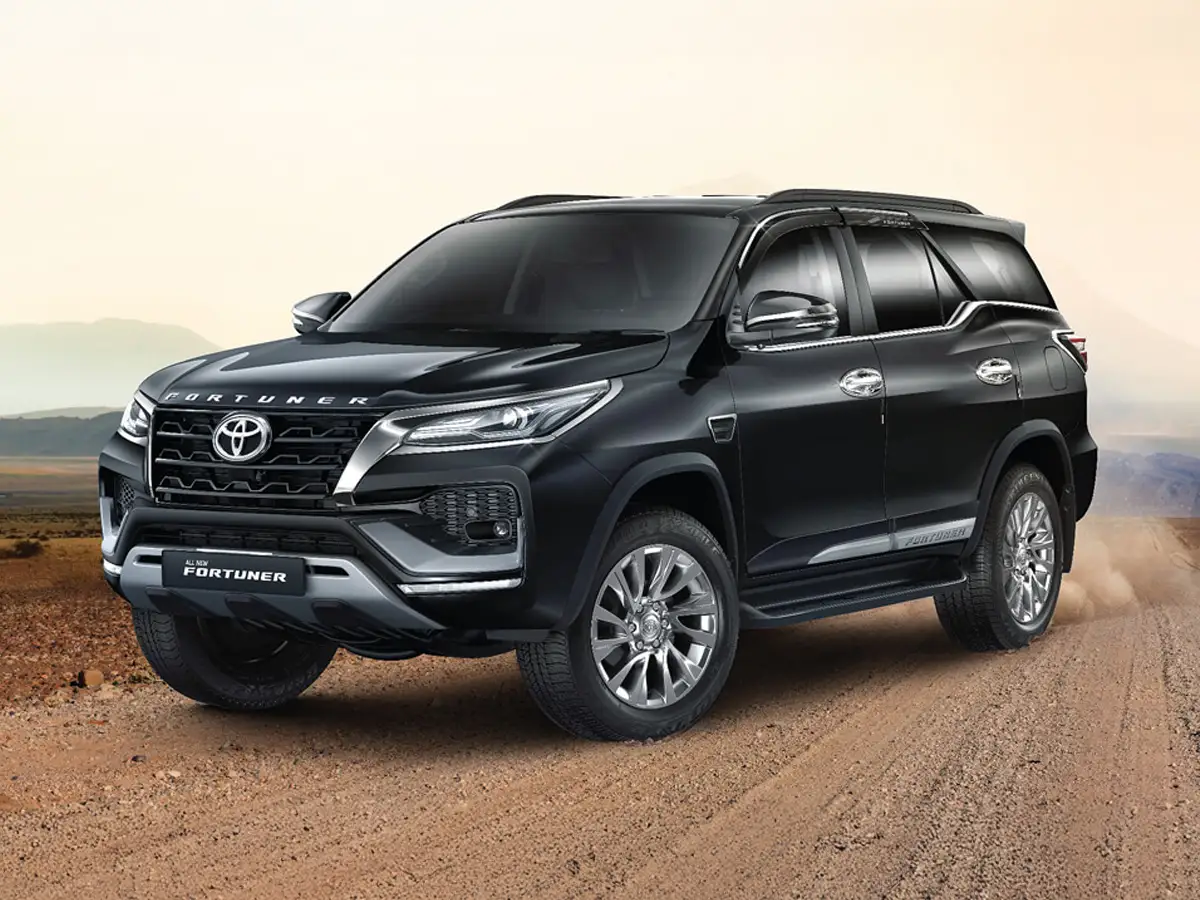
The Toyota Fortuner's tyre sizes vary by powertrain and drivetrain. The petrol MT and AT versions run on 265/65 R17 tyres, while the 2WD petrol also uses the same 265/65 R17 size. The 4WD petrol switches to 265/60 R18 tyres, and the diesel 4WD, including the diesel-neoDrive 48V AT version, also runs 265/60 R18 tyres.
Kia Sorento vs Toyota Fortuner: fuel tank, seating and boot space
The Kia Sorento comes with a 67-litre fuel tank and is available in 6-seat and 7-seat configurations depending on variant. Boot space also changes with configuration, rated at 813 litres with the second row in use, or 179 litres with all three rows occupied.
The Toyota Fortuner, with all three rows in place, offers around 296 litres of boot space, enough for a couple of cabin-sized trolleys along with some soft bags. Fold the third row down, and this expands considerably to 716 litres. With all seats up, though, the Fortuner actually holds a small edge, offering 296 litres compared with the Sorento's 179 litres, making it marginally more usable for daily errands.
Stay updated with all the latest happenings & developments in the automotive world by joining our official AUTOVERSE WhatsApp community.