Tata Harrier Mileage Comparison: Diesel vs Electric
- 1Real-world Tata Harrier mileage hits 15 km/l for the diesel variants.
- 2The electric factory option starts at an initial ₹21.49 lakh upfront.
- 3Recoup your initial EV investment through massive monthly fuel savings.
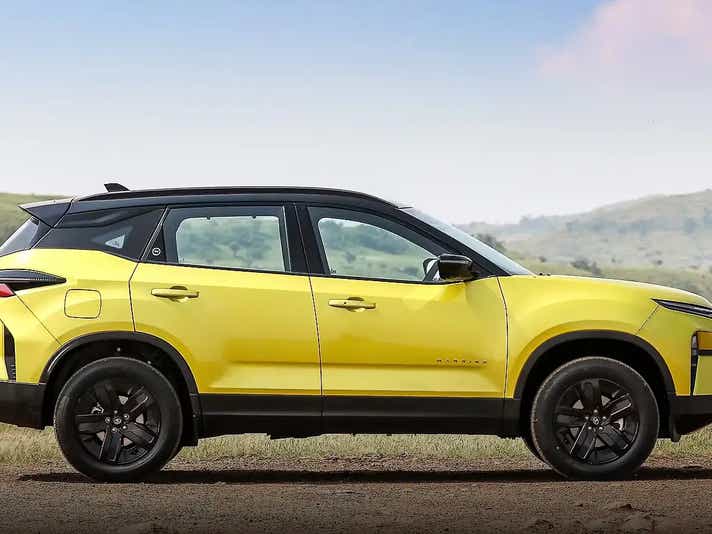
The Tata Harrier is a superb five-seater family SUV. It delivers brilliant comfort for city commutes and highway trips. Buyers can select either a diesel or pure electric powertrain. The diesel variant provides manual and automatic transmission choices. The electric model comes with single and dual motor configurations. A thorough Tata Harrier mileage comparison helps you decide wisely. This choice directly affects your monthly household travel budget. Diesel automatics offer a stress-free drive in heavy traffic. Budget-minded buyers usually prefer the exceptional fuel efficiency of electric models.
Variant-Wise Price Difference
We must review the initial costs before assessing the average. The electric setup commands a premium over the standard diesel. Let us look at the ex-showroom price difference for base trims.
| Variant | Diesel Price | Electric Price | Price Gap |
| Base trim | ₹12.89 lakh (Smart) | ₹21.49 lakh (Adventure) | ₹8.60 lakh |
Tata charges a significant premium for their advanced electric architecture. You will spend an additional ₹8.60 lakh for the base EV. This extra cost brings immense long-term savings on daily drives.
Official ARAI Fuel Efficiency Figures
Testing laboratories provide standard figures for Tata Harrier mileage.
| Engine & Transmission | Official Mileage / Range |
| Diesel Manual (MT) | 16.8 km/l |
| Diesel Automatic (AT) | 16.8 km/l |
| Electric 75 kWh | 627 km |
Please note that lab tests differ from daily driving routines. ARAI figures happen in highly controlled and ideal driving environments. Real-world traffic conditions will naturally change these fuel efficiency numbers.
Efficiency Against Market Rivals
| Car Model | Diesel Mileage | Electric Range |
| Tata Harrier | 16.8 km/l | 627 km |
| Mahindra XUV700 | 16.5 km/l | Not Available |
| MG Hector | 15.5 km/l | Not Available |
The MG Hector delivers a lower 15.5 km/l diesel average. It falls behind the Mahindra XUV700 and the Tata Harrier. The Harrier achieves a superior 16.8 km/l diesel figure. It also provides an excellent pure electric model for buyers. The 627 km claimed electric range is fantastic for journeys.
On the other hand, if you are prepared to step up into the full-size, seven-seat segment with unmatched reliability, the Toyota Fortuner mileage comparison reveals about 14.4 km/l for the diesel workhorse and 10.01 km/l for the petrol model.
Real-World Averages for City and Highway
Let us examine the true average on typical Indian roads.
| Condition | Diesel (Manual) | Electric (75 kWh) |
| City | 11-13 km/l | 420-450 km |
| Highway | 15-17 km/l | 480-505 km |
In city driving conditions, the diesel manual typically delivers 12 km/l. The electric version returns a significantly higher 420 km range. On the highway, the gap continues to remain substantial. The diesel manual offers approximately 16 km/l of efficiency. The electric variant stretches further with an impressive 500 km.
Real-world numbers differ from ARAI figures due to heavy traffic. City traffic impacts diesel efficiency due to constant engine idling. Smooth driving styles significantly improve highway fuel efficiency for both.
Do not forget that maintaining the right Tata Harrier tyre pressure is important to obtain the right mileage on every drive.
Tata Harrier Diesel vs Electric: Performance Comparison
Beyond fuel efficiency, here is how the performance specs compare.
| Spec | Diesel | Electric (75 kWh AWD) |
| Engine size | 1956 cc | Dual Motor Setup |
| Power | 168 bhp | 390 bhp |
| Torque | 350 Nm | 504 Nm |
| Transmission | MT / AT | Automatic |
The real-world drivability difference is noticeable during quick highway overtakes. Electric motors are incredibly responsive when fully occupied with passengers. You will feel a massive power surge in electric mode. The diesel requires more frequent gear changes on steep inclines.
Diesel vs Electric: Cost Comparison
Harrier Running Cost
To understand the true running cost difference, we must calculate. We use the Tata Harrier real-world average, not just ARAI.
For calculation purposes:
- Diesel price is assumed at ₹90 per litre.
Electricity price assumed at ₹8 per unit for home charging.
| Fuel Type | Avg Real-World Mileage | Fuel Price | Cost Per Km (Approx.) |
| Diesel (MT) | 15 km/l | ₹90/litre | ₹6.00 per km |
| Electric | 6 km/kWh | ₹8/kWh | ₹1.33 per km |
When you factor in realistic conditions, the difference is substantial. The electric variant costs nearly a fraction per kilometre. Your running cost with the diesel is roughly ₹6.00. The electric running cost drops to just around ₹1.33. The EV remains significantly more economical for high-mileage daily users.
Monthly & 5-Year Fuel Cost Projection
Let us assume a realistic scenario of driving 1500 km monthly. This helps find your total fuel expenses with the Harrier.
| Timeframe | Diesel Cost | Electric Cost |
| Monthly | ₹9,000 | ₹2,000 |
| Yearly | ₹1,08,000 | ₹24,000 |
| 5-Year | ₹5,40,000 | ₹1,20,000 |
The savings with electric are massive over a five-year period. You save roughly ₹7,000 every single month on fuel. You will recover the upfront ₹8.60 lakh premium eventually. It takes quite a few years to cover this difference. After that, you enjoy pure savings on your daily commutes.
Practical Ownership Tradeoffs
Whether you are buying a new or a used Tata Harrier, here are the things you need to consider before deciding between the powertrain options:
- Charging Infrastructure
The electric vehicle requires reliable access to fast charging stations. You must plan long highway road trips with careful consideration.
Variant Features
Electric models often boast more advanced technology and screen features. You gain premium additions like silent cabins and rapid acceleration.
Refuelling Convenience
Diesel infrastructure in India is incredibly vast and easily accessible. Fast chargers in remote areas are still expanding quite slowly.
- Maintenance & Reliability
Diesel cars require more frequent oil and filter replacements routinely. However, Tata electric platforms are generally reliable and highly safe.
- Resale Value
Both diesel and electric variants enjoy strong secondary resale demand.
Tata Harrier Diesel vs Electric: Who Should Buy Which
Here is a quick summary for your buying decision today.
Choose Diesel if:
- You frequently travel to remote areas without charging infrastructure.
- You prefer the traditional feel of a robust combustion engine.
You want a lower initial purchase price for your SUV.
Choose Electric if:
- Your daily commute is long and you have home charging.
- You want the absolute lowest daily running costs possible.
- You prefer silent operation and incredibly rapid straight-line acceleration.
Frequently Asked Questions
Expand all