How ANPR Cameras and CCTV Are Used in India’s e-Challan System
- 1ANPR cameras capture vehicle number plates automatically
- 2CCTV records violations and supports e-challan generation
- 3Regular e-challan check helps avoid surprise fines
India is rapidly moving towards a digital traffic enforcement system. The e-challan system is now used widely across cities and highways. One of the main technologies behind this system is the use of ANPR cameras and CCTV.
These devices help track traffic violations automatically and generate traffic challan notices without the need for manual checking. Understanding how ANPR and CCTV work is important for drivers, as it helps in avoiding fines and following traffic rules.
This article explains how ANPR cameras and CCTV are used in India’s e-challan system, how violations are detected, and how you can do challan check and e-challan payment.
What Are ANPR Cameras and CCTV in Traffic Systems?
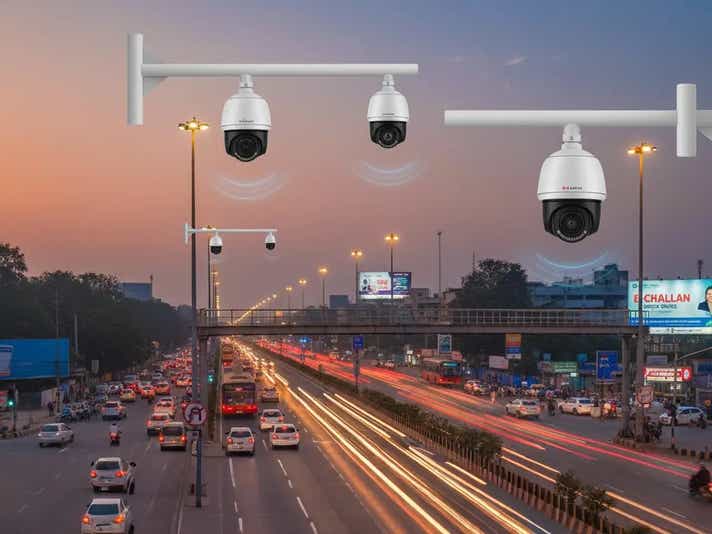
ANPR stands for Automatic Number Plate Recognition. These cameras are designed to read vehicle registration numbers automatically using special software.
ANPR cameras are used to:
- Detect speeding vehicles
- Identify vehicles breaking traffic rules
- Track vehicles with pending challans
- Monitor vehicles involved in crimes
What Is CCTV in Traffic Enforcement?
CCTV cameras are used for video recording and monitoring traffic flow. Unlike ANPR, CCTV does not always read number plates automatically but provides clear video evidence of violations.
CCTV cameras are used for:
- Monitoring intersections and busy roads
- Recording red light violations
- Capturing lane jumping and wrong side driving
- Supporting evidence for traffic challans
How ANPR and CCTV Work Together in India’s e-Challan System
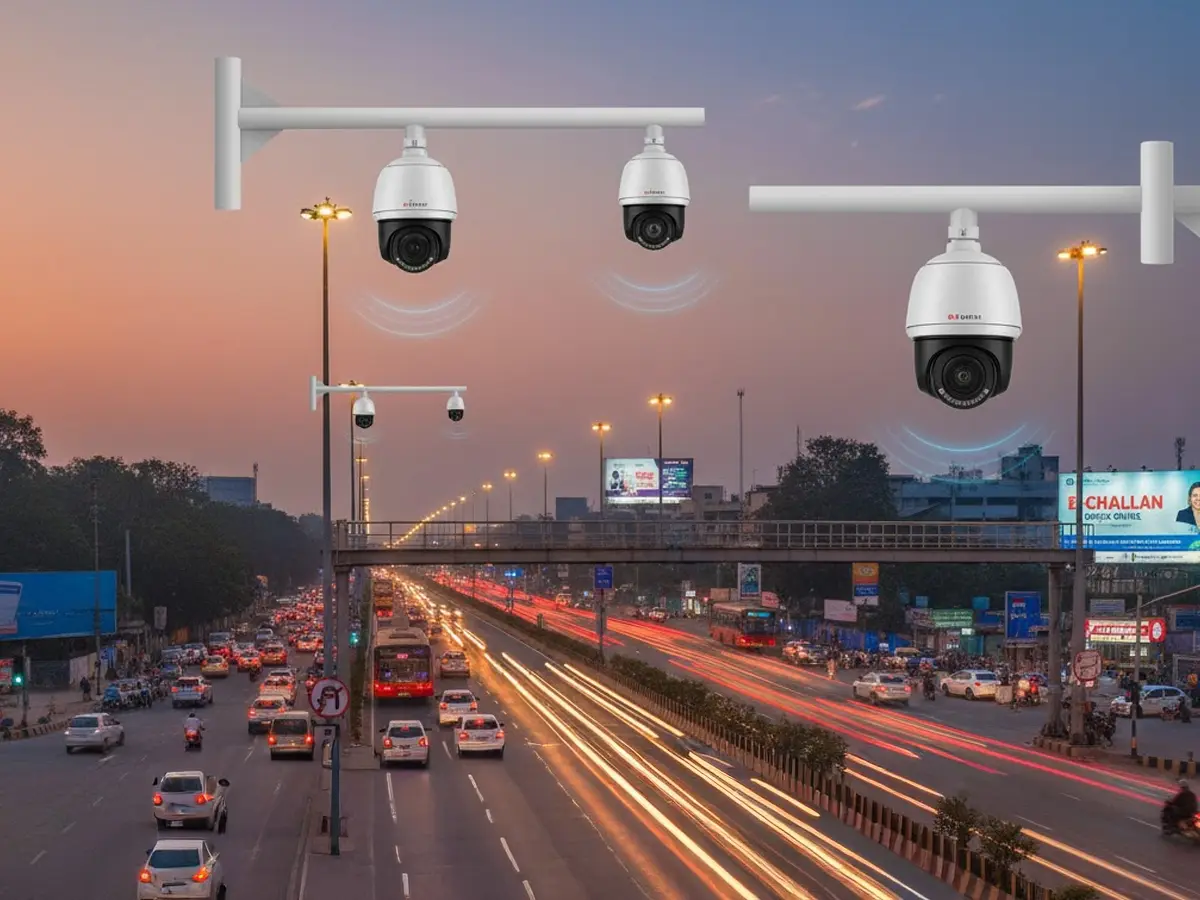
ANPR cameras and CCTV are often installed together at major traffic points. The ANPR system detects the vehicle number plate, while CCTV records the incident. The combined data is then used to generate an e-challan.
Step by Step Process
- Violation occurs: the vehicle crosses a speed camera or breaks a rule at a traffic signal.
- ANPR captures the number plate: the camera reads the vehicle number automatically.
- CCTV records the video: the incident is recorded for proof.
- Data is sent to the traffic database: the system matches vehicle details with registration records.
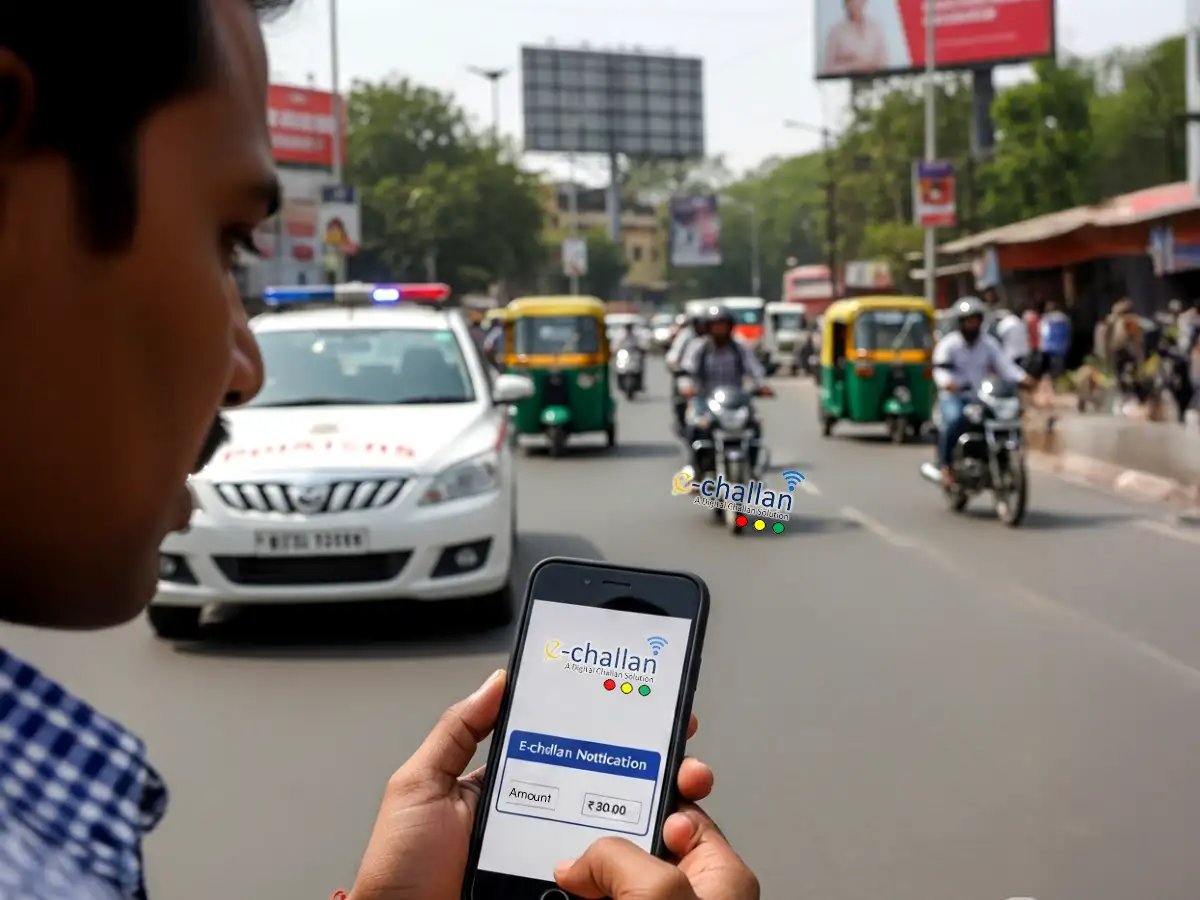
- e Challan is generated: a traffic challan is created and sent to the vehicle owner.
- Notification is sent: the owner receives SMS or email, and the challan is visible online.
This process reduces human error and improves traffic enforcement efficiency.
Common Violations Detected by ANPR and CCTV
Speeding and Over Speed Detection
Speed cameras with ANPR are used on highways and busy roads. The system calculates speed based on time and distance.
Common speeding violations include:
- Exceeding speed limit in city roads
- Over speeding on highways
- Speeding in school zones
Red Light Jumping
CCTV cameras at intersections record vehicles crossing the red light. ANPR then identifies the vehicle number.
Lane Jumping and Wrong Side Driving
CCTV cameras detect lane violations and wrong side driving, especially on flyovers and expressways.
Oversized Vehicles and No Helmet or Seatbelt Violations
In some cities, CCTV cameras are used to detect:
- Vehicles carrying excess load
- Riders without helmets
- Drivers not wearing seatbelts
How to Check and Pay e-Challans After ANPR or CCTV Detection
If your vehicle is caught, you can check and pay e-challan online.
How to Do e-Challan Check by Vehicle Number
You can use:
- Parivahan website
- State traffic police portals
mParivahan app
You need:
- Vehicle registration number
Sometimes chassis number
After checking, you will see details like:
- Violation type
- Date and time
- Fine amount
- Challan number
How to Complete e-Challan Payment
Once you confirm the challan, you can do challan pay using:
- UPI
- Debit or credit card
Net banking
After payment, keep the receipt as proof.
How ANPR and CCTV Improve Road Safety in India
Helping the end-to-end journey of an e-challan in India, the use of ANPR and CCTV has improved traffic management in many cities.
Benefits of this System
- Faster detection of traffic violations
Reduced need for manual checking
- Better evidence for court and traffic departments
- Increased road discipline and safety
- Less chance of bribery and corruption
Quick Comparison Table
| Technology | Main Use | Strength |
| ANPR | Read number plates | Automatic detection |
| CCTV | Video recording | Proof of violation |
| Both | e-challan generation | Accurate and reliable |
Final Thoughts
ANPR cameras and CCTV have transformed traffic enforcement in India. They help create accurate and fast e-challan systems that reduce manual errors and improve road safety. However, it is important for vehicle owners to regularly perform challan check and complete e-challan payment on time to avoid penalties.
Frequently Asked Questions
Expand all