CNG Cars Running Cost in India (2026): Cost Per Km, Mileage, Maintenance & Ownership Explained
- 1Factory-fitted CNG models drastically reduce your daily fuel bills.
- 2Your actual CNG cars running cost depends heavily on local prices.
- 3Calculating total ownership costs ensures genuine long-term savings.
- What Makes CNG Cars Cheap to Run?
- CNG vs Petrol vs Diesel vs EV Running Cost
- CNG Car Running Cost Per Km Explained
- Why CNG Prices Differ Across States
- Real-World Mileage of Popular CNG Cars in India
- What Is the Range of a CNG Car?
- When Do CNG Cars Actually Make Financial Sense?
- CNG Running Cost Calculator: What You Should Compare
- CNG Car Maintenance Cost
- Popular CNG Cars in India
- Pros of CNG Cars
- Cons of CNG Cars
- CNG vs EV: Which Makes More Sense Today?
- Who Should Buy a CNG Car?
The glory days of big displacement diesel engines in everyday hatchbacks and compact SUVs are fading. While many believed electrification would be the only escape from this wave of downsizing, the shift has taken an interesting turn. At first, choosing a heavier vehicle with a slight power drop might sound like a compromise. But modern factory-fitted setups have completely changed the game.
Today, natural gas models are booming again across the country. This surge is driven by consistently rising petrol prices, a steep decline in small diesel options, and the widespread introduction of reliable, factory-fitted alternatives. For many Indian buyers, this fuel type has firmly become the ideal "middle ground" between traditional petrol cars and fully electric vehicles.
If you are evaluating the switch, estimating your actual CNG cars running cost is crucial. This guide sets clear expectations, detailing the actual cost per km, a direct comparison against petrol, diesel, and EVs, and the maintenance realities you need to know. We will also highlight exactly who should buy these vehicles and uncover the hidden compromises buyers often ignore.
What Makes CNG Cars Cheap to Run?
Understanding CNG Fuel Economics
When evaluating why the CNG cars running cost is so attractive, you must look at how the fuel is dispensed. CNG is priced per kg, not per litre. Because most factory-fitted CNG cars deliver exceptionally high km/kg figures, the everyday running cost becomes significantly lower than petrol.
| Fuel Type | Approx Running Cost |
| Petrol | Highest |
| Diesel | Moderate |
| CNG | Low |
| EV (home charging) | Lowest |
It is important to clarify that actual savings depend heavily on current fuel prices, your personal driving style, dense city traffic, and local CNG availability.
CNG vs Petrol vs Diesel vs EV Running Cost
Which Fuel Type Is Cheapest to Drive?
| Type | Typical Cost Per Km | Best For |
| Petrol | Highest | Low running users |
| Diesel | Lower than petrol | Highway-heavy users |
| CNG | Very low | High city running |
| EV | Lowest in many cities | Daily urban use |
Important Reality Check
EVs Are Not Automatically Cheapest for Everyone
Explain: EVs usually have the lowest energy cost, but their higher upfront price completely changes the ownership equation for many drivers.
CNG’s Biggest Advantage
They offer a much lower upfront cost than EVs while still delivering major fuel savings. This immediate value proposition is why many buyers today choose CNG instead of EVs to optimise their daily CNG cars running cost.
CNG Car Running Cost Per Km Explained
How to Calculate CNG Running Cost
To find out your exact expenditure, use this formula:
Running Cost Per Km = Price of 1 kg CNG/Mileage in km/kg
Example Calculation
| Example | Value |
| CNG price | ₹83/kg |
| Mileage | 25 km/kg |
| Running cost | ₹3.32/km |
Actual figures vary significantly between cities and states, which will dramatically affect your final CNG cars running cost.
Why CNG Prices Differ Across States
CNG Running Cost Depends Heavily on Location
Taxes, city gas distribution networks, and regional infrastructure availability play massive roles in pricing.
For example, Delhi/NCR is usually cheaper, currently hovering around ₹83/kg due to established networks. However, Maharashtra and Gujarat may differ due to varying state taxes. Southern and smaller cities may have limited infrastructure, pushing distribution costs higher. This adds useful nuance that many articles miss when discussing the true CNG cars running cost across the country.
Real-World Mileage of Popular CNG Cars in India
Common CNG Cars & Their Claimed Efficiency
| Car | Claimed Mileage |
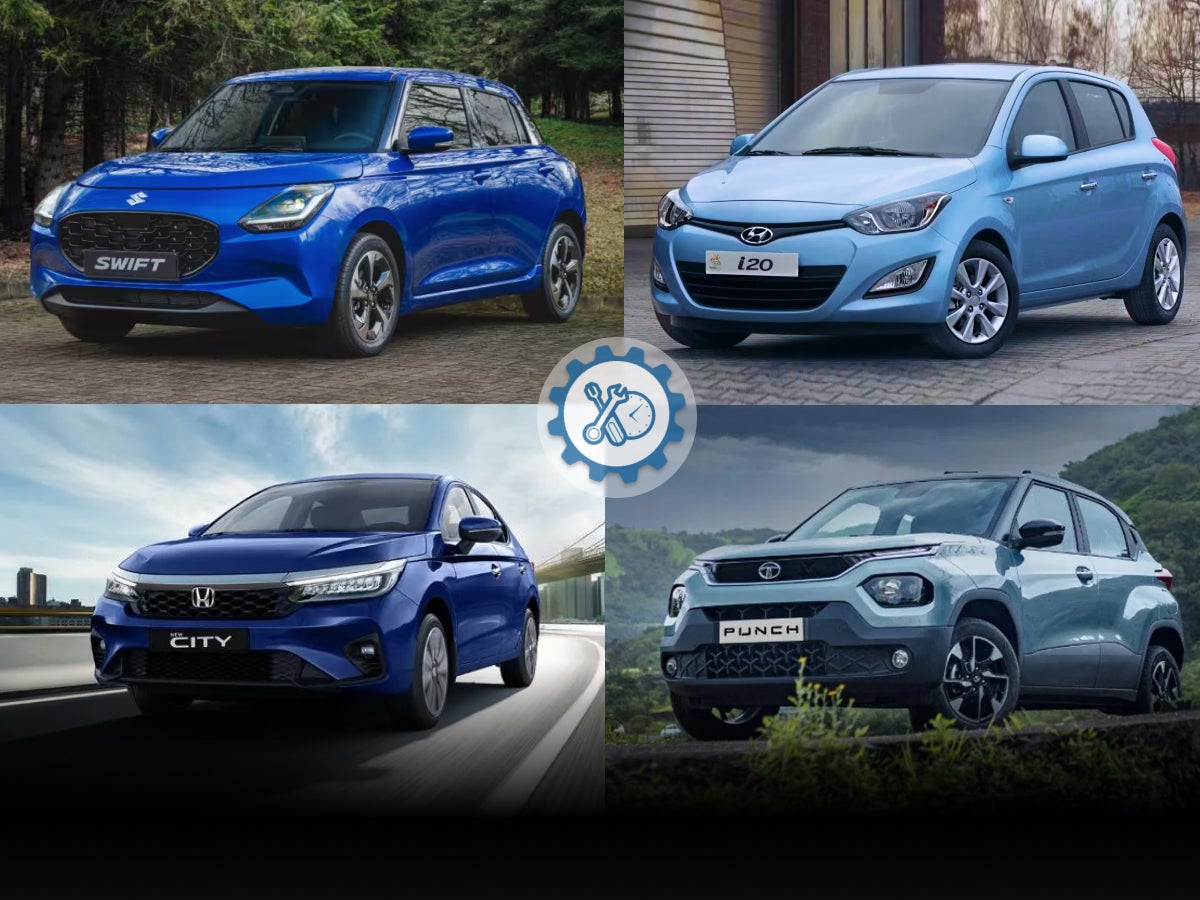
| Maruti Suzuki WagonR CNG | ~34 km/kg |
| Maruti Suzuki Swift CNG | ~32 km/kg |
| Maruti Suzuki Baleno CNG | ~30 km/kg |
| Tata Punch CNG | ~27 km/kg |
| Hyundai Exter CNG | ~27 km/kg |
Important Clarification
Real-world mileage is usually lower than claimed figures, especially when you are stuck in traffic, running with continuous AC usage, or carrying a full passenger load. This inevitably alters your real-world CNG cars running cost.
What Is the Range of a CNG Car?
CNG-Only Range Is Usually Limited
Most CNG cars deliver roughly 180–300 km of pure CNG range depending entirely on the tank size and gas pressure at the pump. Many users still rely heavily on petrol backup due to this limited CNG-only range.
Why Dual-Fuel Flexibility Matters
You can switch to petrol seamlessly after the CNG runs out. This vastly reduces range anxiety compared to EVs, giving you complete peace of mind on longer trips.
When Do CNG Cars Actually Make Financial Sense?
Your Monthly Running Is Everything
Your decision should be based purely on your typical mileage.
| Monthly Running | Does CNG Make Sense? |
| Under 500 km | Usually no |
| 1,000–1,500 km | Can make sense |
| 2,000+ km | Strong value proposition |
CNG Running Cost Calculator: What You Should Compare
Buyers Should Calculate Total Ownership Cost, Not Just Fuel Savings
A proper CNG cars running cost calculator should include multiple inputs to reveal the true financial picture:
- Monthly kilometres
- Petrol price
- CNG price
- Mileage
- Annual maintenance
- CNG premium over the petrol variant
You must balance the higher upfront price versus petrol against the undeniably lower running cost. You also need to factor in periodic maintenance costs and positive resale differences.
Many buyers recover the extra cost of a factory-fitted CNG variant within a few years if their daily running is high enough to offset the initial premium.
CNG Car Maintenance Cost
Are CNG Cars More Expensive to Maintain?
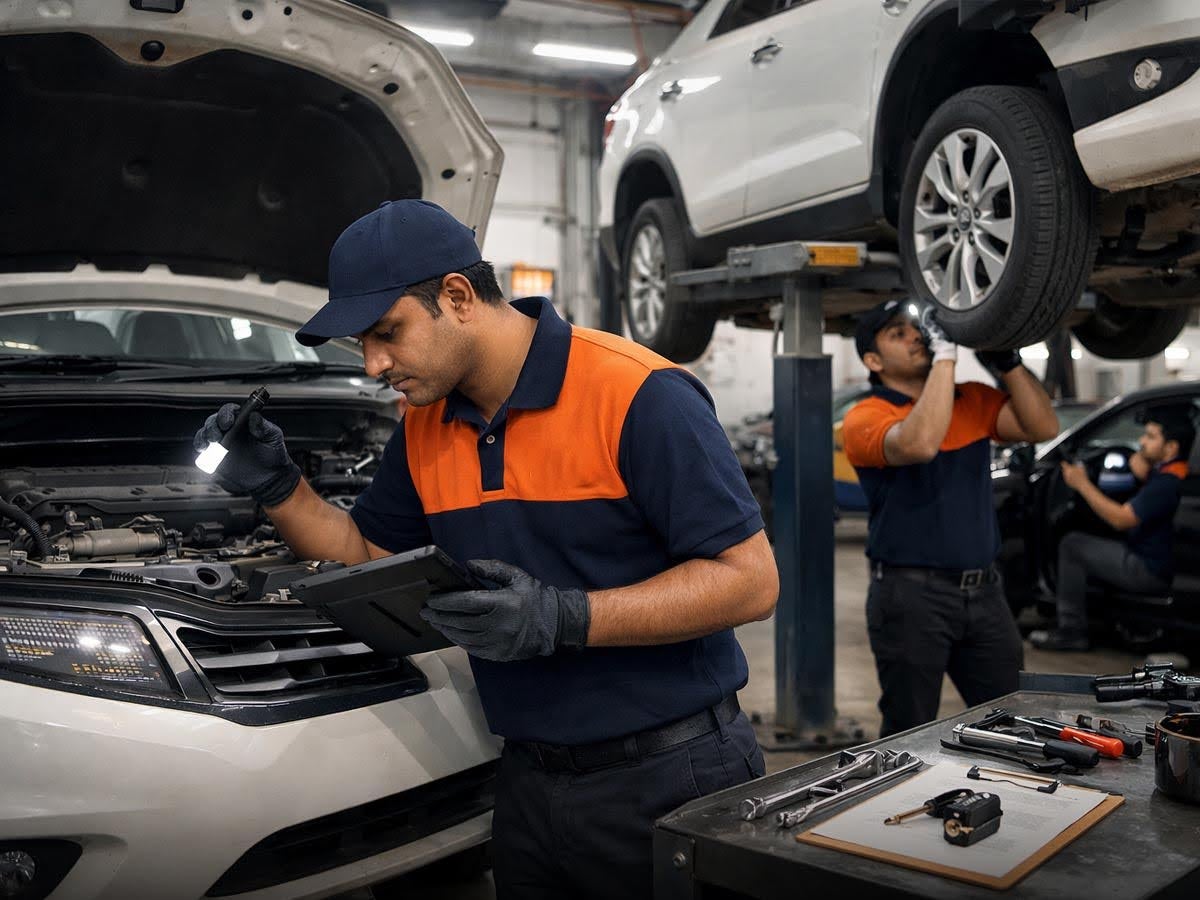
While fuel expenses drop, maintaining these vehicles does require a bit more attention, which slightly offsets the remarkably low CNG cars running cost.
Key maintenance areas include:
- Spark plugs wear faster due to higher combustion temperatures.
- Air filters may need earlier replacement to ensure a healthy air-fuel mixture.
- CNG filters require periodic changing.
Mandatory cylinder checks and hydro testing are required every few years.
CNG cars can require stricter maintenance schedules than petrol cars to remain reliable in the long run.
Popular CNG Cars in India
Hatchbacks
| Model | Why It’s Popular |
| WagonR CNG | The ultimate mileage-focused city car |
| Swift CNG | A brilliant balance of mileage and usability |
| Baleno CNG | Premium hatchback efficiency and space |
Compact SUVs & Micro SUVs
| Model | Highlight |
| Punch CNG | Twin-cylinder practicality saves boot space |
| Exter CNG | Smooth urban SUV feel with great features |
| Nexon CNG | India's first turbo CNG option |
Sedans & MPVs
| Model | Highlight |
| Dzire CNG | An absolute fleet and family favourite |
| Ertiga CNG | Unmatched high practicality for large families |
Pros of CNG Cars
- Extremely Low Running Cost: It remains one of the cheapest ways to run an ICE car in India.
- Lower Emissions Than Petrol/Diesel: It is a significantly cleaner-burning fuel.
- Strong Factory-Fitted Options Today: These offer far better integration, performance, and safety than older aftermarket kits.
Petrol Backup Reduces Anxiety: Unlike EVs, you can still continue driving effortlessly after the CNG runs out.
Cons of CNG Cars
- Lower Performance: The power drop is still noticeable in many cars during overtakes.
- Long Queues at CNG Stations: Waiting to refuel remains a major frustration in several cities (The Times of India).
- Boot Space Loss: Cylinder packaging remains a compromise, although innovative twin-cylinder designs have greatly improved practicality.
- Limited Highway Infrastructure: Availability outside major cities can still be inconsistent.
Maintenance Can Be Higher Than Petrol: Especially over long ownership periods.
CNG vs EV: Which Makes More Sense Today?
Where EVs Win
EVs deliver an even lower running cost, vastly smoother driving dynamics, and the unmatched convenience of overnight home charging.
Where CNG Still Wins
They offer a drastically lower upfront cost, easier long-distance usage, and absolutely no charging dependency. Enthusiast discussions increasingly position CNG as a highly practical middle-ground solution while EV adoption continues to grow.
Who Should Buy a CNG Car?
- High monthly city driving
- Taxi and fleet users
- Budget-conscious commuters
Buyers without home EV charging access
Who Should Avoid CNG Cars?
Low-Mileage Private Owners
If your running is very low, fuel savings may never justify the higher upfront cost, maintenance compromises, and the overall CNG station inconvenience.
Also Not Ideal For:
- Driving enthusiasts
- Frequent highway travellers residing in low-CNG regions
- Buyers heavily prioritising boot space for luggage
Frequently Asked Questions
Expand all