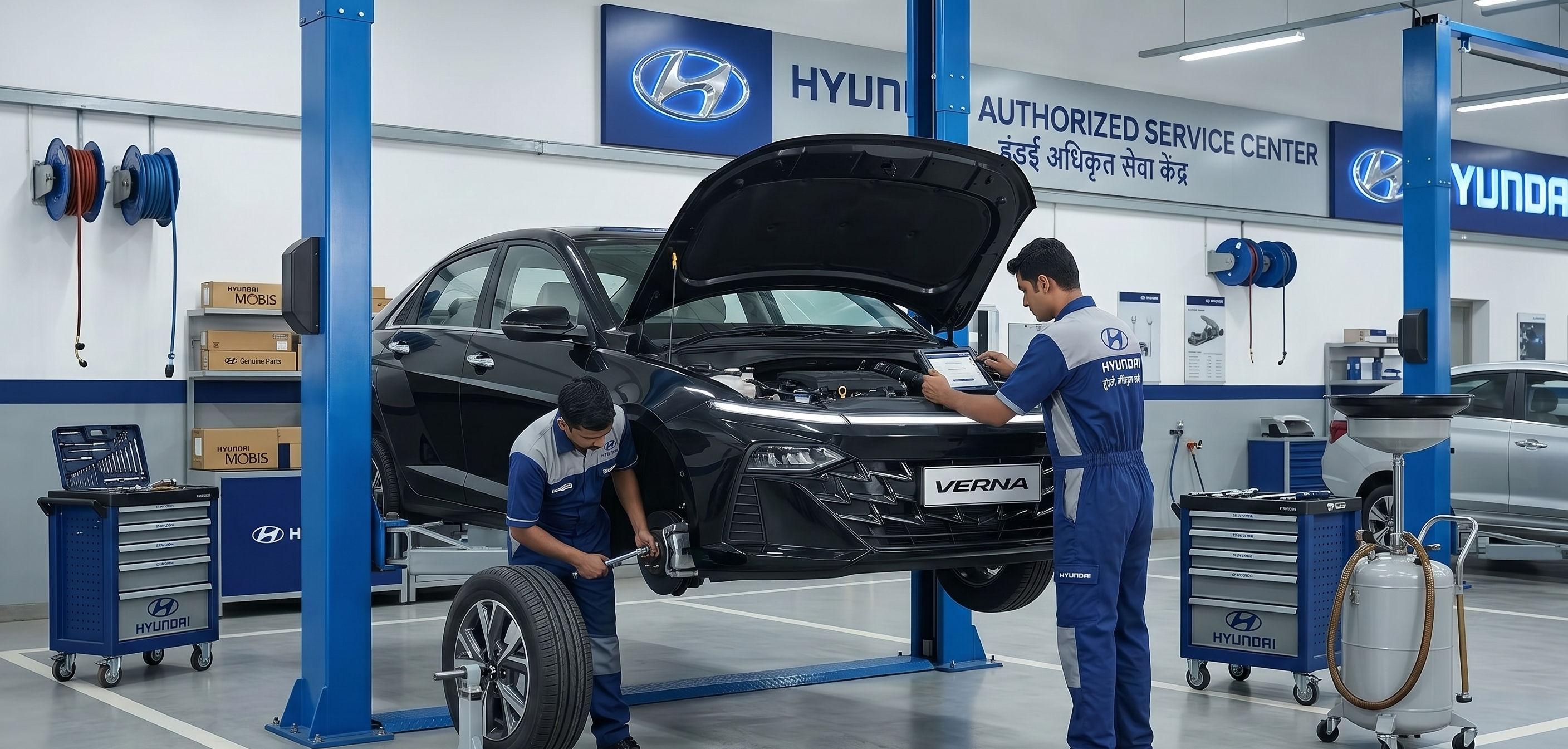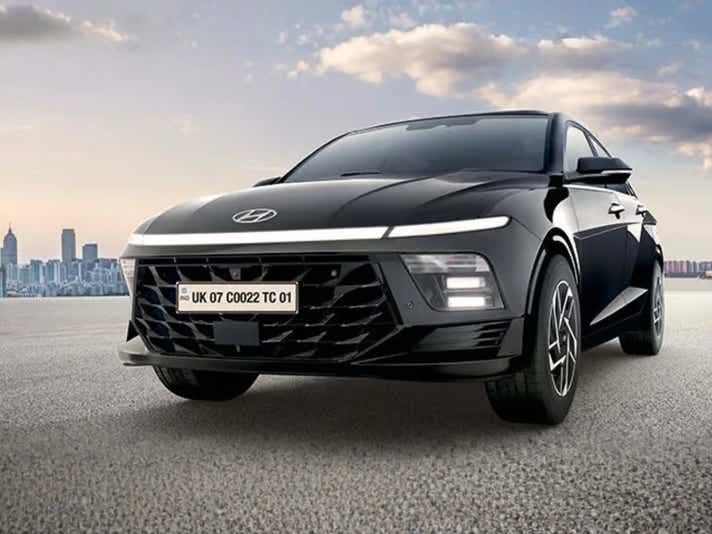
Hyundai Verna Real World Mileage: The Complete Guide
- 1Hyundai Verna real mileage explained for city, highway, and mixed use
- 2Claimed vs real-world Verna mileage with owner-reported insights
- 3Running cost, fuel range, and mileage-saving tips for Verna buyers
For over a decade, this sleek sedan has redefined the benchmark for performance, futuristic design, and premium luxury within the Indian automotive market. While enthusiasts naturally gravitate towards its striking aesthetics and incredibly powerful engine options, the everyday commuter remains highly focused on its daily running costs.
A common pitfall for new car buyers is blindly trusting the official ARAI testing figures printed on the glossy showroom brochures. These laboratory numbers are achieved in perfectly controlled testing environments, completely without the hindrance of red traffic lights, broken roads, or varying weather conditions. Consequently, expecting these exact test figures during your chaotic daily office commute is a highly unrealistic approach.
Having a clear, accurate picture of the actual fuel consumption ensures that the car perfectly aligns with your monthly financial budget and protects you from unexpected fuel expenses in the future.
Numbers To Consider When Buying the Hyundai Verna
To properly evaluate the expected running costs, a buyer must first look closely at the mechanical specifications on offer. The manufacturer has completely phased out diesel engines for this latest generation, choosing instead to offer two distinct and highly capable petrol powertrains tailored for different driving styles.
| Engine Specifications | Transmission Options | Fuel Options | ARAI Claimed Mileage | Fuel Tank Capacity |
| 1.5L MPi Naturally Aspirated Petrol (115 PS / 144 Nm) | 6-Speed Manual, iVT | Petrol | 18.6 kmpl (MT) / 19.6 kmpl (iVT) | 45 Litres |
| 1.5L Turbo GDi Petrol (160 PS / 253 Nm) | 6-Speed Manual, 7-Speed DCT | Petrol | 20.0 kmpl (MT) / 20.6 kmpl (DCT) | 45 Litres |
Hyundai Verna Real World Mileage
This sleek sedan is equipped with a 45 litre fuel tank capacity across all its variants. Depending on your chosen engine and how heavily you apply the throttle on a daily basis, the aggregate range on a complete refuel usually sits between 450 and 600 kilometres. Achieving the higher end of this broad spectrum depends largely on frequent highway usage and highly disciplined driving habits. To truly understand the Hyundai Verna real world mileage, we must delve deeper into the performance of each specific powertrain option.
Verna Petrol Manual Mileage
This category encompasses the naturally aspirated engine paired with the traditional six speed manual gearbox.
| Driving Condition | Practical Mileage Range |
| City Traffic | 11.0 to 13.0 kmpl |
| Highway Cruising | 16.0 to 18.0 kmpl |
| Mixed Usage | 13.5 to 15.0 kmpl |
From a driver's perspective, operating the manual gearbox in dense urban traffic is reasonably smooth due to the incredibly light clutch action. The naturally aspirated engine provides a highly linear power delivery, which significantly aids the Hyundai Verna petrol real world mileage during tedious stop-and-go conditions.
Verna Petrol Automatic Mileage
Drivers typically choose the automatic variants for ultimate driving convenience. This includes the intelligent variable transmission paired with the naturally aspirated engine.
| Driving Condition | Practical Mileage Range |
| City Traffic | 10.5 to 12.5 kmpl |
| Highway Cruising | 16.5 to 18.5 kmpl |
| Mixed Usage | 13.0 to 14.5 kmpl |
The intelligent variable transmission paired with the naturally aspirated engine is incredibly frugal if driven sedately, making it the perfect companion for congested city commutes. Thankfully, the aerodynamic silhouette of the sedan helps it slip through the air on the motorway, allowing the automatic variants to deliver stellar highway fuel efficiency when cruising at steady speeds.
Verna Turbo Petrol Manual Mileage
| Driving Condition | Practical Mileage Range |
| City Traffic | 10.0 to 12.0 kmpl |
| Highway Cruising | 14.0 to 18.0 kmpl |
| Mixed Usage | 12 to 15.0 kmpl |
The turbocharged manual requires careful throttle management because aggressive acceleration will cause the efficiency to plummet rapidly. On open highways, slotting the gearbox into the sixth gear allows both engines to cruise effortlessly at low revolutions, returning excellent economy figures.
Verna Turbo Petrol Automatic Mileage
| Driving Condition | Practical Mileage Range |
| City Traffic | 9.0 to 12.0 kmpl |
| Highway Cruising | 13.5 to 18.0 kmpl |
| Mixed Usage | 12 to 15.0 kmpl |
The dual clutch transmission mated to the turbo engine is tuned for sharp, immediate performance. While it offers thrilling acceleration, a heavy right foot will severely impact the Hyundai Verna petrol real world mileage.
Claimed vs Real World Mileage
A noticeable gap exists between the official claims and the practical results you will experience on the tarmac.
| Powertrain Combination | ARAI Claimed Mileage | Expected Practical Mileage (Mixed) |
| 1.5L MPi NA Petrol MT | 18.6 kmpl | 14.0 kmpl |
| 1.5L MPi NA Petrol iVT | 19.6 kmpl | 14.2 kmpl |
| 1.5L Turbo Petrol MT | 20.0 kmpl | 13.5 kmpl |
| 1.5L Turbo Petrol DCT | 20.6 kmpl | 13.8 kmpl |
In the Hyundai Verna mileage comparison, thiss discrepancy is entirely normal because the testing agency evaluates the vehicle on a rolling road dynamometer without the air conditioning turned on and without accounting for the weight of multiple passengers. In everyday scenarios, the Hyundai Verna real world mileage naturally decreases because the engine has to constantly overcome aerodynamic drag, power the heavy climate control system, and repeatedly move the mass of the car from a complete standstill in heavy traffic.
Hyundai Verna Real World Mileage By Owners
To gather a truly transparent understanding, we analysed multiple user reports from reputable automotive forums to see exactly what genuine owners are experiencing daily. Their collective insights reveal that the Hyundai Verna real world mileage is highly sensitive to the operating environment and driver inputs.
- Owners widely agree that using the air conditioning at full blast during the sweltering summer months reduces the fuel economy by roughly 1.5 to 2.0 kilometres per litre, as the compressor places a continuous, heavy load on the engine.
- Travelling with four adults and a boot completely full of luggage noticeably strains the vehicle. User data indicates this added payload can drop the efficiency by up to 10 per cent compared to driving the sedan solo.
- Enthusiastic drivers note that the powerful turbo engine is incredibly thirsty when pushed hard to its limits. Aggressive launches from traffic lights frequently result in single-digit efficiency numbers on the dashboard.
- Conversely, owners who practice hypermiling techniques and maintain a steady 80 kmph on expressways easily achieve figures that surpass 18 kmpl, heavily praising the aerodynamic efficiency of the exterior design.
- The general consensus among long term users is that the naturally aspirated engine provides much more consistent numbers in the city, while the turbo engine requires immense pedal discipline to maintain a respectable Hyundai Verna real world mileage.
Comparison of Hyundai Verna with Key Rivals
When finalising a purchase in this fiercely competitive sedan segment, comparing the Hyundai Verna real world mileage against its primary competitors is a necessary step to ensure you are getting the best value for your hard-earned money.
| Car Model | Petrol Practical Mileage (Mixed) | Diesel / Hybrid Practical Mileage (Mixed) |
| Hyundai Verna | 13.0 to 15.0 kmpl | Not Available |
| Honda City | 13.5 to 15.5 kmpl | 20.0 to 22.0 kmpl (Strong Hybrid) |
| Skoda Slavia | 12.5 to 14.5 kmpl | Not Available |
| Volkswagen Virtus | 12.5 to 14.5 kmpl | Not Available |
Alternatively, if your daily requirements lean towards European driving dynamics and safety, checking the Volkswagen Virtus real world mileage will give you a clear picture of how its engines perform in heavy traffic as we move into the next segment
Running Cost of Hyundai Verna
If you are debating between a factory-fresh unit or a pre-owned option, knowing the practical running costs of a new Hyundai Verna versus a used Hyundai Verna is crucial for budget-conscious buyers
We will estimate the monthly fuel expenses based on a daily commute of 30 kilometres for an individual residing in Delhi. Currently, the retail price of petrol in Delhi is approximately Rs 94.77 per litre. Since the manufacturer no longer offers a diesel engine, our calculations will focus entirely on the petrol variants.
- Driving 30 kilometres daily equates to a total monthly running distance of 900 kilometres.
- Assuming an average mixed Hyundai Verna real world mileage of 14.0 kmpl, the vehicle will consume approximately 64.2 litres of fuel each month.
- This calculated fuel consumption translates to an estimated monthly running cost of roughly Rs 6,084.
- Over a typical five-year ownership period covering a total of 54,000 kilometres, the owner will require around 3,857 litres of petrol to keep the vehicle moving.
- Consequently, the total fuel expenditure over this five-year duration will amount to approximately Rs 3,65,527.
These precise figures highlight that despite the absolute lack of a diesel option, the naturally aspirated and turbocharged petrol engines remain relatively economical for standard daily commuting. Closely monitoring your driving habits will directly influence these exact costs and help maximise your overall savings.
Tips to improve the mileage of the Hyundai Verna
Achieving the best possible fuel efficiency requires adopting a few smart driving habits and sticking to a strict routine maintenance schedule.
- Always ensure the Hyundai Verna tyre pressure matches the manufacturer's recommended pressure levels. Underinflated tyres create excessive rolling friction, which forces the engine to burn extra fuel just to propel the car forward.
- Anticipate the movement of traffic far ahead of you. By lifting your foot off the accelerator early and coasting to a stop, you prevent unnecessary heavy braking and seamlessly preserve the Hyundai Verna real world mileage.
- Avoid keeping the engine running when parked or waiting at a particularly long traffic signal. Switching off the ignition for stops lasting longer than 45 seconds saves a surprising amount of fuel over an entire month.
- Be highly mindful of your automatic climate control settings. Keeping the cabin temperature at a comfortable 24 degrees Celsius instead of the lowest possible setting drastically reduces the constant strain on the air conditioning compressor.
- Remove any unnecessary heavy items from the cavernous 528 litre boot space. Extra weight demands significantly more energy to move, so travelling light is an effortless and proven way to instantly boost your daily fuel economy.
Frequently Asked Questions
Expand all