Maruti Suzuki Discontinued Cars in India (2026): Old Models, Why They Left & Which Are Worth Buying
- 1Maruti has phased out its long-running nameplates like the Ciaz by 2026
- 2SUVs and strict emission rules caused the end of iconic diesels
- 3Discover which discontinued Maruti models remain a great bargain
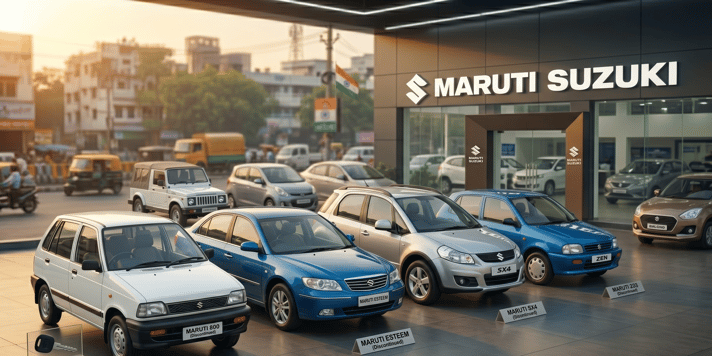
For decades, Maruti Suzuki has shaped the Indian car market, offering unparalleled fuel efficiency and mass-market affordability. Yet, despite this dominance, a surprisingly long list of iconic Maruti cars has quietly disappeared from showroom floors. From the legendary Omni to the recently axed Ignis and Ciaz, this evolution is driven by stricter emission and safety norms, a massive consumer shift towards SUVs, and shrinking demand in once-popular segments.
Let's walk through the comprehensive discontinued Maruti cars list, uncover exactly why each model was sent to the chopping block, and, more importantly, explore whether any of these discontinued Maruti cars in India are still worth your money on the second-hand market today.
Quick Snapshot: Major Maruti Cars Discontinued in India
| Model | Segment | Discontinued In | Why It Was Stopped |
| Alto 800 | Entry hatchback | 2023 | BS6 Phase 2 upgrade costs |
| Ignis | Premium hatchback | 2026 | Weak sales, SUV shift |
| Ciaz | Mid-size sedan | 2025 | Declining sedan demand |
| S-Cross | Mid-size crossover | 2022 | Replaced by Grand Vitara |
| Baleno Diesel | Premium hatchback | 2020 | Maruti exited diesel |
| Swift Diesel | Hatchback | 2020 | BS6 diesel exit |
| Omni | Van | 2019 | Modern safety norms |
| Gypsy | Lifestyle SUV | 2019 | Emission & safety norms |
| Ritz | Hatchback | 2017 | Cannibalised by Swift |
| Kizashi | Premium sedan | 2014 | Expensive import pricing |
Key Takeaways
- Maruti has discontinued several popular diesel and sedan models over the last few years as market tastes evolved.
- Many Maruti Suzuki old cars still remain incredibly affordable and easy to maintain in the bustling used market.
The rise of SUVs, along with demands for safer, more modern platforms, ultimately replaced several iconic Maruti models.
Why Maruti Discontinued So Many Cars
BS6 & BS6 Phase 2 Changed Everything
Maruti took a massive, industry-shaking step in 2020 when it decided to exit the diesel market completely. Updating their smaller, highly efficient diesel engines to meet the stringent Bharat Stage 6 (BS6) emission standards simply became too expensive. Passing that development cost onto the budget-conscious consumer would have made small diesel cars financially unviable. This single regulatory shift instantly wiped out fan favourites like the Swift Diesel, Baleno Diesel, Dzire Diesel, and S-Cross Diesel. Later, the BS6 Phase 2 norms in 2023 forced the brand to discontinue older, low-margin petrol models that weren't cost-effective to upgrade.
India Shifted From Sedans & Hatchbacks to SUVs
The Indian buyer's preference has completely transformed over the last five years. Compact and micro-SUVs exploded in popularity, offering better ground clearance and a commanding driving position at a similar price point to premium hatchbacks and sedans. As a result, traditional sedan demand shrank sharply. Enthusiast discussions repeatedly mention that SUVs gradually pushed sedans and niche hatchbacks out of the mainstream market, directly impacting the lifespan of models like the Ciaz, Ignis, and S-Cross.
Safety Regulations Killed Several Older Cars
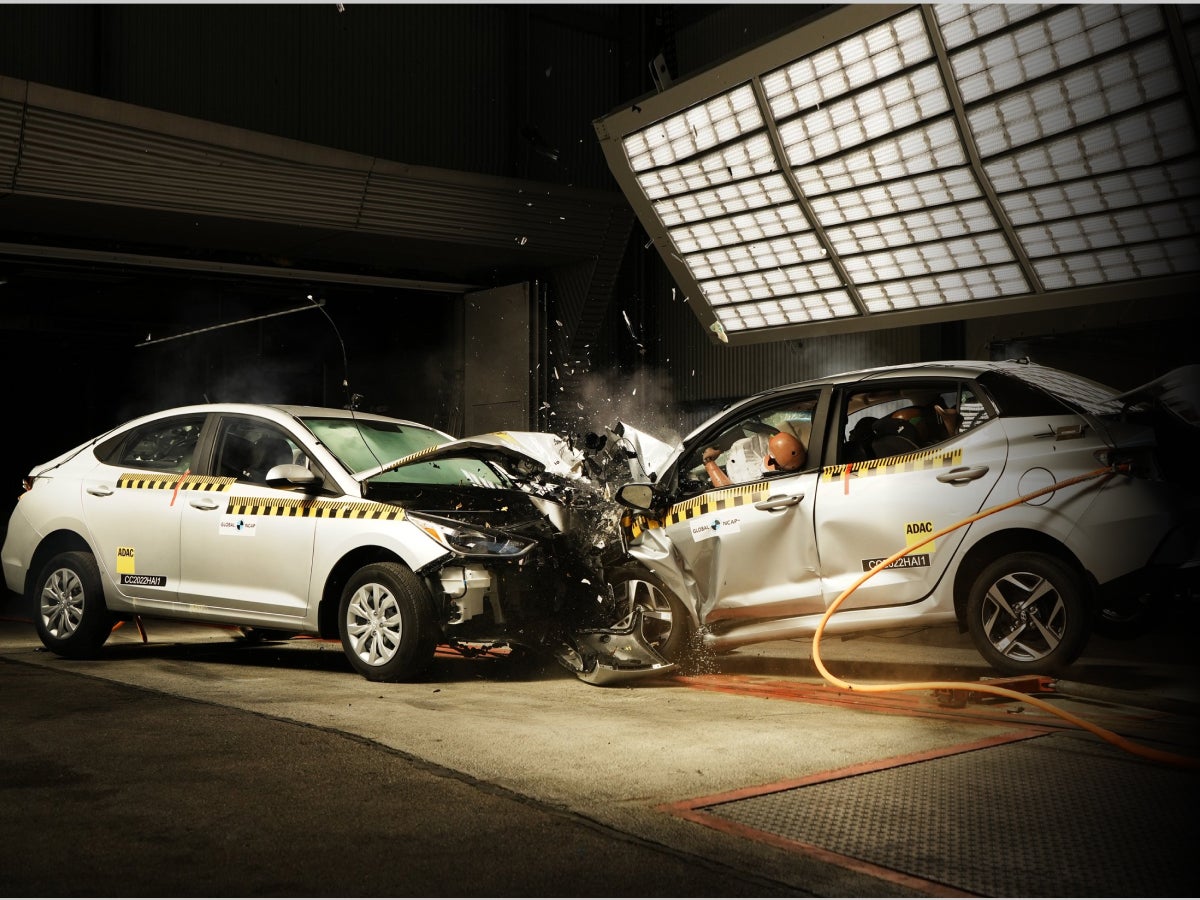
As India tightened its vehicular safety standards, introducing mandatory crash test norms, pedestrian safety regulations, and standard airbag mandates, several older chassis designs simply could not comply. Re-engineering these outdated platforms from the ground up would have been incredibly expensive. This necessary push for safer roads meant the end of the line for the legendary Omni, the rugged Gypsy, and eventually, the iconic Alto 800.
Most Popular Discontinued Maruti Cars in India
Maruti Alto 800
Why the Alto 800 Was So Important
For over two decades, the Alto 800 was the undisputed entry-level car icon of India. It represented the first taste of motoring freedom for millions of families, offering extremely affordable ownership, legendary reliability, and exceptionally low maintenance and fuel costs.
Why Maruti Discontinued It
The implementation of BS6 Phase 2 norms required expensive engine upgrades. Combined with a mandatory six-airbag rule consideration at the time and buyers heavily shifting toward larger hatchbacks and micro-SUVs, Maruti decided to retire the 800cc workhorse in 2023.
Should You Buy a Used Alto 800?
A used Maruti Alto 800 remains an outstanding choice for first-time buyers and budget commuters navigating congested small-city usage.
- Pros: Dirt-cheap maintenance, excellent fuel efficiency, perfectly sized city car.
Cons: Basic safety credentials, dated highway driving experience, very cramped cabin for taller passengers.
Maruti Ignis
Why the Ignis Was Different
Sold through the premium Nexa outlets, the Ignis brought a quirky, polarising design to the hatchback segment. Its tall-boy practicality, lightweight chassis, and peppy 1.2-litre petrol engine made it a brilliantly zippy and city-friendly vehicle.
Why It Was Discontinued
As of 2026, Maruti has quietly halted Ignis production. Despite a mild facelift in 2020, the car suffered from weak demand, limited feature updates, and the growing consumer preference for similarly priced entry-level SUVs like the Tata Punch.
Why Enthusiasts Still Like It
Many owners consider the Ignis one of the most underrated small Maruti cars ever built. Its compact dimensions make it incredibly easy to park, while its ride quality and eager four-cylinder engine provide a surprisingly engaging drive.
| Good For | Not Ideal For |
| City driving and tight parking | Highway-focused buyers |
| Young buyers and couples | Large families needing boot space |
| Easy ingress and egress | Rear-seat-heavy usage |
Maruti Ciaz
Why the Ciaz Became Popular
The Ciaz was a masterclass in offering value in the mid-size sedan segment. It boasted a cavernous cabin with exceptional rear legroom, a highly comfortable ride, and ultra-smooth, fuel-efficient mild-hybrid petrol engines.
Why Maruti Discontinued It
Officially discontinued in 2025, the Ciaz fell victim to falling sedan demand. While rivals continuously updated their offerings with advanced tech, the Ciaz felt increasingly outdated in its feature list as the SUV market expanded rapidly around it.
Biggest Used-Car Advantage
If you are looking for second hand Maruti cars, a used Ciaz is a hidden gem. Used Ciaz prices are often incredibly attractive compared to similarly sized SUVs, offering luxury-car space at hatchback money.
Maruti S-Cross
Maruti’s First Proper Premium Crossover
The S-Cross spearheaded the Nexa premium brand. It offered incredibly mature highway manners, potent diesel torque (in its early 1.6L and 1.3L avatars), and an understated, mature European design.
Why It Was Discontinued
As Maruti shifted its strategy toward more traditional, upright SUVs, the S-Cross was officially replaced by the Grand Vitara in 2022.
Why Used Buyers Still Like It
- Strengths: Excellent highway stability, strong diesel efficiency, very comfortable long-distance cruiser.
Weaknesses: Older and somewhat plain interiors, sparse feature list by modern standards, limited enthusiast appeal.
Maruti Swift Diesel
Why the Diesel Swift Was So Popular
The Swift Diesel, powered by the legendary Fiat-sourced 1.3-litre DDiS engine, was an absolute phenomenon. It combined excellent mileage with a punchy, fun-to-drive character and strong low-end torque that made overtaking effortless.
Is a Used Swift Diesel Still Worth Buying?
While it offers phenomenal long-distance efficiency, buyers must be cautious. Older diesel cars face potential fuel injector ageing, which can be pricey to fix. Furthermore, rising diesel-city restrictions (like the 10-year rule in Delhi NCR) make it a risky buy in certain regions.
Maruti Baleno Diesel
Why Buyers Loved It
It offered all the premium hatchback practicality and cabin space of the standard Baleno, but paired it with the refined and highly efficient diesel engine, making it a stellar highway cruiser.
Used Ownership Reality
Because Maruti exited the diesel market entirely in 2020, finding a well-maintained used Baleno diesel is getting harder. It remains an attractive prospect for mileage-focused highway users, but be aware that sourcing older diesel engine parts is slowly becoming more expensive.
Maruti Omni
The Omni’s Legendary Status
For decades, the Omni was the quintessential school van, a versatile cargo carrier, and the ultimate low-cost family mover. Its sliding doors and cavernous space made it an unmatched utility vehicle.
Why It Was Discontinued
Its flat-front design fundamentally failed modern crash safety and pedestrian protection norms.
Should You Still Buy One?
You should generally avoid it for family use today due to severe safety compromises. It remains strictly a low-budget cargo utility option.
Maruti Gypsy
Why the Gypsy Became an Icon
With a rich rally heritage and decades of service in the Indian Army, the lightweight, rear-wheel/four-wheel drive Gypsy built a cult enthusiast following for its unstoppable off-road capabilities.
Why Maruti Had to Stop It
It was a vehicle born in the 1980s. By 2019, it simply could not meet modern emission standards or structural safety regulations without a total redesign.
Why Prices Remain High
Clean, well-maintained Gypsys still command incredibly strong resale values because the off-road enthusiast demand far outstrips the dwindling supply.
Maruti Ritz
Why Some Owners Still Miss the Ritz
Launched alongside the Swift, the Ritz offered a highly practical tall-boy design, incredibly easy ingress and egress, and the same punchy petrol and diesel engines.
Why It Lost the Market
It was constantly overshadowed by its much sportier sibling, the Swift. As hatchback styling preferences moved toward sleeker, wider designs, the Ritz's distinctive rear-end styling failed to find enough takers, leading to its demise in 2017.
Maruti Kizashi
Maruti’s Most Ambitious Premium Car
Brought in as a Completely Built Unit (CBU) import, the Kizashi was a stunning, refined premium sedan that offered a genuinely luxurious driving feel and a potent 2.4-litre petrol engine.
Why It Failed
At the time of its launch in 2011, Indian buyers were unwilling to pay a premium price tag for a car wearing a Maruti Suzuki badge.
Used Kizashi Ownership
Today, it is a rare enthusiast buy. However, because it was an import, spare parts are notoriously expensive and difficult to source, making resale incredibly tough.
Which Discontinued Maruti Cars Are Still Worth Buying?
If you are browsing the used market, picking the right discontinued model depends entirely on your use case. Here is how they stack up today:
| Buyer Type | Recommended Model |
| Budget city buyer | Alto 800 |
| Enthusiast hatchback buyer | Ignis |
| Comfortable sedan buyer | Ciaz |
| Highway diesel user | S-Cross Diesel |
| Mileage-focused commuter | Swift Diesel |
| Off-road enthusiast | Gypsy |
Are Spare Parts Still Easily Available?
One of the most common questions buyers ask is regarding spare parts when looking into the Maruti old models list.
The Biggest Advantage of Old Marutis
For most mainstream models, spare parts remain widely available across both official service centres and the aftermarket. Local mechanics across India understand these engines inside out, ensuring maintenance is usually highly affordable. This is especially true for the Alto, Swift, Ritz, Ciaz, and any vehicles sharing the WagonR’s powertrains.
Where Parts Can Become Difficult
You will face hurdles with rare, low-volume models. Cars like the Kizashi, older specific Gypsy variants, and discontinued imports often suffer from expensive parts and frustratingly long waiting periods.
What to Check Before Buying a Discontinued Maruti
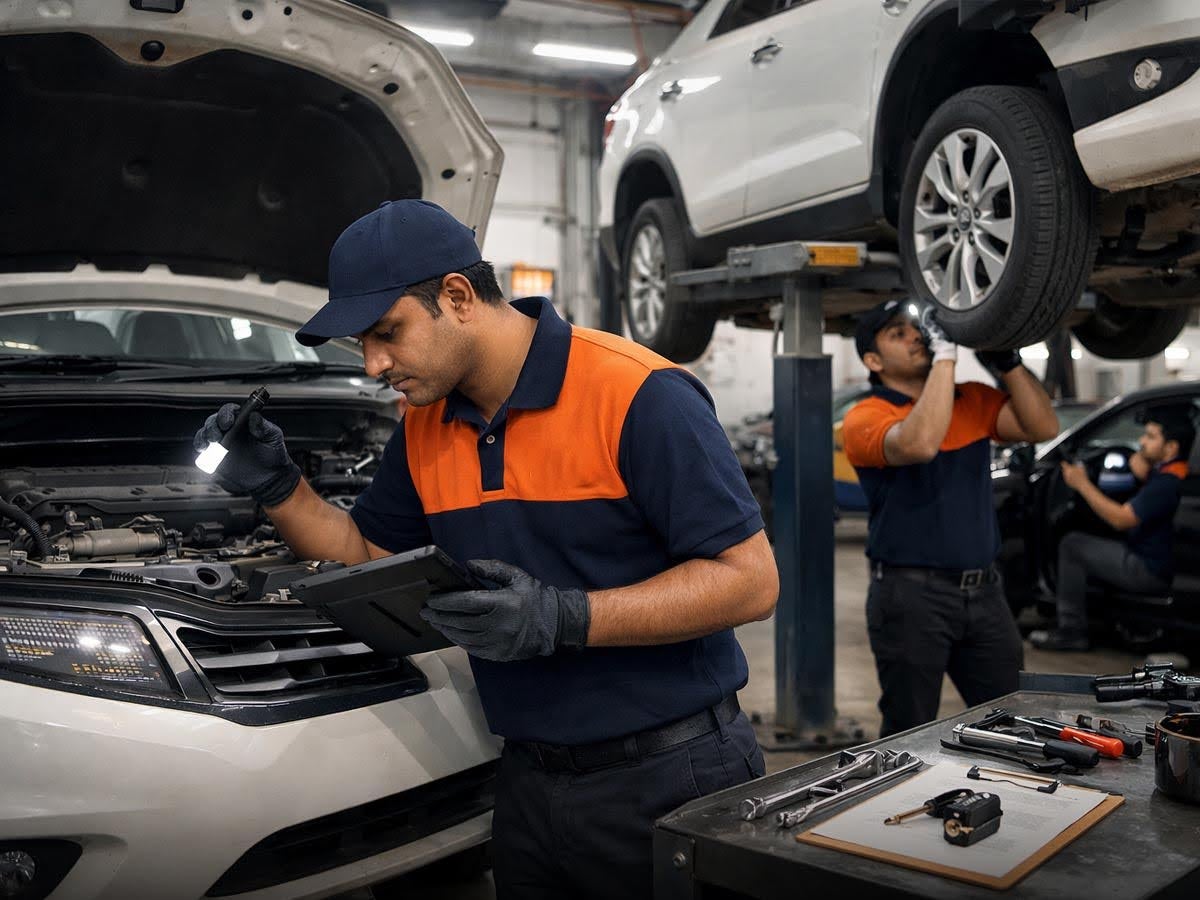
If you are looking for used Maruti cars to buy, do not let the famous Maruti reliability badge make you complacent.
- Service History: This is absolutely critical for diesel cars, vehicles equipped with early AMT gearboxes, and any car that looks like it might have been a neglected fleet-owned vehicle.
- Rust & Accident Repairs: Older Maruti cars, particularly models from the late 2000s and early 2010s, can show signs of severe rusting in the wheel arches and underbody, or poorly repaired accident damage.
Suspension & Engine Health: Pay close attention to suspension wear and engine smoking, which is especially important on higher-mileage Swift Diesels, Ritz Diesels, and early S-Cross models.
Why Many Discontinued Marutis Still Sell Well Used
Despite being pulled from the showroom, used Maruti cars still dominate India’s used-car market. The answer boils down to low ownership costs. Even a discontinued Maruti generally guarantees cheap maintenance, strong fuel efficiency, and access to a widespread service network. Furthermore, popular models retain an easy resale value, meaning you won't lose much money when it is time to upgrade.
Maruti’s Future Strategy in India
As Maruti phases out these older models, the brand is aggressively moving toward the future. The product lineup is now heavily tilted toward SUVs (like the Fronx, Brezza, and Grand Vitara). They are also focusing heavily on alternative powertrains, pushing strong hybrids and factory-fitted CNG models to replace the void left by diesel. Looking ahead, Maruti is preparing to enter the electric space with their upcoming e-Vitara plans, signalling a massive technological leap for the historically budget-conscious brand.
Conclusion
Maruti Suzuki has discontinued several iconic cars in India, closing the chapter on legends like the Ciaz, Ignis, and the punchy Swift Diesel. This shift is a direct result of rapidly changing market trends, significantly stricter emission and safety regulations, and the industry-wide stampede toward SUVs and cleaner powertrains.
Despite this, delving into the used market reveals that many of these discontinued models still remain incredibly practical choices. Thanks to their inherently affordable maintenance, strong fuel efficiency, and the reassurance of widespread service support, cars like the S-Cross and Ciaz continue to attract very loyal buyers. However, if you are stepping into the second-hand market, always carefully evaluate the vehicle's safety credentials, long-term spare-part availability, and overall mechanical health before signing the paperwork.
Frequently Asked Questions
Expand all