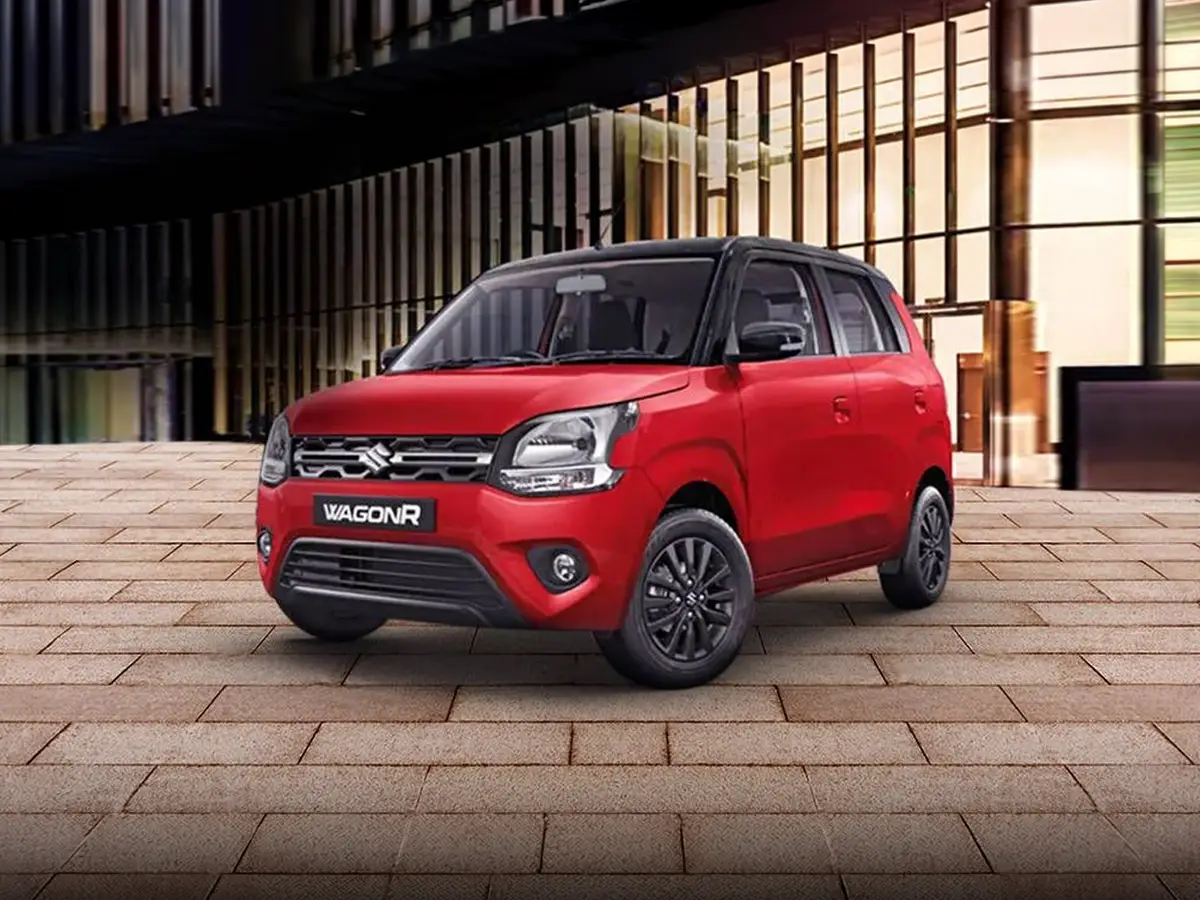
Maruti Suzuki Wagon R Real World Mileage: The Complete Guide
The Maruti Suzuki Wagon R has been an absolute household name in the Indian automotive landscape for over two decades. Introduced with its signature tall boy design, it revolutionised the way Indian buyers perceived cabin space and practicality in a compact footprint. For generations, it has been the definitive choice for middle-class families, first-time car buyers, and even fleet operators who demand uncompromising reliability. A primary driver of this enduring popularity is its exceptionally frugal running cost. When families look to upgrade from a two-wheeler or buy their first four-wheeler, fuel efficiency sits at the very top of their priority list.
However, prospective buyers must clearly understand that the real world fuel economy is almost always different from the claimed ARAI mileage figures. The ARAI testing protocol is conducted on a stationary dynamometer inside a climate-controlled laboratory. These tests follow a predefined, gentle driving cycle. Therefore, it is vitally important to set realistic mileage expectations before bringing the Maruti Wagon R home. Knowing the actual average you will get on the road ensures that your monthly fuel budget remains predictable and manageable.
Numbers To Consider When Buying the Maruti Wagon R
Before we examine the practical fuel efficiency, we must first look at the mechanical specifications and engine options that directly dictate these numbers. The Maruti Suzuki Wagon R is uniquely offered with two different petrol engine options along with a factory-fitted compressed natural gas variant, giving buyers multiple choices based on their daily running requirements.
| Engine Specification | 1.0 Litre Petrol | 1.2 Litre Petrol | 1.0 Litre CNG |
| Engine Capability | 998 cc | 1197 cc | 998 cc |
| Maximum Power | 65.71 bhp @ 5500 rpm | 88.50 bhp @ 6000 rpm | 55.92 bhp @ 5300 rpm |
| Maximum Torque | 89 Nm @ 3500 rpm | 113 Nm @ 4400 rpm | 82.1 Nm @ 3400 rpm |
| Transmission Options | 5 Speed Manual, 5 Speed Automatic | 5 Speed Manual, 5 Speed Automatic | 5 Speed Manual |
| Fuel Options | Petrol | Petrol | CNG and Petrol |
| ARAI Claimed Economy | 24.35 kmpl (MT) | 23.56 kmpl (MT) | 34.05 km/kg |
| Fuel Tank Capacity | 32 Litres | 32 Litres | 60 Litres (Water Equivalent) |
Maruti Suzuki Wagon R Real World Mileage
When discussing the Maruti Wagon R real world mileage, it is essential to begin by highlighting its onboard fuel storage capacity. The petrol variants come equipped with a 32-litre fuel tank. Depending on your driving conditions, a complete refuel will comfortably offer an expected aggregate range of approximately 450 to 520 kilometres.
On the other hand, the CNG variant generally holds about 8 to 9 kilograms of gas, depending on the station pressure. This provides a dedicated gas range of about 200 to 240 kilometres before the system automatically switches back to petrol.
However, the actual range depends upon your individual driving style, passenger load, and the specific traffic conditions in your daily commute.
Wagon R Petrol Manual Real World Mileage
| Driving Condition | Expected Practical Mileage |
| City Traffic | 14.0 to 16.0 kmpl |
| Highway Cruising | 19.0 to 21.0 kmpl |
| Mixed Usage | 16.5 to 18.0 kmpl |
From a driver's perspective, the five-speed manual gearbox paired with either the 1.0 litre or the 1.2 litre petrol engine is a delight for urban commuting. The clutch action is exceptionally light, making constant gear changes in stop-and-go city traffic far less fatiguing.
In dense urban conditions, the Maruti Wagon R petrol real world mileage generally hovers around the 15 kmpl mark. The peppy low-end torque means you do not have to rev the engine hard to keep up with traffic. Out on the highway, if you maintain a steady cruising speed of around 80 kmph in fifth gear, the vehicle efficiently sips fuel, allowing the practical average to easily touch 20 kmpl.
Wagon R Petrol Automatic Real World Mileage
| Driving Condition | Expected Practical Mileage |
| City Traffic | 13.5 to 15.0 kmpl |
| Highway Cruising | 18.5 to 20.0 kmpl |
| Mixed Usage | 15.5 to 17.5 kmpl |
The automatic version utilises an Automated Manual Transmission, which the brand calls Auto Gear Shift. This system essentially uses computer-controlled actuators to shift the manual gears for you, providing immense relief in bumper-to-bumper traffic. However, this convenience does slightly alter the Maruti Wagon R automatic real world mileage.
Because the computer holds onto gears a fraction of a second longer before upshifting, the city fuel efficiency drops slightly compared to a manually operated car. Drivers note a slight head nod effect during gear shifts, but if you drive with a relaxed right foot and do not aggressively press the throttle, the automated system learns to shift early, returning a very respectable 14.5 kmpl in the city and up to 19 kmpl on the open highway.
Wagon R CNG Real World Mileage
| Driving Condition | Expected Practical Mileage |
| City Traffic | 23.0 to 25.0 km/kg |
| Highway Cruising | 28.0 to 31.0 km/kg |
| Mixed Usage | 25.5 to 27.5 km/kg |
For buyers with a heavy daily running schedule, the CNG manual variant is arguably the most sensible choice on the market. The Maruti Wagon R CNG real world mileage is nothing short of phenomenal. When navigating through daily city congestion, drivers consistently achieve an average of 24 km/kg. On open highway stretches, where the vehicle is driven at a constant speed in the topmost gear, the fuel efficiency jumps significantly, sometimes even crossing the 30 km/kg mark.
From a driver's seat perspective, there is a noticeable drop in absolute pulling power when compared to driving on pure petrol, but the massive financial savings at the fuel pump make this minor performance trade-off entirely acceptable for most owners.
Claimed vs Real World Mileage Comparison
To provide absolute clarity on what you can actually expect when driving, here is a tabular comparison showcasing the stark difference between the laboratory-tested ARAI figures and the realistic average you will achieve on the road.
| Engine and Transmission | ARAI Claimed Figure | Practical Average Expectation |
| 1.0L Petrol Manual | 24.35 kmpl | 17.00 kmpl |
| 1.0L Petrol Automatic | 25.19 kmpl | 16.50 kmpl |
| 1.2L Petrol Manual | 23.56 kmpl | 16.50 kmpl |
| 1.0L CNG Manual | 34.05 km/kg | 26.50 km/kg |
The difference between the theoretical ARAI mileage and the practical Maruti Wagon R real world mileage exists simply because real life is unpredictable. Laboratory tests are conducted without any heavy passenger weight, without the aerodynamic drag of highway winds, and crucially, without the air conditioning turned on.
Real World Mileage By Owners
To ensure our data is completely objective, we analysed multiple user reports from reputable automotive forums and ownership communities to understand how the Maruti Wagon R real world mileage changes dynamically based on different everyday usages and conditions.
Impact of Air Conditioning: Owners widely report a distinct drop in fuel efficiency of about 1.5 to 2.0 kilometres per litre when the air conditioning is running at maximum cooling capacity during the peak summer months.
Passenger Load Adjustments: The vehicle performs best when driven with just one or two occupants. When fully loaded with five adults and their luggage in the boot, forum members report a noticeable strain on the naturally aspirated engine, which drags the overall practical average down by roughly 10 to 12 percent.
Aggressive Driving Style: Owners who frequently accelerate harshly and brake at the last moment complain of receiving poor mileage, sometimes dropping to 12 kmpl in the city. In contrast, drivers who anticipate traffic and use gentle throttle inputs consistently match our highest estimated practical figures.
Highway Cruising Speeds: The tall boy design creates a lot of aerodynamic wind resistance at higher speeds. Owners note that pushing the vehicle beyond 100 kmph on expressways sharply reduces fuel efficiency, whereas cruising comfortably at 80 kmph yields the best highway numbers.
Comparison of Maruti Wagon R with Key Rivals
The entry-level hatchback segment is highly competitive. Let us look at a tabular comparison of how the Maruti Wagon R real world mileage measures up against three of its primary segment competitors in standard mixed driving conditions.
| Car Model (Petrol Manual) | Engine Capacity | Expected Practical Mixed Mileage |
| Maruti Suzuki Wagon R | 1.0 Litre Naturally Aspirated | 16.5 to 18.0 kmpl |
| Maruti Suzuki Celerio | 1.0 Litre Naturally Aspirated | 18.0 to 19.5 kmpl |
| Tata Tiago | 1.2 Litre Naturally Aspirated | 14.5 to 16.0 kmpl |
| Hyundai Grand i10 Nios | 1.2 Litre Naturally Aspirated | 14.0 to 15.5 kmpl |
While the Celerio shares the same 1.0-litre engine and edges slightly ahead due to its highly aerodynamic exterior shape, the Wagon R easily outperforms the heavier Tata Tiago and the Hyundai Grand i10 Nios in terms of pure fuel efficiency, making it the undisputed practical choice.
if you are ready to step into the premium hatchback segment for better driving dynamics without losing out on efficiency, exploring the Maruti Suzuki Swift real world mileage proves to be the perfect next step.
Running Cost of Maruti Wagon R
The tall-boy design is incredibly practical, and whether you opt for a new or a reliable used Maruti Wagon R, understanding its real-life fuel consumption helps you plan your monthly fuel budget accurately.
We will calculate the running expenses for both the petrol and the CNG manual variants using the current fuel prices in Delhi, which currently stand at approximately Rs 94.77 per litre for petrol and Rs 77.09 per kilogram for CNG. We will base this on a generic daily driving routine of 30 kilometres, amounting to 900 kilometres a month.
Petrol Engine Running Cost: Assuming a very realistic, practical average of 17 kmpl, your vehicle will consume approximately 53 litres of petrol every month. This translates to an estimated monthly running cost of Rs 5,022.
CNG Engine Running Cost: Assuming a practical average of 26.5 km/kg, your vehicle will require roughly 34 kilograms of gas monthly. This results in a significantly lower monthly fuel bill of just Rs 2,621.
Five-Year Ownership Evaluation: Over a prolonged five-year ownership period, the petrol variant will cost you approximately Rs 3,01,320 in fuel. Conversely, the CNG variant will cost roughly Rs 1,57,260 over the exact same period. Even after factoring in the higher initial purchase price of the factory-fitted gas variant, choosing the CNG engine easily saves you over Rs 1.4 Lakh in running costs, making it remarkably economical for daily commuters.
Tips to improve the mileage of the Maruti Wagon R
Extracting the maximum possible Maruti Wagon R real world mileage is completely achievable by adopting a few mindful and disciplined driving habits. Here are five practical tips to elevate your vehicle's fuel economy.
Keep Tyres Properly Inflated: Always ensure that Maruti Suzuki Wagon R tyre pressure matches the manufacturer's recommended level mentioned on the driver side door frame. Low tyre pressure increases the contact patch with the road, creating excess rolling resistance that forces the engine to burn more fuel.
Avoid Unnecessary Engine Idling: If you are stuck at a long traffic signal or a railway crossing and anticipate being stationary for more than forty seconds, simply switch the engine off. Idling provides zero mileage and quietly drains your fuel tank over time.
Accelerate Very Gently: The engine does not respond well to an aggressive right foot. Press the accelerator pedal smoothly and gradually when moving from a standstill. Sudden bursts of acceleration pump excess petrol into the cylinders that does not get efficiently burnt.
- Follow the Service Schedule: Stick religiously to the official maintenance timeline. Changing the engine oil, cleaning the air filter, and replacing worn out spark plugs ensures the engine breathes easily and combusts fuel at peak operational efficiency.
Frequently Asked Questions
Expand all