How online used car valuations work at Cars24, and why the final price can differ from the estimate
Cars24 consistently processes over 1,00,000 inspections a month. Sellers compare our offers with competition & the local dealers and still choose to transact with us. If the model was designed to downplay the selling price, that number would not be able to sustain itself.
Yet the most persistent seller complaint we hear is that there is a gap between the online estimate that sellers see on the website and the final price.
A seller enters their car details on the website, sees a range of 8 to 9.5 lakhs, and the final price post inspection comes in at 7 lakhs. That experience feels like a betrayal.It is not. But the gap between how the pricing system works and how it has been understood by sellers is real.
This article is an attempt to explain how online car valuations work at Cars24 so that we can make the process clearer.
How does an online car valuation work?
Every platform that offers an instant car valuation runs on broadly the same mechanics. An algorithm takes the seller's inputs: make, model, year, variant, kilometres driven, and the seller's own description of the car's condition. It matches those inputs against historical transaction data for similar cars in the region & outputs a predicted price range.
That range is a prediction of the possible price that the seller can get for that particular car based on historical data. It is not the final offer. This prediction is based on what the seller told the algorithm about the car and its condition. Sometimes the condition of the car or the car details mentioned by the customer online (including variant) is different from reality.
What are the steps from online estimate to final payout?
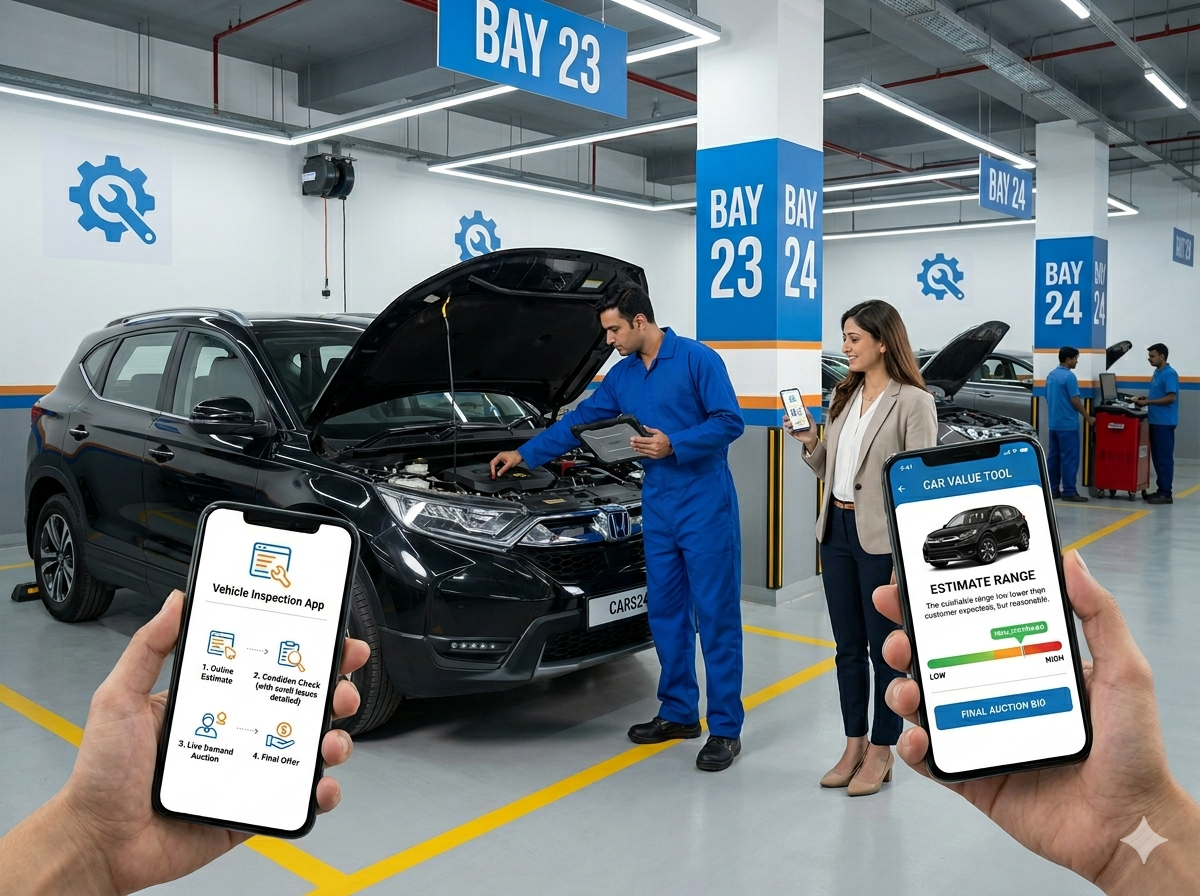
| Step | Action | Owner | Outcome |
| 1 | Enter car details and get an estimate | Seller | An estimated price range based on the inputs given by the seller and historical transaction data |
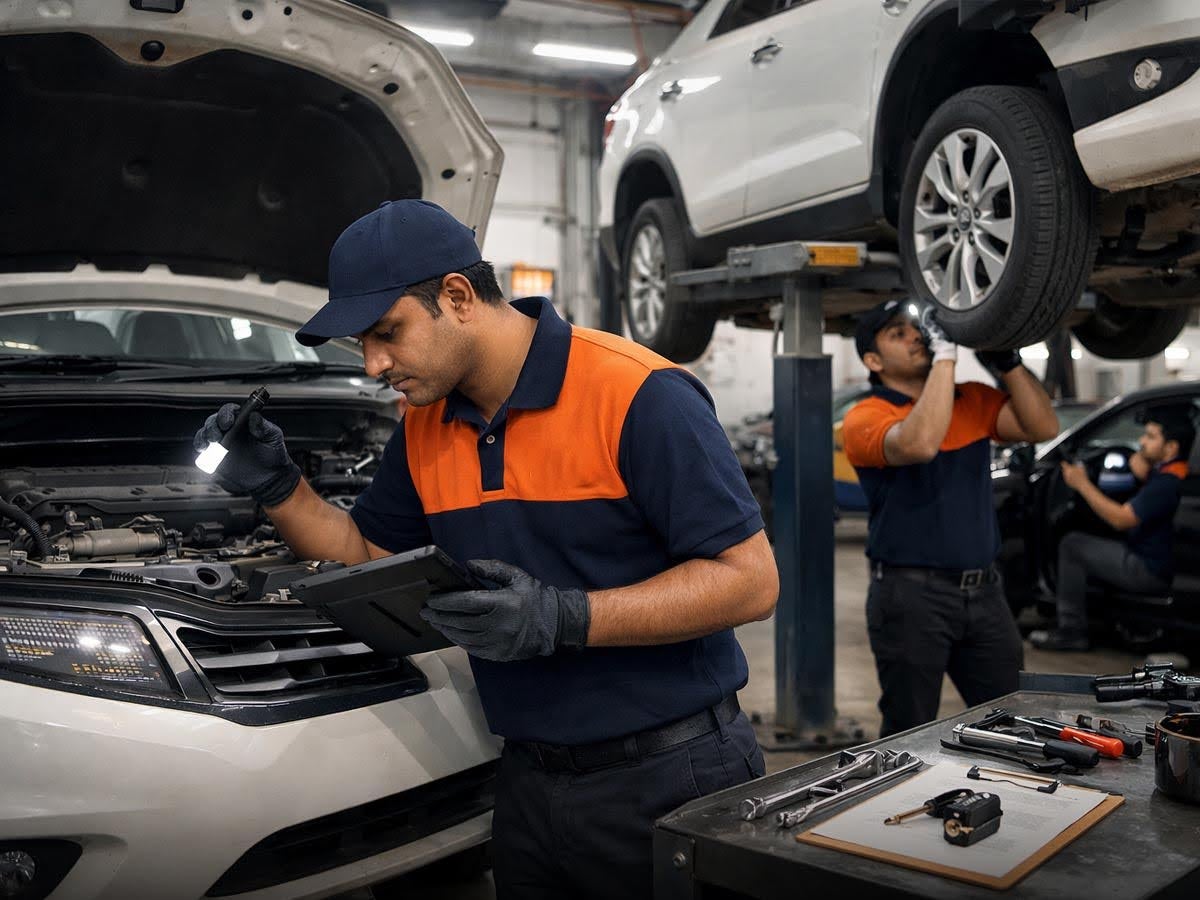
| 2 | Physical inspection | Cars24 | Actual condition, car details such as make, model, variant and any undisclosed issues are recorded against the inputs |
| 3 | Live dealer auction | Cars24 | Dealers bid on the inspected car based on demand that day; the top bid becomes the offer |
| 4 | Accept or decline | Seller | No obligation to accept if the seller is not satisfied with the price offered |
Why is the auction price sometimes lower than the estimate?
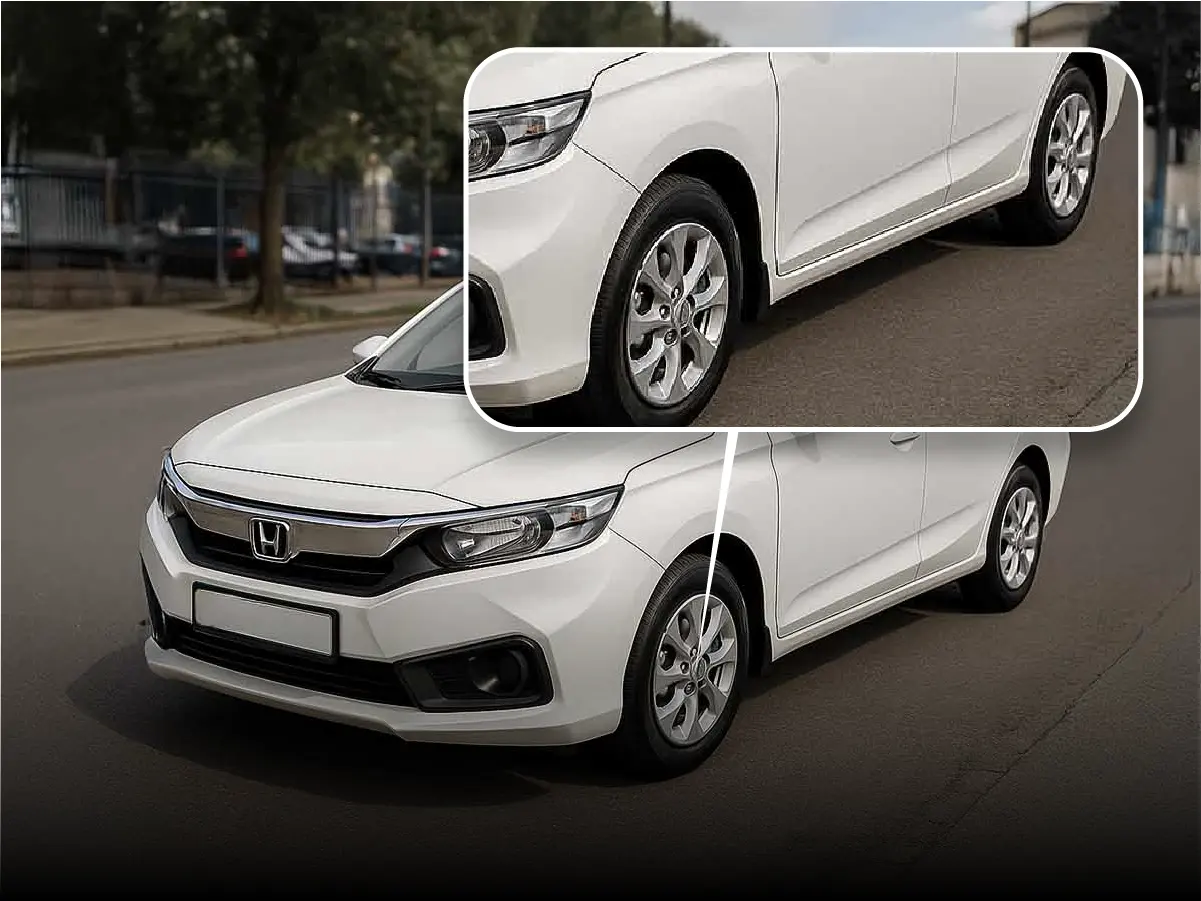
Two factors drive the gap. The first is the condition gap. In our data, roughly 6 out of 10 cars that arrive for physical inspection show a condition that differs meaningfully from what was entered online. Sometimes the car is in better shape too. But most often, it isn’t. 4 out of 10 inspected cars show a variant level mismatch, which significantly impacts the price estimates.
The second factor is the real market demand on the exact day of the auction. The online estimate is based on historical data. It reflects what similar cars sold for over the past 30 to 90 days. The auction is forward-looking and reflects what dealers are willing to pay today, for this specific car, in that specific market/pan-India, depending on the scale at which the auction is run. If Maruti Swift inventory has flooded the Pune dealer market this month, bids for a 2020 Swift in Pune will be lower than usual.
These two factors, condition gap and demand shift, are why no online car valuation on any platform should be treated as a guaranteed price.
What does the data show about the online estimate-to-final gap?
Across Cars24's seller inspections in FY 2025-26: in roughly 35% of cases, the final auction price falls within the online estimate range. In about 25% of cases, the final price exceeds the upper end of the estimate, driven by strong live demand. In the remaining 40%, the final price falls below the estimated range.
For that 40%, the largest single driver of this gap is variant mismatch: sellers selecting a higher variant during online input than what they actually own. This alone can shift the estimate by 15 to 20%. The second driver is undisclosed modifications or condition issues, particularly aftermarket CNG fitment or undeclared repaints & repairs.
That being said, customers who get the final price within the range of the online estimate have been improving over time, as more & more cars get transacted via Cars24.
It's important to note that a few online complaints can not define pricing competitiveness across tens of thousands of cars. A few sellers finding better offers outside of our platform are real. So are the cases where the Cars24 auction outperformed the other alternatives.
Does the Pro Plan get you a better price?
The Pro Plan (also called SellPro) lists a car on Cars24's pan-India dealer network. Instead of local bidders only, the car is visible to 20,000+ dealers across 1,500+ cities.
For niche models, premium SUVs, and cars with strong inter-city demand, pan-India visibility meaningfully increases the final price
For mass-market cars, where demand is largely local, the incremental value of pan-India visibility may be lesser that the above-mentioned models, but it definitely gives the cars a higher chance of getting a better value than running the auction only locally.
Frequently Asked Questions
Expand all