The Legendary Tata Safari: History, Evolution, Iconic Generations & Why It Still Matters in India
- 1From a rugged 1998 4x4 to a premium 2026 turbo-petrol family SUV
- 2The iconic Tata Safari Dicor defined an era with its massive road presence.
- 3Discover how the new 2026 petrol Safari brings refined power to the legend.
The glory days of rugged, ladder-frame SUVs with massive displacement diesels are fading. While many enthusiasts hoped traditional home-grown off-roaders would escape this modern shift towards sleeker monocoques and downsized engines, the change is already here. At first, swapping a tried-and-true heavy-duty 4x4 chassis for a front-wheel-drive setup might sound like a painful compromise. But modern platform engineering and turbocharging technology have entirely changed the game.
Tata’s recent introduction of the 1.5-litre TGDi Hyperion engine in the 2026 Safari Petrol is a prime example of this shift. Let’s walk through how Tata Motors managed to reinvent one of India’s most aspirational vehicles, preserving its massive road presence while modernising it for a new generation. More importantly, we will look at what this long, storied evolution means for you as an enthusiast or a buyer today.
Quick Timeline: Safari Through the Years
| Generation / Phase | Year | Key Highlight |
| Original Safari | 1998 | Tata launched India’s first indigenous premium SUV with a 2.0-litre Peugeot-sourced diesel engine. |
| Safari Dicor | 2005 | Introduction of common-rail direct injection (DICOR), refreshed styling, and a notable bump in power output. |
| Safari Storme | 2012 | Shifted to the newer X2 platform (shared with the Aria) for improved ride comfort and highway dynamics. |
| The Hiatus | 2019 | Tata discontinued the old ladder-frame Safari due to stricter crash safety and BS6 emission regulations. |
| New-Gen Safari | 2021 | The Safari nameplate returned as a premium 3-row monocoque SUV based on the Harrier’s OmegaArc platform. |
| Safari Facelift | 2023 | Major technology upgrade with features like Level-2 ADAS, a 360-degree camera, and new digital interfaces. |
| Safari Petrol Era | 2026 | Tata introduced the 1.5-litre Hyperion turbo-petrol engine, giving the modern Safari a petrol option for the first time. |
Why the Safari Became a Legend
India Had Never Seen Anything Like It
When it was launched in the late 1990s, SUVs were strictly utilitarian. The Safari was different. It offered a commanding driving position, immense road presence, and the kind of long-distance touring capability that made it the ultimate vehicle for cross-country road trips.
The Cultural Impact
The vehicle quickly became a symbol of power and status. Politicians used it for their convoys, businessmen bought it as a statement of success, and rally enthusiasts loved its underlying toughness. It was a rugged status symbol that felt genuinely massive on Indian roads.
Built for the Subcontinent
Unlike many imported compact SUVs of the era, this Indian SUV was developed specifically for our unforgiving road conditions. Its long-travel suspension soaked up craters effortlessly, and its cavernous cabin ensured that a family of seven could travel in reasonable comfort.
The Original Safari
First-Generation (1998)
Tata’s first stab at a premium SUV was a masterclass in establishing a brand identity. It featured a proper body-on-frame construction and a rear-wheel-drive layout with an optional shift-on-the-fly 4x4 system.
It was originally powered by a 2.0-litre Peugeot-sourced turbo-diesel producing a modest 90 horsepower. While it wasn't fast, buyers adored the unmatched visibility and sheer volume of the cabin. However, it wasn't without its flaws; the early models suffered from heavy hydraulic steering, electrical niggles, and inconsistent reliability.
Safari Dicor: The SUV That Defined an Era
If the 1998 model started the fire, the Safari Dicor turned it into a blaze. The "Dicor" branding became synonymous with torque and highway dominance. Tata modernised the styling, improved the interior layout, and dropped in a 3.0-litre (and later a 2.2-litre) Direct Injection Common Rail engine.
Enthusiasts often point to the Dicor as the definitive version of the SUV. The 2.2L VTT engine offered excellent mid-range punch, making overtaking on single-lane highways a breeze. The 4x4 variants also held immense off-road appeal, cementing its image as a go-anywhere brute.
Safari Storme: The Most Underrated Generation?
In 2012, Tata attempted to fix the dynamic flaws of the older models by introducing the Safari Storme. Underneath, it sat on the stiffer, hydro-formed X2 platform.
Dicor vs Storme:
- Handling: The Storme offered significantly better high-speed stability.
- Refinement: The VARICOR engine in the Storme was smoother and quieter.
Interiors: The cabin was a massive step up in material quality.
Despite these improvements, the Storme never reached the dizzying sales heights of its predecessor. Disruptors like the Mahindra XUV500 had entered the market with monocoque chassis and feature-rich cabins, making the Storme's feature list look sparse.
The End of the Original Era
With the looming BS6 emission standards and stricter crash test norms, updating the ageing ladder-frame architecture became unviable. In 2019, Tata discontinued the Storme, marking the end of its old-school 4x4 lineage.
The Return of the Safari Nameplate (2021)
After a brief hiatus, Tata revived the nameplate in 2021. This move sparked the biggest debate in Indian automotive circles. The new vehicle was built on the OmegaArc architecture (derived from Land Rover’s D8 platform). It was a monocoque, front-wheel-drive, premium 3-row SUV.
Is the New One a "Real" Safari?
Old-school fans lamented the loss of the ladder-frame chassis, the rugged mechanical personality, and the true 4x4 capability. Conversely, modern family buyers praised the dramatic improvements in crash safety, high-speed road manners, plush ride quality, and luxurious interiors. The debate rages on, but the sales figures proved that Tata's move towards an urban premium SUV was financially astute.
The Facelift (2023 Onwards)
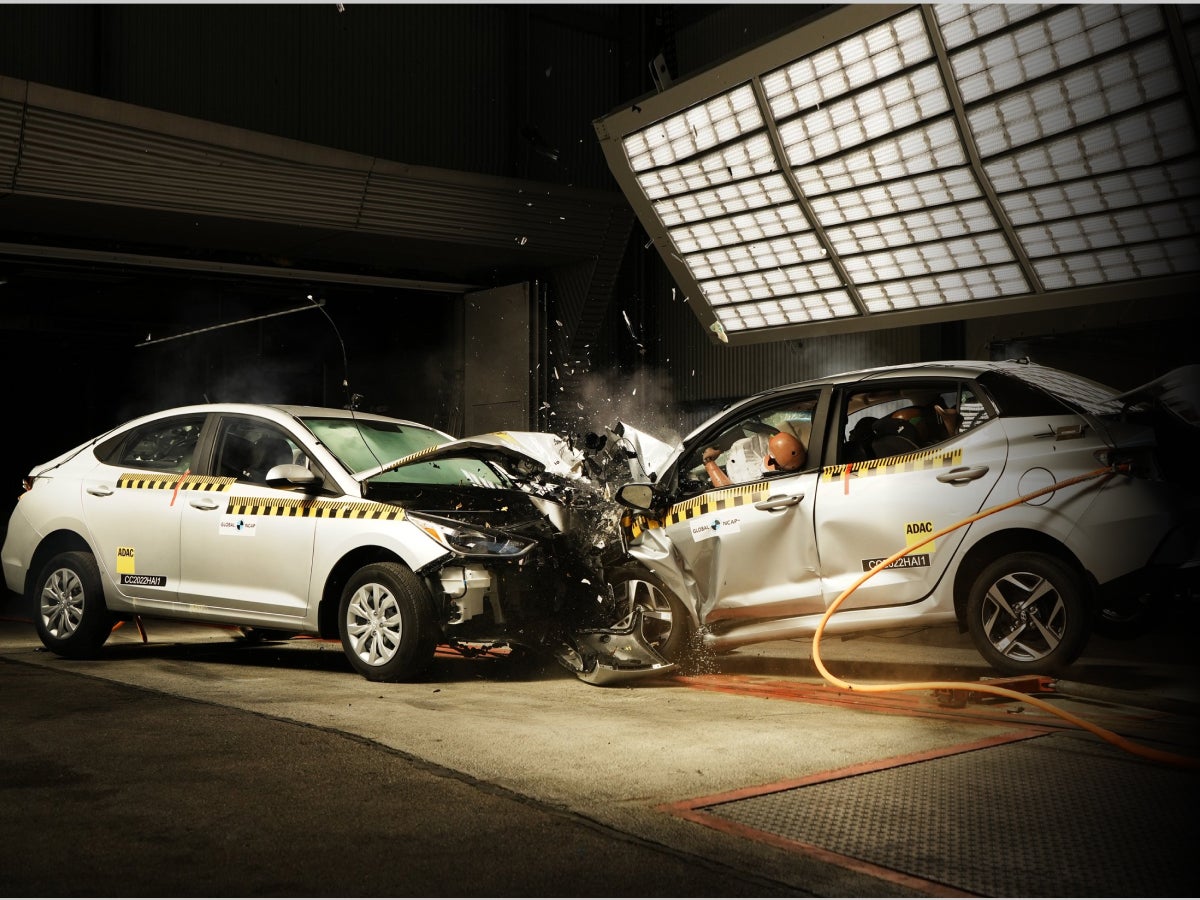
Tata doubled down on premium appeal with the 2023 facelift. The SUV gained connected LED lighting, a razor-sharp 360-degree camera, ventilated seats, and a massive infotainment overhaul. More importantly, it scored a full 5-star Bharat NCAP safety rating, securing its position as one of the safest vehicles produced in India.
The First-Ever Petrol Safari (2026)
For nearly three decades, the brand was synonymous with diesel torque. That changed in early 2026 when Tata introduced the 2026 Safari Petrol. Powered by the new 1.5-litre TGDi Hyperion engine, it produces around 170 bhp and 280 Nm of torque.
This answered a major market demand, particularly in regions like Delhi-NCR, where diesel restrictions strictly dictate buying choices. The 1.5L Hyperion turbo-petrol offers peppy low-end pull and excellent refinement, effectively modernising the powertrain lineup while keeping the entry price highly competitive.
Buying Guide: Which Should You Choose?
The vehicle's long history means there is a version for almost every type of buyer.
Which is Best for Used Buyers?
- The Nostalgic Enthusiast: Seek out a well-maintained Safari Dicor. It offers the classic shape and old-school diesel clatter.
- The Highway Tourer: The Safari Storme is arguably the best of the older platforms, offering better reliability and a far superior ride quality over long distances.
- The Budget Family Buyer: An early 2021+ used Tata Safari offers modern monocoque comfort at a sensible depreciation discount.
Should You Buy an Old Model Today?
Buying a Dicor or Storme today is a purchase made with the heart. You get unmatched emotional appeal and a fantastic highway cruiser. However, be prepared to deal with ageing reliability, tricky electrical systems, and the fact that genuine spare parts for older variants are becoming increasingly difficult to source.
Rivals Through Time
| Era | Key Competitors |
| Early 2000s | Mahindra Scorpio, Toyota Qualis, Chevrolet Tavera |
| Modern Day | Mahindra XUV700, MG Hector Plus, Hyundai Alcazar |
The Future of the Marque
With the successful integration of the petrol powertrain, Tata is not slowing down. Industry chatter suggests the company is exploring electrification possibilities for the OmegaArc platform. While a return to a hardcore 4x4 setup is unlikely, an All-Wheel-Drive (AWD) option for the electric or future ICE variants remains a strong possibility to counter rivals in the segment.
Conclusion
The Tata Safari remains one of India’s most iconic SUVs because it represented aspiration and adventure at a time when very few vehicles offered that experience. While the original built its reputation through brute force and rugged character, the modern iteration has smartly evolved into a safer, more refined, and family-focused vehicle. Enthusiasts may continue debating whether the newer, front-wheel-drive model captures the exact mechanical spirit of the original, but there is no denying that the Safari name still carries enormous emotional weight in India’s automotive landscape.
Frequently Asked Questions
Expand all