When a Used Car Warranty Actually Helps and When It Usually Doesn’t
- 1Focus on expensive core engine and transmission parts for maximum value
- 2Avoid neglect by following service intervals to keep your warranty valid
- 3Review the exclusions list to avoid surprises on high-wear electric parts
While these warranties can offer peace of mind and financial protection against unexpected repairs, the overall value they deliver ultimately depends on what the buyer expects out of them. In some cases, they cover major issues that could otherwise be expensive, but in others, they come with limitations, exclusions, or costs that outweigh the benefits. This is why understanding when a used car warranty truly helps, and when it does not, is essential for making a smart, informed decision and avoiding unnecessary expenses down the road.
When a Used Car Warranty Works For You and When It Does Not
In a majority of cases, buyers often treat the warranty booklet as a mere piece of paper and do not read through it in detail, assuming that it covers the car in a broad sense. While this assumption is largely true for most warranties offered by structured used car platforms, expecting the warranty to be an absolute blanket against unexpected repairs is not a healthy practice.
The Major Target Areas of a Used Car Warranty
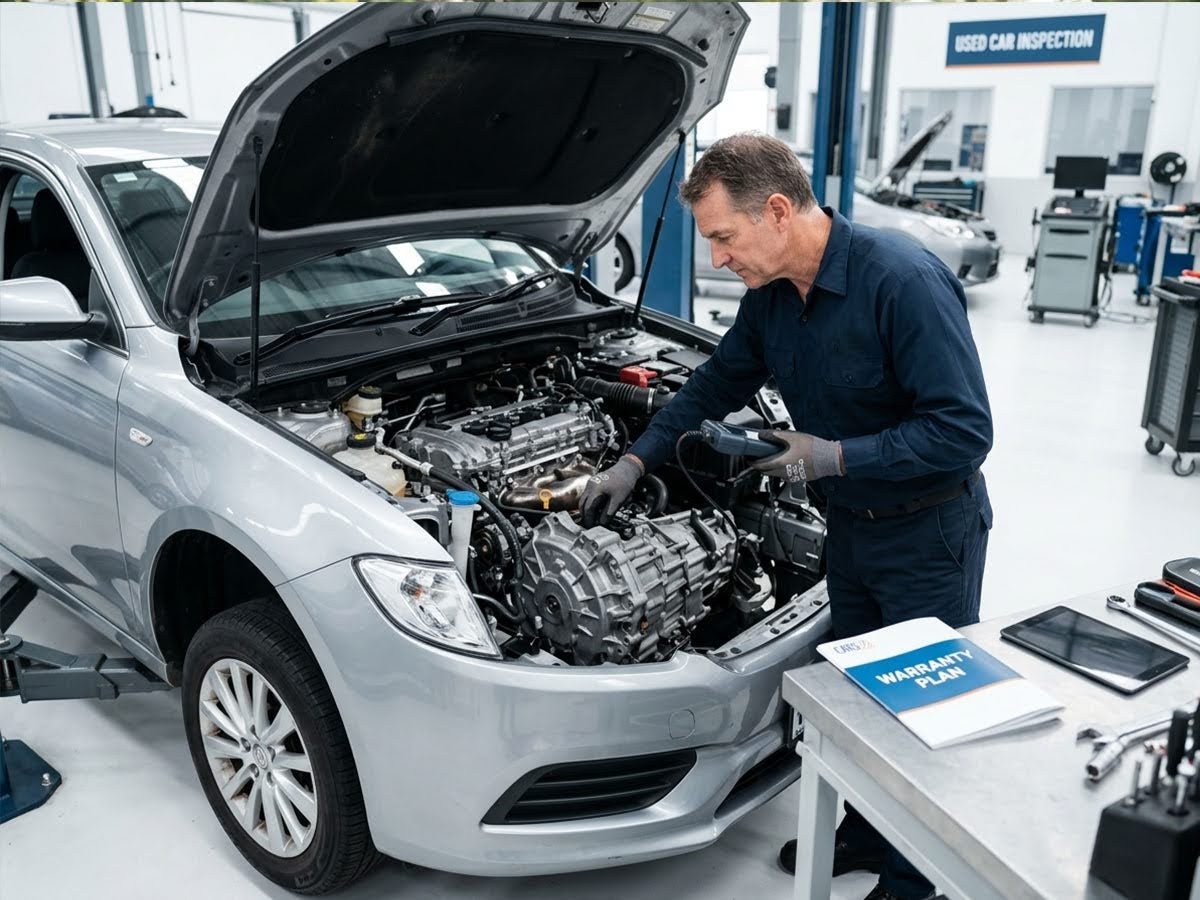
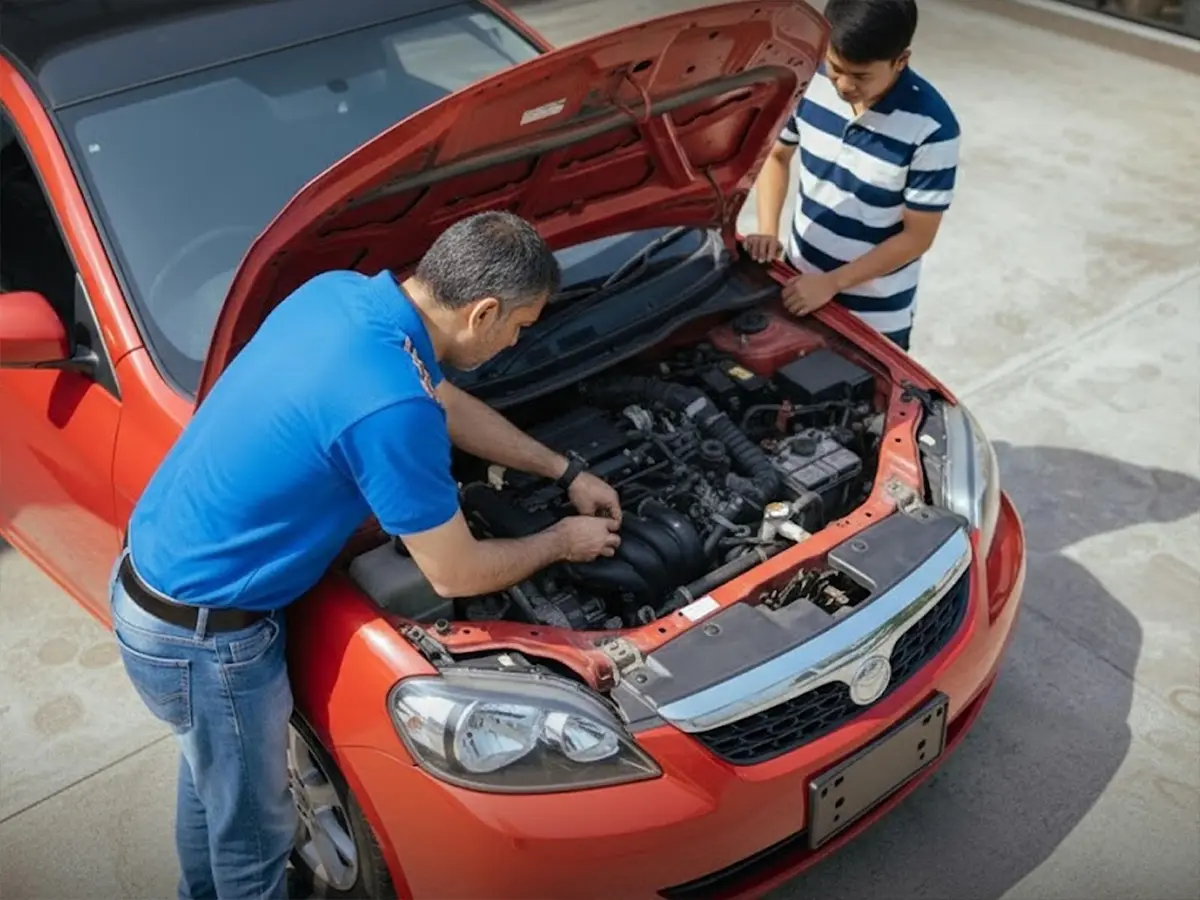
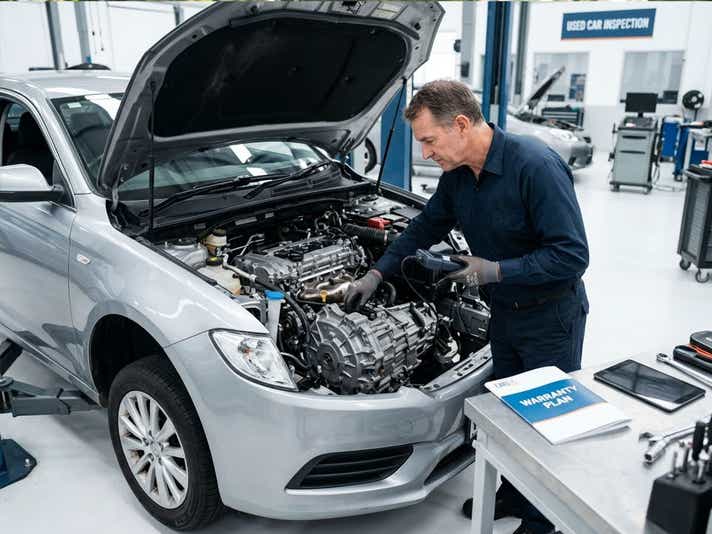
The premise with which standard warranties are usually designed is the protection of the most critical components of core mechanical parts, such as the engine, transmission and drivetrain. These are repairs that are often the most expensive to make, and thus, a safety net that carries out the repair of these components makes financial sense. This is exactly the territory a well-structured warranty is designed for, and it is these components that give a well-structured warranty its practical advantage.
Some of the most critical components that a structured warranty often covers include parts such as:
| Engine | Transmission | Drivetrain |
Engine Block Assembly Often requires a full teardown or replacement | Automatic Gear Box Housing Often replaced as a full unit; very expensive in cost | Front Differential Housing Complex gears require a high replacement cost and a precision setup |
Cylinder Head Assembly Requires precision machining and gasket work, which is highly labour-intensive | Planetary Gear Set A complex internal system which is usually difficult to repair | Rear Differential Housing Requires precise alignment and calibration |
Crankshaft & Pulley Requires Deep internal repair, where balancing and alignment are critical | Transmission Oil Pump Requires a full teardown and is a critical component | Differential Axles (Rear L/R) Expensive parts and labour-intensive replacement |
Camshaft & Bearings Requires engine opening and timing recalibration | Valve Body / Shift Valves Precision hydraulic system; costly diagnostics | Transfer Case Housing Complex AWD/4WD system with expensive assembly and labour costs |
Pistons & Rings – Requires engine disassembly and precision work | Input / Output Shaft Internal component requires high-cost labour to access | Propeller Shaft Needs balancing and is a critical drivetrain component |
Areas Where Warranty is Usually Helpless
The warranty exclusions list is where most buyers get caught off guard. Warranties generally exclude certain components, especially high-wear or complex parts, because they are more likely to fail due to usage, maintenance, or driving conditions rather than manufacturing defects. Owners often feel disappointed during repairs of these components because they overlook these exclusions while assuming full coverage. These are components that form a major area that falls outside the scope of a general used car warranty.
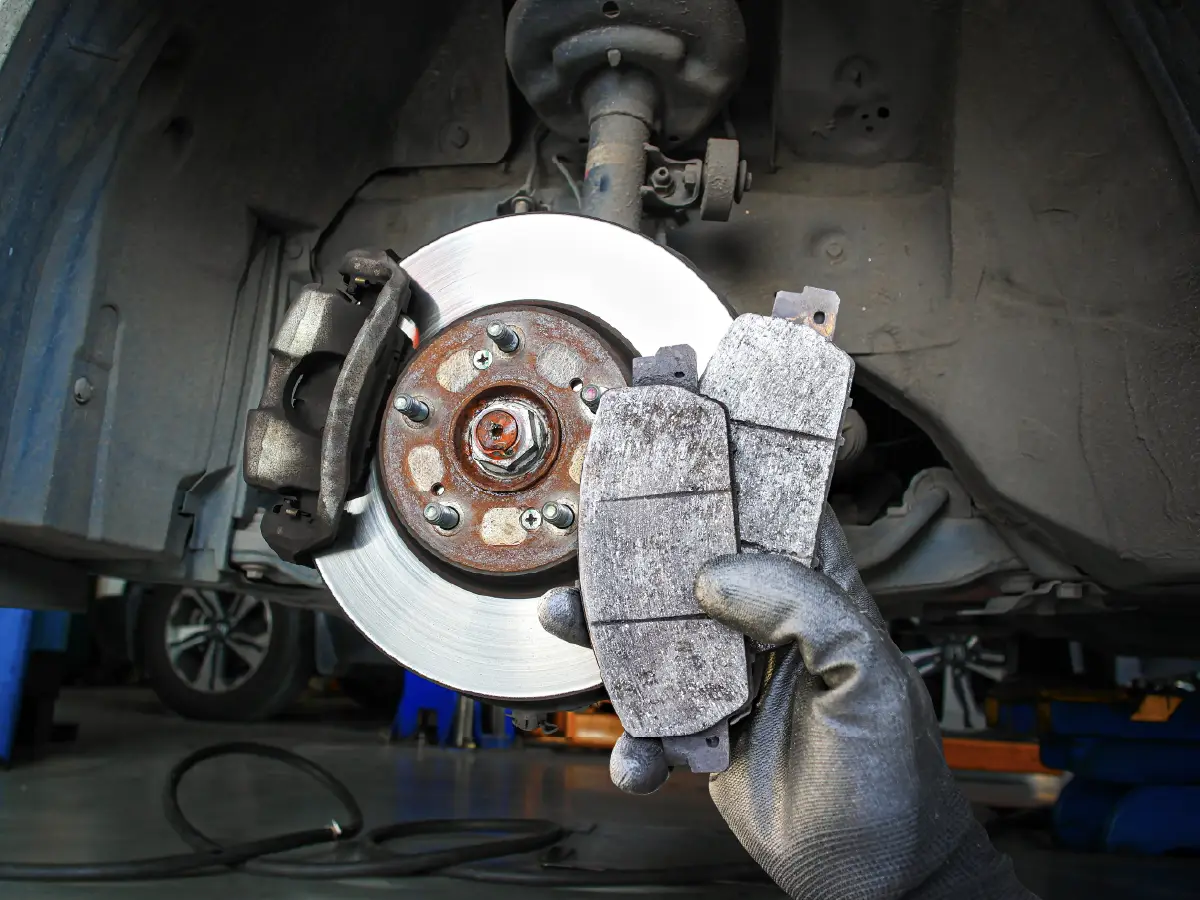
Maintenance-related damage is also excluded from the scope of a used car warranty. An engine that ran low on oil, or a transmission that degraded from neglected fluid changes, are a few areas that are excluded from the scope of warranty, as most of the damage on these components is often attributed to owner neglect. Usage-related conditions, such as failure to comply with defined service intervals, accidental damage, or commercial use, are also a few situations that might render a used car warranty worthless. This is why buyers are always advised to go through the warranty documents to have a clear understanding of the exclusions.
While exclusions are a standard part of any warranty, at Cars24, we aim to make these clearer upfront so buyers are less likely to be caught off guard. Each of our warranty offerings, including the 12-month extended warranty, the Lifetime Warranty Plan and even the Welcome Cover come with clearly defined inclusions, exclusions and terms.
The Fine Print Defines the Real Value
A used car warranty is not just about having coverage; it is about understanding what kind of protection you are actually getting. When aligned with the right expectations, it can act as a strong financial shield against major mechanical failures, especially in critical areas like the engine, transmission, and drivetrain.
However, its true value is often tested in the exclusions, where lack of awareness can turn reassurance into frustration. The key lies in treating the warranty as a detailed agreement rather than a blanket promise. Buyers who take the time to read, question, and understand the fine print are far more likely to benefit from it and avoid unpleasant surprises later.
Frequently Asked Questions
Expand all