
AWD Cars in India
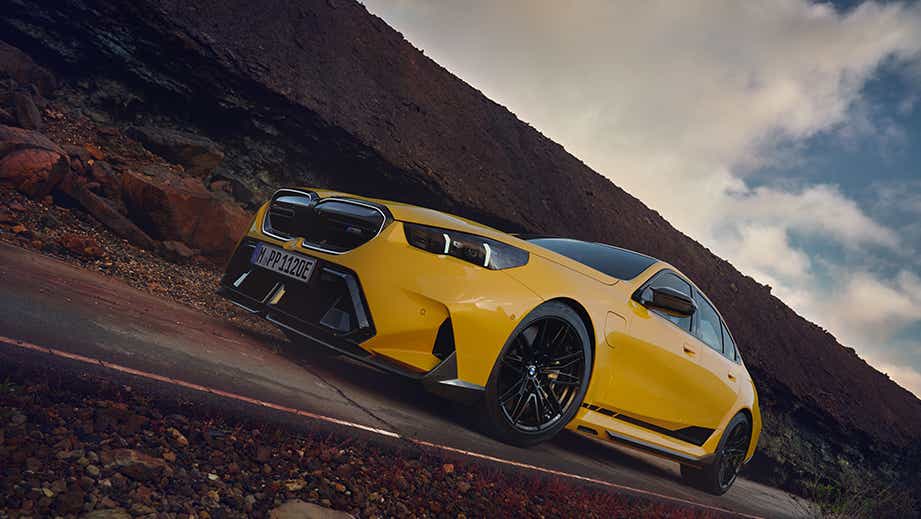

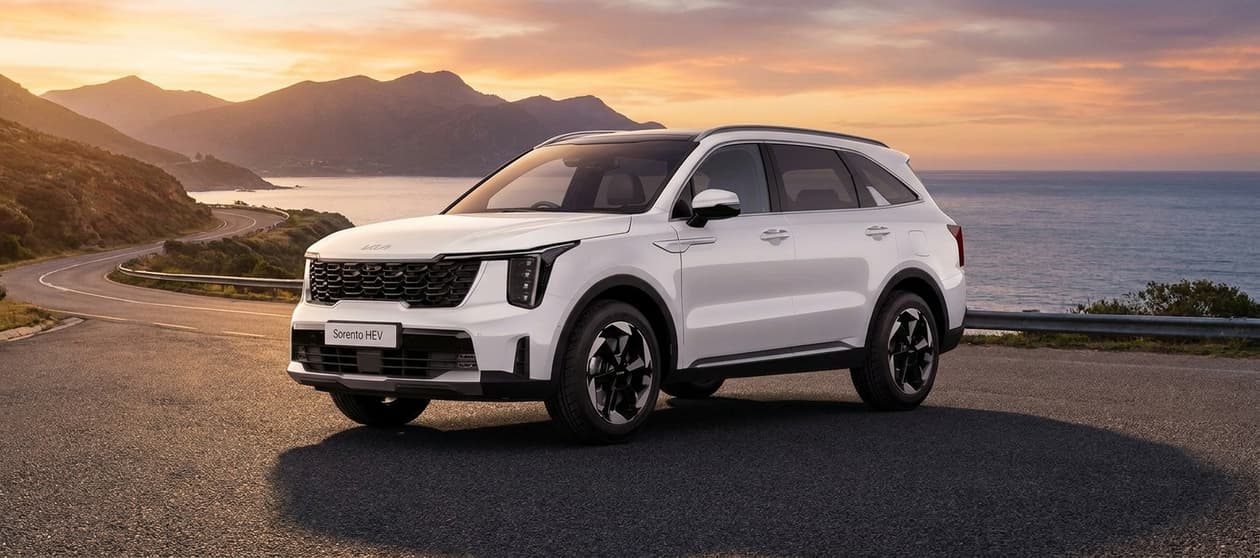


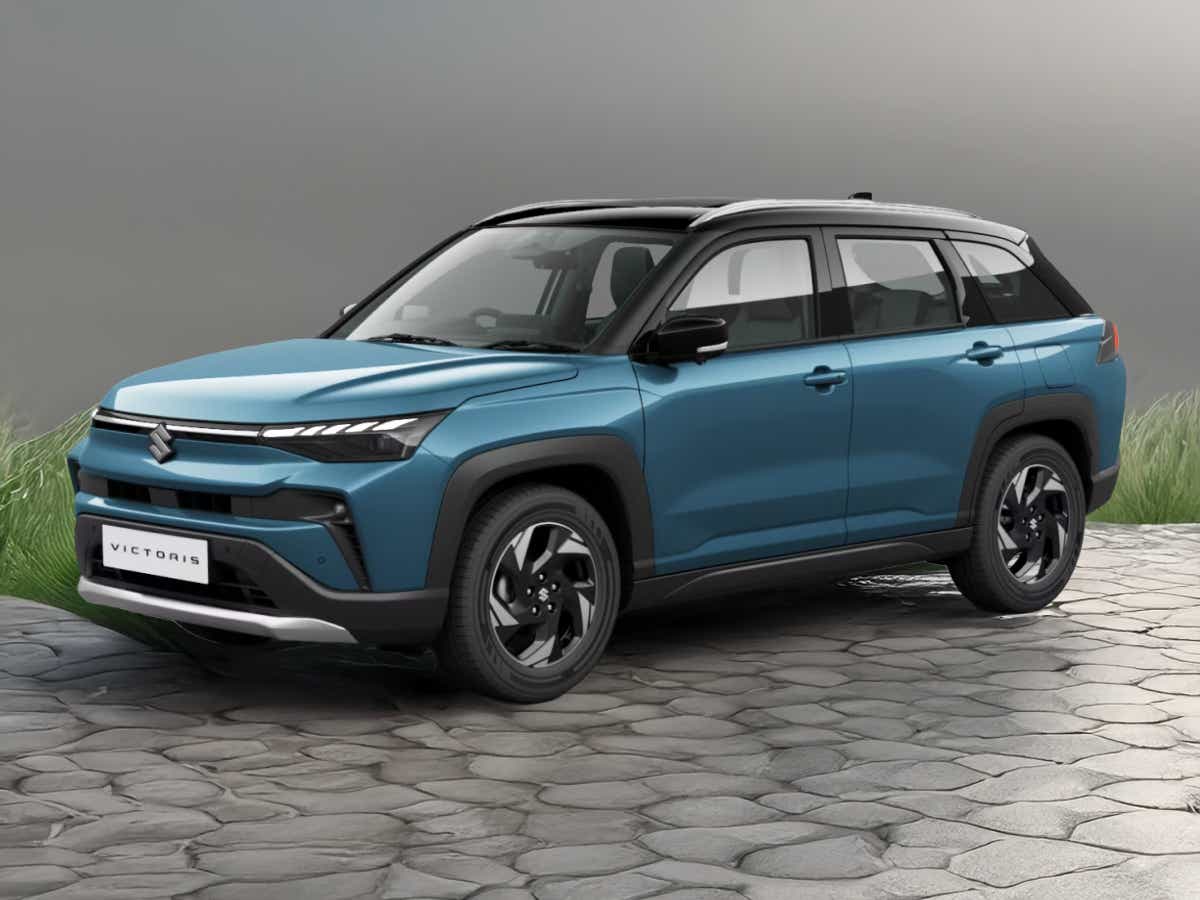

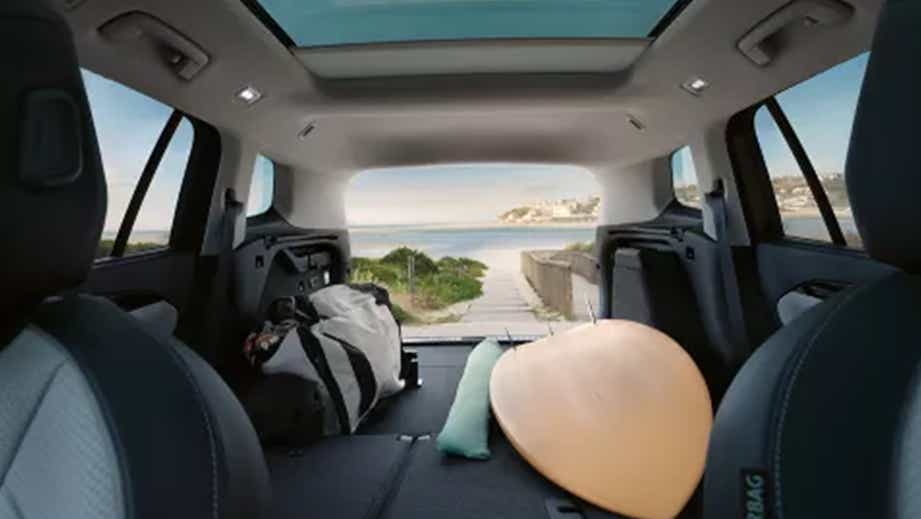
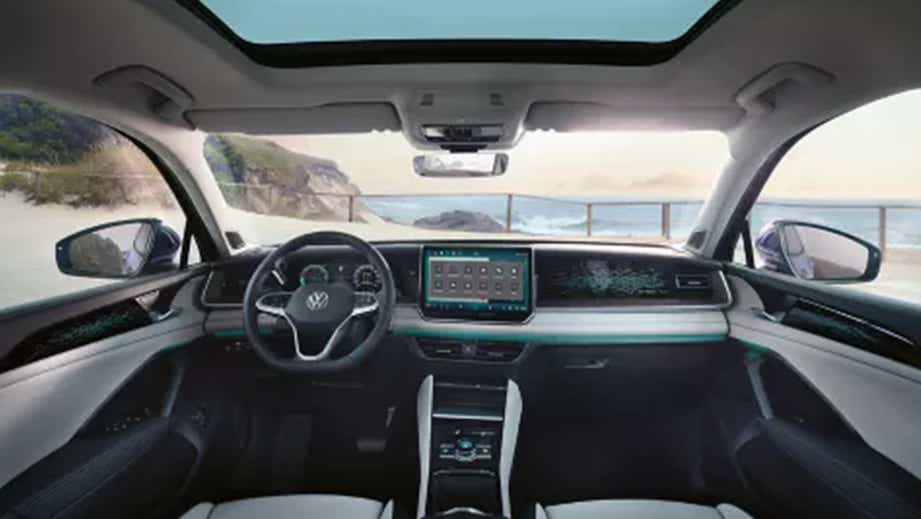
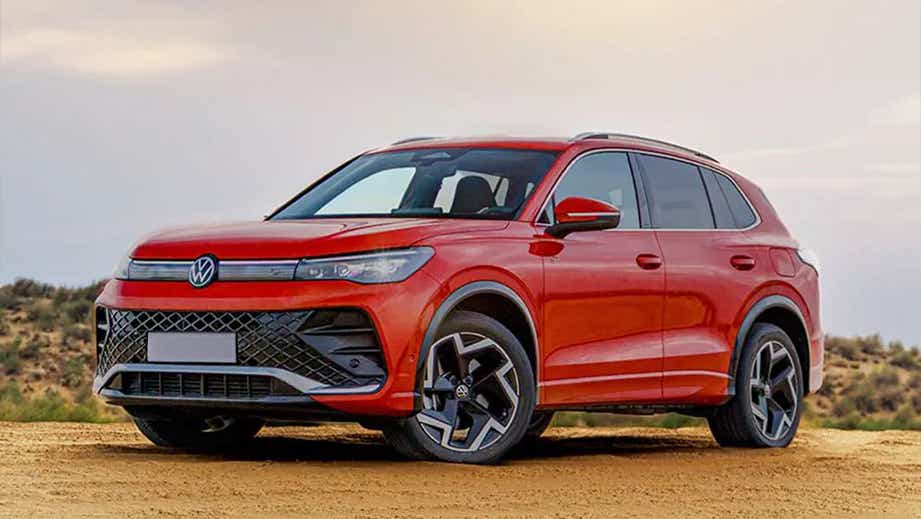
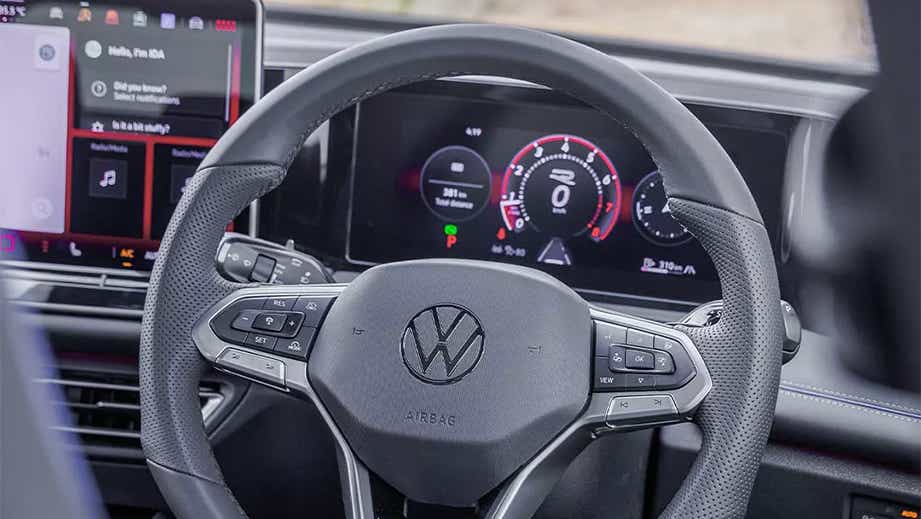
All Wheel Drive Cars in India: Segment Overview
For several years, the concept of AWD cars in India was closely related to heavy-duty off-roaders and high-end luxury SUV vehicles. Buyers seeking additional traction were often forced to consider ladder frame 4x4 SUVs that focused on ruggedness rather than comfort and efficiency. As a result, AWD was a niche function that was primarily used in mountainous areas or for adventure driving.
The segment has changed a lot over the past few years. The All Wheel Drive cars in India segment expanded by approximately 15% in 2025, and was majorly propelled by the popularity of SUVs and the rise in the use of electrified powertrains. Today, almost 90% of AWD vehicles sold in India are SUVs, which are both family practical and all-terrain vehicles.
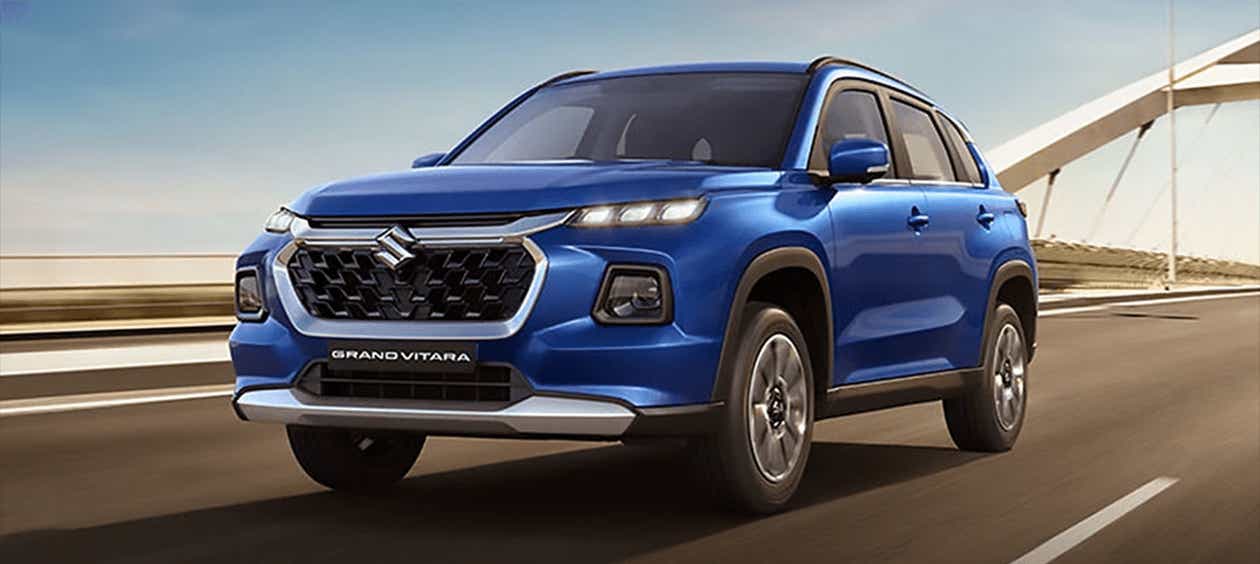
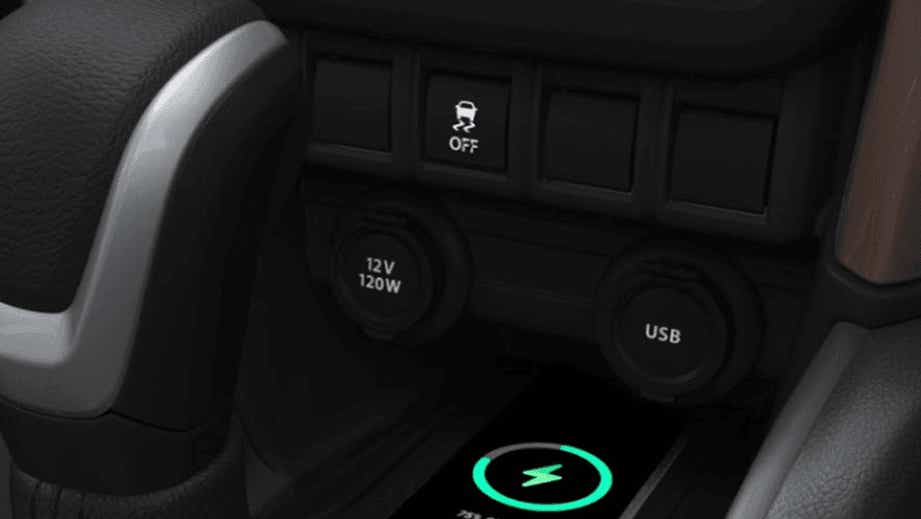
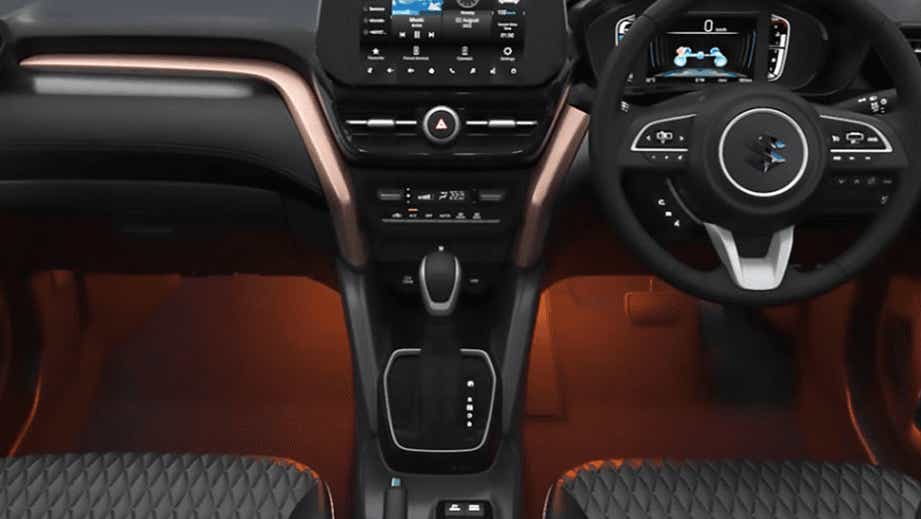
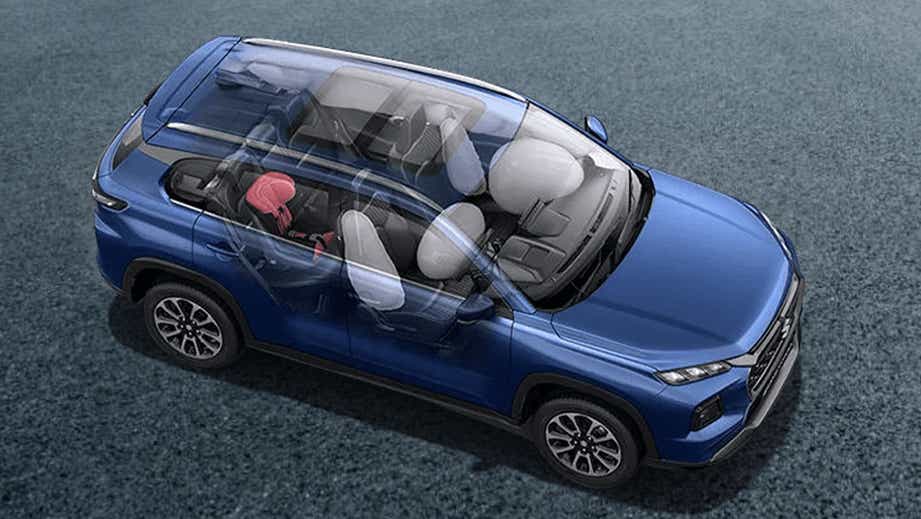
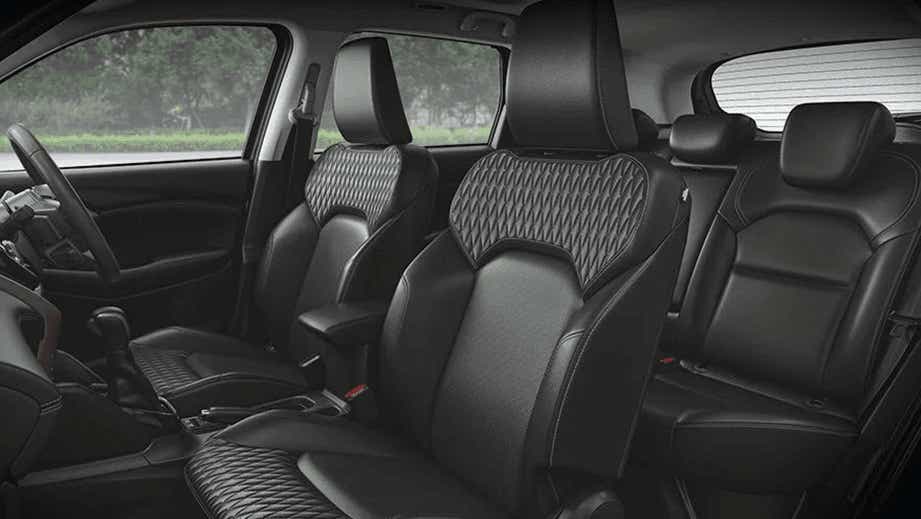
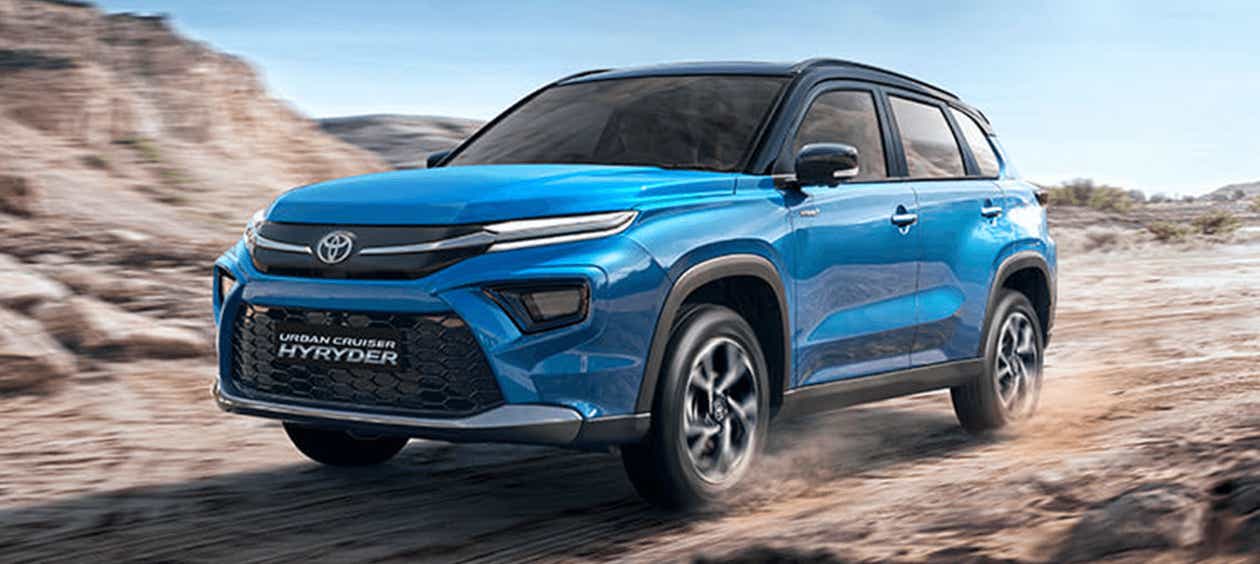
Manufacturers now have AWD systems in various price brackets. Affordable hybrid SUVs like the Grand Vitara and Hyryder are about efficiency and day-to-day usability and diesel SUVs like Scorpio-N or Fortuner are torque and durability-oriented. Meanwhile, dual-motor EVs like the Harrier EV offer a fresh take on AWDs with instant torque and traction control.
Some of the most notable All Wheel Drive cars in India across different price segments and their core highlights are mentioned below.
| Model Name | Powertrain & Output | Range / Mileage (ARAI) | Ex-Showroom Price |
| Maruti Grand Vitara AWD | 1.5L Petrol Mild Hybrid, Automatic, AllGrip Select AWD, 103 bhp, 137 Nm | 19.4 kmpl | ₹18–20 Lakh |
| Toyota Hyryder AWD | 1.5L Petrol Mild Hybrid, Automatic, AllGrip Select AWD, 103 bhp, 137 Nm | 19.4 kmpl | ₹18–20 Lakh |
| Mahindra Scorpio-N 4x4 | 2.2L Diesel, Manual/Automatic, Selectable 4x4, 172 bhp, 400 Nm | 15.4 kmpl | ₹17.6–24.3 Lakh |
| Mahindra Thar ROXX 4x4 | 2.2L Diesel / Petrol, Manual/Automatic, Part-time 4x4, 172 bhp, 400 Nm | 15.2 kmpl | ₹18.5–22.3 Lakh |
| Jeep Compass AWD | 2.0L Diesel, Automatic, Active Drive AWD, 170 bhp, 350 Nm | 14.9 kmpl | ₹26.7–30.7 Lakh |
| Force Gurkha 4x4 | 2.6L Diesel, Manual, 4x4 with differential locks, 140 bhp, 320 Nm | 9.5 kmpl | ₹16 Lakh |
| Hyundai Tucson AWD | 2.0L Petrol / Diesel, Automatic, HTRAC AWD, up to 185 bhp, 416 Nm | 13–16 kmpl | ₹29–36 Lakh |
| Tata Harrier EV AWD | Dual-motor Electric AWD, Automatic, 75 kWh battery, 390 bhp combined | 450 km range | ₹27–32 Lakh |
| Toyota Fortuner 4x4 | 2.8L Diesel, Manual/Automatic, Selectable 4x4, 201 bhp, 500 Nm | 12 kmpl | ₹38.7–49.6 Lakh |
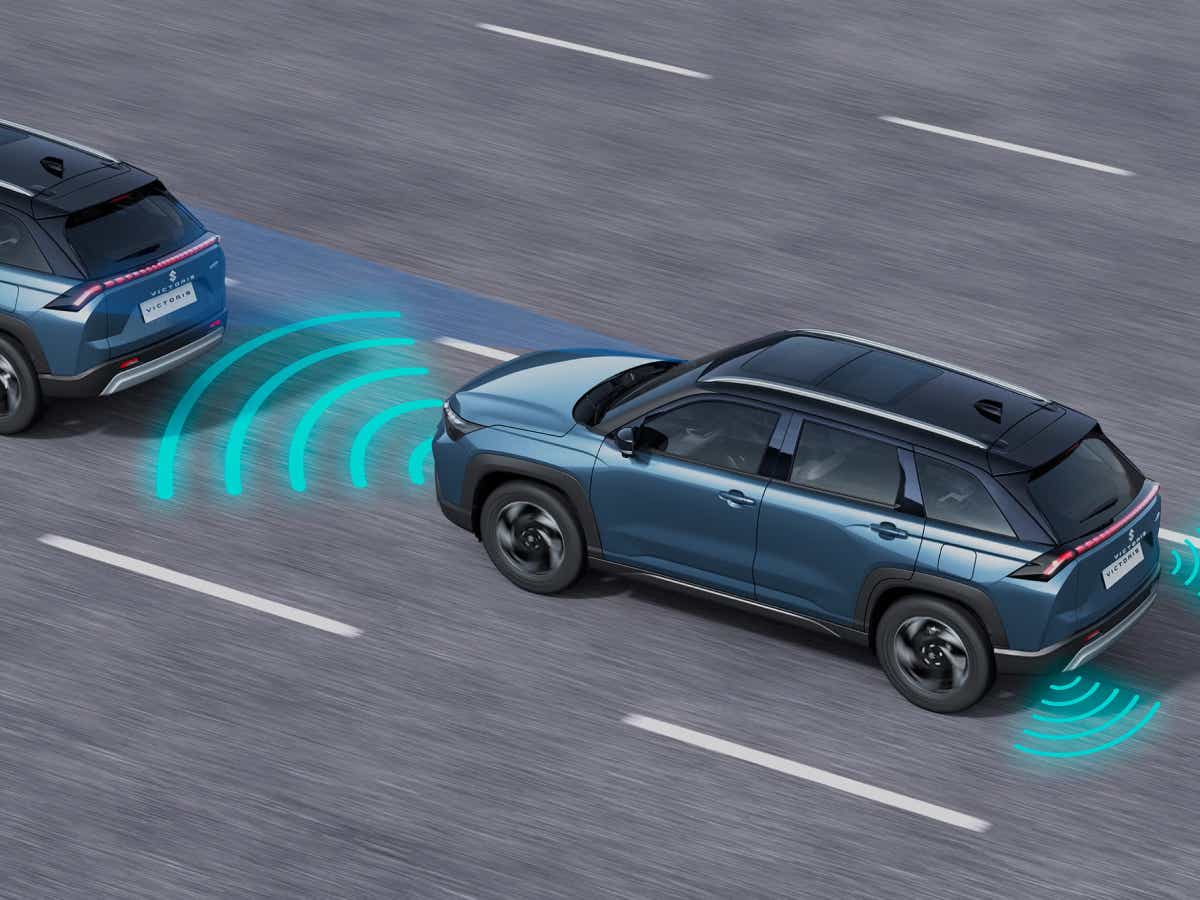
An AWD (All Wheel Drive) system is used to automatically distribute power to all four wheels in order to maintain traction and stability. Unlike old 4x4 setups, where the user has to manually engage, the new AWD cars in India are equipped with mechanisms which constantly monitor the road conditions and supply torque to different wheels accordingly.
This technology helps to improve grip over slippery surfaces, improve cornering stability and help vehicles maintain control during sudden acceleration or braking.
AWD cars in India are best suitable for:
- Highway travellers who tend to drive long distances in different weather conditions.
- Folks who live in the hills and have to deal with steep slopes, rain or loose surfaces.
- Safety-oriented families who are seeking improved stability on wet highways.
- Adventure enthusiasts who occasionally drive on rough trails or sandy terrain.
While not always necessary for daily city driving, once road conditions are unpredictable, an AWD system adds an extra level of confidence.
Understanding how AWD cars in India are different from the standard Front Wheel Drive cars helps in understanding their advantages.
| Comparison Aspect | AWD Cars | FWD Cars |
| Power Delivery | Power is distributed to all four wheels | Power is sent only to the front wheels |
| Traction | Superior grip on slippery surfaces | Limited traction on loose terrain |
| Driving Stability | Better control during cornering and acceleration | Stable for normal driving conditions |
| Fuel Efficiency | Slightly lower due to extra drivetrain weight | Generally higher efficiency |
| Cost | Higher purchase and maintenance cost | More affordable overall |
In simple terms, AWD cars in India are better in terms of traction and stability in difficult situations, but FWD cars are still the most efficient and practical option for regular city commuting.
Different AWD cars available in India serve different driving requirements, ranging from day-to-day driving to extreme off-road driving.
City Driving and Highway Use
Hybrid SUVs such as Maruti Grand Vitara and Toyota Hyryder are good for daily driving. Their efficient hybrid systems offer around 19 kmpl, whereas the AWD system automatically adjusts power in the event of rain or slippery roads.
Family Touring and Long Trips
For the families who travel long distances, the Mahindra Scorpio-N has spacious cabins, powerful diesel engines with 400+ Nm torque and stable highway performance.
Off-Road Adventures
Buyers who are serious about off-roading often prefer vehicles like the Mahindra Thar ROXX, Force Gurkha or Toyota Fortuner. These models offer high ground clearance, high torque output and specialised 4x4 systems for rough terrain.
Electric AWD Performance
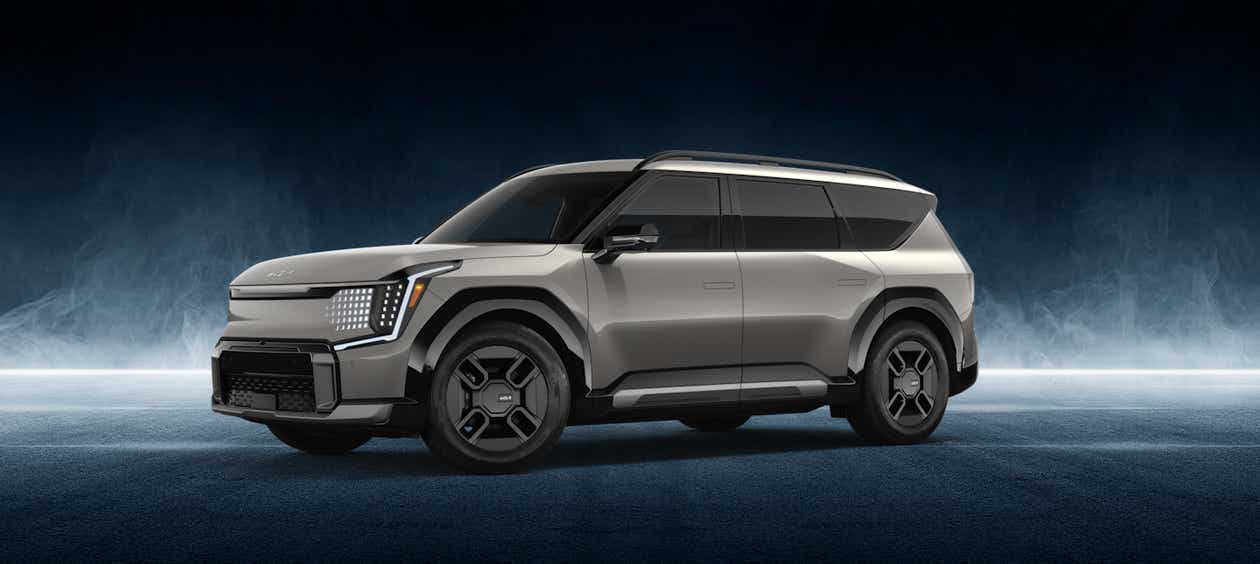
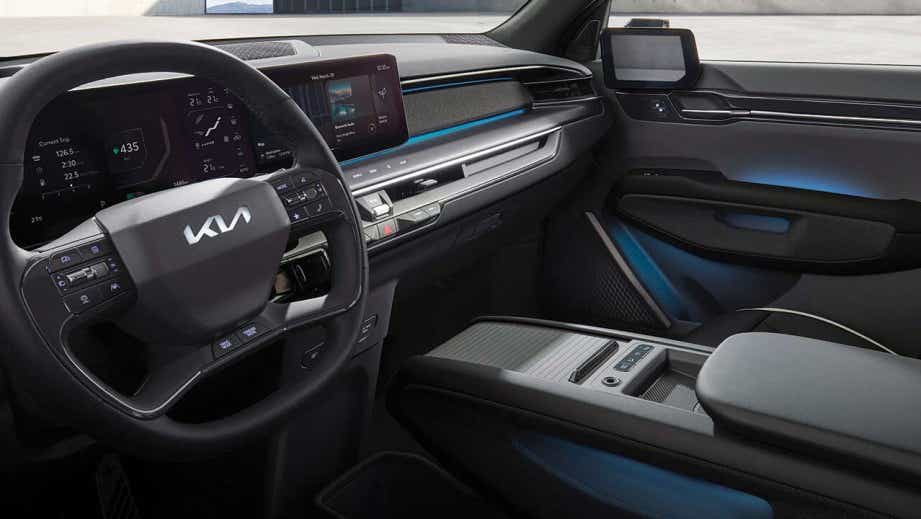
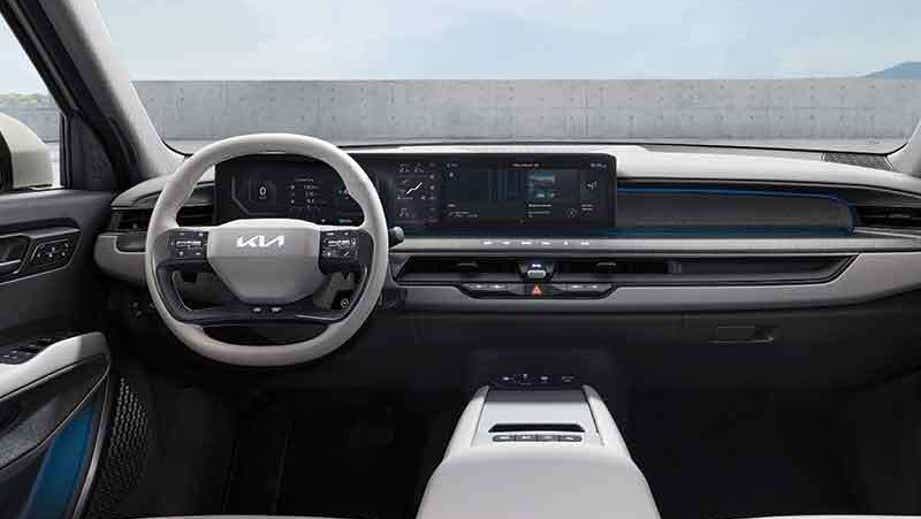
Electrics like the Tata Harrier EV, MG Cyberster, Kia EV9 introduce dual motor setups which produce instant torque while ensuring traction thanks to advanced electronic AWD systems.
While All Wheel Drive cars in India offer better grip and versatility, there are some compromises associated with it.
| Pros | Cons |
| Superior traction on wet roads, gravel, snow and uneven terrain significantly improves driver confidence in difficult driving conditions | Higher purchase price compared with similar front-wheel-drive vehicles because of the additional drivetrain components |
| Improved stability during acceleration and cornering, especially at highway speeds or on slippery surfaces | Slightly lower fuel efficiency as the extra drivetrain components add weight and mechanical drag |
| Greater capability for off-road driving, making these vehicles suitable for adventure travel and rough rural terrain | More complex mechanical systems can lead to higher maintenance and repair costs over the long term |
| Strong resale demand in regions with challenging terrain, such as hilly areas or places with harsh weather conditions | For buyers who drive mostly within cities, the additional capability of AWD may not always be necessary |
Whether AWD cars in India are worth buying or not depends a lot on the driving conditions and the usage pattern. For buyers who spend most of their time in urban traffic or well-maintained highways, a conventional FWD vehicle may be enough to provide sufficient efficiency and lower ownership costs.
However, drivers who regularly drive on mountain roads, heavy monsoon conditions or rough rural roads can greatly benefit from an AWD system. Vehicles such as the Grand Vitara and Hyryder bring AWD to the hybrid SUV space, while options such as the Scorpio-N, Fortuner and Thar have better off-road capabilities. As the segment is still growing with the addition of new hybrids and dual motor EVs, cars that come with AWD in India are becoming a more practical and versatile choice for buyers looking for a little more confidence on the road.
Browse all New Cars By Drivetrain
- Maruti Suzuki Awd Cars
- Tata Awd Cars
- Mahindra Awd Cars
- Toyota Awd Cars
- Kia Awd Cars
- Mg Awd Cars
- Volkswagen Awd Cars
- Bmw Awd Cars
- Mercedes Benz Awd Cars
- Audi Awd Cars
- Jaguar Awd Cars
- Land Rover Awd Cars
- Rolls Royce Awd Cars
- Byd Awd Cars
- Vinfast Awd Cars
- Bentley Awd Cars
- Lamborghini Awd Cars
- Maserati Awd Cars
- Volvo Awd Cars
- Aston Martin Awd Cars
- Ferrari Awd Cars
- Lotus Awd Cars
- Porsche Awd Cars
- Lexus Awd Cars