
RWD Cars in India






Rear Wheel Drive Cars in India: Segment Overview
The Rear Wheel Drive layout has traditionally been linked to strong and durable vehicles designed for heavy-duty use. Most of the RWD cars in India are ladder frame SUVs or MPVs that focus on durability and load carrying capacity instead of fuel efficiency or urban agility. These kinds of vehicles are especially useful on uneven roads and highways where stability under heavy loads becomes important.
Around 90% of the RWD segment is ladder frame construction, which offers a stronger chassis than typical monocoque vehicles. This makes Rear Wheel Drive cars in India ideal for towing, passenger or luggage carrying, and driving in rural areas with rough terrains.
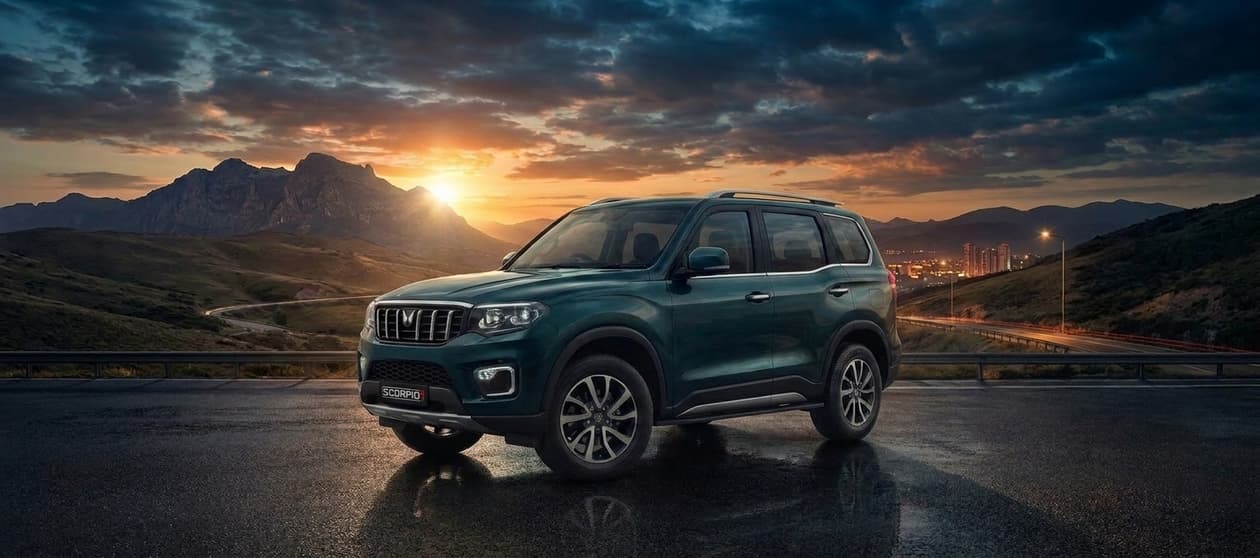
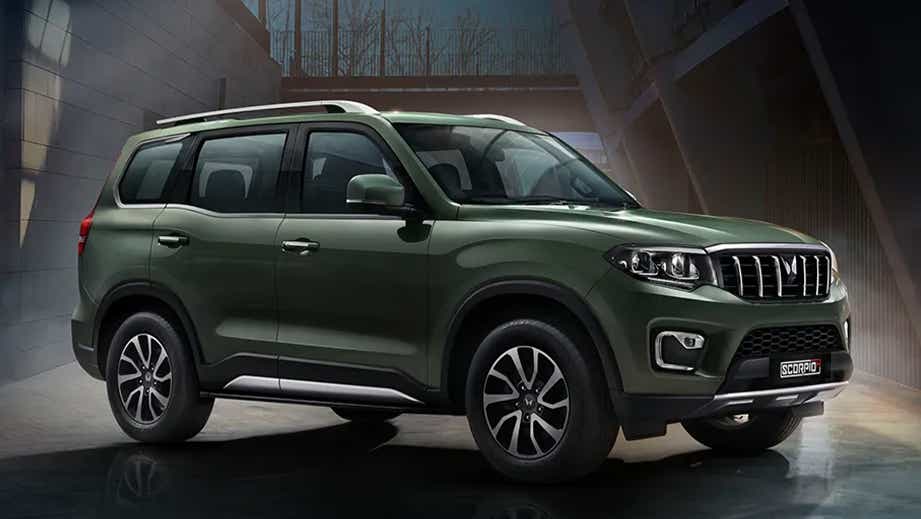
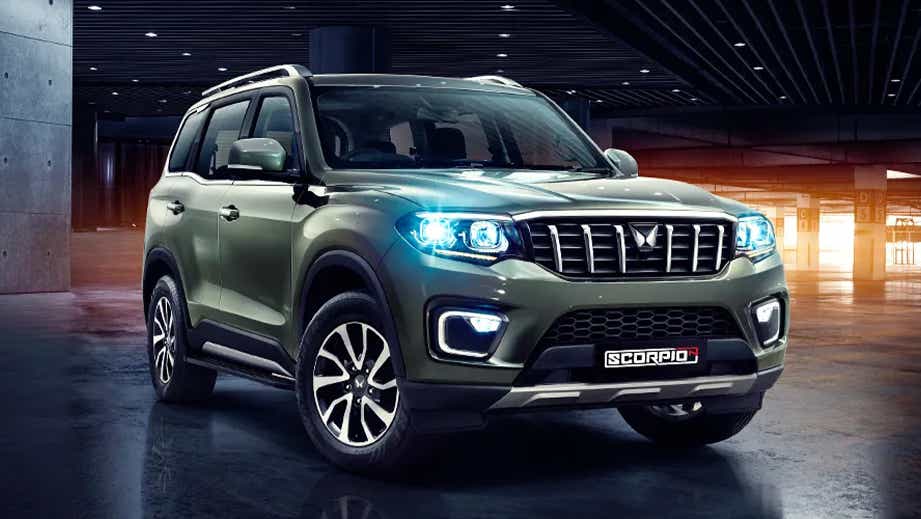
Although RWD cars in India tend to give slightly less mileage than FWD vehicles, they have a better balance when accelerating and eliminate torque steer. As a result, this drivetrain is still common in SUVs such as the Scorpio-N and Fortuner, as well as people carriers such as the Innova Crysta. With the demand for rugged SUVs increasing, the RWD market in India is still expanding at around 10% every year.
Some of the most notable Rear Wheel Drive cars in India are listed below, ranging from MPVs to rugged SUVs to full-size utility vehicles.
| Model Name | Powertrain & Output | Range / Mileage (ARAI) | Ex-Showroom Price |
| Maruti Eeco | 1.2L Petrol / CNG, Manual, RWD, 73 bhp, 98 Nm | 19.71 kmpl / 26.78 km/kg | ₹5.21–6.36 Lakh |
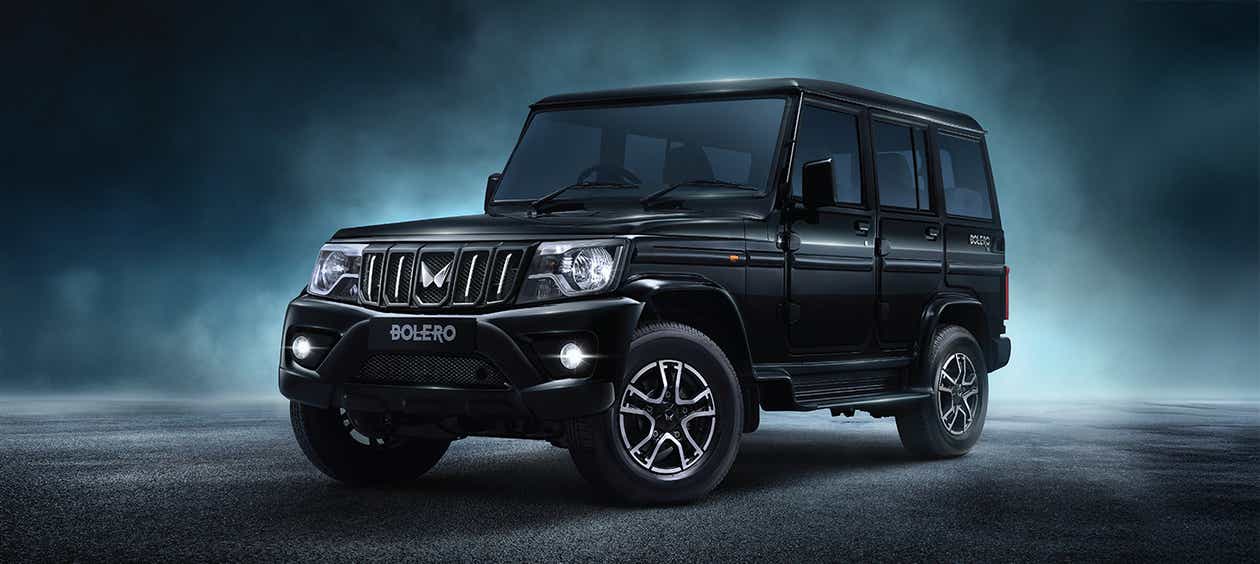
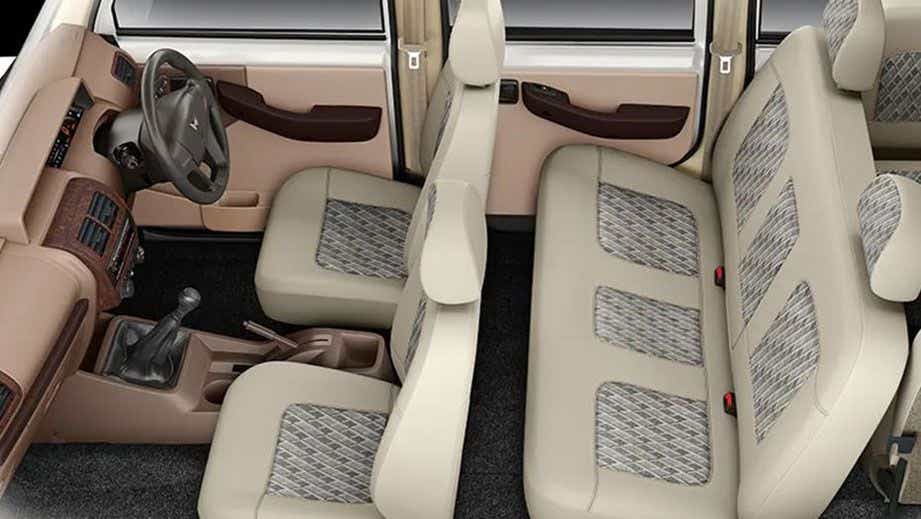
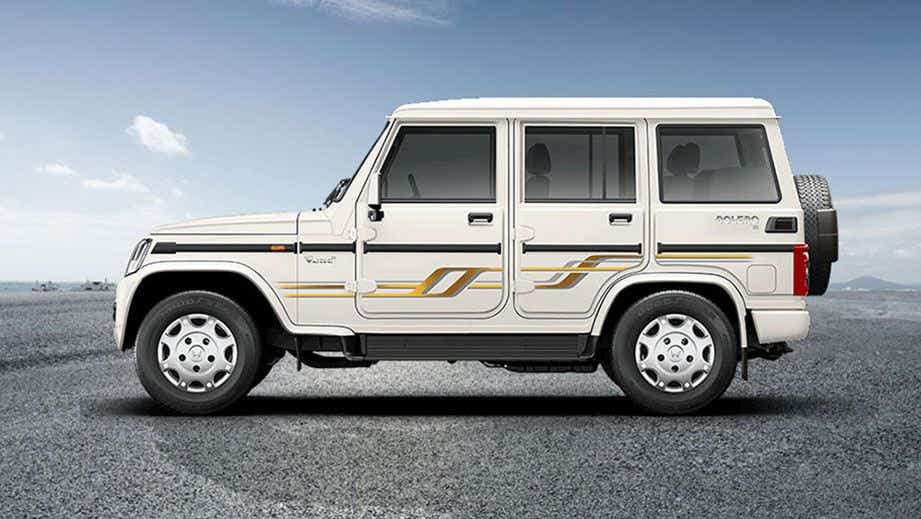
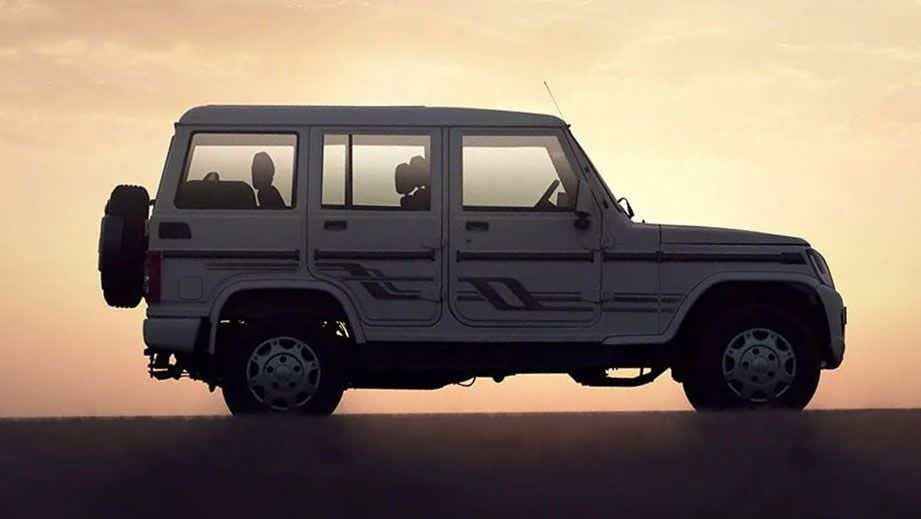
| Mahindra Bolero Neo | 1.5L Diesel, Manual, RWD, 100 bhp, 260 Nm | 17.29 kmpl | ₹8.69–10.49 Lakh |
| Mahindra Scorpio Classic | 2.2L Diesel, Manual, RWD, 130 bhp, 300 Nm | 14.44 kmpl | ₹12.98–16.70 Lakh |
| Mahindra Scorpio-N (RWD) | 2.0L Petrol / 2.2L Diesel, Manual/Automatic, up to 200 bhp, 400 Nm | 12–15.9 kmpl | ₹13.49–22.49 Lakh |
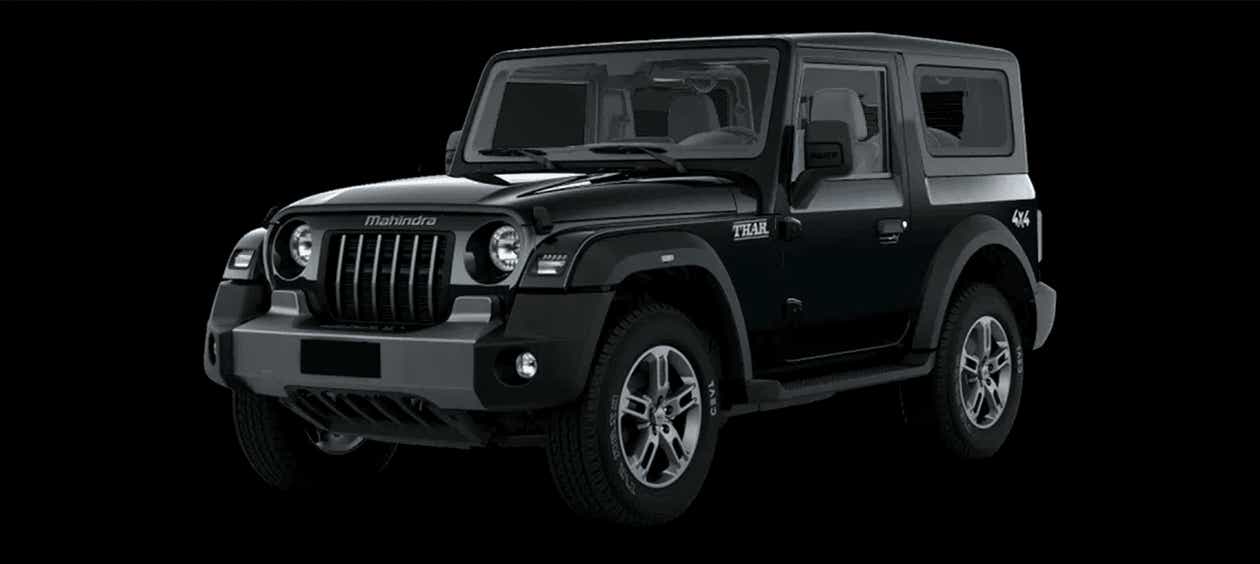
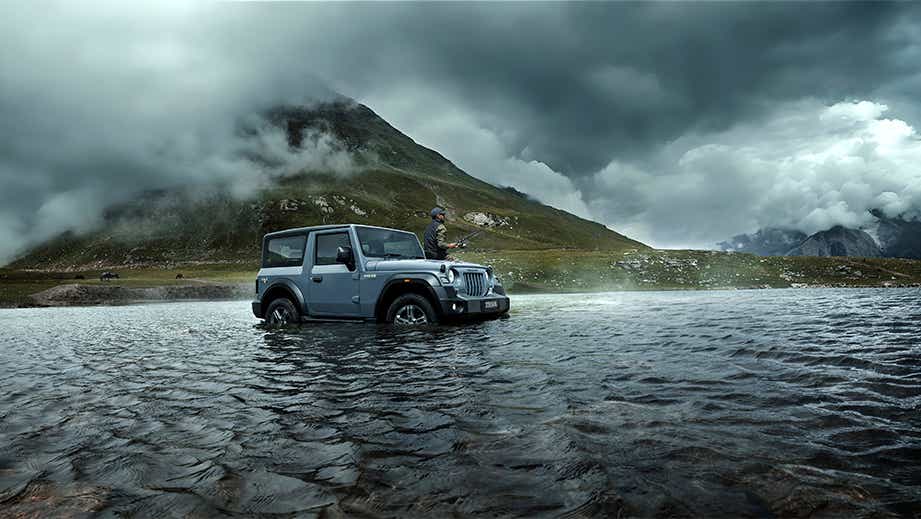
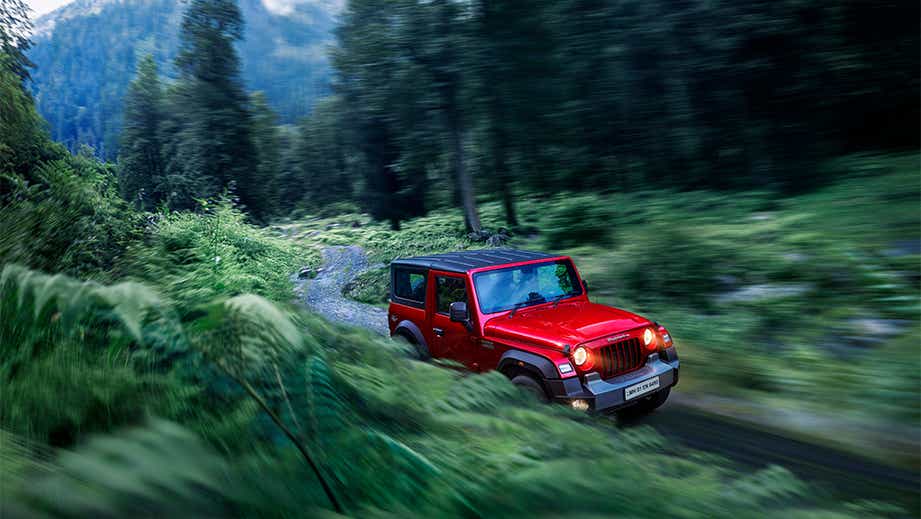
| Mahindra Thar (RWD) | 1.5L Diesel / 2.0L Petrol, Manual/Automatic, up to 150 bhp, 320 Nm | 9–15 kmpl | ₹9.99–14.19 Lakh |
| Mahindra Thar ROXX (RWD) | 2.0L Petrol / 2.2L Diesel, Manual/Automatic, up to 173 bhp, 400 Nm | 12.4–15.2 kmpl | ₹12.39–20.00 Lakh |
| Toyota Innova Crysta | 2.4L Diesel, Manual/Automatic, RWD, 148 bhp, 343 Nm | 9 kmpl | ₹18.85–25.67 Lakh |
| Toyota Fortuner (4x2) | 2.8L Diesel, Manual/Automatic, RWD, 201 bhp, 500 Nm | 12 kmpl | ₹33.78–38.00 Lakh |
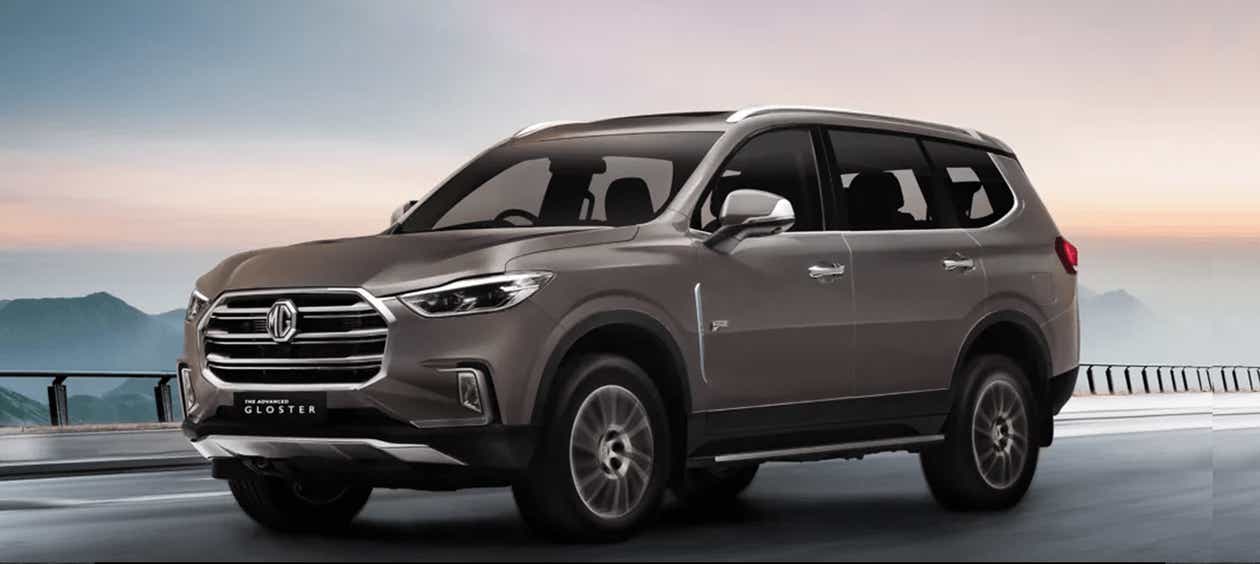
| MG Gloster (RWD) | 2.0L Diesel, Automatic, RWD, 159 bhp, 373 Nm | 14.5 kmpl | ₹38–40 Lakh |
A Rear Wheel Drive (RWD) system transmits power from the engine to the rear wheels and the front wheels take care of steering. This separation of duties is helpful in improving balance during acceleration and also helps the vehicle to carry heavy loads without putting stress on the steering components.
Most RWD cars in India use this layout as it is better suited for heavy SUVs, towing vehicles and people carriers. The drivetrain design also eliminates torque steer, which can happen in powerful Front Wheel Drive vehicles.
Rear Wheel Drive cars in India are ideal for:
- Highway Travellers who drive long distances frequently
- Fleet operators who carry passengers or goods on a regular basis
- Rural users who have to deal with rough roads or uneven terrain
- Large families that need long-lasting multi-row SUVs
For buyers who consider durability and load-carrying ability as their primary concerns, RWD cars offer a reliable mechanical setup.
It is important to understand how Rear Wheel Drive cars in India are different from FWD vehicles to understand how different layouts serve different needs.
| Comparison Aspect | Rear Wheel Drive | Front Wheel Drive |
| Power Delivery | Power is sent to the rear wheels | Power delivered to the front wheels |
| Load Handling | Better suited for towing and heavy loads | Less suitable for heavy loads |
| Handling Balance | Improved weight distribution during acceleration | Predictable handling for everyday driving |
| Fuel Efficiency | Usually lower due to heavier vehicles | Generally more fuel efficient |
| Ideal Use Case | SUVs, MPVs and heavy-duty vehicles | Hatchbacks, sedans and compact SUVs |
In simple terms, Rear Wheel Drive cars in India are more durable and stable, whereas FWD cars are efficient and practical for urban driving.
Different RWD cars in India play different roles based on the use of the vehicle.
Fleet and Utility Usage
Vehicles such as the Maruti Eeco and Mahindra Bolero Neo are found in great numbers with fleet operators because of their simple mechanical design and reliable diesel engines.
Highway Touring and Family Travel
Large SUVs like the Mahindra Scorpio-N and the Toyota Innova Crysta deliver strong diesel torque and stable highway cruising, which is great for long-distance family trips.
Adventure and Off-Road Driving
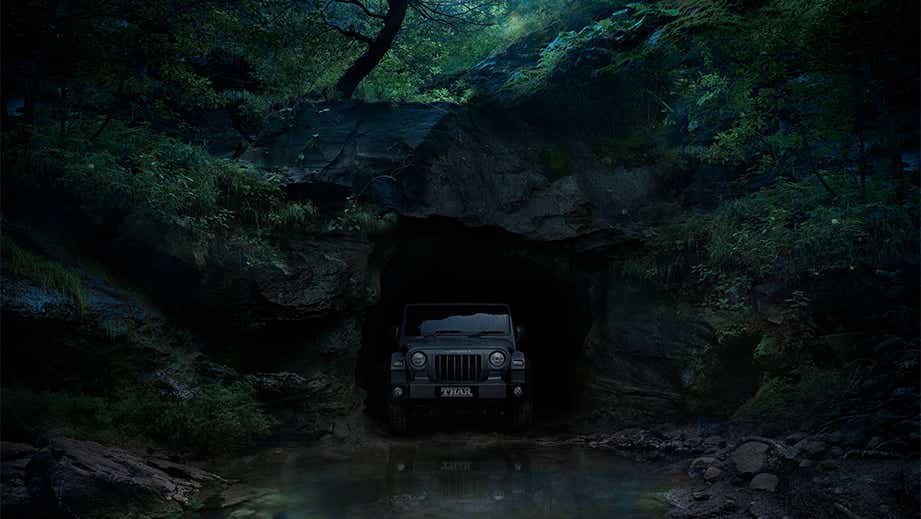
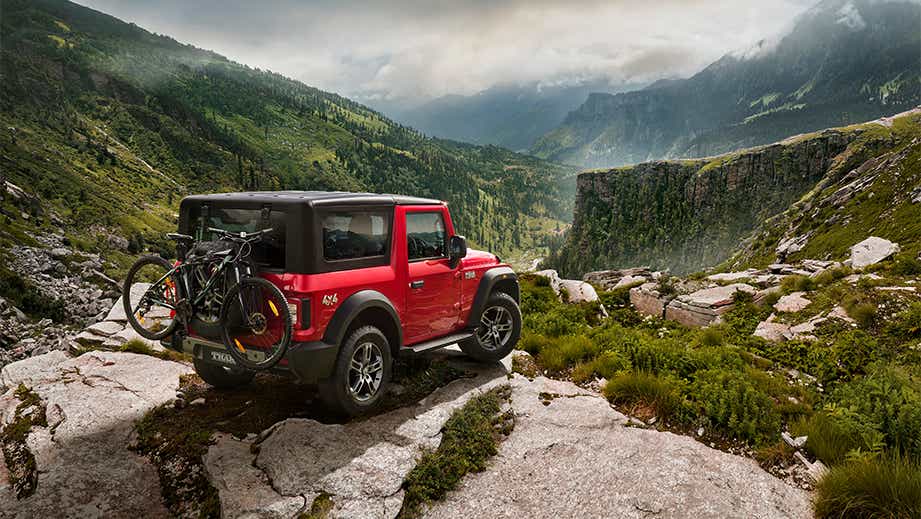
The Mahindra Thar, Thar ROXX and Toyota Fortuner are some of the most capable Rear Wheel Drive cars in India, with rugged chassis construction and good off-road capability.
Like any other drivetrain layout, Rear Wheel Drive cars have some advantages and some compromises.
| Pros | Cons |
| Rear Wheel Drive separates steering and power delivery, improving stability during acceleration and highway cruising | RWD vehicles are usually heavier SUVs or MPVs, which results in lower fuel efficiency compared with smaller FWD cars |
| The drivetrain is better suited for carrying heavy loads, making it ideal for large SUVs, MPVs and commercial vehicles | The ladder-frame construction used in most RWD cars can result in a firmer ride compared with monocoque vehicles |
| Strong diesel engines with high torque outputs allow these vehicles to perform confidently, even when fully loaded | Purchase prices and maintenance costs are typically higher than those of smaller front-wheel-drive cars |
| The layout eliminates torque steer and provides better balance for towing or highway driving | These vehicles are often larger in size, which can make city driving and parking more challenging |
For buyers who regularly traverse the highways or drive heavy loads, Rear Wheel Drive cars in India are still a feasible and durable option. Their drivetrain configuration improves stability during acceleration, as well as helps to manage the high torque from the powerful diesel motors. This is why many large SUVs and MPVs are still based on Rear Wheel Drive platforms.
However, for urban commuters who drive mostly in city traffic, smaller front-wheel-drive vehicles may be better in terms of fuel efficiency and manoeuvrability. Ultimately, the decision of choosing between RWD cars in India and other drivetrain layouts is based on how the vehicle will be used. If durability, load capacity and highway stability are the top priorities, Rear Wheel Drive cars in India still provide a dependable solution.
Browse all New Cars By Drivetrain
- Tata Rwd Cars
- Hyundai Rwd Cars
- Mahindra Rwd Cars
- Toyota Rwd Cars
- Kia Rwd Cars
- Mg Rwd Cars
- Bmw Rwd Cars
- Mercedes Benz Rwd Cars
- Ford Rwd Cars
- Jaguar Rwd Cars
- Rolls Royce Rwd Cars
- Byd Rwd Cars
- Tesla Rwd Cars
- Lamborghini Rwd Cars
- Maserati Rwd Cars
- Volvo Rwd Cars
- Aston Martin Rwd Cars
- Ferrari Rwd Cars
- Mclaren Rwd Cars
- Porsche Rwd Cars
- Lexus Rwd Cars