Petrol and diesel prices hiked by Rs 3 across India — What it means for your wallet
- 1Petrol and diesel prices hiked by up to Rs 3 per litre across India
- 2CNG prices also raised by up to Rs 2 per kg in cities including Delhi and Mumbai
- 3In Delhi, petrol now costs Rs 97.77 per litre & diesel stands at Rs 90.67 per litre
India woke up to higher fuel prices on May 15, 2026. State-run oil companies increased petrol and diesel prices by up to Rs 3 per litre across the country. In some cities, CNG prices also went up by up to Rs 2 per kg. This is the first fuel price hike in more than four years, after rates had remained unchanged since April 2022 despite rising global crude oil prices.
The increase comes at a difficult time. Global oil markets are under pressure, tensions in West Asia have affected crude supply routes, and oil companies like Indian Oil Corporation, Bharat Petroleum, and Hindustan Petroleum were reportedly facing heavy daily losses. The price hike is now becoming a major talking point among consumers, transport operators, and businesses across the country.
Why India raised fuel prices now
India imports more than 85% of its crude oil, so any rise in global prices directly affects fuel costs here. The ongoing tensions in West Asia, especially around the Strait of Hormuz, pushed crude oil prices sharply higher. India’s crude basket averaged around $115 per barrel in April 2026 and about $106 per barrel in May.

For the last few years, state-run oil companies had been absorbing much of this increase instead of passing it fully to consumers. But the losses became too large to manage. Before the latest hike, companies were reportedly losing around Rs 26 per litre on petrol and nearly Rs 82 per litre on diesel. Together, Indian Oil Corporation, Bharat Petroleum, and Hindustan Petroleum were estimated to be losing close to Rs 30,000 crore every month.
Private fuel retailers had already increased prices earlier, which widened the gap further. The government eventually approved a smaller increase of around Rs 3 per litre to reduce some pressure without causing a sudden shock for consumers. Even after the hike, oil companies are still estimated to be losing around Rs 750 crore per day.
New petrol, diesel, and CNG prices across major cities
The revised rates took effect on May 15, 2026, across all major metro cities. In Delhi, petrol now costs Rs 97.77 per litre, up from Rs 94.77. Diesel has moved to Rs 90.67 from Rs 87.67. In Mumbai, petrol stands at Rs 106.68 per litre compared to the earlier Rs 103.54, and diesel is now Rs 93.28 against the old Rs 90.03.
Kolkata has seen petrol climb to Rs 108.74 from Rs 105.45, while diesel is now Rs 95.13, up from Rs 92.02. In Chennai, petrol costs Rs 103.67 against the previous Rs 100.84, and diesel has risen to Rs 95.25 from Rs 92.39. In Jaipur, petrol crossed the Rs 107 mark, touching Rs 107.99 per litre.

CNG prices have also been revised. In Delhi, CNG now costs Rs 79.09 per kg, up from Rs 77.09. Mumbai has seen CNG rise to Rs 84 per kg from Rs 82. Chennai CNG stands at Rs 91.05 and Kolkata at Rs 93.50.
India's fuel prices vs neighbouring countries
Even with the Rs 3 increase, India's fuel rates remain significantly lower compared to most of its South Asian neighbours. In Pakistan, both petrol and diesel are priced at the equivalent of approximately Rs 141 per litre when converted to Indian currency. Nepal is not far behind, where petrol costs the equivalent of around Rs 134 per litre and diesel reaches nearly Rs 139 per litre. Sri Lanka's diesel price is around Rs 137 per litre. These comparisons show that despite the hike, Indian consumers are still paying far less at the pump than their counterparts in the region.
Also Read: Mahindra Scorpio Classic gets costlier in May 2026 — Here is how much each variant now costs
Impact on inflation and everyday expenses
The fuel price hike is expected to increase inflation in the coming months. Economists believe the direct impact on retail inflation could range between 15 and 25 basis points. ICRA Ratings has already revised its May 2026 inflation forecast to 4.3%, up from 4.1% earlier.
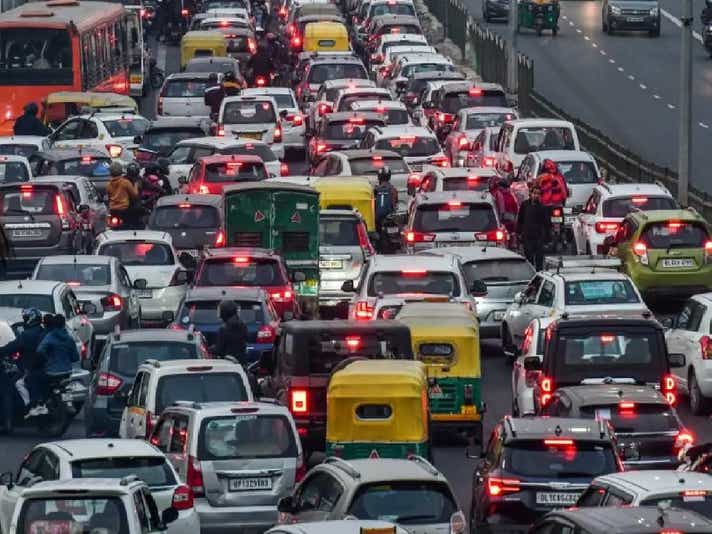
Experts also say the impact will not be limited to fuel alone. Transport costs are expected to rise, which could make everyday goods more expensive. Milk prices have already gone up, with brands like Amul and Mother Dairy increasing prices by Rs 2 per litre due to higher operating and transport costs.

The All India Transporters Welfare Association has indicated that freight charges may rise by around 2.5% to 3% in the coming weeks. Since road transport plays a major role in India’s supply chain, higher diesel prices are likely to slowly affect grocery bills, packaged foods, and daily-use products. Analysts also expect some FMCG companies to respond with selective price hikes, smaller pack sizes, and fewer discounts in the months ahead.
Could fuel prices rise further?
This is now the biggest question after the May 15 fuel price hike. Many analysts believe the Rs 3 increase is only a partial correction, as oil companies are still estimated to be losing around Rs 750 crore every day. If global crude oil prices remain high and the West Asia situation does not improve, further fuel price hikes remain possible.
Experts also say consistently higher fuel prices could gradually push more buyers towards electric vehicles. At the same time, the government has tried to calm concerns around fuel supply. Officials from the Ministry of Petroleum and Natural Gas have said that crude oil stocks are sufficient, refineries are operating normally, and there is no shortage of petrol, diesel, or LPG across the country.
Stay updated with all the latest happenings & developments in the automotive world by joining our official AUTOVERSE WhatsApp community. Also, don’t forget to check out our YouTube channel, AUTOVERSE by Cars24, for key details & visuals.