NHAI Flags Surge in Fake FASTag Annual Pass Scams; Warns Motorists to Exercise Caution
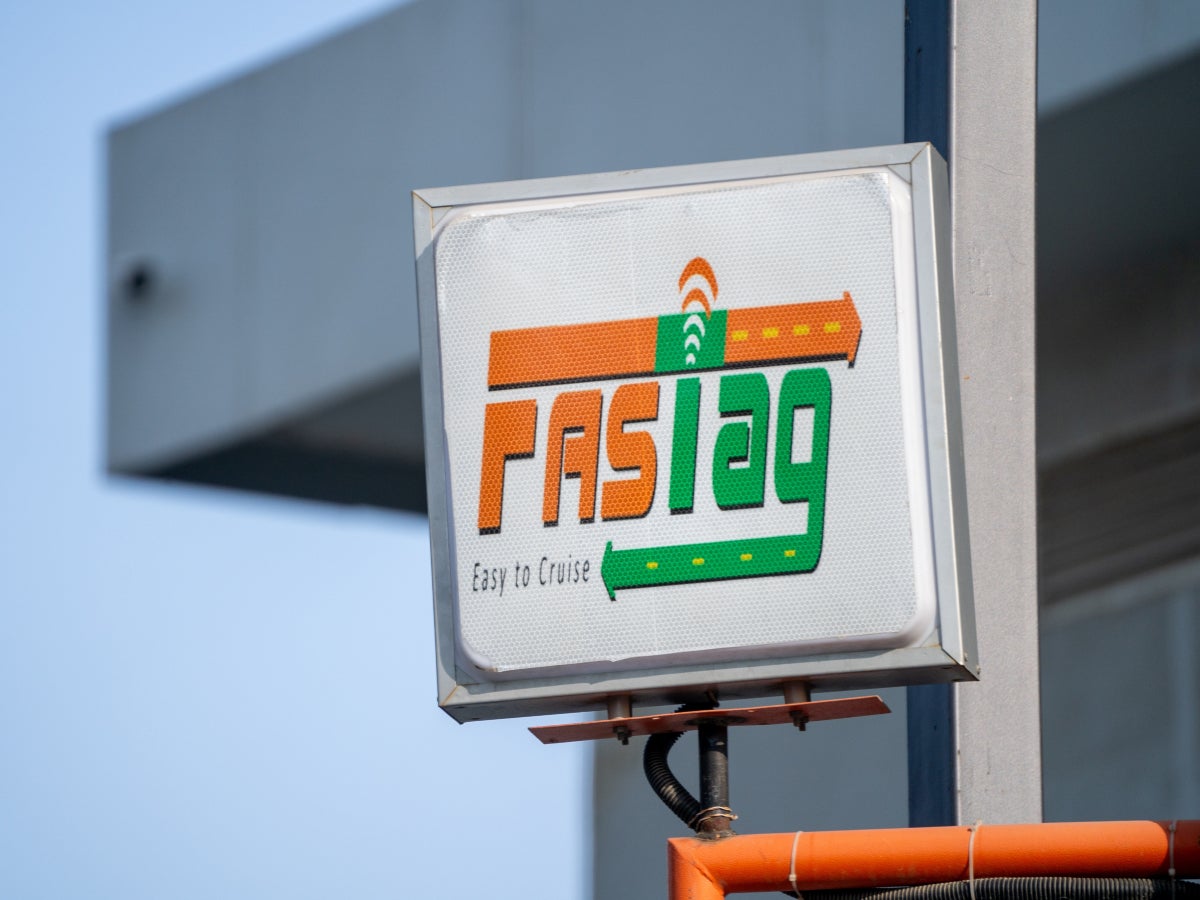
The National Highways Authority of India (NHAI) has issued a stern warning to motorists nationwide after detecting a sharp rise in online scams involving fake FASTag Annual Passes, underscoring growing concerns over cyber fraud linked to India’s digital tolling ecosystem.
The advisory was shared via the authority’s official social media handle, alerting highway users to fraudulent websites and unauthorised links misrepresenting themselves as legitimate sellers of the one-year toll pass.
Unauthorised Platforms and Rising Fraud Complaints
According to NHAI, cybercriminals are exploiting the popularity of the annual FASTag, which is essentially a prepaid toll plan that lets private vehicle owners use national highways for up to 200 toll crossings or one year, whichever comes first.
These fraudsters are setting up professional-looking yet unauthorised websites, social media links, and direct messaging offers that claim to sell the pass. These platforms often mimic official portals in design and language, prompting users to enter sensitive information such as vehicle registration numbers, FASTag IDs and payment details.
These illicit operators circulate unauthorised links via WhatsApp, SMS, and social media, preying on a user’s urge to secure a quick deal.
Victims who click these links are often directed to pay the standard pass fee, typically ₹3,000, only to find that no pass has been activated. Beyond the immediate financial damage, the implications are far more severe: users unwittingly hand over private vehicle registration details, mobile numbers, and FASTag IDs to criminal syndicates, leaving them vulnerable to identity theft and future phishing attacks.
Official Channel Only: Rajmargyatra Mobile App
In its advisory, the NHAI has drawn a hard line regarding the procurement of these passes. The FASTag Annual Pass can be purchased only through the official Rajmargyatra mobile application, available from recognised app stores. Any offers seen on private websites, messaging apps like WhatsApp, SMS links or social media ads should be treated as fraudulent and ignored. NHAI advised users not to click on unknown links or share vehicle or FASTag details with unverified sources.
Protecting Yourself from FASTag Scams: Best Practices and Reporting
To mitigate the risk of fraud, NHAI has urged users to purchase FASTag products only through official channels, such as authorised bank apps or the NPCI MyFASTag portal, and to ignore unsolicited calls or digital messages asking them to scan QR codes or click suspicious links. Experts also recommend activating SMS or email alerts for every FASTag transaction and regularly checking account balances via official applications.
For those who suspect they may have already fallen prey to such a scheme, NHAI advises immediate reporting via the National Cyber Crime Reporting Portal. Simultaneously, victims must contact their issuing bank to block the compromised FASTag account and halt any further unauthorised deductions. For general queries or to report suspicious activity, users can also utilise the NHAI helpline number 1033, a critical resource in the fight against these evolving highway crimes.