I Run PDI At Cars24. This Is What We Check Beyond A Mechanic’s Inspection
- 1Nearly 20% of buyers drop the idea of buying after an in-depth used car inspection
- 2A car can be made to look very convincing for a short period
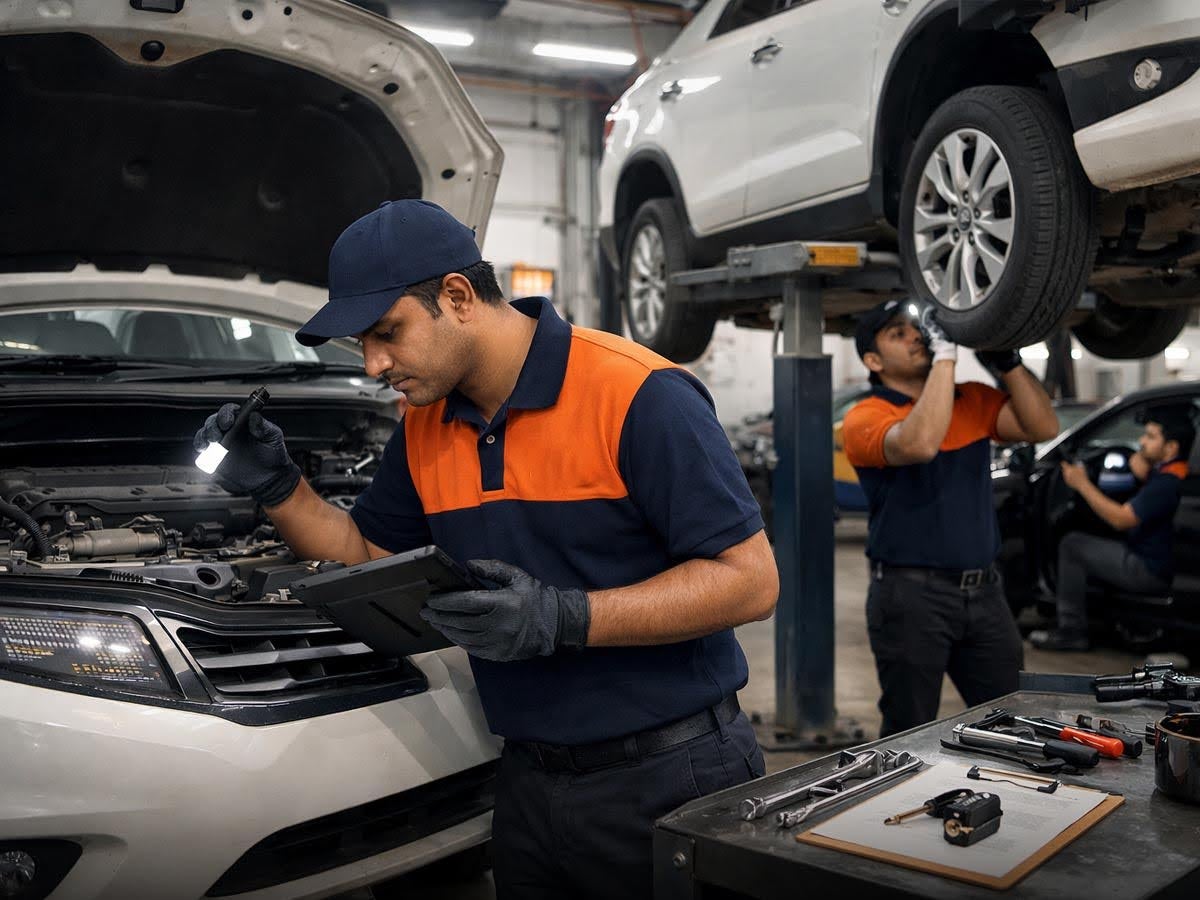
- 3Cars24's PDI service is built around the trust of 300+ physical checks
I work at Cars24 and lead the car inspection business, so let me say this upfront: I am not a neutral outsider. I have a clear point of view, and you should keep that in mind while reading this piece. But this job also gives me access to something most used car buyers never get to see at scale. After watching lakhs of cars go through inspections, one pattern has stayed with me: nearly 20% of buyers drop the idea of buying a car once a proper used car inspection is performed.
These are not people scrolling through listings for fun but are serious buyers who have already liked the car, spoken to the seller, discussed the price, taken family approval, and in some cases, even paid a token amount. For them, the deal was almost closed. Then the inspection revealed the real story behind the car, and they decided to walk away. That walkaway number is exactly why I wanted to write this.
The limits of a standard mechanic’s inspection
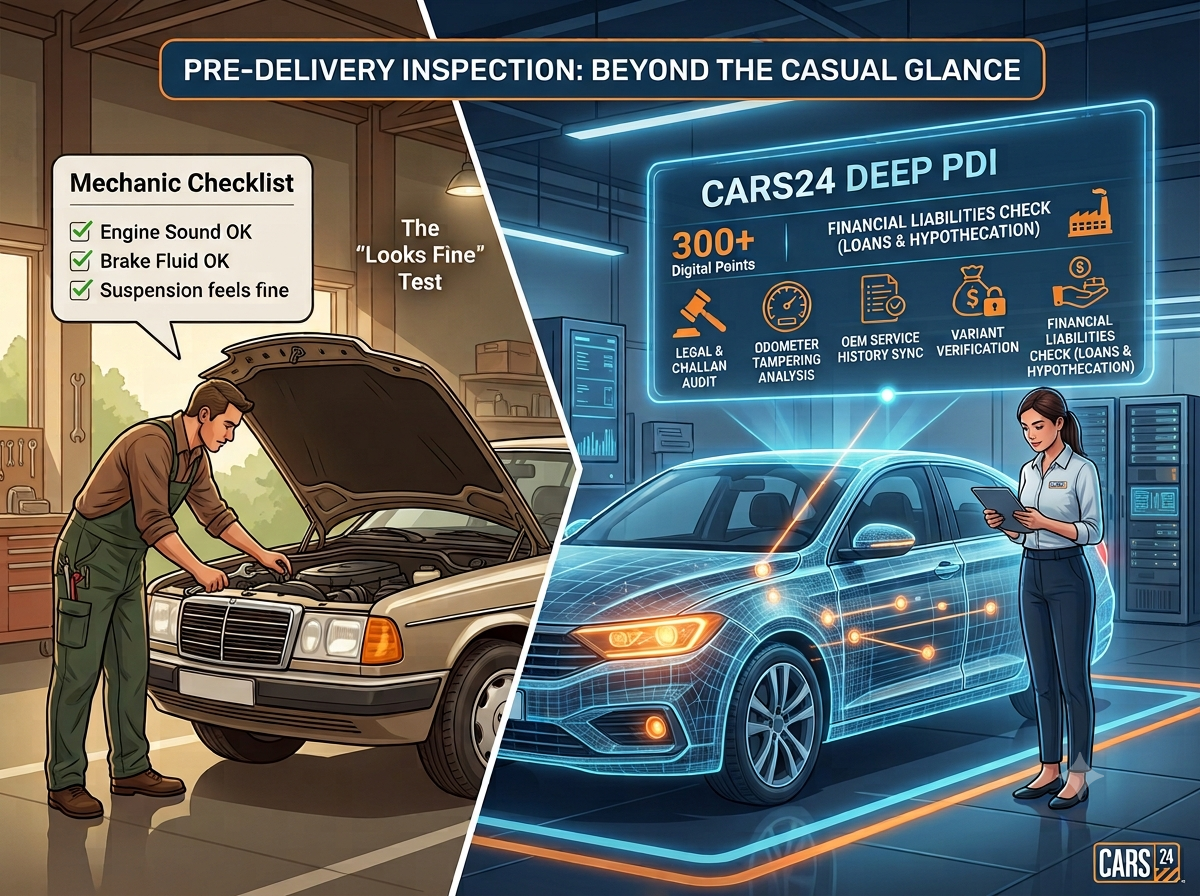
Every used car purchase in India eventually reaches the same moment. Someone at home asks, “Mechanic se check karwa li?” The mechanic comes, opens the bonnet, listens to the engine, checks for smoke, looks at the suspension, taps a few panels, takes a short drive and gives his judgement. Most of the time, the verdict is simple: “Gaadi theek hai.”
And to be clear, I am not dismissing mechanics. A good mechanic can be extremely useful. He can catch engine noise, clutch issues, repainting, leaks, suspension problems, tyre wear, AC faults, and signs of accidents. In many cases, his experience can protect a buyer from a bad purchase. But there is a limit to what any mechanic can understand in a short inspection of a car he is seeing for the first time.
A mechanic can judge how the car feels today. What he may not be able to uncover is what the car has been through over the years. That is where used car buying becomes risky. Most fraud in this market is not just about how the car looks or drives right now. The real danger is usually hidden in its history.
The seller usually knows more about the car than he's telling you. The buyer gets a polished car, a short test drive and a confident story. That gap between what the seller knows and what the buyer can verify is where the problem begins. This is where odometer tampering and flood damage hide. It's also where a commercial car gets sold as a private one, or a three-owner car becomes a 'single owner' car on paper.
The illusion of a "fresh" car that traps the most buyers
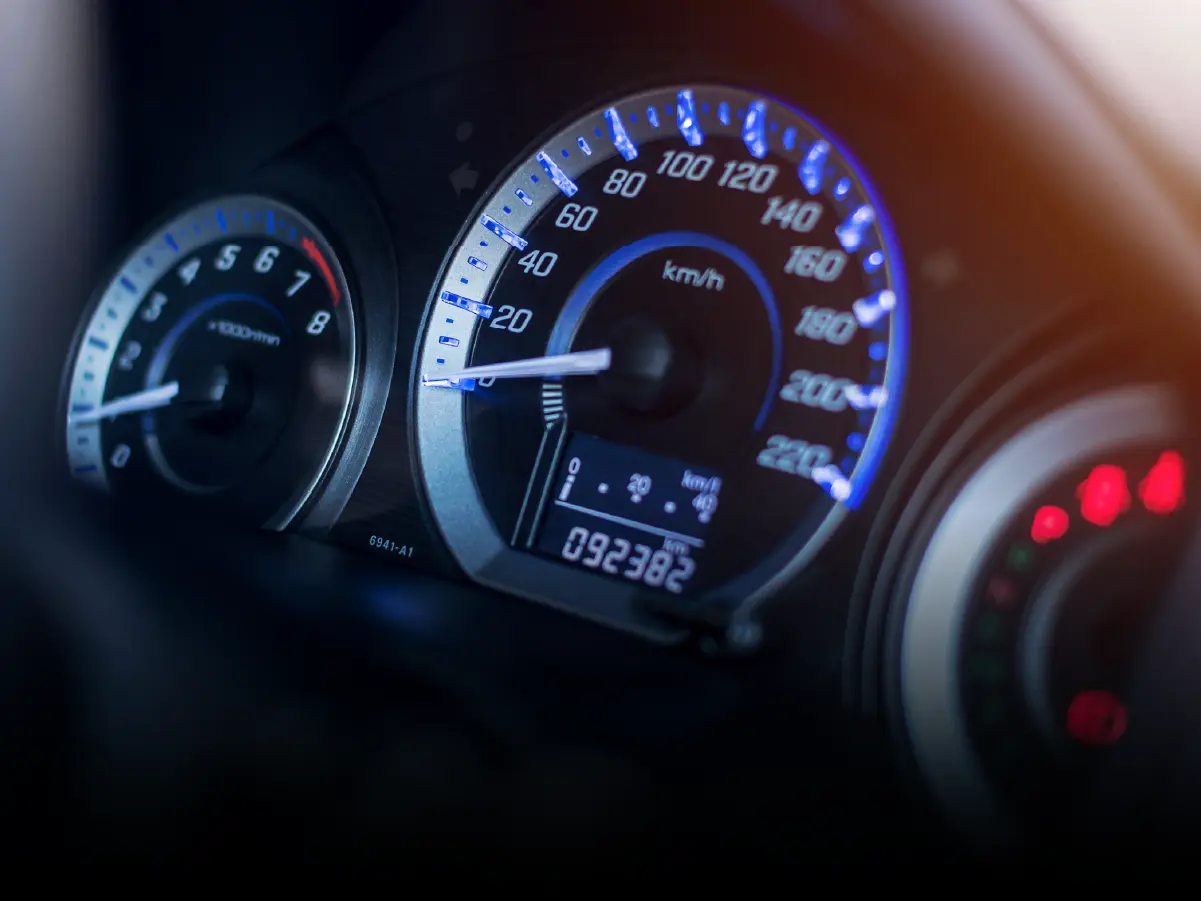
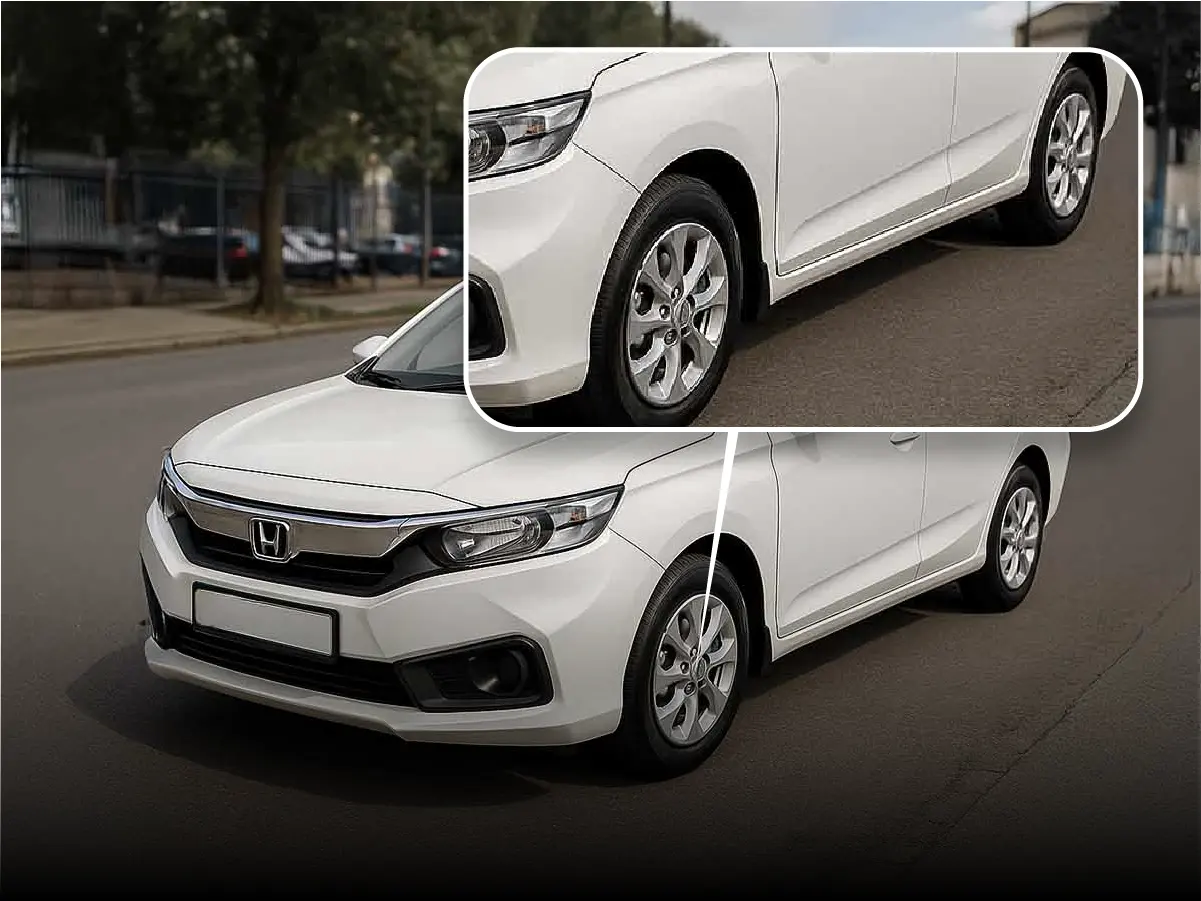
A car can be made to look very convincing for a short period. Paint can be polished, interiors can be cleaned, tyres can be changed, the engine bay can be washed, and the car can be made to look fresh enough to impress a buyer. But fresh-looking does not mean clean history. Flood damage can remain hidden inside wiring, sensors and electronic systems. A rolled-back odometer cannot remove actual mechanical wear. A major accident repair may not be visible during a walkaround. Poorly replaced airbags may never be noticed unless the right records are checked.
Most buyers begin with a basic challan check and assume that is enough. It is not. There can be court challans, state-level issues, blacklisting, finance complications and legal matters that do not always show up in the simplest checks. The loan trail is another area where buyers often get trapped. A seller may mention the main car loan, but there could be a top-up loan or a hypothecation-related complication still linked to the vehicle. You may think the loan is cleared, only to later realise that the lien is not fully removed.
Legal cases are even more serious. A car can be connected to a civil or criminal matter without the buyer knowing. A civil case could involve recovery, ownership dispute, attachment or finance-related conflict. A criminal case can be far more complicated, especially if the car is linked to an FIR, specific sections or an offence. Before paying for the car, the buyer should know whether any such case exists, which court it is in, when it was filed and whether the vehicle needs to be produced before any authority.
There are also checks most buyers have never heard of, such as party peshi applicability. In some cases, the vehicle, or the person holding it, may need to be presented before the RTO or another authority. Imagine discovering this only after you have already bought the car. This is why the legal and government trials matter so much. A clean-looking car can still carry paperwork baggage that becomes your headache later.
Hidden legal and financial liabilities that most buyers miss
The car’s actual identity also needs verification. A vehicle may have been originally registered in another state and later re-registered somewhere else. That affects its valuation, transfer process and paperwork trail. If an NOC is required and the documentation is incomplete, the buyer may have to deal with the mess after the sale. Similarly, a car that was once used commercially may later be converted into a private vehicle. On paper, it may look normal, but its life would have involved more running, more idle hours, more drivers and much heavier usage.
The most revealing source, however, is often the manufacturer’s service record. OEM service history record is like a car’s memory. It can show service dates, odometer readings, engine or transmission repair jobs, airbag replacement, repeated electrical issues and, in some cases, signs of flood or structural damage. This is where many good-looking cars lose their appeal. A car may shine from the outside and drive decently in a short test drive, but if its records show inconsistent odometer readings, accident repair, airbag deployment or major mechanical work, the buying decision changes immediately.
Verify OEM service records and original variant details
Even the variant needs to be checked properly. Listings often claim a different variant or mention aftermarket features that make the car sound more attractive. Factory records can confirm what variant the car actually was when it left the production line and what equipment it originally came with. We have seen cars advertised with features they never had, and cars where expensive parts or factory equipment were missing later. This directly affects the price a buyer should be paying. Most cars that are rejected actually look clean, drive fine and come with convincing seller stories. But once the full service history appears, the buyer sees the same car very differently. I see each of those walkaways as a family that didn't find out the hard way, six months down the line.
For most Indian families, a used car is the second-biggest purchase they'll ever make, right after a home. It involves savings, safety, paperwork, resale value and long-term peace of mind. Right now, buying a used car safely still depends on who you know, whether it is a mechanic, an RTO contact, or someone in the trade. If you don't have that network, you're taking the seller's word for it.
Here’s a new rule for buying a used car
That should change. A buyer should not need insider access just to avoid getting cheated. The question should no longer be only “Mechanic se check karwa li?” The better question is, “Gaadi ki poori history check karwa li?”
This is the thinking behind Cars24's pre-delivery inspection. We built it around 300+ physical checks, deeper history verification and a guarantee, because trust should not be based on a casual glance. But even if you never use our service, my advice is simple: do not spend lakhs on a car just because it looks clean and drives well for ten minutes.
Check the loan status, legal trail, RTO record, NOC status, OEM service history, odometer pattern, accident background, variant details and the car’s real identity. Once you buy it, the car’s past becomes your problem.
Frequently Asked Questions
Expand all