






Hyundai Verna Specifications
 Arai mileage
 Transmission type
 Body type
 Fuel type
 Engine displacement
 Seating capacity
Hyundai Verna Variants: Price & Spec Cards
Images of Hyundai Verna
New Hyundai Verna Car - Futuristic & Ferocious Sedan
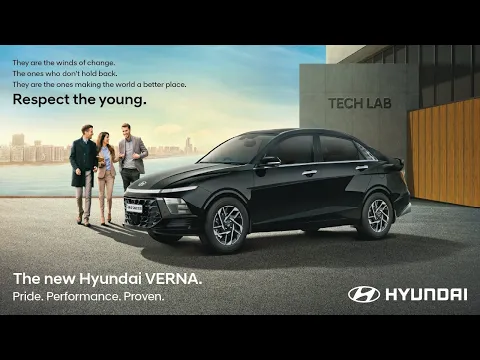
The new Hyundai Verna is a familiar name in India since it replaced the Accent in 2006. Over several generations, it has developed a reputation for comfort, reliability, and features. With this latest generation, Hyundai has clearly repositioned the Verna to be more premium, more tech-focused, and performance-oriented than before.
Unlike its older counterparts that played it safe, the new Verna car adopts a futuristic design language and couples it with a feature set that is typically found in larger or more expensive cars. The addition of Level 2 ADAS, a dual-screen cockpit, ventilated and heated seats, and connected car technology demonstrates Hyundai's desire to make the Verna feel truly modern.
Overall, the Verna is for buyers who like sedans for their low-slung driving feel, highway stability, and spacious cabins, but don't want to compromise on technology or performance. It has a very strong liking among urban professionals, highway commuters, and buyers who are upgrading from premium hatchbacks and want something more substantial without moving to an SUV.
The Hyundai Verna price starts at ₹10.99 lakh and goes up to ₹18.41 lakh (ex-showroom). The spread reflects the large variant lineup, engine, and transmission options.
| Variant | Engine / Transmission / Output | Mileage | Ex-Showroom Price |
| HX2 | 1.5L NA Petrol / 6MT / 113 bhp / 144 Nm | 18.6 kmpl | ₹10.99 Lakh |
| HX4 | 1.5L NA Petrol / 6MT / 113 bhp / 144 Nm | 18.6 kmpl | ₹12.26 Lakh |
| HX6 | 1.5L NA Petrol / 6MT / IVT / 113 bhp / 144 Nm | 19.6 kmpl (IVT) | ₹13.20 – ₹14.56 Lakh |
| HX6+ | 1.5L NA Petrol / 6MT / IVT / 113 bhp / 144 Nm | 19.6 kmpl (IVT) | ₹13.82 – ₹15.18 Lakh |
| HX8 | 1.5L NA / Turbo / 6MT / IVT / DCT / 113–158 bhp / 144–253 Nm | 20.6 kmpl (DCT) | ₹14.89 – ₹17.78 Lakh |
| HX10 | 1.5L NA / Turbo / IVT / 7DCT / 113–158 bhp / 144–253 Nm | 20.6 kmpl (DCT) | ₹17.16 – ₹18.41 Lakh |
With multiple models on offer, there’s a Hyundai Verna price that suits almost every C2-sedan buyer. However, the availability of multiple models and the resultant permutations and combinations even tends to confuse prospective customers. Hence, we request all buyers to carefully select a new Hyundai Verna car that best suits their needs and budget.
The Hyundai Verna car is available with two petrol engines, both of which are tuned for different buyer needs.
1.5-litre Naturally Aspirated Petrol
This engine is focused on refinement and smoothness. In terms of city driving, power-delivery is linear and simple to handle, and so daily commutes remain stress-free. The CVT automatic is especially suitable for urban use with its smooth acceleration without jerks. On highways, driving at a speed of 100-120 kmph is relaxed, although it is necessary to plan overtakes. This engine is best suited for buyers who appreciate comfort, refinement, and smooth driving more than pure performance.
1.5-litre Turbo-Petrol
The turbo-petrol engine changes the face of the Verna completely. Beyond the initial turbo lag, the acceleration is strong and confident. The 7-speed DCT is responsive, smooth in traffic, and fun when driven hard. Highway performance is a glaring strength, with the ability to overtake easily as well as a good mid-range punch. This engine is perfect for buyers who drive a lot on highways or want to have a sedan that feels truly fast.
Here is a closer look at what each Verna variant has to offer and who it suits best.
Verna EX
The base variant of the new Hyundai Verna car is focused on essentials. It does an excellent job of covering safety with six airbags and ESC, but skips infotainment and comfort features. Best for buyers who are more concerned with safety and budget.
Verna S
Adds meaningful comfort upgrades such as a sunroof, rear AC vents, cruise control, and an infotainment system. It brings a good balance between usability and cost.
Verna SX / SX+
This is where the Verna starts feeling premium. Better materials, ambient lighting, improved sound systems, ventilated and heated seats (SX+), and additional convenience features make it suitable for family buyers who want comfort.
Verna SX(O)
Tech-focused buyers will appreciate the larger touchscreen, connected car tech, powered driver seat, and Level 2 ADAS. It is the most complete experience in the NA petrol range.
Turbo Variants
The turbo versions of the trim are the same as the standard lineup, but feature performance-oriented styling and hardware. The SX(O) Turbo is the most fully loaded, with a combination of strong performance, ADAS, and premium features.
Mileage of Hyundai Verna depends a lot on the engine that you get. The naturally aspirated petrol engine offers about 11 kmpl in city driving and can extend to 17 kmpl on highways with easy driving. The turbo-petrol is focused on performance and gives about 10-12 kmpl in traffic and 16-17 kmpl on open roads. For the purpose of a midsize sedan car with good power outputs, multiple driving modes, and feature-rich variants, these figures are still realistic and acceptable.
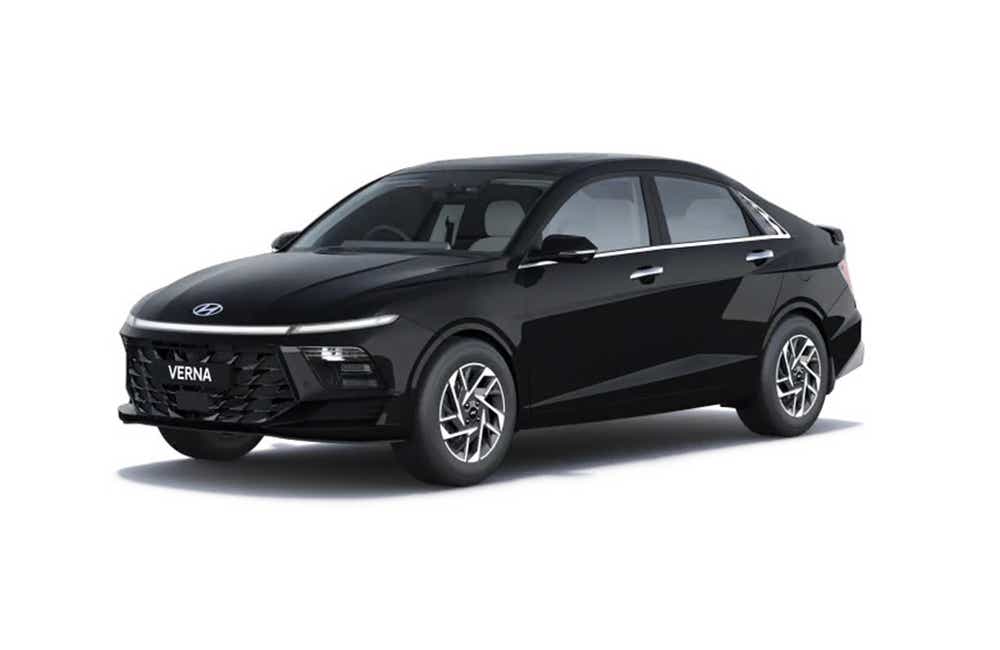
The new Hyundai Verna doesn't make any effort to blend in, and that's obviously deliberate. Its sharp lines, heavy surface detailing, and full-width LED lighting give it a very modern, almost concept car-like presence on the road. The front lighting setup is particularly impressive, with the LED strip attracting attention even in traffic, while the lower set headlamps and sculptured bumper contribute to its aggressive look.
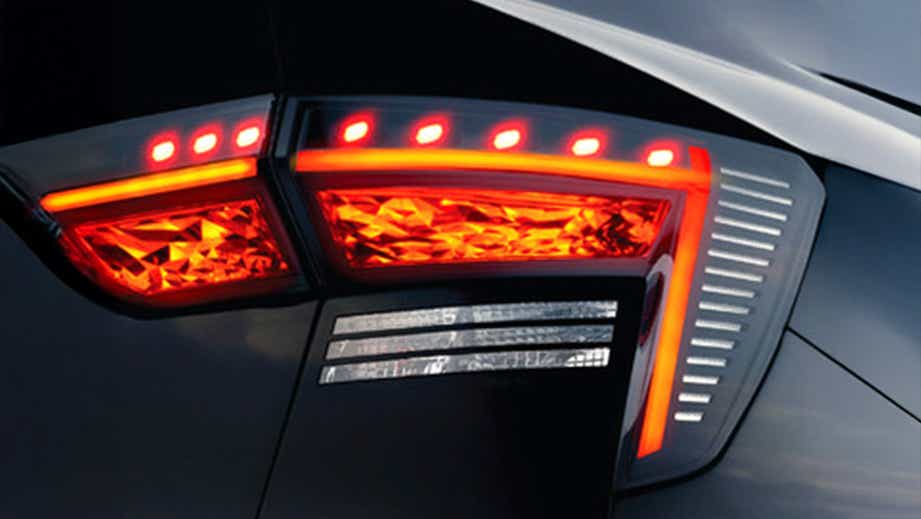
On the side, the intricate character lines and stretched proportion make the exterior Verna look larger than competing rivals, thereby helping it feel more substantial. Turbo variants go for a bit more sporty brief with black alloy wheels and red brake calipers, adding visual drama. The design on the rear is a continuation of the theme with linked tail lamps and layered lighting elements. Love it or not, the Verna's design never makes it feel anonymous.
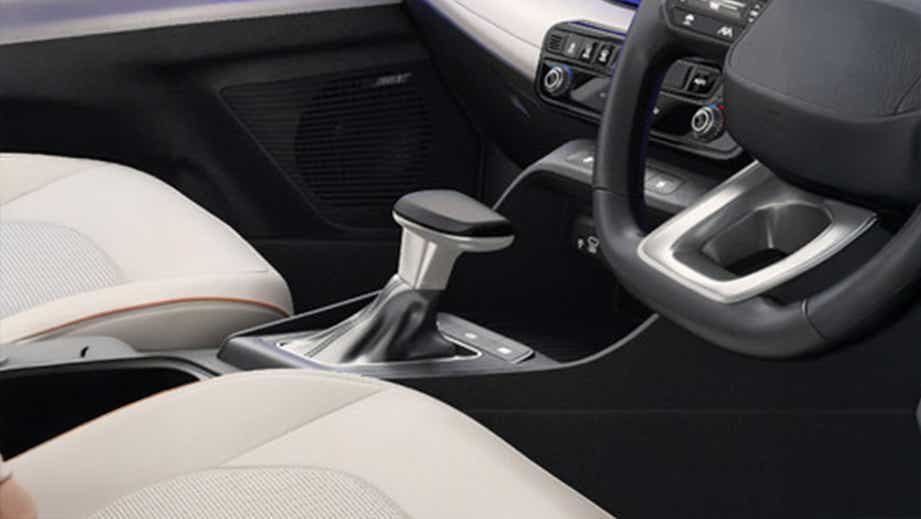
Step inside the new Hyundai Verna, and the focus on moving up the value chain to a tech-driven sporting environment is immediately evident. The dashboard layout is uncluttered and modern, with a broad dual-screen setup taking center stage in the cabin without appearing to be an eyesore. Material quality is a definite step up from older Vernas, with soft-touch surfaces and well-finished controls making it feel more upmarket.
Space represents another great point. The front seats are supportive and comfortable for long hours behind the wheel, while the rear seat has seen a major improvement in leg room, head room, and overall comfort. This makes the Verna much more appropriate for family use or chauffeur-driven duties than before.
On the tech side, features such as ventilated and heated seats, ambient lighting, a Bose sound system, and charging points across the rows make daily driving as well as long trips equally comfortable. It's a cabin that has a thought-out design instead of being jammed with features for the sake of it.
Safety is an area where the Hyundai Verna makes a good and consistent statement across its range. All versions are equipped with six airbags, ESC, ISOFIX child seat mounts, and rear parking sensors, so even the base level feels reassuring.
Higher variants build on this foundation with features such as tyre pressure monitoring, front parking sensors, a 360-degree camera, and an auto-dimming inside rear-view mirror that add daily convenience, as well as safety. The highlight is the availability of Level 2 ADAS on top trims. The ADAS suite includes functions such as lane assist, blind spot monitoring, and collision avoidance systems. Importantly, though, it's tuned in such a way that it fits Indian driving conditions.
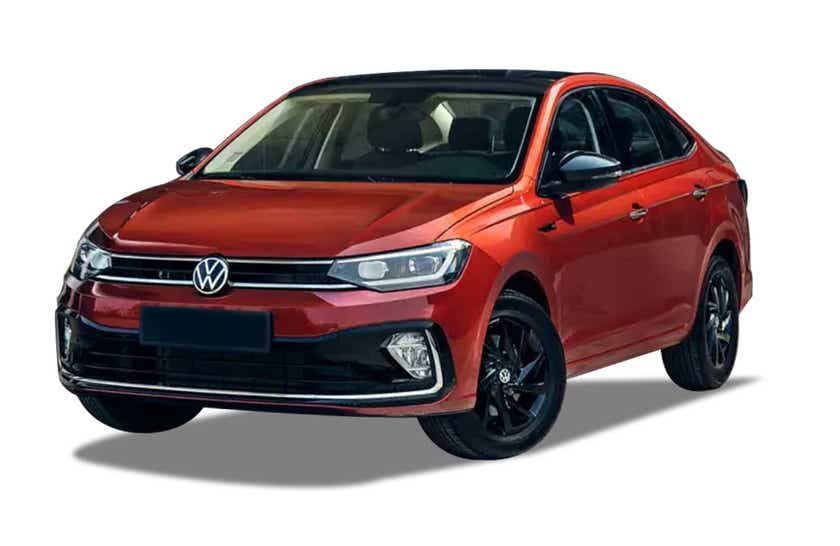
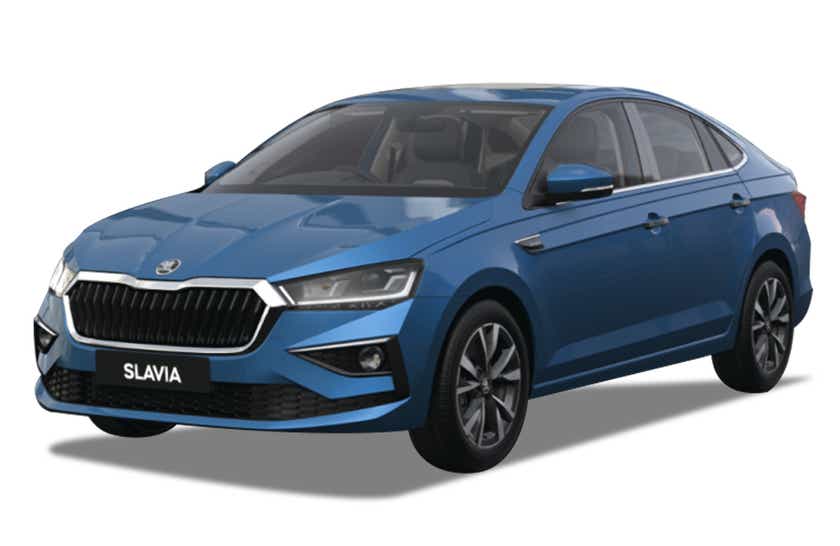
The Hyundai Verna is a competitor to the Honda City, Skoda Slavia, and Volkswagen Virtus in the midsize sedan segment. The City is more about comfort and reliability, while the Slavia and Virtus are more appealing to buyers who prioritise driving feel and European styling.
The new Verna car is positioning itself as the best-performing and most feature-packed in this space. With its turbo-petrol engine, advanced tech, and Level 2 ADAS, it is aimed at buyers seeking modern features and good acceleration, and a premium cabin experience, rather than traditional sedan appeal.
Here is a quick look at where the new Hyundai Verna car stands out the most, and the few areas where buyers may want to consider their priorities before coming to a decision.
| Pros | Cons |
| Premium interior quality and features | Polarising exterior design |
| Segment-leading turbo-petrol performance | No diesel engine option |
| Strong safety package with ADAS | Top variants are expensive |
| Spacious cabin and large boot | Less engaging drive than European rivals |
The Hyundai Verna may not be appealing to buyers who are after an understated design, but it excels in the areas where it matters the most for modern sedan buyers. It has a large and comfortable cabin, a segment-leading feature set, and a turbo-petrol engine that genuinely stands out. Safety, technology, and performance are all strong pillars of the package.
If you value refinement, features, and good highway performance, the Verna car price in India makes sense, especially in the mid and turbo variants. Rivals may have superior ride comfort or purist driving feel, but few have the overall balance that the Verna offers. For buyers who still think that sedans make sense, the new Hyundai Verna car is still one of the most complete options you can purchase today.
Hyundai Verna Mileage
View MileageSales spotlight: Verna cruises into top ranks
Discover this standout car, currently ranked 7 on the Cars24 sales Leaderboard. With monthly sales of 694 units, Verna continues to impress with its combination of style and performance.


Verna last 6 months Sales
Compare Hyundai Verna with Similar Cars
 HyundaiVerna₹10.98L - 18.25L*
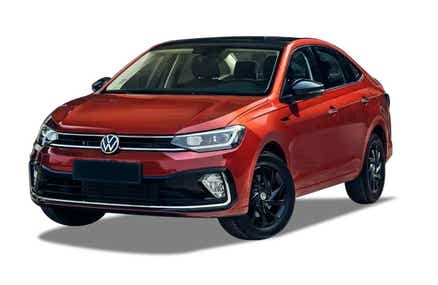 VolkswagenVirtus₹11.16L - 19.41L*
- HyundaiVerna₹10.98L - 18.25L*
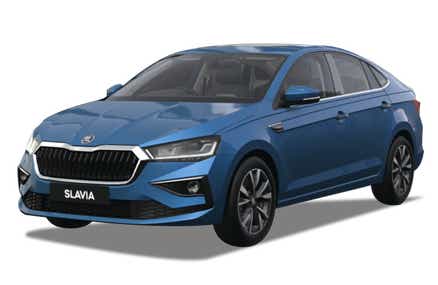 SkodaSlavia₹10.00L - 17.70L*
 - HyundaiVerna₹10.98L - 18.25L*
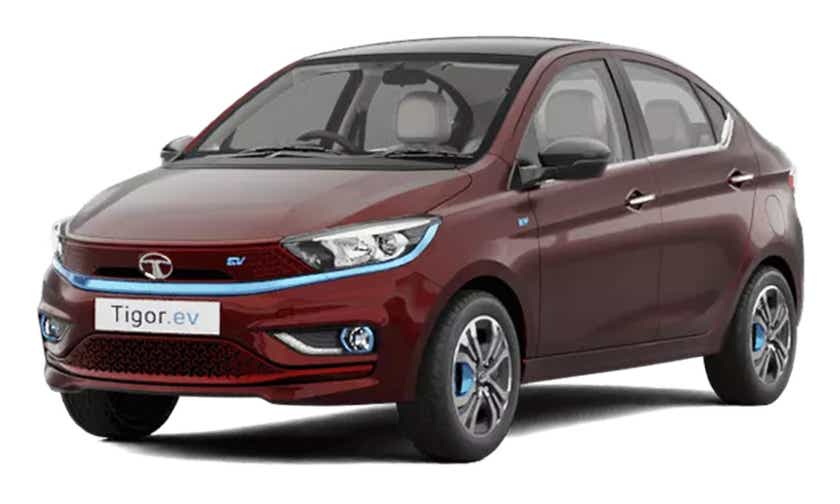
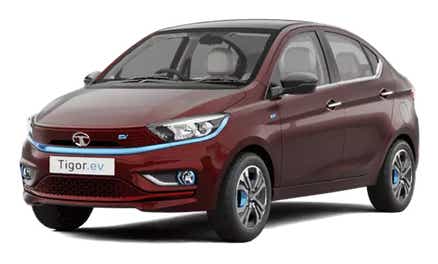 TataTigor EV₹12.49L - 13.75L*
 - HyundaiVerna₹10.98L - 18.25L*
 SkodaSlavia Facelift₹12L - 18L*
 - HyundaiVerna₹10.98L - 18.25L*
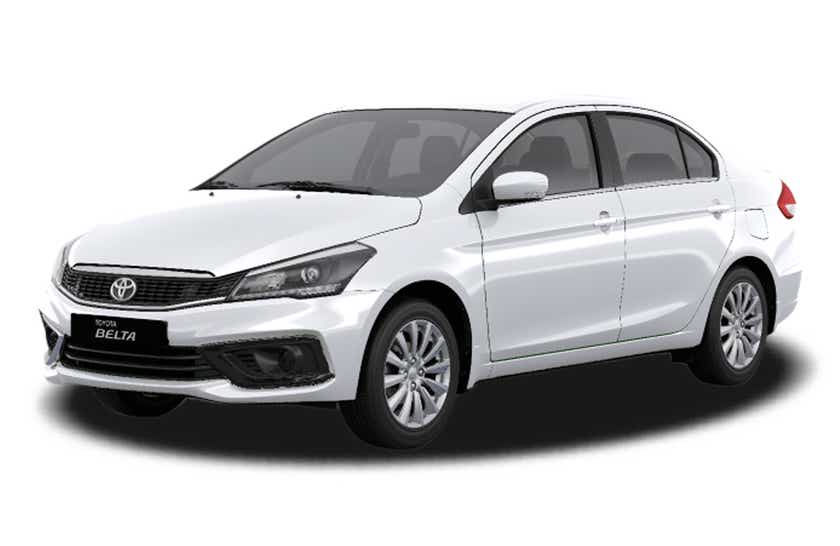
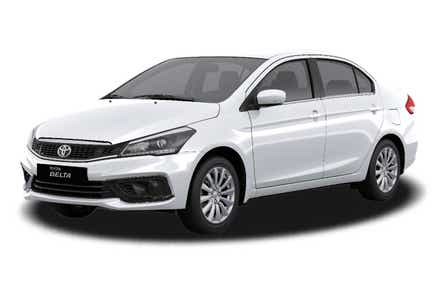 ToyotaBelta₹10L - 16L*
 - HyundaiVerna₹10.98L - 18.25L*Add cars
Parallel picks for you!
Frequently Asked Questions
The Hyundai Verna price in India starts at ₹10.99 lakh (ex-showroom) and goes up to ₹18.41 lakh, depending on the variant, engine and transmission. Buyers can choose between naturally aspirated and turbo-petrol versions.
The new Hyundai Verna offers a 1.5-litre naturally aspirated petrol engine for smooth daily driving and a 1.5-litre turbo-petrol engine for stronger performance. The turbo variant is ideal for buyers who frequently drive on highways.
Yes. Higher variants of the Hyundai Verna feature Level 2 ADAS, including lane-keeping assist, collision avoidance and blind-spot monitoring. Along with six airbags and ESC, these features make the sedan one of the safest in its segment.
Yes. The Hyundai Verna offers a spacious cabin, comfortable rear seats, a large boot and premium features such as ventilated seats and a Bose audio system. It is well suited for family use as well as long-distance highway travel.
The Hyundai Verna delivers around 11 kmpl in city driving and up to 17 kmpl on highways with the naturally aspirated engine. The turbo-petrol version offers similar highway efficiency while prioritising stronger performance.
Who should buy the new Hyundai Verna?
The new Hyundai Verna is ideal for buyers seeking a feature-rich sedan with strong performance, advanced safety and premium comfort. It suits professionals, small families and highway commuters who prefer a sedan over an SUV.




All Sibling Models of Hyundai
All Model Make Filter
- Recently Launched 5 Star Cars
- Recently Launched 5 Seater Cars
- Recently Launched Manual Cars
- Recently Launched Automatic Cars
- Recently Launched Sedan Cars
- Recently Launched Petrol Cars
- Recently Launched 1000 to 1500cc Cars
- Recently Launched Upto 30kmpl Cars
- Recently Launched Fwd Cars
- Recently Launched 4 Cylinder Cars
- Recently Launched Abs Cars
- Recently Launched Esc Cars
- Recently Launched Tpms Cars
- Recently Launched Adaptive Cruise Control Cars
- Recently Launched Sunroof Cars
- Recently Launched Cars Under 15 Lakhs
- Recently Launched Cars Under 20 Lakhs
- 5 Star 5 Seater Cars
- 5 Star Manual Cars
- 5 Star Automatic Cars
- 5 Star Sedan Cars
- 5 Star Petrol Cars
- 5 Star 1000 to 1500cc Cars
- 5 Star Upto 30kmpl Cars
- 5 Star Fwd Cars
- 5 Star 4 Cylinder Cars
- 5 Star Abs Cars
- 5 Star Esc Cars
- 5 Star Tpms Cars
- 5 Star Adaptive Cruise Control Cars
- 5 Star Sunroof Cars
- 5 Star Cars Under 15 Lakhs
- 5 Star Cars Under 20 Lakhs
- 5 Seater Manual Cars
- 5 Seater Automatic Cars
- 5 Seater Sedan Cars
- 5 Seater Petrol Cars
- 5 Seater 1000 to 1500cc Cars
- 5 Seater Upto 30kmpl Cars
- 5 Seater Fwd Cars
- 5 Seater 4 Cylinder Cars
- 5 Seater Abs Cars
- 5 Seater Esc Cars
- 5 Seater Tpms Cars
- 5 Seater Adaptive Cruise Control Cars
- 5 Seater Sunroof Cars
- 5 Seater Cars Under 15 Lakhs
- 5 Seater Cars Under 20 Lakhs
- Manual Sedan Cars
- Manual Petrol Cars
- Manual 1000 to 1500cc Cars
- Manual Upto 30kmpl Cars
- Manual Fwd Cars
- Manual 4 Cylinder Cars
- Manual Abs Cars
- Manual Esc Cars
- Manual Tpms Cars
- Manual Adaptive Cruise Control Cars
- Manual Sunroof Cars
- Manual Cars Under 15 Lakhs
- Manual Cars Under 20 Lakhs
- Automatic Sedan Cars
- Automatic Petrol Cars
- Automatic 1000 to 1500cc Cars
- Automatic Upto 30kmpl Cars
- Automatic Fwd Cars
- Automatic 4 Cylinder Cars
- Automatic Abs Cars
- Automatic Esc Cars
- Automatic Tpms Cars
- Automatic Adaptive Cruise Control Cars
- Automatic Sunroof Cars
- Automatic Cars Under 15 Lakhs
- Automatic Cars Under 20 Lakhs
- Sedan Petrol Cars
- Sedan 1000 to 1500cc Cars
- Sedan Upto 30kmpl Cars
- Sedan Fwd Cars
- Sedan 4 Cylinder Cars
- Sedan Abs Cars
- Sedan Esc Cars
- Sedan Tpms Cars
- Sedan Adaptive Cruise Control Cars
- Sedan Sunroof Cars
- Sedan Cars Under 15 Lakhs
- Sedan Cars Under 20 Lakhs
- Petrol 1000 to 1500cc Cars
- Petrol Upto 30kmpl Cars
- Petrol Fwd Cars
- Petrol 4 Cylinder Cars
- Petrol Abs Cars
- Petrol Esc Cars
- Petrol Tpms Cars
- Petrol Adaptive Cruise Control Cars
- Petrol Sunroof Cars
- Petrol Cars Under 15 Lakhs
- Petrol Cars Under 20 Lakhs
- 1000 to 1500cc Upto 30kmpl Cars
- 1000 to 1500cc Fwd Cars
- 1000 to 1500cc 4 Cylinder Cars
- 1000 to 1500cc Abs Cars
- 1000 to 1500cc Esc Cars
- 1000 to 1500cc Tpms Cars
- 1000 to 1500cc Adaptive Cruise Control Cars
- 1000 to 1500cc Sunroof Cars
- 1000 to 1500cc Cars Under 15 Lakhs
- 1000 to 1500cc Cars Under 20 Lakhs
- Upto 30kmpl Fwd Cars
- Upto 30kmpl 4 Cylinder Cars
- Upto 30kmpl Abs Cars
- Upto 30kmpl Esc Cars
- Upto 30kmpl Tpms Cars
- Upto 30kmpl Adaptive Cruise Control Cars
- Upto 30kmpl Sunroof Cars
- Upto 30kmpl Cars Under 15 Lakhs
- Upto 30kmpl Cars Under 20 Lakhs
- Fwd 4 Cylinder Cars
- Fwd Abs Cars
- Fwd Esc Cars
- Fwd Tpms Cars
- Fwd Adaptive Cruise Control Cars
- Fwd Sunroof Cars
- Fwd Cars Under 15 Lakhs
- Fwd Cars Under 20 Lakhs
- 4 Cylinder Abs Cars
- 4 Cylinder Esc Cars
- 4 Cylinder Tpms Cars
- 4 Cylinder Adaptive Cruise Control Cars
- 4 Cylinder Sunroof Cars
- 4 Cylinder Cars Under 15 Lakhs
- 4 Cylinder Cars Under 20 Lakhs
- Abs Sunroof Cars
- Abs Cars Under 15 Lakhs
- Abs Cars Under 20 Lakhs
- Esc Sunroof Cars
- Esc Cars Under 15 Lakhs
- Esc Cars Under 20 Lakhs
- Tpms Sunroof Cars
- Tpms Cars Under 15 Lakhs
- Tpms Cars Under 20 Lakhs
- Adaptive Cruise Control Sunroof Cars
- Adaptive Cruise Control Cars Under 20 Lakhs
- Sunroof Cars Under 15 Lakhs
- Sunroof Cars Under 20 Lakhs
- Hyundai Upcoming Cars
- Hyundai Recently Launched Cars
- Hyundai Discontinued Cars
- Hyundai 2 Star Cars
- Hyundai 3 Star Cars
- Hyundai 5 Star Cars
- Hyundai 5 Seater Cars
- Hyundai 6 Seater Cars
- Hyundai 7 Seater Cars
- Hyundai Manual Cars
- Hyundai Automatic Cars
- Hyundai Sedan Cars
- Hyundai Suv Cars
- Hyundai Hatchback Cars
- Hyundai Muv Cars
- Hyundai Petrol Cars
- Hyundai Cng Cars
- Hyundai Electric Cars
- Hyundai Diesel Cars
- Hyundai 0 to 1000cc Cars
- Hyundai 1000 to 1500cc Cars
- Hyundai 1500 to 2000cc Cars
- Hyundai 2000 to 3000cc Cars
- Hyundai Above 3000cc Cars
- Hyundai Upto 30kmpl Cars
- Hyundai Fwd Cars
- Hyundai Rwd Cars
- Hyundai 4wd Cars
- Hyundai 3 Cylinder Cars
- Hyundai 4 Cylinder Cars
- Hyundai Abs Cars
- Hyundai Esc Cars
- Hyundai Hill Hold Assist Cars
- Hyundai Traction Control Cars
- Hyundai Tpms Cars
- Hyundai Adaptive Cruise Control Cars
- Hyundai Sunroof Cars
- Hyundai Panoramic Cars
- Hyundai Moonroof Cars
- Hyundai Cars Under 6 Lakhs
- Hyundai Cars Under 7 Lakhs
- Hyundai Cars Under 10 Lakhs
- Hyundai Cars Under 15 Lakhs
- Hyundai Cars Under 20 Lakhs
- Hyundai Cars Under 25 Lakhs
- Hyundai Cars Under 30 Lakhs
- Hyundai Cars Under 35 Lakhs
- Hyundai Cars Under 50 Lakhs
- Hyundai Cars Under 1 Crore
- Hyundai Cars Under 2 Crore
- Maruti Suzuki
- Tata
- Mahindra
- Toyota
- Kia
- Honda
- Renault
- Skoda
- Mg
- Nissan
- Volkswagen
- Citroen
- Bmw
- Mercedes Benz
- Xiaomi
- Ford
- Jeep
- Audi
- Jaguar
- Land Rover
- Rolls Royce
- Byd
- Force
- Tesla
- Vinfast
- Bentley
- Lamborghini
- Ola Electric
- Maserati
- Volvo
- Aston Martin
- Ferrari
- Isuzu
- Mclaren
- Mini
- Lotus
- Porsche
- Lexus
- Jsw Cars