
Manual CNG Cars in India - Page 4
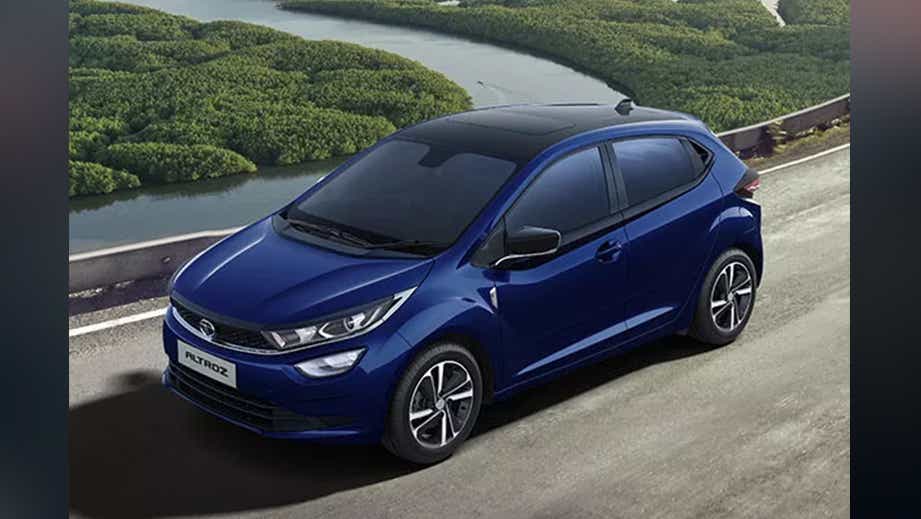
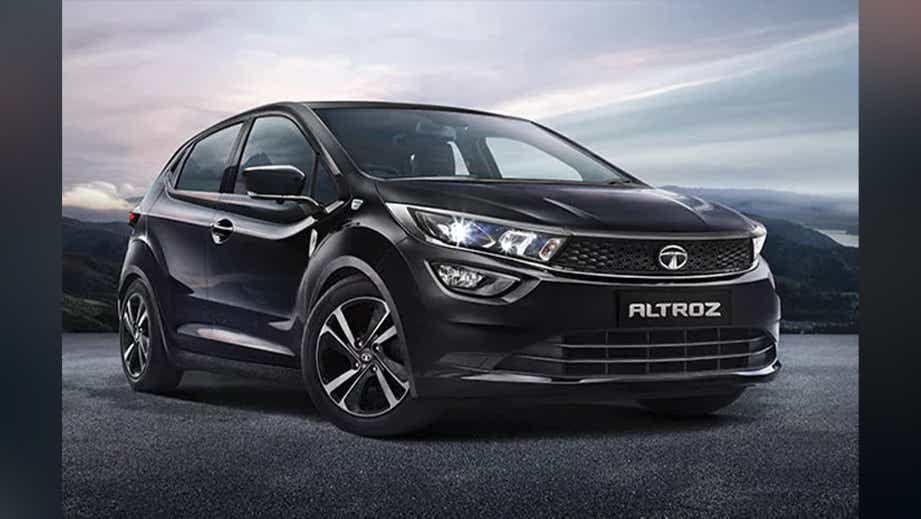

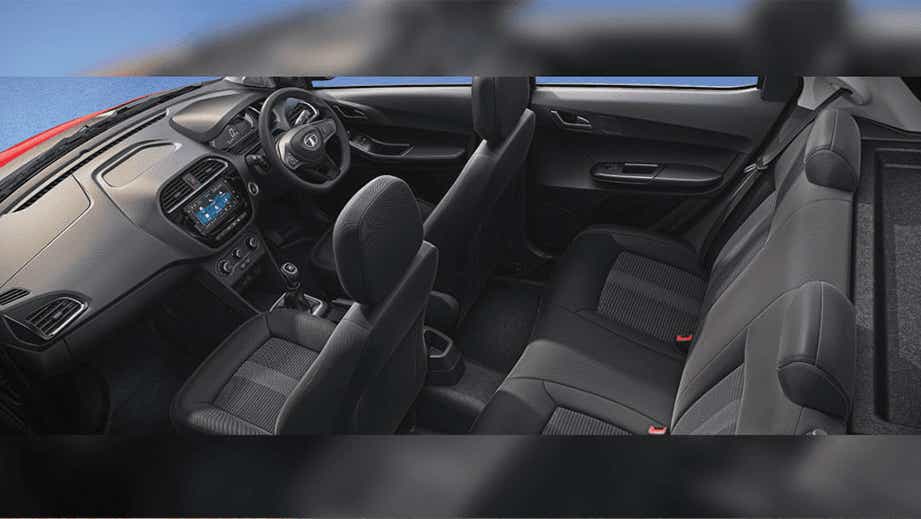


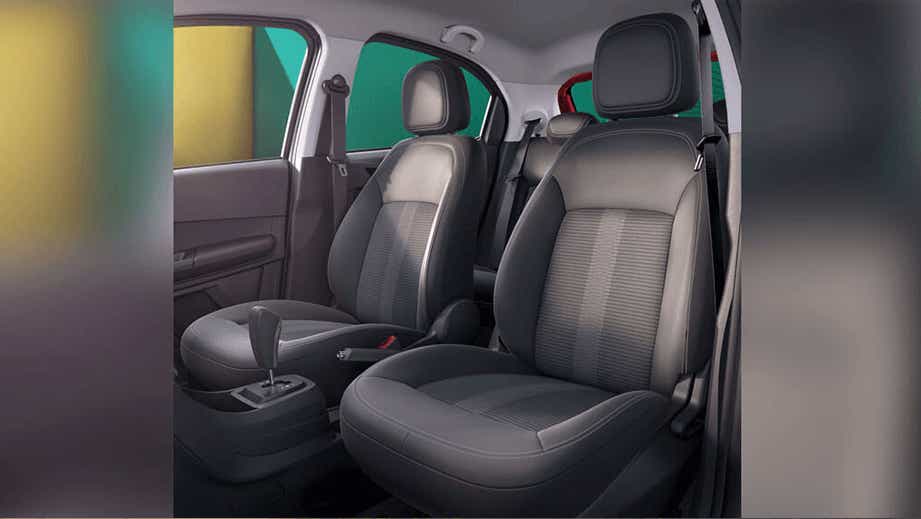
Manual CNG Cars In India: Segment Overview
Not very long ago, most factory-fitted CNG cars in India felt like compromise machines. Buyers accepted weak performance, noisy cabins and poor highway manners simply because fuel savings were substantial. You could immediately tell that the petrol version had been converted into a CNG car later in development. Even the driving feel changed noticeably once the air-conditioner was switched on.
That situation has improved massively.
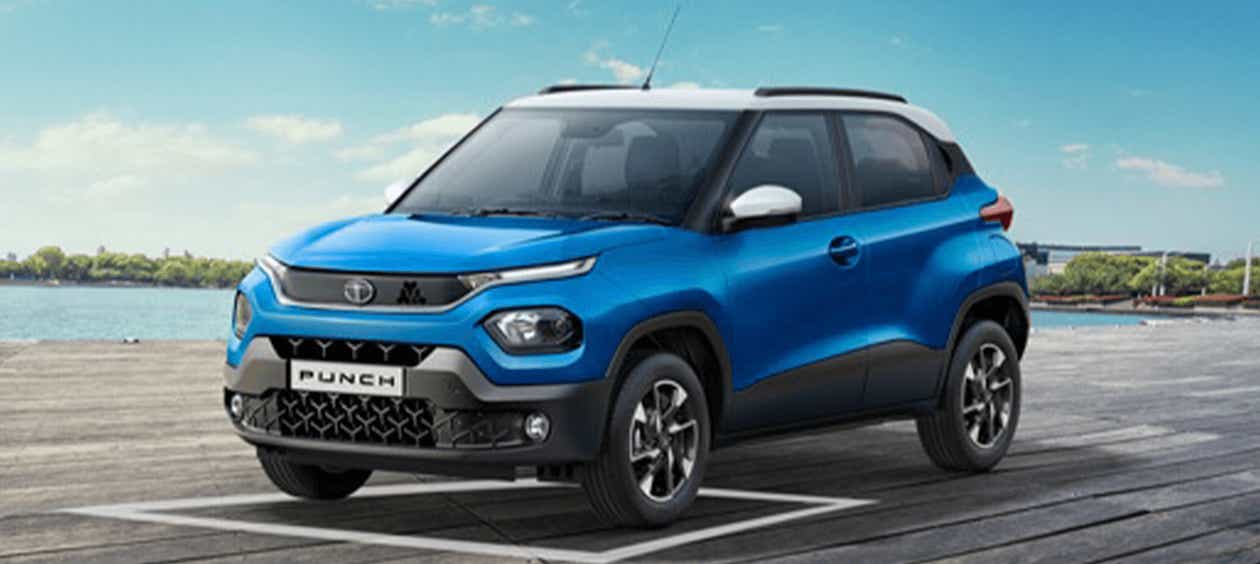
Modern CNG vehicles feel much more polished now. Manufacturers have clearly spent more time tuning engines and calibrating gearboxes properly. Spend a few days with something like the Tata Punch CNG or Maruti WagonR CNG and the improvement becomes obvious almost immediately. Power delivery feels smoother, cabin insulation is better and daily drivability no longer feels frustrating.
Another reason buyers continue preferring a manual car is familiarity. For many Indian families, manual car driving simply feels natural after years of owning hatchbacks and compact sedans. Even younger buyers learning to drive often begin with manual car gears because that is still what dominates Indian roads.
Interestingly, the debate around manual vs automatic car ownership feels slightly different in the CNG segment. While automatics certainly improve convenience during traffic-heavy commutes, manual gearboxes continue feeling more dependable and easier to maintain long-term. That matters enormously for buyers specifically prioritising affordability.
Cars like the Hyundai Exter CNG and Maruti Fronx CNG also prove that modern CNG ownership is no longer limited to tiny city hatchbacks. Buyers now get features, better ride quality and highway stability that older CNG vehicles simply could not offer.
Of course, compromises still exist. Boot space suffers because of the cylinder placement. Performance with five passengers onboard still feels slower than comparable petrol variants.
Even then, the overall ownership experience has improved enough for manual CNG cars to make genuine sense for Indian conditions.
Buyers planning to buy a manual car with factory-fitted CNG kit can choose from a wide range of options that aren’t restricted just to hatchbacks. The market now offers crossovers, compact SUVs, MPVs and compact sedans with a factory-fitted CNG kit option. While some of these cars still focus heavily on economy, others offer a good mix of comfort, practicality and fuel efficiency.
| Model Name | Engine & Output | Mileage (ARAI) | Ex-Showroom Price |
| Maruti Suzuki S-Presso CNG | 1.0L Petrol-CNG, 56 bhp | 32.73 km/kg | ₹3.50-5.25 lakh |
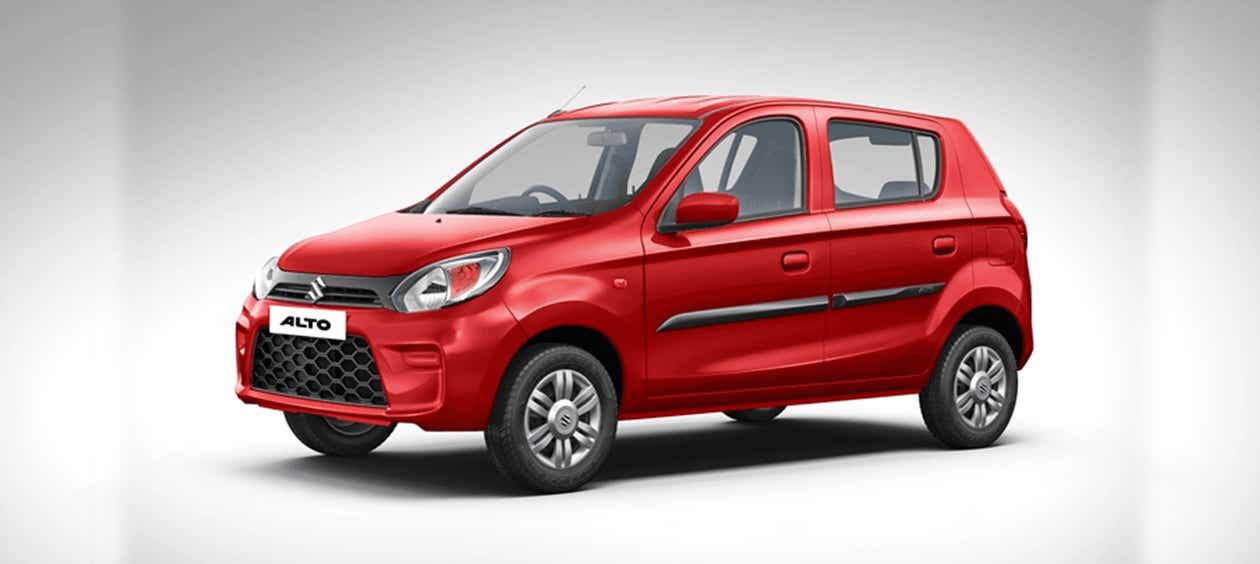
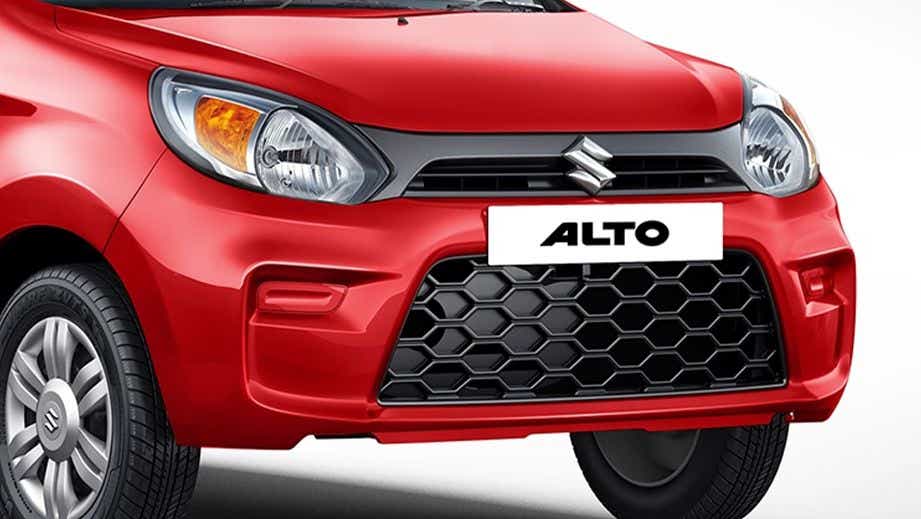
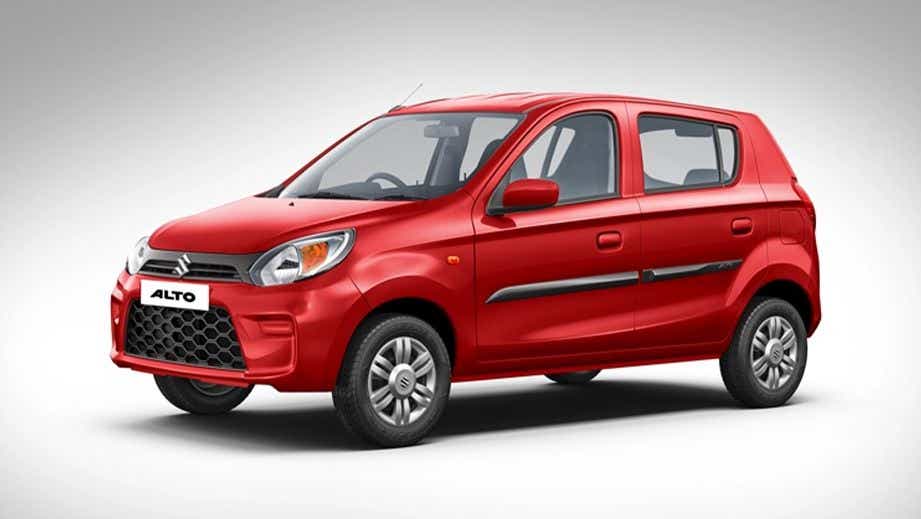
| Maruti Suzuki Alto K10 CNG | 1.0L Petrol-CNG, 56 bhp | 33.85 km/kg | ₹3.50-5.25 lakh |
| Maruti Suzuki WagonR CNG | 1.0L Petrol-CNG, 56 bhp | 34.05 km/kg | ₹3.50-5.25 lakh |
| Maruti Suzuki Celerio CNG | 1.0L Petrol-CNG, 56 bhp | 34.43 km/kg | ₹4.70-6.73 lakh |
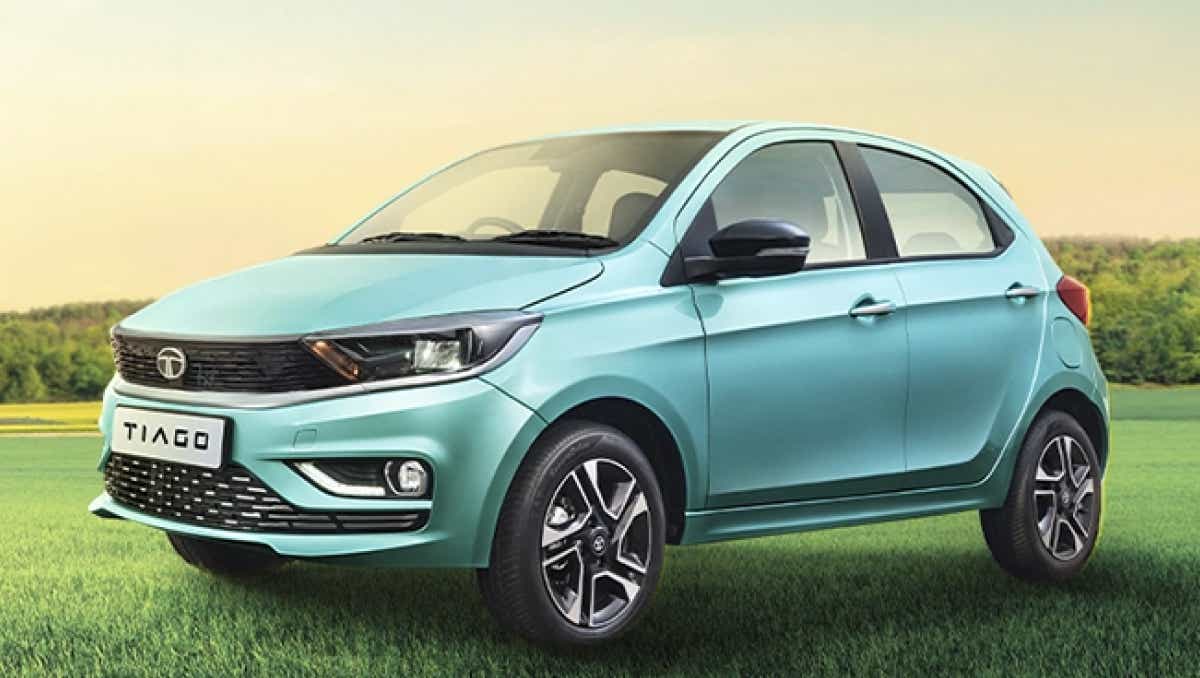
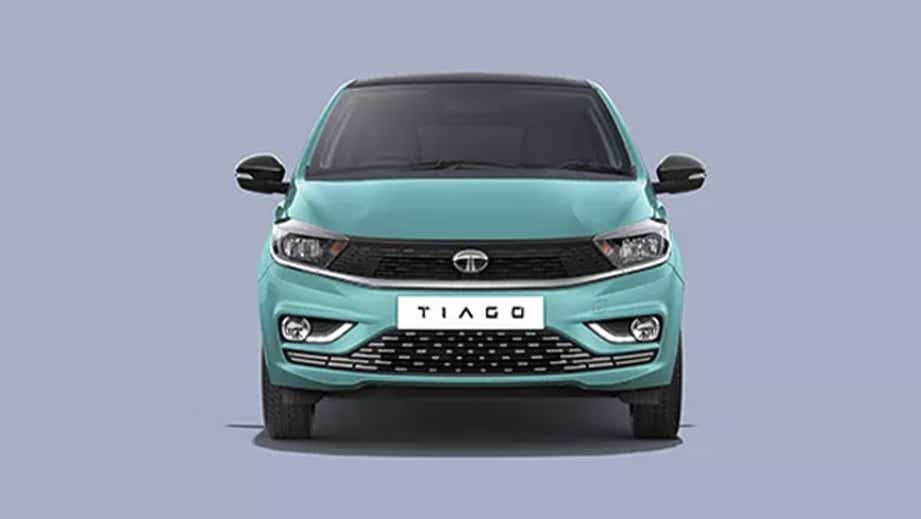
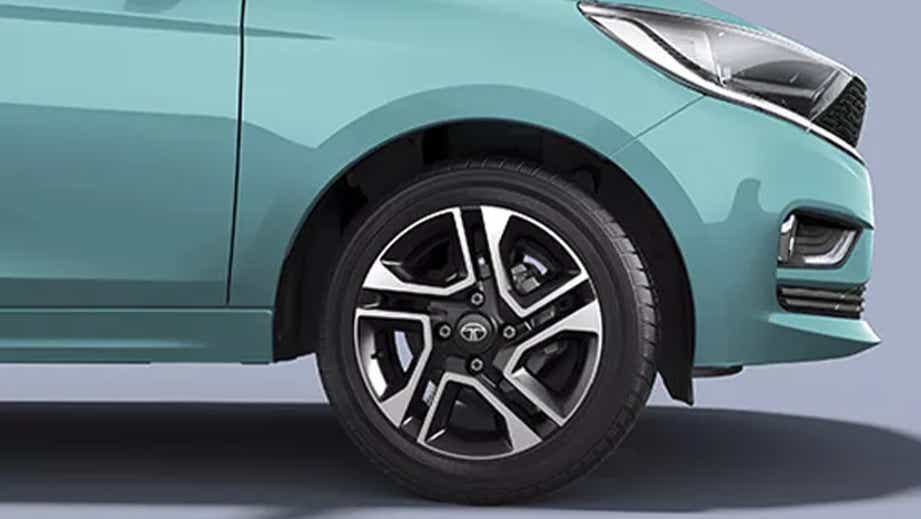
| Tata Tiago CNG | 1.2L Petrol-CNG, 72 bhp | 26.49 km/kg | ₹4.57-7.82 lakh |
| Tata Punch CNG | 1.2L Petrol-CNG, 72 bhp | 26.99 km/kg | ₹5.59-10.54 lakh |
| Hyundai Exter CNG | 1.2L Petrol-CNG, 68 bhp | 27.1 km/kg | ₹5.49-9.61 lakh |
| Maruti Suzuki Fronx CNG | 1.2L Petrol-CNG, 76 bhp | 28.51 km/kg | ₹6.85-12.88 lakh |
| Maruti Suzuki Ertiga CNG | 1.5L Petrol-CNG, 87 bhp | 26.11 km/kg | ₹8.80-12.94 lakh |
| Maruti Suzuki XL6 CNG | 1.5L Petrol-CNG, 87 bhp | 26.32 km/kg | ₹11.52-14.61 lakh |
A look at the above table shows the reason for this segment’s popularity. Buyers can now choose from a wide range of vehicles, starting from affordable options to spacious MPVs and modern compact SUVs.
A straightaway answer to this would be rising running costs, especially for those with a high monthly running. For anyone who drives up to 2000 kilometres a month, the running cost difference between CNG and petrol can be pretty large. This is exactly a big reason behind the popularity of manual cars with factory-fitted CNG kits among the fleet operators, commuters and intercity travellers.
But affordability alone does not fully explain the popularity anymore. Modern manual car driving experiences feel far better than they used to. Older CNG vehicles often struggled during overtakes or while climbing flyovers with passengers onboard. Current-generation cars feel noticeably more usable. A Punch CNG or Fronx CNG no longer feels painfully slow during daily driving conditions.
Another thing Indian buyers appreciate is involvement. A manual car still gives drivers direct control over engine behaviour, especially across bad roads, steep inclines and crowded city conditions. Many buyers remain more comfortable managing manual car gears themselves rather than depending entirely on automatic calibration.
The manual vs automatic car debate becomes even more interesting in budget-focused segments. Automatics certainly reduce effort during traffic-heavy commutes, but they also increase purchase price and maintenance complexity. Buyers prioritising long-term affordability often continue to prefer manual gearboxes.
Another factor is reliability. Modern factory-fitted CNG kits from Maruti Suzuki, Hyundai and Tata Motors offer safety standards that are a lot higher than aftermarket conversions available earlier. They even put reliability and performance concerns to rest.
That said, there are still some compromises. Boot space, for once, is reduced owing to presence of the CNG tank.
Also, the performance isn’t as strong as that of petrol-only counterparts, especially on inclines and expressways. Yet, for car buyers looking for lower running costs, manual CNG cars make tremendous sense.
Even though CNG cars are a lot more mature than before, they might not suit completely different ownership priorities. While one is focused heavily on reducing running costs, the other prioritises performance.
| Comparison Aspect | Manual CNG Cars | Petrol Cars |
| Running Costs | Dramatically lower fuel expenses during daily commuting and long-distance usage patterns | Noticeably higher monthly fuel bills once running increases significantly |
| Performance Feel | Adequate for regular driving but slower during aggressive overtakes and heavy passenger loads | Stronger acceleration and more relaxed overtaking flexibility overall |
| City Driving | Excellent economy helps reduce daily commuting costs substantially | Easier refuelling convenience without depending on CNG infrastructure |
| Highway Behaviour | Stable cruising ability but requires more planning during quick overtakes occasionally | Better high-speed flexibility and stronger acceleration reserves |
| Maintenance Simplicity | Factory-fitted systems now feel reliable and reasonably straightforward long-term | Slightly simpler mechanical setup overall |
| Practicality | Boot space suffers because of CNG cylinder placement inside luggage compartment | Better luggage flexibility during family travel |
| Ownership Appeal | Preferred by buyers prioritising economy and predictable running expenses | Better suited for buyers wanting smoother performance and convenience |
Hence, one needs to choose between the two types based on his usage patterns. Those with high monthly use can save themselves for steep fuel bills by choosing manual cars with a factory-fitted CNG kit.
While there’s a wide range of manual cars that offer factory-fitted CNG kits, one needs to choose based on his exact needs and budget.
Budget-Friendly Daily Commuting
In the entry-level market, the Maruti Suzuki Alto K10 CNG and S-Presso CNG make great sense for the budget-conscious buyer. Both are frugal, have light controls and are easy to maintain. For a first-time car buyer bound by a low budget, these hatchbacks offer easy ownership.
Family-Friendly Urban Usage
The WagonR CNG remains one of the most practical small family cars in India. Cabin space is genuinely impressive for the footprint. Meanwhile, the Tata Tiago CNG feels more solid at highway speeds and offers a noticeably better build feel.
Buyers Wanting SUV-Like Presence
The Hyundai Exter CNG and Tata Punch CNG target buyers wanting a higher seating position and stronger road presence. Both absorb rough roads more confidently than smaller hatchbacks and feel better suited to mixed Indian conditions.
Highway-Friendly Everyday Cars
The Maruti Suzuki Fronx CNG stands out by offering great city practicality and decent highway manners. It feels more mature than typical small CNG cars like the Tiago.
Large Family Requirements
For large families, MPVs like the Ertiga CNG and XL6 CNG make good sense. Both can easily accommodate up to six occupants, while offering running costs that are surprisingly low for vehicles of this size.
What comes as a pleasant surprise is how these manual CNG cars feel much more sophisticated than their older counterparts. They’re no longer stripped off the equipment or available only in lower trims.
Even though modern manual CNG cars provide many advantages, they might not be suitable for all sorts of ownerships. They come with their own compromises, and hence, a car buyer should weigh all factors against his primary requirements before making a purchase call.
| Pros | Cons |
| Extremely low running costs help reduce monthly commuting expenses significantly for regular users | Reduced boot space limits luggage flexibility during long-distance family trips |
| Factory-fitted systems now feel far more refined and dependable than older aftermarket kits | Performance under full passenger load feels weaker than petrol-powered alternatives |
| Manual car gears provide greater driver involvement across mixed Indian road conditions | Long queues at crowded CNG stations occasionally become frustrating during peak hours |
| Modern CNG vehicles now offer surprisingly comfortable and refined daily driving experiences | Manual clutch operation during traffic-heavy commutes can eventually feel tiring |
| Lower fuel expenses make long-term ownership considerably easier on household budgets overall | CNG infrastructure outside major cities still remains inconsistent in several regions |
For many Indian car buyers, the answer to this is a pretty straightforward yes. For those whose monthly fuel bills are always a reason for worry, manual CNG cars offer a reasonably practical solution to keep running costs low. Small cars like the Maruti Suzuki WagonR CNG and Hyundai Exter CNG showcase how factory-fitted CNG kits offer significant advantages without impacting the refinement or safety.
And that’s something that buyers are quick to appreciate. Such vehicles no longer feel like they’re bare-bones models bought just for the low running costs. Instead, they’re at par with the petrol-only counterparts in many aspects as the provide a good mix of comfort, refinement, practicality and lower running costs.
The continued popularity of the manual car also plays a role here. Buyers already familiar with manual car driving often prefer sticking with that familiarity rather than shifting immediately towards automatics. Many Indian families still view manual gearboxes as simpler, easier to maintain, and more predictable long-term.
Naturally, ownership realities should still be considered honestly. Buyers with very low monthly running may struggle to justify paying extra for factory-fitted CNG systems. Similarly, buyers prioritising outright performance or maximum luggage space may still feel happier with conventional petrol vehicles.
Despite this, for commuters, urban users and family buyers who have a high monthly usage, the best manual CNG cars in India make great practical sense. Right from affordable CNG models like the Alto K10 and S-Presso to spacious vehicles like the XL6 or the compact crossovers like the Fronx, these manual cars are not just less stressful to run but are almost as practical as their petrol counterparts.
Browse all New Cars By Fuel Type
Browse all Rivals By Fuel Type
Browse all New Cars By Transmission Type
- Manual Cars Under 4 Lakhs
- Manual Cars Under 5 Lakhs
- Manual Cars Under 6 Lakhs
- Manual Cars Under 7 Lakhs
- Manual Cars Under 10 Lakhs
- Manual Cars Under 15 Lakhs
- Manual Cars Under 20 Lakhs
- Manual Cars Under 25 Lakhs
- Manual Cars Under 30 Lakhs
- Manual Cars Under 35 Lakhs
- Manual Cars Under 50 Lakhs
- Manual Cars Under 1 Crore
- Manual Cars Under 2 Crore
- Manual Cars Under 5 Crore
- Maruti Suzuki Manual Cars
- Tata Manual Cars
- Hyundai Manual Cars
- Mahindra Manual Cars
- Toyota Manual Cars
- Kia Manual Cars
- Honda Manual Cars
- Renault Manual Cars
- Skoda Manual Cars
- Mg Manual Cars
- Nissan Manual Cars
- Volkswagen Manual Cars
- Citroen Manual Cars
- Mercedes Benz Manual Cars
- Ford Manual Cars
- Jeep Manual Cars
- Force Manual Cars
- Aston Martin Manual Cars
- Isuzu Manual Cars
- Porsche Manual Cars