Do Car Modifications Actually Hurt Resale Value? Here's What Buyers See
- 1Undeclared mods can freeze RC transfer and sink an insurance claim years later
- 2Cosmetic mods hurt resale the fastest because they're impossible to miss
- 3Get a real valuation before you list as guessing costs more than checking
- A Modified Car and a Stock Car Are Selling to Different Buyers
- Under the Hood: The Mods That Scare Off Dealers First
- What Buyers Can See: Body Kits, Suspension, Rims and Tint
- Interior Mods Feel Harmless. Buyers Don't Read Them That Way
- The Paperwork Problem: Insurance and RTO Compliance
- Why Common Seller Arguments Don't Land
- Mod-by-Mod Impact on Resale
- Exceptions Worth Knowing
- If You Want to Keep Your Mods, Keep Them Honest
- Getting an Honest Number Before You List
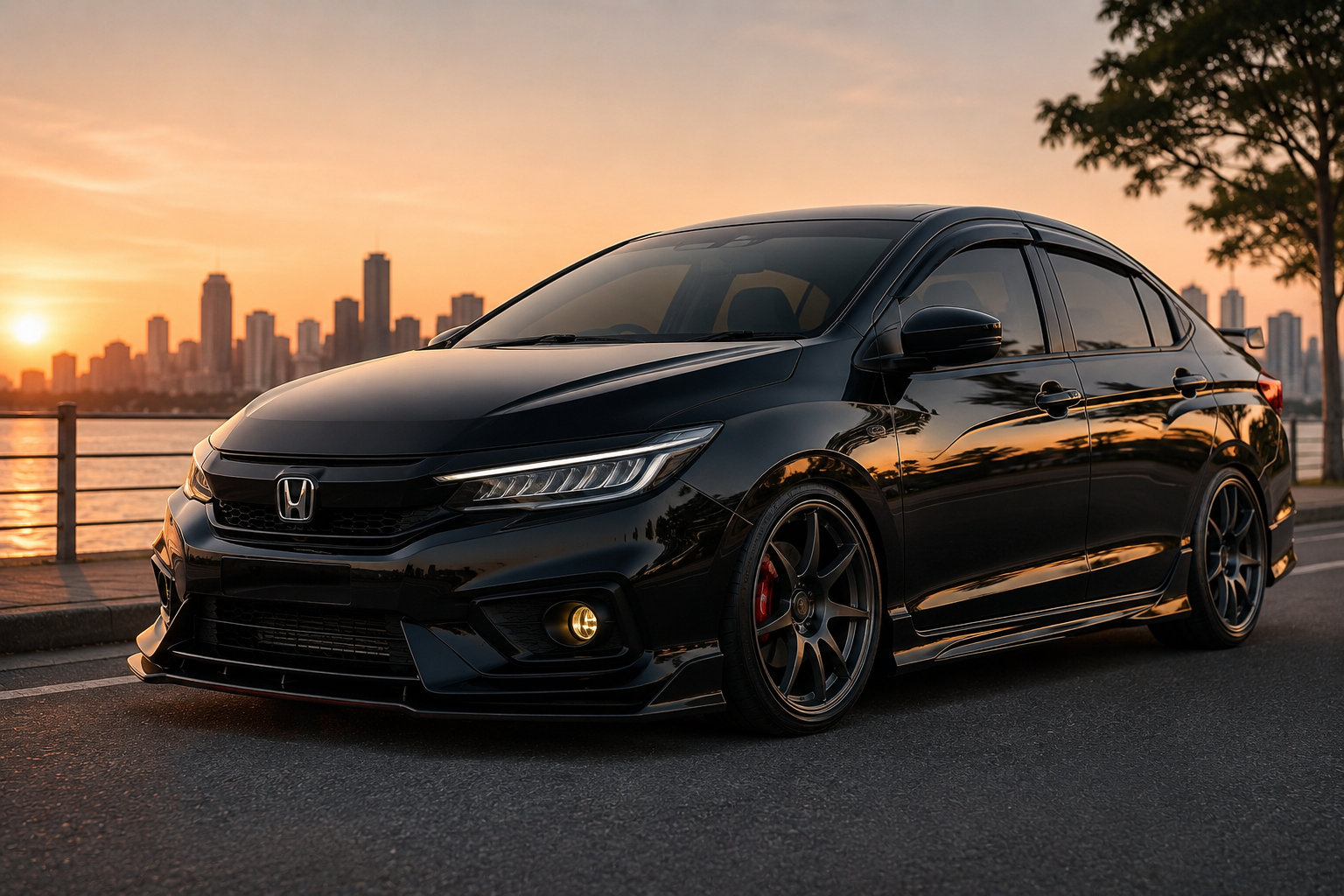
Modifying a car can make it feel more personal, more capable or simply more fun to drive. A new set of wheels, a louder exhaust, a custom interior or a suspension upgrade might transform the car for its owner, but the same changes can look very different to the person considering buying it years later.
That is where resale value becomes complicated. The money you spend on a modification rarely translates into an equal increase in what the next buyer is willing to pay. In fact, some modifications can make a car harder to sell by shrinking the pool of buyers, raising questions about how the car was driven or creating concerns around warranty, insurance and compliance.
That doesn't mean every modification is a resale disaster. The impact depends on what you changed, how professionally it was done, whether the original parts are still available and, importantly, who you're trying to sell the car to.
Here's what buyers and dealers actually look for when they see a modified car, and which changes are most likely to cost you when it's time to sell.
A Modified Car and a Stock Car Are Selling to Different Buyers
Someone building a project car and someone shopping for daily transport are rarely the same person, and that mismatch is where resale value actually breaks down. A buyer's offer is built around how confident they feel in the car, not around how much you spent making it feel like yours. A stock car signals predictability, since its behaviour matches thousands of identical cars already on the road. A modified car signals that someone changed the engineering, and nobody outside that person knows exactly what else got touched along the way.
That uncertainty compounds fast. One visible modification makes a buyer cautious. Three modifications, and most buyers simply move on to the next listing, because working out exactly what changed and what it might cost to reverse takes more effort than most used-car shoppers are willing to spend.
Under the Hood: The Mods That Scare Off Dealers First
Engine-bay modifications tend to worry buyers and dealers more than anything visible on the outside, for a fairly practical reason: they usually void the manufacturer warranty outright, and they signal to any mechanic that the engine has been pushed in ways nobody can fully account for.
Cold air intakes and aftermarket exhausts fall squarely into this category. They're loud enough that a prospective buyer hears the car before they see it, and a louder exhaust note doesn't automatically read as higher performance to someone shopping for reliability. More often it reads as a car that's been driven hard for reasons the seller isn't fully disclosing.
What Buyers Can See: Body Kits, Suspension, Rims and Tint
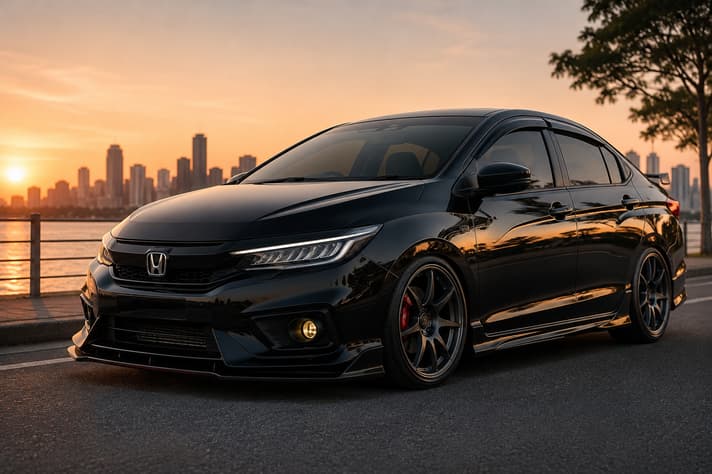
Visible modifications carry a different kind of risk, and buyers weigh them heavily precisely because they're impossible to miss during a walkaround. Body kits and wide fenders usually mean panels have been drilled or cut to fit, and that kind of alteration is permanent. There's no reverting a factory panel once holes have been made in it.
Lowered suspension on springs never engineered for that specific car tends to throw off suspension geometry, and buyers who know what they're looking at will check for uneven tyre wear as a tell. Oversized aftermarket rims look sharp for a photo, but they usually mean a harder ride, a higher chance of cracked alloys, and a suspension system that's been quietly absorbing more stress than it was built for.
Window tint beyond the legal limit adds a compliance problem on top of the cosmetic one. Indian rules set a minimum visible light transmission of 70% for the front and rear windscreen and 50% for the side windows, a standard that traces back to a 2012 Supreme Court ruling. Illegal tint can be removed before a sale, but stripping old film cleanly, without leaving glue residue on the glass, takes real time and effort that most sellers underestimate.
Interior Mods Feel Harmless. Buyers Don't Read Them That Way
Interior modifications are the ones sellers most often convince themselves add value, and they're usually wrong about that. Aftermarket stereo systems, subwoofers eating into boot space, and custom upholstery in colours the factory never approved all send the same signal to a buyer who knows what to look for: the original wiring has been touched, the warranty is compromised, and there's no telling what's tucked behind the dashboard trim.
None of this needs to look bad to worry a buyer. A tidy-looking custom install can still mean rerouted wiring harnesses, aftermarket amplifiers drawing more current than factory circuits were designed for, and a dashboard that's been opened and closed more times than the seller is mentioning.
The Paperwork Problem: Insurance and RTO Compliance
Modifications don't just change how a car looks or sounds. They change what's legally on paper, and that catches a surprising number of sellers off guard.
Under Section 52 of the Motor Vehicles Act, 1988, altering a vehicle's original specifications- its engine, chassis, suspension geometry, or body structure- without RTO approval is prohibited, a rule that a 2019 Supreme Court judgment reinforced explicitly. Any modification that changes the specifications recorded on the RC is technically required to be declared and endorsed by the RTO. Undeclared mods can hold up RC transfer at the point of sale, which turns a routine ownership handover into an unplanned back-and-forth with the transport office.
Insurance carries a parallel risk. Insurers treat any part that differs from original equipment as a modification to the vehicle's baseline risk profile, and if that change affects cost, safety, or risk exposure, the insurer can reduce a payout or reject a claim outright. Crucially, an undisclosed modification can sink a claim even when that specific modification had nothing to do with the damage being claimed, since insurers can treat the non-disclosure itself as material misrepresentation. A buyer inheriting that risk profile isn't just weighing the car's condition. They're weighing how much bureaucratic friction comes bundled in with it.
Why Common Seller Arguments Don't Land
A few lines come up constantly when sellers push back on a lower offer, and buyers have heard all of them before. "It's a straight-pipe exhaust; it adds resale value" mistakes noise for performance, and most buyers hear it as exactly that: noise, plus a warranty question mark. "The lowered suspension rides amazing, you'll love it" tends to get tested at the first speed bump, where a buyer discovers whether the car scrapes on the way to their own office. "Everything's reversible, I kept the stock parts" is only worth something if those parts are actually retrievable. A box in someone's garage three cities away doesn't count as a credible guarantee, and buyers generally treat that claim as a soft no rather than a real option.
Mod-by-Mod Impact on Resale
| Modification | Visible to buyer? | Main risk | Typical resale effect |
| Aftermarket exhaust / cold air intake | Audible, not visual | Warranty void, engine stress concerns | Moderate to significant discount |
| ECU remap / tuning box | Hidden unless disclosed | Warranty void, insurance non-disclosure risk | Significant if discovered during inspection |
| Body kit, widened fenders | Highly visible | Drilled panels, altered structure, RTO non-compliance | Severe, often a walk-away trigger |
| Lowered suspension | Visible, felt while driving | Altered geometry, uneven tyre wear | Significant |
| Oversized rims | Highly visible | Cracked alloys, harder ride, suspension wear | Moderate |
| Illegal window tint | Highly visible | Compliance violation, removal cost and time | Minor to moderate |
| Aftermarket stereo / subwoofer | Hidden until inspection | Rewired circuits, warranty concerns | Moderate |
| Custom upholstery | Highly visible | Buyer taste mismatch, perceived neglect of factory fit | Moderate |
Exceptions Worth Knowing
None of this applies with equal force across every car and every mod. A few situations are genuinely different.
Enthusiast-specific vehicles are one exception. A Mahindra Thar or Maruti Jimny with tasteful off-road gear- a bull bar, all-terrain tyres, a snorkel- often sells within a smaller but genuinely interested buyer pool that expects and even prefers that spec, rather than the broader market that penalises anything unfamiliar. The resale hit shrinks mainly because the buyer pool itself has shifted toward people who want exactly that spec.
Manufacturer-backed or dealer-fitted accessories are another. A roof rail, dashcam, or genuine-accessory infotainment upgrade installed and invoiced through an authorised dealer usually carries none of the warranty or disclosure risk that an aftermarket install does, since it's already on record with the manufacturer.
And declared, insured, RTO-endorsed modifications carry meaningfully less risk than the same modification left undeclared. The mod itself hasn't changed. What's changed is that a buyer, or an insurer, has a paper trail to check instead of a guess to make.
If You Want to Keep Your Mods, Keep Them Honest
None of this means modifying a car is a mistake. It means the bill for that enjoyment often comes due at resale, and it's worth knowing that going in. A few habits make the eventual sale considerably less painful:
- Declare performance and structural modifications to your insurer as they're made, rather than waiting for a claim to surface the gap.
- Get an RTO endorsement for any change that alters the specifications on your RC, particularly engine, suspension, or structural work.
- Keep the original parts somewhere genuinely retrievable, with proof, if reverting to stock before a sale is part of the plan.
- Budget real time for reversal work like tint removal well before you list the car, since buyers discount harder for a car that's still mid-conversion.
Getting an Honest Number Before You List
Guessing at what a modified car is worth almost always ends one of two ways: an inflated asking price that goes nowhere, or a lowball offer accepted out of frustration after weeks of silence. A used car valuation tool grounded in real transaction data gives you a realistic starting number that already accounts for how the market actually treats modified cars, rather than what a mod cost when it was new.
If the goal is a transparent number without the back-and-forth over what a buyer is willing to overlook, running your car through Cars24's valuation tool before you make the arrangements to sell your used car is worth the five minutes, whether the car is bone stock or carrying a full personalisation job.
Frequently Asked Questions
Expand all