Does the City You Drive In Change How Fast Your Car Ages?
- 1Kilometres measure distance. Damage depends on where those kilometres were driven
- 2A traffic-choked city ages a clutch faster than an open highway ages an engine
- 3Ask where a car lived before you ask how far it travelled
- Why the Odometer Only Tells Half the Story
- Coastal Cities: How Salt in the Air Corrodes a Car From Underneath
- Dry, Dusty Cities: Sunlight and Dust Do the Slow Damage
- Congested Cities: Wear Without Extra Distance
- Cold-Climate Regions: What Low Temperature Does to Fluids and Batteries
- City-by-City Snapshot
- What This Means If You're Buying a Used Car
- What This Means If You're Selling
- Exceptions Worth Knowing
Two cars can have the same age, the same 60,000 km on the odometer and similar service histories, yet look and feel surprisingly different when you put them side by side. One may have spent its life in humid coastal air, another crawling through city traffic, while a third has spent years baking under harsh sun and collecting dust.
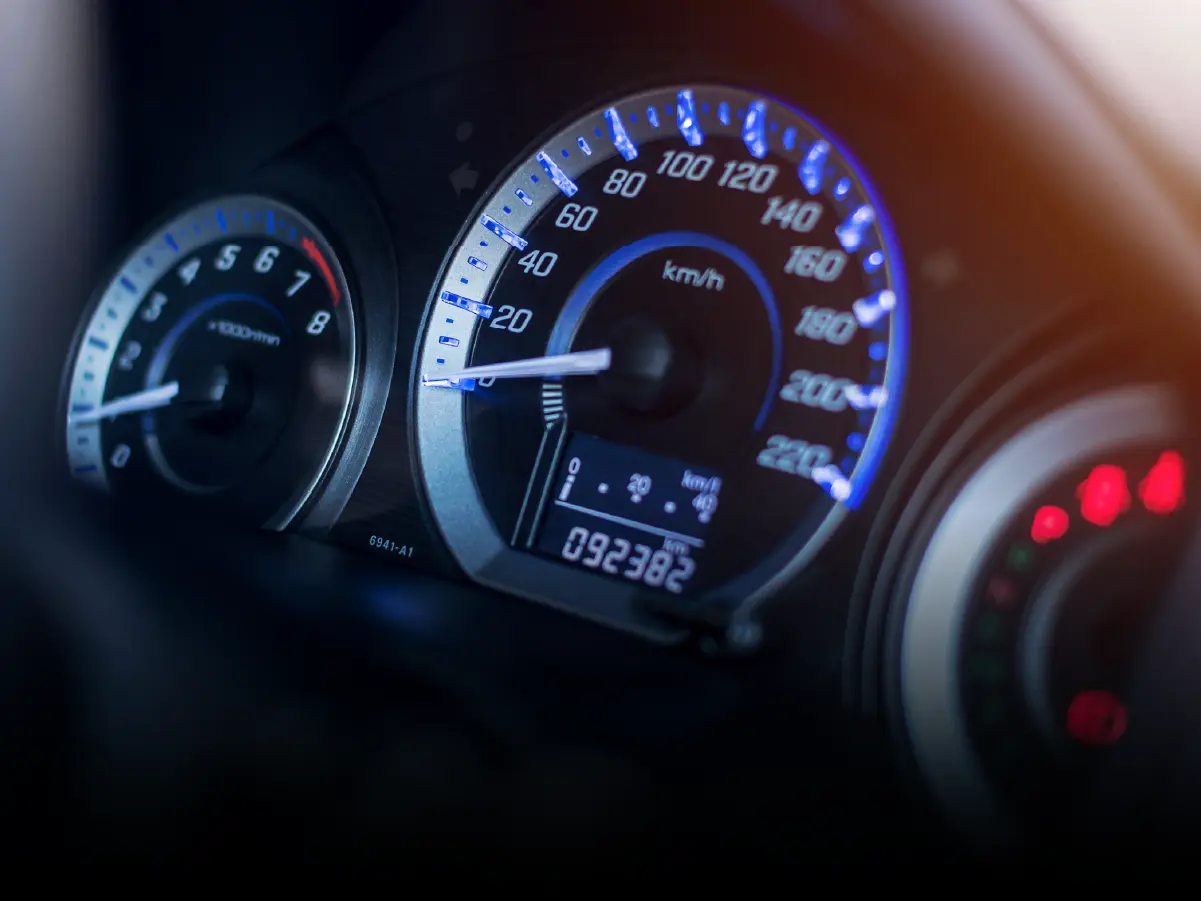
The odometer can't tell you any of that. It records how far a car has travelled, but not the conditions it has travelled through. Humidity, salt in the air, intense sunlight, dust, temperature and hours spent in stop-and-go traffic can all leave their own mark on a vehicle, often in places you won't notice until years later.
This matters particularly when you're buying or selling a used car. Knowing where a car has spent most of its life can give you clues about the kind of wear to look for, from underbody corrosion in coastal cities to clutch and brake wear in heavily congested ones. In other words, when judging how a car has aged, the city it lived in can be almost as revealing as the number on its odometer.
Why the Odometer Only Tells Half the Story
Ask any experienced mechanic what worries them more: a car with 60,000 km run mostly on a coastal highway, or one with 60,000 km run through a dry inland city with heavy dust. Both numbers look identical on paper. Neither tells you what actually happened to the vehicle along the way.
A car doesn't wear down on a fixed schedule tied purely to kilometres. It reacts to the specific chemistry and physics of the place it lives in: humidity, salt content in the air, ultraviolet exposure, ambient temperature, and how often the engine idles in traffic rather than cruising at a steady speed. Two owners can drive with equal care, service on schedule, and still end up with cars in noticeably different condition a decade later. Location alone can explain that gap.
This matters more than most buyers realise. When you're shopping for a used car, or trying to work out what your own car is worth, the registration city and usage history carry almost as much weight as the mileage figure. A used car value calculator already factors regional demand and pricing trends into its estimate, but understanding why condition varies by city helps you ask sharper questions during inspection, whichever side of the deal you're on.
Coastal Cities: How Salt in the Air Corrodes a Car From Underneath
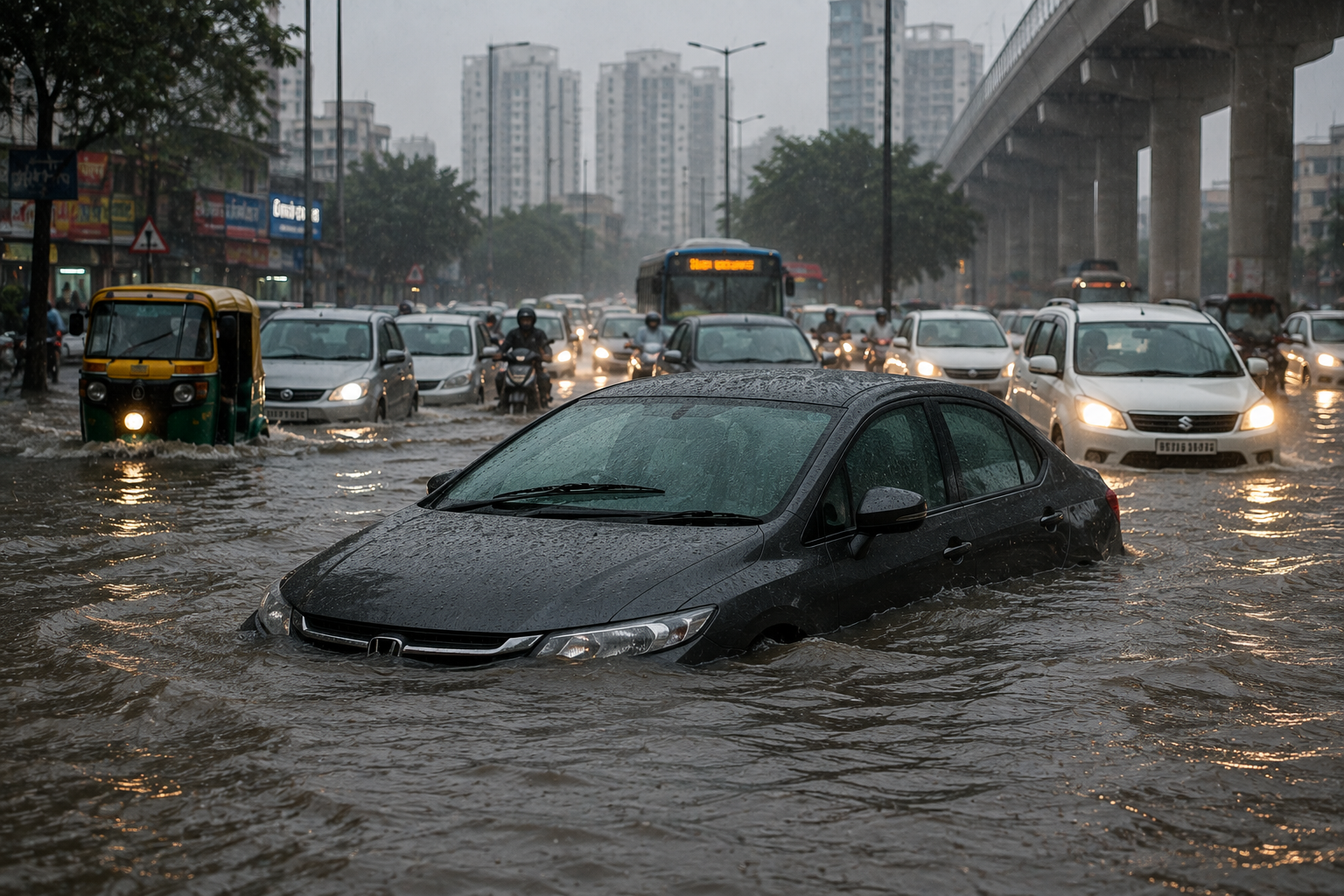
Mumbai, Chennai, Kochi, Goa and other coastal cities get blamed for rust because of their rainfall. The bigger culprit sits in the air itself. Sea proximity keeps microscopic salt particles suspended in the atmosphere, and that salt, once mixed with ambient moisture, becomes an electrolyte that speeds up corrosion on any exposed metal surface. Humidity near the sea also keeps panels damp for longer stretches of the day than an inland city ever would, which gives oxidation more time to work.
The damage rarely announces itself on the surface. Salt tends to settle into seams, wheel wells and the underbody, where a routine wash never quite reaches it, and it sits there corroding metal long after the car looks clean on top. A coastal car can carry a glossy, showroom-fresh coat of paint while its suspension mounts, fasteners and underbody panels quietly corrode underneath. Trade coverage on India's monsoon durability challenges makes a related point: as longer ownership periods become the norm. Indian cars now spend years facing waterlogged roads, outdoor parking and salt-laden coastal air, which is pushing owners to weigh long-term corrosion resistance alongside crash safety when they buy.
Practically, this means an underbody inspection matters just as much as a paint check on any coastal car you're buying secondhand. A quick glance at the bonnet tells you almost nothing about what's happening six inches below the chassis.
Dry, Dusty Cities: Sunlight and Dust Do the Slow Damage
Delhi, Jaipur and much of North India face a different ageing pattern. Here, ultraviolet radiation and airborne dust are the main forces at work, and the damage is gradual enough that owners often miss it until resale.
UV rays penetrate a car's clear coat and paint layer, and over years of exposure they break the molecular bonds that hold paint pigment together. The same rays attack plastic and rubber trim over time, turning black plastic grey or chalky white and clouding over headlight lenses, which explains why so many older cars from North India show that telltale foggy-headlight look even when the rest of the car has been kept in decent shape.
Dust adds a separate failure mode on top of the UV damage. Fine particulate matter works its way into air filters and cooling systems, forcing the engine to run harder to compensate, and it settles into rubber seals and door trim, accelerating the same brittleness UV exposure already started. This kind of damage builds up quietly, and a car often ends up feeling a decade old by year seven, cosmetically and mechanically, well before any single dramatic failure forces the issue.
Congested Cities: Wear Without Extra Distance
Bengaluru is a useful counterexample to the "more kilometres equals more wear" assumption, because its cars accumulate damage through time stuck in traffic rather than distance covered.
The scale of the problem is well documented. According to TomTom's 2025 Traffic Index, Bengaluru's congestion level sits at roughly 74 per cent, the second-highest of any city measured worldwide, with peak-hour speeds hovering around 16 to 17 km/h. Commuters there lose somewhere close to a full working week's worth of hours to rush-hour traffic every year. Stop-and-go driving at those speeds means constant clutch engagement, frequent braking, and repeated heat cycles through the gearbox and brake components, none of which requires covering much ground.
A car that spends three years crawling through Bengaluru's Outer Ring Road can carry more mechanical wear on its clutch and brake system than a car that's covered twice the distance on a quiet highway. That extra wear comes from hours spent working the clutch and brakes in stop-start traffic, a cost the odometer has no way of recording.
Cold-Climate Regions: What Low Temperature Does to Fluids and Batteries
Leh, Manali, Shimla and other high-altitude or northern hill regions introduce a different variable entirely: sustained cold. Two things suffer immediately, and both are well understood in automotive engineering literature.
First, engine oil thickens as temperature drops. Engine performance measurably deteriorates once ambient temperature falls below roughly 10°C, which is why cold-weather oils are formulated with flow improvers to keep viscosity manageable and cranking easier. Thicker oil takes longer to reach every moving part during a cold start, so the engine runs briefly under weaker lubrication each time it's switched on in freezing conditions.
Second, battery output drops in the cold. This comes down to basic electrochemistry: chemical reactions inside a lead-acid battery slow down as temperature falls, so even a fully charged battery delivers noticeably less cranking power on a freezing morning than it would on a mild one. A battery near freezing point can lose about a fifth of its rated capacity, and that loss climbs toward 40 to 50 per cent as temperatures fall further, which is roughly the range Leh and similar high-altitude regions sit in for several months a year. For a car that spends years in conditions like that, harder cranking, weaker batteries and more frequent cold starts add up to a wear profile of their own, distance covered aside.
City-by-City Snapshot
| Region type | Example cities | Primary stress factor | What it affects |
| Coastal | Mumbai, Chennai, Kochi, Goa | Salt-laden humid air | Underbody, suspension mounts, fasteners, exposed metal |
| Dry and dusty | Delhi, Jaipur, most of North India | UV radiation and airborne dust | Paint, clear coat, plastic trim, headlights, filters, cooling system |
| Heavy traffic | Bengaluru, Pune, Mumbai city core | Constant stop-start driving | Clutch, gearbox, brakes, engine heat cycles |
| Cold and high-altitude | Leh, Manali, Shimla | Sustained low temperature | Engine oil flow, battery output, cold-start wear |
Most real cars face some overlap between these categories rather than a single pure profile. A car registered in Mumbai still deals with dust during the dry months, and a Bengaluru car parked outdoors gets its share of UV exposure too. Treat the table as a guide to the dominant threat per region, alongside whatever secondary conditions apply.
What This Means If You're Buying a Used Car
A registration city and ownership history should shape how you inspect a car as much as what you offer for it.
- Buying a coastal car: Ask for an underbody inspection specifically, beyond the usual general once-over. Look for early corrosion around wheel arches, exhaust mounts, and door sills before it becomes structural.
- Buying a car from Delhi, Jaipur or similar dry cities: Check clear coat condition, headlight clarity, and whether interior plastics have gone brittle. A recent respray or headlight restoration on an older car is worth asking about directly.
- Buying a car from Bengaluru or another high-congestion city: Get the clutch, gearbox and brake components checked even if the odometer reading looks modest for the car's age.
Buying a car from a cold-climate region: Confirm the battery's health and ask about the servicing pattern, since more frequent cold starts usually mean more frequent oil changes were needed to keep the engine properly protected.
A vehicle registration and RTO history check will tell you where a car has actually been registered, which is a reasonable starting point before you commit to a physical inspection. Cars24's used car inspection process is built to catch exactly these condition-specific issues rather than relying on the odometer alone.
What This Means If You're Selling
If your car has spent years in a tough-condition city, that's a fact worth acknowledging early rather than hoping a buyer skips the inspection. Owners who get ahead of it, by fixing the small stuff and getting an honest valuation, generally close deals faster and with fewer last-minute price cuts.
Two things are worth doing before you list:
- Get a proper used car valuation rather than guessing based on what a neighbour's car sold for. A real-time valuation already accounts for city-level demand and typical condition patterns, so it gives you a realistic starting number instead of an inflated one that falls apart at inspection.
If your car checks out well despite its climate exposure (regular servicing, underbody cleaning, timely repairs), that's a legitimate selling point. Say so upfront. Buyers pay more for a car whose owner can speak specifically about what was done to counter wear, rather than one who simply hands over the keys.
Cars24 buys used cars directly with a live auction between verified dealers, so your car's real condition, city history included, gets priced by people actually competing for it rather than a single lowball offer. If you're weighing whether to sell your car now or wait, start with a free used car valuation check on Cars24.
Exceptions Worth Knowing
None of this is destiny. A well-maintained coastal car with regular underbody washing can easily outlast a neglected inland car with an easier climate. Newer vehicles also benefit from better factory-applied corrosion protection and UV-resistant coatings than models built even a decade ago, which narrows the gap somewhat between regions.
Relocation muddies the picture further. A car registered in Delhi for three years and then moved to Mumbai for the rest of its life will carry a mixed wear profile, and a registration certificate alone won't tell you that story. A physical inspection should be the final word before any purchase or sale decision, well beyond whatever the city label alone suggests.
Frequently Asked Questions
Expand all