Tata Punch Mileage Comparison: Petrol vs CNG vs Electric (2026)
- 1The Tata Punch mileage reaches 26 km/kg for the CNG.
- 2This Tata Punch mileage comparison helps understand daily running costs.
- 3Check the real Tata Punch average fuel efficiency here.
The Tata Punch is a popular micro SUV for urban commutes. It offers a great blend of safety and high ground clearance. You can choose between petrol, CNG, and pure electric powertrains. The petrol engine gets a manual or automatic transmission. The CNG version comes with a manual or AMT gearbox. The electric version offers a smooth, clutchless automatic drive. This Tata Punch mileage comparison is essential for your budget. Buyers wanting smooth city drives often pick the standard petrol. Budget-conscious drivers focus on the excellent efficiency of the CNG. Driving enthusiasts prefer the punchy and silent electric vehicle. Many buyers ask, does Tata Punch have cng? Yes, it features highly practical twin-cylinder CNG technology.
Variant-Wise Price Difference
We must check prices before detailing the fuel efficiency. It is crucial to see the premium for different engines. Let us look at the starting ex-showroom prices.
| Variant | Starting Price |
| Petrol (Smart) | Rs. 5.60 Lakh |
| CNG (Smart) | Rs. 6.69 Lakh |
| Electric (Smart) | Rs. 9.69 Lakh |
There is a typical premium for alternative fuel options. You pay an extra Rs. 1.09 Lakh for the CNG. The electric version demands a higher initial investment. This upfront price drastically impacts your overall ownership budget.
Tata Punch ARAI Mileage Figures
Here are the official lab-tested figures for the Tata Punch.
| Engine & Transmission | Official Mileage / Range |
| 1.2 Petrol Manual | 20.09 km/l |
| 1.2 CNG Manual | 26.99 km/kg |
| EV Long Range | 421 km per charge |
Disclaimer: Official Tata Punch mileage does not equal real-world figures. Laboratory tests exclude real-road traffic conditions and air conditioning usage.
Tata Punch Mileage vs Competitors
| Car Model | Petrol Mileage | CNG Mileage |
| Tata Punch | 20.09 km/l | 26.99 km/kg |
| Hyundai Exter | 19.40 km/l | 27.10 km/kg |
| Citroen C3 | 19.30 km/l | 28.1 km/kg (Dealer Fitment) |
The Tata Punch petrol delivers a respectable 20.09 km/l city average compared to its heavier rivals. However, its direct competitor from the Korean automaker puts up a fierce fight; the Hyundai Exter mileage comparison reveals a competitive 19.4 km/l on petrol and a frugal 27.1 km/kg for the factory-fitted CNG option.
Tata Punch Real-World Fuel-Efficiency (City vs Highway)
Below is the real-world average of the Punch in actual conditions.
| Condition | Petrol (Manual) | CNG (Manual) | Electric (LR) |
| City | 12-14 km/l | 20-22 km/kg | 280-300 km |
| Highway | 16-18 km/l | 24-26 km/kg | 300-320 km |
In city driving, the petrol manual typically delivers 13 km/l. The CNG manual returns a much higher 20 km/kg. The long-range EV comfortably delivers 280 kilometres per charge. On the highway, the gap remains substantial. The petrol manual offers approximately 17 km/l. The CNG variant stretches further with an impressive 24 km/kg.
Real-world numbers differ from ARAI figures due to traffic. Smooth driving styles significantly improve highway fuel efficiency.
To ensure your fuel efficiency does not drop, maintaining the right Tata Punch tyre pressure is important to obtain the right mileage.
Punch Petrol vs CNG vs EV: Performance Comparison
Beyond fuel efficiency, engine performance varies across the range.
| Spec | Petrol | CNG | Electric (LR) |
| Power | 87 bhp | 72 bhp | 120 bhp |
| Torque | 115 Nm | 103 Nm | 190 Nm |
| Transmission | MT / AMT | MT / AMT | Automatic |
The electric vehicle is the clear performance winner here. It offers thrilling acceleration and extremely smooth power delivery. The petrol engine provides adequate power for daily city commutes. You will feel a slight power drop in CNG mode. This drop requires more frequent gear changes on steep inclines.
Petrol vs CNG vs EV: Cost Comparison
Punch running cost
We must use the Tata Punch average for accurate calculations. This reveals your true daily expenses.
- Petrol price is assumed at Rs. 100 per litre.
- CNG price is assumed at Rs. 80 per kg.
Electricity is assumed at Rs. 8 per unit
| Fuel Type | Avg Real-World Mileage | Cost Per Km (Approx) |
| Petrol | 15 km/l | Rs. 6.66 per km |
| CNG | 22 km/kg | Rs. 3.63 per km |
| Electric | 300 km per charge (40 kWh) | Rs. 1.07 per km |
The difference is substantial in realistic driving conditions. The electric variant of the Punch is cheapest to run. Your running cost with the petrol is Rs. 6.66. The CNG running cost drops to roughly Rs. 3.63. EV models remain highly economical for heavy daily usage.
Monthly & 5-Year Fuel Cost Projection
Let us assume a realistic scenario of driving 1500 km monthly. This will help us find your total fuel expenses.
| Timeframe | Petrol Cost | CNG Cost | EV Cost |
| Monthly | Rs. 10,000 | Rs. 5,445 | Rs. 1,605 |
| Yearly | Rs. 1,20,000 | Rs. 65,340 | Rs. 19,260 |
| 5-Year | Rs. 6,00,000 | Rs. 3,26,700 | Rs. 96,300 |
The savings with EV and CNG are truly massive. You save roughly Rs. 4,555 every month with CNG. You will recover the CNG premium in just two years. After that, you enjoy pure savings on your daily commutes. The EV offers the highest long-term financial benefits.
Practical Ownership Tradeoffs
Whether you are buying a new or a used Tata Punch, here are the things you need to consider before deciding between the powertrain options:
Boot Space Impact
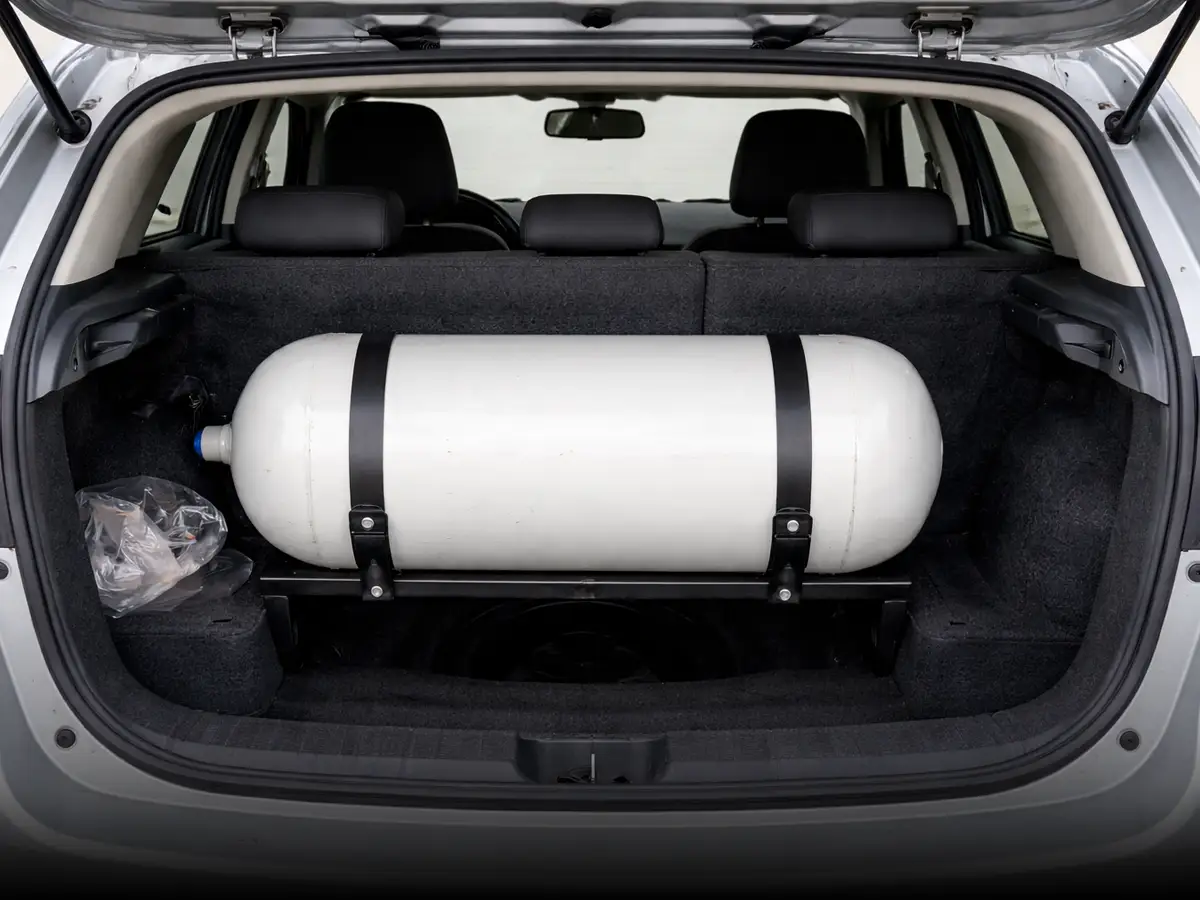
The twin-cylinder tech preserves highly usable boot space. You get excellent luggage flexibility, unlike older traditional CNG kits.
Refinement
The electric vehicle is completely silent and incredibly refined. The petrol engine has a slight vibration during morning starts.
Refuelling Convenience
CNG infrastructure in India is still expanding rapidly. Long queues at CNG stations are common in metro cities. EVs require reliable home charging or public fast chargers.
Punch Petrol vs CNG vs EV: Who Should Buy Which
Here is a quick summary for your buying decision.
Choose Petrol if:
- Your daily commute is very short in light traffic.
- Your monthly running is less than 1000 kilometres.
You want the lowest possible initial purchase price.
Choose CNG if:
- Your daily commute exceeds 50 kilometres regularly.
- You want the lowest daily running costs without charging.
You still need practical boot space for family trips.
Choose Electric if:
- You can install a dedicated charger at your home.
- You want a completely silent and fast driving experience.
- You want zero tailpipe emissions for your daily commute.
Frequently Asked Questions
Expand all