



Renault Triber Specifications
 Arai mileage
 Transmission type
 Body type
 Fuel type
 Engine displacement
 Seating capacity
Renault Triber Variants: Price & Spec Cards
Images of Renault Triber
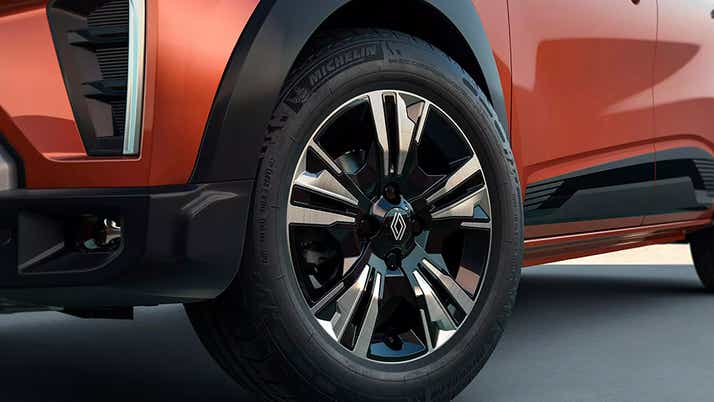
Renault Triber Overview: A Small MPV With Flexible 7 Seats
The Renault Triber was developed around a straightforward requirement: offer seven seats without making the car as large or expensive as a conventional MPV. Its compact exterior makes it relatively easy to manoeuvre in crowded streets, while the cabin can be rearranged according to the number of passengers and the amount of luggage being carried.
The seating arrangement is the defining feature of the Triber. The second row can slide and recline, while the third row can be removed when it is not required. This allows owners to use the car differently depending on the trip. With the third row in place, it can carry up to seven occupants; remove it and there is substantially more room for luggage.
The cabin is designed around practicality rather than premium materials. The front seats offer adequate room for adults, while the second row can accommodate three passengers. The third row is more suitable for children or adults on shorter journeys because legroom is limited.
The Triber's compact dimensions also matter in everyday use. It occupies less road space than larger MPVs such as the Maruti Suzuki Ertiga and Toyota Rumion, making it easier to park and manoeuvre in tighter urban environments. At the same time, the tall body and three-row layout give it considerably more passenger-carrying flexibility than similarly priced five-seaters.
The 1.0-litre naturally aspirated petrol engine is primarily suited to routine city driving. Buyers who regularly carry a full load or spend considerable time on highways should keep its performance limitations in mind. The turbo-petrol version adds considerably more performance, although it is available only with a manual gearbox.
The Renault Triber price in India ranges from ₹5.81 lakh for the base Authentic to ₹9.20 lakh for the top-spec Emotion Turbo. There are four main variant families: Authentic, Evolution, Techno and Emotion. Depending on the variant, buyers can choose between the naturally aspirated petrol and turbo-petrol engines, while the naturally aspirated version is also available with an AMT.
| Variant family | Engine / Power / Torque / Transmission | Claimed Mileage | Ex-Showroom Price |
| Authentic | 1.0L Petrol, 71 bhp, 96 Nm, 5MT | 20 kmpl | ₹5.81 lakh |
| Evolution | 1.0L Petrol, 71 bhp, 96 Nm, 5MT | 20 kmpl | ₹6.74 lakh |
| Techno | 1.0L Petrol, 71 bhp, 96 Nm, 5MT; 1.0L Turbo Petrol, 98.63 bhp, 5MT | 20 kmpl, 21 kmpl | ₹7.44 - 8.53 lakh |
| Emotion | 1.0L Petrol, 71 bhp, 96 Nm, 5MT/5AMT; 1.0L Turbo Petrol, 98.63 bhp, 5MT | 20 kmpl, 17 kmpl, 21 kmpl | ₹8.05 - 9.20 lakh |
Prices are ex-showroom and can vary with location, taxes and other charges. The exact Renault Triber on-road price will therefore depend on the buyer's city and chosen variant.
The Renault Triber is offered with a 1.0-litre three-cylinder naturally aspirated petrol engine as well as a 1.0-litre turbo-petrol engine. The naturally aspirated motor can be paired with a 5-speed manual or 5-speed AMT, while the turbo-petrol is offered with a 5-speed manual.
| Engine | Power | Torque | Transmission |
| 1.0L Naturally Aspirated Petrol | 71 PS | 96 Nm | 5-speed MT / 5-speed AMT |
| 1.0-litre Turbo Petrol | 100 PS | 160 Nm | 5-speed MT |
The naturally aspirated engine is the simpler choice for buyers whose driving is predominantly urban. Its output is sufficient for normal traffic, but acceleration becomes more gradual when the Triber is carrying several passengers.
The turbo-petrol has a much stronger performance character and is better suited to buyers who regularly drive on open roads or want more reserve power. It is currently paired only with the manual gearbox.
The naturally aspirated Triber works best when driven with realistic expectations. It has enough performance for regular urban traffic, but the engine needs to be worked harder when the car is loaded or when quicker acceleration is required. Engine noise also becomes more noticeable as the revs rise.
The manual gearbox gives the driver greater control over the available performance. In busy traffic, however, frequent gear changes are part of the experience. The AMT removes clutch operation and is therefore easier to live with during congestion, although its gear changes take time and are more noticeable than those of a conventional automatic.
The turbo-petrol changes the character of the car considerably. It has stronger acceleration and requires fewer compromises during overtaking. The additional performance is particularly useful when the car is carrying several occupants.
City Performance
The Triber's compact footprint works well in urban environments. Its relatively upright body gives the driver a good view of the road, while the light controls make low-speed manoeuvring straightforward.
The naturally aspirated engine is adequate for normal city traffic, although it needs downshifts when quick acceleration is required. With several occupants on board, the difference is more apparent. The AMT can make congested commutes less tiring because there is no clutch pedal to operate, even though its shifts are not particularly quick.
The turbo-petrol variant has more immediate performance and is better suited to drivers who frequently need to accelerate into gaps in traffic or overtake on wider urban roads.
Highway Performance
The naturally aspirated Triber is more comfortable at a steady cruising pace than when being driven aggressively. With a full passenger load, overtaking requires more planning and downshifts are likely on inclines.
The turbo-petrol provides substantially more performance reserve. Its stronger torque delivery makes overtaking and maintaining speed with passengers on board easier than in the naturally aspirated version.
For buyers who use the Triber primarily as a city family car, the naturally aspirated engine is adequate. Those whose usage includes frequent long-distance trips with a full load may find the turbo version more suitable, provided they are comfortable with its manual-only configuration.
Ride comfort is one of the more usable aspects of the Triber. Its suspension is tuned to deal with the sort of broken surfaces, potholes and speed breakers commonly encountered on Indian urban roads.
The steering and controls are oriented towards easy everyday driving rather than sporty handling. The car remains predictable at normal speeds, although its tall body and compact MPV proportions do not make it feel like a car designed for enthusiastic cornering.
Ride Comfort
The suspension deals reasonably well with smaller imperfections and speed breakers, making the Triber comfortable for routine family use. It also retains a controlled feel when carrying passengers, although larger undulations can produce some body movement.
This ride quality suits the car's intended role. Buyers looking for a practical family vehicle are more likely to appreciate the suspension's ability to deal with poor roads than a particularly firm or sporty setup.
Handling
The Triber feels easy to place on the road and is straightforward to manoeuvre in city traffic. At highway speeds, it remains stable, although larger undulations can result in some side-to-side movement.
It is therefore better understood as an easy-to-drive family MPV than as a vehicle designed around handling performance.
Which Renault Triber Powertrain Should You Choose?
- 1.0-litre petrol manual: Suitable for buyers who want the simplest powertrain and greater control over gear selection.
- 1.0-litre petrol AMT: More convenient for frequent stop-and-go urban driving, particularly if avoiding clutch operation is important.
- 1.0-litre turbo-petrol manual: Better suited to buyers who regularly drive on highways, carry several passengers or want stronger acceleration.
There are four main Renault Triber variants: Authentic, Evolution, Techno and Emotion. The AMT is available with the Emotion trim, while the turbo-petrol engine is offered with the Techno and Emotion variants.
Authentic
The Authentic is the entry point into the Triber range. It gets 14-inch steel wheels, halogen lighting, power windows, manual air-conditioning, a tilt-adjustable steering wheel and the sliding and reclining second row.
The base variant also gets six airbags, ESP, traction control, hill-start assist, ABS with EBD, rear parking sensors, ISOFIX mounts and TPMS. It therefore retains the core safety equipment rather than being limited to basic occupant protection.
Evolution
Evolution adds equipment aimed at making the Triber easier to use every day. The additions include an 8-inch touchscreen, four-speaker audio system, steering-mounted controls and AC vents for the second and third rows.
A rear parking camera and day/night IRVM also become available, making this variant more convenient for routine family use.
Techno
The Techno adds several exterior and cabin upgrades, including 15-inch styled steel wheels, LED tail lamps, ORVM-mounted indicators, functional roof rails and electrically foldable ORVMs.
Inside, it gets a height-adjustable driver's seat, cooled centre storage and a black-and-beige cabin theme. The turbo-petrol engine is also available from this variant.
Emotion
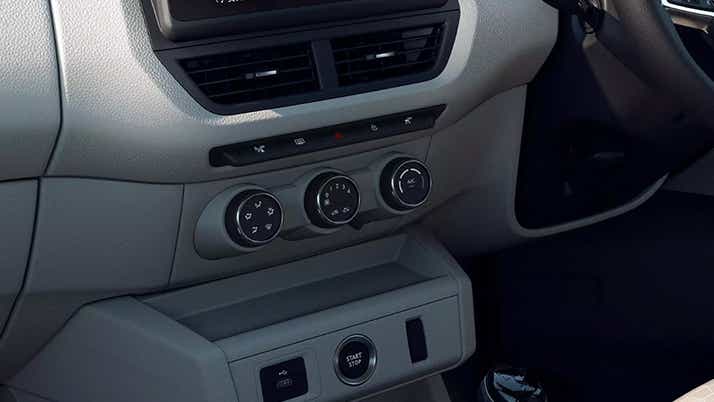
Emotion is the top variant and brings the widest equipment list. It gets LED projector headlamps, LED DRLs and fog lamps, automatic climate control, cruise control, push-button start, keyless entry and a 7-inch digital driver's display.
Wireless phone charging, front parking sensors, rain-sensing wipers and auto headlamps are also available. The naturally aspirated petrol engine can be paired with the AMT in this trim, while the turbo-petrol continues with the manual gearbox.
Which Renault Triber Variant Should You Choose?
- Authentic: For buyers who want the lowest possible entry price and are comfortable with a basic equipment list.
- Evolution: For those who want the touchscreen, rear camera and additional rear-cabin convenience features.
- Techno: For buyers looking for additional comfort and exterior equipment, with the option of the turbo-petrol engine.
- Emotion: For buyers who want the most comprehensive equipment list or the convenience of an AMT.
The Renault Triber's claimed mileage varies according to the engine and transmission. The naturally aspirated petrol with the manual gearbox has an ARAI figure of around 20 kmpl, while the AMT is rated lower. The turbo-petrol is claimed to return 21 kmpl.
| Powertrain | ARAI Mileage | Real-World City Mileage | Real-World Highway Mileage |
| 1.0L Petrol MT | 19.76-20.0 kmpl | 12-14 kmpl | 17-19 kmpl |
| 1.0L Petrol AMT | 18.2-19.59 kmpl | 11-13.6 kmpl | 16-17.8 kmpl |
| 1.0L Petrol Turbo | 21 kmpl | 12-17 kmpl | 19-23 kmpl |
Actual mileage will depend on traffic, road conditions, driving style, air-conditioning use and passenger load. A heavily loaded Triber will generally require more engine effort, particularly in city traffic and on inclines.
The ARAI figure should therefore be treated as a standardised test result rather than an expectation for every owner. Highway mileage can be higher than city mileage when the car is driven at a steady pace, while repeated acceleration and braking in urban traffic can bring the figure down.
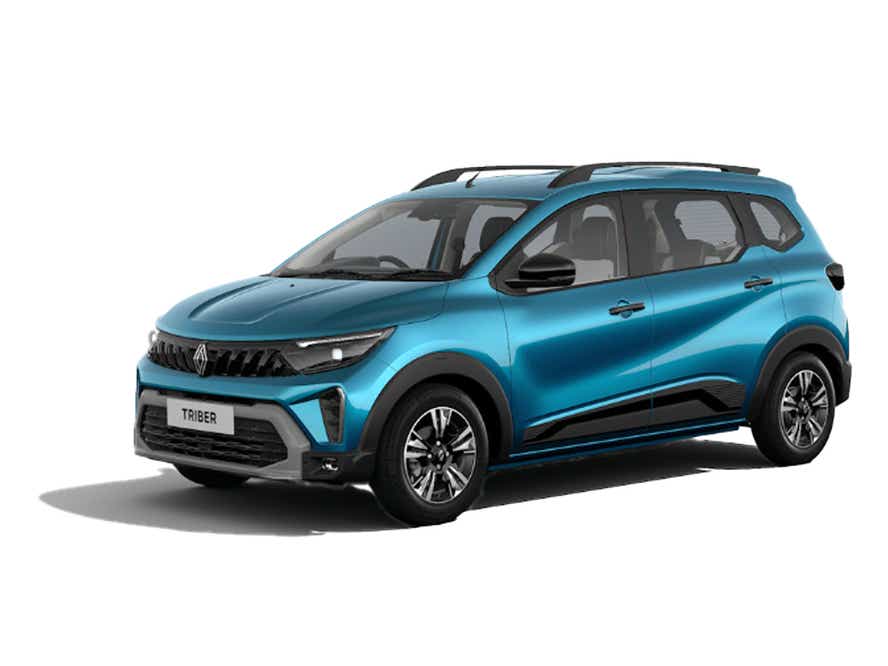
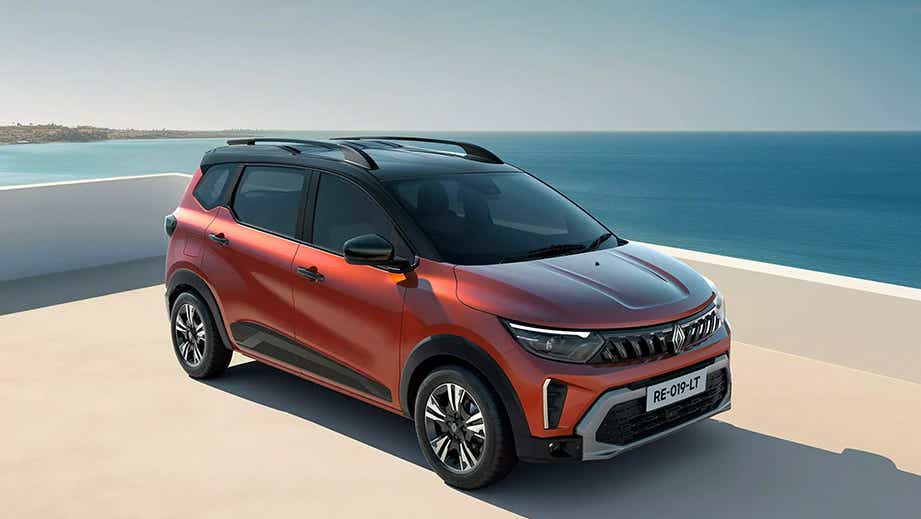
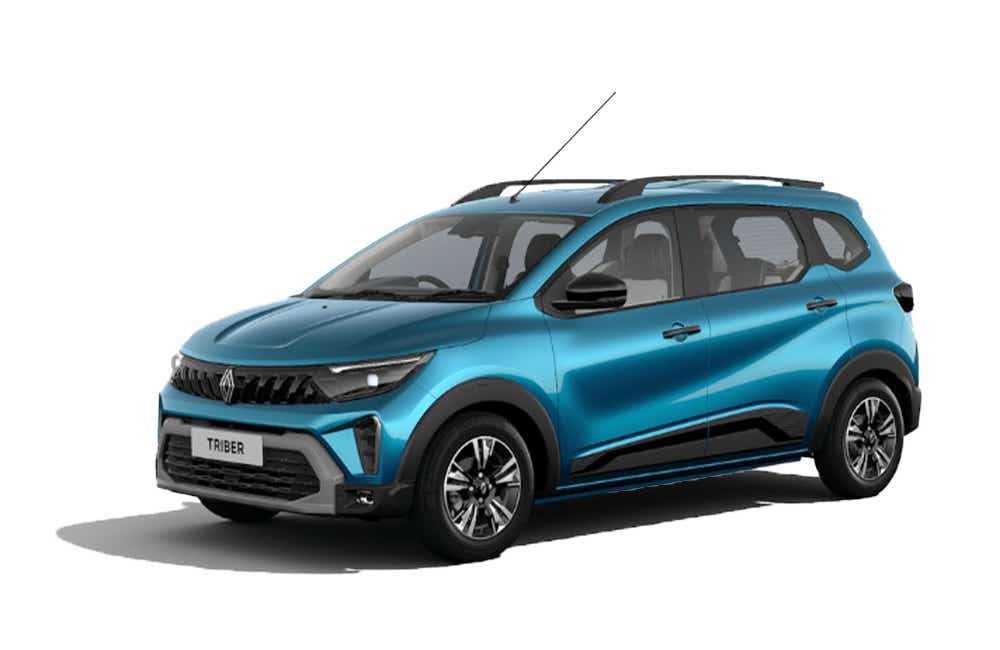
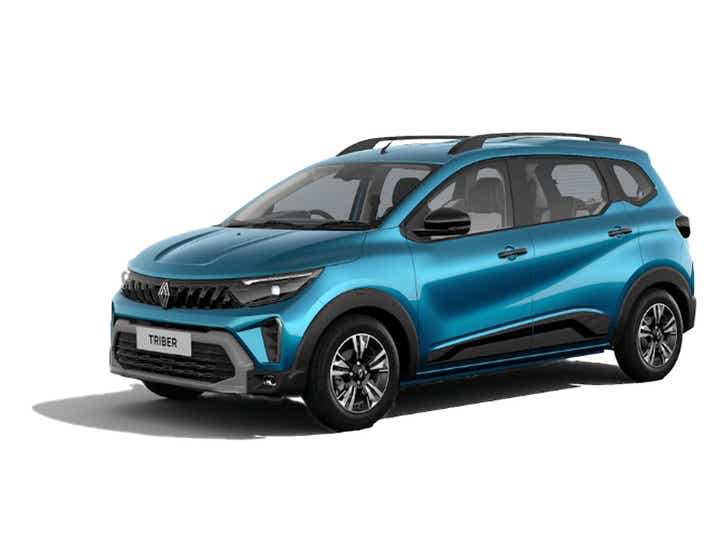
The Renault Triber has the proportions of a compact MPV, with a tall body and relatively short overall footprint. The facelift brought changes to the exterior while retaining the basic shape and packaging that define the model.
Front Profile
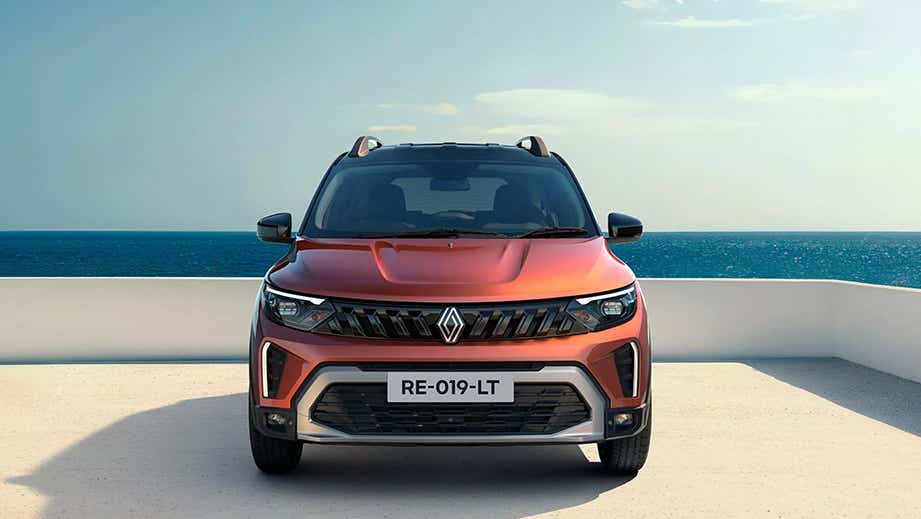
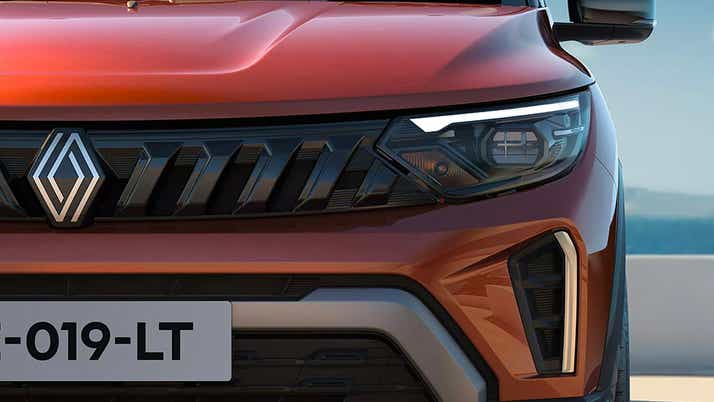
The front end gets a wide piano-black grille with the Renault logo, along with LED headlamps and DRLs on higher variants. The bumper has a chunky appearance, with a skid plate and lower air dams adding visual width.
Fog lamps are positioned lower on the bumper, giving the front fascia a more substantial appearance than the compact dimensions might suggest.
Side Profile
The side profile highlights the Triber's MPV proportions. The tall roof allows useful cabin height, while the functional roof rails and door cladding add visual contrast.
Higher variants use 15-inch styled steel wheels designed to resemble alloy wheels. The ORVMs, door handles and other trim elements vary according to the variant.
Rear Profile
At the rear, the Triber gets smoked LED tail lamps connected visually by a black strip. The Renault logo sits centrally, with Triber badging on the tailgate.
The upright tailgate is primarily about practicality, making it easier to load luggage into the rear compartment. The chunky lower bumper and skid-plate treatment continue the styling theme from the front.
Colours
The Renault Triber is available in Amber Terracotta, Shadow Grey, Zanskar Blue, Ice Cool White, Moonlight Silver and Stealth Black.
Amber Terracotta, Ice Cool White and Shadow Grey are also offered with a dual-tone finish.
The interior is designed around the Triber's central idea of flexibility. Instead of maximising space in only one seating configuration, Renault has given the second and third rows multiple adjustment and removal options.
Front Seats
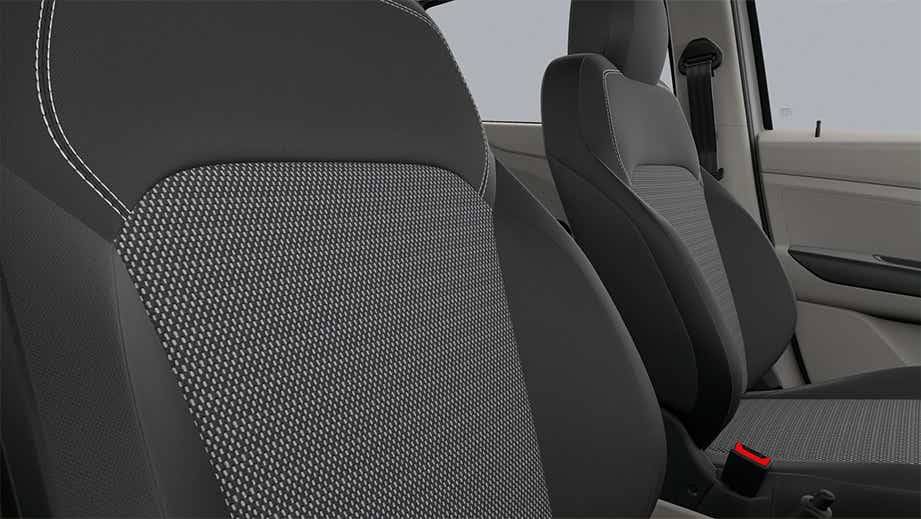
The front doors open wide, making entry and exit straightforward. The front seats offer adequate space for adults, while the steering wheel gets tilt adjustment.
A height-adjustable driver's seat is available on higher variants. The seating position gives the driver a reasonably commanding view over the road, which is useful in dense city traffic.
Second Row
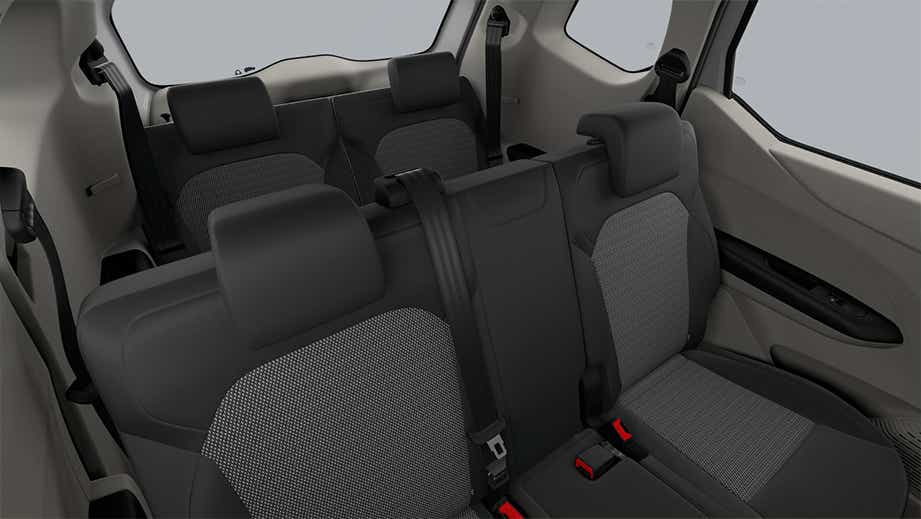
The second row is one of the most important parts of the Triber's cabin. It can slide forwards and backwards and also recline, allowing occupants to alter the balance of legroom between the second and third rows.
Three average-sized passengers can sit across the bench, although the middle passenger does not get a headrest or centre armrest. Rear AC vents and independent fan-speed controls help with airflow for passengers in this part of the cabin.
Third Row
The third row is primarily intended for children or shorter journeys with adults. Moving the second row forward creates additional legroom, but this reduces the space available to second-row occupants.
Dedicated AC vents help with ventilation. When the third row is occupied, however, luggage capacity becomes limited, which is an important consideration for families planning longer journeys with seven passengers.
Renault Triber Features & Technology
Depending on the variant, the Renault Triber gets an 8-inch touchscreen with wireless Android Auto and Apple CarPlay, a 7-inch digital driver's display, wireless phone charging, cruise control, keyless entry and push-button start.
Higher variants also receive equipment such as automatic climate control, LED lighting, rain-sensing wipers and a rear parking camera.
Storage & Practicality
Storage has been given considerable attention throughout the cabin. Depending on the variant and seating configuration, the Triber offers door bottle holders, gloveboxes, cupholders and centre storage.
The flexible seating arrangement is particularly useful when passenger and luggage requirements change. Owners can keep the third row installed for regular seven-seat use or remove it when carrying fewer passengers and more luggage.
Boot Space
The Triber offers 84 litres of boot space with all three rows in use. Removing the third row increases capacity to 625 litres, while folding the second row can provide up to 1,065 litres of space.
This makes the seating system useful beyond simply accommodating seven occupants. Buyers can configure the cabin around either passengers or luggage depending on the trip.
The Renault Triber gets six airbags, electronic stability control, traction control, ABS with EBD, hill-start assist, ISOFIX mounts and TPMS. Rear parking sensors are also part of the equipment list.
The previous Triber received a four-star Global NCAP safety rating in 2021. The Team-BHP source notes that the current model had not been tested by Global NCAP at the time of writing, so the older rating should not be presented as a crash-test result for the current version.
Passive & Structural Safety
The safety package includes six airbags, ABS with EBD, three-point seatbelts, ISOFIX child-seat mounts and seatbelt reminders. TPMS and rear parking sensors further add to everyday safety and driver awareness.
The six-airbag configuration is available across the range according to the source material, rather than being restricted to the top variants.
Active Safety & Driver Assistance
Electronic stability control, traction control and hill-start assist are available to help maintain control during acceleration, inclines and situations where traction is reduced.
Higher variants add equipment such as a rear parking camera, front parking sensors, rain-sensing wipers and follow-me-home headlamps.
Safety Features by Variant
| Variant | Safety Additions / Differences |
| Authentic | Six airbags, ESP, traction control, hill-start assist, ABS/EBD, TPMS, ISOFIX and rear parking sensors |
| Evolution | Adds rear parking camera, front parking sensors, follow-me-home headlamps, rear wiper and washer |
| Techno | Adds additional driver fatigue reminder |
| Emotion | Adds rain-sensing wipers, front parking sensors, auto headlamps and LED DRLs |
The Renault Triber occupies a price and size bracket of its own. Larger MPVs such as the Maruti Suzuki Ertiga and Toyota Rumion offer more space and larger engines, but they also cost considerably more.
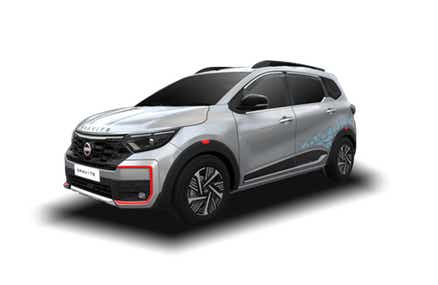
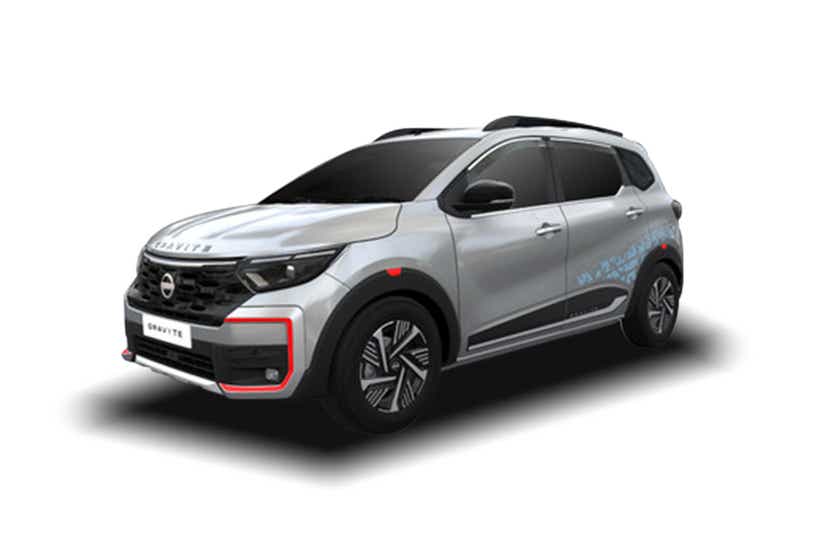
The Nissan Gravite follows a much closer compact seven-seat formula and is therefore a more direct comparison in terms of size and intended use.
| Model | Ex-Showroom Price | Key Difference |
| Renault Triber | ₹5.81-9.20 lakh | Compact footprint and flexible seating |
| Nissan Gravite | ₹5.73-9.38 lakh | Similar size and mechanical layout |
| Maruti Suzuki Ertiga | ₹8.90-13.04 lakh | Larger cabin and more powerful engine |
| Toyota Rumion | ₹9.79-14.21 lakh | Larger MPV with a more powerful engine |
Renault Triber vs Nissan Gravite
The Nissan Gravite follows a similar compact seven-seat concept, with an emphasis on keeping the overall vehicle manageable while providing multiple seating configurations. For a buyer comparing the two, differences in exterior styling, features, variant packaging and the respective brand's sales and service network become important considerations.
Both are aimed at families that want three rows without moving to a larger MPV. However, it should be noted that unlike the Triber, the Gravite doesn’t offer a turbocharged engine.
Renault Triber vs Maruti Suzuki Ertiga
The Maruti Suzuki Ertiga is larger and uses a 1.5-litre petrol engine. Its greater overall size translates into more room for passengers, particularly when all three rows are occupied, while the larger engine provides more performance reserve with a full load.
The Triber's advantage is its smaller footprint and lower entry price. Its removable third row and sliding second row also give it a different type of flexibility, particularly for buyers who alternate between five- and seven-seat use.
Renault Triber vs Toyota Rumion
Based on the Maruti Suzuki Ertiga, the Toyota Rumion offers the same mechanicals. Hence, compared to the Triber, the Rumion comes with a larger 1.5-litre petrol engine. It’s also a tad more spacious.
The Triber is positioned below it in price and is easier to manage in tighter urban environments. Its removable third row is also useful for owners who occasionally need more luggage space than a seven-seat configuration allows.
Which 7-Seater MPV Should You Pick?
- Renault Triber: It’s an excellent choice for MPV buyers looking for a practical vehicle on sale at a lower entry price.
- Nissan Gravite: For buyers considering a similar compact seven-seat format and comparing equipment, design and brand support.
- Maruti Suzuki Ertiga: For those who need more cabin space and stronger performance with a full passenger load.
- Toyota Rumion: For buyers seeking a larger MPV package with Toyota branding and the Ertiga-based mechanical layout.
The Triber's appeal comes mainly from the way it combines three-row seating with a relatively compact exterior. Its limitations become more obvious when all seven seats are occupied or when the car is driven with a heavy load.
| Pros | Cons |
| Compact dimensions make the Triber relatively easy to drive and park | The 1.0-litre naturally aspirated engine needs planning when fully loaded |
| Sliding, folding and removable seating provides considerable flexibility | AMT shifts are slower and can be noticeable in stop-go traffic |
| Comfortable suspension suits typical Indian urban roads | Third-row space is limited for adults on longer journeys |
| Six airbags and electronic safety aids are available across the range | Cabin materials are functional rather than premium |
| Useful equipment includes touchscreen infotainment, rear AC vents and wireless charging on higher variants | Only 84 litres of boot space is available with all three rows occupied |
The most important compromises are therefore linked to performance with a full load, third-row space and luggage capacity when all seven seats are being used.
The Renault Triber makes the most sense for buyers whose priority is having access to seven seats without stepping up to the size and price of a larger MPV. Its compact footprint is useful for city driving, while the modular cabin allows the car to be configured around passengers or luggage.
The naturally aspirated 1.0-litre petrol engine of the Renault Triber is adequate for regular city runs, but its limitations become highly apparent under full load of passengers and luggage. In fact, the lack of enough grunt is felt under highway overtaking and uphill driving. The turbo-petrol addresses much of this performance limitation, although it is available only with a manual gearbox.
The seating arrangement is the Triber's strongest practical feature. The second row can slide and recline, while the third row can be removed completely. This means the car can be used as a seven-seater for family trips and reconfigured when additional luggage space is required.
There are compromises. The third row is better suited to children or shorter journeys for adults, and the 84-litre boot leaves little room for luggage when all seven seats are occupied. The cabin also uses a substantial amount of hard plastic, reflecting the Triber's price positioning.
The choice between variants depends largely on the equipment and powertrain required. The lower trims cover the basic family-car requirements, while Techno adds useful convenience equipment and the turbo-petrol option. Emotion brings the widest feature list and the AMT option.
Compared with the Nissan Gravite, the Triber occupies a similar compact seven-seat space. The Maruti Suzuki Ertiga and Toyota Rumion offer larger cabins and stronger engines, but at higher prices. The most relevant question for a prospective buyer is therefore whether compact dimensions and seating flexibility are more important than the additional space and performance offered by a larger MPV.
Renault Triber Latest Updates
- September 28, 2026: LAUNCHED! Renault has launched the Triber with a new 1.0-litre turbo-petrol engine producing 100 PS and 180 Nm. Available in three variants, the updated Triber is priced from ₹7.84 lakh, ex-showroom.
- September 28, 2026: LAUNCHED! Renault has launched the Triber with a new 1.0-litre turbo-petrol engine producing 100 PS and 180 Nm. Available in three variants, the updated Triber is priced from ₹7.84 lakh, ex-showroom.
Renault Triber Reviews


 Social Review SummaryPowered By Community3.5
 User Review summaryPowered By User4.5
- SSSaurabh Saxenaon 17th January 20265.0
- NWNiraj Wadhawanon 7th November 20253.3
- AEAuto Enthusiaston 1st December 20254.0
Renault Triber Mileage
View MileageRenault Triber Videos
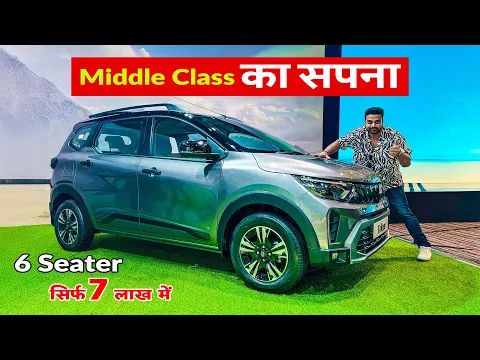

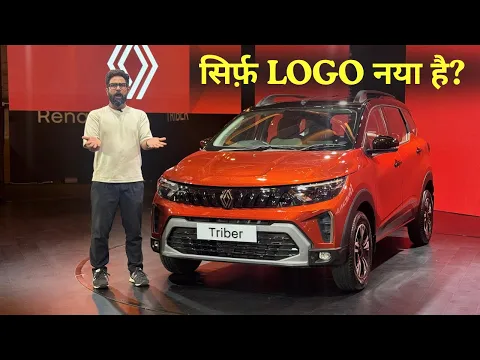

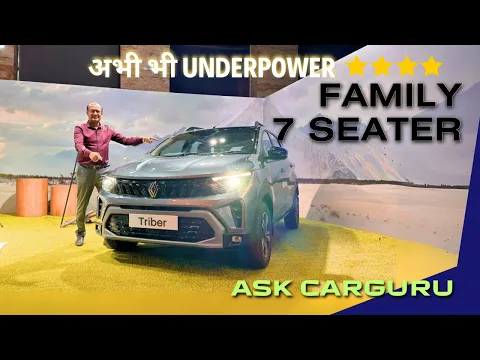
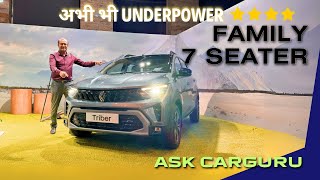
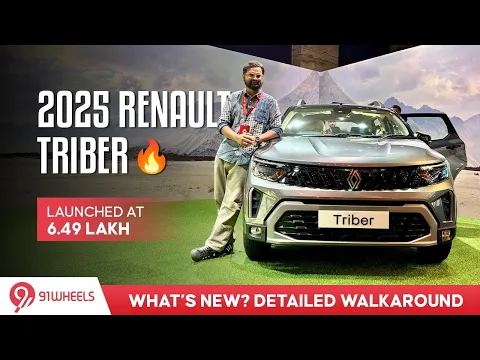
Mileage spotlight: Triber cruises into top ranks
Discover this standout car, currently ranked 6 on the Cars24 mileage Leaderboard. With 20 kmpl mileage, Triber continues to impress with its combination of style and performance.

Triber last 6 months Sales
Renault Triber Shorts
- New Renault TRIBER 2025 facelift 🔥 क्या मिला
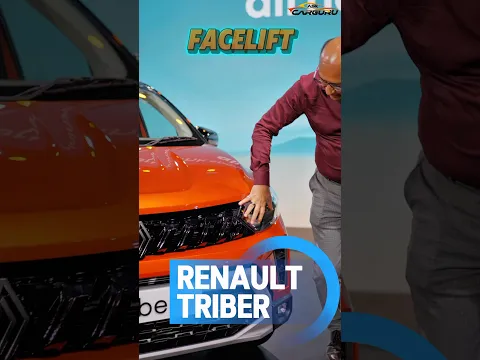
- Family 7 Seater in Rs 6 Lakhs 😲 Renault Triber 2025 🔥Maruti Ertiga Rival @RenaultIndiaVideos
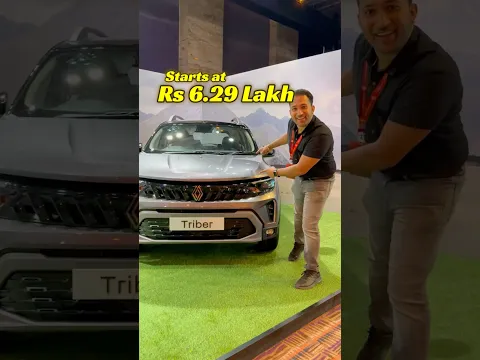
- 2025 Renault Triber Backseat | Big Space or Just OK? #overdrive #renaulttriber

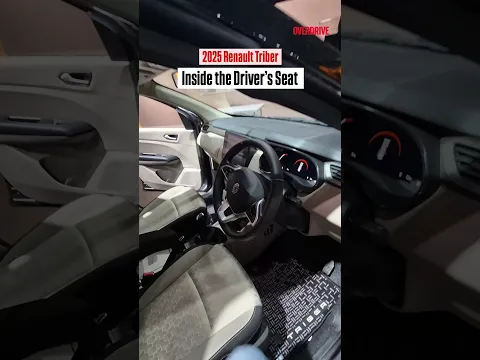
- 2025 Renault Triber | Driver’s Seat Checked #overdrive #renault #renaulttriber
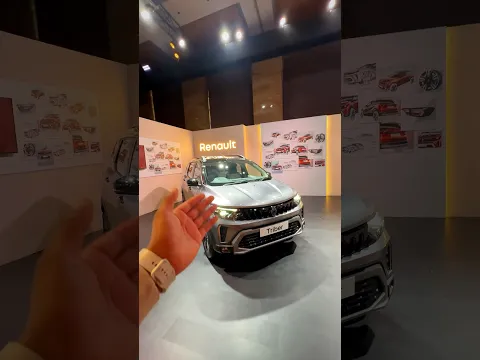
- Renault Triber Facelift 2025 - What’s New ?
Compare Renault Triber with Similar Cars
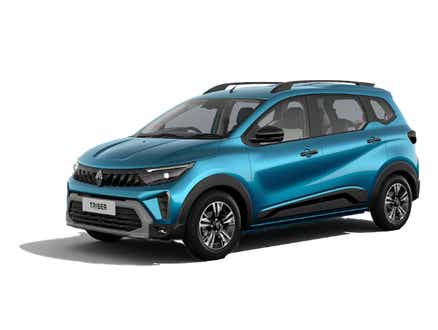 RenaultTriber₹5.76L - 8.60L*
 NissanGravite₹5.65L - 8.94L*
- RenaultTriber₹5.76L - 8.60L*Add cars
Parallel picks for you!
Renault Triber FAQs
Yes. The Renault Triber is a seven-seater MPV with a modular cabin. Its second row can slide and recline, while the third row can be removed when additional luggage space is required.
The Renault Triber is priced from ₹5.81 lakh to ₹9.20 lakh ex-showroom, depending on the variant, engine and transmission.
The standard Renault Triber gets a 1.0-litre three-cylinder naturally aspirated petrol engine producing 71 PS and 96 Nm. It is available with a 5-speed manual or 5-speed AMT. The turbo-petrol version uses a 1.0-litre engine producing 100 PS and 160 Nm and is paired with a 5-speed manual gearbox.
The naturally aspirated Triber can be used on highways, but acceleration and overtaking require more planning when the car is carrying several passengers. The turbo-petrol version offers considerably more performance and is better suited to buyers who regularly undertake full-load highway trips.
Yes. The Renault Triber is available with a 5-speed AMT on the Emotion variant. The AMT removes the need for clutch operation but its gear changes are slower and more noticeable than those of a conventional automatic transmission.
How much boot space does the Renault Triber have?
The Triber has 84 litres of boot space with all three rows in use. Removing the third row increases capacity to 625 litres, while folding the second row can provide up to 1,065 litres of space.
Does the Renault Triber get six airbags?
Yes. Six airbags are listed as standard across the Renault Triber range. The car also gets ESP, traction control, ABS with EBD, hill-start assist, TPMS, ISOFIX mounts and rear parking sensors.
What is the Renault Triber mileage?
The claimed ARAI mileage is around 19.76-20.0 kmpl for the manual naturally aspirated petrol and 18.2-19.59 kmpl for the AMT. The turbo-petrol is rated at 21 kmpl. Actual mileage varies according to traffic, driving style, passenger load and road conditions.
Which is the most practical Renault Triber variant?
The Techno adds useful equipment such as a height-adjustable driver's seat, cooled storage and electrically foldable ORVMs, while also making the turbo-petrol engine available. Emotion adds more convenience features and is the variant to consider if an AMT is required.


All Sibling Models of Renault
All Model Make Filter
- Recently Launched 7 Seater Cars
- Recently Launched Manual Cars
- Recently Launched Automatic Cars
- Recently Launched Muv Cars
- Recently Launched Petrol Cars
- Recently Launched 0 to 1000cc Cars
- Recently Launched Upto 30kmpl Cars
- Recently Launched Fwd Cars
- Recently Launched 3 Cylinder Cars
- Recently Launched Abs Cars
- Recently Launched Esc Cars
- Recently Launched Traction Control Cars
- Recently Launched Tpms Cars
- Recently Launched Cars Under 6 Lakhs
- Recently Launched Cars Under 7 Lakhs
- Recently Launched Cars Under 10 Lakhs
- 7 Seater Manual Cars
- 7 Seater Automatic Cars
- 7 Seater Muv Cars
- 7 Seater Petrol Cars
- 7 Seater 0 to 1000cc Cars
- 7 Seater Upto 30kmpl Cars
- 7 Seater Fwd Cars
- 7 Seater 3 Cylinder Cars
- 7 Seater Abs Cars
- 7 Seater Esc Cars
- 7 Seater Traction Control Cars
- 7 Seater Tpms Cars
- 7 Seater Cars Under 6 Lakhs
- 7 Seater Cars Under 7 Lakhs
- 7 Seater Cars Under 10 Lakhs
- Manual Muv Cars
- Manual Petrol Cars
- Manual 0 to 1000cc Cars
- Manual Upto 30kmpl Cars
- Manual Fwd Cars
- Manual 3 Cylinder Cars
- Manual Abs Cars
- Manual Esc Cars
- Manual Traction Control Cars
- Manual Tpms Cars
- Manual Cars Under 6 Lakhs
- Manual Cars Under 7 Lakhs
- Manual Cars Under 10 Lakhs
- Automatic Muv Cars
- Automatic Petrol Cars
- Automatic 0 to 1000cc Cars
- Automatic Upto 30kmpl Cars
- Automatic Fwd Cars
- Automatic 3 Cylinder Cars
- Automatic Abs Cars
- Automatic Esc Cars
- Automatic Traction Control Cars
- Automatic Tpms Cars
- Automatic Cars Under 10 Lakhs
- Muv Petrol Cars
- Muv 0 to 1000cc Cars
- Muv Upto 30kmpl Cars
- Muv Fwd Cars
- Muv 3 Cylinder Cars
- Muv Abs Cars
- Muv Esc Cars
- Muv Traction Control Cars
- Muv Tpms Cars
- Muv Cars Under 6 Lakhs
- Muv Cars Under 7 Lakhs
- Muv Cars Under 10 Lakhs
- Petrol 0 to 1000cc Cars
- Petrol Upto 30kmpl Cars
- Petrol Fwd Cars
- Petrol 3 Cylinder Cars
- Petrol Abs Cars
- Petrol Esc Cars
- Petrol Traction Control Cars
- Petrol Tpms Cars
- Petrol Cars Under 6 Lakhs
- Petrol Cars Under 7 Lakhs
- Petrol Cars Under 10 Lakhs
- 0 to 1000cc Upto 30kmpl Cars
- 0 to 1000cc Fwd Cars
- 0 to 1000cc 3 Cylinder Cars
- 0 to 1000cc Abs Cars
- 0 to 1000cc Esc Cars
- 0 to 1000cc Traction Control Cars
- 0 to 1000cc Tpms Cars
- 0 to 1000cc Cars Under 6 Lakhs
- 0 to 1000cc Cars Under 7 Lakhs
- 0 to 1000cc Cars Under 10 Lakhs
- Upto 30kmpl Fwd Cars
- Upto 30kmpl 3 Cylinder Cars
- Upto 30kmpl Abs Cars
- Upto 30kmpl Esc Cars
- Upto 30kmpl Traction Control Cars
- Upto 30kmpl Tpms Cars
- Upto 30kmpl Cars Under 6 Lakhs
- Upto 30kmpl Cars Under 7 Lakhs
- Upto 30kmpl Cars Under 10 Lakhs
- Fwd 3 Cylinder Cars
- Fwd Abs Cars
- Fwd Esc Cars
- Fwd Traction Control Cars
- Fwd Tpms Cars
- Fwd Cars Under 6 Lakhs
- Fwd Cars Under 7 Lakhs
- Fwd Cars Under 10 Lakhs
- 3 Cylinder Abs Cars
- 3 Cylinder Esc Cars
- 3 Cylinder Traction Control Cars
- 3 Cylinder Tpms Cars
- 3 Cylinder Cars Under 6 Lakhs
- 3 Cylinder Cars Under 7 Lakhs
- 3 Cylinder Cars Under 10 Lakhs
- Abs Cars Under 6 Lakhs
- Abs Cars Under 7 Lakhs
- Abs Cars Under 10 Lakhs
- Esc Cars Under 6 Lakhs
- Esc Cars Under 7 Lakhs
- Esc Cars Under 10 Lakhs
- Traction Control Cars Under 6 Lakhs
- Traction Control Cars Under 7 Lakhs
- Traction Control Cars Under 10 Lakhs
- Tpms Cars Under 6 Lakhs
- Tpms Cars Under 7 Lakhs
- Tpms Cars Under 10 Lakhs
- Renault Upcoming Cars
- Renault Recently Launched Cars
- Renault Discontinued Cars
- Renault 4 Star Cars
- Renault 5 Seater Cars
- Renault 7 Seater Cars
- Renault Manual Cars
- Renault Automatic Cars
- Renault Suv Cars
- Renault Hatchback Cars
- Renault Muv Cars
- Renault Petrol Cars
- Renault 0 to 1000cc Cars
- Renault 1000 to 1500cc Cars
- Renault Upto 30kmpl Cars
- Renault Fwd Cars
- Renault 3 Cylinder Cars
- Renault 4 Cylinder Cars
- Renault Abs Cars
- Renault Esc Cars
- Renault Hill Hold Assist Cars
- Renault Traction Control Cars
- Renault Tpms Cars
- Renault Panoramic Cars
- Renault Cars Under 5 Lakhs
- Renault Cars Under 6 Lakhs
- Renault Cars Under 7 Lakhs
- Renault Cars Under 10 Lakhs
- Renault Cars Under 15 Lakhs
- Renault Cars Under 20 Lakhs
- Maruti Suzuki
- Tata
- Hyundai
- Mahindra
- Toyota
- Kia
- Honda
- Skoda
- Mg
- Nissan
- Volkswagen
- Citroen
- Bmw
- Mercedes Benz
- Xiaomi
- Ford
- Jeep
- Audi
- Jaguar
- Land Rover
- Rolls Royce
- Byd
- Force
- Tesla
- Vinfast
- Bentley
- Lamborghini
- Ola Electric
- Maserati
- Volvo
- Aston Martin
- Ferrari
- Isuzu
- Mclaren
- Mini
- Lotus
- Porsche
- Lexus
- Jsw Cars