
Diesel cars under 35 lakh in India









Diesel Cars Under 35 Lakh: Segment Overview
In the last few years, the demand for diesel cars has remained strong above the budget segment. Granted, the car companies had to do a lot of R&D to ensure that these diesel mills are up to the standards of pollution norms. Still, potential buyers who want that strong pull associated with diesel engines continue to buy these cars. As a result, in the higher categories, the sales have remained strong.
In fact, it is clear that diesel cars above a certain price point are not going anywhere anytime soon. One major reason why diesel cars continue performing well in India is highway usability. Diesel engines deliver stronger low-end torque compared to similarly priced petrol engines, which makes long-distance driving easier and more relaxed. SUVs especially benefit from this because overtaking at highway speeds feels effortless.
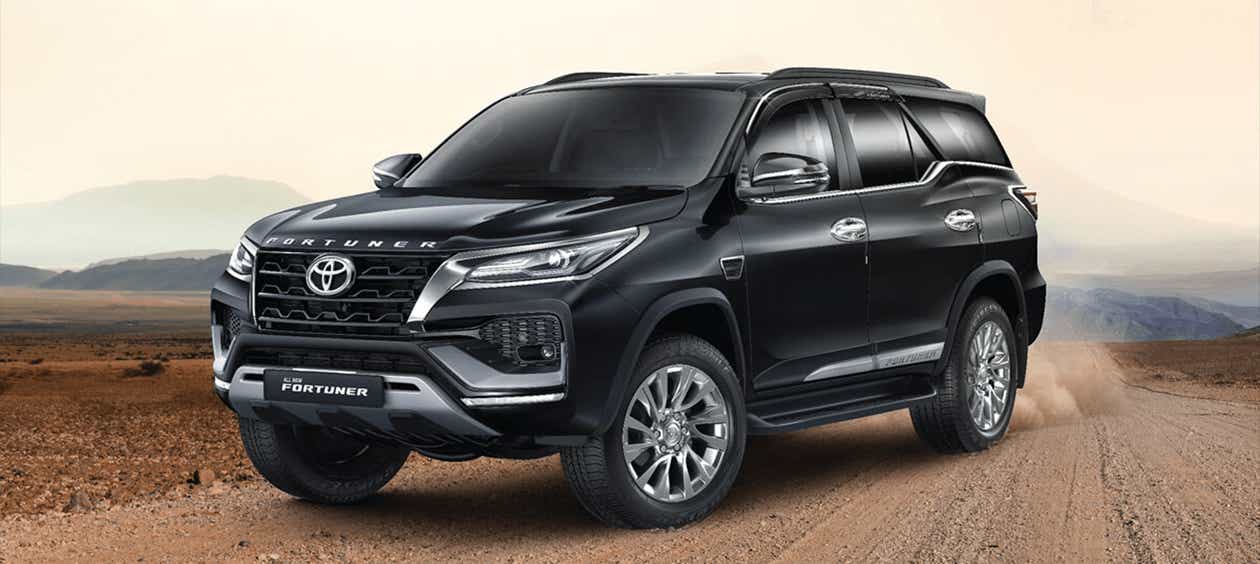
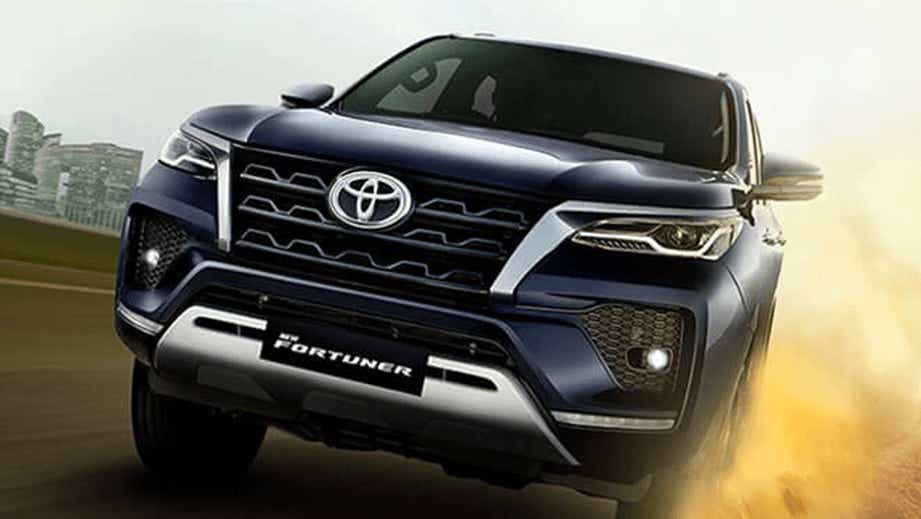
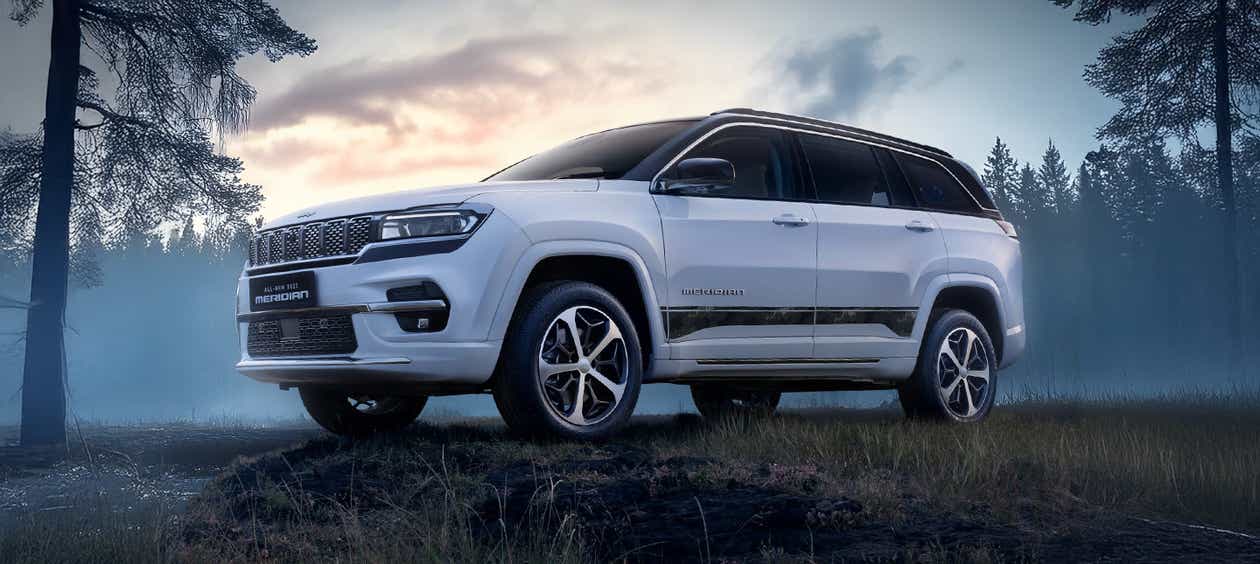
The rise of premium SUVs has also strengthened this category. Vehicles such as the Toyota Fortuner, MG Gloster and Jeep Meridian have shown that buyers still value diesel engines with the overall driving comfort and touring ability.
Being a price-sensitive market, Indian customers still value fuel efficiency and running costs a lot. That is what makes diesel vehicles so appealing. Buyers covering high monthly distances still consider diesel ownership more practical because several models offer excellent mileage figures during highway usage. Many users researching the best mileage diesel car prioritise long-distance running costs over initial purchase price.
Apart from that, there have been significant engineering advancements in this sector. As a result, modern diesel engines have also become quieter and smoother. Earlier diesel vehicles felt noisy and less refined inside the cabin, but newer models now offer significantly improved insulation and smoother automatic transmissions.
At the same time, discussions around the diesel car ban continue influencing buyer decisions in some cities. While restrictions in certain regions have affected long-term ownership planning, diesel vehicles still remain highly popular outside strict urban zones because of their practicality and highway capability.
SUVs dominate this category heavily because diesel engines naturally complement larger vehicles better. Strong torque delivery improves drivability and makes highway cruising more effortless.
The list of diesel cars under ₹35 lakh is rather extensive. That shows just how popular these products still are. In order to get a glimpse of the kind of specifications, fuel efficiency figures and pricing details about these choices, the table below captures these specifics rather neatly.
| Model Name | Powertrain & Output | Mileage (ARAI) | Ex-Showroom Price |
| Mahindra Scorpio N | 2.2L Diesel MT/AT, 172 bhp, 400 Nm | 15-16 kmpl | ₹13.99-24.95 Lakh |
| Tata Safari | 2.0L Diesel MT/AT, 168 bhp, 350 Nm | 16-17 kmpl | ₹14.75-26.40 Lakh |
| Tata Harrier | 2.0L Diesel MT/AT, 168 bhp, 350 Nm | 16-17 kmpl | ₹14-25.85 Lakh |
| Hyundai Alcazar | 1.5L Diesel MT/AT, 114 bhp, 250 Nm | 18-20 kmpl | ₹15.49-21.20 Lakh |
| MG Hector Plus | 2.0L Diesel MT, 168 bhp, 350 Nm | 15-16 kmpl | ₹17.50-23.67 Lakh |
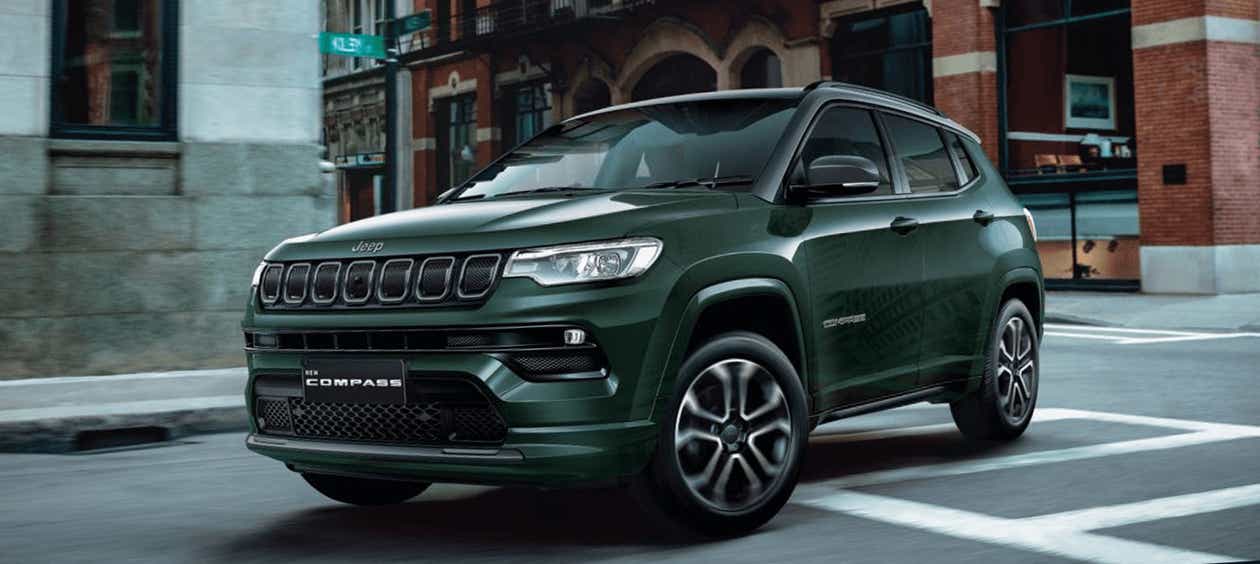
| Jeep Compass | 2.0L Diesel MT/AT, 168 bhp, 350 Nm | 15-17 kmpl | ₹17.99-30.70 Lakh |
| Jeep Meridian | 2.0L Diesel MT/AT, 168 bhp, 350 Nm | 15-16 kmpl | ₹23.33-37.82 Lakh |
| Hyundai Tucson | 2.0L Diesel AT, 183 bhp | 18 kmpl | ₹29.27-36.04 Lakh |
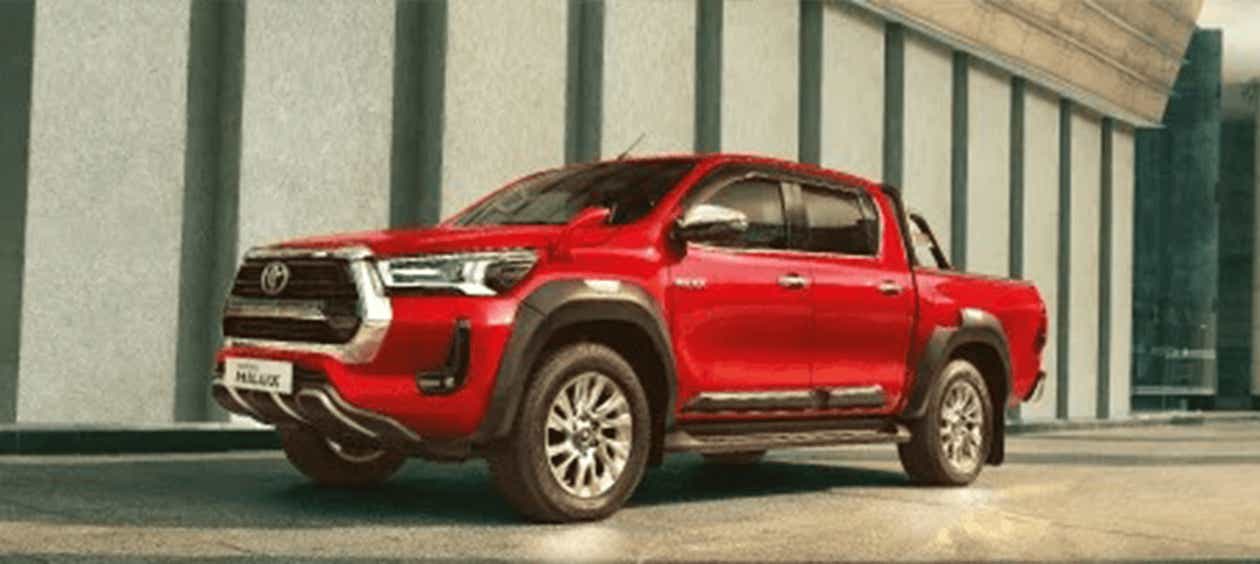
| Toyota Fortuner | 2.8L Diesel MT/AT, 201 bhp, 500 Nm | 12-14 kmpl | ₹34.79-50.46 Lakh |
| MG Gloster | 2.0L Twin Turbo Diesel AT, 212 bhp, 478 Nm | 12-13 kmpl | ₹38.30-43.16 Lakh |
There are many reasons to purchase diesel cars in India even today. With the advent of turbo petrol, hybrid petrol and electric cars, diesel vehicles continue to have their charm. People generally still keep associating pulling power with these mills.
Also, those who travel regularly are still attracted to the lower running costs which only diesel cars can offer. Hence, there is a distinct set of customers who would buy these cars, including:
- Families travelling regularly on highways
- Buyers prioritising torque-rich driving experience
- Users covering high monthly running distances
- SUV buyers wanting stronger highway cruising capability
Clearly, this class of vehicles covers most use cases out there. That is what makes diesel cars in India so popular. They can still cater to varied needs of potential customers. Furthermore, there are many other reasons for their massive demand.
Among these, fuel efficiency remains a major advantage over naturally aspirated petrol cars. Buyers researching the best mileage diesel car often prioritise long-distance usage, and modern diesel SUVs continue delivering better real-world efficiency during highway driving compared to similarly powerful petrol SUVs.
Modern automatic gearboxes have improved diesel refinement significantly too. Vehicles such as the Tucson and Safari now feel much smoother and quieter compared to older diesel models. Cabin insulation has improved to the point where several premium diesel SUVs no longer feel noisy during regular driving.
Since most of these cars are SUVs, road presence is another reason behind the popularity of diesel cars. To be specific, larger vehicles such as the Fortuner and Scorpio N continue dominating buyer interest because they combine commanding design with strong performance and touring ability.
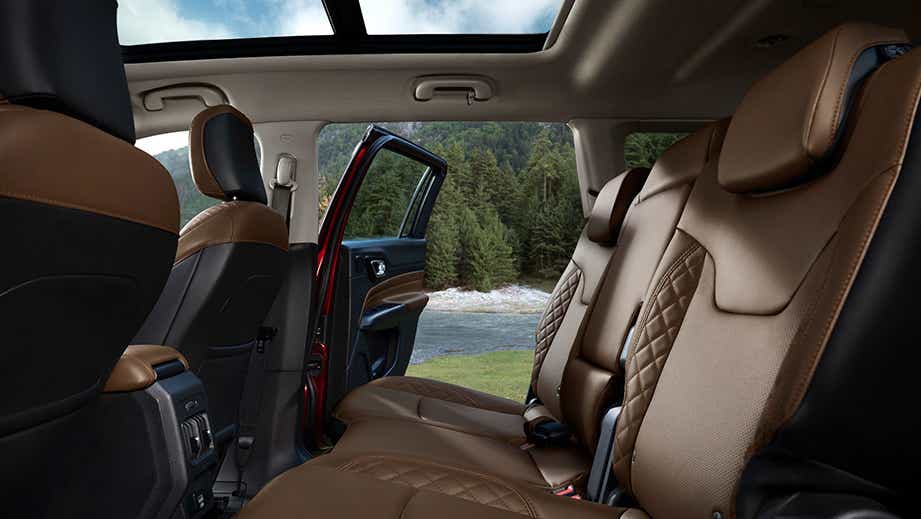
On account of being large SUVs primarily, the practicality and utilitarian aspects are quite high too. Diesel engines are better suited for heavier SUVs because their torque delivery improves drivability when carrying passengers and luggage together. This makes diesel-powered family SUVs particularly popular for highway-focused buyers.
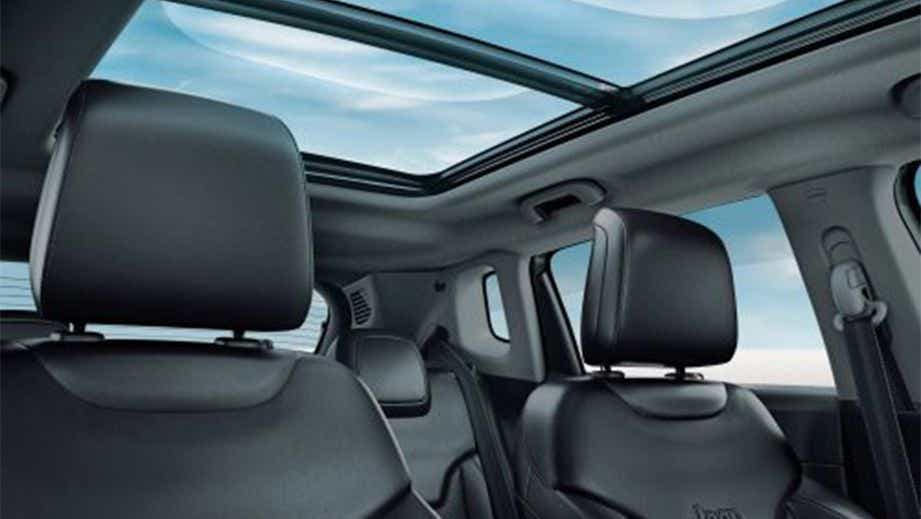
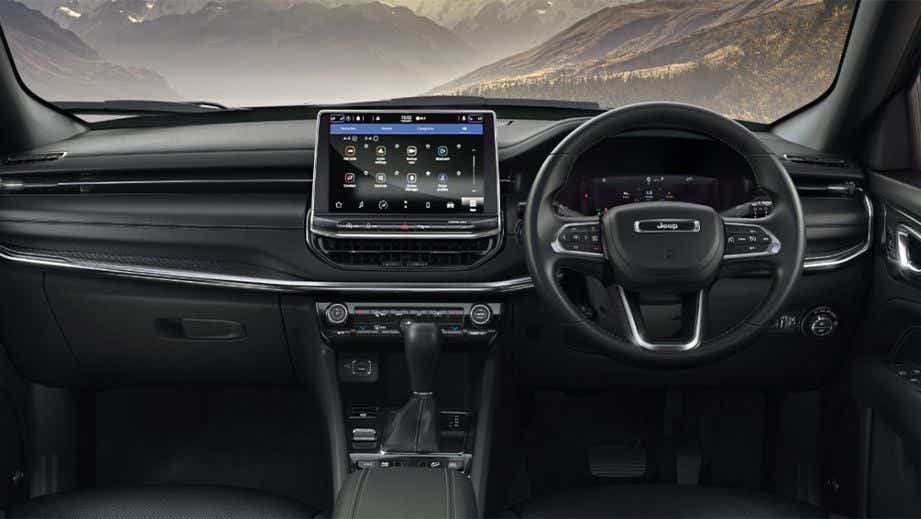
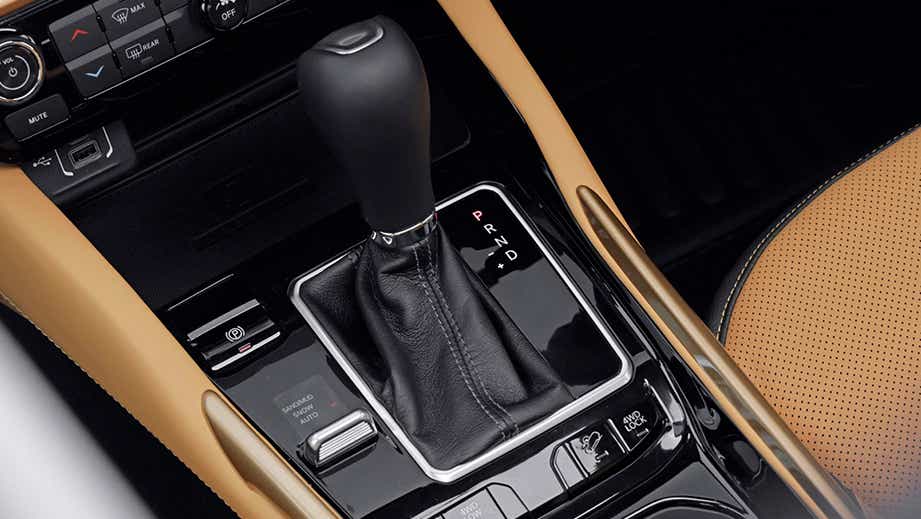
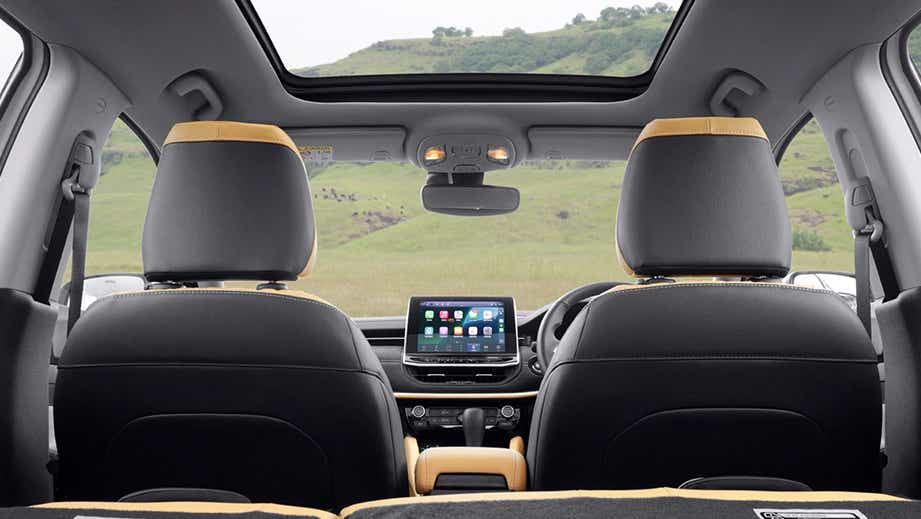
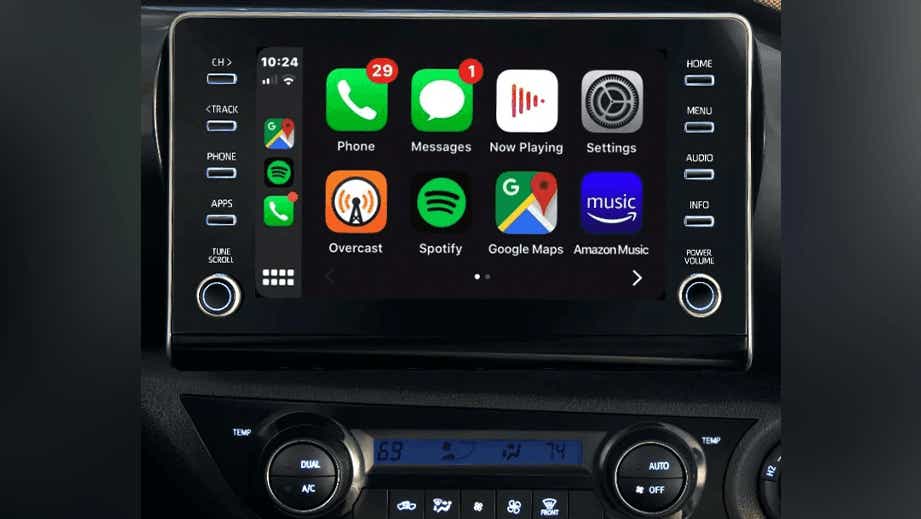
Modern diesel cars in India also offer far better technology now. Panoramic sunroofs, connected infotainment systems, ventilated seats and ADAS features are becoming increasingly common within this segment.
As the disposable income of Indians increases, they have started splurging on large vehicles. Therefore, a price point in the vicinity of ₹35 lakh offers numerous diesel engines, as well as some pretty potent turbo petrol or strong hybrid petrol engines. Each of these have their distinct traits. This table below showcases the typical characteristics associated with these versions.
| Comparison Aspect | Diesel Cars | Petrol SUVs |
| Highway Performance | Strong low-end torque improves overtaking and highway cruising comfort | Smoother and quieter performance during city driving conditions |
| Fuel Efficiency | Better efficiency during long-distance highway usage | Lower efficiency but often cheaper maintenance overall |
| Driving Feel | More effortless during loaded highway driving conditions | Lighter and smoother for urban commuting usage |
| Ownership Suitability | Better suited for high monthly running distances | More practical for lower annual usage |
| Refinement Levels | Modern diesels are quieter but still slightly louder than petrol engines | Better cabin refinement and quieter idle characteristics |
All in all, diesel cars focus more on efficiency and long-distance capability, while petrol SUVs generally prioritise refinement and smoother urban usability.
It is clear that the options available for buyers are rather large. Therefore, the buyers mostly know the exact application and usage before making the purchase decision. The list below contains some of the most common scenarios a typical diesel car owner would find themselves in, as per their individual situations.
City Driving and Everyday Usage
Unarguably, the most common application will be the daily usage in urban environments. Hence, cars such as the Hyundai Alcazar and Tata Harrier feel easier to manage during regular urban driving conditions. Their lighter steering, smoother suspension setup and improved automatic gearboxes make daily commuting more comfortable compared to larger body-on-frame SUVs.
The Alcazar especially stands out because its diesel engine combines good efficiency with a more premium cabin experience.
Family and Long-Distance Travel
As mentioned previously, the large SUVs are the go-to choice for large families. Being diesel cars, the efficient long-distance travel is quite inviting. The Tata Safari, Jeep Meridian and Toyota Fortuner are much better suited for long-distance family touring.
These SUVs provide spacious cabins, stronger highway stability and better high-speed comfort. The Fortuner remains particularly popular because of reliability and extremely strong resale value within the Indian market.
Highway Performance and Road Presence
Then there is a niche market segment of people who love to get behind the steering wheel. The Mahindra Scorpio N and MG Gloster appeal more towards buyers wanting strong road presence together with effortless highway cruising ability.
Both SUVs deliver strong torque output and commanding driving positions. Several enthusiasts researching diesel cars also prefer these models because they feel more rugged and capable during difficult road conditions.
Premium Comfort and Technology
Finally, since people are spending such a huge amount, they want the automobiles to offer utmost comfort and a premium feel. The Hyundai Tucson and Jeep Compass focus more heavily on premium interiors, technology and refined driving experience.
Their cabins feel more sophisticated while still retaining the advantages of diesel-powered touring capability. Overall, modern diesel cars in India now cater to a much wider audience than before.
Even in a price bracket of around 35 lakhs, the vehicles can have their distinct strengths and weaknesses. Note that these are not their inherent traits, but depend on the personal preferences of the customers. Therefore, the table below highlights both sides of the equation.
| Pros | Cons |
| Strong low-end torque makes highway overtakes and hill driving significantly easier during fully loaded driving conditions. | Diesel vehicles generally cost more initially compared to equivalent petrol-powered variants within the same segment. |
| Better fuel efficiency during long-distance driving helps reduce overall running costs for frequent highway users considerably. | Discussions around diesel car ban policies continue affecting long-term buyer confidence in certain metropolitan cities. |
| Diesel SUVs feel more effortless during highway cruising because engines maintain lower RPMs at higher speeds. | Maintenance costs and emission-related components can increase ownership expenses over longer ownership periods considerably. |
| Modern diesel engines now offer far better refinement and smoother automatic transmissions compared to older diesel vehicles. | Several diesel SUVs still produce slightly higher cabin vibration and engine noise during idle conditions. |
Diesel cars under ₹35 lakh continue to be one of the fastest growing spaces in the country. The sheer number of models on offer makes it incredibly attractive for the customers. Modern cars come with all the bells and whistles to pamper the owners. That is what makes cars in this space so appealing.
Vehicles such as the Tata Safari and Hyundai Tucson demonstrate how refined and feature-rich modern diesel SUVs have become. At the same time, rugged SUVs such as the Scorpio N and Fortuner continue attracting buyers wanting stronger road presence and dependable long-distance capability.
One major reason why diesel cars remain relevant is drivability. Diesel engines feel more relaxed during highway cruising because strong torque delivery reduces the need for constant acceleration and gear changes. This becomes especially useful during long journeys with passengers and luggage.
Fuel efficiency also continues favouring diesel vehicles during extensive highway usage. Buyers researching the best mileage diesel car generally prioritise long-term running costs, and diesel-powered SUVs still perform very strongly in this area.
The diesel car ban discussion has definitely influenced some buyers, especially within major metro cities. However, outside heavily regulated urban regions, diesel ownership still makes practical sense for several users because highway performance and efficiency remain unmatched.
Technology and comfort levels have improved massively too. Modern diesel SUVs now offer panoramic sunroofs, ADAS systems, connected infotainment and premium cabin quality similar to petrol rivals.
SUVs dominate the diesel market heavily because larger vehicles benefit naturally from torque-rich engines. Cars such as the Meridian and Gloster feel particularly comfortable during long-distance touring due to strong cruising ability and spacious interiors.
For buyers prioritising refinement alone, petrol vehicles may still feel slightly smoother within city conditions. However, for highway-focused users covering high annual distances, diesel SUVs continue offering a far more satisfying ownership experience overall.
The current generation of diesel cars in India proves that the category still has strong relevance. Buyers wanting efficiency, effortless highway performance and strong touring capability will still find several excellent options within this segment.
Browse all New Cars By Budget
- Maruti Suzuki Cars Under 35 Lakhs
- Tata Cars Under 35 Lakhs
- Hyundai Cars Under 35 Lakhs
- Mahindra Cars Under 35 Lakhs
- Toyota Cars Under 35 Lakhs
- Kia Cars Under 35 Lakhs
- Skoda Cars Under 35 Lakhs
- Mg Cars Under 35 Lakhs
- Xiaomi Cars Under 35 Lakhs
- Jeep Cars Under 35 Lakhs
- Byd Cars Under 35 Lakhs
- Vinfast Cars Under 35 Lakhs
- Ola Electric Cars Under 35 Lakhs
- Isuzu Cars Under 35 Lakhs
- Jsw Cars Cars Under 35 Lakhs
Browse all Rivals By Budget
Browse all New Cars By Fuel Type
- Tata Diesel Cars
- Hyundai Diesel Cars
- Mahindra Diesel Cars
- Toyota Diesel Cars
- Kia Diesel Cars
- Mg Diesel Cars
- Nissan Diesel Cars
- Citroen Diesel Cars
- Bmw Diesel Cars
- Mercedes Benz Diesel Cars
- Ford Diesel Cars
- Jeep Diesel Cars
- Jaguar Diesel Cars
- Land Rover Diesel Cars
- Force Diesel Cars
- Maserati Diesel Cars
- Aston Martin Diesel Cars
- Isuzu Diesel Cars
- Lexus Diesel Cars