
Electric cars in India
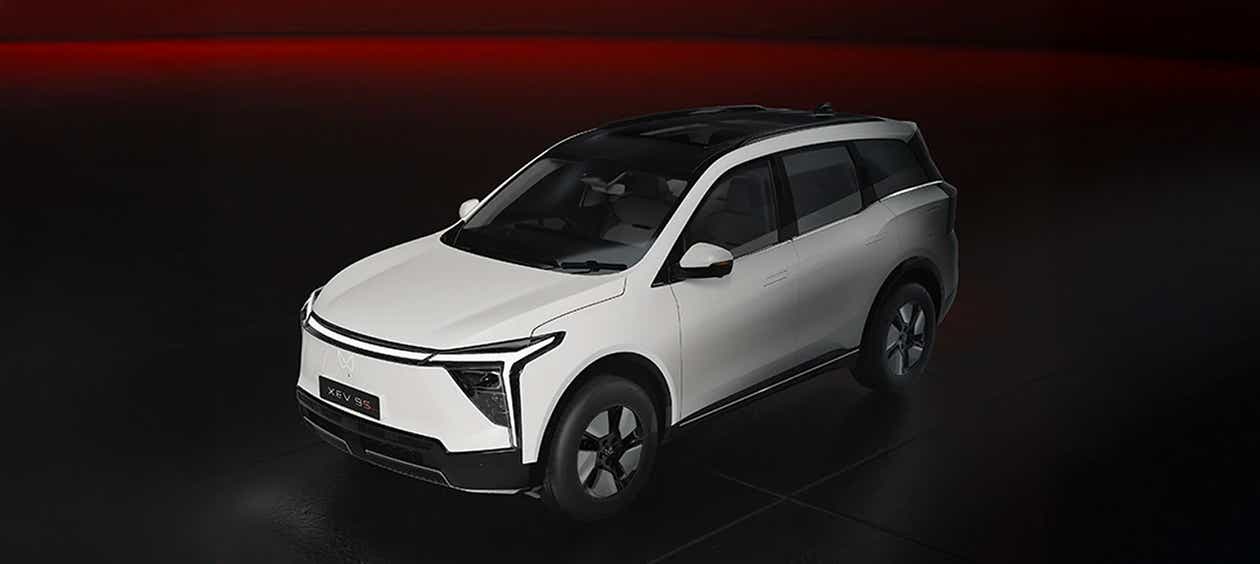
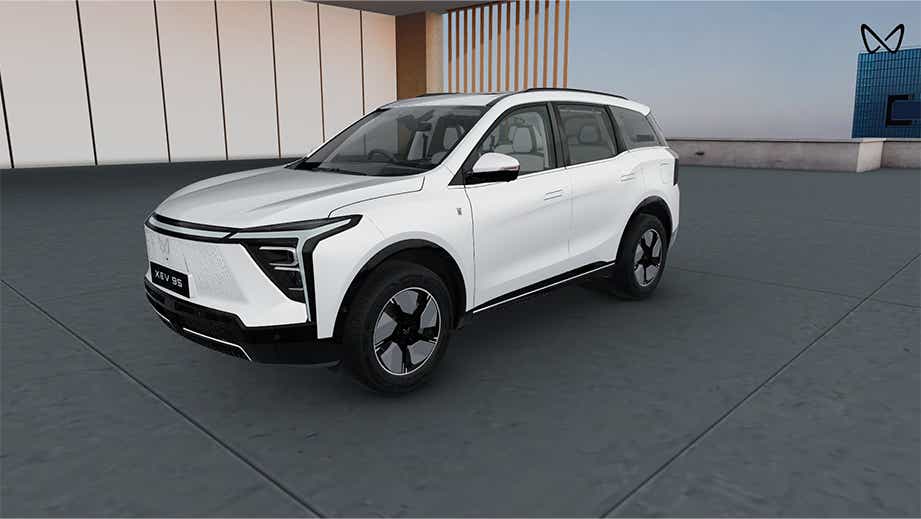
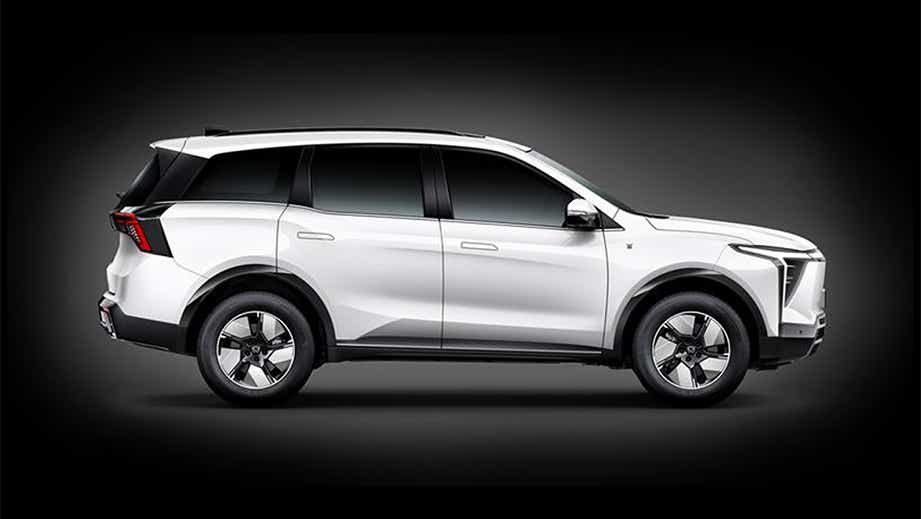
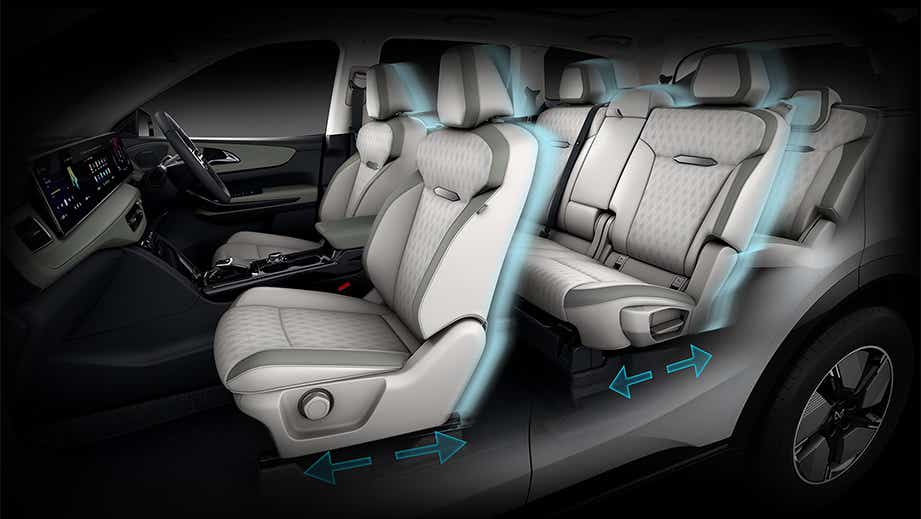
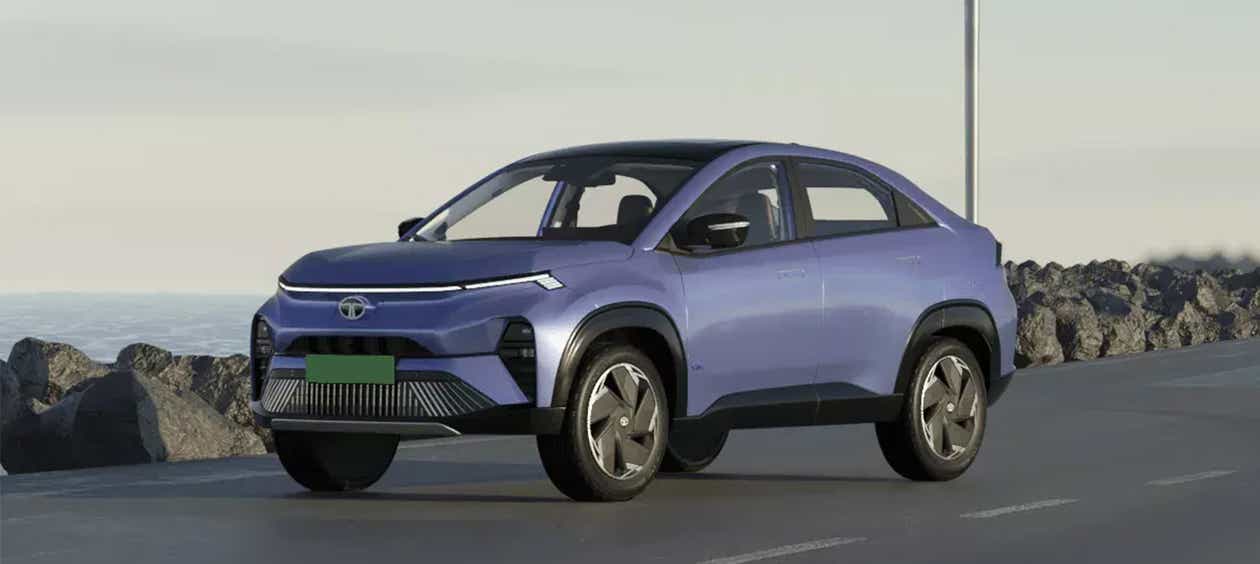
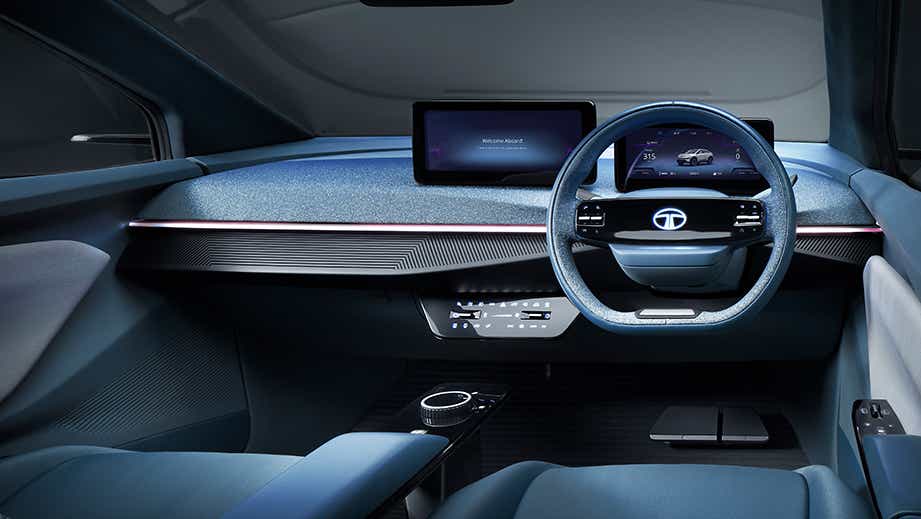
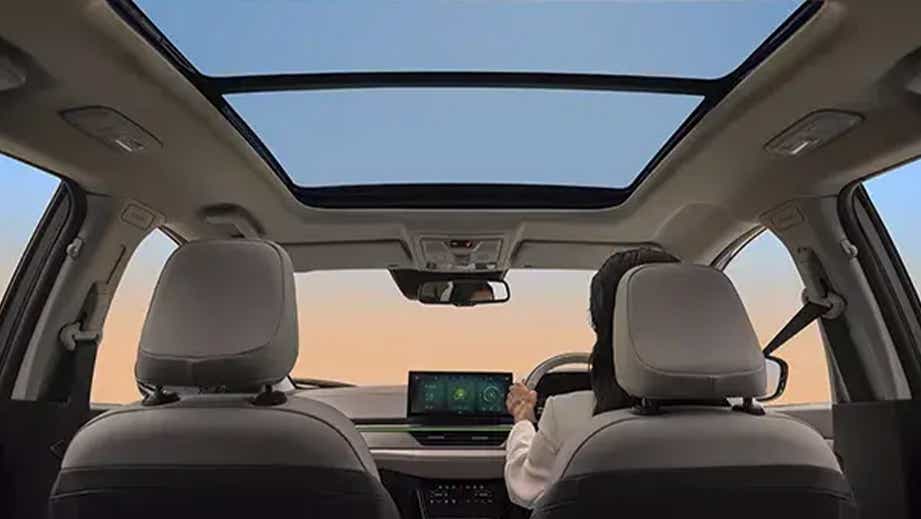

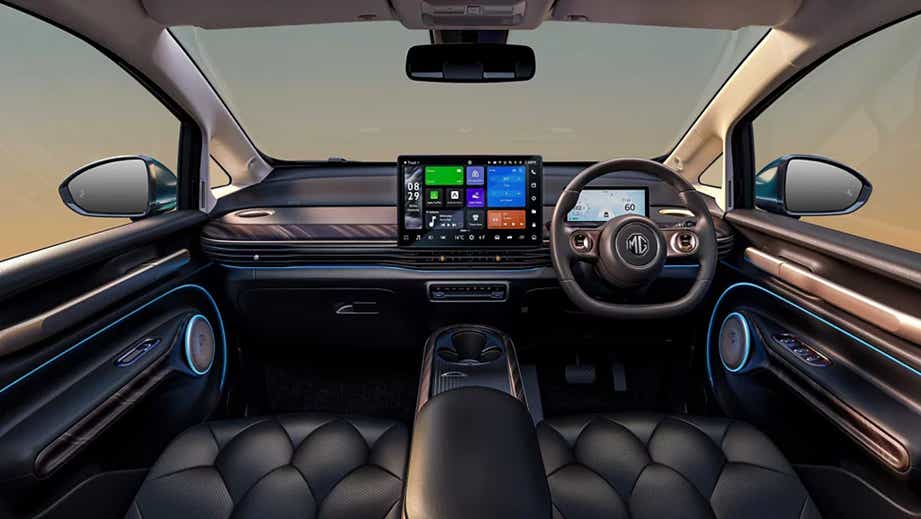
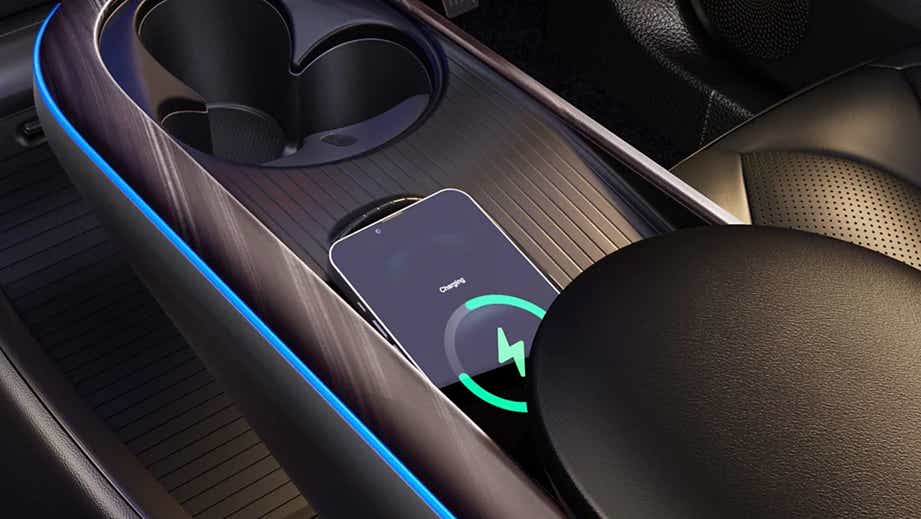
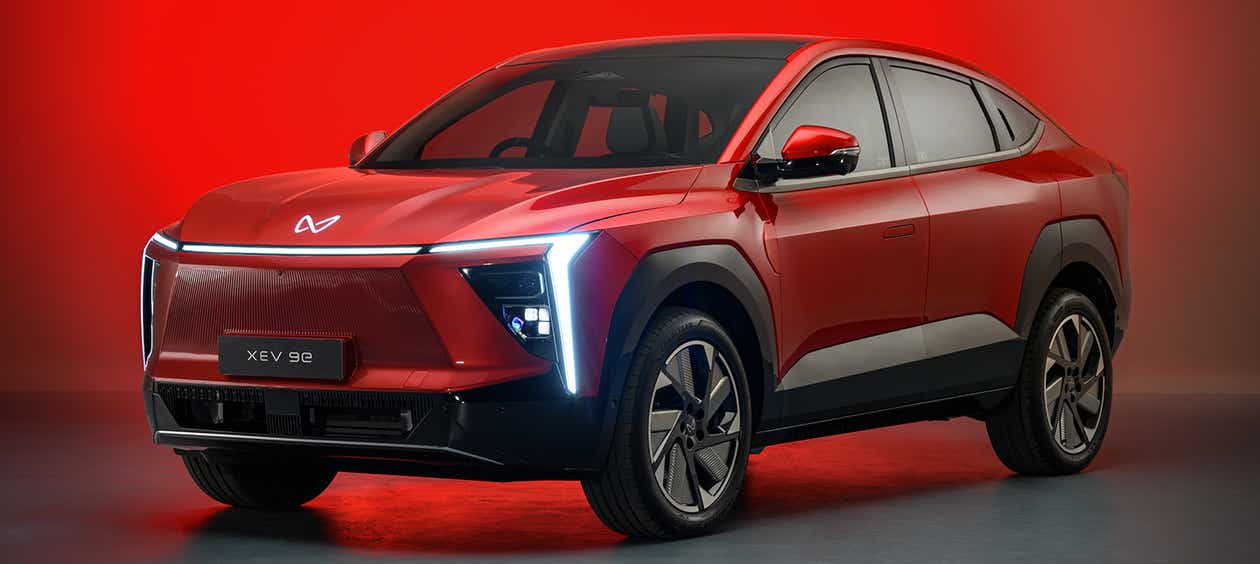
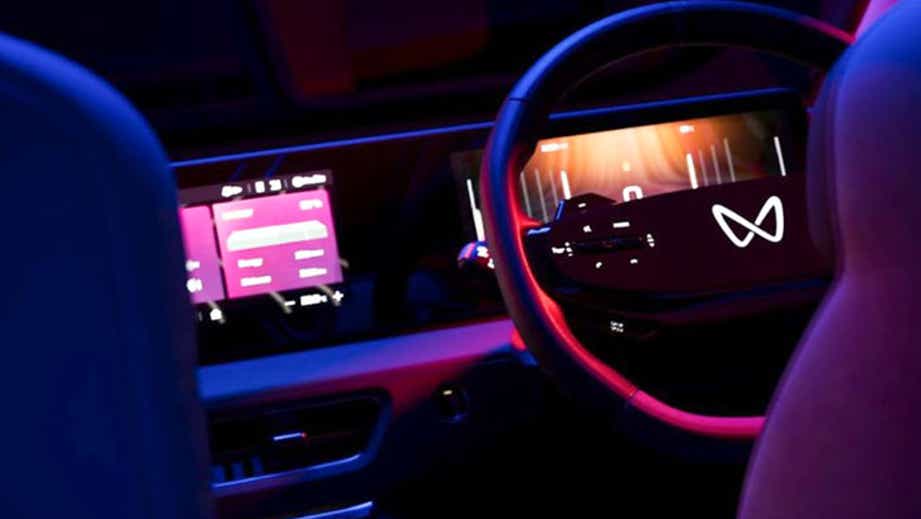
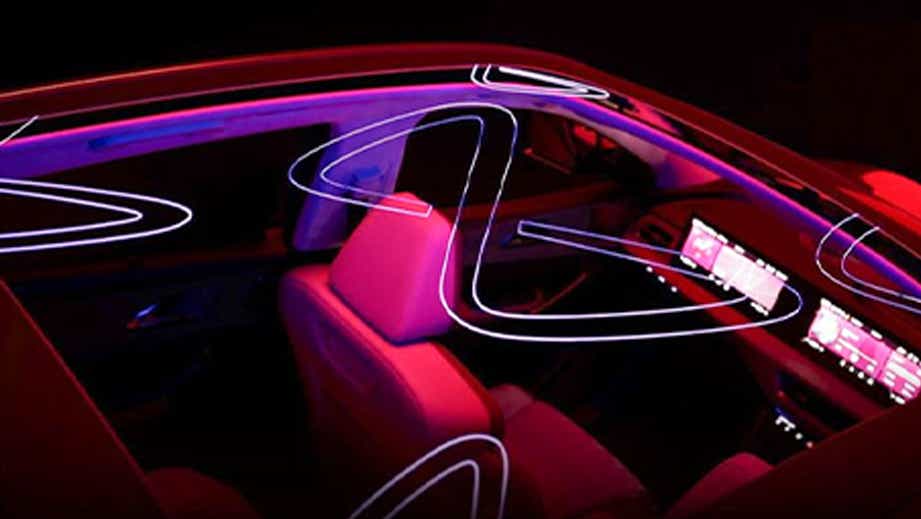
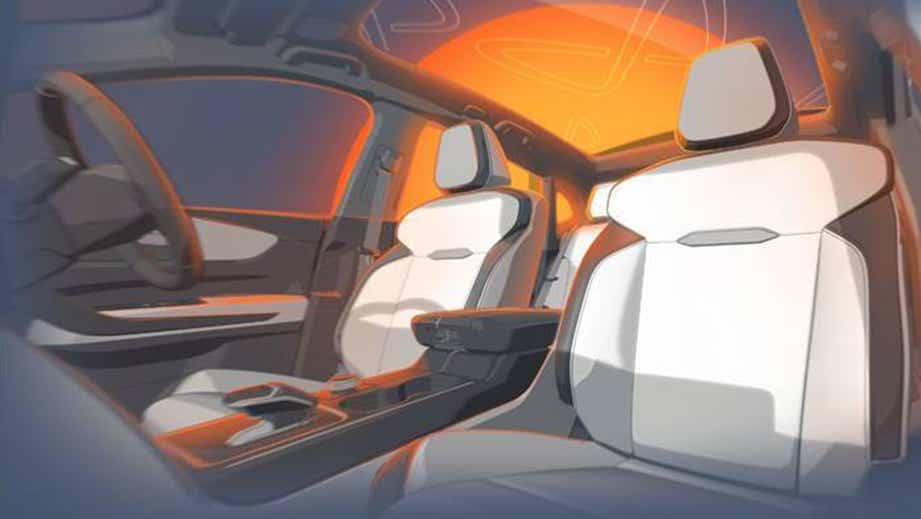
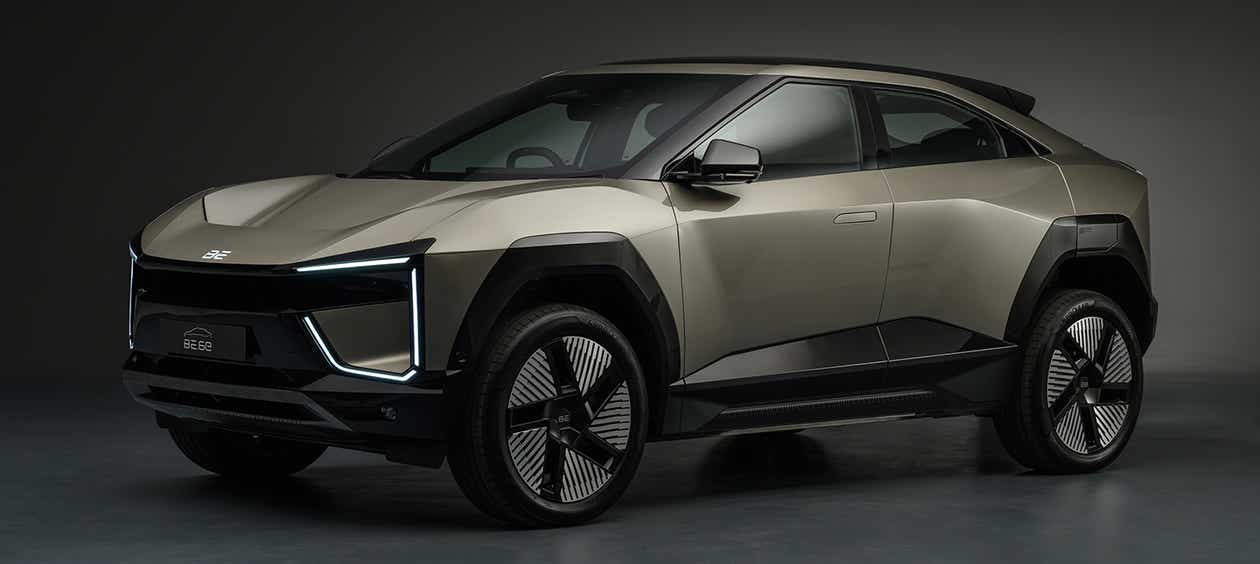


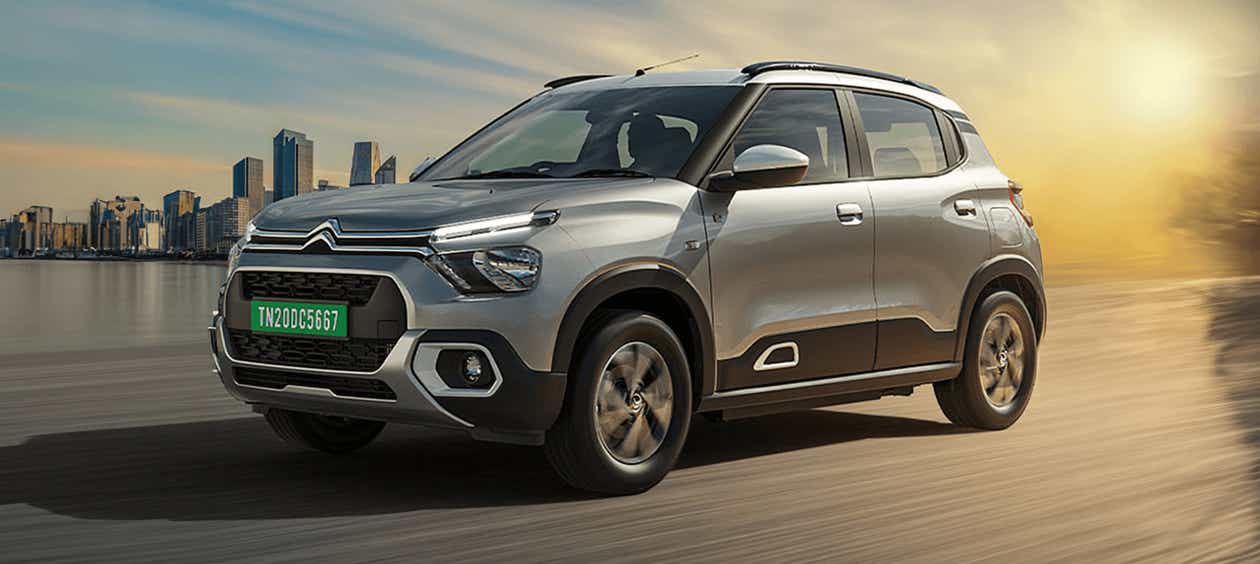


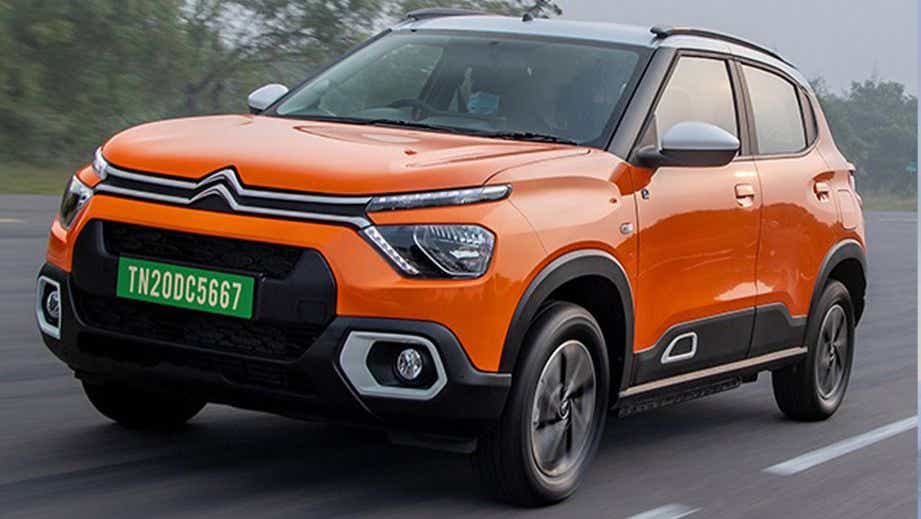
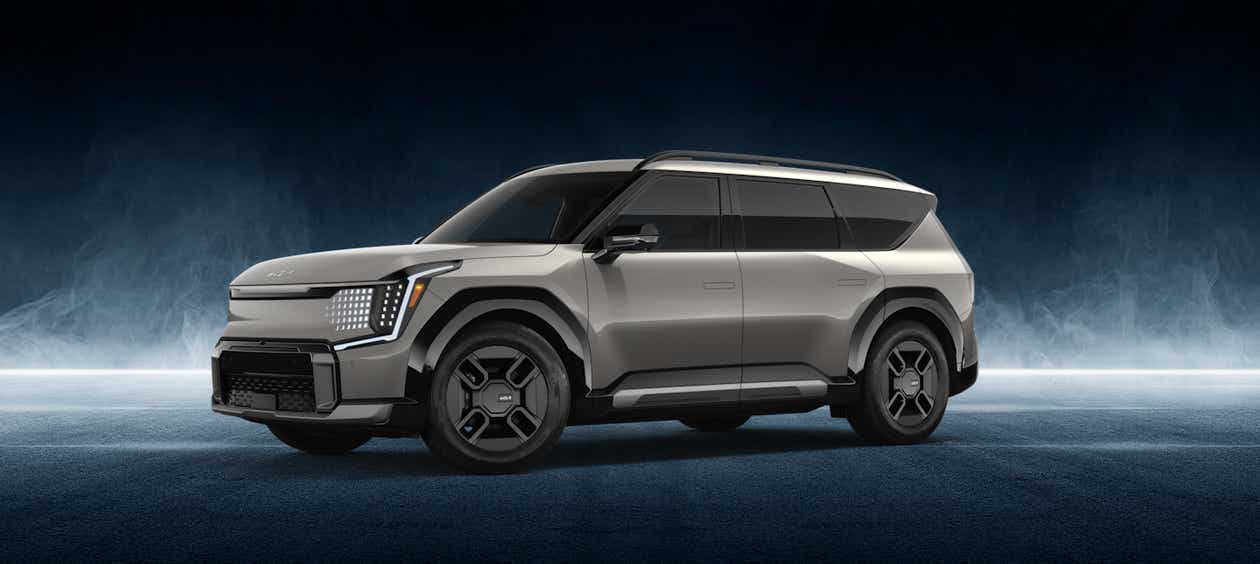
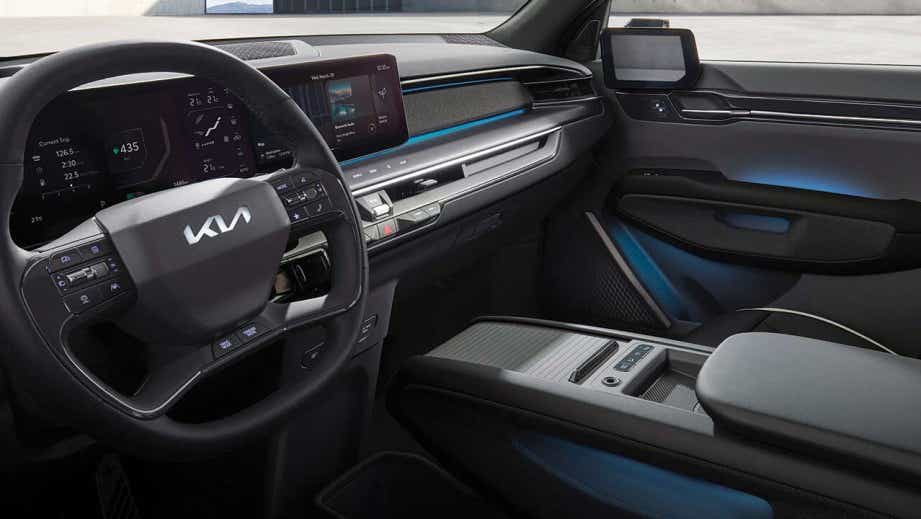
New Electric Cars in India - Eco-friendly & Cost-Effective
The growth of electric vehicles in India has been steady rather than explosive. Early EVs were short-range, expensive and had little access to charging points. Over the last five years, manufacturers have shifted focus towards India-specific products with better battery packaging, realistic range figures and stronger warranty coverage.
By 2024, the market for best EV in India had reached a sales penetration of around 7.66% of total vehicle sales, which is still lower than the global average of 16.48% but is growing fast year on year. The government's long-term vision is ambitious, with targets set for 30% adoption of private electric four-wheeler, 70% in commercial EV vehicles, and 80% in two- and three-wheelers by 2030. As per 2024 data, total EV vehicles in India crossed 54.5 lakh units, which shows that we are now clearly ahead from experimentation to adoption.
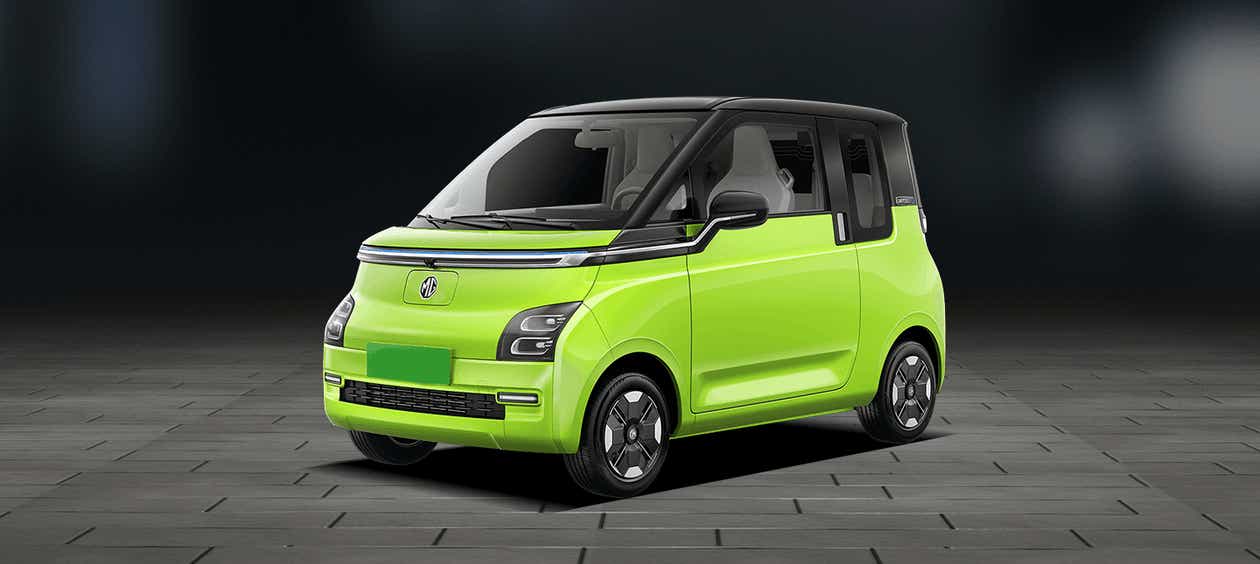
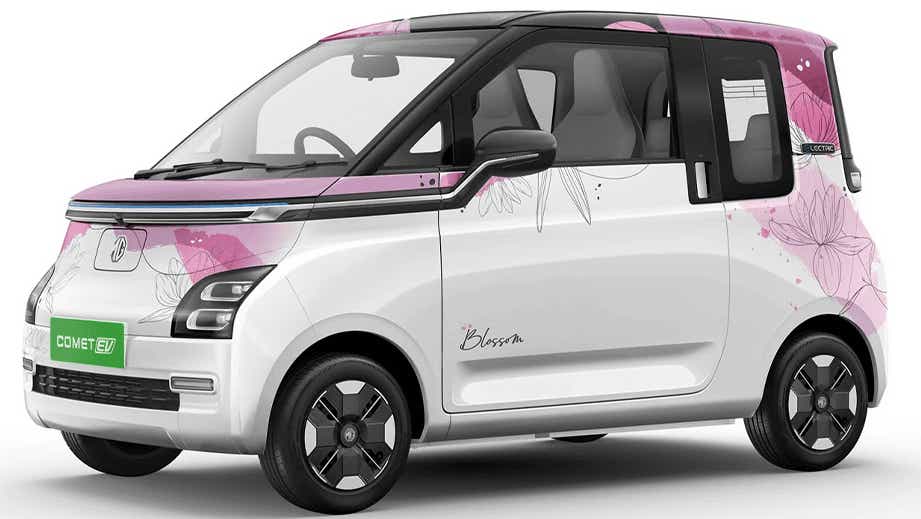
The current market has a variety of options, ranging from a small electric car in India to long-range SUVs. Below is a glimpse of some of the best electric cars on the market today.
| EV Model | Electric Car Price (Ex-Showroom) | Body Type | Claimed Range |
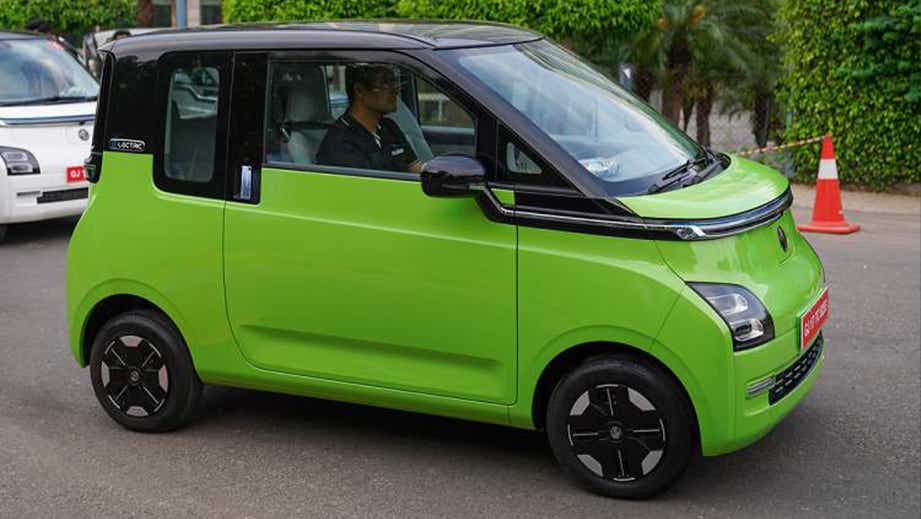
| MG Comet EV | ₹7.50–10 Lakh | City Hatchback | 230 km |
| Tata Tiago EV | ₹7.99–11.14 Lakh | Hatchback | 250–315 km |
| Tata Punch EV | ₹9.99–14.44 Lakh | Micro SUV | 315–421 km |
| Tata Nexon EV | ₹12.49–17.49 Lakh | Compact SUV | 275–489 km |
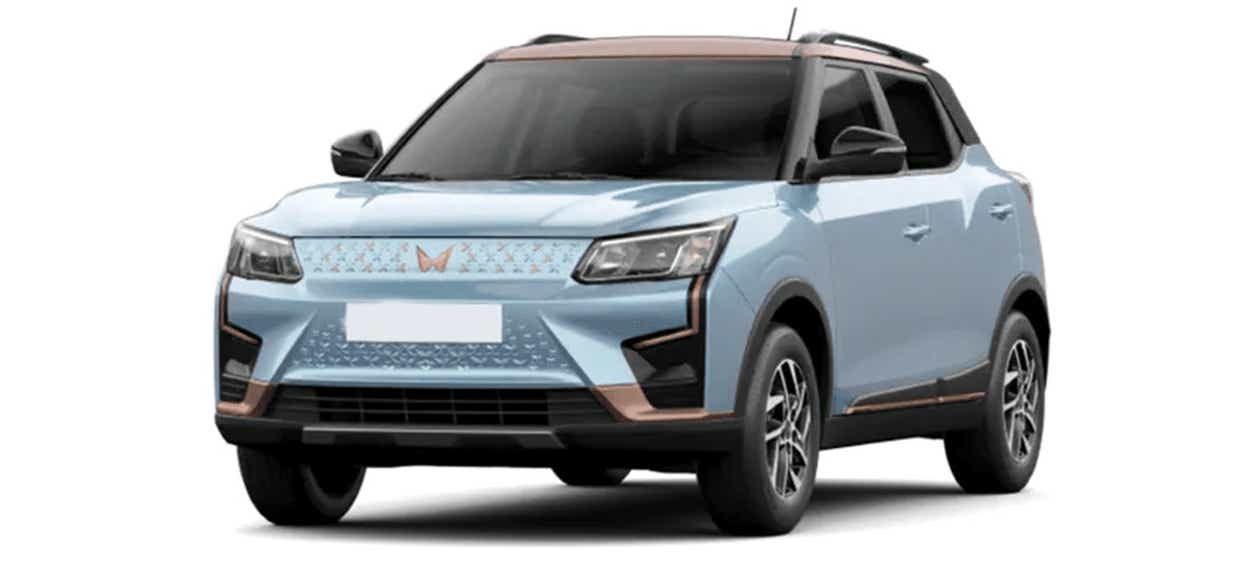
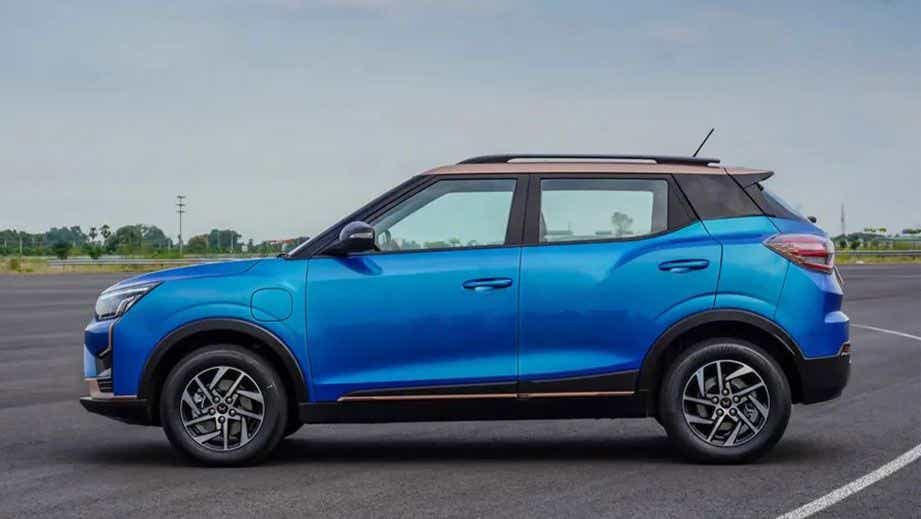
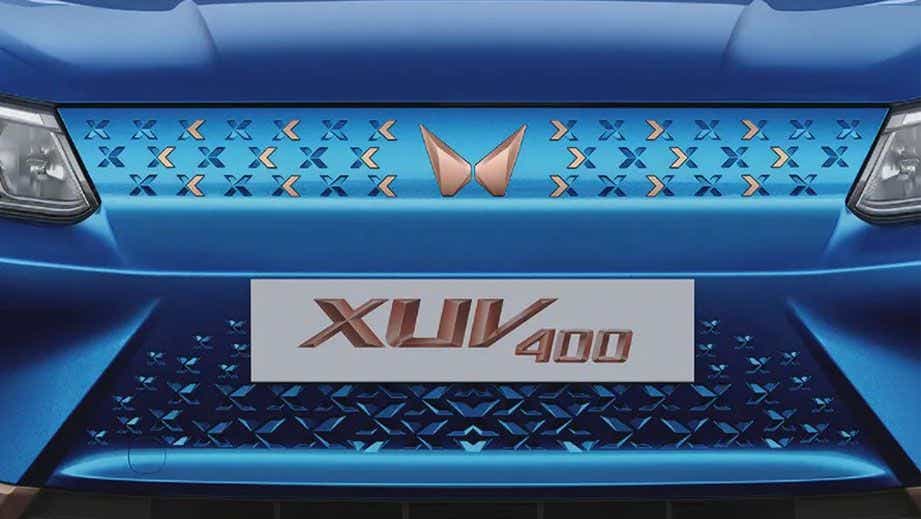
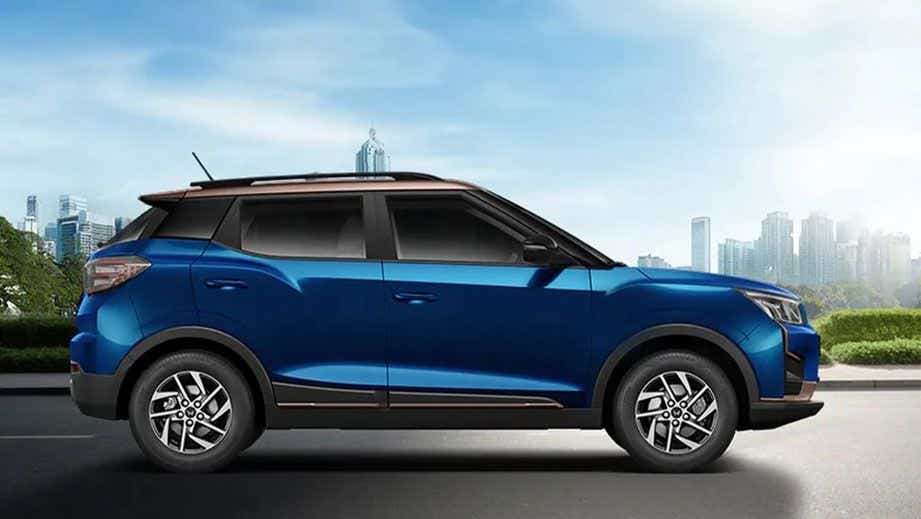
| Mahindra XUV400 EV | ₹15.49–17.69 Lakh | Compact SUV | 375–456 km |
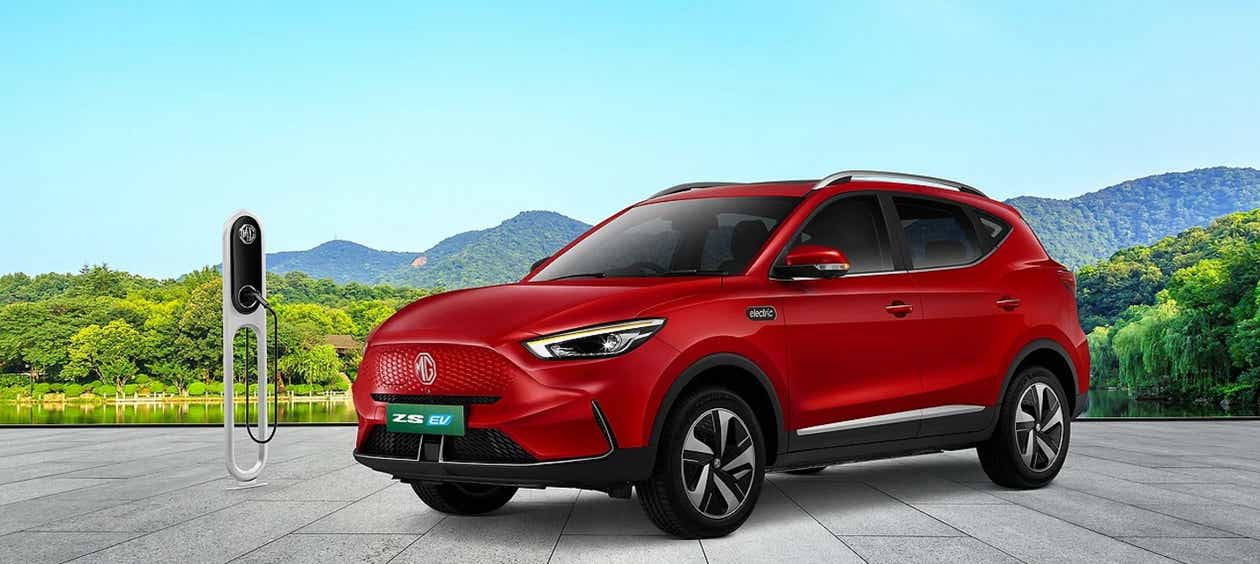
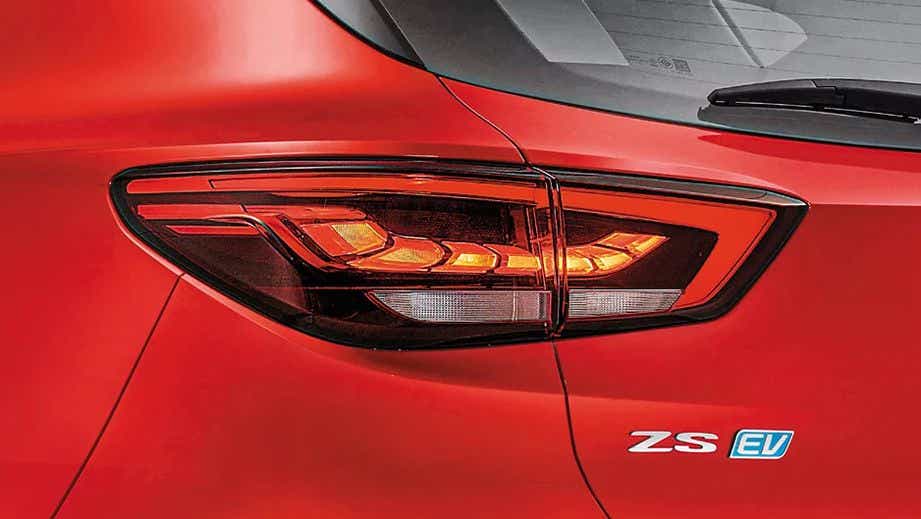
| MG ZS EV | ₹17.99–20.50 Lakh | Midsize SUV | 461 km |
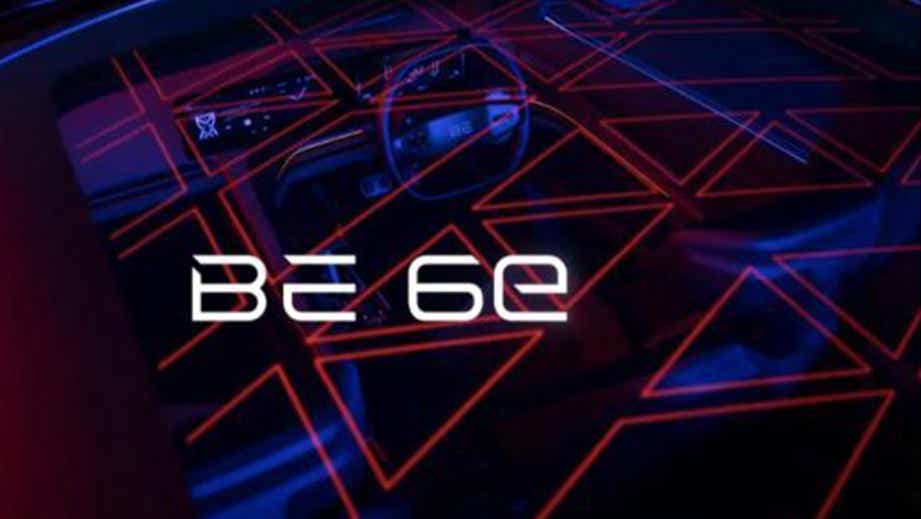
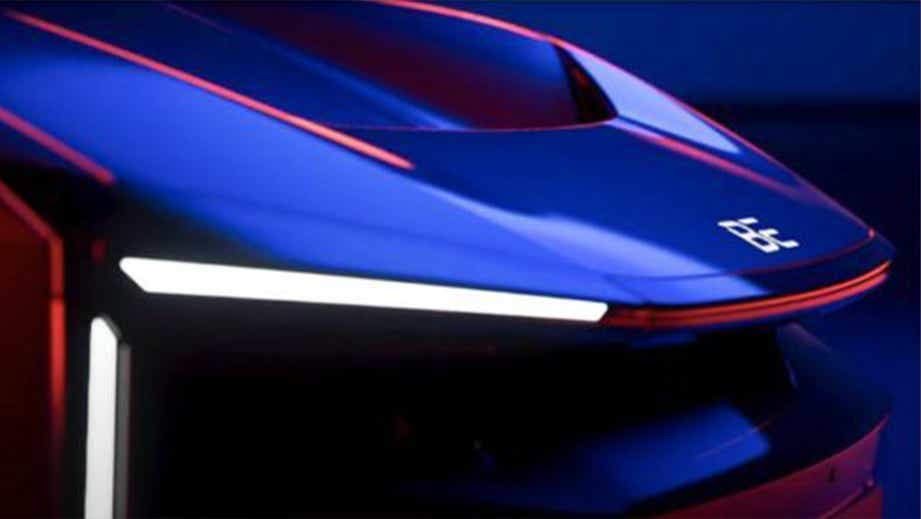
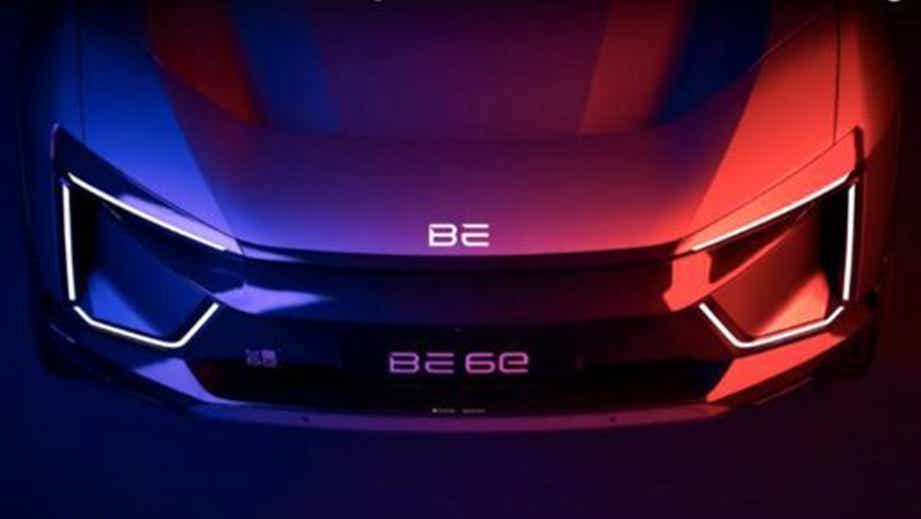
| Mahindra BE 6 | ₹18.90–27.65 Lakh | SUV Coupe | 500+ km |
| Mahindra XEV 9e | ₹21.90–31.25 Lakh | SUV | 500+ km |
From small EV cars in India built to be used in cities to performance-oriented SUVs, buyers today can really shortlist the best EV cars based on usage and not compromise.
An EV (electric vehicle) stores power in a battery pack, and an electric motor is used instead of the internal combustion engine. Unlike petrol or diesel cars, EV cars do not need fuel injection, exhaust systems, or engine oil changes.
The difference is clearly evident in ownership. EV vehicles in India offer instant torque, noiseless operation and smooth driving at low speeds, which is particularly important in traffic. While the electric vehicle price is higher at the beginning, the running and maintenance costs are much less in the long run compared to ICE cars.
Owning electric vehicles is all about smart planning. Daily usability, access to charging points, and cost over a longer time frame are where EVs make sense.
Charging Solutions
Most owners use home charging with a dedicated wall-mounted charger for overnight refills. Moreover, public charging infrastructure has grown almost 5X from FY22 to early FY25, and currently, there are nearly 30,000 public charging stations operational in the country. Highways and urban centres now have fast charging options, and EV cars are becoming more realistic for inter-city travel.
Battery Care and Longevity
Modern batteries are built in a way that they last for 8-10 years. To ensure that your EV’s battery stays healthy, you must avoid charging too frequently from 0-100% and only use fast-chargers when necessary.
Lower Maintenance and Running Costs
With fewer moving parts, EVs have eliminated oil changes, clutch wear and complex gearbox repairs. This makes ownership costs much lower, which makes the EV car price more justifiable in the long run.
Government Incentives and Tax Benefits
Many states also provide waivers in road tax for EVs, and buyers can also benefit from Section 80EEB with regard to income tax benefits. These incentives reduce the EV car price in India directly, along with the overall ownership cost.
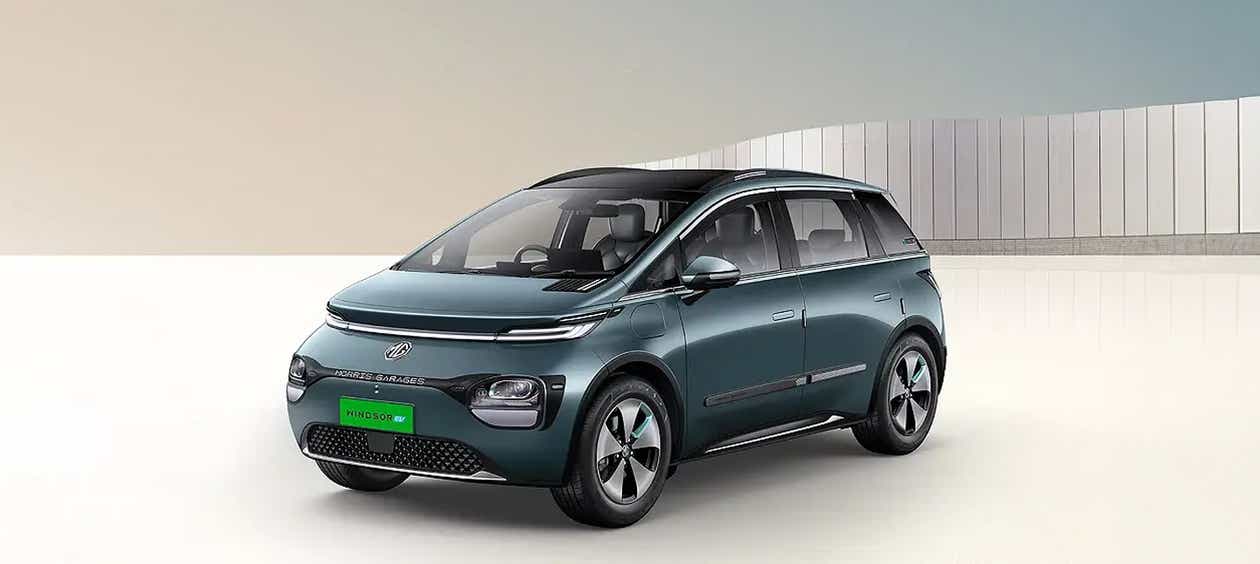
Tata Motors car is one of the most popular players in the mass-market of electric vehicles segment with the Nexon EV, Punch EV, Curvv EV, Tigor EV and Tiago EV. Mahindra is growing aggressively with its born-electric models such as the BE 6, XEV 9e and XUV 9s. MG Motor has the Comet EV, Windsor EV and ZS EV in its EV lineup. Finally, there are Hyundai, Kia, BYD, BMW, Mercedes-Benz and Volvo, which are also expanding their EV footprint in the market.
On the charging side, Tata Power EZ Charge, ChargeZone, Statiq, Adani Power and oil companies such as Indian Oil and BPCL are developing nationwide networks to assist with the long-term adoption of electric vehicles.
Electric cars have distinct advantages, but they do have certain limitations. A buyer must know of these.
| Pros | Cons |
| Very low running and maintenance costs | Higher upfront electric auto price compared to petrol cars |
| Smooth, quiet and stress-free driving in the city | Charging availability still differs from region to region |
| Fewer mechanical breakdowns than ICE cars | Range reduces at highway speeds |
| Environment-friendly operation | Long-term battery replacement cost remains a consideration |
For urban users who drive a fixed number of kilometres daily, electric cars make strong financial and practical sense. Even the cheapest EV car today has sufficient range for city use, and the savings in terms of fuel and maintenance quickly compensate for the higher EV car price.
However, electric vehicles still do reward planned usage. Buyers who drive long distances or live in areas where there is limited access to charging points should weigh things carefully. With new electric cars launching every other day and infrastructure being improved steadily, the options are becoming more capable. If your priorities are focused on reduced running costs, smooth driving and future-ready technology, then choosing from the best EV cars in India is a sensible move.
Browse all New Cars By Fuel Type
- Electric Cars Under 6 Lakhs
- Electric Cars Under 7 Lakhs
- Electric Cars Under 10 Lakhs
- Electric Cars Under 15 Lakhs
- Electric Cars Under 20 Lakhs
- Electric Cars Under 25 Lakhs
- Electric Cars Under 30 Lakhs
- Electric Cars Under 35 Lakhs
- Electric Cars Under 50 Lakhs
- Electric Cars Under 1 Crore
- Electric Cars Under 2 Crore
- Electric Cars Under 5 Crore
- Electric Cars Above 5 Crore
- Maruti Suzuki Electric Cars
- Tata Electric Cars
- Hyundai Electric Cars
- Mahindra Electric Cars
- Toyota Electric Cars
- Kia Electric Cars
- Skoda Electric Cars
- Mg Electric Cars
- Volkswagen Electric Cars
- Citroen Electric Cars
- Bmw Electric Cars
- Mercedes Benz Electric Cars
- Xiaomi Electric Cars
- Ford Electric Cars
- Jeep Electric Cars
- Audi Electric Cars
- Jaguar Electric Cars
- Rolls Royce Electric Cars
- Byd Electric Cars
- Tesla Electric Cars
- Vinfast Electric Cars
- Ola Electric Electric Cars
- Volvo Electric Cars
- Isuzu Electric Cars
- Mini Electric Cars
- Lotus Electric Cars
- Porsche Electric Cars
- Jsw Cars Electric Cars
Browse all Rivals By Fuel Type
Frequently asked questions
The most affordable Electric car in India is the Tata Nano EV. It offers great value for its price.
The most expensive Electric car in India is the Rolls-Royce Spectre.
There are currently 112 new Electric car models available in India.
Recently launched Electric cars in India include the BMW i7 Facelift, Tata Sierra EV, MG Tomahawk EV, Toyota Urban Cruiser Ebella & BMW i5 LWB.
At Cars24, you can easily find a wide inventory of used Electric cars in India. Shortlist options based on your body type and transmission preferences, and buy the best used Electric car to unlock a world of practical affordability.