The Correlation Between High-Mileage Used Cars and Multiple System Failures: What Inspection Data Reveals
- 1High-mileage used cars often show 3 to 5 concurrent defects at inspection
- 2Engine, suspension, and tyre issues cluster together in odometer-tampered cars
- 3Pre purchase car inspection data helps decode the true condition behind the numbers
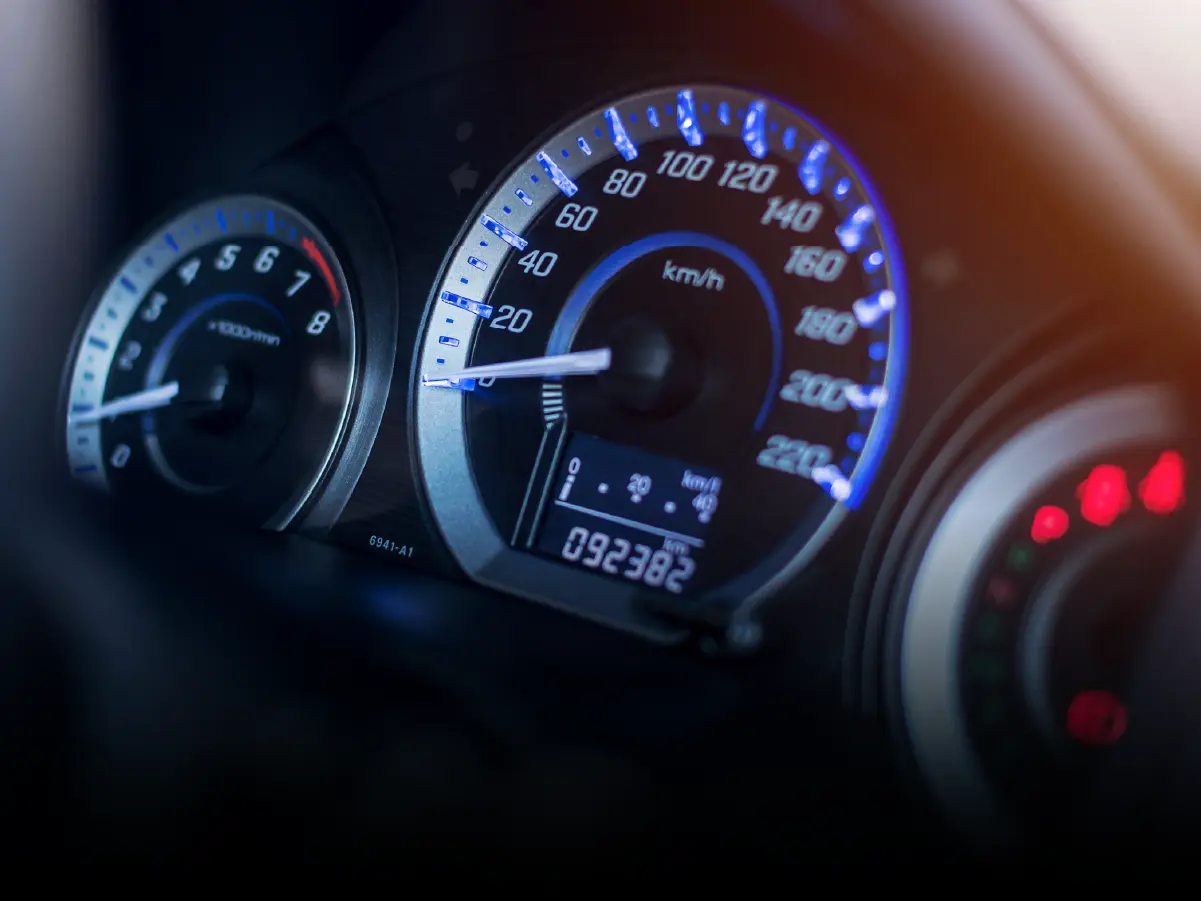
If you have ever looked at a used car listing and noticed suspiciously low mileage on a vehicle that is several years old, you are already thinking about one of the most important issues in the used car market. Odometer tampering is present in roughly 20% of used cars that go through a used car inspection. But the problem goes deeper than a manipulated number on a dashboard.
High-mileage vehicles carry a pattern of wear that shows up consistently across multiple systems at once. When inspection data is studied across a large volume of used cars, a clear picture emerges: the cars that have been driven hard do not fail in just one area. They fail in clusters. Understanding this pattern is essential to making a safe purchase decision.
What the Inspection Data Shows
When used car inspection results are mapped across vehicles with genuine high mileage, specific failure patterns emerge with striking regularity. Engine issues appear in 25% of used cars. Tyre health problems appear in 45% of vehicles. Suspension defects appear in 30%. Brake wear in 15%. AC problems in 25%.
These numbers, viewed in isolation, are significant. Viewed together, they reveal something more important: these failures tend to co-occur. A car with genuine high mileage and deferred maintenance rarely presents with just one problem. The same kilometres that wear down tyres also wear down suspension bushings, brake pads, and place continuous thermal stress on the engine.
This is the cluster effect, and it is the reason a vehicle PDI must cover all major systems rather than stopping after the first problem is found.
Odometer Tampering: The Variable That Distorts Everything
Odometer tampering complicates the inspection picture significantly. When a 90,000-kilometre car is presented as a 40,000-kilometre car, buyers apply the wrong expectations to their assessment. They dismiss worn tyres as a mismatch with the mileage rather than evidence of actual use. They attribute engine noise to bad luck rather than expected wear at true kilometres.
Used car inspection data shows a 20% incidence of odometer tampering. In tampered vehicles, the component wear profile does not match the displayed mileage. The inspection process looks for this mismatch: worn brake rotors on a car that supposedly has 35,000 kilometres, suspension bushings that are compressed and cracked at the same mileage, interior wear patterns inconsistent with low use.
Identifying tampering is not just about protecting against fraud. It recalibrates the entire inspection. Once actual usage is closer to correct, inspectors can make more accurate assessments of remaining component life.
How System Failures Compound Each Other
Engine and Transmission Stress
An engine in a high-mileage car has processed thousands of litres of fuel, cycled through extreme temperature changes hundreds of thousands of times, and relied on oil changes that may or may not have been done on schedule. The 25% engine issue rate in used car inspections reflects this accumulated stress.
Common findings include oil consumption, minor coolant leaks, and injector fouling in petrol cars; and in diesel vehicles, turbocharger wear, EGR valve deposits, and fuel injector degradation. None of these are necessarily catastrophic individually, but each one reduces efficiency and increases the likelihood of a bigger failure.
Tyres as a System Health Indicator
The 45% tyre issue rate in used car inspections is the highest of any category. Tyres are a direct record of how a car has been used. Uneven wear patterns reveal alignment problems caused by worn suspension. Feathering on tyre edges points to toe misalignment. Cupping or scalloping on the tread surface is a direct indicator of worn shock absorbers.
In other words, badly worn tyres in a used car inspection are not just a tyre problem. They are a diagnostic signal pointing to suspension and alignment issues that may extend across multiple components.
Brakes and the Maintenance Cycle
The 15% brake issue rate sounds reassuring until you consider that brake wear is highly dependent on maintenance discipline. A car that has had regular brake pad replacements will show clean pads even at high mileage. A car where maintenance was deferred may show metal-on-metal contact, a scored rotor surface, and seized callipers that add significant cost to the repair.
In high-mileage cars, brake fluid is frequently contaminated and overdue for replacement, which reduces braking effectiveness and accelerates calliper wear internally.
What a Comprehensive Used Car Inspection Covers
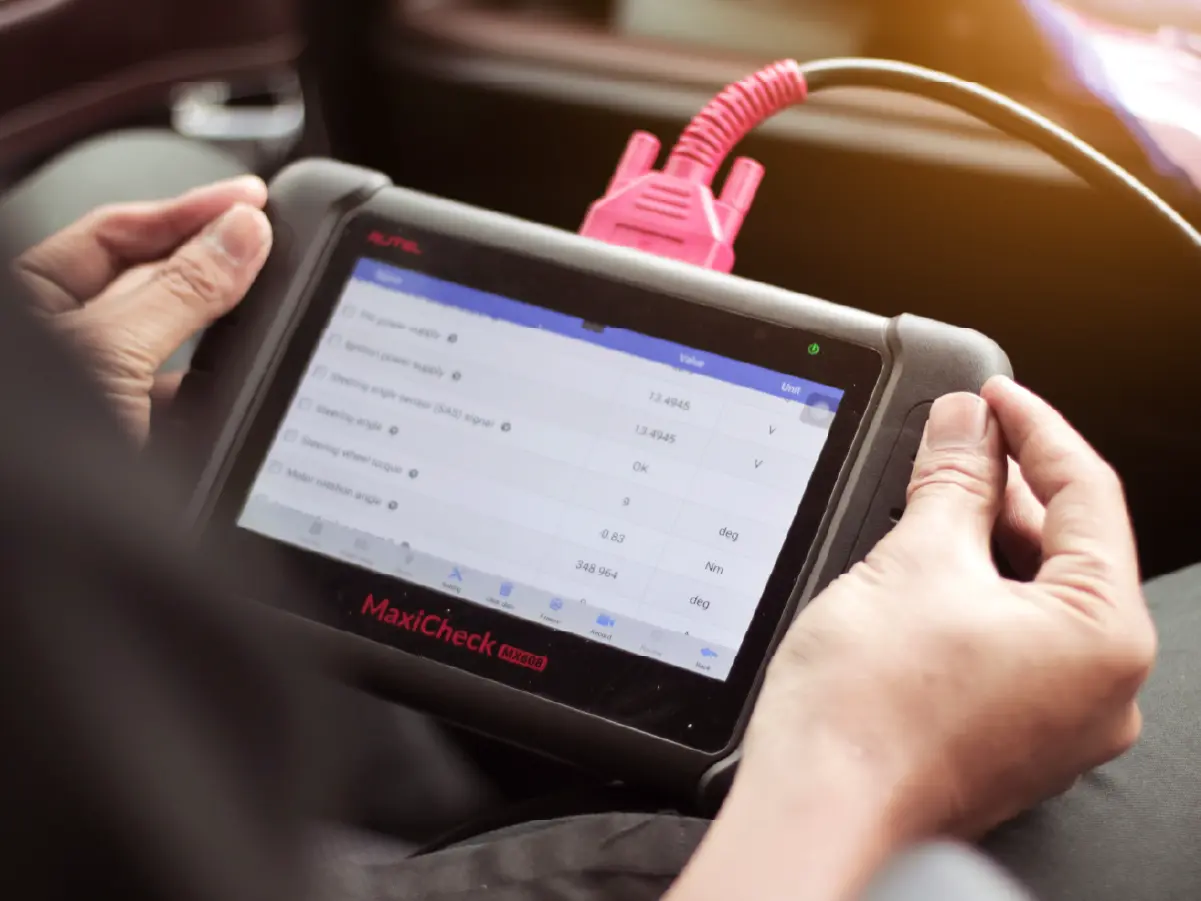
A complete vehicle PDI goes beyond a single system check. It documents findings across engine, transmission, suspension, steering, brakes, tyres, electricals, body, and interior systematically. When a pattern of co-occurring faults is found, a thorough inspector notes not just each defect individually but how they relate to each other.
This matters for your negotiation and for your budget. A car with tyres at 20% remaining tread, suspension bushings that are cracked, and an engine that consumes a litre of oil every 2,000 kilometres presents a very different financial profile from a car with a single worn tyre.
A pre delivery car inspection report that covers all these areas gives you the information to either negotiate a fair price reduction or walk away from a car that will cost significantly more than its asking price over the next 12 months.
Reading the Inspection Report as a Whole
When you receive a used car inspection report, look beyond the individual line items. Ask: do the defects tell a consistent story? Multiple systems failing together in a car with suspiciously low mileage is a strong signal of either odometer tampering or severe neglect. A single isolated issue on an otherwise well-maintained car is a very different situation.
The difference between these two scenarios can easily be Rs 50,000 to Rs 1,50,000 in repairs. The inspection report is the tool that helps you see which picture you are actually looking at.
Conclusion
Inspection data consistently shows that high-mileage used cars rarely fail in isolation. When one major system shows wear, others are typically close behind. The 45% tyre issue rate, 30% suspension failure rate, and 25% engine issue rate are not independent statistics; they overlap heavily in vehicles that have been driven hard or maintained poorly. A thorough used car inspection that covers all major systems, interpreted in context, is the most reliable tool a buyer has to understand the true condition of a high-mileage vehicle.
Frequently Asked Questions
Expand all