Tyres, Suspension and Brakes - The Three Biggest Safety Risks in Used Cars
- 1Forty-five per cent of pre-owned cars fail inspection due to poor tyre health
- 2Compromised suspension systems account for thirty per cent of safety failures
- 3Worn brake pads and warped discs represent a critical risk for fifteen per cent
For common car buyers, a clean pre-owned car usually takes priority over mechanical health. If a car is looking good, it might run fine as well. However, in reality, this is far from true as our internal inspection data reveals that about 45% of used car possess significant safety concerns.
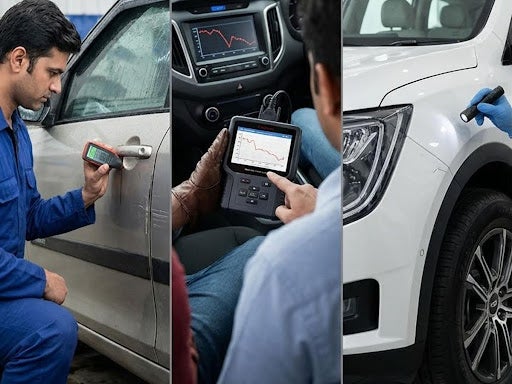
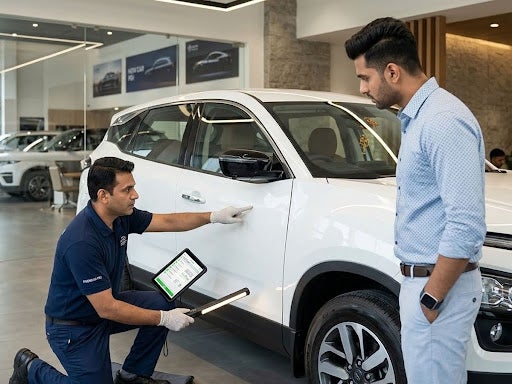
A polished exterior may suggest a well-maintained car, but the main story is told by the components responsible for keeping the vehicle on the road. Hence, to identify any underlying problem in a car, a thorough inspection has become necessary.
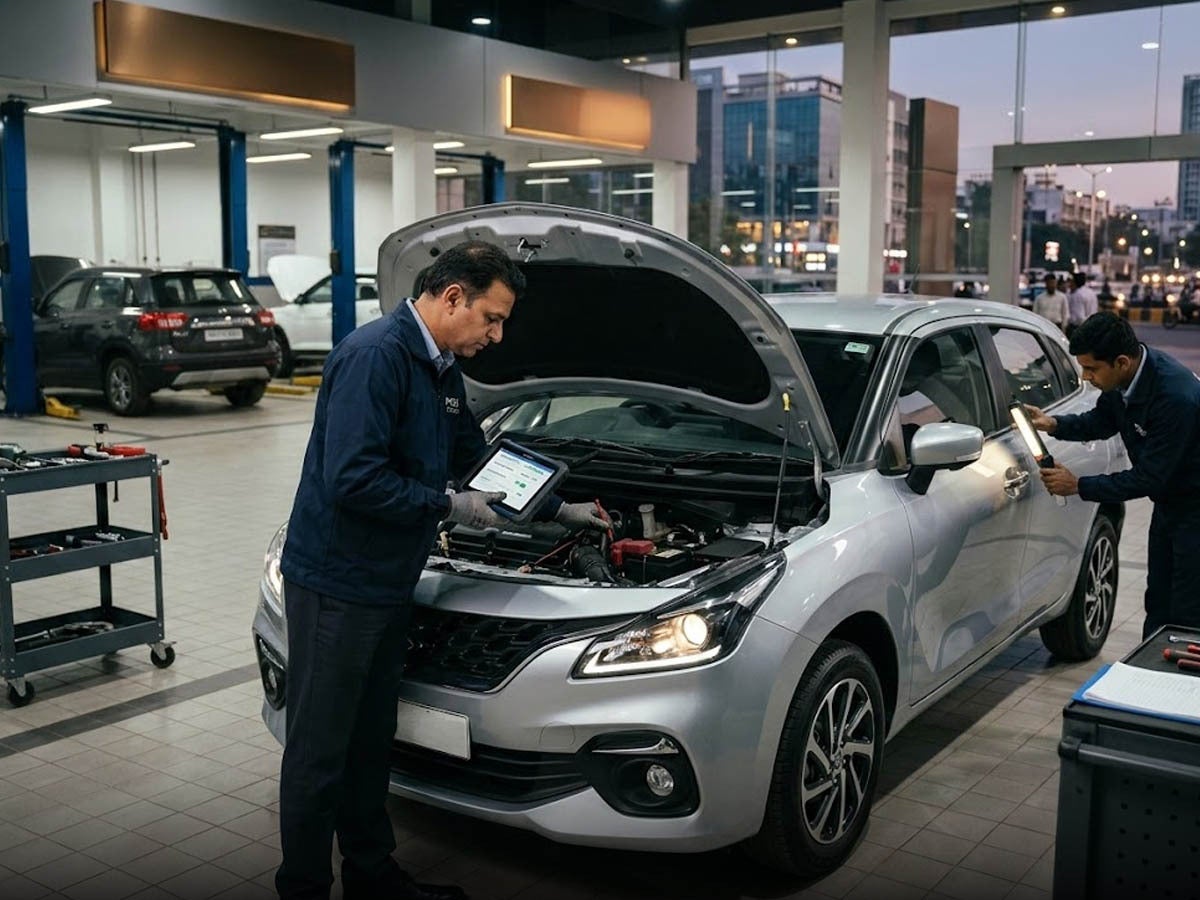
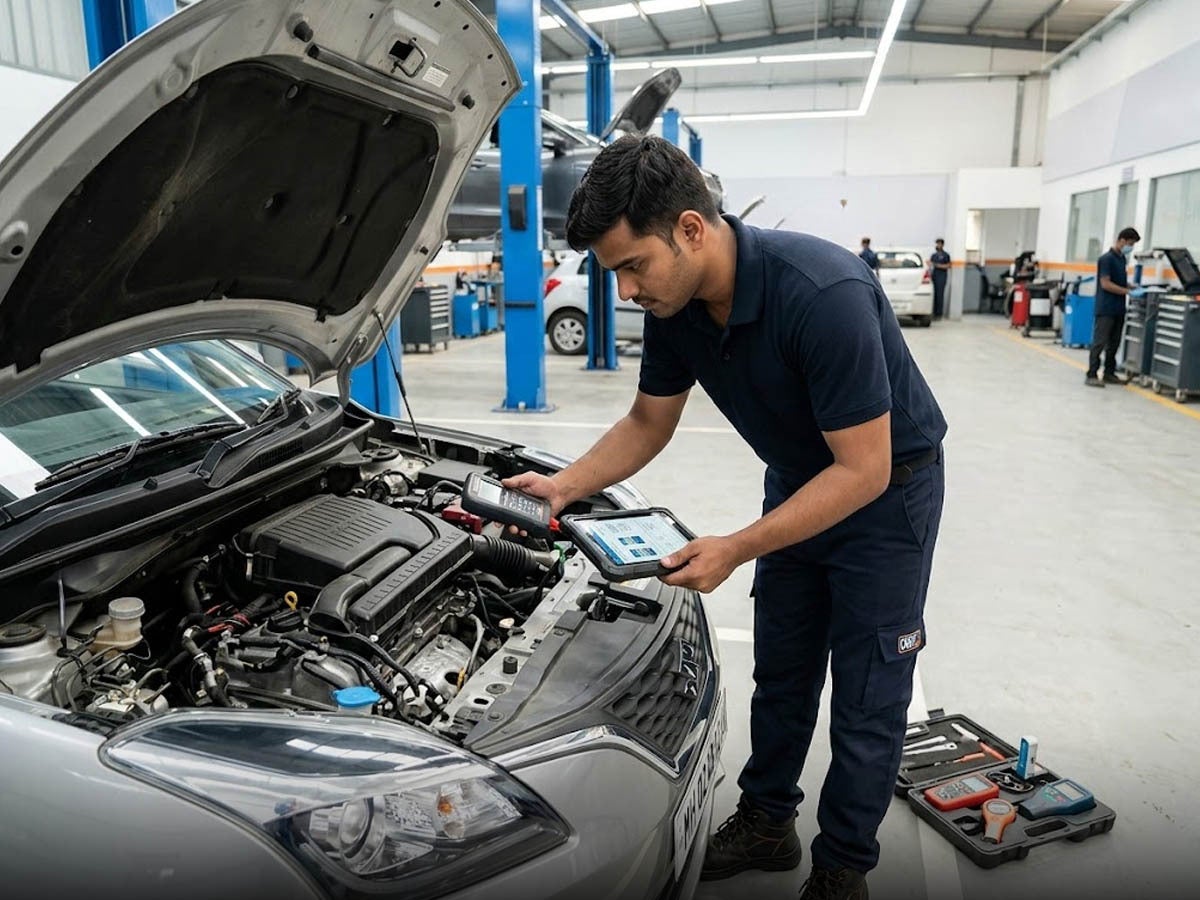
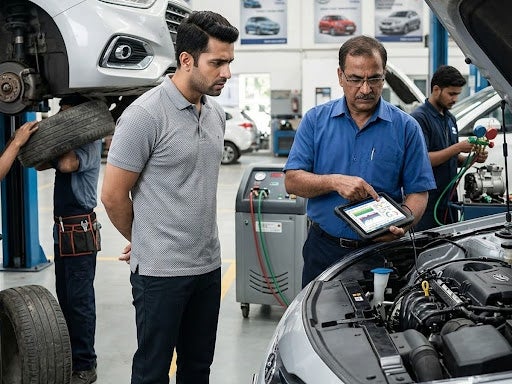
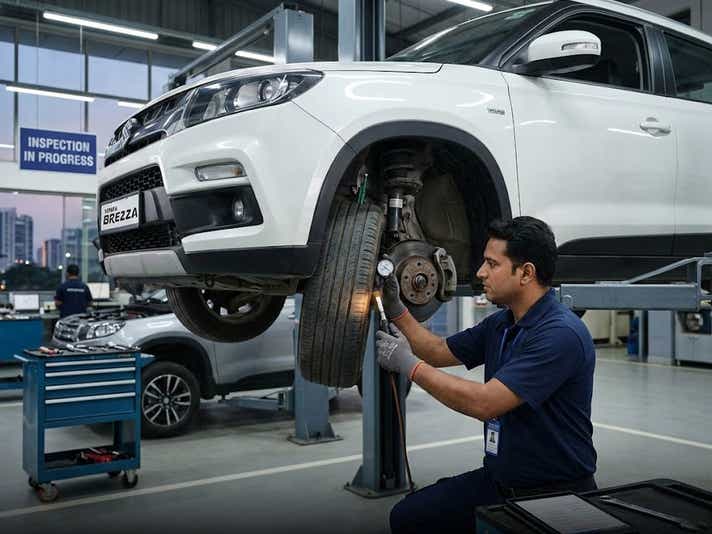
Professional pre-delivery inspections consistently highlight three primary areas of failure, which are tyres, suspension and brakes. All these systems are the most crucial parts of a car as they keep it on the road with stability. If any of these systems is compromised, the safety is compromised.
The Prevalence of Tyre Issues
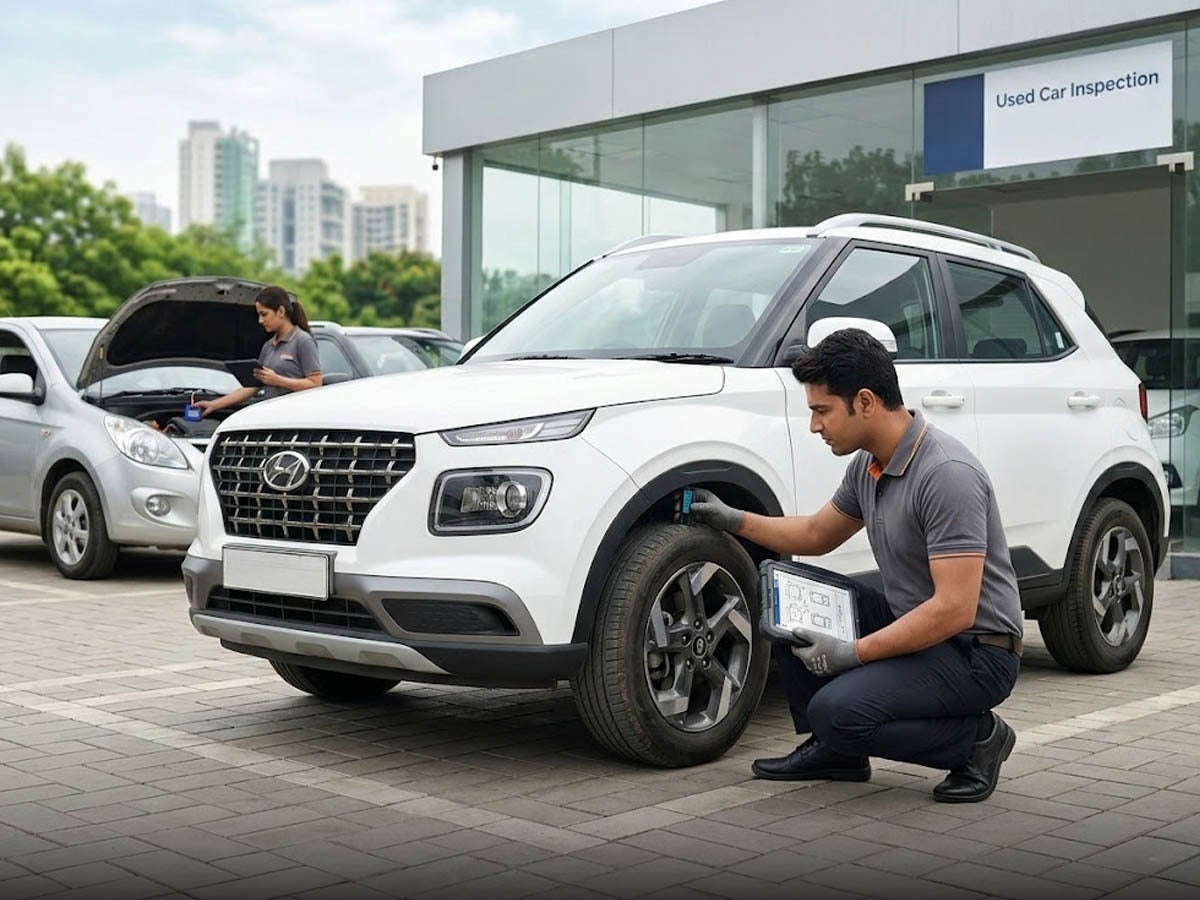
We have vast experience in inspecting cars, with over 1 crore new and used pre-delivery inspections already performed across India. From its database, we have found that about 45% of used cars fail to meet standard safety benchmarks for tyres. This is a staggering statistic because tyres are the only point of contact between the car and the road surface.
Many sellers sell their cars without replacing their tyres, which is common in the used car market in India. Beyond simple tyre wear, our inspectors also encounter aged tyres that are in use beyond their life. Even if a car has been driven sparingly, tyres naturally degrade over time, losing the elasticity required for effective grip.
These hardened tyres increase the likelihood of skidding, particularly during wet weather or emergency braking. Furthermore, uneven wear patterns are often observed, which frequently point toward underlying issues with wheel alignment or steering geometry.
Suspension Stability and Control
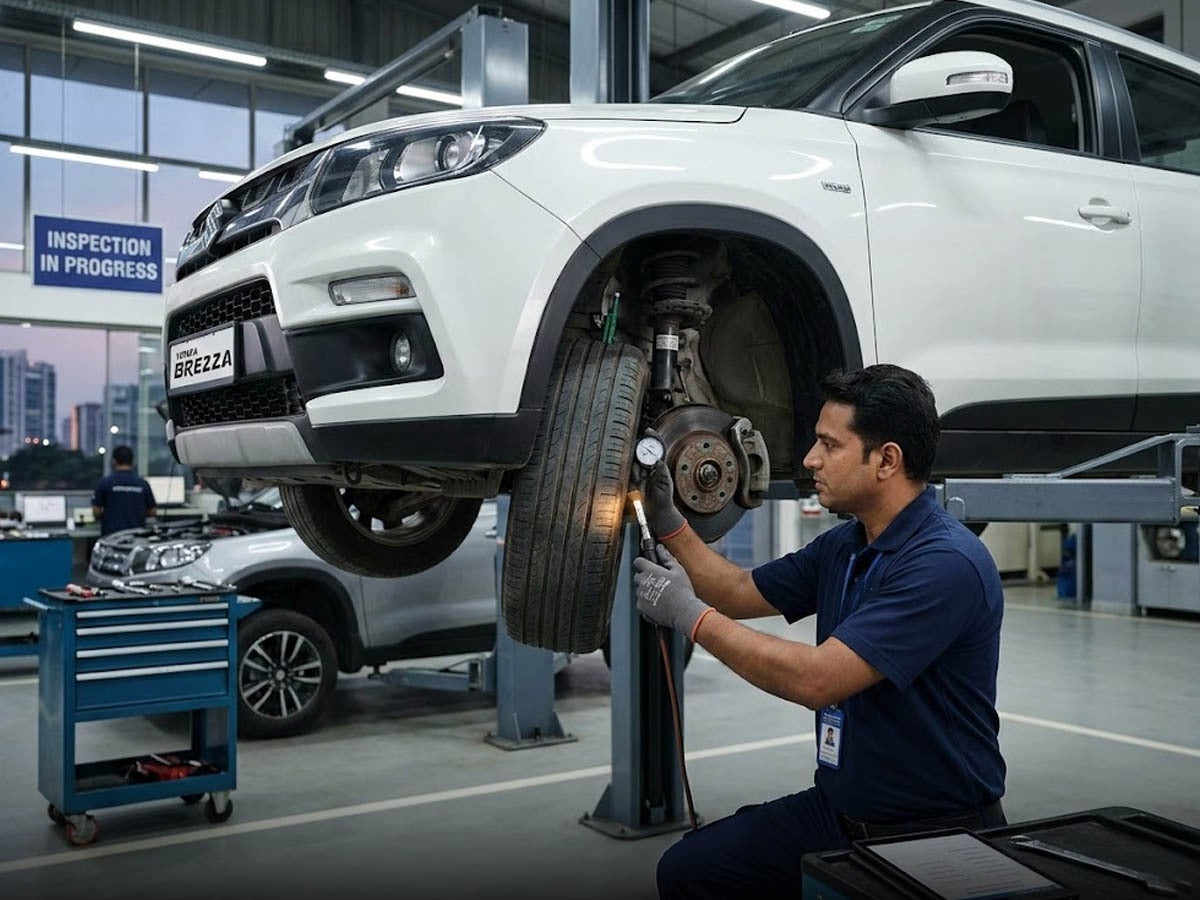
Similar to the tyres, the suspension system is also an important part of the car. Suspension components try to keep the tyre in contact with the road surface and support the tyres’ traction and stability. Our data reveals that around 30% of used cars have suspension-related problems which require immediate attention.
This is because, if worn-out suspension components are continued to be used, they can damage other components, give rise to uneven grip, cause noise over bad roads, and fail to give a smooth ride.
This can lead to more difficulty in maintaining control of the car in case of a crisis. Therefore, it is important to identify suspension issues through an inspection service and ask for a steep discount or a free replacement of the parts.
Braking Performance and Reliability
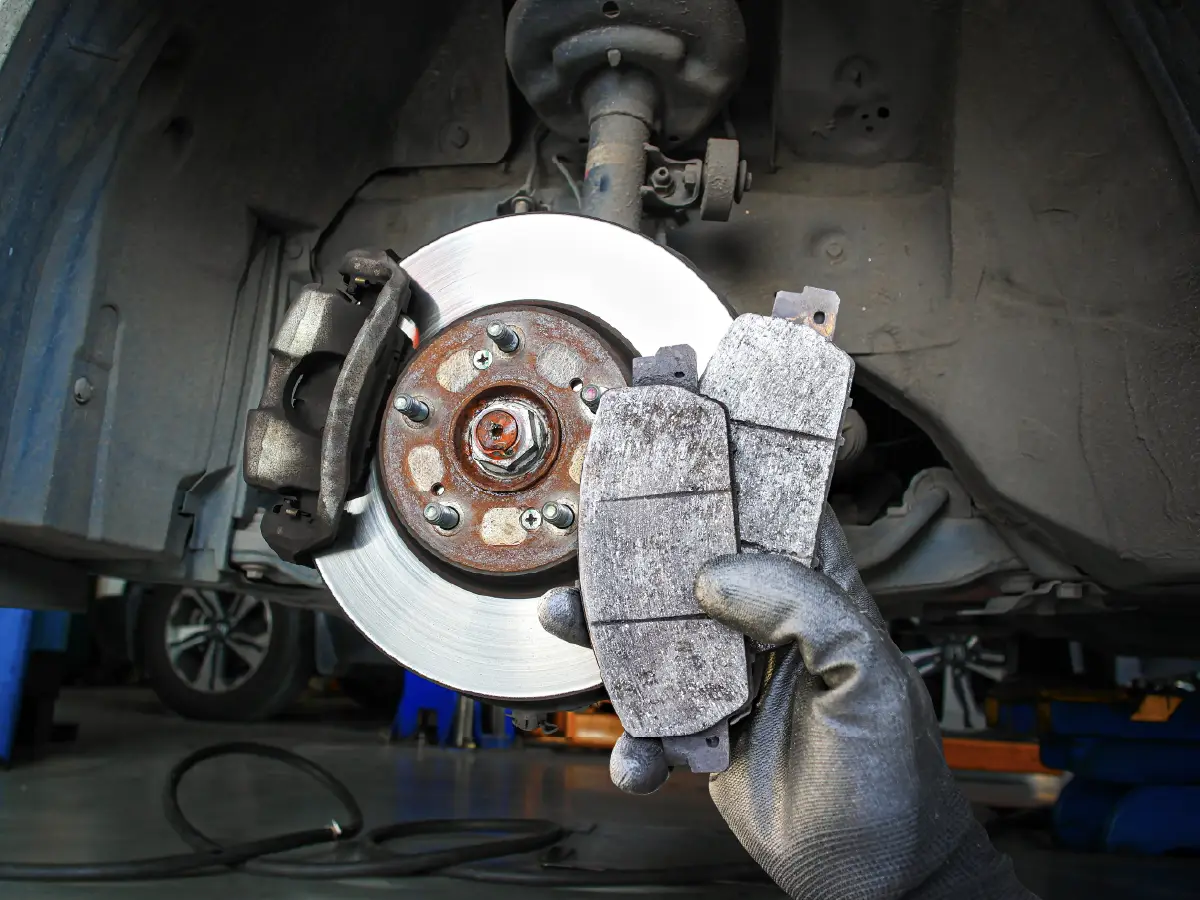
The brake issue takes a long time to surface. But it is common in used cars, as about 15% of cars that we inspect have some sort of braking problem. The issue could be worn-out brake pads, warped rotors, leaking brake fluid or degraded brake fluid. Other issues, like vibration during braking, spongy pedal feel, etc.
Problems in the braking system are a direct safety hazard. Drivers rely on brakes to slow down immediately. Thus, if an inspection finds brake-related issues, you can ask them to berectified or given a discount so that you can take care of them after the delivery.
Safety Failure Overview
The following table outlines the frequency of these critical safety failures as observed during professional vehicle assessments.
| Component | Failure Rate | Primary Safety Impact |
| Tyre Health | 45% | Reduced grip and increased risk of blowouts |
| Suspension | 30% | Unstable handling and poor steering response |
| Braking System | 15% | Extended stopping distances and hardware failure |
Conclusion
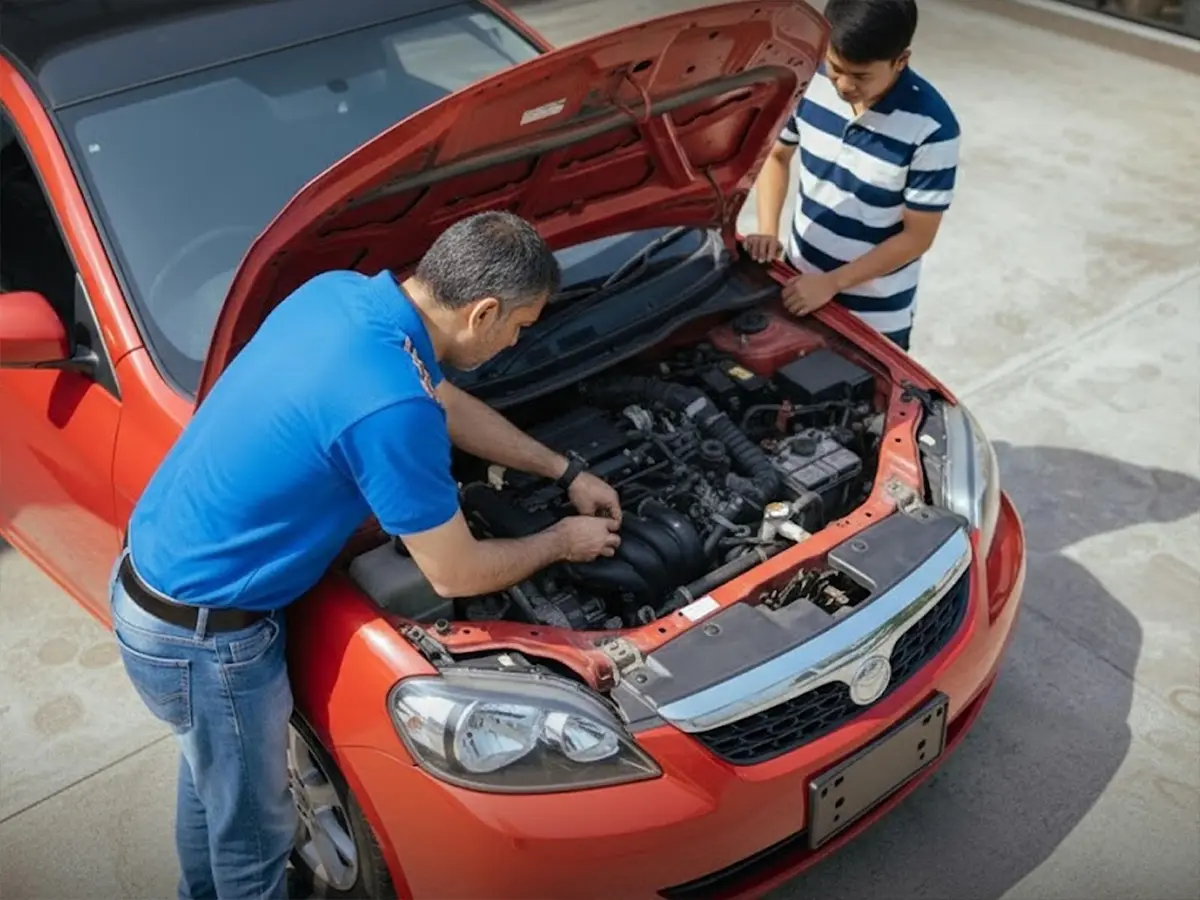
Our data confirms that safety is rarely guaranteed in the used car market without a rigorous technical assessment. Mechanical wear in the used cars is invisible to the untrained eye. Also, no one can fully judge a car within a matter of minutes in the showroom or stockyard.
Thus, it is ideal to opt for a used car inspection before finalising a car for purchase. It will not only provide safety but also give you complete peace of mind after owning the car yourself.